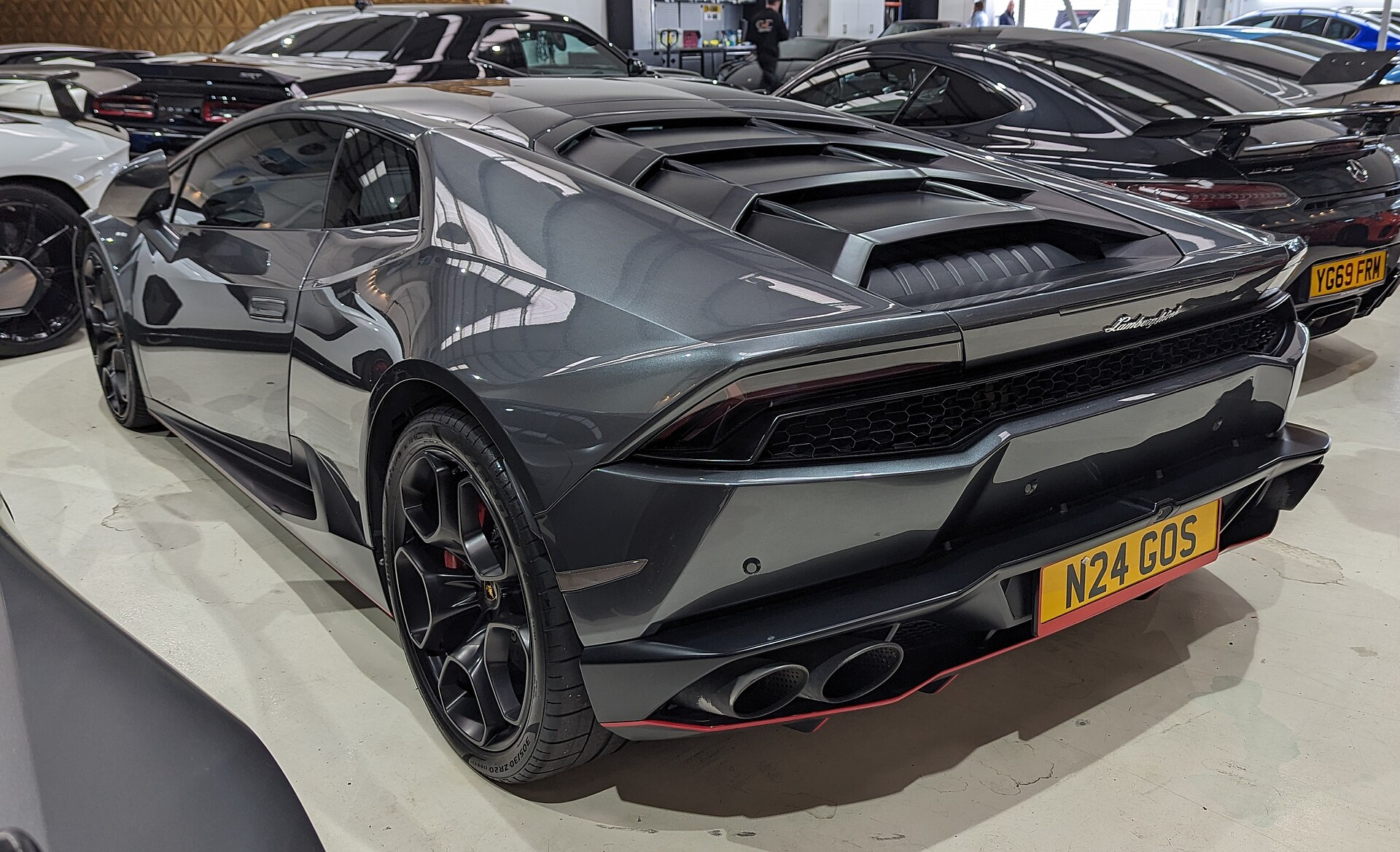
Is a Lamborghini Huracan Worth Buying?
You've been thinking about it for months. Maybe years. The Huracan sits at the intersection of attainable and extraordinary — but is it actually a smart purchase? Here's the unfiltered truth about what you're really getting into.
The Short Answer: Yes, But Not for the Reasons You Think
The Lamborghini Huracan is worth buying. But that statement requires context, because "worth" means different things to different buyers. If you're asking whether it's worth the money as a pure financial asset, the answer is surprisingly favorable — the Huracan depreciates only about 20% over five years, compared to nearly 30% for the average exotic sports car. If you're asking whether the driving experience justifies the price tag, you're looking at one of the last naturally aspirated V10 supercars ever produced, and every year that passes makes that more significant.
But if you're asking whether the Huracan is worth buying without understanding the full picture — maintenance costs, insurance burden, the variants that hold value versus the ones that don't, and the ownership reality that nobody posts about on Instagram — then you're not ready yet. This guide exists to get you ready.
We've helped hundreds of buyers through the Huracan purchase process at Automonitor, and the single biggest regret we see isn't choosing the wrong car. It's going in without the right information. So here's everything you need to know before writing that check.
What Makes the Huracan Special: The Last of Its Kind
Lamborghini ended Huracan production in December 2024 after building nearly 20,000 units over a decade. Its replacement, the Temerario, uses a twin-turbo V8 hybrid powertrain. That means the Huracan is the final Lamborghini to run a naturally aspirated V10 engine — a 5.2-liter unit that revs to 8,500 rpm and produces a sound that no turbocharged engine can replicate.
This matters because the entire supercar industry is shifting to electrification. Ferrari's next generation is hybrid. McLaren's Artura is hybrid. Porsche's 911 will go hybrid within the next few years. The Huracan represents the end of an era where engines were designed to thrill rather than comply. Every year that passes makes the naturally aspirated V10 more historically significant — and historically significant cars tend to hold their value.
From a performance standpoint, the Huracan remains genuinely competitive in 2026. The EVO produces 630 horsepower, hits 60 mph in 2.8 seconds, and tops out at 202 mph. The STO variant is even faster, with track times that rival cars costing twice as much. You're not buying a relic — you're buying a car that can still embarrass modern supercars on any road or circuit.
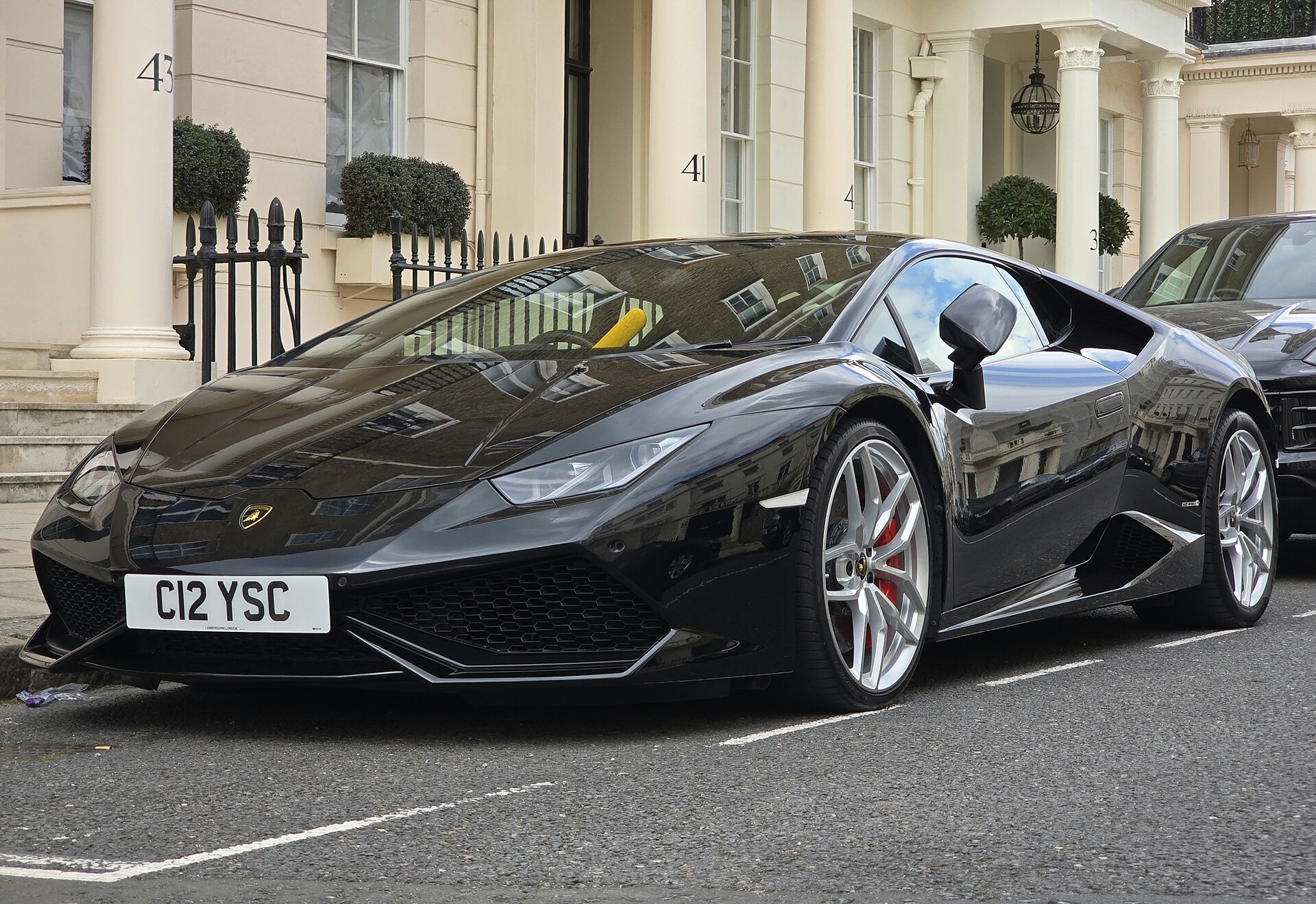
What a Huracan Actually Costs: Purchase Price Is Just the Beginning
The sticker price of a Huracan ranges dramatically depending on variant, year, mileage, and condition. Here's what the current used market looks like in early 2026:
| Variant | Year Range | Used Market Range | Sweet Spot |
|---|---|---|---|
| LP 610-4 | 2014–2019 | $130,000–$165,000 | 2016–2017 with 15K–25K miles |
| EVO AWD | 2019–2024 | $155,000–$190,000 | 2020–2021 with 8K–15K miles |
| EVO RWD | 2020–2024 | $145,000–$175,000 | 2021–2022 with under 10K miles |
| Tecnica | 2021–2024 | $190,000–$220,000 | 2022 with under 5K miles |
| Performante | 2017–2024 | $185,000–$230,000 | 2019–2020 with 5K–12K miles |
| STO | 2021–2024 | $240,000–$295,000 | Any with under 3K miles |
| Sterrato | 2022–2024 | $195,000–$230,000 | Any — all are low mileage |
But purchase price is only part of the equation. Here's what ownership actually costs on an annual basis, based on real owner data and service records we've reviewed through Automonitor:
| Expense Category | Annual Cost | Notes |
|---|---|---|
| Insurance | $4,000–$8,500 | Varies by age, location, driving record |
| Routine Maintenance | $3,000–$5,000 | Oil changes, inspections, fluid service |
| Fuel | $3,000–$5,000 | 13–17 mpg combined; 91+ octane required |
| Tires (amortized) | $1,500–$2,500 | Replacements every 8K–15K miles |
| Brakes (amortized) | $1,000–$2,000 | Carbon ceramics: $10K+ when due |
| Registration & Taxes | $1,000–$3,000 | State-dependent |
| Total Annual Running Cost | $13,500–$26,000 | Excludes depreciation & repairs |
That's $1,100–$2,200 per month in running costs alone, before the car loses a dollar in value. If that number makes you uncomfortable, the Huracan might not be the right move. If it fits comfortably within your budget, keep reading — because the ownership experience is genuinely worth it.
Depreciation Reality: How the Huracan Holds Value Better Than You'd Expect
One of the strongest arguments for buying a Huracan is its depreciation profile. According to CarEdge data, the Huracan loses only about 3% of its value after three years and roughly 20% after five years. Compare that to the McLaren 720S, which loses over 30% in the same period, or a BMW M8, which can lose 40–50% in five years.
The reason is simple: supply constraint meets genuine demand. Lamborghini never overproduced the Huracan. With production ended, the total supply is fixed. Meanwhile, the Huracan's status as the final naturally aspirated V10 creates a floor under its value that most modern supercars don't have.
Certain variants are actually appreciating. The STO and Performante are both trending upward, particularly low-mileage examples in desirable specifications. The Sterrato, limited to fewer than 1,500 units, is also showing early signs of appreciation due to its rarity and uniqueness.
The practical implication: if you buy a well-maintained Huracan EVO today for $170,000 and drive it for three years, you might sell it for $155,000–$165,000. That's $5,000–$15,000 in depreciation over three years — or roughly $140–$415 per month. For a supercar, that's remarkably affordable. Many Toyota Camry lessees pay more in monthly depreciation than that.
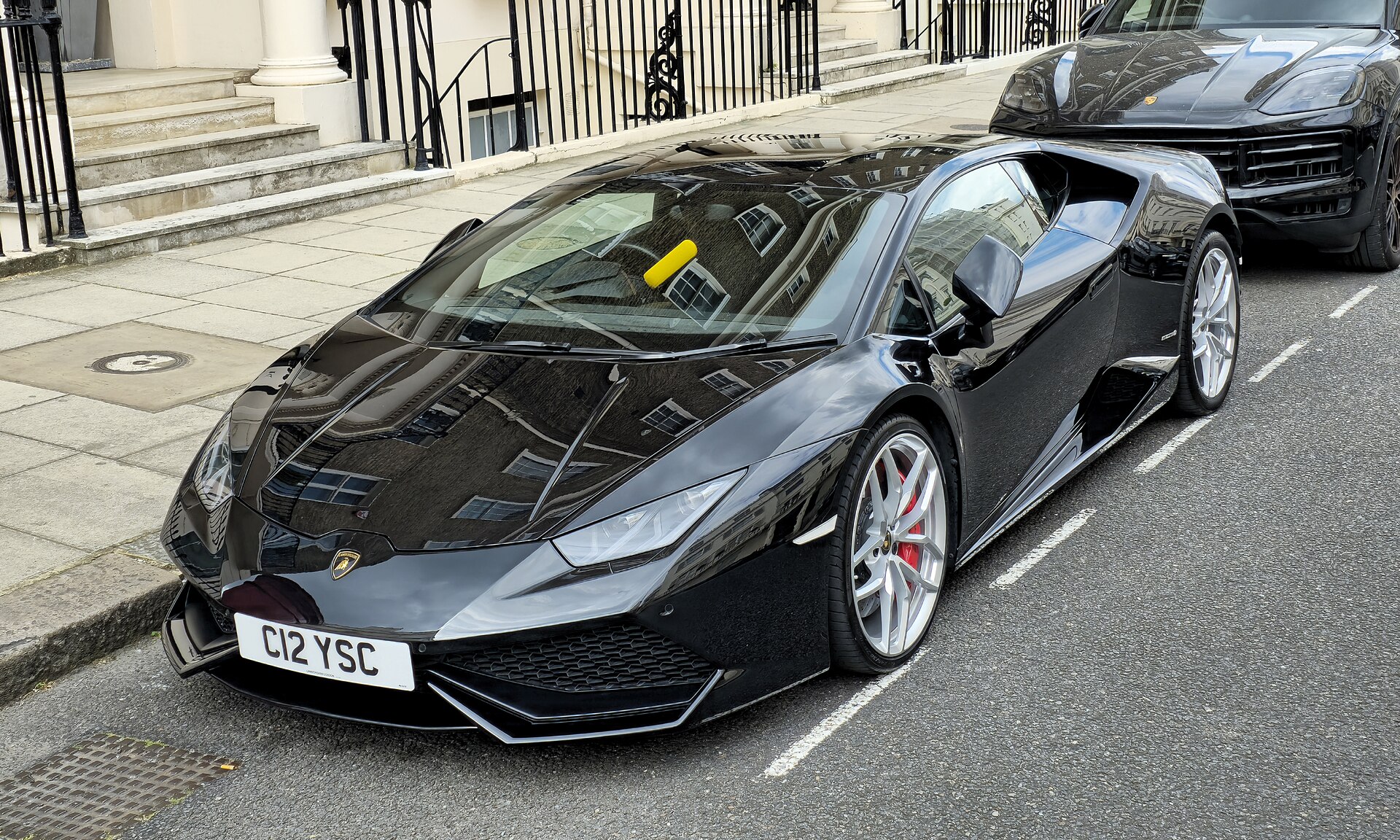
Reliability: Surprisingly Good, With a Few Caveats
The Huracan shares its platform with the Audi R8, and it benefits enormously from Volkswagen Group engineering. The 5.2L V10 engine is one of the most reliable powertrains in the supercar segment — multiple owners on Lamborghini Talk forums report 30,000–50,000+ miles with zero engine issues. One owner described the Huracan as "rock solid" after 40,000 miles.
That said, there are known weak points you should understand before buying:
- Dual-Clutch Transmission: The 7-speed DCT is the most common concern area. Early models (2014–2016) can develop shuddering at low speeds. Always test-drive below 2,000 rpm in 1st and 2nd gear and feel for any jerking or hesitation. A clutch replacement runs $8,000–$12,000 at a dealer.
- Front Lift System: The hydraulic nose-lift, if equipped, can develop slow seal leaks. Listen for hissing when the system cycles. Seal replacement is $2,000–$4,000.
- Timing Chain Cover Leaks: Rare but expensive. Low-mileage cars that sat for extended periods can develop rear timing chain cover leaks, which require engine removal. This is a $15,000–$25,000 repair. Avoid "garage queens" with under 2,000 miles and 3+ years of age.
- Coolant System: Cars that are tracked frequently can develop coolant leaks around radiator connections. A pre-purchase inspection should include a pressure test of the cooling system.
- Infotainment (EVO only): The EVO's touchscreen system can be glitchy. It's annoying, not expensive — and Lamborghini has issued software updates.
Overall, the Huracan is genuinely one of the most reliable supercars you can buy. It's not a Honda Civic, but it's light-years ahead of older Lamborghinis, most Ferraris in terms of repair frequency, and particularly McLarens in terms of electrical gremlins.
Get a Pre-Purchase Inspection Before You Buy
Automonitor connects you with certified exotic car inspectors who know exactly what to look for on every Huracan variant. Don't skip this step.
Schedule an Inspection →The Driving Experience: Why People Actually Buy This Car
Numbers and spreadsheets don't capture why the Huracan is worth buying. The driving experience does.
Turn the key (or press the start button, depending on the variant), and the V10 erupts to life with an aggression that nothing turbocharged can match. There's no turbo lag, no electric motor whir — just 8,500 rpm of mechanical fury channeled through a chassis that was designed around one of the greatest engines ever mass-produced.
In Strada mode, the Huracan is genuinely comfortable. The suspension absorbs highway imperfections reasonably well, the dual-clutch transmission shifts smoothly at low rpms, and the cabin is quiet enough for long drives. It's not a Rolls-Royce, but it's perfectly usable as a Saturday car, a weekend road-tripper, or even a sunny-day commuter.
Switch to Corsa mode, and the Huracan transforms. The exhaust valves open fully. The transmission holds gears until you're screaming at the limiter. The steering weight doubles. The adaptive suspension firms up to near-track stiffness. It's the same car, but it feels like Lamborghini bolted a different personality onto the chassis.
The sound alone is worth the price of admission. A naturally aspirated V10 at full throttle produces a frequency that resonates in your chest cavity. It's visceral, physical, emotional. Every turbocharged supercar sounds muted by comparison. Every electric supercar sounds like a vacuum cleaner. The Huracan sounds alive.
The Huracan doesn't need to be the fastest supercar in the world to justify its existence. It just needs to be the most rewarding to drive — and for many owners, that's exactly what it is.
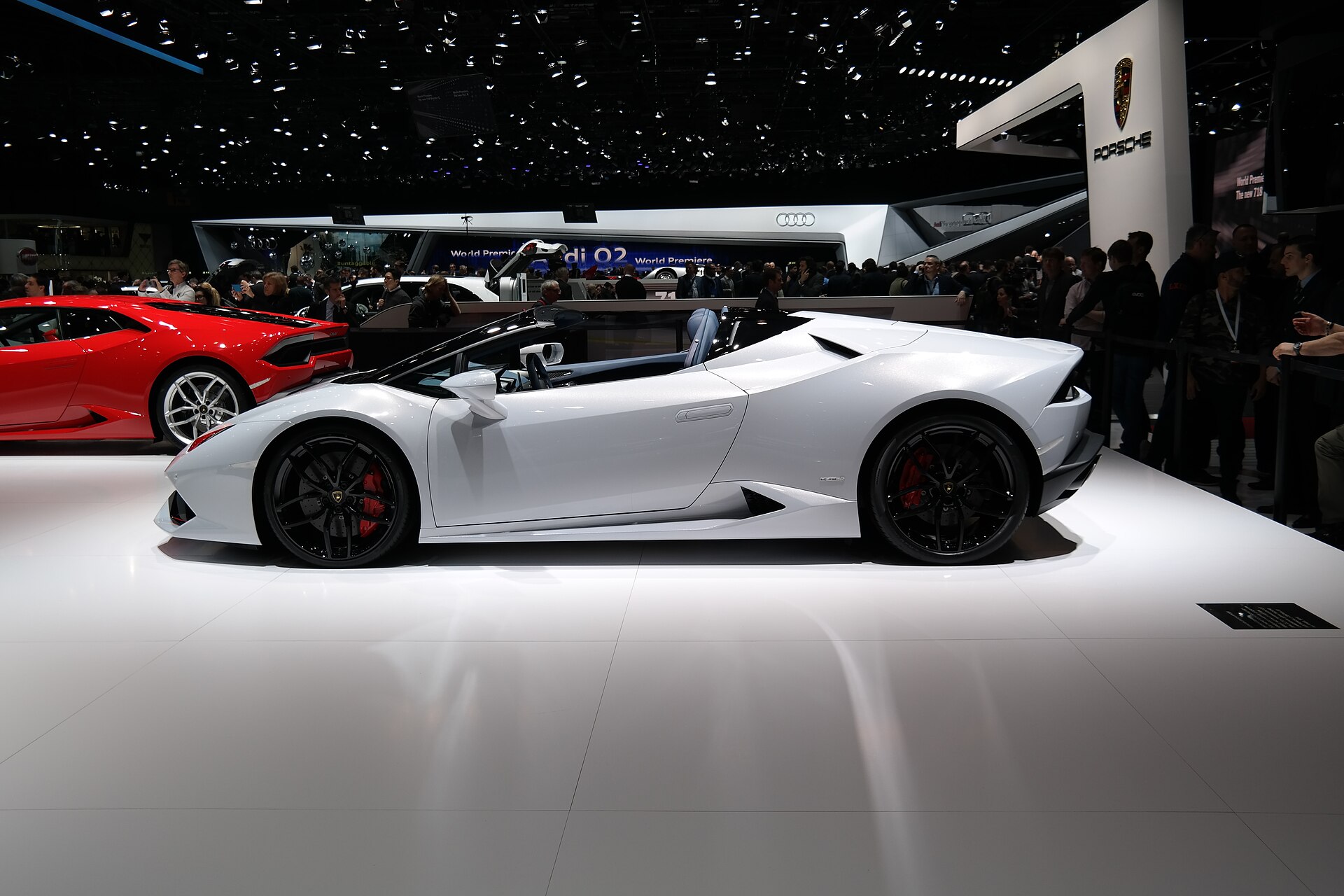
How It Compares: Huracan vs. Ferrari 488 vs. McLaren 720S vs. Porsche 911 Turbo S
You're not buying a Huracan in a vacuum. Here's how it stacks up against the cars you're probably also considering:
| Category | Huracan EVO | Ferrari 488 GTB | McLaren 720S | 911 Turbo S |
|---|---|---|---|---|
| Engine | 5.2L NA V10 | 3.9L Twin-Turbo V8 | 4.0L Twin-Turbo V8 | 3.7L Twin-Turbo Flat-6 |
| Horsepower | 630 hp | 661 hp | 710 hp | 640 hp |
| 0–60 mph | 2.8s | 3.0s | 2.7s | 2.6s |
| Used Price (2020) | $155K–$190K | $185K–$225K | $140K–$180K | $145K–$175K |
| 5-Year Depreciation | ~20% | ~25% | ~31% | ~28% |
| Annual Maintenance | $3K–$5K | $4K–$7K | $3K–$6K | $2K–$4K |
| Sound | NA V10 — Extraordinary | Turbo V8 — Excellent | Turbo V8 — Decent | Turbo Flat-6 — Good |
| Reliability | Very Good | Good | Mixed | Excellent |
| Presence & Drama | Maximum | High | High | Subtle |
The Ferrari 488 is the prestige pick — the badge carries weight that Lamborghini can't quite match in certain circles. The McLaren 720S is the performance bargain — more power, lighter weight, and steeper depreciation that favors used buyers. The Porsche 911 Turbo S is the sensible choice — extraordinary performance with near-Toyota reliability and lower running costs.
The Huracan wins on three fronts: emotional impact, sound, and value retention. If those three things matter to you more than raw lap times or badge prestige, the Huracan is the right call.
Which Variant Should You Buy? A Practical Guide by Budget
Not all Huracans are created equal, and the variant you choose will dramatically impact your ownership experience. Here's our honest recommendation based on budget and intended use:
Best Value: LP 610-4 ($130K–$165K)
The original Huracan gives you 90% of the experience at 60% of the price. It's the most affordable entry into V10 supercar ownership, and it's the variant that makes the least financial damage if you decide supercar ownership isn't for you. First-time buyers should start here. Read our full Huracan Buyer's Guide for variant-by-variant comparisons.
Best All-Rounder: EVO AWD ($155K–$190K)
The EVO's LDVI chassis management system makes it more capable, more refined, and easier to live with than the original LP 610-4. If you're keeping the car for 3+ years and driving it regularly, the EVO AWD is the sweet spot. See our EVO buying guide for detailed specs.
Best Driver's Car: Tecnica ($190K–$220K)
Rear-wheel drive, 640 hp, the most engaging steering of any Huracan. The Tecnica is for experienced drivers who value feel over all-weather security.
Best Investment: STO ($240K–$295K)
The rarest road-going Huracan, with only 1,405 built worldwide. Values are appreciating. If you have the budget, the STO is the variant most likely to be worth more in five years than it is today.
Best Track Car: Performante ($185K–$230K)
The ALA active aero system and AWD drivetrain make the Performante the best Huracan for regular track use without sacrificing street manners.
The Smart Way to Buy: Steps That Save You Money and Headaches
Buying an exotic car is not like buying a Honda Accord. The process requires more due diligence, more patience, and more expertise. Here's the approach we recommend — and the approach we use when helping buyers through Automonitor's concierge buying service:
Step 1: Define your budget honestly. Include purchase price plus 18–24 months of running costs ($13,500–$26,000/year). If the total stretches your finances, wait. The Huracan isn't going anywhere — supply is fixed, and prices are stable.
Step 2: Choose your variant. Don't buy the most expensive Huracan you can afford. Buy the variant that matches how you'll actually use the car. Weekend cruiser? EVO AWD. Track days? Performante. Investment? STO.
Step 3: Search broadly. Don't limit yourself to local dealers. The best-priced Huracans are often in markets like Florida, Texas, and California, where supply is highest. Platforms like Bring a Trailer, Cars and Bids, and authorized Lamborghini dealers all have different pricing dynamics. Check our guide on how much a Huracan costs for current pricing benchmarks.
Step 4: Get a pre-purchase inspection. Non-negotiable. A PPI costs $500–$1,000 and can save you $20,000+ in hidden problems. At a minimum, the inspection should cover the DCT transmission, suspension, cooling system, brake condition, and a full diagnostic scan.
Step 5: Negotiate from data, not emotion. Know the market value before you make an offer. Use completed auction data, not asking prices. Factor in any deferred maintenance — if the car needs a $6,000 clutch service, that comes off the price.
Step 6: Secure financing early. Exotic car lenders like JJ Best Banc and Woodside Credit specialize in this segment. Expect 20–30% down and rates between 6–10% depending on the vehicle age and your credit profile. Read our exotic car financing guide for more detail.
When a Huracan Is NOT Worth Buying
Transparency matters more than a sale. Here are the situations where we'd tell you to walk away:
You're stretching to afford it. If buying the car means depleting your savings, taking on high-interest debt, or compromising other financial priorities, the Huracan isn't worth it. Exotic car ownership should be comfortable, not stressful. The running costs are real, and unexpected repairs can hit $10,000+ without warning.
You want it purely as an investment. While the Huracan holds value well, it's not a stock. Storage costs, insurance, and maintenance eat into any appreciation. Cars you don't drive develop their own problems (seal leaks, flat-spotted tires, battery degradation). Buy it to drive it.
You need a daily driver. The Huracan can be daily driven — but that doesn't mean it should be. Ground clearance is minimal. Parking is stressful. Fuel economy is terrible. Speed bumps are an enemy. The Lamborghini Urus or a Porsche 911 Turbo S are better choices if you need a car that works every day.
You haven't driven one. Always, always test drive before you buy. Some buyers find the Huracan's cabin cramped, the visibility poor, or the ride too harsh for their tastes. These are valid complaints. Discover them before you sign the paperwork, not after.
Planning Your Exit: What Happens When You Sell
Thinking about resale before you buy might seem premature, but it's one of the smartest things you can do. The decisions you make at purchase directly impact how much you'll recover when you sell.
Specification matters enormously. White, gray, and black Huracans are the most common — and therefore the least valuable on the resale market. Giallo Inti (yellow), Verde Mantis (green), Arancio Borealis (orange), and Blu Cepheus (blue) command premiums of 5–15% over neutral colors. If you're choosing between two comparable cars, pick the one with the more distinctive color.
Mileage matters, but not as much as you think. A Huracan with 20,000 well-documented miles is worth more than one with 3,000 miles and no service history. Buyers want proof that the car was driven, enjoyed, and properly maintained — not that it sat in a climate-controlled garage collecting dust and developing seal leaks.
When you're ready to sell, Automonitor's selling service handles the entire process — market valuation, professional photography, listing management, buyer vetting, and transaction coordination. You get market-rate pricing without the hassle of dealing with tire-kickers, lowballers, and no-shows. Check out our complete Lamborghini selling guide for details.
The Final Verdict
The Lamborghini Huracan is worth buying if you can afford both the purchase price and the ongoing costs without financial strain. It's one of the best supercars ever produced — reliable by exotic car standards, emotionally rewarding in a way that no turbocharged or electric car can replicate, and positioned to hold its value better than nearly every competitor in its class.
The end of production makes every Huracan a piece of automotive history. The naturally aspirated V10 makes every drive an event. The Volkswagen Group engineering backbone makes ownership far less terrifying than most people assume.
Is it worth buying? Yes. Is it worth buying blindly? Absolutely not.
Do your homework. Get an inspection. Understand the costs. Choose the right variant for your needs. And if you want help navigating the process, Automonitor is here to make it simple. We've done this hundreds of times, and we'll make sure you end up in the right car at the right price.
Ready to Find Your Huracan?
Automonitor connects you with vetted sellers, handles pre-purchase inspections, and provides real market data so you can buy with total confidence.
Start Your Search →