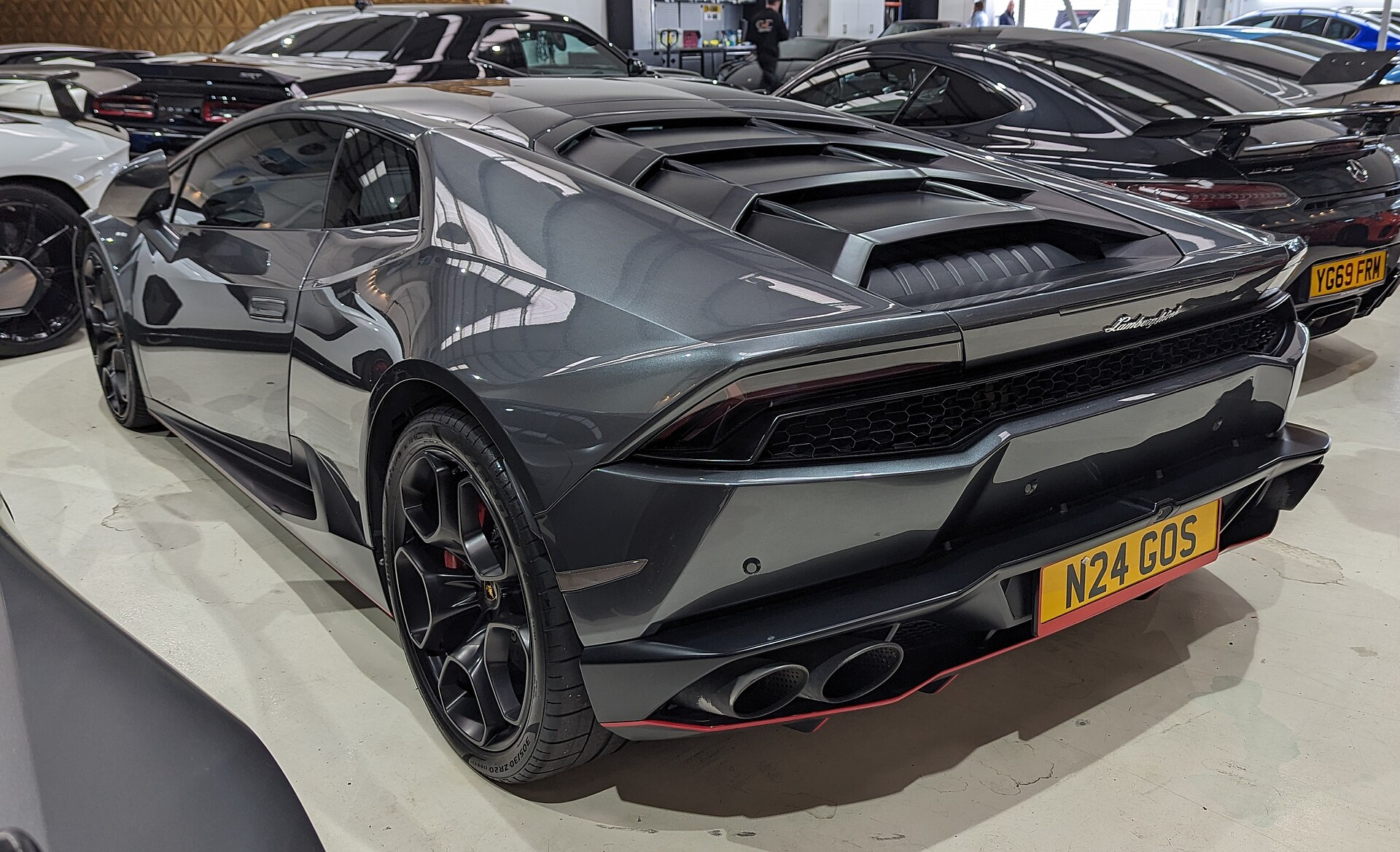
Super Trofeo for the Street: The Huracan STO Is the Last True Road-Legal Race Car
631 hp, rear-wheel drive, 75% carbon fiber body panels, and derived directly from the Super Trofeo race car. The STO isn't a sports car with racing pretensions — it's a race car with a license plate.
Super Trofeo Heritage
The Lamborghini Super Trofeo racing series launched in 2009 as a one-make championship. For nearly a decade and a half, it has stood as one of the most accessible professional racing programs in the world, allowing wealthy enthusiasts to compete in identical Lamborghinis on circuits across Europe, Asia, and North America. The series has evolved through multiple generations of Huracán variants, each more refined and faster than the last.
The STO—which stands for "Super Trofeo Omologata," with "omologata" being the Italian term for homologation—represents something unprecedented: Lamborghini took their race-winning Super Trofeo EVO platform and added the bare minimum required for road legality. This isn't a road car that learned to race. It's a race car that learned to drive on the street.
The STO is what happens when a manufacturer stops pretending and just makes a race car legal.
When the STO was announced in 2020, it filled a very specific niche in the hypercar market. Porsche had the 911 GT3 RS. Ferrari had the 488 Pista. But Lamborghini's answer—the STO—was arguably the most extreme of the three. While competitors softened their race cars for road use, the STO went the opposite direction: it hardened the race car for mandatory compliance only.
The fact that only 1,405 units exist worldwide makes this a machine with built-in scarcity. Lamborghini has since moved on to the Revuelto and Temerario, both hybridized, both forward-thinking, both excellent. But they're not the STO. They don't have the raw, unadulterated connection to one of the most successful one-make racing series ever created.
What Makes the STO Different
The specification sheet of the STO reads like a checklist of racing obsession. Rear-wheel drive only—no hybrid system, no all-wheel drive option. Just combustion and grip fighting for supremacy at the rear axle. The entire front end is a carbon fiber clamshell called the Cofango, which combines the hood and both fenders into a single, massive carbon structure. This design reduces weight and improves rigidity compared to traditional separate panels.
The rear wing is fixed. Not adjustable, not variable, not computer-controlled. It sits at one angle, optimized for high-speed stability and track work. This contrasts with the Performante's ALA (Aerodinamica Lamborghini Attiva) system, which adjusts electronically. On the STO, you get passive, reliable, and utterly uncompromising.
The roof features a NACA duct—a flush air intake designed by NASA in the 1940s—that feeds cool air directly to the engine bay. The rear bumper is carbon fiber. The engine cover is carbon fiber. The side skirts are carbon fiber. You'll find no luxury trim, no alcantara wrapping every surface, no soft-close doors. The cabin is stripped to racing minimums with a roll cage frame already welded into the chassis.
Cooling is handled by three radiators instead of the usual two, because this machine is designed to be driven at 8/10ths on a circuit, not cruised on surface streets. The braking system comes from Brembo, specifically their track-focused carbon-ceramic setup that can be bedded in at high temperature and expected to last.
Interior storage is nearly nonexistent. The front end is occupied entirely by cooling and carbon fiber structure—no front trunk for luggage. The back seat is deleted. Every cubic inch exists for function, not comfort or practicality.
The Numbers That Matter
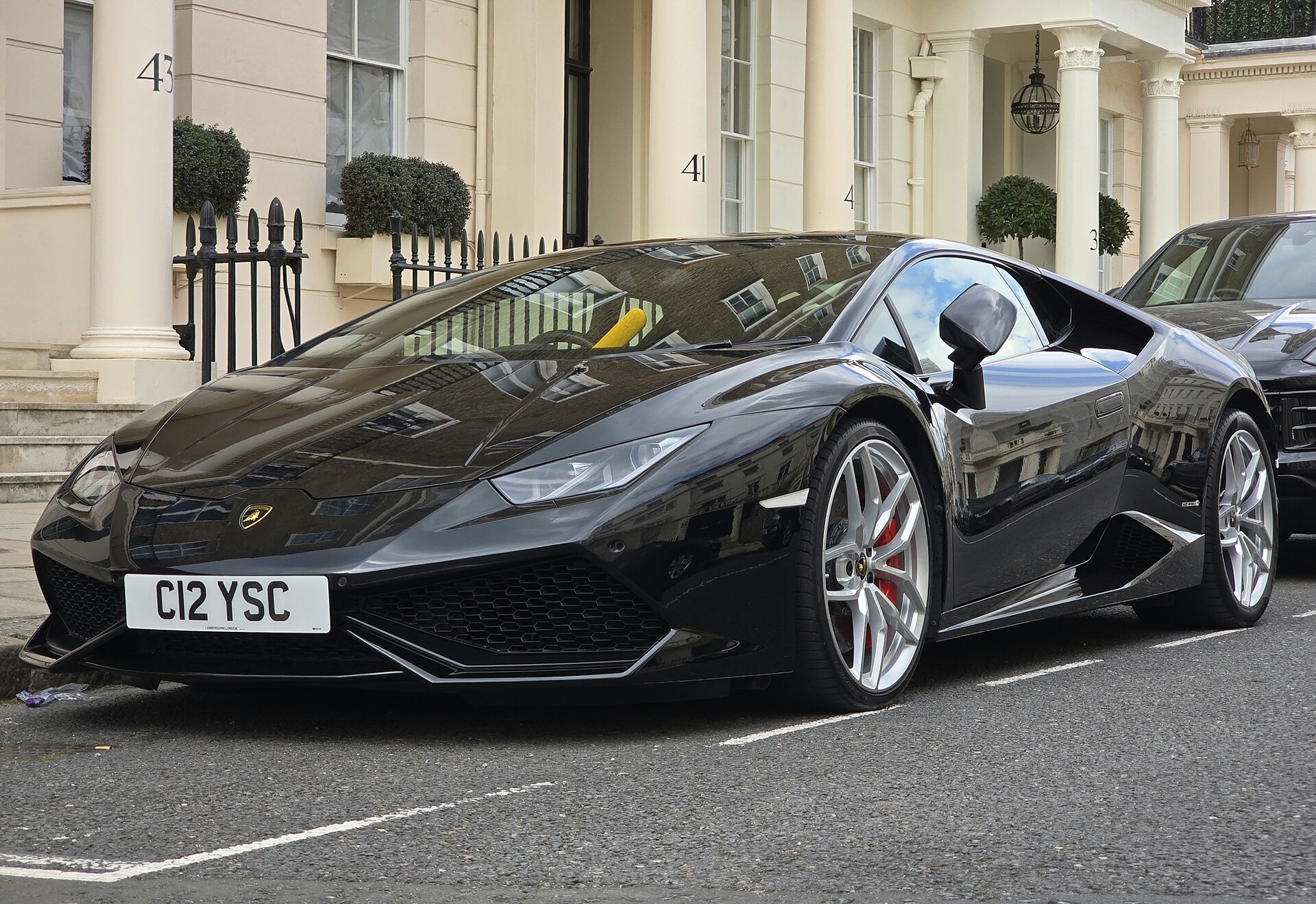
The numbers tell the story clearly. The STO produces 631 horsepower and 417 pound-feet of torque from its 5.2-liter naturally aspirated V10 engine. Zero to 60 miles per hour arrives in 3.0 seconds. Zero to 124 miles per hour—that's 200 kilometers per hour—takes 9.0 seconds. The top speed is rated at 192 mph, though in real-world track conditions, you'll rarely see that in clean air.
Curb weight is just 1,339 kilograms in dry configuration, which works out to 2,948 pounds. For comparison, a modern Porsche 911 Carrera weighs nearly 3,500 pounds. The Ferrari 488 Pista tips the scales at 3,383 pounds. The STO is genuinely lightweight by supercar standards, a result of the aggressive use of carbon fiber and the deletion of unnecessary systems.
The power-to-weight ratio works out to approximately 469 horsepower per ton, making this one of the best ratios in the naturally aspirated supercar world. The engine revs to 8,500 RPM, and while power sits below some of the newer hybrid and turbocharged competitors, the connection is pure and immediate.
| Specification | STO Value |
|---|---|
| Engine | 5.2L Naturally Aspirated V10 |
| Horsepower | 631 hp @ 8,000 RPM |
| Torque | 417 lb-ft @ 6,500 RPM |
| 0-60 mph | 3.0 seconds |
| 0-124 mph | 9.0 seconds |
| Top Speed | 192 mph |
| Dry Weight | 1,339 kg (2,948 lbs) |
| Power-to-Weight | 469 hp/ton |
| Production Total | 1,405 units worldwide |
Aerodynamics Deep Dive
The aerodynamic refinement of the STO compared to the regular Performante is substantial. Lamborghini claims 53% more downforce relative to the base EVO race car, achieved through a comprehensive package that includes a front splitter, that fixed rear wing, a shark fin on the roof, and a dramatically refined rear diffuser.
The diffuser extends significantly behind the rear bumper, working in concert with the fixed wing to create a low-pressure zone that literally sucks the car onto the asphalt at high speed. The side skirts smooth the flow along the flanks. Air curtains at the front wheels manage the airflow around the tires, reducing turbulence and improving aerodynamic efficiency.
Every surface was tested in CFD (computational fluid dynamics) and refined in wind tunnels. The goal wasn't necessarily to maximize downforce to extreme levels; it was to optimize the balance between downforce and drag for circuit work. A wing that generates 2,000 pounds of downforce but adds 150 pounds of drag is useless on a 3-mile road course. The STO's aero package was engineered for real-world track use across varying speeds and conditions.
The STO produces 53% more downforce than the EVO through meticulous aerodynamic refinement rather than brute force.
This focus on aerodynamic balance, rather than absolute maximum numbers, is why professional drivers consistently praise the STO's stability through high-speed corners. The car doesn't feel like it's fighting the air; it feels like the air is helping it stick.
The Carbon Fiber Revolution
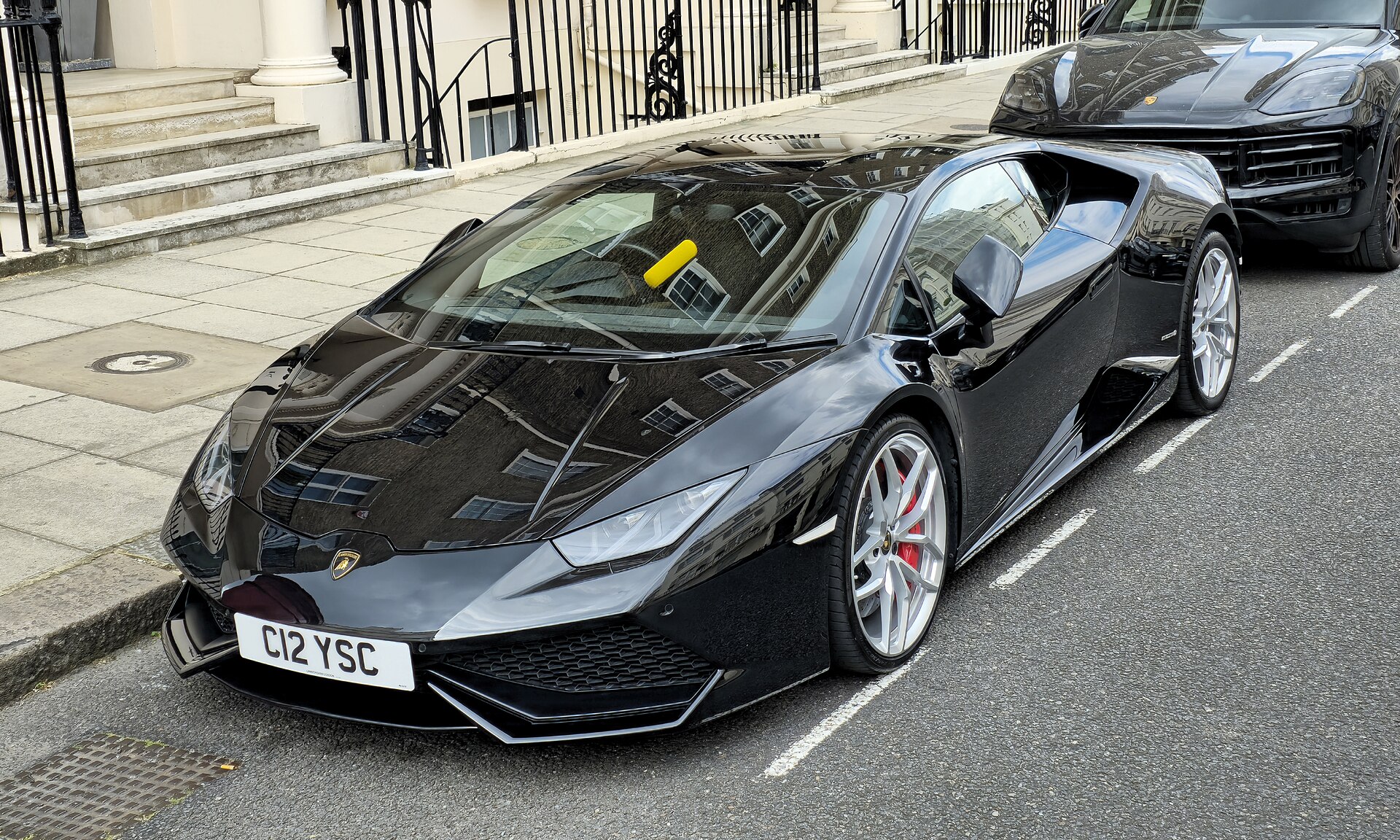
Carbon fiber composites make up 75% of the body panels on the STO. The Cofango clamshell we mentioned earlier—combining hood and both fenders—is one massive carbon fiber structure. The rear bumper, engine cover, and side skirts are all composite. This aggressive use of carbon results in a cumulative 25% weight reduction compared to a traditional Huracán Performante with equivalent equipment.
Lamborghini utilized their proprietary forged carbon composite technology, which differs from traditional layup carbon fiber. Forged carbon involves shorter fibers that are randomly oriented and mixed with resin, then compression-molded into shape. This creates a material that's nearly as strong as traditional carbon but with better damage resistance and impact properties. It also has that distinctive random fiber pattern that looks absolutely stunning under sunlight.
The manufacturing process is more expensive than traditional composites, but the benefits are worth it for a track-focused machine. Impact damage—curbing at the limit, contact with another car at a track day—is less likely to cause catastrophic failure. The material can be repaired more easily than traditional carbon, though Lamborghini recommends authorized service centers for any structural repair.
The challenge of owning a heavily carbon fiber car is that you cannot use standard paint thickness gauges to assess body damage history. A thickness gauge works by measuring the distance between the underlying substrate and the paint surface. With carbon fiber, the "substrate" is variable and composite, making thickness readings unreliable. Pre-purchase inspections must rely on visual inspection, and potentially ultrasonic testing in some cases.
This limitation is important for buyers considering the secondary market. A used STO's body history must be documented through service records and careful visual inspection. Fortunately, Lamborghini's reputation for detailed record-keeping means most authorized-service examples will have comprehensive documentation of any body work.
Behind the Wheel
Driving the STO is a masterclass in mechanical directness. The steering has no power assistance in the traditional sense—it's electrically assisted only for necessary functions like parking, but the connection to the front wheels is raw, immediate, and communicative. You feel the track under your hands. You feel the car searching for grip. You feel every decision the tires are making.
The STO offers three driving modes: STO, Trofeo, and Pioggia (rain). STO mode is the baseline, designed for normal driving and warm-up cycles. Trofeo is track mode, with stiffer suspension, increased downforce via additional flaps in the diffuser, and aggressive traction control settings. Pioggia handles wet conditions with modified brake balance and reduced power delivery.
The engine note is extraordinary—a naturally aspirated V10 produces a sound that turbocharged and hybrid competitors simply cannot match. With minimal sound deadening in the cabin, you hear everything: the air intake roar, the induction howl, the mechanical urgency of 8,500 RPM redline approaches. Experienced drivers often comment that the STO's sound is worth the price of admission alone.
Compared to the Ferrari 488 Pista, the STO offers more visceral steering feedback but a slightly more compliant ride. The 911 GT3 RS feels more settled in high-speed corners, but the STO feels more alert, more eager, more alive. These are marginal differences—all three are extraordinary machines—but they matter if you're choosing between them.
Brake pedal feel is exceptional. The braking system never induces nervousness or surprises. You can threshold-brake into corners with complete confidence. Repeat hard braking from high speeds, cool down, and come back for more. The carbon-ceramic system was designed for exactly this use case.

Track Day Setup Guide
Preparation for track use requires attention to detail. Tire pressures should be set according to the specific tire brand and track length. Lamborghini recommends starting points, but experimentation with the track organization and experienced drivers often yields better results. Generally, pressures run 2-3 PSI higher than street settings to manage temperature rise during extended hard cornering.
The brake system requires a proper bedding procedure before track use. The carbon-ceramic rotors need to be brought up to temperature gradually, allowing the friction material to properly embed and cure. Lamborghini's documented procedure involves gentle acceleration and deceleration cycles, progressively harder braking from higher speeds, and a cool-down period. Skip this, and your first hard corner could deliver surprises.
Fluid checks are critical. Coolant level, brake fluid condition, and differential oil should all be inspected before arriving at the track. The engine bay should be clean—debris can find its way into cooling systems and cause problems mid-session. The NACA duct is efficient but not discriminating about what it breathes in.
Drive mode selection is important. Many STO owners use Trofeo mode exclusively at track days. Some prefer a blend, using STO for warm-up and cool-down, then switching to Trofeo for serious running. The suspension stiffness difference is noticeable; Trofeo is the sharper setting.
Track insurance is a must. Most standard insurance policies exclude track use. Organizations like Hagerty offer track day insurance that's affordable and reliable. Given the value of the STO, you cannot afford to run track days uninsured.
Street Driving Reality
The street is not where the STO shines, and it's important to understand this before purchase. The ride is notably firm, even in STO mode. Potholes deliver sharp impacts. Speed bumps require careful approach angles. Road noise—wind and tire—is significant due to minimal cabin soundproofing.
The lack of a front trunk is genuinely inconvenient. Your luggage options consist of the passenger seat or street parking. Most STO owners accept this as the price of owning a race car, but if you've never owned a car without front storage, the limitation becomes apparent quickly.
Visibility is compromised by racing-focused design. The windshield rake is aggressive for aerodynamics, not driver visibility. The side mirrors are functional but positioned for racing lines, not street comfort. The rear view is limited by the fixed wing and lack of a rear window glass.
The STO commands attention everywhere it goes. You will be approached, photographed, and discussed constantly. Some owners enjoy this; others find it exhausting. There's no going unnoticed in a 2,948-pound Italian supercar finished in bright colors.
The STO is the worst daily driver supercar ever built—and that's exactly why people love it.
That said, numerous owners have reported successfully driving their STOs to track days, making progress runs, and driving home. It's uncomfortable but entirely possible. The engine is robust, the cooling adequate, and the mechanical systems are proven in competition. Just accept that you'll arrive at the track tired from highway driving and ready to get on circuit where the STO makes sense.
Current Market Pricing
The used STO market has stabilized after the initial post-production flurry. Early examples with very low mileage command premium pricing. Recently, low-mileage examples have sold in the $350,000 to $420,000 range, depending on color, condition, and service history.
| Mileage Range | Price Range | Notes |
|---|---|---|
| Under 1,000 miles | $350,000 - $420,000 | Collector-grade, often untracked |
| 1,000 - 5,000 miles | $300,000 - $380,000 | Mix of street and track use |
| 5,000 - 10,000 miles | $280,000 - $340,000 | Established track history common |
| 10,000+ miles | $260,000 - $310,000 | Heavy use discounts apply |
Color significantly impacts value. Blu Laufey (a vivid blue), Verde Citrea (bright green), and Giallo Belenus (yellow) command 5-10% premiums over more neutral colors like Pearl White or Grigio Lynx (gray). These saturated colors are iconic for the STO brand identity, and they photograph exceptionally well, which matters in a market where social media presence drives demand.
Service history from authorized Lamborghini dealers adds credibility and value. Examples with gaps in service history or with evidence of non-approved repair work sell at discounts. Given the price points involved, saving $20,000 on a $320,000 purchase by accepting questionable maintenance is poor economics.
STO vs Performante vs Tecnica
The Huracán lineup at the end of the production run included three track-focused variants: the STO, the Performante (the first-generation, 2017-2021 version), and the Tecnica. Each had different philosophies. Let's break them down:
| Specification | STO | Performante | Tecnica |
|---|---|---|---|
| Weight | 1,339 kg | 1,382 kg | 1,389 kg |
| Drive Type | RWD Only | AWD/RWD | AWD |
| Aero Approach | Fixed Wing, Passive | ALA (Active) | Fixed Wing |
| Track Focus | Extreme | High | Medium-High |
| Street Comfort | Poor | Good | Very Good |
| Current Price | $300,000-$420,000 | $280,000-$350,000 | $320,000-$400,000 |
| Investment Potential | Highest | Moderate | Moderate-High |
The STO is the purist's choice—rear-wheel drive, fixed aero, stripped interior, 75% carbon fiber. If you want the most extreme track experience, the STO delivers. The Performante offers more versatility with all-wheel drive and the clever ALA active aerodynamic system, making it better for varied track conditions and street driving. The Tecnica splits the difference, offering all-wheel drive and a more balanced approach to track performance and street usability.
For buyers focused entirely on track days and don't care about street comfort, the STO is the clear choice. For buyers who want serious track performance but also enjoy spirited road driving, the Performante or Tecnica makes more sense. The STO demands commitment; the others allow flexibility.
Pre-Purchase Inspection Guide
Inspecting a used STO requires expertise and attention to detail. Here's what to focus on:
Carbon Fiber Inspection: Since paint thickness gauges don't work on composite materials, you must visually inspect all carbon fiber panels. Look for delamination—areas where the resin is separating from the fibers, usually visible as white stress lines or bubbling under the surface. Check for impact damage, curb marks, and stone chips. Minor chips are cosmetic; delamination requires professional repair.
Powertrain Stress: Review the service history for any mention of transmission work, differential service, or clutch inspection. The engine is robust, but transmission issues do occasionally occur. If the STO has been tracked extensively, confirm that maintenance was performed after each session. Fluid changes after track use are essential.
Brake System: Have a pre-purchase inspection include brake pad thickness measurement and rotor condition assessment. Brakes capable of absorbing extreme heat can appear fine visually while being heat-cycled to their limits. A professional inspection can assess this through rotor surface condition and brake fluid tests.
Suspension and Geometry: The STO's suspension can be stressed by aggressive track use or poor track surface handling. Have the suspension geometry checked, including alignment and any evidence of suspension modifications or adjustments beyond factory specifications.
Service Records: Request complete documentation of all service performed. Lamborghini's factory documentation is detailed and helpful. Any gaps in service history are red flags. Proper STO ownership requires consistent maintenance—oil changes, fluid checks, and filter replacements.
Accident History: Confirm the vehicle's history through Carfax or similar services. Even minor accidents can affect long-term reliability and resale value. For track-used examples, confirm that any damage from track incidents was properly repaired by authorized shops.
Investment and Collector Outlook
The STO occupies an interesting position in the collector car market. Only 1,405 were built worldwide, and production is complete. There will never be another naturally aspirated V10 Lamborghini in the STO configuration. This finality creates collector appeal.
Lamborghini has moved to hybrid and fully electric powertrains. The Revuelto is a hybrid GT. The Temerario is a hybrid super-sports car. The days of naturally aspirated Lamborghinis are over. The STO represents the end of an era, and collector markets have historically valued such cars.
Compare this to the Ferrari 458 Speciale, another rare naturally aspirated supercar with significant track heritage. The Speciale launched at around $300,000 and has appreciated significantly in recent years, with pristine low-mileage examples trading well above $400,000. The STO's trajectory could follow a similar path.
The STO is the last pure Lamborghini—the final statement from a company committed to naturally aspirated, rage-inducing power.
However, investment potential depends entirely on condition and use. A meticulously preserved example with documentation of professional track days and authorized service will appreciate. A hammered track car with poor maintenance history will depreciate. Collector value rewards care, originality, and documented provenance.
For buyers with investment intent, focus on low-mileage examples with complete service records. Avoid heavily modified cars. Avoid examples with evidence of amateur repair work. The premium examples will age like fine wine; the neglected ones will depreciate like used track cars.
Find Your STO
Finding the right STO requires patience and knowledge. Primary marketplaces include Bring a Trailer, which specializes in enthusiast cars and provides documented auction history. Cars and Bids offers similar functionality with different seller demographics. Traditional luxury consignment dealers often carry examples, particularly in major metropolitan areas.
For buyers serious about this purchase, consider hiring an independent Lamborghini specialist for pre-purchase inspection. The investment in a thorough inspection—typically $500-$1,500—pales compared to discovering a $30,000 problem after closing the deal.
Automonitor can help you navigate this process. Our team understands the STO market, has connections with dealers and private sellers, and can facilitate the entire purchase process from sourcing to inspection to financing and documentation.
The STO deserves an owner who will respect its nature. It's not a luxury car. It's not a comfortable cruiser. It's not a practical investment. It's a race car with a license plate, and if that's what you're seeking, the Lamborghini Huracán STO is arguably the finest example ever built. Find the right one, and you'll own a piece of automotive history.
Looking for a Lamborghini Huracan Sto?
Automonitor connects you with vetted sellers and real market data so you can buy with confidence. No markup games, no pressure — just the right car at the right price.
Find Your Lamborghini →