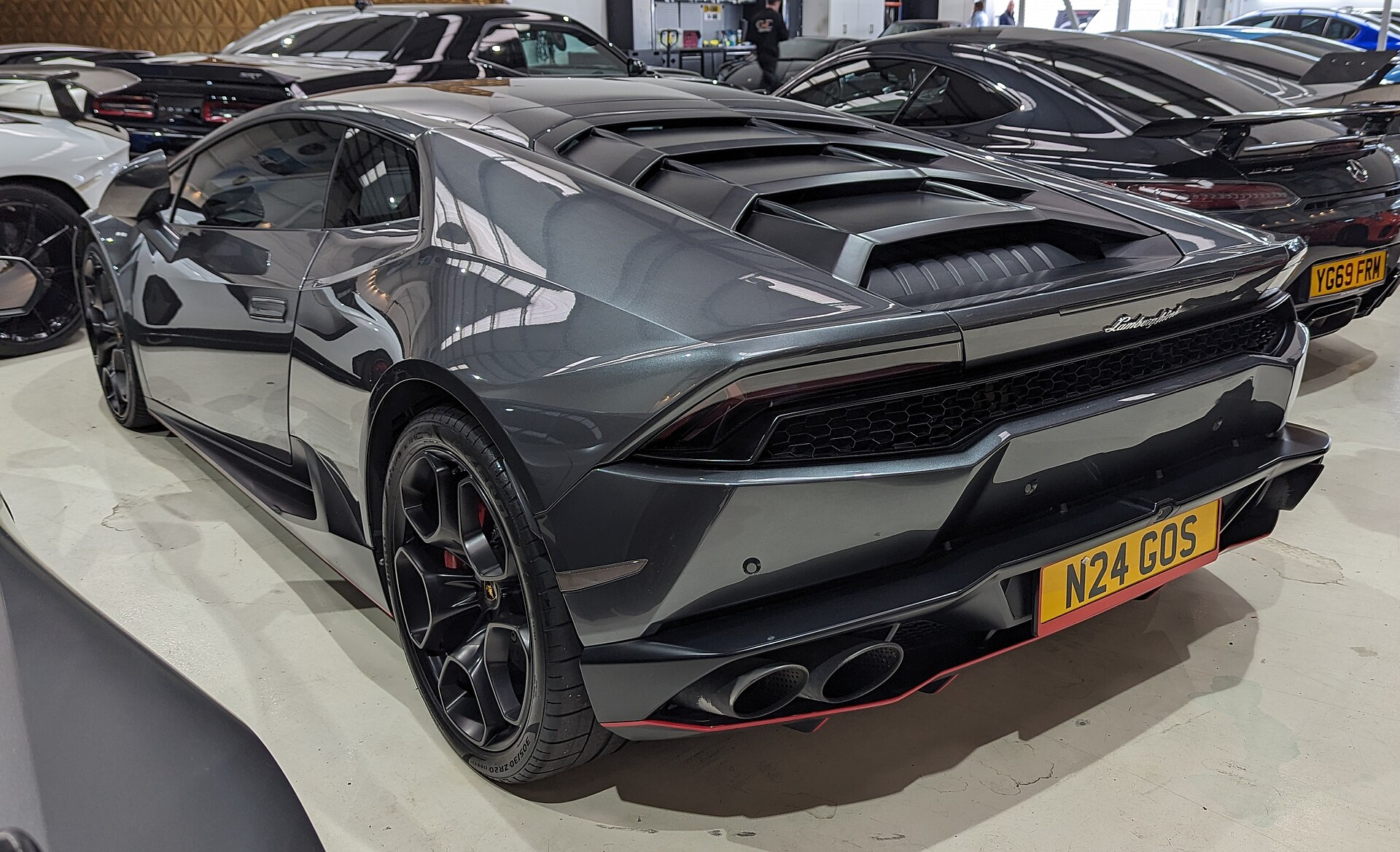
The Real Cost of Running a Huracan: $165K to $420K Is Just the Beginning
The sticker price is one thing. The oil changes, tire bills, insurance premiums, and depreciation curve are another. Here's what Huracan ownership actually costs.
Beyond the Sticker Price: The Real Cost of Owning a Huracan
The window sticker on a brand-new Lamborghini Huracan reads $200,000 to $335,000, depending on the variant. But that's not what owning a Huracan actually costs. The purchase price is just the beginning. Insurance premiums, routine maintenance, major services, tire replacement, brake servicing, and depreciation add hundreds of thousands of dollars over the vehicle's ownership life. A used Huracan might seem like a bargain at $150,000, but that used car will cost you $5,000–$8,000 annually to maintain, $4,000–$6,000 per year for insurance, and will depreciate another 20-30% over the next five years.
This guide breaks down every cost associated with Huracan ownership — from the sticker price to the last pennies you'll spend keeping it running — so you know exactly what you're committing to before you write the first check.
Purchase Price by Variant: New MSRP and Current Used Market
| Variant | New MSRP (2023-2024) | Depreciation | Used Market (2025) | 5-Year Depreciation Loss |
|---|---|---|---|---|
| LP 610-4 | $200,000 | 35-45% | $130,000–$160,000 | $40,000–$70,000 |
| EVO AWD | $240,000 | 30-35% | $160,000–$190,000 | $50,000–$80,000 |
| EVO RWD | $215,000 | 30-35% | $145,000–$175,000 | $40,000–$70,000 |
| Tecnica | $265,000 | 20-25% | $195,000–$220,000 | $45,000–$70,000 |
| Performante | $270,000 | 25-30% | $190,000–$230,000 | $40,000–$80,000 |
| STO | $335,000 | -10% to +15% | $250,000–$300,000 | -$35,000 to +$50,000 |
| Sterrato | $265,000 | -5% to +10% | $210,000–$240,000 | -$25,000 to +$40,000 |
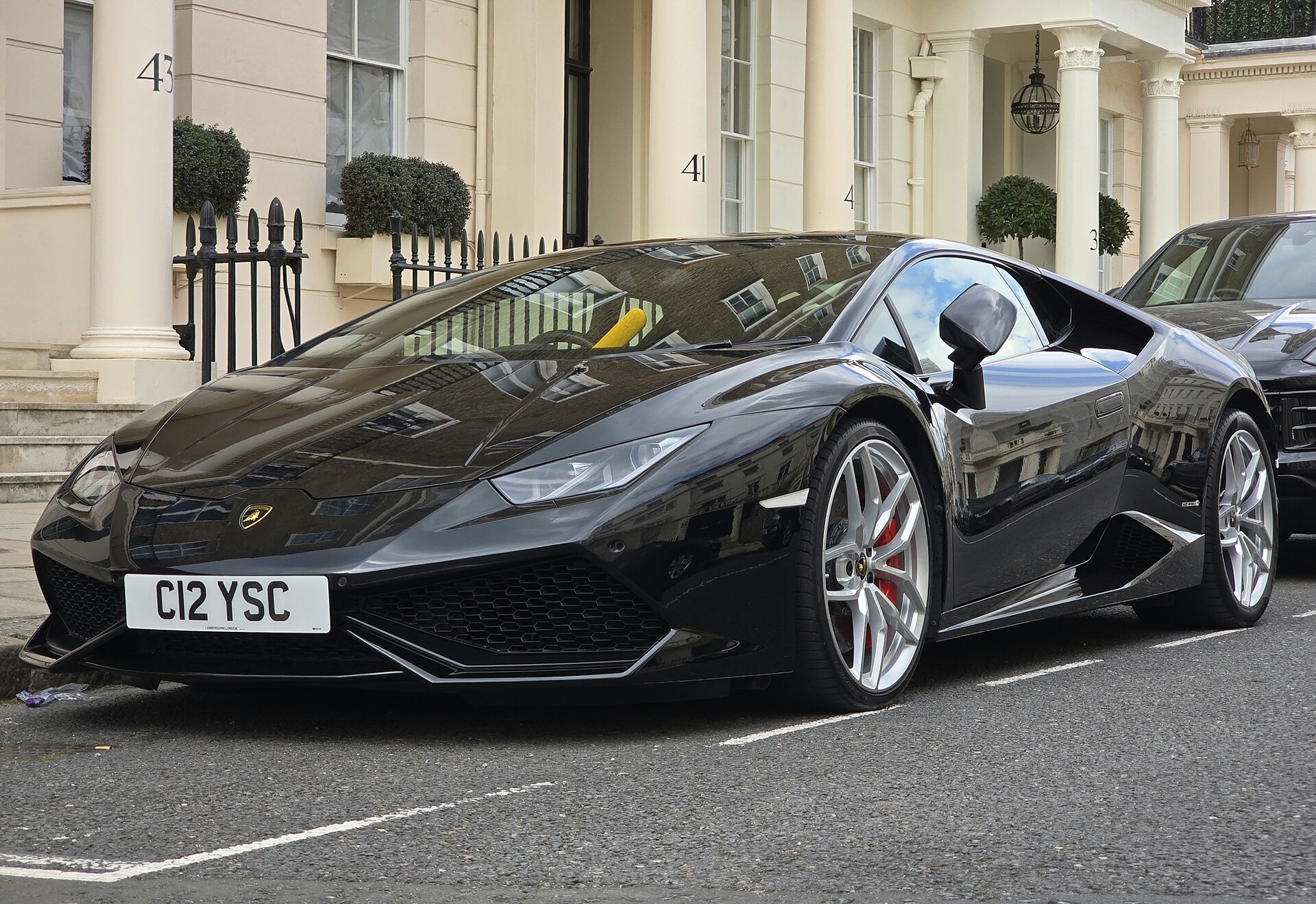
Depreciation Curves: How Each Variant Depreciates Differently
All Huracans depreciate, but not equally. Rarer variants hold value better than common ones.
High Depreciation (35-45%): LP 610-4 and EVO models
The original LP 610-4 and standard EVO models are the most common variants, which means they have the steepest depreciation curves. A new LP 610-4 at $200,000 drops to $150,000–$160,000 in the first year alone. After five years, you're looking at $110,000–$140,000. These are commodity supercars, and the market prices them accordingly.
Moderate Depreciation (20-30%): Tecnica and Performante
The track-focused Tecnica and Performante hold value better than base EVO models because they're more specialized and less common. A new Tecnica at $265,000 depreciates to $195,000–$220,000 over five years. That's still a $45,000–$70,000 loss, but the rate is slower and more predictable.
Low or Negative Depreciation (5% or less): STO and Sterrato
The ultra-rare STO and even rarer Sterrato are appreciating or holding value. The STO left the factory at $335,000 and now trades for $250,000–$300,000, which is actually within 10-15% of MSRP. The Sterrato, with fewer than 1,500 units produced, is appreciating faster. Low mileage examples trade above original MSRP. Scarcity matters more than age.
Insurance Costs: Annual Premiums by Variant, Age, and Location
Insuring a Huracan is expensive. Exotic car insurers charge dramatically higher premiums than standard auto insurers because the car is valuable, expensive to repair, and statistically more likely to be involved in claims.
Insurance Costs by Variant (Annual Premiums, Comprehensive Coverage):
- LP 610-4 (5-10 years old): $3,200–$4,500 per year
- EVO AWD (2-8 years old): $3,500–$5,000 per year
- EVO RWD (2-8 years old): $3,500–$5,000 per year
- Tecnica (1-5 years old): $4,000–$5,500 per year
- Performante (1-8 years old): $4,000–$6,000 per year
- STO (1-5 years old): $5,000–$7,000 per year
- Sterrato (1-3 years old): $4,500–$6,000 per year
These figures assume comprehensive and collision coverage, standard deductibles ($1,000), and a driver with a clean driving record living in a major urban area. Your actual premiums will vary based on:
- Age: Drivers under 30 or over 70 pay 30-50% more.
- Driving History: Any at-fault accidents or traffic violations will increase premiums 20-40%.
- Annual Mileage: Insure a Huracan as a "weekend car" with limited miles (2,000–5,000/year) and pay 20-30% less than insuring it as a daily driver.
- Location: Urban areas (Los Angeles, Miami, New York) have higher premiums. Rural areas are cheaper. California and Florida specifically have 15-25% higher exotic car insurance rates.
- Garage Storage: Garaged cars cost 10-15% less to insure than cars parked outdoors.
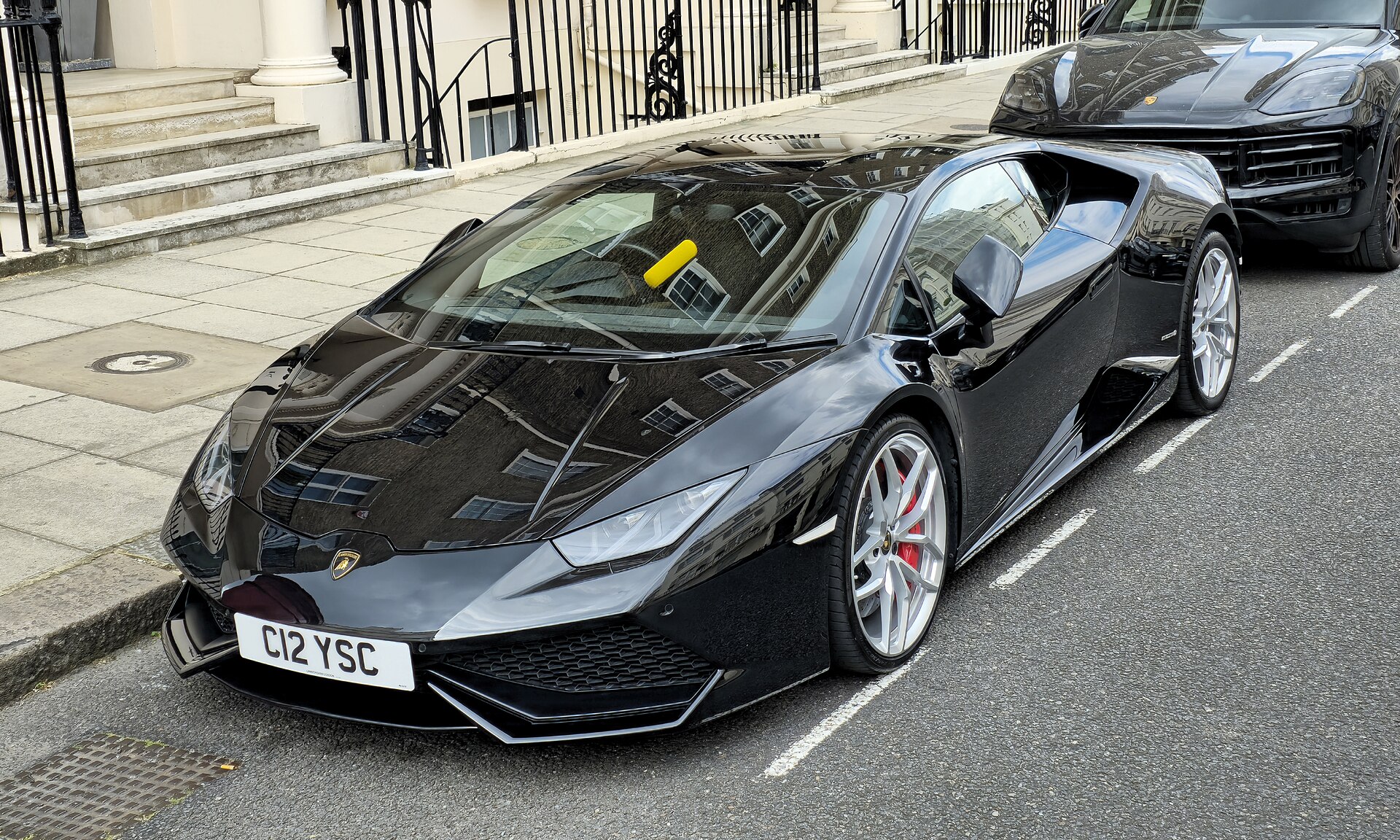
Routine Maintenance Schedule: Oil Changes, Brake Fluid, and Filters
Lamborghini recommends maintenance intervals based on time and mileage, whichever comes first. Routine scheduled maintenance includes:
Every 10,000 miles (approximately annually):
- Oil and oil filter replacement: $400–$600 (synthetic Lamborghini-spec oil is expensive)
- Visual inspection of brakes, suspension, and tires: included in service
- Tire rotation: included or $150–$250 separately
Every 20,000 miles:
- Cabin air filter replacement: $150–$250
- Engine air filter inspection/replacement: $200–$400
Every 40,000 miles or 4 years:
- Transmission fluid flush: $400–$600
- Brake fluid flush and replacement (DOT 4 high-performance specification): $300–$500
- Suspension inspection and component checks: $200–$400
Every 80,000 miles or 8 years:
- Spark plug replacement: $500–$1,000 (labor-intensive on mid-engine V10)
- Full system inspection and potential replacements: $1,000–$2,000
Average Annual Routine Maintenance Cost: $1,200–$2,000
Major Service Items: Clutch, Brakes, and Expensive Repairs
Beyond routine maintenance, certain components require expensive replacement or overhaul at predictable intervals.
Clutch Replacement (if applicable): Huracan models with manual or hybrid transmissions that include clutch elements cost $3,000–$5,000 to replace. The Huracan's seven-speed dual-clutch transmission doesn't have a traditional clutch like manual cars, but the internal clutch packs do wear and occasionally require professional rebuilding or replacement. Budget for potential clutch work after 60,000 miles.
Brake Pad and Rotor Replacement: See the dedicated brake section below. Carbon ceramic brake systems cost significantly more to replace than steel alternatives.
Timing Chain and Engine Internals: The Huracan's 5.2L V10 has a timing chain (not a belt), which means it lasts the life of the engine in most cases. However, timing chain tensioners can wear, and worn chains can stretch and rattle. Replacement or tensioner rebuilding costs $2,000–$4,000 and is labor-intensive due to the engine's mid-mounted position.
Transmission Service and Overhaul: The dual-clutch transmission is robust but complex. Transmission service (fluid change, internal inspection) costs $800–$1,500. Full transmission replacement or internal rebuild costs $8,000–$15,000, though this is rare on well-maintained cars.
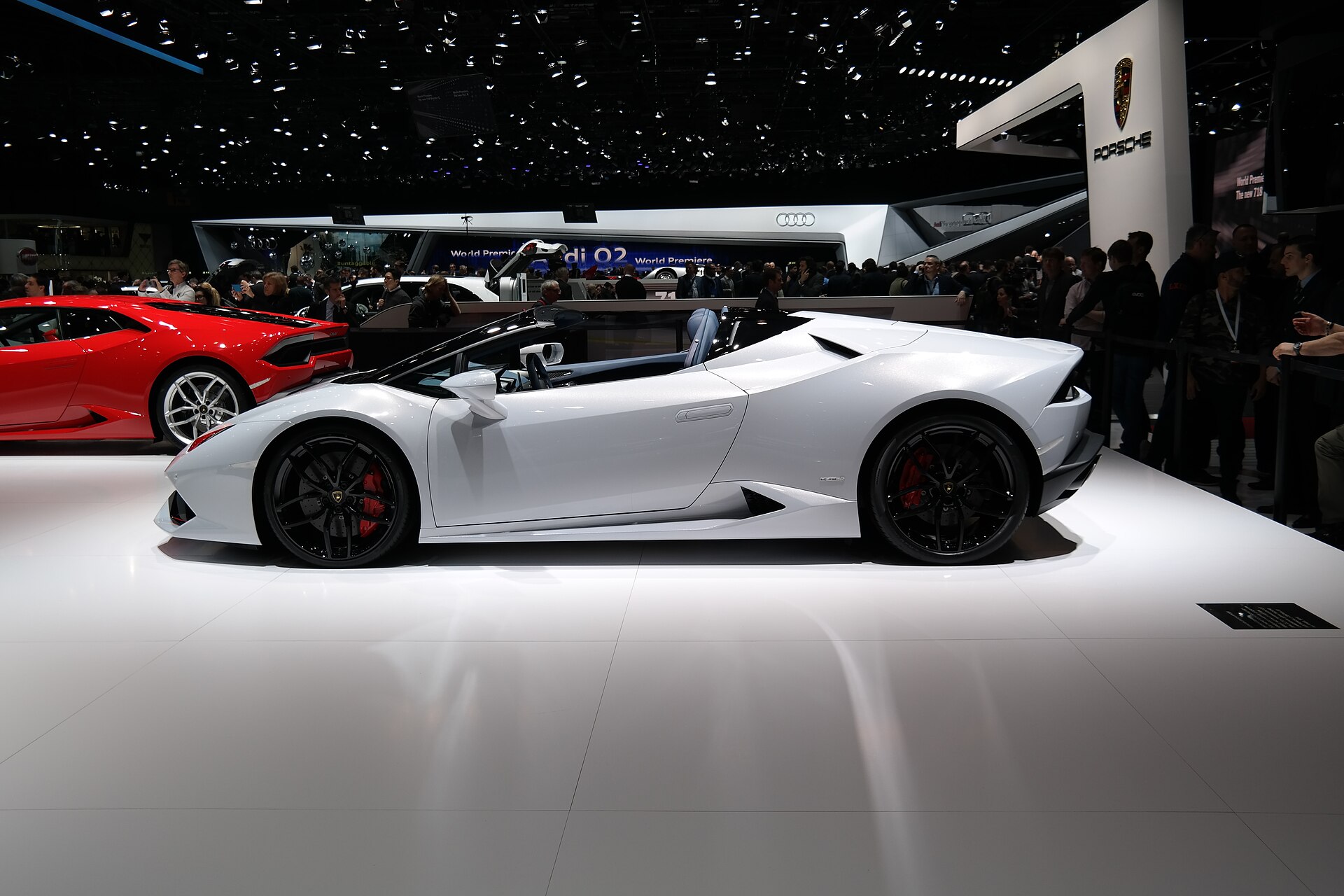
Tire Costs: Front/Rear Sizes, Brands, and Annual Budgets
Huracan tire costs are substantial because the car uses high-performance rubber designed for sustained high speeds and aggressive cornering.
Original Equipment Tires:
- Front: Pirelli P Zero, Michelin Pilot Sport, or Goodyear Eagle F1 in 245/35R19 or 235/35R19
- Rear: Pirelli P Zero, Michelin Pilot Sport, or Goodyear Eagle F1 in 325/30R19 or 335/30R19
- Cost per set: $3,000–$4,500 (four tires)
- Lifespan: 20,000–30,000 miles depending on driving style and climate
Tire Replacement Frequency and Budget:
If you drive a Huracan 10,000 miles annually (typical for weekend car ownership), you'll need a new set of tires every 2–3 years. That's $1,000–$1,500 per year in tire costs. If you drive the car 20,000 miles annually, you'll replace tires every 12–18 months, pushing annual tire costs to $2,000–$3,000.
Summer vs. Winter Tires: If you live in a climate with winter weather, you'll need dedicated winter tires (another $2,500–$3,500 per set) and will swap them twice per year. Most Huracan owners in cold climates store their cars during winter rather than buy two sets of tires.
Brake Costs: Carbon Ceramic vs. Steel and Replacement Expenses
Carbon Ceramic Brakes (Optional, $20,000 upgrade):
The Huracan can be equipped with optional carbon ceramic brake discs and pads. These brakes are lighter, shed heat better, and last longer than steel brakes. However, they're extremely expensive to replace.
- Front pad replacement: $800–$1,200 per axle
- Rear pad replacement: $800–$1,200 per axle
- Rotor replacement (front and rear): $8,000–$12,000
- Full carbon ceramic brake replacement: $10,000–$15,000 every 60,000–80,000 miles
Steel Brakes (Standard):
- Front pad replacement: $400–$600 per axle
- Rear pad replacement: $400–$600 per axle
- Rotor replacement (front and rear): $1,200–$2,000
- Full brake system replacement: $3,000–$5,000 every 40,000–50,000 miles
Carbon ceramic brakes are a $20,000 premium at purchase but save money long-term if you drive more than 60,000 miles. For cars driven under 30,000 total miles, steel brakes make more financial sense.
Common Repair Costs: Front Lift, Door Struts, Infotainment, and Suspension
Front Lift System Repair: The optional hydraulic front lift can develop seal leaks or actuator failures. Replacement or rebuilding: $1,500–$2,500. If you buy a Huracan with the lift, budget for eventual service.
Door Strut Replacement: The Huracan's upward-opening scissor doors use hydraulic struts that can weaken or fail over time. Replacing both struts: $800–$1,500. This typically becomes necessary after 8–10 years of normal operation.
Infotainment System Repair or Replacement: The Huracan's infotainment system (touchscreen, navigation, climate controls) is complex. Screen repair: $800–$1,200. Full system replacement: $2,500–$4,000. These systems have been known to fail or malfunction, especially on older models.
MagneRide Adaptive Suspension Repair: The adaptive dampers can fail individually, requiring replacement of one or more units. Cost per damper: $800–$1,200. Full suspension replacement (all four dampers plus components): $5,000–$7,000.
Air Conditioning System Service: Huracan A/C systems require specialized servicing with exotic refrigerants. Basic A/C service (top-up): $300–$500. Compressor replacement: $2,000–$3,500.
Modifications and Protection: PPF, Ceramic Coating, and Aftermarket Upgrades
Paint Protection Film (PPF): Many Huracan owners protect the front fascia, hood, and mirrors with PPF. Professional installation: $2,500–$4,500 for the front end, $5,000–$8,000 for full-body coverage. PPF lasts 5–7 years before yellowing and requiring replacement.
Ceramic Coating: Protect the paint with a professional ceramic coating for $1,500–$3,000. Provides 3–5 years of hydrophobic protection and makes detailing easier.
Undercarriage Coating: Protect the underbody from corrosion with professional undercoating: $400–$800. Highly recommended if you live in areas with road salt or wet climates.
Aftermarket Exhaust Systems: High-performance aftermarket exhaust (Akrapovic, iPE, Capristo, etc.) costs $3,500–$6,500 and adds 5–15 horsepower while improving sound. Installing also voids any remaining manufacturer warranty.
Engine Tuning: ECU tuning software can add 30–50 horsepower to the V10. Costs $1,500–$3,500 and also voids warranty.
5-Year Total Cost of Ownership: Comprehensive TCO Analysis
| Cost Category | LP 610-4 | EVO AWD | Tecnica | Performante | STO |
|---|---|---|---|---|---|
| Purchase Price (Used, 2025) | $145,000 | $175,000 | $210,000 | $210,000 | $280,000 |
| 5-Year Insurance (avg $3,800/yr) | $19,000 | $23,000 | $25,000 | $28,000 | $32,000 |
| Routine Maintenance | $8,000 | $8,500 | $9,000 | $9,500 | $10,000 |
| Tire Replacement (3 sets) | $10,000 | $10,500 | $11,000 | $11,000 | $11,500 |
| Brakes (pads, rotors) | $4,000 | $4,500 | $5,000 | $10,000 | $6,000 |
| Major Repairs/Contingency | $5,000 | $5,500 | $6,000 | $7,000 | $8,000 |
| Depreciation Loss | $25,000 | $35,000 | $25,000 | $35,000 | -$10,000 |
| Total 5-Year Cost | $71,000 | $86,500 | $81,000 | $100,500 | $57,500 |
| Cost per Mile (10k miles/yr) | $0.71 | $0.87 | $0.81 | $1.01 | $0.58 |
Note: TCO assumes 10,000 miles per year (50,000 total), comprehensive insurance with standard deductibles, routine maintenance at authorized Lamborghini dealers, one major repair incident, and professional detailing at resale.
Is It Worth It? The Economics of Huracan Ownership
The math is stark: owning a Huracan for five years costs you $71,000–$100,500 depending on the variant, not including the original purchase price. If you bought a used Huracan at $145,000–$210,000 and sell it for $100,000–$160,000 five years later, your total cost of ownership is effectively $71,000–$100,500 on top of the purchase price.
That's expensive. Very expensive. A comparable time-frame ownership of a Porsche 911 or Ferrari would cost significantly less.
But here's the truth: if you're calculating whether a Huracan makes economic sense, you're asking the wrong question. You don't buy a naturally aspirated V10 supercar because it's a good financial decision. You buy it because it's magnificent, it's thrilling, and it's the last of its kind. The cost is secondary to the experience.
That said, there are economically smart ways to own a Huracan:
Buy the STO or Sterrato. These rare variants are appreciating or holding value, which means your ownership cost is dramatically lower. An STO is priced at $280,000 but might sell for $290,000 in five years, meaning you actually make money while driving a legendary car.
Buy the used EVO RWD. The RWD EVO offers exceptional driving dynamics and lower depreciation than the AWD model. You're paying $145,000–$175,000 for a car that will cost $81,000–$86,500 to own for five years, which works out to a reasonable $0.81–$0.87 per mile driven.
Minimize annual mileage. Drive your Huracan 5,000 miles per year instead of 10,000, and you'll reduce tire wear, maintenance intervals, and depreciation. Your ownership cost per mile actually decreases when you drive less because fixed costs (insurance, depreciation) are spread across fewer miles.
Store the car during winter. If you live in a cold climate, store your Huracan during winter months. You'll save tire wear, maintenance, and insurance costs while avoiding the psychological stress of driving a mid-engine supercar on ice.
Ready to calculate your specific ownership cost? Visit our complete Huracan buyer's guide to understand the different variants and their ownership costs. Then check out the broader Lamborghini cost guide to see how the Huracan compares to other Lamborghini models.
For personalized valuation and ownership cost analysis specific to your situation, visit Lamborghini's official site to understand warranty options and certified pre-owned programs that can offset your ownership costs.
Want Real-Time Lamborghini Huracan Pricing?
Automonitor tracks actual transaction data across our dealer network — not estimates, not asking prices. Whether you're buying or selling, start with the numbers that matter.
See Current Market Data →