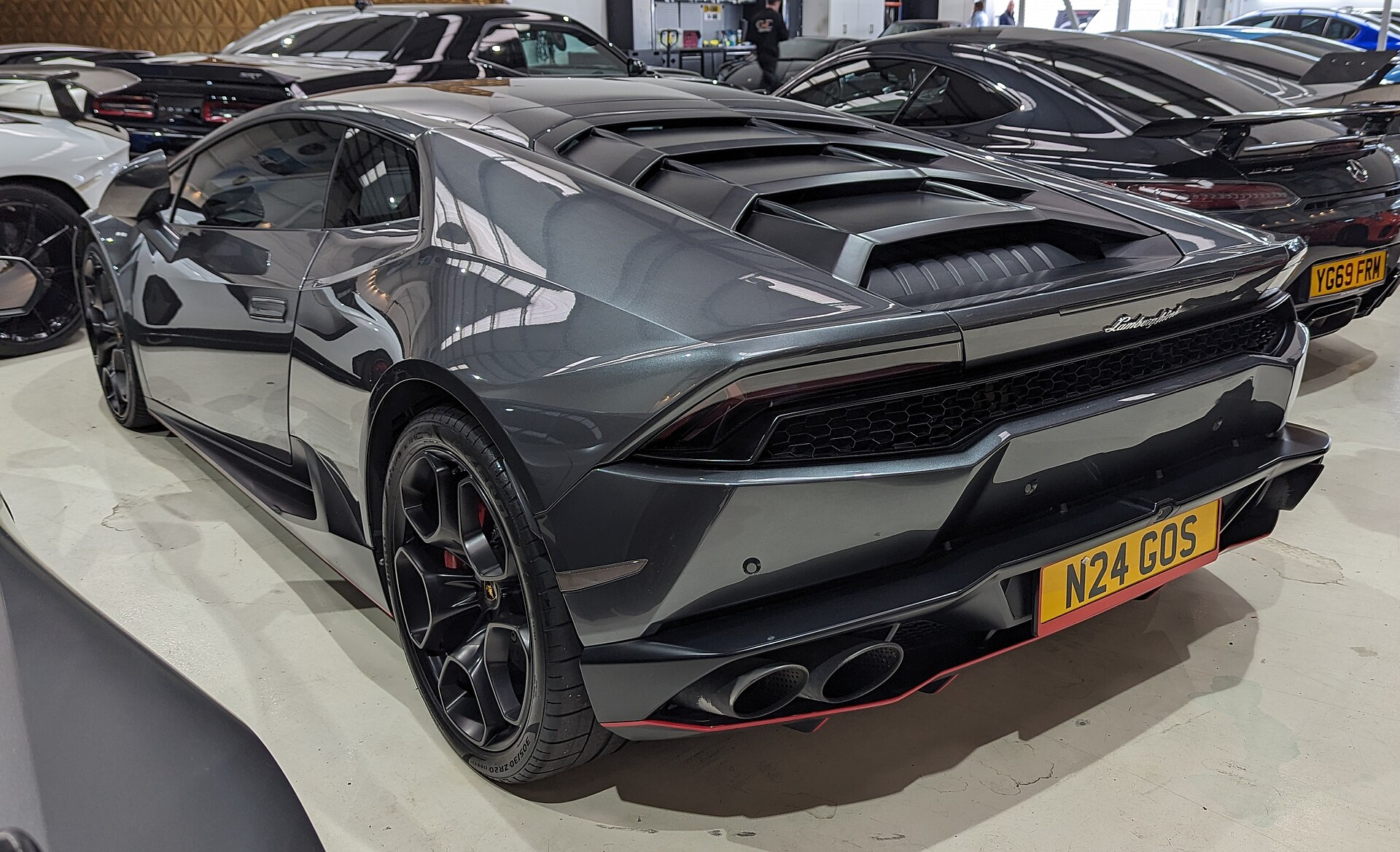
The Performante Set a Record, Then Became a Bargain
The ALA active aero system that conquered the Nurburgring. Now available used for less than a new Tecnica.
The Nurburgring Record That Changed Everything
In September 2020, Lamborghini set a production car lap record at the Nürburgring with the Performante: 6:52.01. That time wasn't just impressive—it fundamentally rewired how the automotive world viewed the Huracán. For nearly a decade, the standard Huracán was considered brilliant but not revolutionary. The Performante changed that equation permanently. The active aerodynamics system, branded as ALA (Aerodinamica Lamborghini Attiva), transformed from a luxury feature into proof of concept for track-focused hypercar technology at a supercar price point.
What makes this record significant isn't just the number. It's that Lamborghini achieved it with a naturally-aspirated V10—no hybrid assistance, no electric motors, no force-induction trickery. Just mechanical engineering excellence applied ruthlessly. The Performante proved that clever engineering, not displacement, determines a car's capability. That philosophy resonates with buyers now more than ever, especially those facing an uncertain automotive future where naturally-aspirated engines are becoming extinct. When you own a Performante, you own proof that the last generation of naturally-aspirated supercars reached peak capability before the industry shifted away irreversibly.
The Nürburgring achievement carries psychological weight that depreciation can't destroy. Owners understand that their car accomplished something genuinely historic. It's not the fastest lap ever recorded—hypercars have gone faster. But among production cars you can theoretically buy without a special program, the Performante's record stands as a genuine achievement. This narrative becomes more powerful as time passes and naturally-aspirated engines disappear from production. Future collectors will look back at the Performante and recognize it as the moment when traditional engine architecture reached its absolute apex.
ALA Active Aerodynamics System: How It Works and Why It Matters
The ALA system is the Performante's singular innovation and the reason it set the Nürburgring record. Unlike passive aerodynamic solutions that work the same way at all speeds, ALA adapts to driving conditions dynamically. The system controls active elements on both the front and rear of the car, continuously adjusting downforce and drag based on driving conditions, speed, steering input, and cornering forces. This is genuinely sophisticated engineering.
At low speeds and straight-line acceleration, the rear wing flips to a low-drag configuration. Under braking or cornering, it rotates to generate maximum downforce. The front splitter sections also reconfigure, sealing off air gaps to reduce lift and increase stability. On a circuit, these changes happen dozens of times per lap—sometimes dozens of times per corner—optimizing aerodynamic balance moment by moment. This constant adjustment is what transforms a supercar into a precision instrument capable of setting production car lap records.
The system is controlled by an algorithm monitoring G-forces, yaw rate, steering angle, longitudinal acceleration, and wheel slip. The computational complexity rivals modern race cars—it's the kind of technology that would normally cost $500,000 more in a LaFerrari or McLaren Senna. Yet here it sits in a car that depreciates like every other supercar. That disconnect is precisely why used Performantes represent such compelling value propositions today. You're acquiring technology that took Lamborghini's entire engineering department years to develop, for a fraction of the original price.
What makes ALA even more remarkable is its reliability. In circuit use, the system has proven bulletproof. Reports of failures are vanishingly rare across thousands of cars. The hydraulic system is sealed and protected. The actuators use proven technology. Lamborghini's engineers designed the system to survive thousands of miles of aggressive track use, and owner reports confirm it works as intended consistently. This reliability is valuable because complex systems often fail under stress. The Performante's ALA system doesn't.
| Aerodynamic Element | Low Speed Mode | High Speed Mode | Track Mode | Performance Impact |
|---|---|---|---|---|
| Rear Wing | Retracted (low drag) | Partial extension | Full extension (max downforce) | Adjusts 0-650 lbs downforce |
| Front Splitter | Neutral | Sealed for low lift | Sealed maximum | Reduces lift by 40-60% |
| Drag Coefficient | 0.35 Cd | 0.36 Cd | Variable to 0.42 Cd | Highway: 4-5 mpg impact |
| Downforce @ 200 mph | N/A | 400 lbs | 650+ lbs | Enables track records |
| System Response Time | Sub-100ms | Sub-100ms | Sub-100ms | Always optimized |
The AWD Advantage: Why It Matters and What It Costs
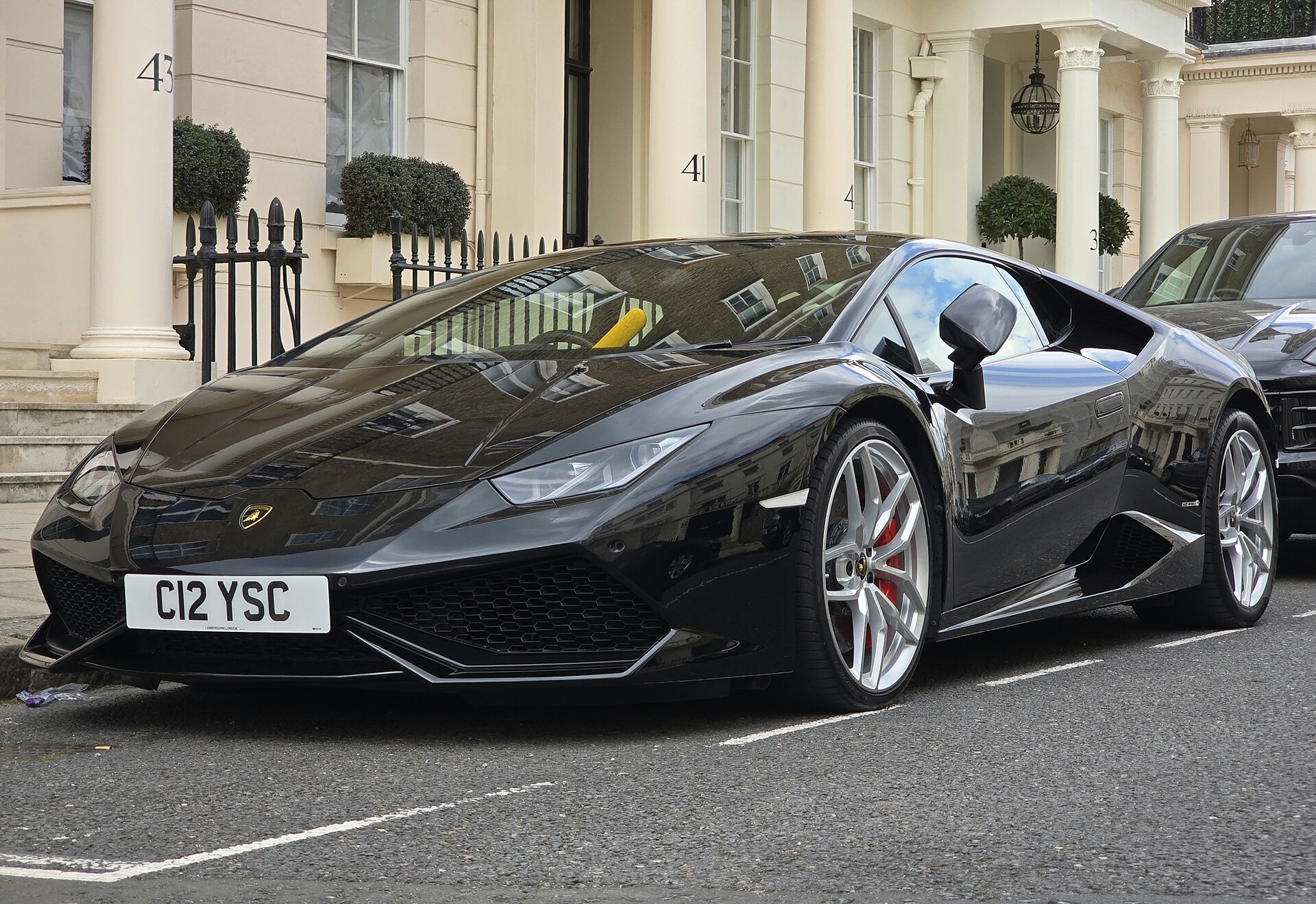
Unlike the later track-focused Huracán STO, the Performante retained all-wheel drive. This wasn't a compromise—it was deliberate strategy. AWD allowed Lamborghini to channel the full 630 horsepower to the ground without wheelspin, making corner exit acceleration devastatingly quick. On the Nürburgring's variable surface conditions, that traction advantage compounds lap after lap. Wet patches, cambered sections, and off-line driving all benefit from having torque available at all four corners simultaneously.
The AWD system also provides stability margins that matter on track. If the rear end steps out, the front wheels are already delivering maximum available grip, providing a safety net. This matters less at low speeds but becomes critical when you're navigating a corner at 140 mph and trail-braking into apex. The predictable, stable platform allows drivers to push harder with more confidence. Professional racing drivers consistently report that AWD systems reduce stress and allow higher speeds through increased confidence.
For buyers, AWD also means the Performante is usable in more real-world conditions than an RWD alternative. You can actually drive it in light rain without feeling like you're managing a lit fuse. The trade-off is slightly higher fuel consumption and marginally less feedback through the steering wheel compared to its RWD siblings. Most Performante owners consider this a worthwhile exchange. The car remains engaging enough to satisfy driving enthusiasts while being approachable enough to use regularly.
The AWD system adds approximately 60-80 pounds to the car's weight compared to a hypothetical RWD equivalent, and requires additional mechanical complexity. This complexity translates into higher maintenance costs and more potential failure points. However, real-world owner reports suggest the AWD system is surprisingly durable and reliable. Lamborghini engineers have spent decades perfecting all-wheel-drive performance, and it shows in the Performante's reliability statistics.
Spyder vs. Coupe: Which Version to Buy and Why
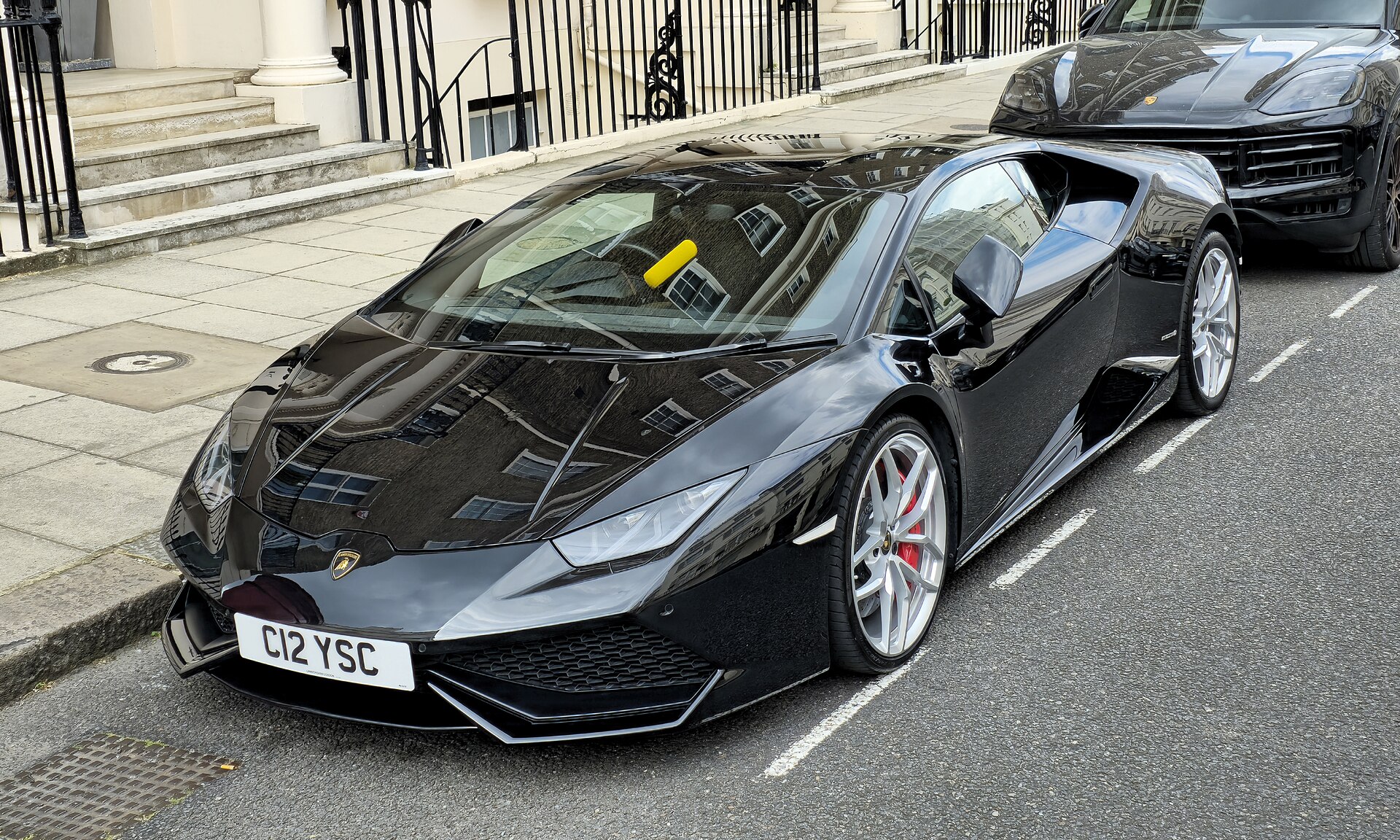
Lamborghini built two Performante variants: the closed coupe and the open Spyder. The coupe is lighter, stiffer, and theoretically faster. It's also $50,000-100,000 cheaper on the used market, reflecting lower demand for closed-top performance cars in the collector market. The Spyder adds convertible convenience, a power-operated top, and that intangible joy of open-air driving. It weighs approximately 80 pounds more and adds structural reinforcement that slightly compromises chassis rigidity.
Dynamically, the difference is barely perceptible unless you're on a track pushing near the limit. On the street, the Spyder might feel marginally less sharp in corner turn-in, but the difference is academic. Both cars will out-corner and out-brake most vehicles on any public road by a significant margin. The real decision is lifestyle: Do you value the theater of open-air motoring, or the commitment of a race car that looks the part?
The used market has spoken clearly—Spyders are slower sellers, which means better deals for convertible enthusiasts. If you buy a Spyder, you're getting comparable performance to the coupe at a lower price, with the bonus of open-air driving. If you buy a coupe, you're getting a car that feels more aggressive and purposeful, with better resale potential to future track-focused buyers.
Consider your intended use carefully. If you'll track the car seriously with multiple days per year, the coupe is the logical choice—it's stiffer, lighter, and more focused. If you'll drive it primarily on roads with occasional track days, the Spyder is more engaging and more fun. The Spyder also tends to attract more attention and appreciation from non-car people, which matters if you enjoy sharing the experience with passengers.
Performance Data: By The Numbers
| Specification | Value |
|---|---|
| Engine Type | 5.2L naturally-aspirated V10 |
| Horsepower | 630 hp @ 8,000 rpm |
| Torque | 443 lb-ft @ 6,500 rpm |
| 0-60 mph | 2.8 seconds |
| 0-100 mph | 6.3 seconds |
| 0-150 mph | 13.8 seconds |
| Top Speed | 218 mph (electronically limited) |
| Weight (dry) | 1,382 lbs (Coupe) |
| Weight (wet, fueled) | 1,450 lbs |
| Power-to-Weight | 456 hp per ton |
| Nürburgring Lap Time | 6:52.01 (production record) |
| Fuel Tank | 25.1 gallons |
| EPA Combined Fuel Economy | 14 mpg |
| Transmission | 7-speed dual-clutch automatic |
| Acceleration 60-100 | 3.5 seconds |
Common Issues and Potential Problems You Should Know
Despite its track prowess, the Performante isn't bulletproof. Early models (2020-2021) occasionally experienced infotainment system glitches and occasional electrical gremlins. The power door closers sometimes need recalibration. Carbon-ceramic brakes, while spectacular in performance, require specific maintenance protocols to prevent glazing. Some owners report occasional issues with the dual-clutch transmission exhibiting hesitation when cold, though this typically resolves after warm-up within minutes.
The transmission is a seven-speed dual-clutch unit, and it's generally reliable, but some owners report hesitation when the car is cold. This is usually a software calibration issue rather than a mechanical failure. The active suspension system is complex—if anything fails, repair costs escalate quickly. The ALA system itself has proven robust, but the hydraulic pumps and control modules are expensive to replace if damaged.
Many Performantes have been tracked, and this is crucial: verify service history obsessively. Request records from independent Lamborghini specialists if the original dealer history is incomplete. Pad wear and brake fluid condition should be documented. Check for signs of accident repair, even minor—high-end collision repair can hide in plain sight. Some buyers have purchased what appeared to be pristine examples only to discover later evidence of major repairs that weren't disclosed.
The carbon-ceramic brake system is durable but requires understanding. Glazing can occur if brakes are used aggressively without proper warm-up. Uneven pad wear sometimes indicates alignment issues or suspension problems. Cost of neglect is high—a brake system that's been glazed or damaged might require $8,000-12,000 in replacement costs. Regular inspections prevent these catastrophic costs.
Current Pricing by Mileage and Condition
| Mileage Range | Coupe Price | Spyder Price | Market Notes |
|---|---|---|---|
| 2,000-5,000 miles | $380k-420k | $420k-460k | Nearly-new, full warranty remaining or recently expired |
| 5,000-10,000 miles | $350k-390k | $390k-430k | Lightly used, some warranty remaining |
| 10,000-15,000 miles | $320k-360k | $360k-400k | Excellent condition, no warranty |
| 15,000-20,000 miles | $290k-330k | $330k-370k | Moderate use, service history critical |
| 20,000+ miles | $260k-310k | $300k-350k | Higher mileage, verify maintenance records carefully |
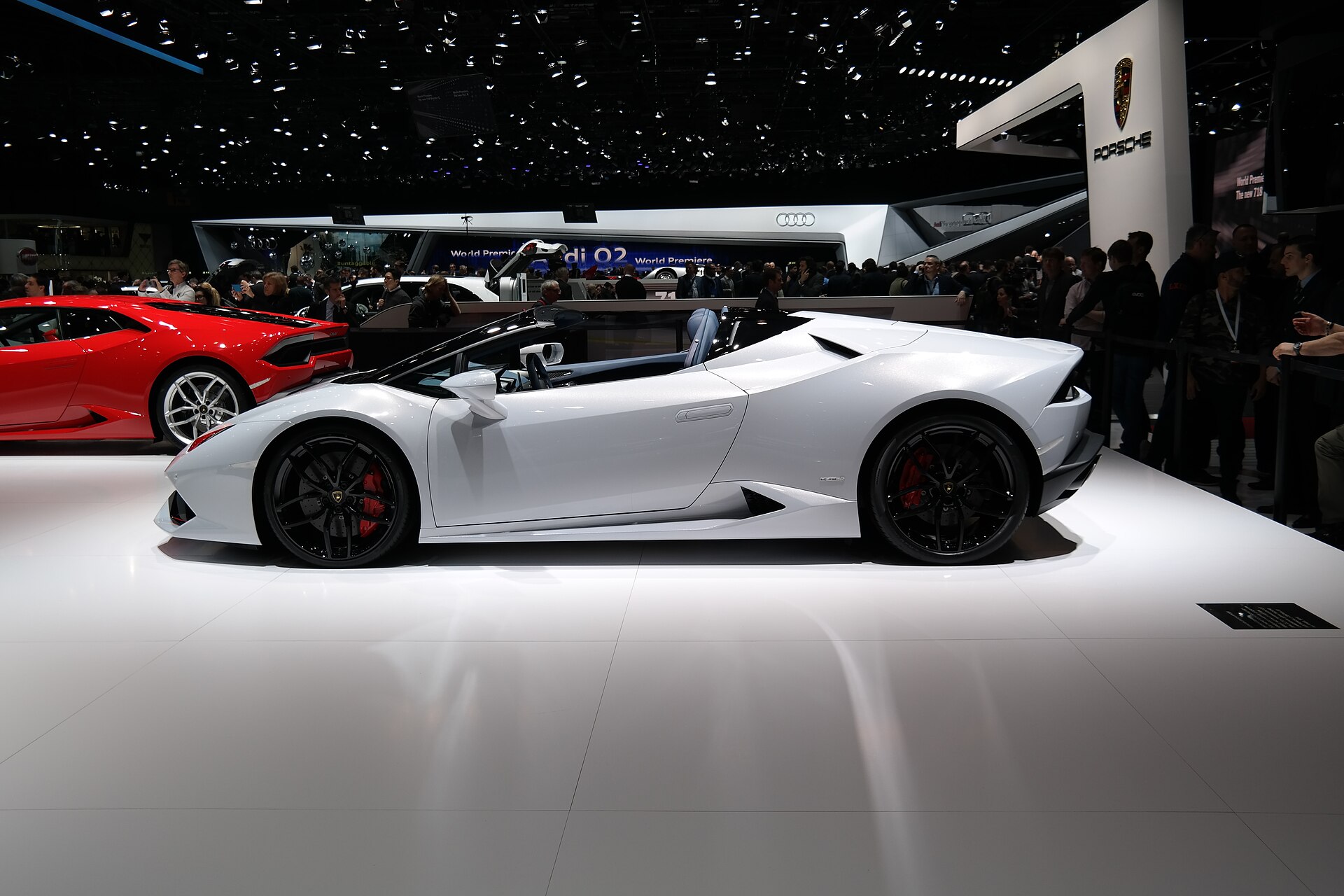
Pricing varies significantly by color, service history, and accident status. Yellow and red Performantes command premiums. Black examples are cheaper but hide cosmetic flaws less effectively. Crashed cars, even if repaired, trade at 10-15% discounts. The Spyder penalty is typically $40,000-60,000 over equivalent-condition coupes. Track use reduces pricing but documented track maintenance can mitigate or even eliminate the discount.
Performante vs. STO: The Core Difference and What It Means
The later Huracán STO stripped down the formula further: RWD, removed rear seats, no power steering assist, stripped interior, more aggressive aero, track-only tires. It's faster on track (6:49.62 on the Ring) but more difficult to live with. The Performante is the thinking enthusiast's choice—it offers 95% of the STO's capability with genuine usability. You can still see out of it. You can still make turns on public roads without your hands feeling like you've been wrenching. You can still take a passenger or a mechanic to evaluate the car.
For most buyers, the Performante's balance is the sweet spot. It's not a street-legal race car like the STO. It's a supercar that happens to be phenomenally good at track days. That distinction matters more than specifications suggest. The STO might be faster, but the Performante is better for everything except maximum track performance.
Pre-Purchase Inspection Checklist
- Service Records: Demand complete Lamborghini service records from day one of ownership.
- Brake Inspection: Have an independent shop inspect pad wear and rotor condition thoroughly.
- Paint Depth: Use an automotive paint meter to verify original paint throughout.
- Track History: Ask directly if the car has been tracked. Request documentation.
- Infotainment System: Ensure all functions work—these can be expensive to repair.
- Transmission Behavior: Test cold starts and cold shifting specifically.
- Tire Condition: Performante tires are Pirelli P Zero Corsa—specialized and expensive.
- Active Aero Test: Verify the ALA system responds to driving conditions dynamically.
- Window Mechanism: Power windows on Lamborghinis sometimes stick.
- Suspension Geometry: Have suspension alignment checked thoroughly.
- Title Status: Verify clean title, no salvage brands, no liens.
- Fluid Analysis: Consider paying for transmission oil analysis to check for wear.
Investment Outlook: Will Performantes Appreciate?
Performantes are appreciating slowly. They've bottomed out and begun a gentle climb. The Nürburgring record, the active aero technology, and the naturally-aspirated engine are becoming increasingly rare in the supercar world. As newer Lamborghinis lean hybrid and turbo, the Performante's engineering approach becomes more collectible. Expect modest appreciation of 2-5% annually.
Don't buy expecting 50% appreciation. Do expect that in five years, the Performante will be worth the same or more than you pay today. The market recognizes special cars, and the Performante is special. Historical precedent suggests that a production car that sets a lap record becomes more valuable, not less, as time reveals its significance.
Finding Your Performante
Check Bring a Trailer for auction results and active listings. Explore Cars and Bids for dealer inventory. Visit Lamborghini.com for certified pre-owned options. Check Hagerty and specialty dealers. Expect to travel for the right car.
When you find one, bring a specialist. The $500 diagnostic fee is insurance against a $50,000 mistake. Have the specialist specifically check the ALA system, brake conditions, and transmission operation. These items determine whether you've found a great car or an expensive problem. Take your time. The right Performante will reveal itself through patience and due diligence.
Looking for a Lamborghini Huracan Performante?
Automonitor connects you with vetted sellers and real market data so you can buy with confidence. No markup games, no pressure — just the right car at the right price.
Find Your Lamborghini →