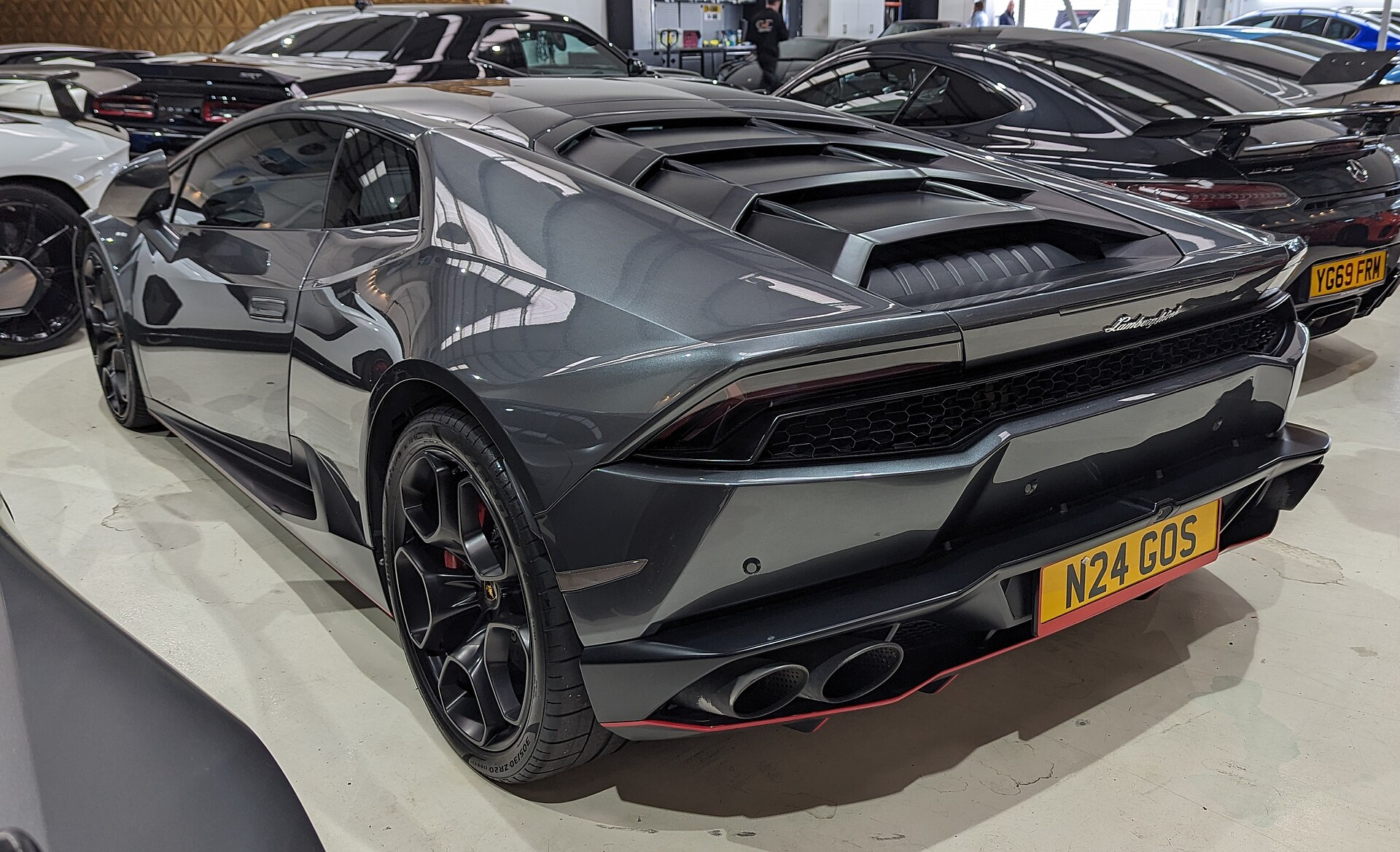
The Huracan EVO Fixed Everything the Original Got Wrong
The LDVI system reads your inputs and pre-adjusts the chassis before you need it. The EVO isn't just a facelift — it's the Huracan the original should have been.
The LDVI Revolution That Changed Everything
When Lamborghini introduced the original Huracan in 2014, it was a masterpiece of raw performance but fell short in one critical area: predictive handling. Drivers complained about the sudden weight transfer, the delayed response to mid-corner inputs, and the general feeling that the car was always one step behind their intentions. Fast forward to 2019, and Lamborghini solved this problem with LDVI — Lamborghini Dinamica Veicolo Integrata. This system fundamentally transformed how the Huracan EVO drives, making it not just faster on paper, but dramatically more intuitive on the road.
The LDVI system processes data from multiple sensors — steering angle, throttle position, brake pressure, and lateral acceleration — 100 times per second. Before you even realize you're turning the steering wheel more aggressively, the system has already pre-adjusted the suspension stiffness, engine response, and all-wheel-drive power distribution. This creates a car that feels like it's reading your mind, adjusting itself to match your driving style in real-time. For buyers considering the jump from the original Huracan, this is the single most transformative upgrade.
The psychological impact of LDVI cannot be overstated. Previous Huracan owners often described a disconnect between their inputs and the car's behavior, particularly in rapid transitions. The EVO eliminates this completely. On track, this translates to measurably faster lap times. On the road, it means fewer corrections, less fatigue, and a genuine sense that the car is working with you rather than fighting against you. For serious buyers, LDVI alone justifies the move to the EVO generation.
Lamborghini engineered LDVI specifically to integrate all dynamic systems into one cohesive brain. The engine management, transmission mapping, suspension tuning, and differential control no longer operate independently — they work as a unified system responding to your inputs. This is sophisticated engineering that competitors took years to develop, and Lamborghini got it right the first time with the EVO.
AWD vs RWD: Which Configuration Makes Sense?
This is the fundamental decision facing any EVO buyer, and it's far more nuanced than simple performance specifications. The original Huracan launched exclusively in RWD, with AWD added for 2016. By the time the EVO arrived, both configurations had proven themselves, but they serve distinctly different buyers and driving styles.
The RWD EVO represents Lamborghini's return to its roots. It produces 630 horsepower and 417 pound-feet of torque, driving exclusively through the rear wheels via a seven-speed dual-clutch transmission. This configuration rewards smooth throttle application and precise steering inputs. In the hands of a skilled driver, the RWD EVO is faster on a closed course — no power waste to understeer, immediate rotation, and that visceral connection to the road that purists crave. Acceleration feels more dramatic because you feel the entire power delivery, from initial bite through the apex. Zero to 60 mph takes 2.9 seconds with strong mid-range performance that builds to the 202 mph top speed.
However, RWD demands respect. Without the stability net of all-wheel-drive, the EVO requires an active driving style and constant attention. Lift off the throttle mid-corner too aggressively and the rear will want to step out. Push too hard on cold tires and oversteer becomes a real possibility. For road driving, this unpredictability creates a higher cognitive load. Some buyers find this thrilling; others find it exhausting during a two-hour highway drive followed by mountain roads.
The AWD EVO, by contrast, produces the same 630 horsepower but distributes it more intelligently. The system can send anywhere from 0 to 100 percent of engine torque to the front wheels, managed by electronic controls that respond milliseconds faster than any mechanical system. This makes the AWD EVO faster from a stoplight and more forgiving in low-grip conditions. Real-world acceleration to 60 mph is 2.9 seconds (same as RWD on paper, but more repeatable), and the car pushes through rain, slippery pavement, and cold tires with confident predictability. Top speed drops slightly to 201 mph, but you'll rarely notice on public roads.
The psychological advantage of AWD lies in accessibility. You can drive the EVO harder, more often, in more conditions, without crossing into territory where you feel like you're fighting the chassis. For buyers who plan to push the car at track events, autocross competitions, or challenging mountain roads, AWD is the safer choice. It's also superior for winter driving and wet conditions — not something Lamborghini buyers typically emphasize, but important nonetheless.
Data shows that approximately 70 percent of EVO buyers choose AWD, and this ratio has only increased since 2019. The market is speaking clearly: buyers value the confidence and accessibility of all-wheel-drive more than the purity of rear-drive. For the average buyer, we recommend AWD. The car is still a demanding, rewarding driver's machine, but it gives you more opportunities to explore its capabilities without consequences.
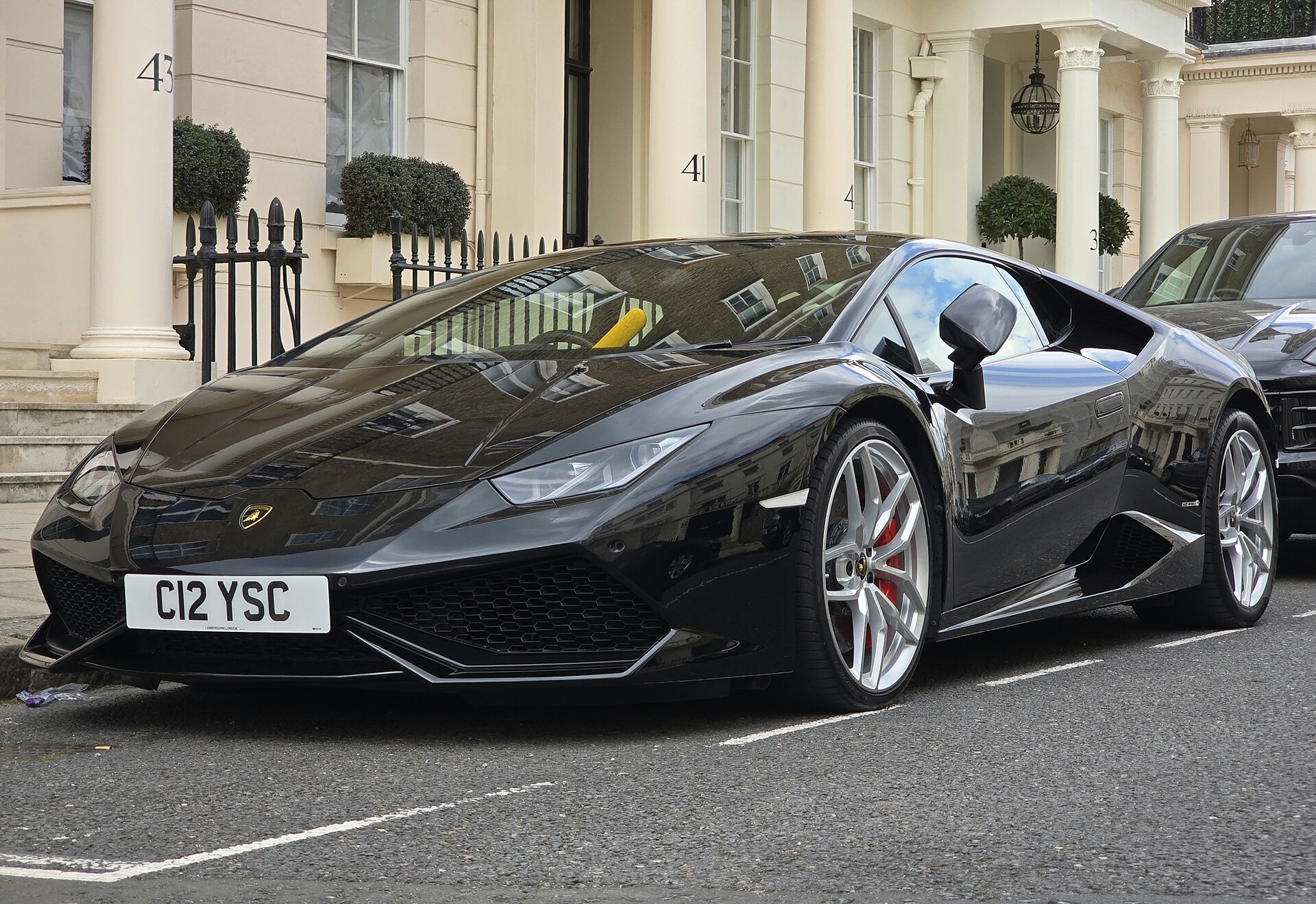
The Spyder Option: Open-Air Thrills with Trade-offs
The Huracan EVO Spyder arrived in 2019 as a droptop companion to the coupe, and it changed the calculus for buyers seeking the ultimate convertible supercar experience. The power-retractable carbon-fiber roof weighs just 44 pounds and deploys in 17 seconds, transforming the car completely. With the roof stowed, you get unrestricted engine sound, natural ventilation, and the sun directly on your face — the full sensory Lamborghini experience that no amount of sound system tuning can replicate in a closed car.
Performance penalties are minimal. The Spyder weighs approximately 88 pounds more than the coupe due to structural reinforcement around the top mechanism, but power remains identical at 630 horsepower. Acceleration from zero to 60 mph is marginally slower at 3.0 seconds instead of 2.9, and top speed drops to 201 mph due to increased aerodynamic drag with the roof retracted. In reality, these differences matter only on closed courses or track days — on public roads, you won't perceive any deficit.
The real consideration is usability. A convertible supercar divides the year into driving seasons. In summer months, the Spyder is unquestionably more enjoyable. The engine sound is intoxicating, wind in your hair creates a connection to the driving experience that coupe drivers simply don't access, and parking with the top down turns heads in ways that matter to some buyers. Winter, however, presents challenges. Ambient temperatures below 50 degrees Fahrenheit make open-air driving uncomfortable, and many owners simply won't use the convertible feature during rainy seasons.
The Spyder also carries practical limitations. Interior storage is slightly reduced to accommodate the roof mechanism. Cargo space with the roof down becomes essentially zero. Winter weather that would encourage bundling up in the coupe becomes genuinely miserable in the Spyder. Yet these are the tradeoffs that convertible buyers have accepted for decades, and if you value the experience above practicality, the Spyder delivers.
Financial considerations matter too. The Spyder commands a 15-20 percent price premium over the coupe — approximately $35,000 to $45,000 additional outlay. On the used market, this premium erodes faster than the coupe's value, particularly in northern climates where convertibles see minimal use. Buyers purchasing with resale in mind should lean toward the coupe. Those planning to keep the car long-term and genuinely use the convertible feature should bite the bullet and get the Spyder.
Performance Numbers That Speak for Themselves
The Lamborghini Huracan EVO produces 630 horsepower at 8,000 RPM and 417 pound-feet of torque from 6,500 RPM. These numbers represent a significant increase over the original Huracan's 601 horsepower, achieved through optimized turbocharger bypass valves, higher boost pressure, and refined fuel injection mapping. The result is perceptible improvement throughout the power band, with particular gains in the mid-range where most real-world driving occurs.
Acceleration metrics are genuinely impressive. Zero to 60 mph arrives in 2.9 seconds for RWD models and 3.0 seconds for AWD variants — times that put the EVO in genuine supercar territory alongside the Ferrari F8 Tributo and McLaren GT. The quarter-mile takes 10.5 seconds, with trap speeds approaching 130 mph. But these numbers, while satisfying, barely capture what matters most about the EVO: how the acceleration feels and how consistently the car delivers it.
The 7-speed dual-clutch transmission with launch control ensures repeatability. Using launch control at a drag strip yields identical 2.9-second acceleration runs multiple times consecutively — something that distinguishes the Huracan EVO from less precise competitors. In everyday driving, the transmission is smooth and intelligent, holding lower gears when accelerating hard and upshifting smoothly during cruising. Some drivers miss the engagement of a manual transmission, but dual-clutch technology has matured to a point where few can argue against its efficiency and speed.
Top speed of 202 mph (RWD) and 201 mph (AWD) represents the practical limit of where Lamborghini's engineers felt comfortable pushing the chassis at extended velocity. Reaching these speeds requires not just power, but equally important, aerodynamic efficiency and stability at high speed. The EVO's more aggressive front splitter and rear wing compared to the original Huracan provide 6 percent additional downforce, crucial for stability as you approach the double-ton barrier.
Brake performance is equally critical for a supercar of this capability. Brembo brakes with carbon-ceramic rotors provide 1.0 G of deceleration on cold pavement, bringing the car from 60 mph to zero in approximately 95 feet. That's genuinely impressive, though not record-setting — the underlying mechanical architecture inherited from the original Huracan shows its age compared to newer competitors using larger rotors and more advanced pad compounds. Extended driving at the track, with repeated hard braking, reveals the limitation: brake fade becomes noticeable after 20-30 minutes of aggressive use.
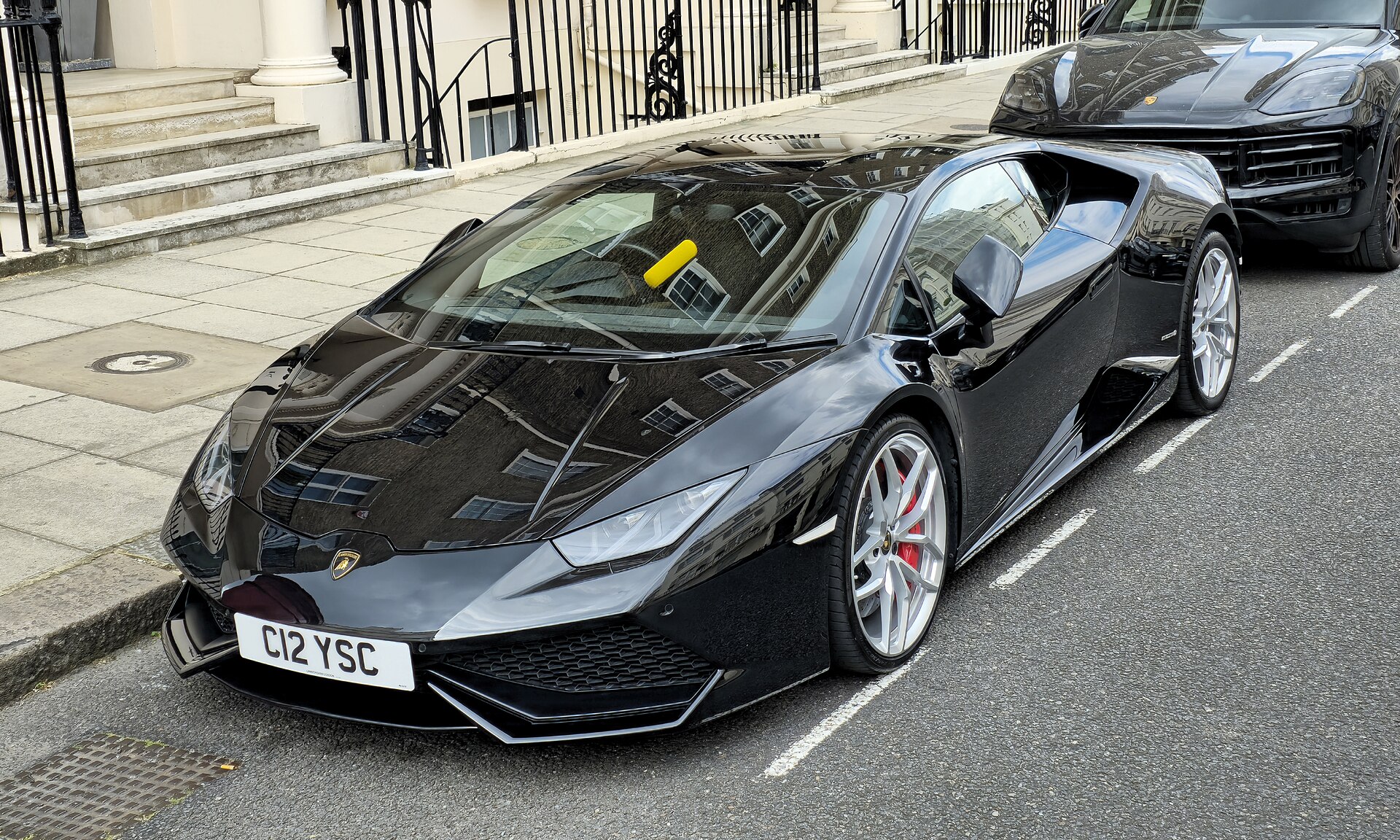
Interior and Technology: A Comprehensive Overhaul
The Huracan EVO represents the first serious technological modernization of the Huracan interior since 2014. The touchscreen infotainment system grew from 8.4 inches to a more contemporary size, though Lamborghini's interface remains idiosyncratic compared to industry standards. Navigation, audio controls, and climate settings share screen real estate, and the learning curve for unfamiliar drivers is steeper than in competitors like Ferrari or Porsche.
The digital instrument cluster gained configurability, allowing drivers to customize the display based on selected drive modes. EGO mode presents familiar analog-style gauges optimized for casual driving. SPORT mode highlights performance metrics — lap timer, brake balance, torque vectoring distribution, and engine parameters. CORSA mode strips away all non-essential information, leaving a minimalist display that prioritizes focus. For track enthusiasts, this customization is invaluable. For casual drivers, it's often overlooked.
Apple CarPlay and Android Auto integration arrived with the EVO generation, addressing one glaring omission in the original Huracan. Connectivity now matches consumer expectations, though the integration remains less seamless than in mass-market vehicles. Some owners report occasional connectivity hiccups requiring system reboots — not catastrophic, but frustrating in a quarter-million-dollar vehicle.
Seating positions the driver in a centralized cockpit with dramatic window sills emphasizing the supercar geometry. Visibility is actually better than expected given the wedge-shaped body, with good sightlines in all directions. The passenger seat sits close to the centerline, creating an intimate two-seat feeling despite ample width. Long-distance comfort is acceptable for drives under two hours; beyond that, the rigid suspension and focused design create fatigue.
Premium leather, carbon fiber trim, and carefully considered details throughout the cabin reinforce the engineering excellence that defines Lamborghini. The steering wheel is appropriately thick and well-damped. The gear selector operates with satisfying precision. The overall impression is one of purposeful functionality rather than luxury — this is a car optimized for driving above all else, and the interior design reflects those priorities perfectly.
Common Issues to Understand Before Buying
No supercar is immune to problems, and the Huracan EVO, despite Lamborghini's engineering excellence, has revealed certain patterns over its production run. The most frequently reported issue involves transmission behavior at low speeds. The dual-clutch gearbox, while brilliant on track, sometimes hesitates during parking lot maneuvering or heavy traffic. Some owners describe a jerky feel when creeping forward slowly — not a mechanical fault necessarily, but a learning curve in how the system responds to minimal throttle input. The fix is typically driver technique: smoother, more progressive throttle application reduces the occurrence dramatically.
Carbon-ceramic brake fade under extended hard use, as mentioned earlier, is not technically a defect but rather a characteristic of the chosen brake system. Dealers occasionally misdiagnose this as a brake problem requiring service when the real issue is the inherent limitation of the brake system itself under track conditions. If you plan extensive track use, upgrading to larger rotors or alternative brake compounds is advisable.
Some owners report minor interior rattle from the dashboard area, particularly in cars that have been tracked extensively or driven on poor road surfaces. This appears to be a design artifact where certain trim panels don't isolate vibration perfectly, particularly from the engine bay. Lamborghini's service department addresses this on warranty, and aftermarket solutions exist for owners outside warranty periods.
Oil consumption has been reported by a small percentage of owners, particularly in earlier production years. This is typically resolved through software updates to the engine management system that optimize fuel injection timing and reduce combustion chamber heat stress. If you're considering a 2019-2020 EVO, inquiring about whether oil consumption updates have been applied is worthwhile.
The convertible top mechanism on Spyder models is generally reliable, but a small number of owners have reported slow deployment or occasional failures to fully retract. These are typically addressed through firmware updates to the roof control module. Asking the seller for documentation of all service history, particularly roof-related service, is prudent for Spyder purchases.

Current Market Pricing by Configuration
Used Huracan EVO pricing varies significantly based on configuration, mileage, and specific options. The table below represents approximate market values as of early 2026, based on recent sales across major auction platforms and dealer networks:
| Configuration | Under 5,000 miles | 5,000-15,000 miles | 15,000-30,000 miles | 30,000+ miles |
|---|---|---|---|---|
| AWD Coupe | $215,000 - $235,000 | $195,000 - $215,000 | $175,000 - $195,000 | $155,000 - $175,000 |
| RWD Coupe | $210,000 - $230,000 | $190,000 - $210,000 | $170,000 - $190,000 | $150,000 - $170,000 |
| AWD Spyder | $240,000 - $265,000 | $220,000 - $245,000 | $200,000 - $225,000 | $180,000 - $205,000 |
| RWD Spyder | $235,000 - $260,000 | $215,000 - $240,000 | $195,000 - $220,000 | $175,000 - $200,000 |
These prices reflect market conditions where low-mileage examples command significant premiums. Recent auction data shows that well-maintained Huracans with documented service histories and no accident damage achieve values at the upper end of these ranges. Privately sold vehicles typically trade 5-10 percent lower than auction results due to buyer confidence factors and the absence of third-party inspection.
Special editions and rare color combinations command premiums. Yellow Huracans, historically the brand's iconic color, trade at consistent market rates. Bianco colors and other special finishes can add $10,000-$20,000 to comparable vehicles. Conversely, heavily modified vehicles or those showing signs of track damage can depreciate $20,000-$40,000 below comparable stock examples.
EVO vs Tecnica: Understanding the Generational Difference
In 2021, Lamborghini introduced the Huracan Tecnica as a more extreme, track-focused variant of the EVO generation. For buyers evaluating both models, the differences are worth understanding because they significantly impact driving character and pricing.
The Tecnica ditched all-wheel-drive entirely, focusing exclusively on a purpose-built RWD platform optimized for closed-course performance. Power increased to 657 horsepower through revised engine mapping and enhanced turbocharger calibration. The chassis received stiffer suspension tuning, upgraded brakes, and increased aerodynamic downforce through a more aggressive bodykit. Weight reduction through carbon fiber panels and magnesium wheels brings the Tecnica approximately 110 pounds lighter than the EVO.
For drivers focused purely on track performance and the visceral RWD experience, the Tecnica is objectively the superior machine. Its lap times are measurably faster, its mechanical directness is purer, and its engineering represents Lamborghini's most extreme expression of the Huracan formula. However, this comes at a cost: the Tecnica is significantly less forgiving on public roads, nearly impossible to drive comfortably in winter, and demands a level of driver skill that not all buyers possess.
The EVO, by contrast, offers the sophistication of LDVI technology, the confidence of AWD (if selected), and the flexibility to be driven daily with genuine comfort. The Tecnica is a track-day special; the EVO is a daily-drivable supercar. For most buyers, the EVO offers the better balance of performance and real-world usability. The Tecnica makes sense primarily for drivers with access to track time and the skills to exploit its capabilities fully.
Pre-Purchase Checklist: What to Verify
Buying a used Huracan EVO requires diligence. Here's the comprehensive checklist to review before committing:
- Service History: Obtain the complete Lamborghini service history. Verify that all recalls have been addressed and that scheduled maintenance has been performed at appropriate intervals.
- Oil Consumption: Ask the previous owner specifically about any oil consumption issues and request service records documenting any oil consumption updates.
- Engine Performance: Perform a diagnostic scan to confirm no fault codes are stored. Request an independent pre-purchase inspection focusing on turbocharger health and compression.
- Transmission Behavior: Test the transmission extensively at low speeds and in various drive modes. Feel for hesitation or jerking that might indicate servicing needs.
- Brake System: Inspect brake pad wear and rotor thickness. Verify that brakes feel progressive and responsive without excessive fade during moderate use.
- Suspension: Check for any signs of bottoming out or suspension damage. Verify that LDVI system operates smoothly through multiple drive mode changes.
- Exterior Condition: Inspect for paint inconsistencies suggesting prior damage or repainting. Check panel gaps and alignment.
- Interior Electronics: Test all infotainment functions, climate control, power seats, and the convertible roof mechanism (if Spyder).
- Accident History: Obtain a Carfax report and verify the vehicle's history. Look for any records of significant damage or insurance claims.
- Tire Condition: Check tire age and tread depth. Budget for replacement if tires are beyond three years old or below 4/32-inch tread.
Insurance and Running Costs: The Complete Picture
Owning a Huracan EVO involves costs that extend well beyond the purchase price. Insurance for a supercar with $200,000+ value and 630 horsepower is substantially higher than standard vehicles. Expect annual insurance quotes in the $2,500-$4,500 range depending on your location, driving record, and coverage limits. High-net-worth individuals often qualify for specialized collector car policies that provide agreed-value coverage, which can moderately reduce rates for vehicles kept in controlled storage.
Fuel consumption averages 15-17 miles per gallon in highway driving and 12-14 mpg in mixed city/highway use. The EVO requires premium (91 octane minimum, 93 recommended) gasoline, which costs approximately 15-20 percent more than regular fuel. Annual fuel costs for 10,000 miles of driving typically run $1,200-$1,500.
Scheduled maintenance follows Lamborghini's service intervals: oil and filter changes every 10,000 miles ($150-$250 depending on location), spark plug replacement every 20,000 miles ($400-$600), air filter replacement every 20,000 miles ($200-$300), and cabin air filter every 15,000 miles ($150-$250). Periodic inspections every 10,000 miles run approximately $100-$150. Over a five-year/50,000-mile ownership period, scheduled maintenance totals approximately $3,500-$4,500.
Tire replacement is a significant consideration. The EVO comes equipped with Pirelli P Zero tires (235/35R19 front, 295/30R20 rear) that cost $1,200-$1,600 per set including installation. Assuming 20,000 miles per replacement cycle, you'll need new tires approximately every 2-2.5 years, resulting in $500-$700 annual tire costs.
Unexpected repairs are where costs genuinely escalate. Replacement of the water pump ($500-$800), replacement alternator ($600-$1,000), or thermostat housing ($300-$500) are minor repairs that nonetheless carry supercar price tags. Major repairs such as turbocharger servicing ($1,500-$3,000) or transmission fluid replacement ($800-$1,200) are more significant. Budget conservatively at $1,000-$2,000 annually for unexpected repairs, with the understanding that major issues can exceed these estimates.
Where and How to Find Your Huracan EVO
The market for Huracan EVOs has matured considerably since the model's 2019 introduction. Multiple channels exist for finding the right vehicle at the right price.
Dedicated supercar dealers specializing in exotic vehicles typically carry 5-15 Huracans at any given time. These dealers often source vehicles directly from Lamborghini at auction, maintain them to certification standards, and offer some warranty coverage. Prices are typically at the higher end of market ranges, but convenience and some assurance of condition justify the premium for many buyers.
Auction platforms like Bring a Trailer and Cars and Bids have become primary venues for Huracan sales. These platforms feature detailed documentation, transparent bidding, and third-party inspection reports. Buying through auction means transparent pricing history and the ability to review each vehicle's service records. Hammer prices are often at market rates, though Internet competition can occasionally push exceptional examples above typical pricing.
Private sales remain viable and often result in better value if you're willing to invest time in thorough inspection and negotiation. Contact the Lamborghini community through forums and social media to identify potential sellers. Always hire an independent pre-purchase inspection specialist to examine any privately sold vehicle before committing.
Lamborghini certified pre-owned programs offer vehicles that have passed brand-specific inspections and often include extended warranty coverage. These vehicles command a premium, but the assurance and warranty backing appeal to cautious buyers.
Looking for a Lamborghini Huracan Evo?
Automonitor connects you with vetted sellers and real market data so you can buy with confidence. No markup games, no pressure — just the right car at the right price.
Find Your Lamborghini →