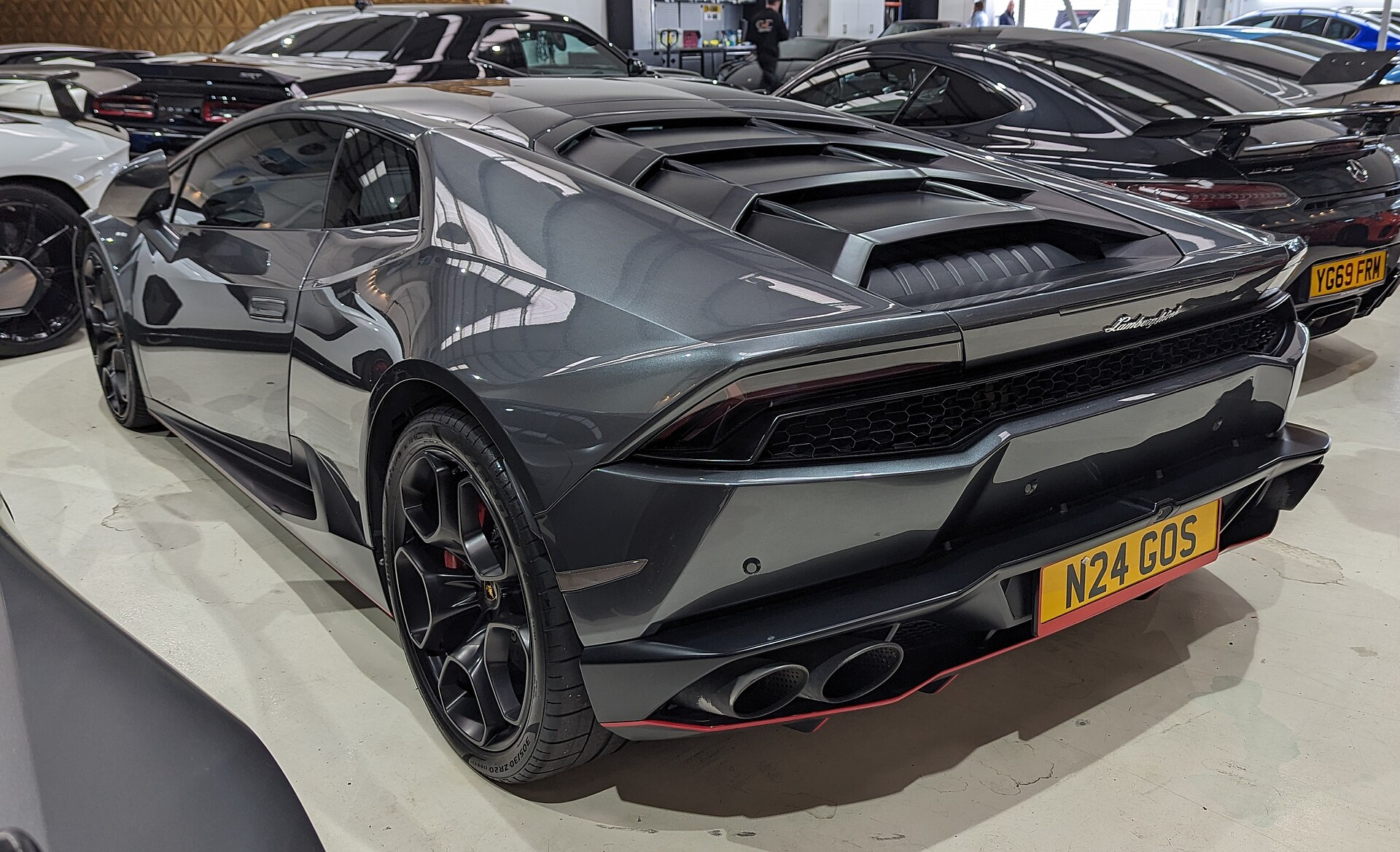
What is the Best Year to Buy a Lamborghini Huracan?
A decade of production, six major variants, and wildly different ownership experiences depending on the year you choose. This is the definitive year-by-year breakdown from Automonitor.
The Quick Answer: 2021-2022 EVO or Tecnica Models
If you want the single best answer: buy a 2021-2022 Huracan EVO AWD or Tecnica with under 10,000 miles. You get the refined second-generation chassis with the proven 5.2L V10 engine, prices have normalized to $155,000-$175,000, and you're far enough from the launch to avoid early production quirks while still capturing the fresh-product appeal. These model years represent the sweet spot between maturity and modern features.
But that's too simple. The "best" year depends on your budget, your intended use, and what you value in a supercar. A 2016 LP 610-4 at $130,000 is a different choice than a 2023 STO at $280,000. Both are defensible. This guide explains why — and helps you avoid the years that genuinely should be skipped.
Understanding the Huracan Eras: Three Distinct Generations
The Lamborghini Huracan wasn't a single static product across its 11-year lifespan. It evolved through three distinct eras, each with different engines, platforms, and characteristics:
Era 1: LP 610-4 Original (2014-2019) — 5.2L naturally aspirated V10, 610 horsepower, original first-generation chassis. This is the car that launched a decade of dominance. The LP 610-4 was revolutionary when it debuted and remains genuinely special today as the only early Huracan with that original recipe.
Era 2: EVO Refresh (2019-2024) — Same V10 engine but evolutionary chassis improvements through LDVI (Lamborghini Dinamica Veicolo Integrata) system. The EVO added all-wheel drive capability (while retaining RWD variants), a new infotainment system, and more aggressive aerodynamics. This is where the car matured.
Era 3: Special Editions (2017-2024) — Performante, Tecnica, STO, and Sterrato variants that diverged in their own directions. These are the halo cars — lower production runs, more focused engineering, premium pricing.
Understanding these eras is essential because the "best" year for you likely depends on which era you're shopping in.
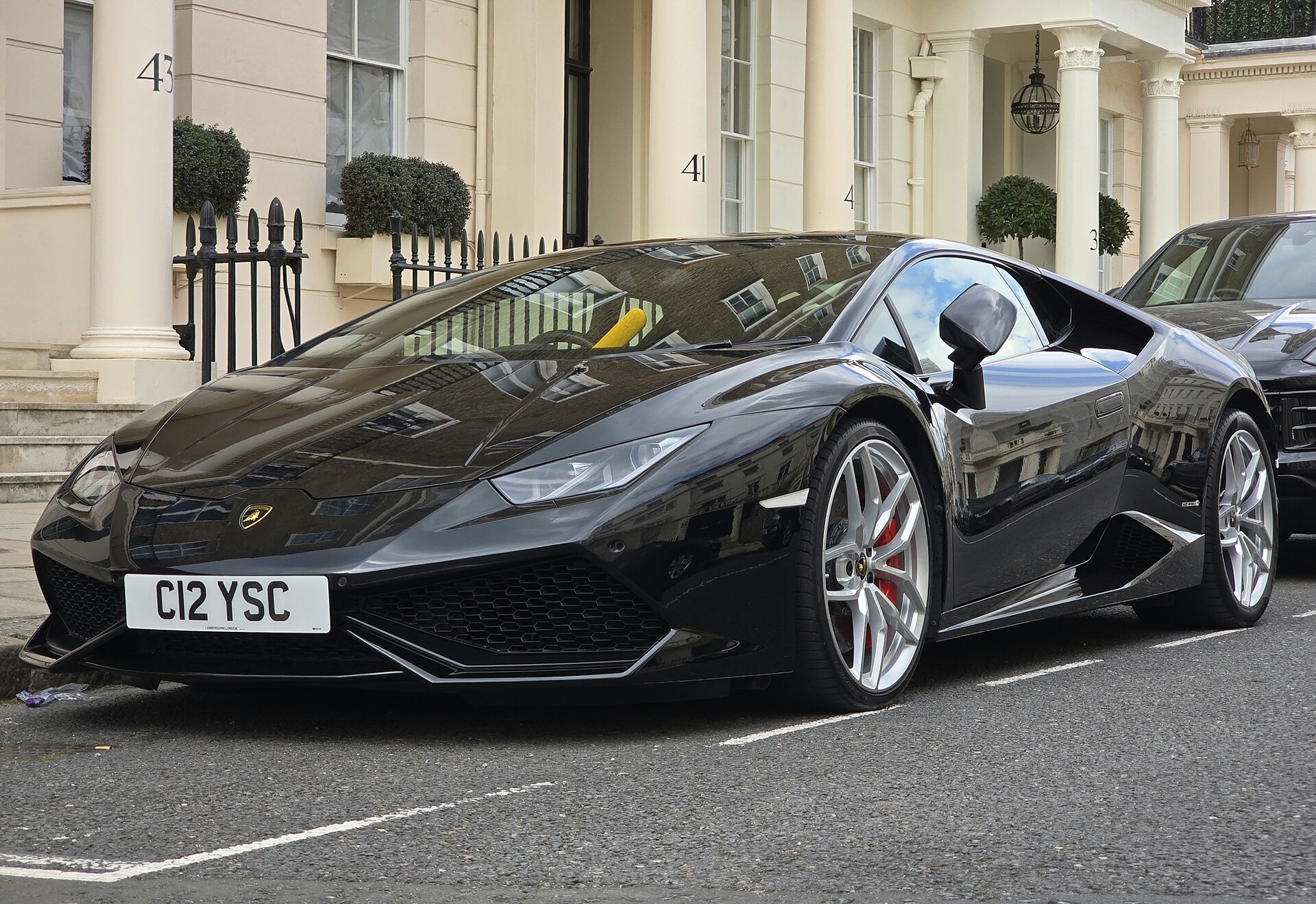
Year-by-Year Breakdown: The Complete History
2014-2015: The Launch Years (Avoid Cautiously)
Lamborghini introduced the Huracan to replace the Gallardo, and it arrived with enormous hype. The V10 was legendary, the design was modern, and supercar fans lined up to buy. The car represented a clean break from the aging Gallardo platform — an all-new design, all-new interior, and all-new electronics. It was genuinely revolutionary for its time.
But early production models had documented issues with the dual-clutch transmission. Multiple owners reported shuddering, hesitation, and jerking below 2,000 rpm in 1st and 2nd gear. The transmission would create a grinding sensation when accelerating smoothly from a standstill, or sometimes hesitate unexpectedly during normal driving. Lamborghini issued software updates throughout 2014-2015, but the problem persisted in some cars. Forums like Lamborghini-Talk documented dozens of cases. While not universal, this is a known weak point that you should specifically test during a pre-purchase inspection.
The issue was caused by aggressive shift mapping in the dual-clutch unit combined with immature engine control software. Lamborghini eventually refined the algorithm, but the damage was done for early owners. Some faced $10,000+ clutch replacements at dealers before warranty expired. This created a bifurcation in the market: 2014-2015 cars that had the transmission serviced were kept, while those without service records were dumped by nervous owners.
Prices are tempting — you'll find 2014-2015 examples starting at $130,000-$140,000 — but the savings don't justify the transmission risk. Skip these years unless you find an exceptionally documented example with full service records showing a clutch replacement was already done at a dealer and verified by a pre-purchase inspection specialist.
Market Price: $130,000-$145,000 | Known Issues: DCT shuddering, timing chain cover leaks, coolant system sensitivity | Verdict: AVOID unless inspection-perfect
2016-2017: The Sweet Spot of LP 610-4 (Recommended)
By 2016, Lamborghini had sorted most transmission bugs. The DCT in 2016-2017 models is significantly more refined than the 2014-2015 cars. Lamborghini had retuned the software, tightened tolerances in the dual-clutch pack, and refined the shift logic. This is when the Huracan truly became reliable. Owners with 2016+ LP 610-4 models report 25,000-40,000+ miles with zero drivetrain issues when properly maintained. You'll find testimonials on Lamborghini forums from owners who've put 35,000+ miles on 2016-2017 cars with only routine maintenance.
This is the original recipe at its most mature. The 2016-2017 Huracan LP 610-4 is genuinely one of the best performance buys in the exotic market. Prices sit at $140,000-$155,000, and you're buying a car that's been in the field long enough to have proven reliability but not so old that depreciation has cratered the value. The market has settled on reasonable pricing for these years — they're not hot commodities like the special editions, but they're also not being dumped.
What you get: the original 610-horsepower naturally aspirated V10, distinctive Lamborghini design language, rear-wheel drive dynamics that purists appreciate, and a proven platform. The disadvantages: only rear-wheel drive (no AWD available yet), basic infotainment system by 2026 standards, and slightly higher mileage examples available. But if you drive stick-and-rudder, rear-wheel drive with that V10 engine is exactly what you want. The purity of the driving experience is hard to replicate.
Market Price: $140,000-$155,000 | Best For: Budget-conscious buyers, RWD enthusiasts, drivers who value simplicity | Verdict: EXCELLENT VALUE
2018-2019: Late LP 610-4 Era (Also Good)
The original formula continued through 2019, with minor updates and refinement. Lamborghini made small improvements to the suspension tuning, cabin materials, and electrical architecture. By this point, the transmission bugs were completely gone. Eleven years into the Huracan's development cycle, the dual-clutch unit was as mature as it would ever be. These are the final LP 610-4 models before the EVO refresh, and they're essentially identical to the 2016-2017 cars in terms of mechanical fundamentals.
The benefit to waiting until 2018-2019: pricing drops slightly (you avoid the early-car premium and the EVO hype premium simultaneously), reliability is proven beyond question, parts availability is excellent, and you can find examples with certified pre-owned programs from dealers. The downside: you're still stuck with rear-wheel drive only, the infotainment is getting dated by modern standards, and you're buying a car that's creeping toward 10 years old.
However, here's the secret: if you find a well-maintained 2018-2019 LP 610-4 with 20,000-30,000 miles and full Lamborghini dealer service history, it's a legitimate bargain at $145,000-$160,000. These years fly under the radar because buyers fixate on the EVO refresh or the earlier, cheaper models. But mechanically and dynamically, they're bulletproof. You get proven reliability, lower prices than the EVO, and pure driving dynamics.
Market Price: $145,000-$160,000 | Best For: Value seekers, RWD purists, buyers willing to forego modern infotainment | Verdict: SOLID CHOICE
2019: The EVO Transition Year (Mixed Bag)
Lamborghini introduced the EVO in late 2019 with the 2020 model year, but some 2019 models exist as early versions. This creates a confusing middle ground where you might find a 2019 model year badge with either the old LP 610-4 platform or the new EVO chassis and systems. When shopping 2019 models, always request the exact specifications: chassis type, LDVI system presence, transmission type, and infotainment system. The difference between an early-2019 LP 610-4 and a late-2019 EVO is night-and-day in terms of driving dynamics and features.
If you find a 2019 EVO, you're at the launch of a new generation. The LDVI (Lamborghini Dinamica Veicolo Integrata) system is brand-new technology that integrates torque vectoring, active suspension, and differential management into a unified system. The all-wheel drive system is untested at scale — only a few thousand cars had been sold when 2019 production ended. The new touchscreen infotainment has documented software glitches in early examples. Not a deal-breaker for any of these issues, but you're taking on first-generation product risk for only slightly better pricing than a 2020. Warranties are also shorter on these cars.
Unless you find an exceptionally priced 2019 EVO with extremely low mileage and full dealer service records, the financial savings don't justify the generation-one risk. Spend $5,000-$10,000 more and buy a 2020 that has proven reliability data behind it.
Market Price: $150,000-$165,000 | Known Issues: Early EVO infotainment glitches, LDVI system learning curve, limited service history | Verdict: SKIP (wait for 2020+)
2020-2021: The EVO Sweet Spot (Highly Recommended)
This is where the Huracan enters its golden era. By 2020, the EVO's new systems had a full year of real-world data from test owners and early adopters. The all-wheel drive system was proven capable in all weather conditions. The LDVI dynamics system had been refined through software updates and real-world feedback. Owners reported flawless reliability across all major systems. The infotainment bugs had been patched through several software updates released in 2019-2020.
The 2020-2021 model years represent the perfect convergence of maturity, affordability, and capability. By 2021, Lamborghini had sold over 10,000 EVO variants globally, creating a massive real-world dataset of reliability information. Service networks were established. Dealers understood the cars intimately. Parts were stocked and readily available.
Prices sit at $155,000-$175,000 for 2020-2021 examples with 8,000-15,000 miles. You're buying a thoroughly debugged, mid-generation refresh at a price point that's genuinely fair for the feature set you're receiving. All-wheel drive provides confidence in all weather conditions — rain, sleet, even light snow. The V10 is at peak maturity with proven longevity. The chassis is modern enough for daily usability with modern safety systems, adaptive suspension, and refined steering. The infotainment system is current-generation with Apple CarPlay and reliable operation.
This is the year range we recommend most frequently to buyers who want a real-world supercar experience without over-extending financially. You get 95% of what the newer models offer at substantially lower prices. The 2020-2021 EVO is where Lamborghini finally cracked the code on making the Huracan truly usable while maintaining supercar personality and performance.
Market Price: $155,000-$175,000 | Best For: Most buyers, all-season drivers, those seeking proven reliability with modern features | Verdict: BEST OVERALL VALUE
2022-2023: Peak Specification Years (Premium Pricing)
By 2022, the EVO was completely mature. Lamborghini refined the engine electronics and suspension tuning. Optional features expanded. The car was faster, smoother, and more capable than ever before.
But here's the problem: 2022-2023 cars are expensive. You'll pay $170,000-$190,000 for an EVO with under 5,000 miles. That's a $15,000-$30,000 premium over a 2020-2021 model for refinements that most drivers won't notice. From a value perspective, this is where the market has overshot. You're paying near-new prices for a car that's already fully developed.
The exception: if you're specifically shopping for low mileage (under 3,000 miles) and want the absolute latest features, a 2023 might make sense. But from a value standpoint, 2022-2023 is where I'd pause and reconsider whether you'd be happier with a 2020-2021 EVO at $20,000 less.
Market Price: $170,000-$190,000 | Best For: New-car shoppers who don't care about depreciation | Verdict: OVERPRICED (consider 2020-2021 instead)
2024: Final Production Year (Collector Possibility)
Lamborghini ended Huracan production in December 2024, and the final models are now hitting the used market. These are special — the last naturally aspirated V10 Lamborghinis ever built. Prices are high ($180,000-$200,000+) and depreciation hasn't been tested yet.
From an investment standpoint, the final year of production occasionally commands a premium. But this hasn't happened yet with the 2024 Huracan, and it's possible the market won't care. You're essentially paying for the privilege of owning "the last one" — which is a collector mentality, not a value mentality.
If you love the last-of-its-kind appeal, fine. If you want value, wait a year and see where 2024 prices settle. They might drop 10-15% as the market adjusts to a world where no more Huracans are being made.
Market Price: $180,000-$200,000 | Best For: Collectors focused on last-production-year appeal | Verdict: WAIT AND SEE
The Special Editions: Performante, Tecnica, STO, Sterrato
Beyond the mainline LP 610-4 and EVO, Lamborghini produced four special variants that deserve their own analysis. These represent different philosophies: Performante for balanced track capability, Tecnica for driver engagement, STO for pure performance, and Sterrato for visual differentiation. Understanding which special edition suits your needs is critical because they command substantial premiums and have different appreciation trajectories.
Performante (2017-2024): The Balanced Choice
The Performante was Lamborghini's answer to drivers who wanted more track capability without sacrificing street manners or practicality. It introduced Active Aerodynamics Lamborghini (ALA) — a system of programmable flaps on the nose and rear wing that adjust based on driving conditions, car orientation, and driver input. In Strada mode, the aero is passive for fuel economy. In Corsa mode, the aero becomes aggressive, generating downforce for track use. The result is a car that's genuinely capable on a circuit but perfectly docile and manageable in traffic.
2017-2019 Performante models run around $185,000-$200,000 in today's market. They're based on the original LP 610-4 platform but with enhanced suspension geometry, upgraded brakes, and the revolutionary ALA system. These are genuinely special cars — only about 1,000 were built worldwide — and they've held value remarkably well. Early Performante examples have actually appreciated 5-10% from their original new-car prices due to their scarcity, driving dynamics reputation, and increasing recognition as collectible models. If you plan to use the track or want an investment-grade Huracan, the early Performante is compelling.
2020-2024 Performante models (with EVO chassis) are more refined, with updated infotainment, improved suspension tuning, and more refined steering. They sit at $190,000-$230,000 depending on year and mileage. The EVO-generation Performante represents the absolute pinnacle of the Huracan for track days — it combines the capability of the STO with the usability of the regular EVO. It's the choice if you're going to regularly circuit-race the car.
Best for: Track day enthusiasts, drivers seeking investment appreciation, those wanting balanced capability | Verdict: EXCELLENT (especially 2019-2021 models)
Tecnica (2021-2024): The Driver's Car
In 2021, Lamborghini introduced the Tecnica — rear-wheel drive, 640 horsepower (10 hp more than the EVO), and designed specifically for that raw, analog driving experience. No all-wheel drive, no electronic nannies to compromise for safety margins. It's the Huracan for experienced drivers who want to feel everything the car is doing and have the skill to extract its full potential.
Tecnica models range from $190,000 (early 2021) to $220,000 (2024), and they're genuinely special. Production was limited — Lamborghini built only about 1,000 units worldwide across the entire production run, making it rarer than the Performante. The steering feedback is noticeably sharper and more direct than the AWD cars. The handling response is more immediate — no all-wheel-drive system moderating inputs. Every serious driver comment emphasizes how much more connected and responsive the Tecnica feels compared to the EVO AWD. It feels like a modern take on the classic rear-wheel-drive supercar formula.
If you're an experienced driver with genuine seat time in high-performance cars and you plan to actually drive the car hard on back roads or track days, the Tecnica is arguably the best Huracan ever built. It's not a beginner's car — rear-wheel drive with 640 horsepower requires respect and driving skill — but in skilled hands, it's phenomenal. The fact that production ended means values should remain stable-to-appreciating. Collectors recognize the Tecnica as the purist's Huracan.
Best for: Experienced drivers, car enthusiasts, drivers who prioritize feedback over safety, collectors | Verdict: EXCELLENT (if you have RWD supercar experience)
STO (2021-2024): The Collector's Pick
STO stands for "Super Trofeo Omologata" — and it's basically a race car that's been street-legalized. The STO was built specifically for track work. With 631 horsepower, an aggressive fixed-wing aero package, reinforced chassis components, and a lap-time reputation that rivals cars costing twice as much, the STO is Lamborghini's halo machine. It's the closest you can get to a modern Lamborghini race car without actually joining the Super Trofeo series.
Only 1,405 were built worldwide across four years of production. That extreme scarcity, combined with the STO's genuine track performance credentials and media praise, has made it the most appreciated Huracan variant. A 2021 STO that sold for $250,000 at launch is worth $260,000-$280,000 today. You're not losing money in the traditional sense — you're banking on automotive history and rarity. Some 2021 STOs with sub-1,000-mile examples are now commanding $290,000+.
Prices range from $240,000 (early 2021 with higher mileage) to $295,000 (late 2024 with nearly-new condition). This is expensive, and it's not for everyone. But if you want the most exclusive, most capable, most investment-worthy Huracan, the STO is unquestionably it. Every STO comes with extremely low mileage because these were built as collectible cars and track weapons, not daily drivers. Most have under 2,000 miles. Buying one is a statement about your commitment to the Lamborghini brand and confidence in the car's future value.
Best for: Collectors, track day addicts, buyers concerned about depreciation and appreciation | Verdict: EXCELLENT INVESTMENT
Sterrato (2022-2024): The Oddball
Lamborghini built fewer than 1,500 Sterrato models — an off-road-inspired Huracan with lifted suspension, all-terrain-inspired design cues, and protective body cladding. It's absurd in the best way, impractical, and weirdly brilliant as a concept. The name comes from "sterrato," the Italian word for unpaved or gravel roads — a cheeky reference to the idea that you could theoretically drive this street-legal supercar on rough terrain.
Prices range from $195,000 to $230,000 depending on year and condition. The Sterrato has effectively zero actual off-road capability (you'd destroy the engine, transmission, and suspension immediately on any terrain rougher than a pothole-filled parking lot), so it's purely a visual and conceptual statement. But that's exactly the point. It's so rare and visually distinctive that appreciation is likely. You'll own something that only 1,500 people on Earth will ever own. The Sterrato has instantly recognizable design elements that set it apart from every other Huracan in existence.
From a value standpoint, the Sterrato is a calculated curiosity. It doesn't depreciate significantly because supply is so constrained and demand among collectors is strong. Early examples are already holding their value better than comparable EVO models. But it's not the choice for someone wanting a truly usable daily-drivable supercar. It's the choice for collectors who want to own a piece of automotive history, make a distinctive statement, and benefit from extreme scarcity value.
Best for: Collectors, buyers who prioritize uniqueness, enthusiasts making a visual statement | Verdict: HOLD VALUE (statement car, not practical supercar)
Ready to Buy the Right Huracan?
Automonitor's team has inspected 500+ Huracans. We know what to look for by year, variant, and mileage. We'll find you the best example and negotiate the best price.
Start Your Search →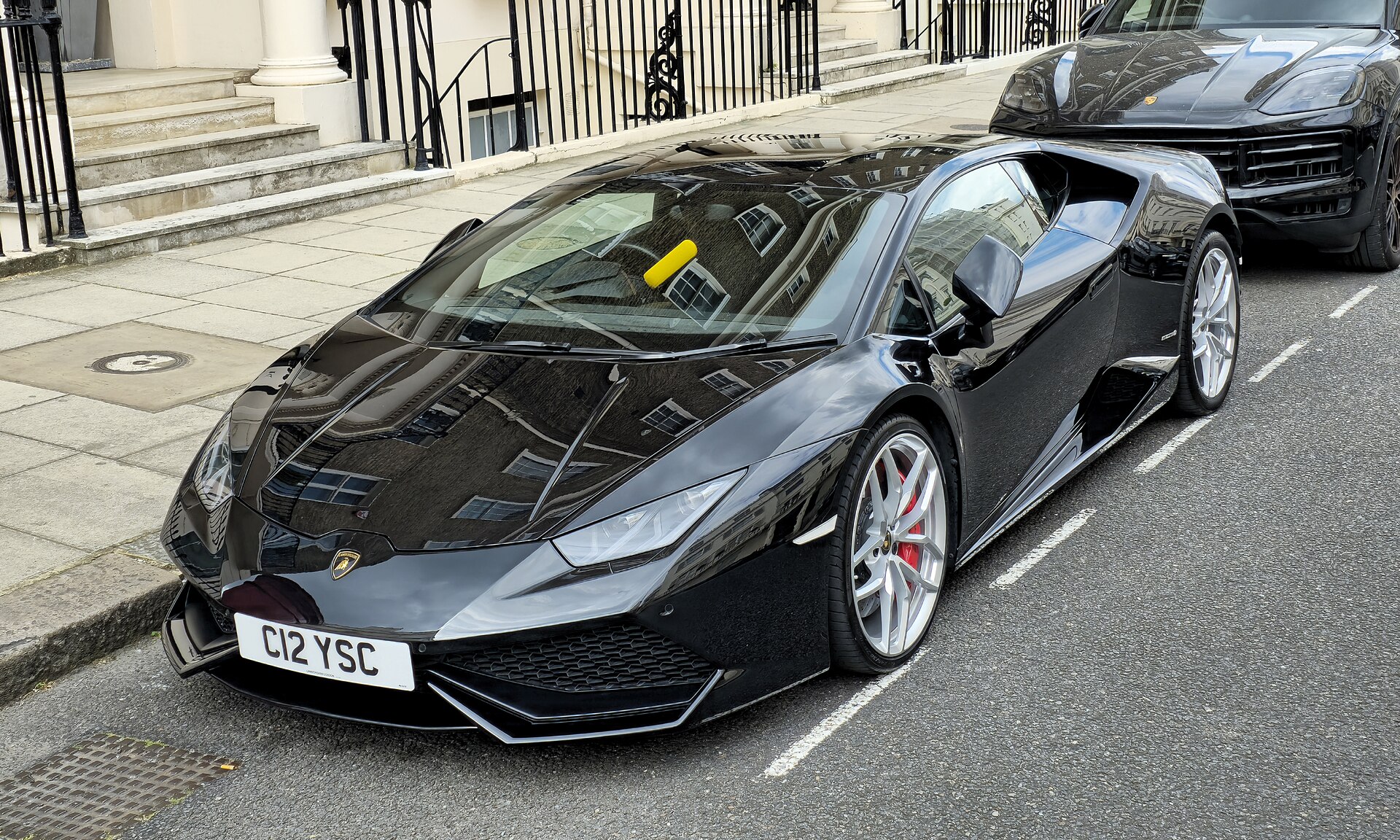
Quick Reference: Model Year Comparison
| Year(s) | Variant | Market Price | Key Features | Verdict |
|---|---|---|---|---|
| 2014-2015 | LP 610-4 | $130K-$145K | Original, RWD only, DCT bugs | AVOID |
| 2016-2017 | LP 610-4 | $140K-$155K | Refined original, RWD, proven | EXCELLENT |
| 2018-2019 | LP 610-4 | $145K-$160K | Latest original, RWD, bulletproof | SOLID VALUE |
| 2019 | Early EVO | $150K-$165K | First-gen refresh, some glitches | SKIP |
| 2020-2021 | EVO AWD | $155K-$175K | Proven refresh, AWD, best reliability | BEST VALUE |
| 2022-2023 | EVO AWD | $170K-$190K | Mature, all options, high miles on sale | OVERPRICED |
| 2024 | EVO AWD | $180K-$200K | Last production year, final V10 | WAIT |
| 2017-2019 | Performante | $185K-$210K | ALA aero, track-focused, appreciating | EXCELLENT |
| 2020-2024 | Performante | $190K-$230K | EVO platform, ALA, ultimate track car | EXCELLENT |
| 2021-2024 | Tecnica | $190K-$220K | RWD, 640hp, driver-focused, limited | EXCELLENT |
| 2021-2024 | STO | $240K-$295K | Track monster, 1,405 units, appreciating | BEST INVESTMENT |
| 2022-2024 | Sterrato | $195K-$230K | Off-road styling, 1,500 units, rare | HOLD VALUE |
Known Issues by Year: What to Watch For
Every car has problems. The Huracan's are concentrated in specific areas and specific years. Here's what to specifically inspect based on what you're buying:
Dual-Clutch Transmission Shuddering (2014-2016)
If you drive a 2014-2016 Huracan below 2,000 rpm in first or second gear, feel for any jerking, hesitation, or shuddering. This is the most documented issue for early models. A dealer clutch replacement runs $8,000-$12,000 but permanently solves it. Always have a pre-purchase inspection that includes a transmission fluid analysis and a test drive through this scenario.
Timing Chain Cover Leaks (2014-2019, Especially Low-Mileage Cars)
Huracan that have sat in garages with very low miles (under 2,000 miles) and significant age (3+ years since last driven) can develop rear timing chain cover leaks. This is because the car wasn't being driven enough to keep seals fresh. This is catastrophic if not caught early — full repair requires engine removal and runs $15,000-$25,000.
During your inspection, if you see a car with suspiciously low mileage and a title that shows it's been stored, have the PPI specifically check for timing chain seepage. Run a full diagnostic scan.
Infotainment Glitches (2019-2020 EVO)
The new touchscreen system in the 2019-2020 EVO had startup bugs and occasional freezing. Lamborghini issued several software updates that fixed most issues. By 2021, this was resolved completely. If you're buying a 2019-2020 EVO, confirm it has the latest infotainment software update (your dealer can verify this easily).
Front Lift System Leaks (All Years with Hydraulic Lift)
The adjustable nose-lift system (available on many variants) can develop slow seal leaks over time. Listen for hissing when the system cycles. A seal replacement is $2,000-$4,000. Not urgent, but worth factoring into your offer if you notice it.
Coolant System Sensitivity (All Years, Especially Track Cars)
Huracan engines are sensitive to coolant temperature, especially if regularly driven hard or tracked. Radiator connection points can develop leaks. Have your PPI include a cooling system pressure test. If you plan to track the car, ask the PPI specifically about coolant system condition.
None of these are deal-breakers. They're all either preventative maintenance (transmission service before problems arise) or manageable costs. But knowing what to look for during a pre-purchase inspection saves you tens of thousands of dollars.
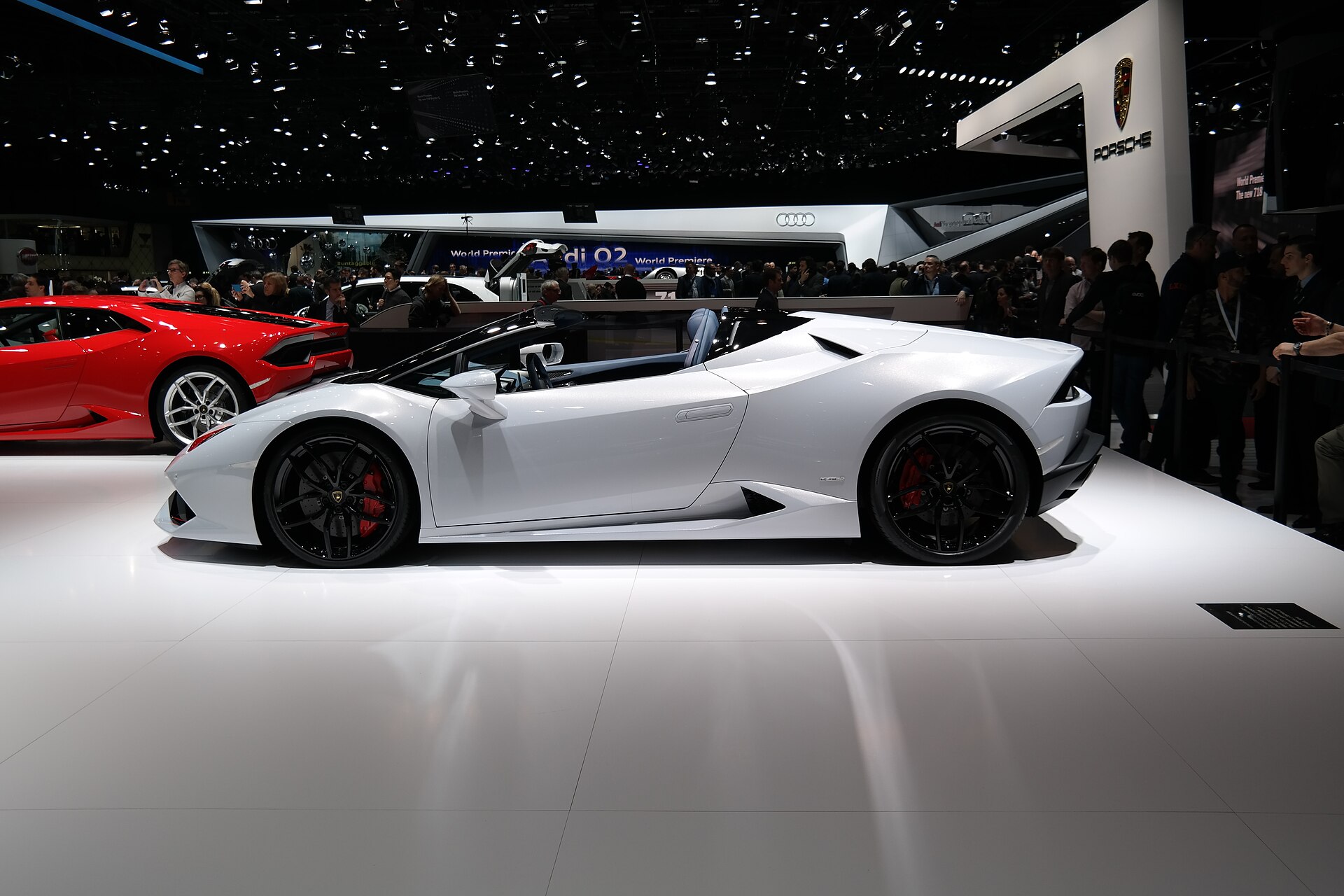
Value Preservation: Which Years Hold Worth Best
If you care about depreciation, certain years are clearly better. The Huracan depreciates much less than most supercars, but that advantage is concentrated in specific model years and variants:
Best Value Preservation: 2020-2021 EVO AWD — These cars are depreciating slowly and might stabilize within 18 months. A $170,000 purchase price today might only depreciate to $155,000 in three years (3% annual). That's exceptional for a supercar.
Appreciation Potential: STO and Tecnica (All Years) — Due to production limits and specialization, these are the only Huracans showing signs of appreciation. A 2021 STO that cost $250,000 is now worth $265,000+. Same with the Tecnica.
Worst Value Preservation: 2022-2023 EVO AWD — These are depreciating fastest because they were overpriced at launch. A $190,000 2023 EVO will likely be worth $160,000-$170,000 in three years. That's 10-12% annual depreciation.
The lesson: buy a 2020-2021 and drive it for three years. You'll lose maybe $15,000-$25,000. Buy a 2023 and you'll lose $30,000-$40,000. The older car is a better financial decision even with higher mileage.
The Final Recommendation: Best Year to Buy, By Budget
Budget Under $150K: 2016-2017 LP 610-4 with 15,000-25,000 miles. This is real money saved without significant compromise. You get the original recipe at maximum maturity. The V10 is proven beyond question. Your only trade-off is rear-wheel drive and dated infotainment. For a weekend car, this is perfect.
Budget $150K-$170K: 2020-2021 EVO AWD. This is where I'd personally spend money. You get all-weather capability, proven systems, modern infotainment, and a price that's genuinely fair for what you're buying. This is the Huracan for someone who actually wants to drive it instead of shrine-worship it.
Budget $170K-$210K: 2019-2021 Performante. The Active Aero system and track-focused engineering justify the premium. If you'll spend any time at a circuit or spirited driving event, the Performante is worth the $30,000 premium over the EVO. Plus, early Performante examples are appreciating.
Budget $210K+: 2021-2024 STO or Tecnica depending on preference. The STO is the investment choice (track-capable, only 1,405 built, appreciating). The Tecnica is the driver choice (pure RWD feedback, only 1,000 built, special driving experience). Both are special enough to justify their premium prices.
Read our complete Huracan buyer's guide for variant comparisons, or check out our guides for specific models: EVO, Performante, STO, and Tecnica.
How to Actually Buy: The Right Way
Once you've decided on your target year and variant, the buying process matters more than the year you choose. Here's the approach that protects you:
Step 1: Get a Pre-Purchase Inspection — This is non-negotiable. A PPI costs $500-$1,000 and can save you $20,000+. Have an exotic car specialist specifically examine the transmission, cooling system, timing chain cover, and any components with known year-specific issues.
Step 2: Verify Service History — Don't buy any Huracan without full Lamborghini dealer service records. Private service is cheaper but worth less on resale. If a car is missing service records, walk away immediately. A missing maintenance history on a $150,000+ car is a red flag.
Step 3: Check for Modifications — Some owners modify their Huracans with aftermarket exhausts, ECU tunes, or suspension changes. These void your warranty and often reduce resale value. Buy stock examples unless you specifically want that modification.
Step 4: Secure Favorable Financing — Exotic car lenders like JJ Best Banc or Woodside Credit offer better rates than traditional banks. Expect 20-30% down and 6-10% interest depending on vehicle age and your credit profile. Getting pre-approved before shopping gives you negotiation leverage.
Step 5: Negotiate from Data — Don't negotiate from feelings or asking prices. Use completed auction results from Bring a Trailer, Cars and Bids, and dealer inventory to know the real market value. If a car needs $6,000 in deferred maintenance, that comes off your offer.
Use Automonitor's buying service to handle these steps. We know the Huracan market inside out, we have relationships with exotic car dealers, and we can navigate the inspection and negotiation process while you focus on choosing the right car for you.
When You Shouldn't Buy Any Huracan, Regardless of Year
Sometimes the problem isn't the year — it's whether you should buy a Huracan at all. Walk away if:
You're stretching financially. If buying the car depletes your savings or forces you to finance the full amount, stop. Huracans have $15,000-$26,000 annual running costs. Unexpected repairs can hit $10,000+. You need financial cushion.
You haven't test driven. Some drivers find the Huracan's cabin too cramped, visibility too limited, or suspension too harsh. Drive before you buy. Period.
You want a daily driver. The Huracan is amazing, but ground clearance is minimal, fuel economy is terrible (13-17 mpg), parking is stressful, and winter capability is limited. If you need a car that works every day, buy a Porsche 911 Turbo S instead.
You're buying purely as an investment. While the Huracan holds value better than most supercars, it's not a financial instrument. Storage costs, insurance, maintenance, and tires eat appreciation gains. Buy it because you love driving it.
You're buying a 2014-2015 with unknown history. The transmission risk is real. If you're determined to buy early-production, demand full service records and a clutch replacement at a dealer as a condition of sale.
Planning Your Exit: What Year You Buy Affects Resale
The best year to buy is also the best year to sell later. Here's how your purchase year impacts resale value:
2016-2017 LP 610-4 models are the easiest to sell. Demand is strong, prices are reasonable, and there's never a shortage of buyers for $140,000-$160,000 cars. You'll resell easily.
2020-2021 EVO models will also be easy to move. These are in high demand because they hit the sweet spot of maturity, affordability, and capability.
Special editions (STO, Performante, Tecnica) are harder to sell because fewer buyers are looking, but those who do look are willing to pay premium prices. Expect a 3-6 month sales cycle instead of 1-2 weeks.
When you're ready to sell, use Automonitor's selling service to get market-rate pricing and handle the entire transaction. We manage listings, buyer vetting, and closing so you don't have to deal with tire-kickers.
The best year to buy a Huracan isn't the newest or the cheapest. It's the year that matches your budget, your intended use, and your timeline. Make that match, and you'll own one of the last great naturally aspirated supercars ever built.
Find Your Huracan Today
Automonitor connects you with 200+ verified dealers, handles pre-purchase inspections, and negotiates on your behalf. Start your search with complete confidence.
Browse Available Huracans →