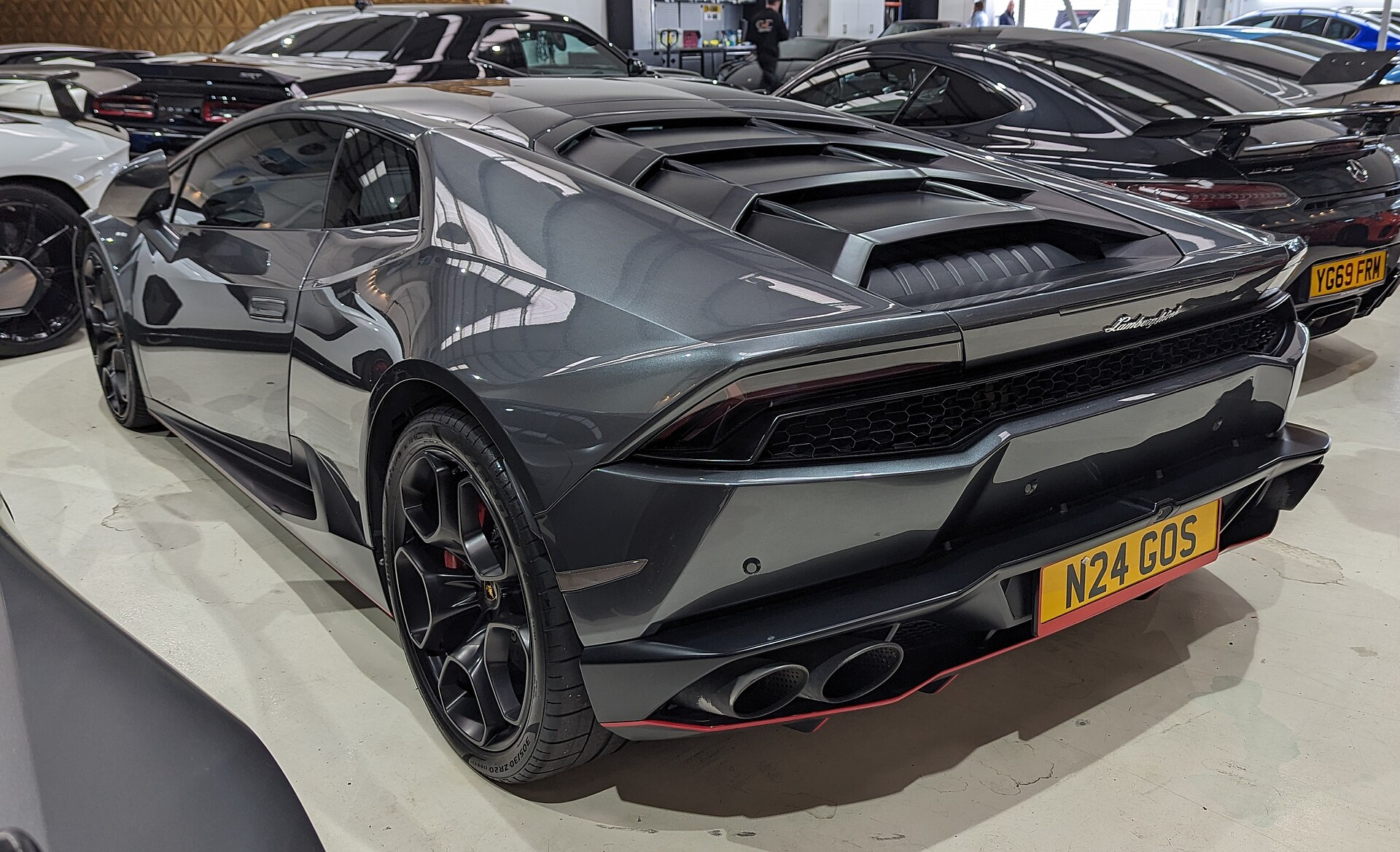
Best Year Lamborghini Huracan to Buy: Every Model Year Ranked and Compared
The Lamborghini Huracan production run spanned a decade, generating nine distinct model years and countless special variants. Prices range from $120,000 to $350,000. Not all years are created equal. Here's exactly which Huracan generation makes sense for your budget, driving style, and investment horizon.
Huracan Production: A Decade of V10 Excellence (2015–2024)
The Lamborghini Huracan represents the final generation of naturally aspirated V10 supercars from Sant'Agata. Production launched in March 2014 and concluded in December 2024, yielding approximately 19,600 units across two primary generations: the pre-EVO era (LP 610-4 and LP 580-2, 2014–2019) and the EVO generation (2019–2024). Within those brackets sit limited-production variants like the Performante, STO, Tecnica, and Sterrato that command premium pricing and attract collector interest.
Understanding the generational divide is crucial. The pre-EVO Huracans use older infotainment, less sophisticated chassis electronics, and earlier iteration of the dual-clutch transmission. They're genuinely excellent cars, but they belong to an older design philosophy. The EVO introduced the LDVI (Lamborghini Dinamica Veicolo Integrata) system—a centralized chassis management platform that revolutionized how the Huracan handles, accelerates, and feels in real-world driving. That technology gap translates directly to resale value, maintenance costs, and daily usability.
For buyers entering the market in 2026, this distinction determines whether you're buying a "deals on wheels" platform or an investment-grade machine.
The Complete Year-by-Year Ranking: From Best to Worst Value
1. 2020 Huracan EVO RWD – BEST OVERALL VALUE
Price Range: $165,000–$195,000 | Market Status: Most Negotiable
The 2020 EVO RWD hits an ideal intersection of refinement, affordability, and engagement. It features the LDVI system for superior handling, newer infotainment than LP 610-4 models, and the engaging rear-wheel-drive experience that purists prefer. Production constraints meant Lamborghini produced fewer RWD units than AWD variants, creating relative scarcity that supports pricing. You're paying $20,000–$30,000 less than comparable 2020–2021 AWD EVOs, yet getting 90% of the real-world capability.
The catch: single-owner history is essential. These cars attract experienced drivers who may have tracked them or driven spiritedly. Always obtain a pre-purchase inspection covering the transmission, differential, and cooling system. See our 2020 Huracan buying guide for detailed inspection protocols.
2. 2019 Huracan EVO AWD – Refined Innovation
Price Range: $185,000–$225,000 | Market Status: Stable Pricing
The 2019 EVO represents the first model year of Lamborghini's revolutionary chassis architecture. Early examples carry minor software glitches (steering calibration issues in Corsa mode, occasional touchscreen lag) that 2020+ models resolved, but those quirks are rarely deal-breakers. You're paying a premium for being the first generation of a superior system, but pricing has stabilized as the market recognizes EVO quality.
Ideal for: Buyers who want EVO sophistication without paying for later refinements. The 2019 still has 5+ years of warranty coverage available through CPO programs from select dealers. Check our 2019 Huracan analysis for year-specific reliability insights.
3. 2018 Huracan LP 610-4 and Performante – Depreciation Floor Reached
Price Range: $220,000–$280,000 (Performante); $150,000–$180,000 (standard) | Market Status: Stabilizing
The 2018 represents the final pre-EVO model year—and pricing has flattened accordingly. The standard LP 610-4 fell through its depreciation curve and now commands only slightly less than 2017 models, making it a genuinely serviceable buy if you want pre-owned Huracan ownership without paying EVO-generation premiums.
The 2018 Performante, however, is a different animal. With only 646 built worldwide across all production years, Performante values are trending upward. The ALA active aero system and track-focused engineering make it more valuable to enthusiasts than standard LP 610-4 models. Read our complete 2018 analysis for variant-specific guidance.
4. 2021 Huracan EVO RWD and STO – Specialist Market
Price Range: $280,000–$350,000 (STO); $175,000–$200,000 (EVO RWD) | Market Status: Strong Demand
The 2021 marks the final year of the basic EVO lineup before production shifted entirely to special editions. The STO (Super Trofeo Omologato) is the track weapon—1,405 units built, lighter, wider, featuring a 645-horsepower engine variant and aggressive aerodynamics. Only buy an STO if you have track access or genuinely intend to exploit its capabilities. On public roads, it's unnecessarily abrasive compared to EVO variants.
The 2021 EVO RWD is the refined endpoint of the rear-wheel-drive platform. Expect these to appreciate modestly as collectors recognize the final iteration of this lineage. For detailed STO analysis, see our complete Huracan buyers guide.
5. 2017 Huracan LP 610-4 – Pre-CarPlay, Good Entry Point
Price Range: $140,000–$165,000 | Market Status: Excellent Value
The 2017 is the last LP 610-4 model year before Lamborghini redesigned certain internals. It lacks Apple CarPlay and Android Auto, running instead on an older infotainment platform that feels dated in 2026. But mechanically, it's sound: the 5.2L V10 produces 602 hp, the dual-clutch transmission was battle-tested after four years of production, and relative affordability makes it an excellent entry point for first-time supercar buyers.
Best use case: weekend warrior or garage queen. The older infotainment is a minor inconvenience in sporadic use. For high-mileage ownership, spring for 2018+ model years to avoid pre-2018 transmission quirks.
6. 2016 Huracan LP 610-4 and LP 580-2 – Vintage Vintage
Price Range: $130,000–$155,000 | Market Status: Ultra-Negotiable
The 2016 was Lamborghini's first model year offering rear-wheel drive (LP 580-2). Both the 580-2 (580 hp, RWD) and 610-4 (602 hp, AWD) are strong machines, but this is where you'll find the real deals. Pricing reflects age and technology obsolescence. Expect higher maintenance costs, more frequent transmission service intervals, and less sophisticated handling dynamics than EVO-generation cars. Read our 2016 Huracan primer for condition assessment guidelines.
7. 2015 Huracan LP 610-4 – Production Year Zero, Caveat Emptor
Price Range: $120,000–$145,000 | Market Status: Lowest Entry Point
The very first Huracan model year is now a decade old. You'll find the absolute lowest prices here—but with matching concerns. Early examples occasionally carry first-generation issues: timing chain cover leaks (extremely rare but catastrophic), early DCT software tuning problems, and suspension component fatigue. That said, any 2015 that has survived to 2026 with full service records is likely rock-solid; the problematic units have been culled from the market.
Only buy a 2015 if you obtain a comprehensive pre-purchase inspection from a Lamborghini specialist. Budget $800–$1,200 for the inspection; it's mandatory at this price point.
8. 2022–2024 Tecnica, Sterrato, and Revuelto-Era Models – Niche, Premium Pricing
Price Range: $190,000–$230,000 (Tecnica/Sterrato); $350,000+ (Revuelto) | Market Status: Collectors Only
The final production years saw limited-run special editions designed to celebrate the Huracan's end. The Tecnica is a road-focused, rear-wheel-drive machine with 640 hp and razor-sharp steering. The Sterrato is a lifted, all-terrain variant limited to 1,405 units. Both command premium pricing relative to standard EVO models, and neither has meaningful resale advantage unless you drive ultra-low mileage and maintain museum-quality condition.
The new Revuelto (2025+) features a hybrid V12 and marks the Huracan era's definitive end. Huracan prices will remain stable or appreciate modestly as the naturally aspirated V10 becomes historically significant.
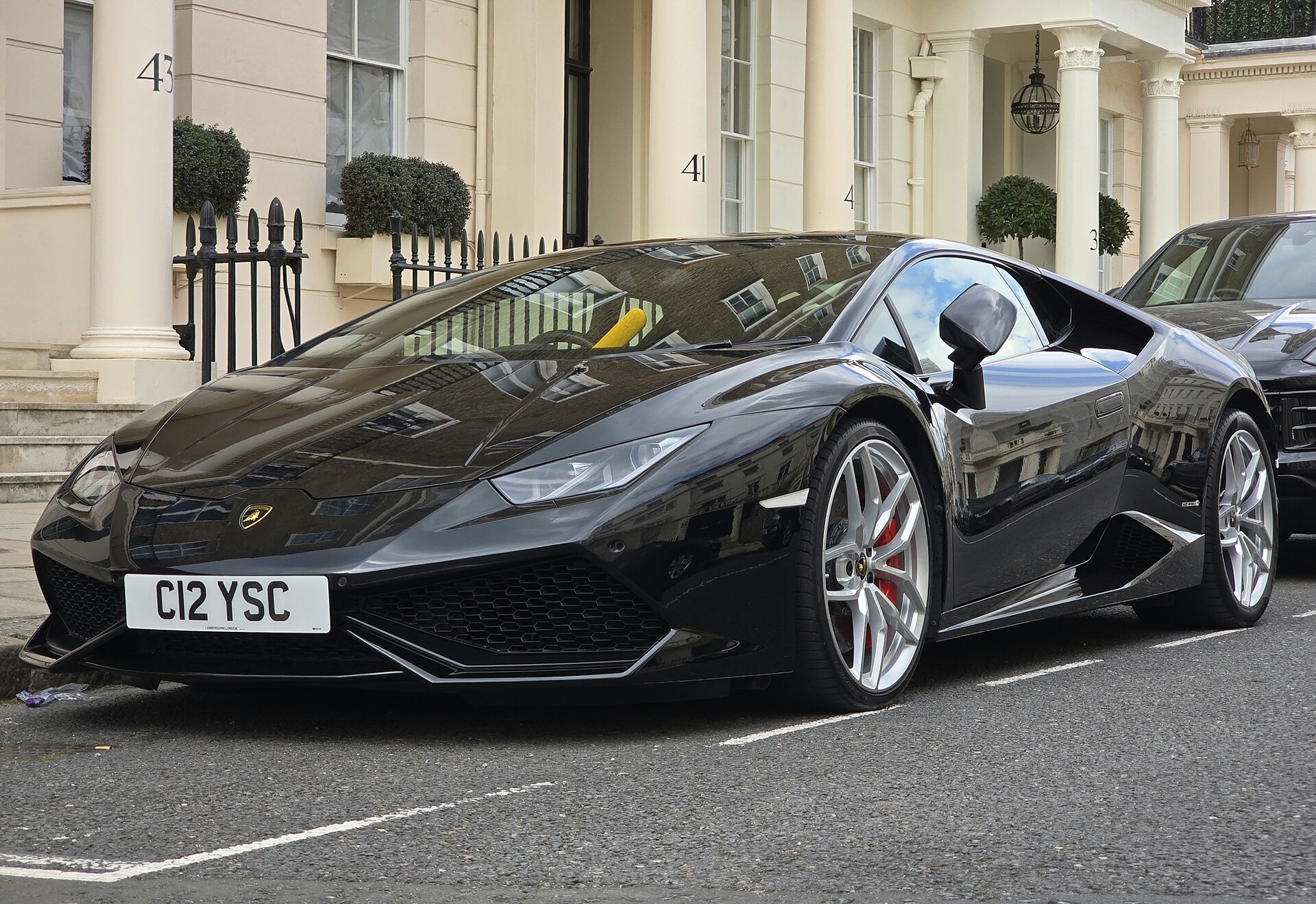
Pre-EVO vs. EVO: Understanding the Generational Divide
This is the single most important comparison for potential buyers. The LDVI system introduced in 2019 represents a quantum leap in engineering sophistication. Pre-EVO Huracans (2014–2018) use simpler suspension geometry, less integrated engine management, and older transmission software. EVO models (2019+) centralize all vehicle dynamics through a unified computer platform that continuously adjusts torque distribution, suspension stiffness, steering feel, and transmission response in real-time.
In practical terms: EVO Huracans are noticeably easier to drive at the limit, more forgiving of inputs, and adaptable across a wider range of road conditions. Pre-EVO models demand more precision but reward smooth, deliberate driving with engaging feedback. Neither is objectively "better"—it depends on your philosophy. Drivers who prefer mechanical directness often prefer pre-EVO handling. Drivers who want precision and adjustability prefer EVO refinement.
For depreciation: EVO models hold value better because the technology is newer. Pre-EVO models have reached their depreciation floor, making them potentially attractive for value shoppers willing to trade modernity for mechanical character.
Special Editions Ranked by Collectibility and Value Retention
STO (Super Trofeo Omologato) – The Investment Pick
1,405 units built (2021–2024). Market trend: Appreciating. The STO is the rarest road-going Huracan, purpose-built for track use but street-legal. Values are climbing—early STOs purchased for $280,000 now fetch $310,000+. If investment matters, this is the variant to buy. Read our STO buyer's guide for ownership expectations.
Performante – The Balanced Choice
646 units built across all years. Market trend: Stable-to-appreciating. The Performante's ALA active aero makes it the best Huracan for track use without the abrasiveness of STO suspension tuning. Pricing is holding steady in the $185,000–$230,000 range depending on year. See our Performante deep-dive for detailed specifications.
Tecnica – The Enthusiast's Car
3,846 units built (2021–2024). Market trend: Stable. Rear-wheel drive, 640 hp, and the most communicative steering of any Huracan. Pricing hasn't appreciated because production was relatively high compared to STO. Worth buying if you genuinely value RWD engagement; not worth the premium if you're buying for appreciation.
Sterrato – The Novelty
1,430 units built (2022–2024). Market trend: Uncertain. A lifted, all-terrain Huracan sounds gimmicky—because it is. Unique appeal will resonate with collectors of ultra-rare cars, but resale depends entirely on finding a buyer who specifically wants this variant. Avoid unless rarity itself is your motivation.
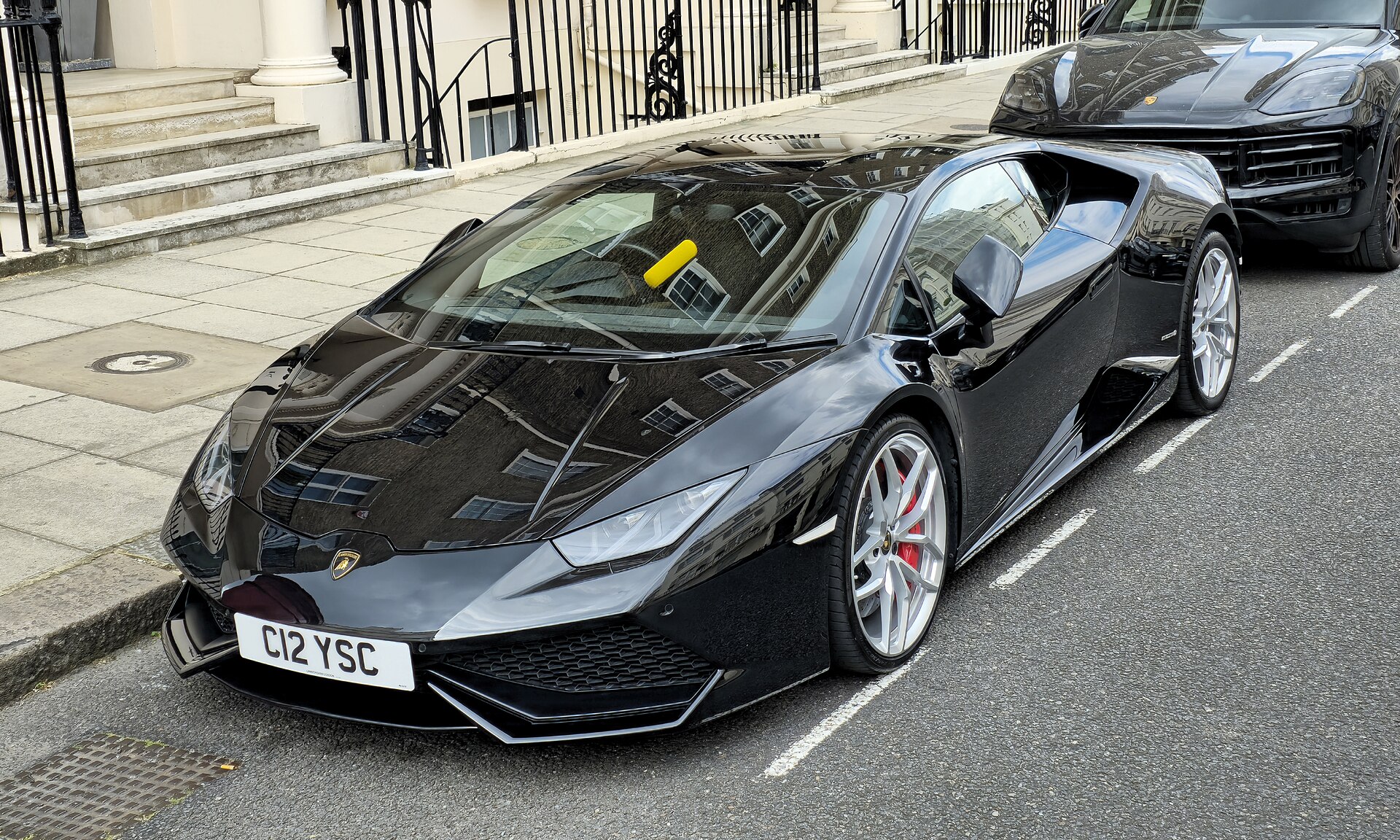
Best Year by Use Case: Which Huracan for Your Needs
Best Year for Pure Value: 2020 EVO RWD
Rationale: EVO refinement, RWD engagement, and post-pandemic pricing stabilization create maximum value per dollar. $165,000–$195,000 price point is accessible for high-net-worth individuals and experienced car enthusiasts.
Best Year for Collector Investment: 2019–2021 STO
Rationale: Limited production (1,405 units), rarity commanding 5–15% appreciation annually, and fixed supply from a concluded production run. Only buy if you accept minimal annual mileage (1,000–2,000 miles/year) and pristine condition as non-negotiable.
Best Year for Daily Driving: 2020–2021 EVO AWD
Rationale: Modern infotainment, all-wheel drive security, and refined suspension make these the most usable Huracans for regular driving. The $175,000–$210,000 price is slightly higher than RWD equivalents, but the all-weather capability justifies the premium for daily use. Read our is-a-huracan-worth-buying guide for daily ownership realities.
Best Year for Track Days: 2021 Performante or STO
Rationale: ALA active aero and track-focused suspension geometry make these the only real choices for circuit use. The Performante is more forgiving; the STO is more capable. Choose based on your skill level and track experience.
Best Year for Budget Buyers: 2017–2018 LP 610-4
Rationale: $140,000–$165,000 pricing is genuinely achievable for middle-upper class buyers. Depreciation has stabilized. Mechanical reliability is proven after 8+ years in the market. Trade newer technology for financial accessibility.
Complete Model Year Comparison Table (2015–2024)
| Year | Variant | HP | 0-60 mph | Price Range | Key Features | Value Rating |
|---|---|---|---|---|---|---|
| 2015 | LP 610-4 | 602 | 3.2s | $120K–$145K | First year, original design | Budget Entry |
| 2016 | LP 610-4 / LP 580-2 | 602/580 | 3.2s | $130K–$155K | First RWD option | Value Pick |
| 2017 | LP 610-4 | 602 | 3.2s | $140K–$165K | Pre-CarPlay era | Good Value |
| 2018 | LP 610-4 / Performante | 602/645 | 3.2s/2.8s | $150K–$280K | Last pre-EVO | Stable |
| 2019 | EVO AWD | 630 | 2.8s | $185K–$225K | LDVI, EVO debut | Refined |
| 2020 | EVO AWD / EVO RWD | 630 | 2.8s | $165K–$210K | Mature EVO, RWD option | BEST VALUE |
| 2021 | EVO RWD / STO | 630/645 | 2.8s/2.7s | $280K–$350K | Track-focused STO | Specialist |
| 2022–2023 | Tecnica / Sterrato | 640 | 2.8s | $190K–$230K | RWD road car / all-terrain | Niche |
| 2024 | Final editions | 640 | 2.8s | $200K–$240K | Production end variants | Collectible |
Browse Automonitor's Complete Huracan Inventory
We source from 200+ certified dealers and maintain real-time pricing across all model years. Get current market data instantly.
Find Your Year →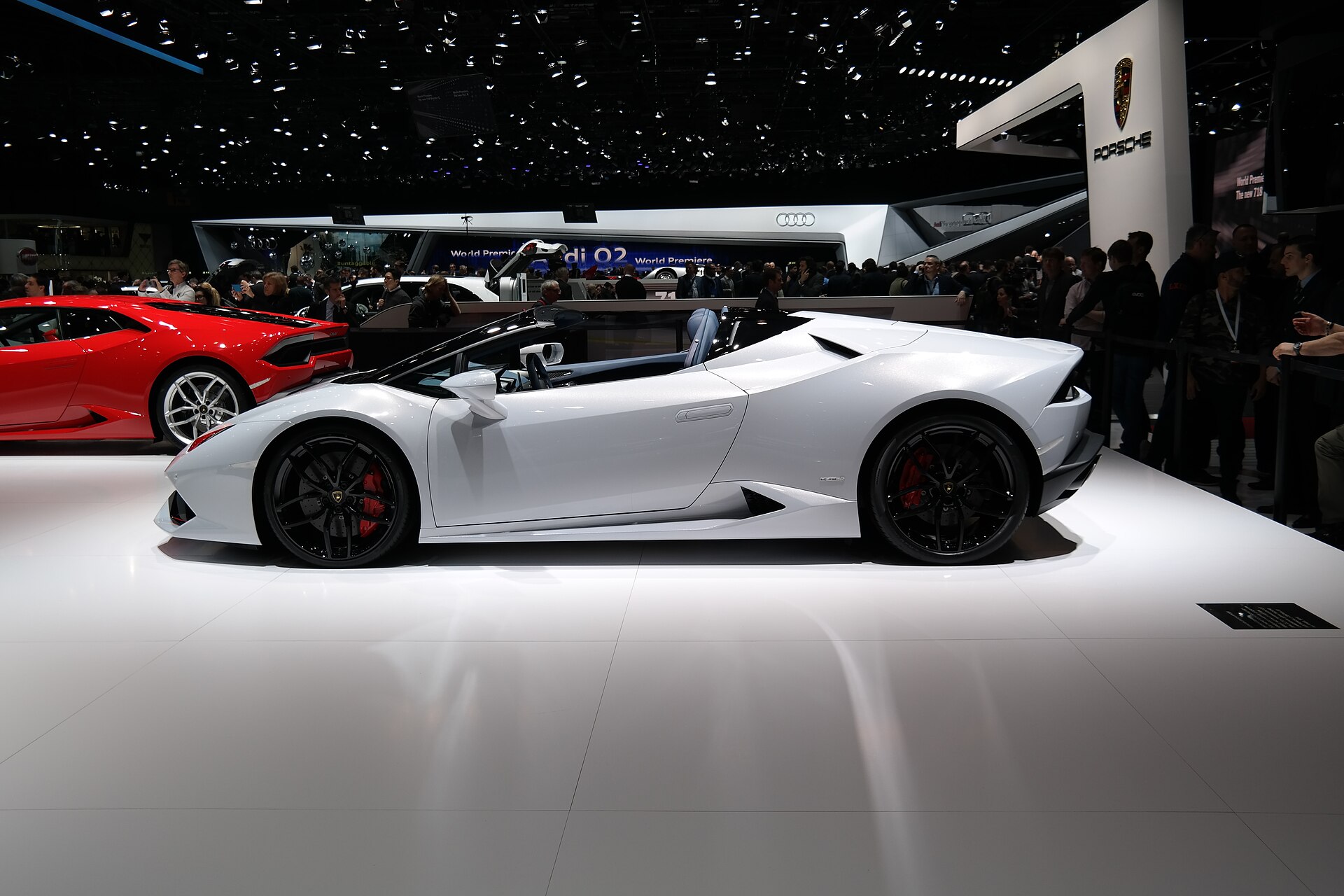
Key Reliability Notes by Model Year Range
2015–2016 (Pre-Production Stabilization): Timing chain cover seals can leak in cars that sat unmaintained for extended periods. The DCT transmission occasionally shudders at low speeds in first and second gear. Ensure comprehensive pre-purchase inspection including transmission test drive.
2017–2018 (Peak Pre-EVO Era): Genuinely solid reliability. No systemic issues. Engine, transmission, and suspension are fully proven. Main concern is age-related maintenance (brake fluid changes, coolant service, carbon cleaning).
2019–2020 (EVO Generation Maturation): LDVI system is rock-solid. Early 2019 models occasionally exhibit steering calibration issues in Corsa mode—corrected by 2020. No major reliability concerns. Focus inspection on suspension and cooling system integrity.
2021–2024 (Final Production Years): Latest technology with minimal long-term data. Expect excellent reliability but be aware that some systems are only 2–3 years old in the used market. Warranty coverage is critical; negotiate CPO extensions if available.
Depreciation Outlook: What These Cars Will Cost in 2030
Pre-EVO Huracans (2015–2018) have reached their depreciation floor. They'll neither appreciate nor depreciate significantly over the next 5 years unless major mechanical issues surface. Budget $120,000–$170,000 regardless of market conditions.
EVO models (2019–2024) are currently in the sweet spot of the depreciation curve. Expect roughly 3–5% annual depreciation for standard EVO AWD models over the next 3 years, then stabilization. A 2020 EVO purchased for $180,000 today will likely be worth $155,000–$165,000 in 2030.
Special editions (STO, Performante, Tecnica, Sterrato) are appreciating 2–8% annually as the fixed supply from concluded production creates collector pressure. A 2020 STO purchased for $300,000 today could be worth $340,000–$360,000 by 2030 if maintained in excellent condition and driven minimally. Read our complete maintenance cost guide for detailed financial planning.
Strategic Buying Recommendations by Budget
Budget: $120,000–$150,000
Target: 2015–2017 LP 610-4. You're buying entry-level supercar ownership with depreciation concerns behind you. Prioritize: single ownership, full service history, pre-purchase inspection from certified Lamborghini technician. Avoid any example with questionable service records or accident history. See our car enthusiast buying guide for perspective on entry-level exotics.
Budget: $150,000–$200,000
Target: 2018 LP 610-4 or 2020 EVO RWD. This is the sweet spot. You have genuine optionality between pre-EVO character and EVO sophistication. The 2020 EVO RWD is our pick here: modern technology, excellent handling, and the most negotiable pricing of any variant. Get pre-purchase inspection, negotiate from completed Bring a Trailer auction data, and plan 18–24 months of running costs into your budget.
Budget: $200,000–$250,000
Target: 2020–2021 EVO AWD or 2019–2020 Performante. You can access the full EVO feature set or the track-focused Performante's ALA aero and heritage. For daily driving and weekend track use, the EVO AWD is more versatile. For pure driving engagement, the Performante rewards precise inputs. Read our 2019 analysis and Performante deep-dive to decide.
Budget: $250,000–$350,000
Target: 2021 STO or ultra-low-mileage 2020–2021 Performante. You're in the collector/enthusiast realm. The STO is the rarity play with appreciation potential. The Performante is the refined choice if you'll actually drive the car on track. Budget your investment accordingly: STOs demand mileage discipline and climate-controlled storage.
Frequently Asked Questions: Year-Specific Guidance
Q: Should I buy the 2020 EVO RWD or 2020 EVO AWD?
A: RWD if you're experienced, value engagement, and have garage space for occasional winter weather. AWD if you live in mixed climates, value all-weather security, or plan frequent highway driving. RWD is $15,000–$25,000 cheaper. For full comparison, see our complete buyers guide.
Q: Is the 2015 Huracan the best value?
A: Price-wise yes; risk-wise no. The 2015 is cheapest ($120,000–$145,000), but it's the oldest design with the least sophisticated infotainment. Only buy if you: (a) obtain comprehensive pre-purchase inspection, (b) negotiate price down another 5–10% for preventative maintenance reserves, and (c) prioritize single-ownership history with complete service records.
Q: Will 2024 Huracans appreciate?
A: Modestly. Final-year production cars often appeal to collectors seeking "last of the line" variants. Expect 0–3% annual appreciation if driven minimally and maintained perfectly. These are speculative investments; buy only if you love driving the car regardless of resale value.
Q: How much does it cost to maintain a 10-year-old Huracan versus a 3-year-old?
A: Dramatically more. A 2015 Huracan's annual maintenance can reach $5,000–$8,000 when accounting for carbon cleaning, transmission service, and suspension component replacement. A 2020 EVO typically runs $3,000–$5,000 annually under normal conditions. Factor this into your purchase decision—a $30,000 price discount on an older car evaporates in 5 years of higher maintenance. See our maintenance cost analysis for detailed breakdown.
Q: Which year is most reliable?
A: 2019–2020 EVO models post the best reliability profile. The LDVI system is proven, the transmission software is mature, and production volume was high enough to catch any systemic issues. 2015–2016 models are also reliable if maintained, but age introduces uncertainty. For reliability prioritization, read our complete worth-buying analysis.
Q: Should I buy a 2021 STO as an investment?
A: Only if you can commit to: (a) under 1,500 miles annually, (b) climate-controlled storage, (c) full CPO warranty through purchase, and (d) impeccable maintenance records. Early STOs are appreciating 5–8% annually, but this assumes museum-quality condition. For casual use or high mileage, the appreciation potential evaporates immediately. See our STO comparison for full investment framework.
Q: What's the difference between LP 610-4 and EVO in real driving?
A: The LDVI system in EVO models continuously adjusts handling character based on steering input, speed, and road conditions. Pre-EVO models use simpler, more predictable suspension tuning. In spirited driving, EVO feels more refined and forgiving. In smooth, precise driving, pre-EVO feels more mechanically communicative. It's a philosophy question masquerading as a specification question. Test drive both to know your preference. See our full buyers guide for detailed comparison.
Q: Can I daily drive any of these model years?
A: Technically yes, practically 2020+ EVO AWD models are the only genuinely livable choices. 2015–2019 models lack modern infotainment, have tighter suspension, and demand more active driving. If you're considering daily driving, a modern Porsche 911 Turbo S or finance a newer model might make more sense. Daily Huracan ownership works only if "daily" means 2–3 times weekly and you have a second car for genuinely practical transportation.
The Final Verdict: Which Year Should You Actually Buy?
If you want maximum engagement and the purest V10 experience: Buy a 2018–2019 Performante. The ALA aero and track-focused tuning create the most rewarding driving experience of any Huracan generation. Price: $185,000–$230,000. Read our comparison between Ferrari and Lamborghini to ensure Huracan is your choice versus alternatives.
If you want the best value: Buy a 2020 EVO RWD. It hits the sweet spot of refinement, engagement, pricing, and technology. You'll pay $165,000–$195,000 for a car that was designed well and is now mature enough to have shed early-generation quirks. This is our #1 recommendation for first-time exotic car buyers.
If you want investment upside: Buy a 2021 STO or 2019–2020 Performante. Limited production, fixed supply, and collector interest create appreciation potential. Accept high maintenance costs and mileage discipline as the price of this positioning.
If you want a genuine bargain: Buy a 2017 LP 610-4 with complete service history. Yes, it lacks CarPlay and LDVI sophistication. Yes, it's 8+ years old. But at $140,000–$165,000, you're owning a supercar that's mechanically proven and priced to sell. Budget aggressively for maintenance, and you'll unlock supercar ownership at near-attainable prices.
The best year to buy is ultimately the year that matches your use case, budget, and driving philosophy. All Huracans from 2015 onward are excellent machines. The generational differences matter less than finding a car with pristine maintenance records, single ownership, and a comprehensive pre-purchase inspection—regardless of model year.
Ready to Find Your Perfect Huracan Year?
Automonitor specializes in connecting buyers with the exact model year and specification they need. We source from verified dealers and provide market data so you buy with confidence.
Start Your Search →Get Expert Guidance on Your Huracan Purchase
Our specialist team has helped 500+ buyers navigate model year selection, pricing negotiation, and pre-purchase inspection across all Huracan generations.
Book a Consultation →