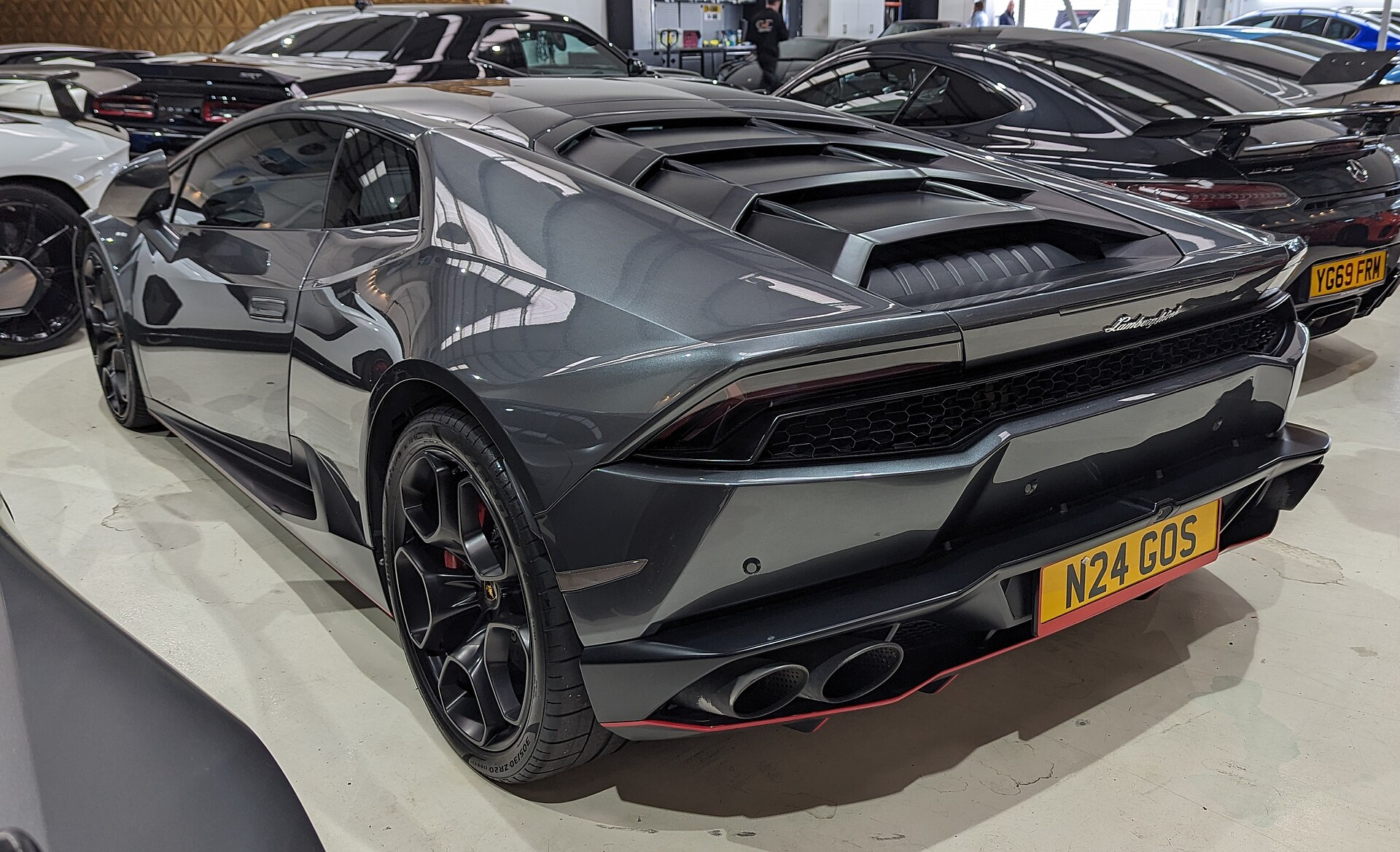
Is a 2019 Lamborghini Huracan EVO a Good Buy?
The 2019 model year marks the most significant transformation in Huracan history. The introduction of the EVO brought a completely redesigned exterior, the Performante's 640 hp engine as standard, and the revolutionary LDVI predictive handling system. If you're shopping used Huracans today, understanding what makes 2019 the pivotal year could be the difference between an exceptional purchase and an expensive mistake.
Why 2019 Was a Generational Revolution: The EVO Changed Everything
2019 represents the most significant evolution of the Lamborghini Huracan since its 2014 debut. If you're comparing a 2019 EVO to a 2018 LP 610-4, you're not looking at a minor refresh — you're examining two fundamentally different cars. This year-specific distinction matters enormously for value, driving dynamics, and long-term ownership satisfaction.
The 2019 EVO introduced three revolutionary features that defined a generational leap. First, the completely redesigned front end and aerodynamic package delivered enhanced aggressiveness and genuine performance improvements, not just cosmetics. Second, Lamborghini moved the Performante's 640 hp 5.2-liter V10 into the standard EVO lineup, ending the 602 hp era of the base Huracan. Third, and most critically, the introduction of LDVI (Lamborghini Dinamica Veicolo Integrata) — Lamborghini's predictive vehicle dynamics system — transformed how the EVO handled.
For used buyers shopping in 2025-2026, the 2019 EVO represents a unique position: it's the first year of the revolutionary platform, the lowest entry price into full EVO technology, and still capable of first-year depreciation curves that favor buyers over 2020+ models. Understanding these dynamics is essential to answering whether a 2019 EVO is a good buy.
The 2018 vs 2019 Divide: Understanding the Generational Leap
To appreciate why 2019 matters, you need to understand what changed. The 2018 LP 610-4 represented five years of incremental refinement on the original 2014 platform. It was reliable, capable, and expensive to own, with 602 horsepower, a fixed aerodynamic package, and a conventional stability control system. Perfectly good — but reaching the end of its development cycle.
The 2019 EVO broke from that tradition completely. The engine received a new intake manifold, refined fuel injection mapping, and a redesigned valve train, pushing output to 640 hp — a 38 hp bump that might sound minor but transformed throttle response and mid-range aggression. More significantly, Lamborghini repositioned the 640 hp output as standard equipment for all EVO variants, eliminating the old two-tier horsepower strategy.
The exterior transformation was equally dramatic. The front bumper adopted new splitter geometry, the air intakes were repositioned, and the entire lower fascia was redesigned for enhanced aerodynamic efficiency and thermal management. New LED daytime running light signatures made the 2019 instantly recognizable. The rear diffuser was revised. The overall effect: 2019 Huracans look visually distinct from their 2018 predecessors, commanding visual presence on any road.
But the real game-changer was the 8.4-inch touchscreen infotainment system replacing the mechanical button cluster, and more importantly, the LDVI system integration. LDVI uses predictive algorithms to anticipate wheel slip and adjust all drivetrain and chassis parameters — engine torque, transmission behavior, suspension stiffness, and all-wheel-drive power distribution — before losing traction occurs. It fundamentally rewrote how the Huracan behaved in demanding driving situations.
For buyers, this matters because a 2019 EVO simply feels like a newer, more sophisticated car than a 2018 LP 610-4. The predictive handling system makes the EVO easier to push harder, more forgiving of input errors, and more capable on track. The additional 38 hp provides noticeable mid-range surge. The new interior feels more contemporary. These aren't marginal improvements — they're substantive evolutionary changes that justify different valuation and ownership experience.
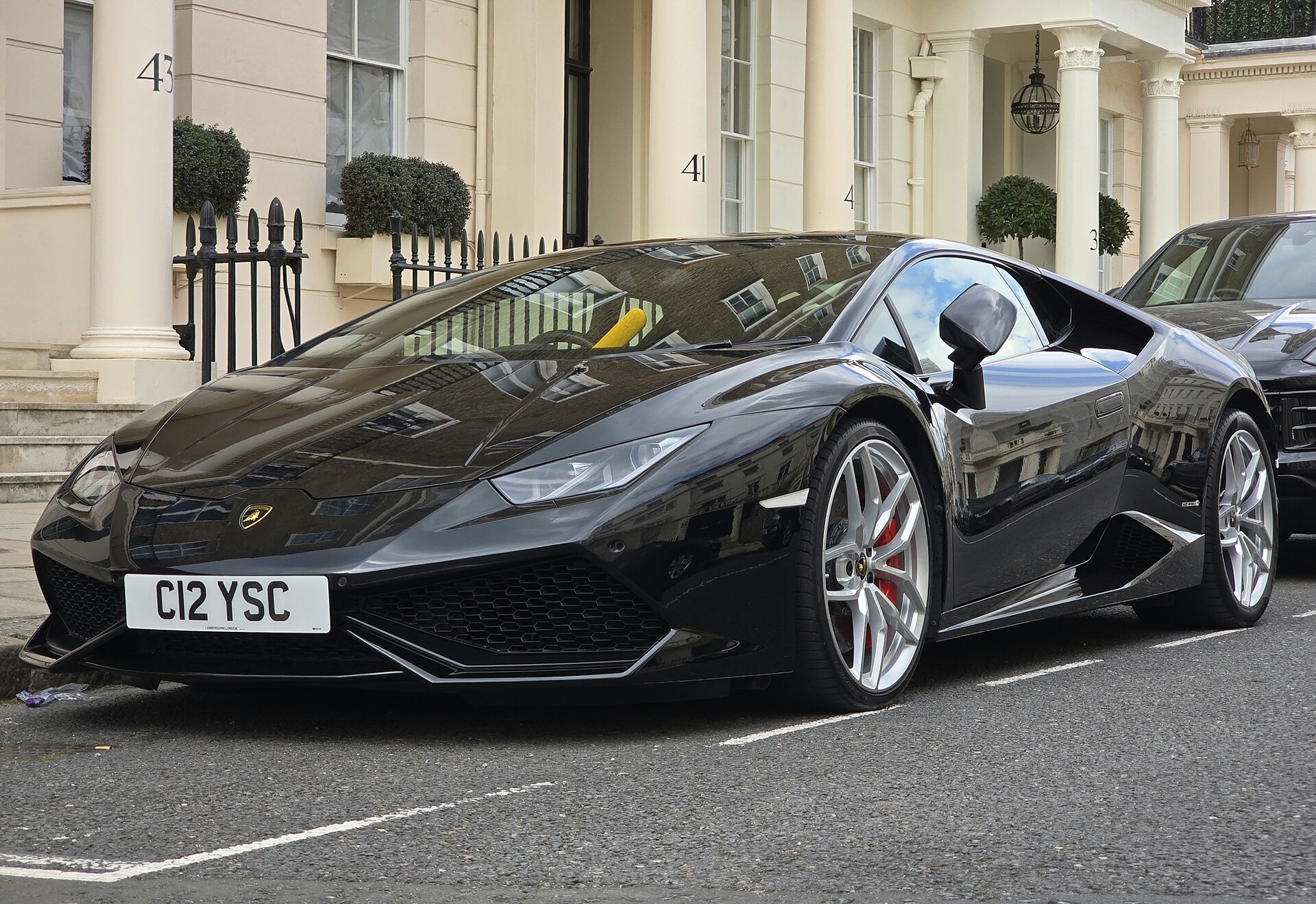
The Complete 2019 Huracan EVO Lineup: Options and Pricing
Lamborghini structured the 2019 lineup strategically. The EVO came in three core configurations, each targeting different buyer priorities:
EVO AWD Coupe (~$261,000 MSRP) — All-wheel drive, 640 hp, the full technology package. This was positioned as the modern Huracan for buyers wanting maximum capability and all-weather security. The AWD system worked in concert with LDVI for predictable, confident handling even in adverse conditions.
EVO Spyder (~$287,000 MSRP) — Open-top AWD variant with retractable carbon fiber roof. Identical drivetrain and chassis to the coupe, with the added expense and modest weight penalty of the convertible mechanism. Spyder buyers paid the premium for the experience of open-air V10 thrills.
Performante (ongoing from prior years) — Rear-wheel drive with active aerodynamic systems and track-focused suspension. The Performante remained available through 2019 as a transition year variant, though it was being eclipsed by the new EVO's sophistication and lower entry price.
In the 2025-2026 used market, pricing for 2019 models reflects these differentiations:
| 2019 Variant | Current Used Price Range | Typical Mileage | Market Availability |
|---|---|---|---|
| EVO Coupe (AWD) | $185,000–$225,000 | 4,000–18,000 miles | Moderate — most common 2019 variant |
| EVO Spyder (AWD) | $200,000–$245,000 | 3,000–15,000 miles | Limited — fewer produced than coupe |
| Performante (RWD) | $195,000–$240,000 | 2,000–12,000 miles | Rare — transition year production |
These prices represent 2025-2026 market conditions and reflect the depreciation curve of 2019 models. Compared to their original MSRPs, 2019 EVOs have depreciated approximately 25-30%, which is actually favorable for supercars — a 2020 EVO or 2021 model would have experienced lighter depreciation, meaning a 2019 represents better residual value dynamics relative to MSRP.
The LDVI System: Why It Matters More Than You Think
The Lamborghini Dinamica Veicolo Integrata system represents the most important difference between 2019+ Huracans and earlier models. While the name sounds technical, the practical implications are straightforward: LDVI makes the car faster, safer, and more enjoyable to drive at the limit.
Traditional stability control systems react after wheel slip occurs. LDVI predicts slip before it happens using real-time data from wheel speed sensors, steering angle sensors, yaw rate sensors, and accelerometers. The system calculates expected trajectory versus actual inputs and adjusts engine torque, transmission response, and suspension stiffness hundreds of times per second — before the driver even feels a slide developing.
On track, this means a 2019 EVO can be pushed harder with greater confidence. The predictive correction allows the chassis to dance at the edge of adhesion without breaking loose into a slide. Street drivers benefit from improved traction in wet conditions, better cornering stability on bumpy roads, and more composed highway manners at high speeds.
For used buyers, the LDVI system is one of the best reasons to prioritize a 2019+ EVO over earlier models. The investment in all-wheel drive plus LDVI systems justifies the price premium, and the long-term benefit is tangible — you get a car that genuinely handles better under stress, which matters whether you're on a track day or managing a rain-soaked highway.
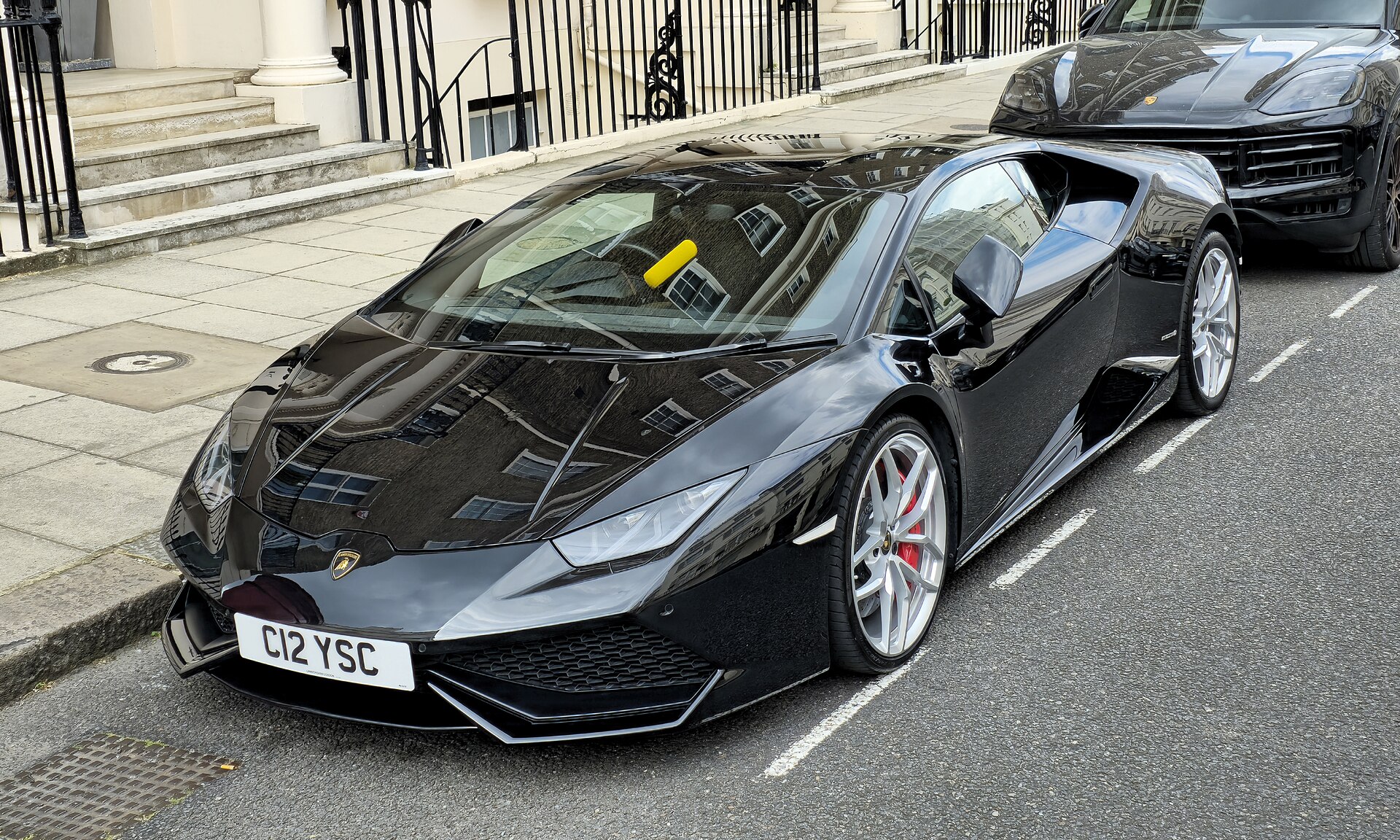
2019 EVO Pricing in the Used Market: What You'll Actually Pay
Pricing for 2019 Huracans has stabilized in the early 2026 market. The depreciation curve has flattened significantly — 2019 models are depreciating much slower than they did in years 2-3 of ownership, suggesting the market has identified a reasonable floor for these cars.
EVO Coupe Pricing: The average 2019 EVO coupe in the market trades between $185,000-$225,000 depending on color, mileage, service history, and optional equipment. A low-mileage example under 8,000 miles with uncommon color (Arancio Borealis, Blu Aegeus) commands premiums approaching $230,000+. A higher-mileage model (15,000+ miles) with standard color might trade at $185,000-$195,000.
EVO Spyder Pricing: Convertible variants command a roughly 8-12% premium over comparable coupes due to rarity and market demand for open-top variants. Expect $200,000-$245,000 for Spyder models, with the same color and mileage differentiators applying.
Performante Pricing: The 2019 Performante occupies an interesting position. Fewer were produced than EVO models, and the rear-wheel-drive dynamics appeal to a specific buyer. These range $195,000-$240,000, often priced within a narrow band of equivalent 2019 EVO coupes — sometimes lower if the seller emphasizes the RWD as "more driver-focused," sometimes higher if the rarity is emphasized.
These prices should be benchmarked against variant-specific factors: recent service records add 2-5% value; accident history or structural repairs reduce value by 10-20%; specific colors (rare Lamborghini hues like Giallo Orion or Arancio Borealis) add 5-10% premiums; and unusually low mileage (under 3,000 miles) typically commands 8-15% premiums, which sometimes reflects limited driving rather than desirability.
Depreciation Curves: How 2019 EVOs Compare to Other Model Years
One of the strongest arguments for buying a 2019 EVO is its depreciation stability relative to 2020-2021 models. The 2019, being the first generation of the EVO platform, hit depreciation hard in years 1-3 (2019-2022), but has since stabilized dramatically. This creates an interesting buying opportunity: you're purchasing a car that has already absorbed the steepest depreciation curve.
Compare depreciation patterns:
- 2018 LP 610-4: ~35-40% total depreciation from new to 2026. The pre-EVO models continue depreciating as the EVO standard becomes the market baseline.
- 2019 EVO (First Year): ~30% total depreciation from new. The first-year effect was significant, but the car has now stabilized into a more predictable depreciation curve.
- 2020 EVO: ~20-25% total depreciation from new. These command higher prices relative to MSRP, suggesting the 2019 may actually represent better residual value.
- 2021+ EVO: ~15-18% total depreciation from new. The newest models depreciate slowest, but started from higher asking prices.
The practical implication: a 2019 EVO purchased today at $210,000 might depreciate an additional 5-10% over three years (to $190,000-$200,000), or roughly $300-550/month. That's remarkably affordable depreciation for a supercar. If you purchased a 2021 EVO at $240,000, it would depreciate to $210,000-$220,000 over three years — similar dollar depreciation but higher carrying cost during ownership. The 2019 EVO, having absorbed its depreciation curve, now offers better ownership economics.
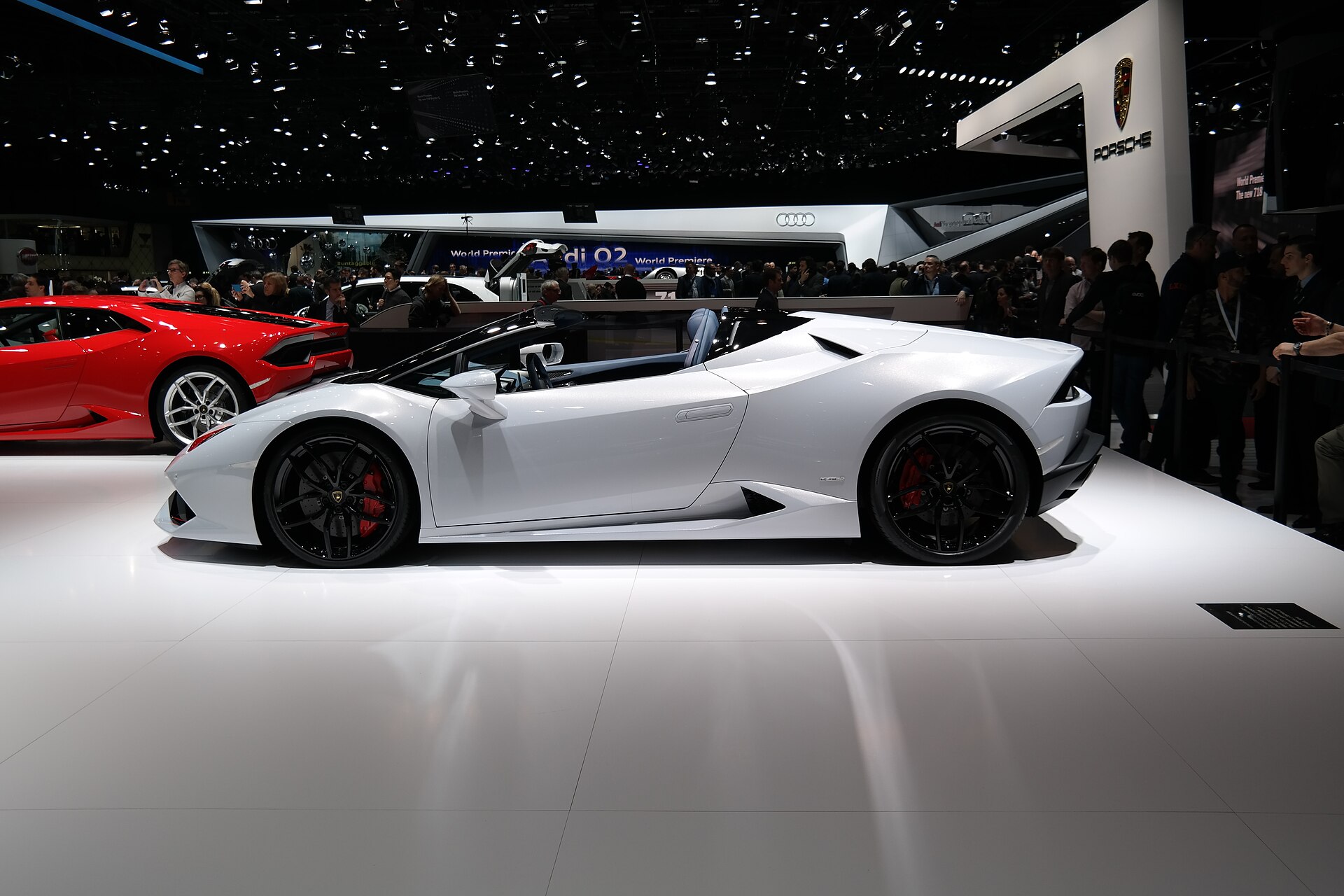
Common Issues on 2019 EVOs: What to Inspect Before Buying
The 2019 EVO represents a significant redesign year, and with any major platform refresh, first-year issues can occur. Here's what pre-purchase inspection specialists flag as recurring themes on 2019 models:
Touchscreen Software Glitches
The new 8.4-inch touchscreen infotainment system represents a major departure from the mechanical button interface of earlier years. Early production 2019 models occasionally experienced software glitches: screen freezes, navigation failures, occasional reboots. This is annoying but not expensive — Lamborghini released firmware updates addressing most issues. Always verify that any 2019 EVO you examine has been updated to current software versions. If the infotainment has issues, factor in $500-800 for dealer reprogramming.
Front Bumper Stone Chip Vulnerability
The 2019's redesigned front bumper with new splitter geometry sits lower and more aggressively than 2018 models. This increased exposure to road debris. Many 2019 EVOs with 10,000+ miles show stone chips, paint cracks, or splitter damage on the front bumper fascia. Repair costs for bumper damage range $3,000-6,000 depending on severity. When inspecting, examine the lower fascia in strong light for swirl marks or repair evidence. If significant damage is present and undisclosed, negotiate the price down by $4,000+.
Rear Diffuser Cracking on Modified Vehicles
2019 EVOs with performance suspension drops frequently develop rear diffuser stress cracks when lowered more than 1 inch. This is a design consequence of the revised rear aero package — lowering changes suspension angles and loads, and the diffuser wasn't designed for that geometry. If the car has been modified (lowering springs, air suspension), inspect the diffuser carefully. Repair or replacement runs $4,000-7,000. This shouldn't disqualify a vehicle but should be reflected in the price.
LDVI System Sensor Calibration
The LDVI system depends on precise calibration of wheel speed, steering angle, and yaw sensors. In rare cases, cars that have been in minor fender-benders and poorly repaired can have misaligned sensors, causing LDVI warning lights or erratic behavior. Always request the vehicle's accident history and inspect for paint overspray on suspension components. A full diagnostic scan should be part of your pre-purchase inspection.
Carbon Ceramic Brake Fade
2019 EVO models come standard with carbon ceramic brakes — excellent for performance but requiring proper break-in procedures. Some first-time owners didn't understand the protocol for carbon ceramic braking, leading to thermal cycling issues. If the car has been tracked heavily without proper cool-down procedures, the ceramics can develop surface cracking. A brake system inspection is essential; replacement ceramic pads run $8,000-12,000 and rotors $15,000-20,000.
Ownership Costs: What 2019 EVOs Actually Cost to Maintain
The 2019 EVO shares the 5.2-liter V10 engine with earlier Huracans, so general engine reliability is proven. However, the LDVI system, touchscreen infotainment, and all-wheel drive complexity add cost layers versus simpler models. Here's realistic annual maintenance breakdown:
| Maintenance Category | Annual Cost | Notes Specific to 2019 EVO |
|---|---|---|
| Oil & Filter Change (every 12K miles) | $800–$1,200 | Synthetic only; perform at Lamborghini dealer for warranty compliance |
| Suspension Fluid Service (every 2 years) | $600–$900 | LDVI integration requires full system inspection alongside traditional service |
| Transmission Fluid & Filter (every 20K miles) | $1,200–$1,800 | 7-speed DCT requires specific fluid type |
| Brake Inspection & Pad Service | $1,500–$3,000 | Carbon ceramic pads wear unpredictably; replacement runs $8K–$12K |
| Tire Replacement (every 8K–15K miles) | $2,000–$3,500 | Michelin Pilot Sport 4S required; cost reflects exotic tire pricing |
| Infotainment Software Updates | $300–$600 (if needed) | Firmware updates address glitches; new maps/subscriptions cost extra |
| Battery Replacement (if needed) | $1,200–$1,600 | 10-year lifespan typical; start planning if purchasing 2019 now |
| Total Typical Annual Cost | $2,500–$3,500 | Assumes 10K annual miles and routine maintenance only |
These numbers represent scheduled maintenance only. Unexpected repairs — suspension bushings, cooling system leaks, or sensor issues — can add $2,000-5,000 annually. Always budget for "out of the ordinary" repairs. The 5.2L V10 is reliable, but it's still a complex exotic engine living in a performance chassis.
Certified Pre-Purchase Inspections for 2019 Huracans
Automonitor partners with specialists who understand 2019 EVO-specific issues. Protect your investment with a professional inspection covering LDVI sensors, infotainment systems, and brake condition.
Schedule Your Inspection →Best Specs to Buy: Color, Options, and Resale Value
2019 EVO color choice has outsized impact on resale value and enjoyment. The most common colors — Bianco Icarus (white), Nero Noctis (black), and Grigio Titan (gray) — represented roughly 60% of 2019 production. These are hardest to sell and command no premium on resale.
The standout colors that command 5-15% premiums:
- Arancio Borealis (Orange): Distinctive, eye-catching, and relatively rare. Consistently strong resale premiums. This color defines a 2019 EVO.
- Blu Aegeus (Blue): Elegant and subtle, avoiding white/black/gray territory. Strong collector interest; these appreciate compared to neutral colors.
- Giallo Orion (Yellow): Less common than Arancio; represents Lamborghini heritage. Polarizing but strong collector appeal.
- Verde Mantis (Green): Rare and distinctive. Commands premium pricing due to scarcity.
When evaluating 2019 EVOs for purchase, if you're choosing between two vehicles at similar prices and condition, the one in distinctive color will likely hold value better and be easier to sell when you're ready to move on.
2019 vs 2020: Should You Wait for the Next Model Year?
The 2019 EVO was the revolution; the 2020 EVO represented refinement. Here's what changed between generations:
Lessons Learned from 2019: Lamborghini addressed early software issues with the touchscreen by 2020, releasing a more refined infotainment platform with faster processors and updated maps. The 2020 models shipped with corrected firmware, avoiding the glitches that plagued some early 2019 units. For buyers, this means 2020+ models are more reliable electronics-wise out of the box.
Pricing Difference: The 2020 EVO commands roughly $15,000-25,000 premium over equivalent 2019 models. That premium reflects reduced first-year uncertainty, cleaner electronics, and potentially lower resale depreciation curves (2020 models are now stabilized in their own depreciation, similar to where 2019 sits now).
The Counterargument for 2019: A 2019 EVO at $210,000 versus a 2020 EVO at $230,000+ represents $20,000 in immediate capital difference. Over three-year ownership, that translates to better financing terms, more cash flexibility, and equivalent or better residual value curves (the 2019 has already depreciated, so it won't fall as far). The touchscreen issues, while annoying, are solved via firmware updates — not structural problems.
For buyers prioritizing purchase price and willing to accept early-generation quirks, the 2019 EVO offers exceptional value. For buyers prioritizing refined electronics and lowest-possible risk, the 2020 makes sense.
Frequently Asked Questions About 2019 Huracans
Is a 2019 EVO more valuable than a 2018 LP 610-4?
Unequivocally yes. A 2019 EVO in similar condition typically commands $15,000-30,000 premium over a 2018 LP 610-4, reflecting the generational transformation: better engine output, LDVI handling system, redesigned exterior, and modern infotainment. The 2019 EVO represents the baseline for "contemporary Huracan" in the market; earlier models are transitioning toward vintage collectible status at lower valuations.
Should I buy a 2019 EVO Coupe or Spyder?
This depends on intended use. The Spyder commands 8-12% premium but the convertible roof adds weight, reduces chassis rigidity fractionally, and requires periodic maintenance. For regular driving or track days, the Coupe is more practical and efficient. For weekend cruising and open-air enjoyment, the Spyder justifies the cost. Financially, the Coupe better holds residual value due to higher market demand. Both are excellent cars; the decision is lifestyle, not quality.
Can you daily drive a 2019 EVO?
Technically yes. Practically, it depends on your commute and tolerance. Ground clearance is 4.5 inches — speed bumps and steep driveways are genuine concerns. Fuel economy is 13-17 mpg combined. Visibility is compromised. The suspension, even in Strada mode, transmits road imperfections. That said, owners do daily drive Huracans successfully. If your commute is under 15 miles, roads are well-maintained, and you're comfortable with six-figure attention requirements, it's possible. Most 2019 EVO owners treat them as weekend cars or 2-3 times per week drives.
What's the reliability difference between 2019 EVO and 2018 LP 610-4?
The engine and transmission are nearly identical, so core powertrain reliability is equivalent. The 2019 EVO's LDVI system adds complexity (more sensors, software layers) that hasn't proven problematic, but represents additional points of failure compared to simpler stability control. The new infotainment system had software issues in early 2019s, though these are resolved via updates. Bottom line: 2019 EVOs are slightly less proven than 2018s (due to being newer platforms), but real-world data shows reliability is solid. The LDVI system is well-designed and hasn't become a notorious failure point. Choose 2019 EVO without reliability concerns, though service costs are 10-15% higher due to added systems.
Are 2019 EVOs good investments?
No exotic car is a traditional investment — depreciation is guaranteed, storage and insurance eat returns, and unpredictable repairs create negative surprises. That said, 2019 EVOs hold value better than most supercars, and some rare-color examples are appreciating. The 2019 EVO should be purchased to drive and enjoy, with the understanding that you'll recover 60-70% of purchase price when selling in 3-5 years. That's still significantly better than most exotic cars (which recover 50-60%). View it as a lifestyle investment, not a financial one.
What should I specifically inspect on a 2019 EVO before buying?
Priority inspection items: (1) Full diagnostic scan for LDVI sensor codes or warnings, (2) Touchscreen functionality and software version verification, (3) Front bumper for stone chips or splitter damage, (4) Carbon ceramic brake condition and thermal damage, (5) Service history and all maintenance records, (6) Paint thickness measurement on front bumper and hood, (7) Suspension geometry after any modifications, (8) Cooling system pressure test. Always demand factory pre-purchase inspection documentation.
2019 EVO vs 2018 LP 610-4 vs 2020 EVO: Specification Comparison
| Feature | 2019 EVO | 2018 LP 610-4 | 2020 EVO |
|---|---|---|---|
| Engine | 5.2L NA V10 | 5.2L NA V10 | 5.2L NA V10 |
| Horsepower | 640 hp | 602 hp | 640 hp |
| Torque | 442 lb-ft | 413 lb-ft | 442 lb-ft |
| 0-60 mph | 2.8 sec | 2.9 sec | 2.8 sec |
| Drivetrain | AWD standard | AWD/RWD options | AWD standard |
| Chassis System | LDVI (Predictive) | Traditional Stability | LDVI (Refined) |
| Infotainment | 8.4" Touchscreen (Early) | Mechanical Buttons | 8.4" Touchscreen (Refined) |
| Front Bumper | Redesigned | Earlier Style | Redesigned (Refined) |
| Carbon Ceramics | Standard on EVO | Optional | Standard on EVO |
| Used Price (2026) | $185K–$225K | $150K–$180K | $205K–$240K |
| 5-Year Depreciation | ~30% from 2019 MSRP | ~35% from 2018 MSRP | ~20% from 2020 MSRP |
| First-Year Issues | Infotainment glitches (resolved) | Minimal | Minimal |
| Best For | Value + Modern Tech | Budget Conscious | Refined Reliability |
The Smart 2019 EVO Buying Strategy: How to Get the Best Deal
If you've decided a 2019 EVO is right for you, here's how to approach the purchase strategically:
Define Your Target Spec: Decide on color, mileage tolerance, and variant (Coupe vs Spyder). Distinctive colors appreciate; neutral colors depreciate further. Lower mileage commands premiums. Coupe is more practical; Spyder is more fun. Get specific about what you want.
Research Market Comps: Use completed auction data on Bring a Trailer, Cars and Bids, and eBay Motors to establish fair market value. Don't rely on dealer asking prices — look at actual selling prices. A $225,000 asking price might indicate $205,000 is the real market value.
Demand Full Service History: Any 2019 EVO should have complete service records from purchase. Missing records indicate deferred maintenance or undisclosed issues. If history is incomplete, reduce your offer by $3,000-5,000.
Invest in Pre-Purchase Inspection: A proper PPI from an exotic specialist costs $800-1,200 but identifies $20,000+ in potential problems. This investment pays for itself immediately. Non-negotiable.
Factor Real Costs into Your Budget: Don't stop at the purchase price. Add 18 months of insurance ($6,000-8,000), registration ($1,500-3,000), and maintenance reserve ($4,000-5,000). Only proceed if total cash position is comfortable.
Don't Over-Negotiate: 2019 EVO pricing is market-driven and relatively stable. Sellers know the value. Expect to negotiate 2-5% off asking price, not 15-20%. Aggressive negotiation might sink the deal.
When You Should Pass on a 2019 EVO
If you're financially stretched. A 2019 EVO requires comfortable ownership budget, not stressful monthly payments. If buying this car means sacrificing other financial priorities, walk away.
If service history is missing. Unknown maintenance history on a 2019 EVO is a red flag. Don't gamble on deferred maintenance. Next owner can face $10,000-20,000 in caught-up service.
If the car has been heavily tracked. Extreme track use ages supercar components. If a 2019 EVO has documented track days on record, factor in imminent brake, suspension, and transmission service — real costs of $15,000+.
If you need daily practicality. The 2019 EVO is legitimately challenging to use as sole transportation. If you need a functional daily driver, this isn't it.
If accident history or structural damage exists. Any 2019 EVO with frame damage, structural welding, or replaced suspension should be avoided unless priced at substantial discount ($30,000+). The complexity of LDVI sensor alignment after structural work makes these cars problematic.
The Final Assessment: Is a 2019 Lamborghini Huracan EVO a Good Buy?
Yes — with the understanding that "good buy" requires financial comfort, proper due diligence, and realistic expectations. The 2019 EVO represents the most significant transformation in Huracan history. The LDVI system, redesigned exterior, and 640 hp standard output created a genuinely modern supercar that still feels relevant today. Pricing at $185,000-225,000 reflects reasonable depreciation curves that favor buyers in 2025-2026.
The 2019 specifically holds advantage over 2018 predecessors (more capable, modern, valuable) and represents better purchase economics than 2020+ models (lower entry price, already-absorbed depreciation, equivalent technology). For buyers shopping the used supercar market, the 2019 EVO sits in a sweet spot — first year of revolutionary platform, significant pricing advantage over newer models, and established depreciation curve.
The 2019 EVO isn't perfect. First-year infotainment glitches, front bumper vulnerability, and LDVI system complexity add risk layers versus simpler cars. But these are manageable issues, not deal-breakers. The 5.2L V10 engine is proven. The AWD system is robust. Real-world ownership data shows 2019 EVOs are reliable, enjoyable, and likely to hold value reasonably well through the next 3-5 years.
For buyers who can afford the purchase price, understand the true ownership costs, and are prepared to invest in proper pre-purchase inspection, the 2019 Lamborghini Huracan EVO is absolutely worth buying. It's one of the last naturally aspirated V10 supercars ever produced. It transformed how Lamborghini engineered supercars. And it remains one of the most emotionally rewarding cars on any road. That's worth the investment.
Find Your 2019 Huracan EVO Today
Automonitor specializes in connecting buyers with verified 2019 Huracan EVO inventory. We handle inspections, valuation, and transaction coordination. Let us help you find the right car at the right price.
Browse Certified Inventory →