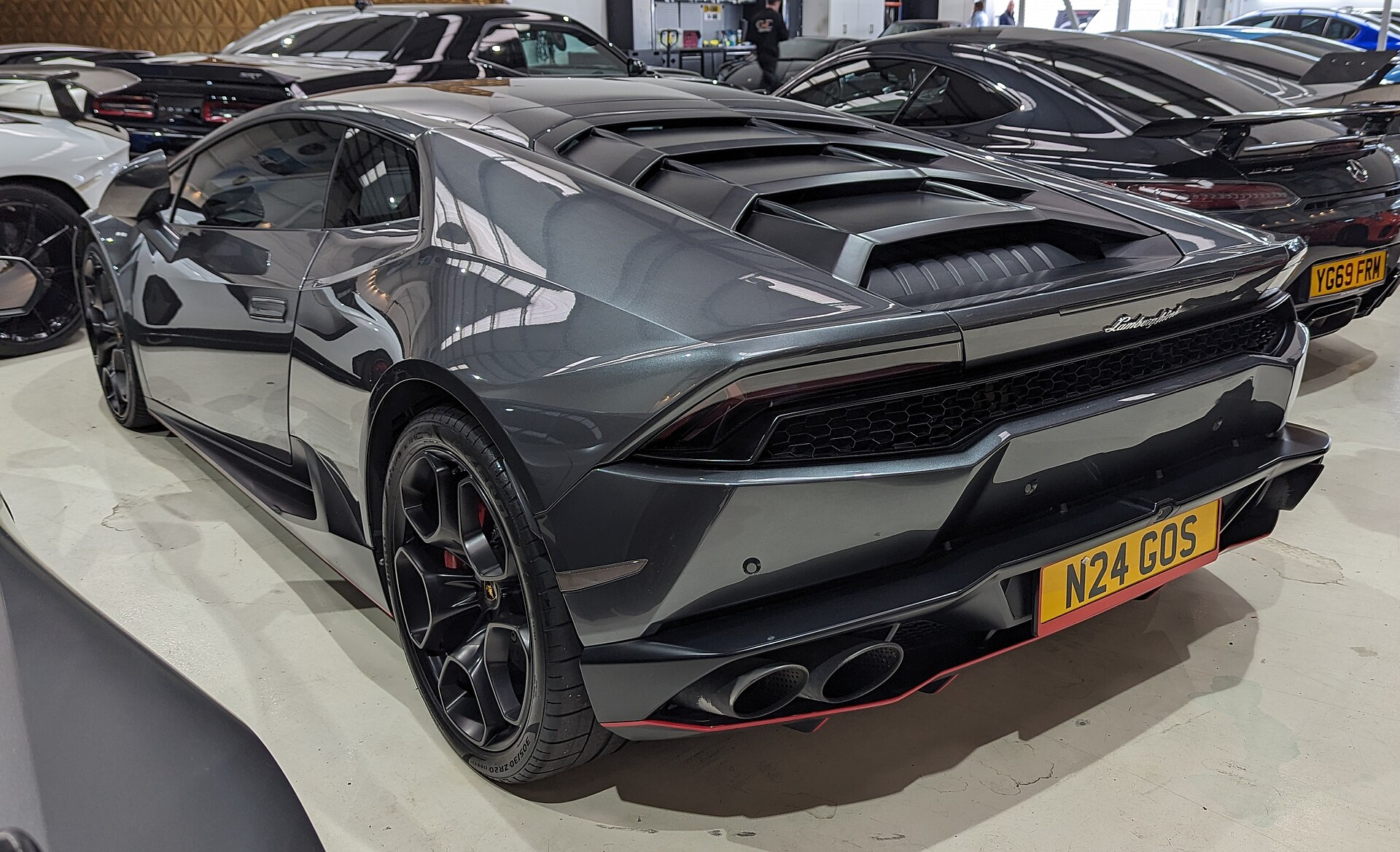
Is a 2018 Lamborghini Huracan a Good Buy?
The 2018 model year marks a turning point for the Huracan — the mid-cycle refresh that added Apple CarPlay, improved infotainment, and refined the platform that's earned legendary status. But is this specific year the right choice for you? Here's everything you need to know about 2018 Huracans in 2026.
Why 2018 Matters: The Year Huracan Got Better
The 2018 Lamborghini Huracan wasn't just another model year in the production run — it represented a genuine mid-cycle refresh that addressed real criticisms from earlier models while introducing features that made the car more livable as an everyday supercar.
This is the year that Apple CarPlay finally arrived in the Lamborghini lineup. For buyers who wanted their Huracan to function as a modern supercar rather than a technological relic, that single addition mattered more than the spec sheet would suggest. Early model years (2014-2017) shipped with an infotainment system that felt dated the moment it left the factory. The 2018 refresh made the cabin feel current.
But the updates went deeper than software integration. Lamborghini refined the exhaust valve tuning across the lineup, improving throttle response in lower gears and tightening the transmission's shift calibration. The magnetic ride damper system received updated tuning for both Strada and Corsa modes. The power steering geometry was subtly revised for improved feedback. These weren't revolutionary changes, but they mattered in real-world driving.
More significantly, 2018 was the year the Performante gained traction in the used market as an accessible alternative to ultra-rare variants. Production ramped up, pricing stabilized, and the ALA active aerodynamic system — previously exotic and unproven — had three years of real-world data validating its reliability. By 2018, if you wanted a track-capable Huracan that you could trust, the Performante was the answer.
The Complete 2018 Huracan Lineup: Three Variants, Three Different Stories
2018 offered three distinct Huracan variants, each serving a different buyer profile and arriving at a different price point:
LP 580-2 RWD (Base Model)
The entry point to V10 Huracan ownership. Rear-wheel drive only, 580 horsepower (down from 610 in AWD models), approximately $200,000 MSRP new. In today's market (2026), clean examples with reasonable mileage command $140,000-$165,000.
The RWD system isn't a handicap — it's a deliberate choice for drivers who prioritize feel over security. The steering is sharper, the chassis feels more responsive, and the engine's power feels more accessible because it's not being distributed across four driven wheels. On track, or on backroads, the LP 580-2 is arguably the more engaging Huracan to drive. On wet roads or in emergencies, it demands respect.
In the 2018 market, the LP 580-2 attracted two buyer types: budget-conscious enthusiasts who wanted a V10 Lamborghini regardless of drivetrain, and experienced drivers who actively preferred RWD dynamics. Both groups are underrepresented in the used market today, which means 2018 RWD models have better resale prospects than you'd expect.
LP 610-4 AWD (The Mainstream Choice)
All-wheel drive, 610 horsepower, $240,000 MSRP new. Current market pricing for 2018 examples: $155,000-$185,000 depending on mileage and condition.
This is the Huracan that makes sense for most buyers. AWD transforms the driving experience fundamentally — launch control actually works, cornering grip is seemingly infinite, and even in heavy rain or snow, the car feels manageable rather than scary. The added power over the RWD variant feels meaningful in real driving, particularly at highway speeds.
The LP 610-4 became the de facto reference point for Huracan buying recommendations. Dealers had inventory. Service centers knew them. Used prices were transparent. If you wanted a 2018 Huracan and didn't have strong feelings about drivetrain, the LP 610-4 was the obvious choice.
Performante (The Enthusiast's Choice)
Limited production, AWD only, 640 horsepower, approximately $275,000 MSRP new. 2018 Performante examples in today's market run $220,000-$280,000 depending on mileage and specification.
The Performante arrived in 2017, but 2018 saw production stabilize and buyers feel confident investing in the variant. The ALA active aerodynamic system — adjustable flaps on the front fascia and rear wing — was no longer an unproven innovation. It was proven. Track times validated the investment. The Performante's Pirelli P Zero Trofeo R tires (designed specifically for this car) came as factory equipment, not an expensive upgrade.
By 2018, the Performante represented the accessible track Huracan. Not as rare or expensive as the later STO. Not as compromised as street-focused variants. It was the right answer for buyers who actually used their Huracans on track but also needed the car to function on public roads.
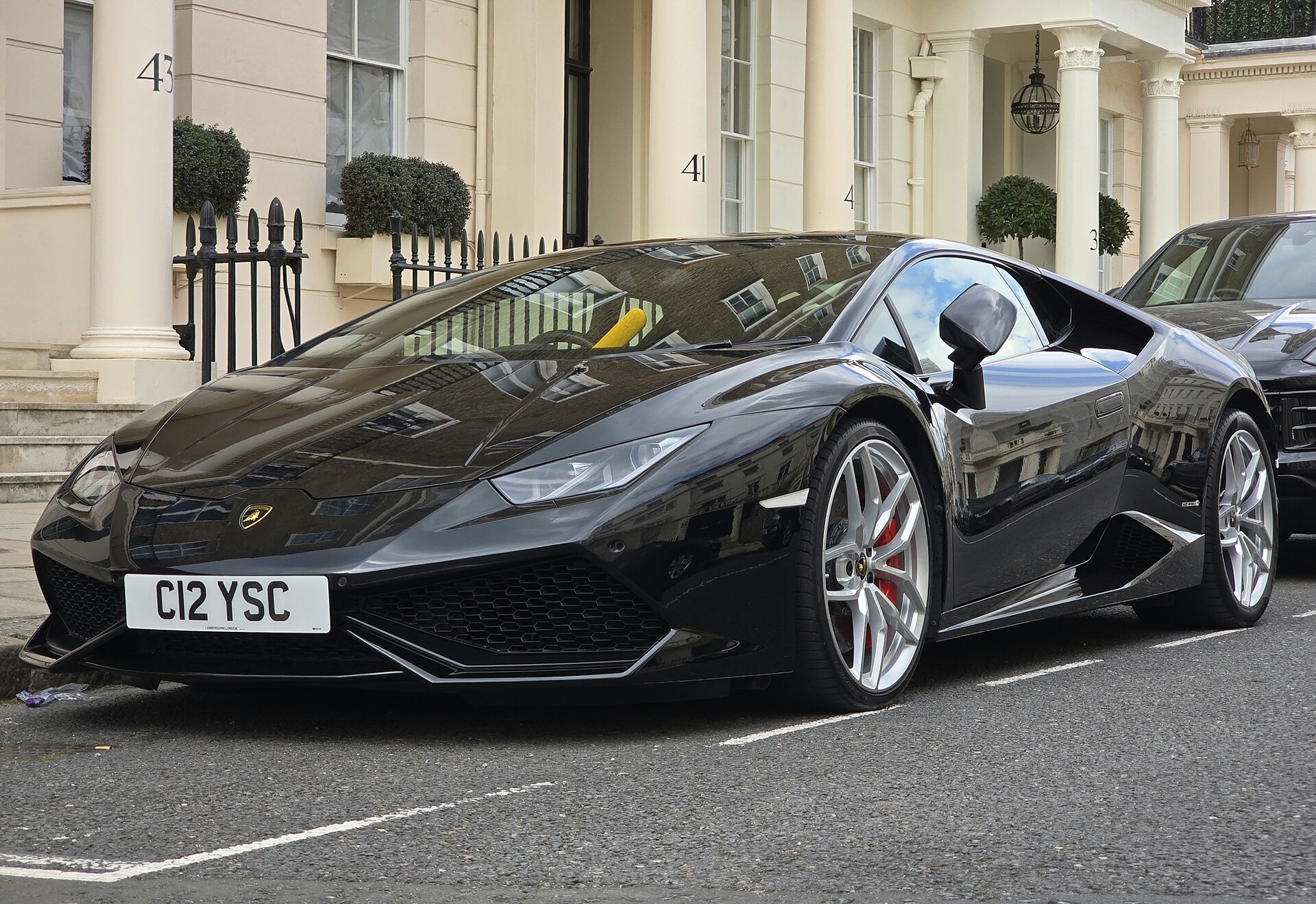
2018 Huracan Pricing in 2026: Where Depreciation Has Stabilized
| 2018 Variant | Mileage Sweet Spot | Current Market Price | Service History Impact |
|---|---|---|---|
| LP 580-2 RWD | 18,000 - 28,000 miles | $140,000 - $165,000 | +$10K (full service) |
| LP 610-4 AWD | 15,000 - 25,000 miles | $155,000 - $185,000 | +$12K (full service) |
| Performante | 8,000 - 18,000 miles | $220,000 - $280,000 | +$15K (full service) |
Seven years out from production, 2018 Huracans occupy a fascinating position in the depreciation curve. The rapid value loss of earlier years has stopped. These cars have found their floor.
A 2018 LP 610-4 that sold for $240,000 new is worth roughly $160,000-$170,000 today. That's roughly 30% depreciation over seven years, or about 4.3% per year. For comparison, the average luxury car depreciates 15% in the first year and 10% each year after. The Huracan is holding value remarkably well.
This creates an interesting dynamic for buyers today. Purchasing a 2018 Huracan now is different than purchasing in 2021 or 2022 when the market was still discovering pricing. The car has stabilized. You're not betting on future depreciation — you're buying at what appears to be the floor. If Huracan values rise from here (which they likely will as production runs become historical), you've timed the market reasonably well. If they stay flat, you're not taking on catastrophic depreciation risk.
The Depreciation Floor: Why 2018 Huracans May Be Undervalued
Here's a fact that fewer buyers understand than they should: 2018 base model Huracans have likely hit their depreciation floor. The car is not going to lose significantly more value. It might lose $5,000-$10,000 more over the next three years, but the violent depreciation curve has flattened.
Why? Three reasons work together:
First, supply is now fixed. Lamborghini ceased Huracan production in December 2024. No new production cars enter the market. Any 2018 Huracan you see today is the same 2018 Huracan that will exist in 2029. Supply only shrinks as cars are wrecked, stored indefinitely, or exported. This creates a natural floor under values.
Second, historical significance compounds over time. The Huracan is now recognized as the final naturally aspirated V10 production Lamborghini. Every year that passes, that statement becomes more powerful. By 2030, a Huracan won't just be a nice supercar — it'll be a historical artifact from the end of an automotive era. That narrative matters for values.
Third, base model depreciation matters less than variant depreciation. A well-maintained 2018 Performante will likely be worth more in 2028 than it is today. Base LP 610-4 models won't appreciate, but they won't depreciate further either. The variant you choose determines your downside risk more than the year.
This means 2018 represents the sweet spot for buyers who don't want to overpay but also don't want to catch the falling knife of depreciation. Earlier models are cheaper but depreciation risk is higher. Later models (2022-2024) are more expensive with less overall value gain.
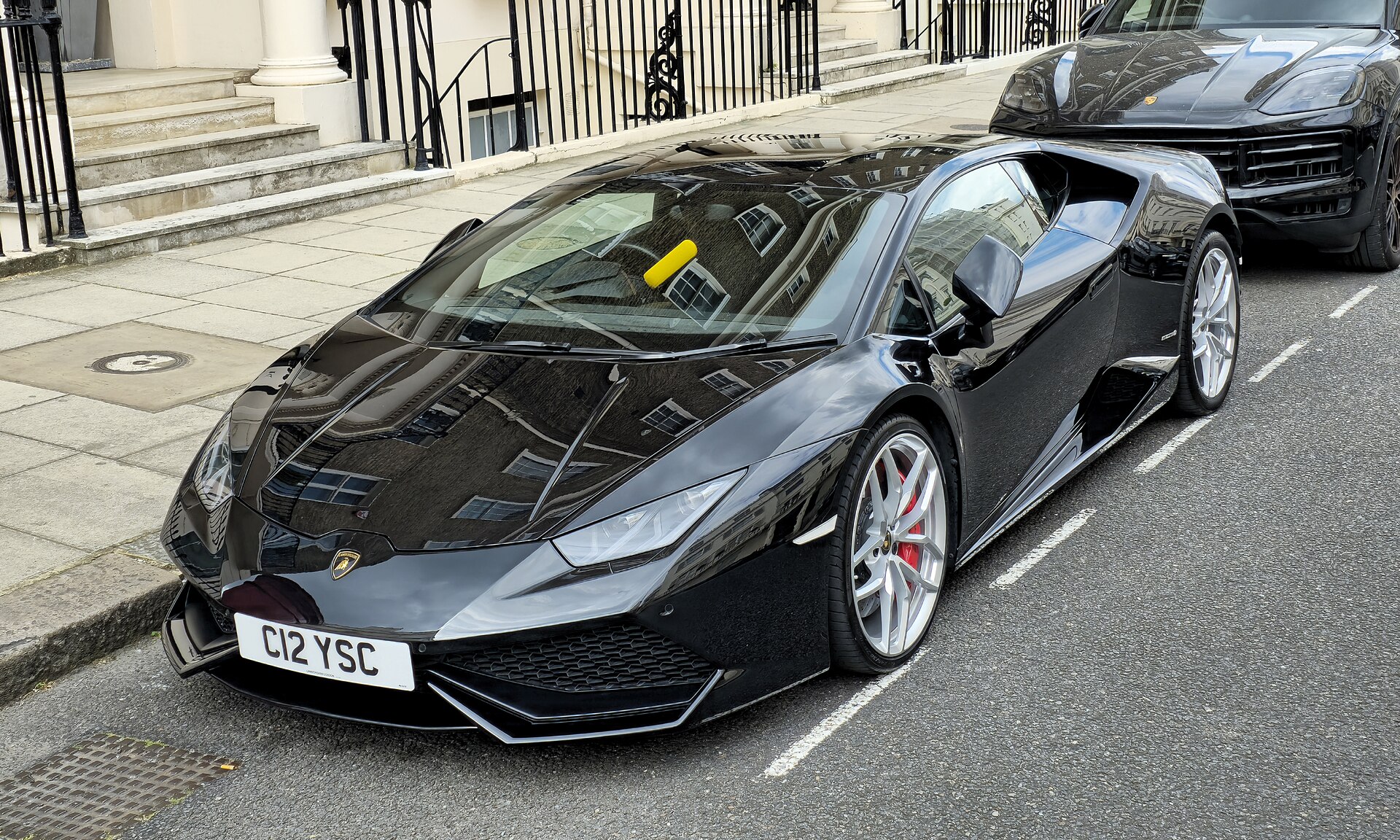
2018 vs 2017: Minor Refinements with a Significant Addition
Should you stretch for a 2018, or save money on a 2017? The differences are subtle but real:
Apple CarPlay — This single feature creates a practical chasm between 2017 and 2018. The 2017 infotainment system will feel dated within minutes of experiencing the 2018. If you plan to drive the car regularly and value integration with your iPhone, don't compromise here.
Transmission tuning — The 2018 DCT shifts slightly faster and more predictably in normal driving modes. In Corsa mode, the change is barely noticeable. In Strada mode, 2018 feels marginally more refined.
Engine tuning — Exhaust valve opening is recalibrated on 2018 models, improving throttle response in first and second gear. The difference is small but detectable.
Pricing difference — A clean 2017 LP 610-4 runs $145,000-$170,000. A 2018 same model is $155,000-$185,000. That $10,000 premium buys you the features above plus a full year less of depreciation headwind.
Our analysis: if you can afford the $8,000-$12,000 additional investment, move to 2018. If budget is tight, a 2017 with full service history is still an excellent purchase.
2018 vs 2019: When the Huracan Became the EVO
Here's where the generational divide becomes clear. The 2019 model year brought the Huracan EVO, and it wasn't just a name change — it was a comprehensive update that addressed nearly every criticism of earlier models.
The EVO introduced LDVI (Lamborghini Dinamica Veicolo Integrata), a sophisticated vehicle dynamics management system that fundamentally changed how the Huracan drives. The steering became more responsive. The chassis became more intelligent. Track capability improved meaningfully. The base model also jumped from 580 to 640 horsepower to match what was previously the Performante's output.
But 2019 also brought higher prices and more expensive maintenance. The EVO was heavier, more complex, and less analog in character than the cars that came before.
2018 sits in an interesting position — it's the last year before EVO transformation, meaning it retains the mechanical simplicity of the original design while adding the digital refinements (CarPlay, improved tuning) that matter for daily usability. For buyers who prefer older technology because they understand it and trust it, 2018 is more appealing than 2019. For buyers who want the latest capabilities, 2019+ is necessary.
Pricing reflects this choice: 2018 LP 610-4 ($155K-$185K) vs 2019 EVO ($165K-$195K). The gap has compressed enough that 2019 starts looking competitive, but 2018 still represents better value for buyers who don't need LDVI.
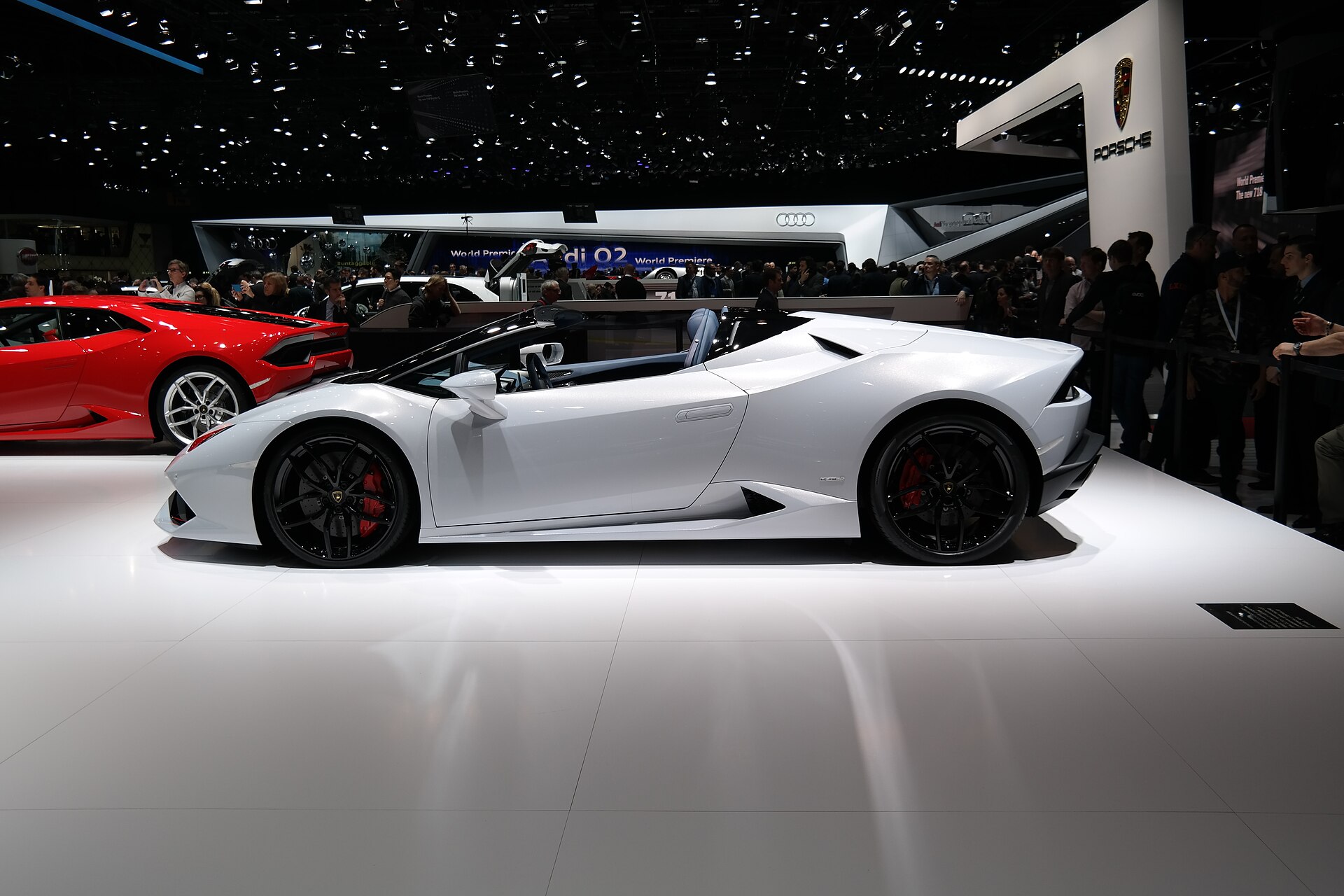
Common Issues on 2018 Huracans: What to Watch For
Seven years and thousands of examples later, patterns have emerged about where 2018 Huracans are prone to problems:
Dual-Clutch Transmission Shudder
The 7-speed dual-clutch transmission in 2014-2018 models can develop low-speed shuddering or jerking, particularly in first and second gear. This is most pronounced in stop-and-go traffic when the car is cold.
Severity: Medium. It's annoying, not dangerous. An authorized Lamborghini dealer can typically reprogram the transmission control module to improve the issue. In severe cases, clutch replacement becomes necessary ($8,000-$12,000).
What to check: Test drive in heavy traffic if possible. Feel specifically for jerking when accelerating from a complete stop in Drive mode (not Sport or Corsa). A pre-purchase inspection should include a transmission diagnostic scan.
Magnetic Ride Suspension Sensor Failures
The magnetorheological dampers on the adaptive suspension occasionally throw sensor error codes. 2018 models with heavy use or track time are more prone to this issue than garage queens.
Severity: Low. The car will default to a fixed suspension stiffness and remain perfectly drivable. A sensor replacement runs $1,200-$2,000 per corner.
What to check: Scan for suspension-related codes during pre-purchase inspection. Ask if the seller has experienced any suspension warning lights. If they have, factor $4,000-$6,000 into your offer to cover full suspension sensor replacement.
Front Lift System Seal Leaks (If Equipped)
The hydraulic nose-lift system, available on 2018 models, can develop slow leaks in the seals as the car ages. You'll hear hissing when the system cycles up or down.
Severity: Low. Leaking isn't dangerous, but the system will eventually fail to lift fully. Seal replacement: $2,000-$4,000.
What to check: Activate the lift system during test drive and listen carefully. Inspect under the front bumper for dried hydraulic fluid residue. Ask the seller if they've had to top off hydraulic fluid.
Navigation Screen Delamination
The touchscreen unit (particularly on cars with high sun exposure or garaged in hot climates) can develop delamination between the LCD display and the touch layer. This doesn't affect functionality but looks terrible.
Severity: Cosmetic. Screen replacement through Lamborghini: $2,500-$3,500. Third-party repair shops can do it for $1,200-$1,800.
What to check: Inspect the screen visually for any separation or cloudiness between layers. Look especially along the screen edges.
Clutch Wear on Heavy City-Driven Examples
2018 Huracans that spent heavy time in city traffic with inexperienced drivers or excessive track use can show elevated clutch wear. The dual-clutch system is robust but not invincible.
Severity: High. Full clutch replacement is the most expensive maintenance on any Huracan: $8,000-$12,000 at a dealer.
What to check: Request clutch wear diagnostics during pre-purchase inspection. Most independent exotic specialists can measure clutch friction disc thickness to estimate remaining life. Avoid cars showing less than 50% clutch remaining.
Annual Maintenance Costs for 2018 Huracans: What Ownership Actually Costs
| Expense Category | Annual Cost Estimate | Frequency / Notes |
|---|---|---|
| Insurance (full coverage) | $5,000 - $7,500 | Varies by location, age, driving record |
| Oil & Filter Service | $800 - $1,200 | Every 10,000 miles or annually |
| Tire Rotations | $400 - $600 | Every 6,000-8,000 miles |
| Brake Fluid Flush | $500 - $800 | Every 2 years |
| Coolant System Check | $300 - $500 | Annual inspection |
| Fuel (13-16 mpg, 91+ octane) | $3,500 - $5,500 | Based on 8,000 annual miles |
| Tires (amortized) | $1,500 - $2,500 | Replace every 10-15K miles; $4,500-$8,000/set |
| Brakes (amortized) | $1,000 - $1,500 | Carbon ceramic; full set $12K-$18K every 50K miles |
| Registration & Taxes | $800 - $2,000 | State dependent |
| Total Annual | $13,800 - $21,700 | Excludes unexpected repairs |
That's roughly $1,150-$1,800 per month in predictable running costs. Major repairs (transmission work, suspension rebuild, engine gasket replacement) exist outside this number and can add $8,000-$25,000 to a given year.
Many potential buyers underestimate these costs. They do the math on the purchase price and feel comfortable, then encounter year two or three where a $6,000 clutch service or $8,000 brake replacement arrives unexpectedly. Budget conservatively. Set aside $25,000-$30,000 annually to cover both routine maintenance and a surprise major repair without financial stress.
Protect Your Investment With Pre-Purchase Inspection
Automonitor's certified exotic inspectors will identify wear items, estimate remaining service life, and catch hidden problems before you buy. Get real data about what you're actually investing in.
Schedule Inspection →What to Inspect Before Buying a 2018 Huracan: The Checklist That Matters
A pre-purchase inspection should cover these specific items for 2018 models:
Service Records Verification
Obtain every service record from the Lamborghini dealer service network. Check:
- Oil changes performed on schedule (every 10,000 miles maximum)
- Transmission diagnostics run and documented
- Suspension sensor health history
- Any open recalls or unaddressed bulletins
- Warranty claim history (reveals patterns of problems)
Cars with full dealer service history command $10,000-$15,000 premiums over identical cars with patchy records. That premium is earned through reduced uncertainty.
Clutch Wear Diagnostic
Most independent exotic specialists can perform friction disc thickness measurements via OBD2 diagnostic. Clutch with 75%+ remaining life is excellent. Below 50% means replacement within the next 5,000 miles is probable.
Paint Correction History
Check if the car has had respray or significant paint correction. Ask specifically about:
- Any accidents or insurance claims
- Repaint on specific panels (evidence of repair)
- Paint thickness measurements (original factory paint is 3.5-4.5 mils; resprayed areas are 4.5-6 mils)
Original paint is preferable but not mandatory. A professionally repainted Huracan in good condition can be a better buy than an original-paint car with 30 miles of stone chips in the front bumper.
Front Lift System Functionality
If equipped, cycle the lift system slowly and listen for any hydraulic hissing or unusual sounds. Measure ride height at full extension and compare to specifications. Check under the bumper for hydraulic fluid seepage.
Interior Inspection
Specifically check the Alcantara steering wheel for wear (it's expensive to replace). Examine the gauge cluster for any stuck pixels or LCD damage. Test all switchgear, buttons, and controls. Listen for any door panel rattle.
Underbody Inspection
Huracan undercarriage should be relatively clean and corrosion-free even on seven-year-old examples if properly maintained. Look for:
- Rust around suspension components
- Evidence of underbody damage or scraping
- Leaks from transmission, engine, or differential
- Loose heat shields
Best Configurations: The Colors and Specs That Hold Value
Not all 2018 Huracan specifications are created equal when it comes to resale value. Certain color and interior combinations hold value significantly better than others:
Colors That Hold Value Well
Bianco Monocerus (White) — Most popular, most universal appeal. Every buyer accepts it. Resale is easiest.
Grigio Titans (Gray) — Second most popular. More sophisticated than white, still neutral enough to appeal broadly.
Verde Mantis (Green) — Distinctive without being controversial. Commands 5-8% premium over neutral colors in today's market.
Rosso Mars (Red) — Strong resale value if you find a buyer who wants it. Harder to sell than neutral colors but typically holds better value than purchased.
Colors That Are Slower to Sell
Giallo Inti (Yellow) — Polarizing. Some buyers love it; most don't. Expect 10-15% longer sale timeline and slightly lower prices.
Blu Cepheus (Dark Blue) — Can look black in low light, which limits appeal to buyers specifically wanting blue. Longer sale timeline.
Custom/Special Colors — Rare special orders sometimes become liabilities. A 2018 in Rosso Competizione or other ultra-rare Lamborghini paint takes longer to sell and often sells at discount.
Interior Color Impact
Tan, gray, and black interiors are most popular. Exotic choices (bright reds, purples, bi-color combinations) appeal to a narrower market. Standard Alcantara is more valued than full leather. Carbon fiber trim holds appeal; excessive chrome or plastic-looking trim does not.
For maximum flexibility at resale time, target: White or Gray exterior, Tan or Gray Alcantara interior, carbon fiber trim. These combinations typically sell in 20-30 days at fair market value. Unusual combinations can take 60-90 days.
Frequently Asked Questions About 2018 Huracans
Is a 2018 Huracan still a good daily driver?
Short answer: Yes, but with caveats. The Strada mode suspension is genuinely tolerable on rough roads. Ground clearance is minimal (5.3 inches), so speed bumps and steep driveways are enemies. Parking is stressful due to poor visibility and narrow track. Fuel consumption (13-16 mpg) means you're at a gas station frequently. If you need a daily driver, consider a Porsche 911 Turbo S or Lamborghini Urus instead. If you want a 2-3 day per week supercar that can handle longer drives comfortably, the 2018 is excellent.
Should I buy a 2018 over a 2019+ EVO?
If you plan to track the car regularly or prefer mechanical transparency, 2018. If you want the latest technology and maximum all-weather confidence, 2019+ EVO. Price difference is 8-12%, which isn't enough to make a strong case either way. Test drive both and see which feels right.
How much depreciation risk remains on a 2018?
Minimal. Best case: 2-3% per year. Worst case: 5-6% per year, mostly due to maintenance and wear items rather than market devaluation. You're likely buying at the floor. Even if values drop 10% over the next three years, you're only talking about $16,000-$18,500 in total loss. Amortized, that's manageable.
Is the RWD 580-2 worth choosing to save money?
Only if you actually prefer RWD dynamics and have track experience. Yes, it's cheaper ($140K-$165K vs $155K-$185K for AWD). But the $15,000-$20,000 savings isn't worth it if you're then anxious driving in the rain. Get AWD if you plan to drive the car regularly in varied conditions. Get RWD only if you're tracking it or have specific experience with rear-drive supercars.
Do 2018 Huracans need special insurance?
Yes. Regular auto insurance won't touch it. You need exotic or agreed-value specialty insurance. Most carriers charge $5,000-$7,500 annually for full coverage on a $160K-$170K 2018 Huracan. Some require track-day insurance addenda. Factor this into your total cost of ownership from day one.
Should I buy from a Lamborghini dealer or private seller?
Dealer inventory has been inspected by factory-trained technicians. Private sellers might be cheaper. Middle ground: work with Automonitor's concierge buying service, which vets sellers, arranges inspections, and handles negotiation without the markup of traditional dealerships.
What's the best reason to buy a 2018 specifically?
You want a naturally aspirated V10 Lamborghini that's modern enough to include Apple CarPlay and digital niceties, but mechanical enough to understand and repair relatively easily. You don't want to overpay for the latest EVO technology. You're timing the market at the depreciation floor. A 2018 checks those boxes perfectly.
The Best 2018 Spec to Buy: Our Recommendation
If you're genuinely asking "which 2018 Huracan should I buy," here's our analysis:
Budget Priority: LP 580-2 RWD, 18K-25K miles, full service history, Bianco Monocerus or Grigio Titans exterior, $140K-$155K
This buys you into Huracan ownership at the floor. V10 NA engine. Modern enough (Apple CarPlay). Mechanical rather than electronic. Resale is straightforward. Total ownership risk is minimized.
Value Priority: LP 610-4 AWD, 16K-22K miles, full service history, your preferred color, $160K-$170K
This is the Goldilocks choice. Not entry-level, not exotic-rare. AWD adds usability. Modern infotainment. Enough power that you'll feel genuinely thrilled. Resale is liquid. This spec sells the fastest when owners eventually want out.
Performance Priority: Performante, 10K-15K miles, exceptional paint condition, $240K-$260K
This is the one you don't regret. Unique character. Track capability. Better resale trajectory than base models. Only choose this if you can comfortably absorb the $100K+ additional investment and factor track days into your plans.
Final Verdict: Should You Buy a 2018 Huracan?
Yes, if you understand the full financial picture and can comfortably afford $1,400-$1,800 monthly in running costs. The 2018 model year represents the optimal balance between modern features, reliability, value retention, and authentic V10 character. It's the last year before the EVO's complexity, the first year with Apple CarPlay, and a year that's clearly appreciated its way to the depreciation floor.
Is it a perfect car? No. Is it the most Lamborghini-like Lamborghini at a reasonable price point? Absolutely yes.
Don't buy blindly. Get a pre-purchase inspection. Verify service records. Drive everything on your shortlist. And if you want expert guidance navigating the process, Automonitor's buying service exists specifically to make sure you end up in the right car at a fair price.
The 2018 Huracan is waiting. The question is whether you're ready.
Find Your 2018 Huracan Today
Automonitor searches 200+ verified dealers and private sellers to match you with the right car at market rates. Pre-purchase inspections included.
Start Your Search →