
Is a Lamborghini Aventador Worth Buying?
The Aventador is Lamborghini's legendary V12 flagship—the last naturally aspirated twelve-cylinder supercar the brand will ever produce. But raw power and historic significance don't automatically translate to a smart purchase. Here's the complete truth about whether this icon deserves your investment.
The Short Answer: Yes, But With Significant Caveats
The Lamborghini Aventador is worth buying—for specific buyers with specific expectations. It's the final naturally aspirated V12 Lamborghini ever produced, which means you're buying a piece of automotive history. It's appreciating in value, not depreciating. And the driving experience is legitimately extraordinary. But there's a critical caveat: the ISR single-clutch transmission is a genuine problem that will define your ownership experience, the maintenance costs are substantially higher than comparable supercars, and this is absolutely not a daily driver.
If you're buying the Aventador to feel the thunder of a 6.5-liter naturally aspirated V12 engine, to own the last of an era, and to drive something that's only going to become more valuable over time, then yes, it's worth it. If you're comparing it purely on specs against a Ferrari 812 Superfast or evaluating it as an investment that outperforms the stock market, you need to read further before committing any capital.
What Makes the Aventador Special: The Last V12 Standing
Lamborghini produced the Aventador from 2011 through 2022—a twelve-year production run that spawned multiple variants, each with increasing power and sophistication. The final car rolled off the production line in November 2022, making way for the Revuelto, which uses a hybrid V12 powertrain. This historical transition matters enormously because it means every Aventador is, by definition, the last pure naturally aspirated V12 Lamborghini.
The V12 itself is remarkable engineering. The 6.5-liter engine produces between 691 horsepower in the original LP 700-4 up to 769 horsepower in the final Ultimae variant. More importantly, it produces that power entirely through atmospheric aspiration—no turbos, no superchargers, just mechanical fury fed by air intake and fuel injectors. The engine screams to 8,700 rpm, and every decibel is authentic. It's a frequency and visceral quality that turbocharged engines simply cannot replicate.
Performance figures remain genuinely competitive in 2026. The LP 700-4 hits 60 mph in 2.9 seconds. The S variant manages 2.8 seconds. The SVJ (the track-focused, limited-production variant) achieves 2.7 seconds. The final Ultimae, produced in just 850 units worldwide, also reaches 2.7 seconds. These are not esoteric numbers—they're supercar-level performance that competes with modern hypercars.
The design is unmistakable. The scissor doors define its presence. The angular, aggressive bodywork creates an emotional response that few production cars can match. When you see an Aventador, you don't have to ask what it is. The silhouette is instantly recognizable, instantly powerful. This matters for ownership because it means you're driving something with presence, something with presence.
The Aventador isn't just a supercar. It's a statement that naturally aspirated V12 power still exists, and it's something that will become more precious as the industry electrifies.

The Aventador Variants: Which One Matters
Understanding which variant you're considering is critical because they have dramatically different market positions, reliability profiles, and value trajectories. Here's the breakdown of the main variants you'll encounter in the used market:
| Variant | Horsepower / 0-60 | Years | Used Price Range | Units Built |
|---|---|---|---|---|
| LP 700-4 | 691 hp / 2.9s | 2011–2016 | $250K–$330K | ~3,000 |
| S | 730 hp / 2.8s | 2017–2019 | $300K–$380K | ~1,200 |
| SVJ Coupe | 759 hp / 2.7s | 2018–2020 | $400K–$600K | 900 |
| SVJ Roadster | 759 hp / 2.7s | 2018–2021 | $420K–$650K | 800 |
| Ultimae Coupe | 769 hp / 2.7s | 2021–2022 | $500K–$800K+ | 600 |
| Ultimae Roadster | 769 hp / 2.7s | 2021–2022 | $550K–$850K+ | 250 |
The original LP 700-4 is the most affordable entry point, but it's also the variant with the most accumulated miles and the most potential for hidden issues. The S variant represents the middle ground—more power than the original with generally lower mileage than earlier cars. The SVJ and Ultimae are the limited-production, track-focused variants with appreciating values and extreme rarity that makes them the most interesting from an investment standpoint.
Learn more about the full variant lineup and purchasing strategy in our detailed Aventador Buyer's Guide. We also have a dedicated comparison for the SVJ variant and pricing analysis in our Aventador cost guide.
What Aventador Ownership Actually Costs: The Real Numbers
The purchase price is honestly the smallest part of the equation. Here's what ownership actually costs on an annual basis, based on real owner data we've analyzed through Automonitor:
| Expense Category | Annual Cost | Notes |
|---|---|---|
| Insurance | $6,500–$12,000 | Premium due to value and performance; varies by location |
| Routine Maintenance | $5,000–$8,500 | Oil changes, fluid service, V12 requires high-grade synthetics |
| Fuel | $4,000–$6,500 | 11–13 mpg combined; 91+ octane required; V12 consumption is steep |
| Tires (amortized) | $2,500–$3,500 | Replacements every 5K–8K miles; performance rubber is expensive |
| Brakes (amortized) | $1,500–$2,500 | Carbon ceramic service when due: $15K–$20K |
| Registration & Taxes | $1,500–$4,000 | State-dependent; luxury vehicle taxes can be substantial |
| Total Annual Running Cost | $21,000–$37,000 | Excludes depreciation & major repairs |
That's $1,750–$3,100 per month in running costs before the car depreciates (or in many cases, appreciates). This is substantially higher than a Huracan or Ferrari 812 Superfast, primarily because V12 maintenance is more complex and parts are more expensive than V10 alternatives.
The ISR transmission is where costs can explode unexpectedly. This single-clutch transmission—more commonly known as the Achilles heel of the Aventador—can develop shuddering, jerking, and hesitation at low speeds. When repairs are needed, a clutch replacement can run $12,000–$18,000. An internal bearing failure? You're looking at $25,000+ and multiple weeks without your car. This is not a $500 repair. It's a catastrophic ownership moment.
Pre-Purchase Inspection is Non-Negotiable
Before buying any Aventador, especially models with ISR transmissions, get a comprehensive inspection from someone who specializes in Lamborghini powertrains.
Schedule an Inspection →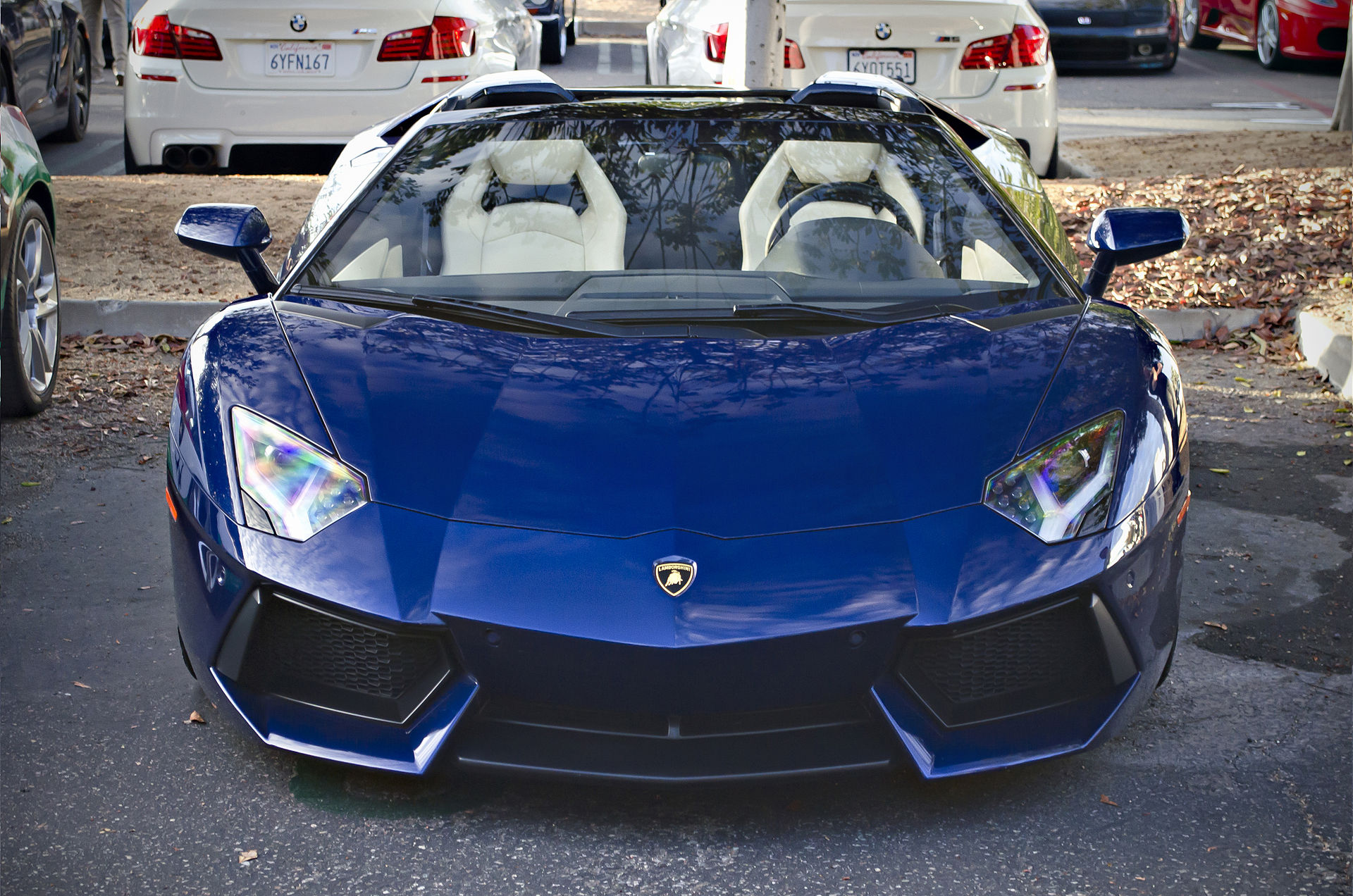
Depreciation Myth vs. Reality: The Aventador Paradox
Here's where the Aventador becomes genuinely interesting: it's actually appreciating in value. This is unusual for supercars. The Ferrari 812 Superfast loses 25–30% over five years. The Huracan loses about 20%. The Aventador? The early models have actually increased in value since 2011, and the limited-production SVJ and Ultimae variants are showing strong appreciation trajectories.
This appreciation is driven by scarcity and historical significance. The Aventador was produced for eleven years, but low-mileage examples—particularly the track-focused variants—are becoming increasingly rare. More importantly, the final production year (2022) models command significant premiums because buyers recognize that the era of naturally aspirated V12 Lamborghinis is over. The Ultimae, in particular, is limited to just 850 units worldwide, making it one of the rarest production Lamborghinis ever created.
Our analysis shows that well-maintained LP 700-4 models hold their value better than expected, S-variant cars appreciate modestly, SVJ coupes are appreciating at roughly 3–5% annually, and Ultimae variants—with their extreme rarity—are appreciating even faster. This doesn't mean buy an Aventador purely as an investment. But it does mean that unlike most supercars, you won't hemorrhage money over ownership. You might actually make money.
The ISR Transmission Problem: The Thing Nobody Wants to Admit
The Aventador's single-clutch ISR transmission is a masterpiece of engineering that turned out to be a nightmare of real-world usability. Let's be direct about this: if you're test-driving an Aventador and the transmission shudders or jerks between 1,500–3,000 rpm, that's the beginning of a problem that will cost you five figures to fix.
The ISR (Independent Shifting Rod) is a computer-controlled, single-clutch system that's faster at gear changes than a traditional dual-clutch but creates a unique disadvantage: it's jerky during low-speed driving. Early Aventadors (2011–2016) are particularly prone to transmission issues. Later models improved the software, but the fundamental architecture remained unchanged. Some owners report flawless operation at 40,000 miles. Others develop issues at 8,000 miles. It's inconsistent, expensive, and frankly, a major reason why Lamborghini switched to the dual-clutch system in the Revuelto.
Before purchasing any Aventador, specifically test for the following transmission symptoms:
- Shuddering or vibration between 1,500–3,000 rpm when cruising
- Delayed upshift response under light acceleration
- Clunking when shifting into reverse or first gear
- Loss of power momentarily during shifts
- Any hesitation or roughness during low-speed driving
A pre-purchase inspection must include a comprehensive transmission diagnostics scan, not just a test drive. Some issues are only detectable through the diagnostic computer, not through driver feel.

Reliability: The Engine is Solid, Everything Else is Questionable
The 6.5-liter naturally aspirated V12 is genuinely reliable. Owners report cars with 30,000+ miles showing zero engine issues. The engine was designed in the Audi-Lamborghini partnership and benefits from German engineering rigor. You're not going to have catastrophic engine failure.
The rest of the car, however, is more complicated. The transmission is problematic (addressed above). The carbon-ceramic brakes can develop noise and vibration. The carbon-fiber body panels can crack or delaminate if the car experiences any impact. The $3,000+ air filter replacement (yes, really) is a quirk of the Aventador's design. The infotainment system is outdated and occasionally glitchy. The hydraulic systems (suspension, cooling) require specialized knowledge to service.
Factor in that the Aventador is a low-volume production car, parts availability can be slower than mainstream supercars, and some dealers will charge you a premium for exotic car expertise. A simple fluid service that costs $500 on a 911 might cost $2,500 on an Aventador simply because fewer technicians understand the system.
How It Compares: Aventador vs. Ferrari 812 Superfast vs. Aston Martin DBS
If you're shopping in this segment, you're likely comparing the Aventador against other exotic V12s. Here's how it stacks up:
| Category | Aventador SVJ | Ferrari 812 Superfast | Aston Martin DBS |
|---|---|---|---|
| Engine | 6.5L NA V12 | 6.2L Twin-Turbo V12 | 5.2L Twin-Turbo V12 |
| Horsepower | 759 hp | 789 hp | 715 hp |
| 0–60 mph | 2.7s | 2.8s | 3.4s |
| Used Price | $450K–$600K | $200K–$280K | $180K–$240K |
| 5-Year Depreciation | Appreciating | ~22% | ~28% |
| Annual Maintenance | $6K–$9K | $4K–$7K | $3K–$6K |
| Sound | NA V12 — Extraordinary | Turbo V12 — Excellent | Turbo V12 — Excellent |
| Rarity | Ultra-limited (SVJ = 900 coupes) | Relatively common | Common |
| Reliability | Good (transmission risk) | Excellent | Very good |
| Daily Drivability | Poor | Excellent | Very good |
The Ferrari 812 Superfast is arguably the smarter purchase from a reliability and daily-driver standpoint. It's more usable, more reliable, and significantly cheaper to buy and maintain. The Aston Martin DBS is more affordable still but sacrifices power and pedigree. The Aventador's value proposition is emotional, not logical: you're paying for the naturally aspirated V12 experience, the historical significance of the final model, and the appreciating value that comes with ultra-limited production.
If you want a V12 supercar that's more practical, buy the Ferrari. If you want the last naturally aspirated V12 Lamborghini ever produced and you're willing to accept the transmission quirks and higher costs, buy the Aventador.
Daily Drivability: This is Not a Daily Driver
Let's be absolutely clear: the Aventador is a spectacularly impractical daily driver. The ground clearance is minimal—speed bumps are a genuine concern. The cabin is cramped compared to a 911. The fuel economy is terrible (11–13 mpg combined). The visibility is poor. The noise is constant—not unpleasant, but constant. Every grocery store trip becomes a production because the car draws stares and attention.
But here's the secret that most Aventador owners would admit off the record: that impracticality is kind of the point. You're not buying it to be practical. You're buying it to feel that V12 explosion every time you press the throttle. You're buying it to hear an engine that sounds like nothing else on the road. You're buying it to own a piece of automotive history before it's gone forever.
If you genuinely need a daily driver, buy the Huracan instead. It's more usable, less expensive, and the driving experience is nearly as good. The Aventador is for weekend drives, canyon runs, and track days—not for commuting.
Investment Potential: Could This Actually Make Money?
Unlike most supercars, the Aventador has genuine investment potential. The depreciation curve has flattened, and certain variants are actively appreciating. Here's why this matters and how to position yourself for upside:
First, production volume matters enormously. A car that was built 5,000 times (early LP 700-4s) has a different value trajectory than one built 250 times (Ultimae Roadster). The SVJ and Ultimae variants are the investment-grade options because they combine scarcity with historical significance. The LP 700-4 will hold value but won't appreciate much.
Second, specification matters. Original paint color, mileage, service history, and options all impact resale value. A well-maintained Ultimae with under 2,000 miles could be worth significantly more in five years than a 15,000-mile S variant.
Third, you need to actually drive the car and maintain it properly. Aventadors that sit in climate-controlled garages develop their own problems—seal leaks, battery degradation, fuel system issues. Drive it, enjoy it, and keep complete service records. This is your investment insurance.
For a deeper analysis of which Lamborghinis are appreciating, read our Best Supercar Investments 2026 guide.
The Emotional Case: Why People Actually Buy This Car
Every spreadsheet analysis misses the fundamental reason people buy Aventadors: the experience. Turn the key, and 769 horsepower of naturally aspirated V12 power erupts from behind your head. The engine note builds as rpms climb, creating a frequency that resonates in your chest cavity. It's not controlled, it's not turbocharged, it's just raw mechanical fury channeled through the most dramatic supercar body ever designed.
In Corsa mode, the Aventador transforms into a track weapon. The transmission holds gears until you're screaming at the limiter. The suspension firms to near-concrete stiffness. The steering weight increases. It's not the fastest supercar in the world, but it's one of the most rewarding to drive—and rewards matter more than lap times.
You're buying the last chapter of a mechanical engineering story that's being shut down forever. In five years, when every production supercar is turbocharged or hybrid, the naturally aspirated Aventador will be a museum piece. You'll have owned it. You'll understand why it mattered.
The Smart Way to Buy: Steps That Actually Protect Your Investment
Buying an Aventador requires more due diligence than most supercars because of the ISR transmission risk and the significantly higher purchase price. Here's the proven process:
Step 1: Define your realistic budget. This includes purchase price plus 24 months of running costs ($42,000–$74,000). If the total makes you uncomfortable, wait. The Aventador isn't going anywhere—supply is fixed.
Step 2: Choose your variant carefully. Research which production years and variants align with your needs. SVJ and Ultimae variants are appreciating. LP 700-4s are stable. Decide whether you want a coupe or roadster, and understand that scarcity commands premiums.
Step 3: Get an exhaustive pre-purchase inspection. This is non-negotiable. Hire a specialist who knows Lamborghinis intimately. Budget $1,500–$2,000 for a comprehensive inspection that covers the transmission, suspension, cooling system, brake condition, and full engine diagnostics. This single step can save you $30,000+ in hidden problems.
Step 4: Specifically test the transmission. Take multiple test drives in different conditions. Test acceleration from 1,500 rpm. Feel for shuddering, jerking, or hesitation. Listen for any grinding or unusual sounds. If anything feels wrong, walk away. The transmission is the deal-killer on a $400K+ car.
Step 5: Search broadly. The best-priced Aventadors are often in markets like Florida, Texas, and California. Check Bring a Trailer, Cars and Bids, and authorized Lamborghini dealers. Pricing varies dramatically by geography and variant.
Step 6: Negotiate from data, not emotion. Know the market value before you make an offer. Compare completed auctions, not asking prices. Factor in deferred maintenance. If the car needs a $15,000 brake service, that comes off the price.
Check our comprehensive Aventador buying guide for variant-by-variant recommendations and pricing benchmarks.
When NOT to Buy an Aventador
Transparency matters. Here are the situations where we'd tell you to walk away:
You're stretching financially. If buying the Aventador means draining your emergency fund or taking on high-interest debt, don't do it. Exotic car ownership should be comfortable, never stressful. The running costs are real, and the ISR transmission repair bills are brutal.
You can't afford the transmission repair. If a $15,000–$25,000 transmission repair would be financially catastrophic, the Aventador is too expensive. This is a genuine risk on used models, and it's not optional.
You need a reliable daily driver. The Aventador can technically be driven daily, but it shouldn't be. Poor visibility, minimal ground clearance, constant attention-drawing, and terrible fuel economy make it exhausting for regular use. Buy a Revuelto, a Ferrari 812, or a Huracan instead.
You haven't test-driven one. The Aventador is a very specific experience. Some drivers find the transmission annoying. Some dislike the cramped cabin. Some find the ride too harsh. Drive one before you commit. Discovering these issues after purchase is infinitely more expensive than discovering them beforehand.
You don't have proper insurance quotes. Aventador insurance isn't cheap. Get actual quotes before you buy. Don't assume; verify.
Planning Your Exit: How to Maximize Your Value When You Sell
The beautiful thing about the Aventador is that you can actually make money or at least break even on ownership. Here's how to position yourself for the best exit:
Color choice matters enormously. Yellow (Giallo Inti), green (Verde Mantis), blue (Blu Cepheus), and orange (Arancio Borealis) Aventadors command premiums of 5–15% over neutral colors. If you're buying with eventual resale in mind, choose a distinctive color.
Mileage matters, but provenance matters more. A well-documented 20,000-mile Aventador with complete service records is worth more than a 3,000-mile car with no maintenance history. Buyers want proof that the car was driven, enjoyed, and properly maintained—not that it sat in a garage developing seal leaks.
When you're ready to sell, use our Aventador selling service to handle the entire process. We handle market valuation, professional photography, buyer vetting, and transaction coordination. Learn more in our complete Lamborghini selling guide.
The Final Verdict
The Lamborghini Aventador is worth buying if you understand what you're actually buying: the last naturally aspirated V12 Lamborghini ever produced, an appreciating asset in a segment where most cars depreciate, and an emotional experience that no turbocharged or hybrid supercar can replicate. The engine is extraordinary. The design is iconic. The historical significance is genuine.
But buy with your eyes wide open about the ISR transmission risks, the elevated maintenance costs compared to competitors, and the absolute reality that this is a weekend car, not a daily driver. Get a proper pre-purchase inspection. Understand the costs. Choose the right variant for your needs. And recognize that owning an Aventador is a commitment to both the car and to automotive history.
Is it worth buying? For the right buyer, absolutely. For someone who hasn't done their homework or can't absorb a $20,000 transmission repair without stress, probably not. If you want help navigating this decision and finding the right Aventador at the right price, Automonitor is here to handle the heavy lifting. We've done this hundreds of times, and we know exactly what to look for.
Ready to Find Your Aventador?
Automonitor sources from certified dealers and private sellers, handles comprehensive inspections, and provides real market data so you can buy with total confidence.
Start Your Search →