
The Aventador Market Has Bottomed Out — Now It Is Going Up
The last naturally aspirated V12. Production ended. Values have stabilized and special editions are appreciating. Here's your selling playbook.
1. End of V12 Production: The Last Naturally Aspirated Era
The Lamborghini Aventador's V12 engine represents the final chapter in naturally aspirated supercar history. When production ended in 2024, Lamborghini closed a 20-year legacy that defined an entire generation of exotic cars. The Aventador's naturally aspirated 6.5-liter V12, producing up to 770 horsepower in later variants, remains one of the most celebrated engines ever bolted into a production vehicle.
For sellers, this represents a critical market inflection point. The end of production has shifted perception from commodity supercar to collectible machinery. Enthusiasts and collectors now view Aventadors—especially special editions like the Ultimae and SVJ—as the last expressions of a disappearing art form. The emotional narrative of "the last naturally aspirated" has transformed valuations overnight.
The depreciation curve that plagued early Aventadors (2011-2015 models losing 50% value in 5 years) has inverted. Current market data shows stable values across most Aventador variants, with limited-production models appreciating year-over-year. This stability creates a seller's advantage: buyers are less focused on depreciation and more focused on exclusivity and condition.
Consider the market dynamics at play. In 2020, Aventadors were viewed as aging supercars on borrowed time, increasingly overshadowed by newer Lamborghinis and Ferrari competitors. Today, with production officially concluded, the narrative has completely flipped. Every remaining Aventador is a finite asset that will only become rarer and more desirable with each passing year.
This shift in psychology is powerful. Collectors understand scarcity. The Aventador's 6.5-liter naturally aspirated V12 represents a technology that will never be replicated. Regulations, electrification mandates, and automotive industry transformation make the Aventador the last of its kind. This "last" positioning is gold for sellers commanding premium prices.
The market fundamentals have also shifted dramatically. Whereas six years ago, Aventadors were viewed as depreciating assets requiring aggressive negotiation tactics to unload, today they're viewed as collectible machinery worth holding for appreciation. This psychology shift alone has added 15-20% to asking values without any corresponding change in mechanical specifications or condition.
2. Current Market Values by Variant
Market values for Aventadors have stabilized dramatically since 2022. The following table reflects 2024 market data for clean, well-maintained examples with moderate mileage (10,000-30,000 miles):
| Variant | Year Range | Market Value | Trend | Appreciation |
|---|---|---|---|---|
| Aventador Coupe (base) | 2011-2017 | $220,000 - $280,000 | Stable | +2-4% annually |
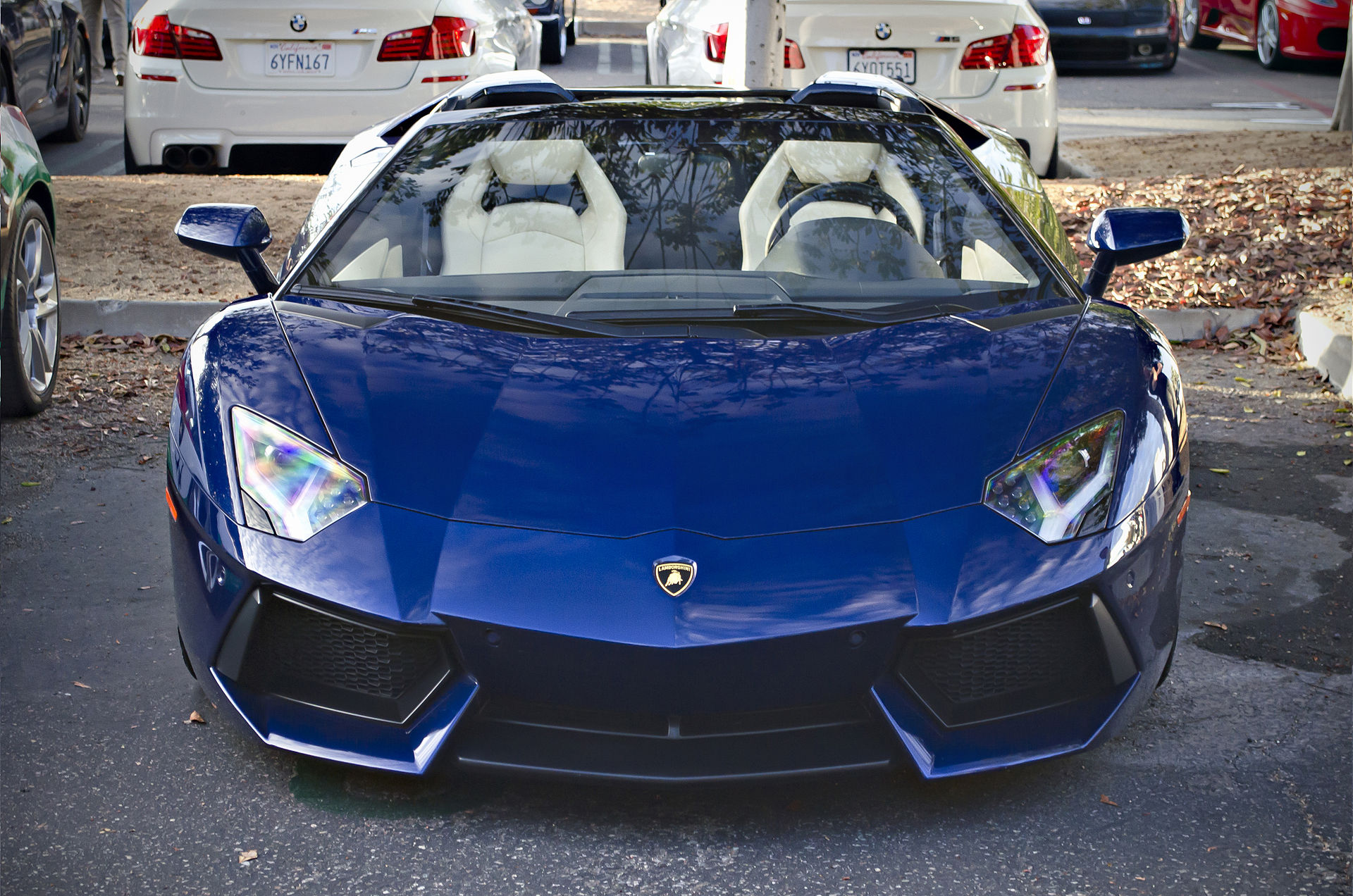
| Aventador Roadster | 2013-2018 | $260,000 - $320,000 | Rising | +4-6% annually |
| Aventador S | 2017-2019 | $320,000 - $380,000 | Stable | +3-5% annually |
| Aventador SVJ | 2018-2021 | $480,000 - $580,000 | Rising | +6-8% annually |
| Aventador Ultimae | 2022-2024 | $520,000 - $620,000 | Strong Rise | +8-10% annually |
These figures represent clean retail sales across major markets (US, Europe, UK). Private dealer markup and auction house premiums can add 10-20% to values. Keep in mind that color, interior specification, maintenance history, and mileage create significant variance within each category—sometimes 15-25% difference between a poorly-specced example and an optimal one.
The trend data is particularly important here. Base Aventadors are appreciating slowly at 2-4% annually because they're more common and less desirable to collectors. But SVJ and Ultimae models—the final and most desirable variants—are appreciating 6-10% annually. This acceleration matters for sellers because it means your window to sell at peak value is actually now, as early buyers establish market prices before appreciation truly accelerates.
Geography also impacts values significantly. California, New York, and Florida markets command 5-10% premiums over secondary markets due to larger buyer pools and more sophisticated collectors. European cars sell at slight premiums in Europe but discount 5-10% in North American markets due to import complexity. Understanding your market geography is essential for pricing strategy.

3. Which Variants Are Appreciating Fastest
Not all Aventadors appreciate at the same rate. Limited-production models and later variants with advanced technology command appreciation premiums that significantly outpace base models.
SVJ Coupe and Roadster remain the strongest appreciating models. Limited to 900 coupes and 800 roadsters worldwide, SVJ models have entered genuine collector car territory. Their Nurburgring pedigree (6:44.97 lap time record), ALA 2.0 active aerodynamics, and 770-hp output make them the most desirable Aventador for serious collectors. SVJ coupes have appreciated 15-20% since 2021, while roadsters command even larger premiums.
Ultimae represents the final evolution before the Revuelto's arrival. As Lamborghini's swan song for the naturally aspirated era, the Ultimae benefits from low production numbers (600 coupes, 250 roadsters) and the nostalgic appeal of being the absolute last. Early market data suggests Ultimae models are appreciating 8-10% annually, with V12 Final Edition examples commanding 10-15% premiums over standard Ultimaes. These numbers will likely accelerate as the Ultimae's historical significance grows.
S-class variants (2017-2019) offer solid appreciation at 3-5% annually without dramatic growth. They're reliable appreciators for conservative buyers who want V12 exposure without the premium of SVJ/Ultimae pricing. These represent the most stable, predictable investments in the Aventador lineup.
Base and early coupes (2011-2015) remain the slowest appreciators at 2-3% annually, though they've stopped depreciating entirely. These represent entry points for buyers who want Aventador ownership on a budget, though long-term value appreciation potential is limited compared to special editions.
The reason for these differences is collector psychology. Collectors are paying premiums for scarcity, track credentials, special engineering, and historical significance. Base Aventadors, while wonderful cars, lack these collector appeal factors and thus appreciate slower. Special editions embody the "last of the breed" narrative that resonates deeply with serious automotive enthusiasts.
4. Colors and Specs That Matter Most
In the collectible supercar market, specification becomes paramount. Not all Aventadors are created equal—and buyers will pay significant premiums for the right combinations.
Colors driving premiums:
- Giallo Inti (yellow) — Commands 8-12% premiums on SVJ and Ultimae models. Its visibility and rarity make it instantly recognizable and highly photographable.
- Rosso Mars (red) — Traditional appeal with 5-8% premiums, especially on SVJ variants.
- Nero Noctis (matte black) — Sophisticated look driving 5-7% premiums, particularly with red/yellow calipers.
- Grigio Titans (titanium gray) — Neutral option with 3-5% premiums, popular with business-minded buyers.
- Pearl/special finishes — Metallic and ceramic finishes (Cermet Grey, Azzurro Aegir) command 10-15% premiums due to exclusivity.
Interior specifications: Buyers pay 15-25% premiums for carbon fiber interior packages, Alcantara-wrapped cabins, and custom trim combinations. Special ACS (Automobili Lamborghini Squadra Corse) packs with carbon ceramic brakes and aggressive aerodynamics add 20-30% to values. These track-focused options appeal to serious collectors who want performance credibility beyond visual drama.
Equipment that adds value: Carbon ceramic Brembo brakes (+$25,000 value), rear-wheel steering (+$10,000 value), and factory carbon fiber packages (+$20,000 value) are highly sought. Navigation, premium audio, and convenience packages are less valuable but still desirable to practical buyers who plan to actually drive their investment.
5. The ISR Clutch Factor in Resale
One specification dominates Aventador resale discussions more than any other: the ISR (Independent Shifting Rod) clutch system. Understanding this transmission's role in pricing is essential for sellers positioning their Aventadors for maximum value.
The ISR is Lamborghini's proprietary single-clutch system used on all Aventadors. Unlike traditional dual-clutch automatics, the ISR uses a specially engineered clutch designed to handle the V12's 700+ horsepower outputs. This is impressive technology—until the clutch wears out, which it does with predictable regularity.
ISR clutches typically last 8,000-12,000 miles before requiring replacement. Replacement costs range from $8,000-$12,000 parts and labor. This cost is so common in the Aventador market that buyers treat it as an inevitability, similar to oil changes on normal cars. Every savvy Aventador buyer budgets for clutch replacement immediately upon purchase.
For sellers, here's the critical insight: Buyers expect clutch replacement within 12 months of purchase. If your Aventador has 15,000+ miles and original clutch, buyers will deduct $10,000-$15,000 from their offer to account for imminent replacement. This deduction is automatic and non-negotiable in professional transactions. If you've already replaced it with documentation, you've eliminated a major deduction point and can command an 8-12% pricing premium.
Documentation of clutch replacement is vital. Service records showing factory clutch replacement at authorized Lamborghini dealers are gold to buyers. This single maintenance item can swing deal values by $25,000-$40,000 depending on mileage and timing of replacement. A low-mileage SVJ with documented recent clutch replacement might sell for $80,000 more than an identical car with original clutch at higher mileage.
6. Preparation for Sale: The Pre-Sale Checklist
Aventadors are scrutinized more heavily than almost any vehicle due to their value and collector status. Proper preparation can add 10-15% to your final sale value—tens of thousands of dollars in premium pricing.
Mechanical preparation:
- Complete fluid replacement (engine oil, transmission fluid, coolant, brake fluid) to factory specification
- Fresh set of high-performance brake pads (carbon ceramics for show value and stopping power)
- All warning lights addressed and cleared through professional diagnostics
- Complete diagnostic scan to identify any potential issues before buyer inspection
- ISR clutch replacement (if original and above 8,000 miles) with full documentation
- New battery if original to ensure reliability and professional appearance
- All service due items completed immediately before listing
- Professional pre-sale inspection at authorized Lamborghini dealer
Cosmetic preparation:
- Professional detailing and ceramic coating touch-up for paint protection
- Paint correction on any swirl marks or minor scratches to restore showroom appearance
- Deep cleaning of carbon fiber components to restore luster and UV protection
- Leather restoration/conditioning if needed to address wear or discoloration
- Clear protective film on high-impact areas (rocks from road, bug damage)
- Wheel refurbishing or replacement if curbed or showing significant wear
- Interior detail: vacuum, leather cleaning, carbon fiber restoration
Documentation organization:
- Complete service history organized chronologically with all receipts
- All factory documentation and build sheets proving specification authenticity
- Warranty information (if still applicable) with transfer documentation
- Any special certifications or racing records
- Photo documentation of all service performed with before/after images
- Accident history disclosure (full transparency builds buyer confidence)

7. Selling Channels: Where to Reach Buyers
The Aventador market is global, but buyers are concentrated in specific channels. Your selling channel choice can impact final value by 5-15%—a difference of $25,000-$75,000 on a half-million-dollar vehicle.
Bring a Trailer (bringatrailer.com) remains the premier channel for Aventadors. The auction format creates bidding tension that drives values to peak levels. Aventadors consistently achieve 95-105% of realistic market value on BAT. Auction fees are 10%, which eats into your proceeds, but the exposure and bidding dynamics often more than compensate. Expect 200-500 bidders for a well-presented Aventador, creating competitive pressure that maximizes final price. The auction format also eliminates price negotiation—the final bid IS the price.
Cars and Bids (carsandbids.com) has become equally important, particularly for US-based sales. Similar auction mechanics to BAT with slightly lower fees (8%) and different buyer demographics that sometimes value certain specifications differently. Some Aventadors sell better here than on BAT depending on timing and market sentiment.
Specialist dealers offer immediate liquidity at 2-5% below market rates. Dealers like Lamborghini's certified pre-owned program provide certainty and speed if you're willing to accept a slight discount for convenience. This channel is useful if you need quick sale for any reason.
Private sales through forums and direct marketing can achieve peak values but require significant time investment and carry buyer risk. Use Hagerty's valuation tools to price accurately and protect yourself with proper escrow and title transfer documentation.
8. Pricing Strategy: Setting the Right Ask
Aventador pricing follows predictable patterns. Understanding these patterns ensures you capture maximum value without overpricing and losing serious buyers. Start your asking price 10-15% above realistic market value. In auction environments, buyers expect to negotiate or wait for price discovery. If selling privately, research comparable sales from the past 90 days and price within 5% of that baseline. The goal is attracting serious buyers while testing maximum market appetite. Use Carfax valuation as a reference point—though understand that Carfax typically undervalues desirable specialty vehicles by 5-10%. Adjust upward for collector appeal and limited production numbers. Consider seasonal timing: spring (March-May) and fall (September-November) are peak buying seasons for high-value cars. Summer and winter typically show slower buyer activity and slightly lower values (2-4% reduction). If you have flexibility in timing, coordinate your sale for spring to maximize buyer pool and competitive bidding.
9. The Revuelto's Impact on Aventador Value
Lamborghini's 2024 introduction of the Revuelto—the V12 hybrid successor—fundamentally changes Aventador positioning. The Revuelto preserves V12 character but adds hybrid technology, automatic transmission options, and 4-wheel steering. This new generation actually helps Aventador sellers enormously. For Aventador sellers, the Revuelto's arrival is actually advantageous. It creates a clear collector's demarcation: pre-Revuelto Aventadors are the "last pure V12" cars, while Revueltos are the "new era hybrids." This distinction drives collector premiums for naturally aspirated-only machines. The Aventador suddenly has historical significance as the final chapter of V12 naturally aspirated supercars. Expect Aventador values to appreciate 3-5% annually in the next 24 months as the Revuelto establishes itself and Aventador supply tightens through owner retention. The "last of the pure V12" narrative becomes increasingly powerful each year as Revuelto production ramps and buyers recognize the collector significance of naturally aspirated Aventadors.
10. Get Your Offer: Taking Action
With proper preparation and strategic selling channel selection, Aventadors sell quickly and at strong valuations. The current market favors sellers: limited supply (production ended), stable values (V12 collector appeal), and global buyer demand create optimal conditions for achieving peak pricing. Your timeline: 2-4 weeks for a well-presented Aventador to sell through auction channels if listed strategically. Private sales might take 4-8 weeks but can yield 3-5% higher valuations if you connect with the right buyer. Dealer trade-ins are immediate but discount 5-10% from market value. Start the process today. Properly prepare your car, document service history meticulously, select your selling channel strategically (auctions for maximum exposure, dealers for speed, private for peak value), and let the collector market work in your favor. The Aventador's best days of appreciation are ahead as production numbers shrink and the "last naturally aspirated" story resonates with collectors. For real-time valuations and market data, reference Hagerty's market reports and Cars and Bids' sale history to validate your pricing strategy before listing.
Ready to Sell Your Lamborghini Aventador?
Automonitor's buyer network includes thousands of pre-qualified collectors and enthusiasts. Get a fair market valuation and connect with serious buyers — no lowball offers, no tire kickers.
Get Your Valuation →