Huracan STO Ownership Costs: From Street Use to Full Track Attack
1,405 built, race-car DNA, track-car expenses.
The Race Car for the Road: What It Actually Costs
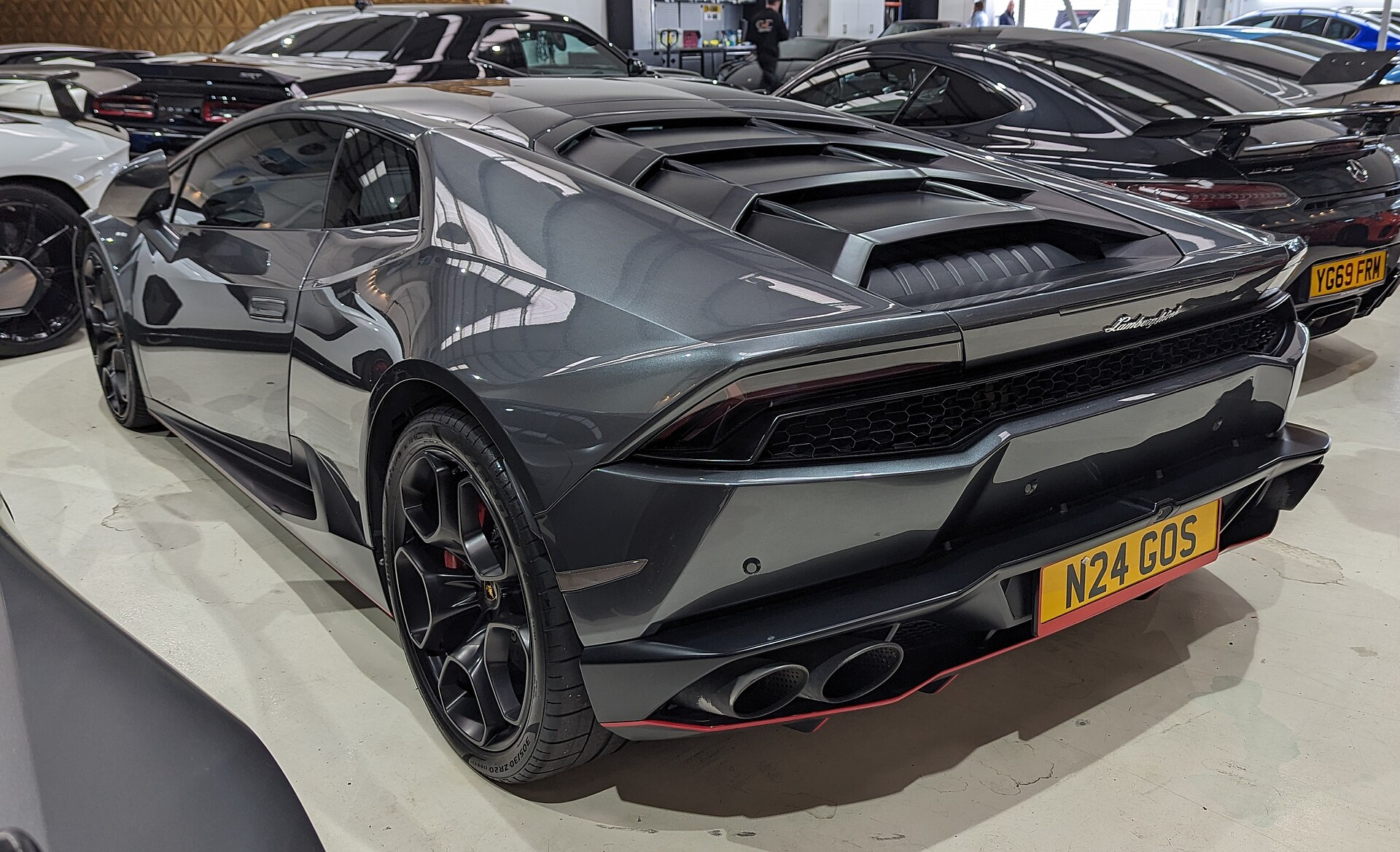
The Lamborghini Huracan STO—Super Trofeo Omologata—wears its motorsport origins in every detail, from the dramatic COFANGO one-piece front clamshell to the magnesium wheels that save unsprung weight at considerable expense to replace. Derived directly from the Huracan Super Trofeo EVO race car, the STO was built to be tracked. And tracking a purpose-built race car derivative has costs that prospective owners must understand thoroughly before signing a purchase agreement.
With only 1,405 units produced during 2021–2022 and an original MSRP of $327,838, the STO commands $300,000–$400,000 on the secondary market depending on specification and condition. But the purchase price—significant as it is—represents just the beginning of the STO cost conversation. This is a vehicle where the annual cost of actually using it as designed can approach or exceed the carrying costs of the vehicle itself. Understanding this dynamic isn't meant to discourage ownership; it's meant to ensure owners budget accurately and enjoy the experience without financial anxiety.
Current Market Pricing
The STO's secondary market shows clear stratification based on mileage, track history, and specification. Unlike some limited-production Lamborghinis, the STO's identity as a driver's car means mileage is somewhat more accepted—buyers expect these cars to have been driven—but ultra-low-mileage "collector" examples still command premiums.
| Configuration | Mileage | Price Range |
|---|---|---|
| Standard spec, common colors | Under 1,500 mi | $350,000–$400,000 |
| Standard spec, common colors | 1,500–5,000 mi | $320,000–$360,000 |
| Standard spec, common colors | 5,000–10,000 mi | $300,000–$330,000 |
| Ad Personam / race livery | Under 3,000 mi | $370,000–$420,000 |
| Documented track history | Any mileage | -5 to -10% vs. non-track equivalent |
Notably, documented track history modestly reduces STO values. While the car is designed for track use, buyers recognize that tracked vehicles experience accelerated component wear. This creates a paradox: use the STO as intended and it's worth slightly less; preserve it and it's worth slightly more but you've missed the point entirely. Most knowledgeable buyers in this segment understand and accept this dynamic, and the discount is modest—not the catastrophic value destruction some sellers fear. Recent Bring a Trailer and Cars and Bids results confirm this relatively narrow spread between tracked and untracked examples.
Insurance: Standard Exotic with Track Complications
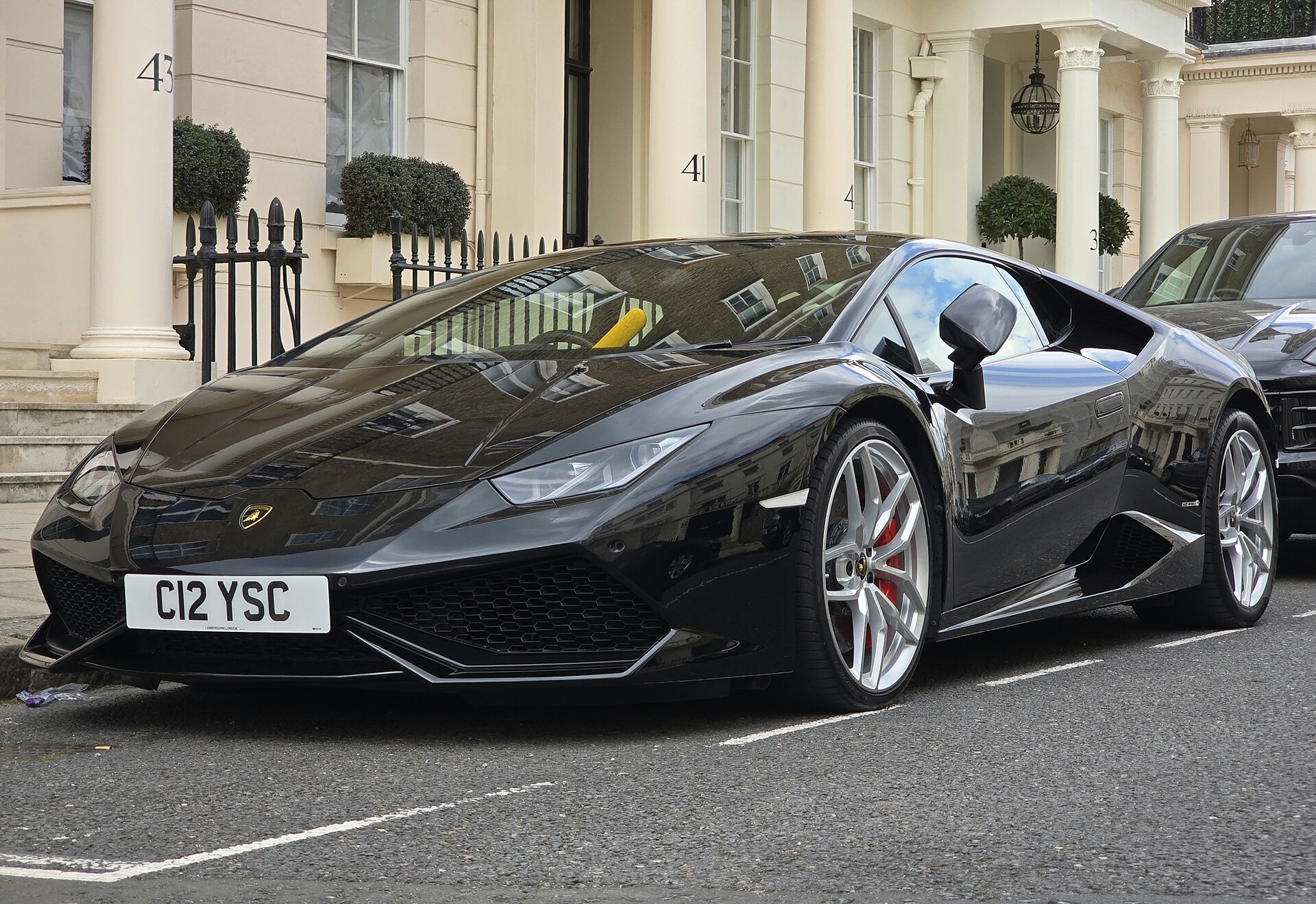
Base insurance for the STO costs $6,000–$10,000 annually through mainstream insurers—slightly higher than standard Huracan variants due to the higher value and track-focused positioning. Agreed-value coverage through Hagerty runs $4,500–$7,500 annually for a $340,000 valuation.
The critical insurance consideration for STO owners is track coverage. Most standard policies and even most agreed-value collector policies explicitly exclude track use. Separate track day insurance is available through specialty providers at $500–$1,500 per event depending on coverage level and track. For owners planning 6–12 track events annually, this adds $3,000–$18,000 to annual insurance costs—a significant but essential expense. Operating an STO on track without proper insurance coverage risks total financial exposure on a $340,000+ asset.
Some owners elect to "self-insure" track use—accepting the risk of damage during track events without dedicated track coverage. While this eliminates track insurance premiums, it creates significant financial exposure. A single incident involving the COFANGO front clamshell ($15,000–$25,000) or magnesium wheel set ($20,000–$32,000) can easily exceed the annual cost of track day insurance policies.
Maintenance: Race-Derived Components Mean Race-Adjacent Costs
The STO shares the Huracan's V10 engine and dual-clutch transmission, so core powertrain maintenance costs mirror other Huracan variants. However, the STO's race-derived components introduce additional maintenance considerations that elevate overall costs above standard Huracan levels.
Annual service ($2,500–$3,500): Standard oil and filter change, fluid inspections, electronic diagnostics. The STO's additional inspections include rear wing mechanism verification, COFANGO panel alignment check, and magnesium wheel condition assessment. These STO-specific items add approximately $500–$1,000 to standard Huracan annual service costs.
Major service at 2-year intervals ($5,500–$8,500): Complete fluid replacement, spark plugs, transmission service, differential service, brake system service. STO-specific major service items include rear wing actuator inspection and lubrication, COFANGO hinge mechanism service, and comprehensive aero system calibration verification. The STO's more aggressive track alignment settings require verification during major service, with adjustment costing an additional $500–$800 if needed.
Track alignment vs. street alignment: The STO offers different alignment configurations optimized for track or street use. Switching between configurations requires professional alignment service at $500–$800 per session. Owners who alternate between track and street driving may need alignment adjustments quarterly or more frequently, adding $2,000–$3,200 annually to maintenance costs. Many dedicated track users maintain a single aggressive alignment and accept the compromise on street comfort.
The COFANGO Factor: Beautiful and Expensive
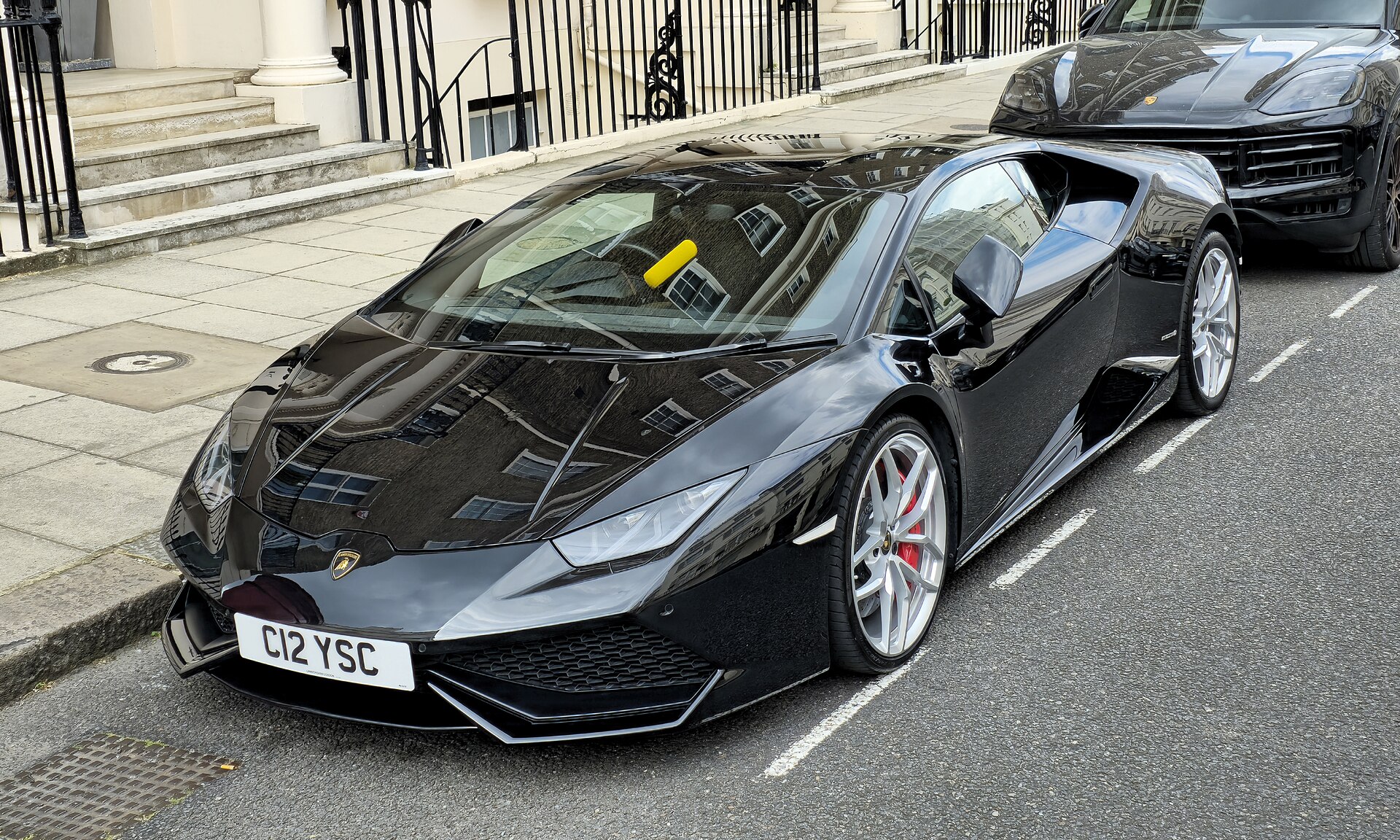
The STO's most visually distinctive feature—the one-piece COFANGO (COFano/fANGO, Italian for hood/fender) front clamshell—represents one of its most significant potential cost centers. This massive carbon fiber panel integrates the front bumper, fenders, and hood into a single piece that tilts forward for engine access. It's a stunning piece of engineering that delivers genuine weight savings and dramatic visual impact.
However, damage to the COFANGO is expensive to repair. Minor stone chip damage can be addressed with spot repairs at $1,000–$3,000. Moderate damage requiring panel sectioning or significant carbon fiber repair runs $5,000–$12,000. Complete COFANGO replacement—necessary after significant impact or structural damage—costs $15,000–$25,000 for the part alone, plus $3,000–$5,000 in painting and fitting. Full-body paint protection film from XPEL ($7,000–$12,000) is considered essential investment for any STO that will be driven regularly, particularly on track where debris is common.
Track Consumables: Where Costs Escalate
The STO's track-focused nature means its consumable costs scale dramatically with actual track use. This section details the real-world costs of using an STO on circuit—the environment it was engineered to dominate.
Tires: Pirelli P Zero Corsa or Trofeo R tires ($3,000–$4,500 per set). Street-only driving yields 6,000–10,000 miles per set. Track driving consumes tires dramatically faster—aggressive circuit use can wear through a set in 3–5 track days. At 8–12 track events per year, tire costs alone can reach $12,000–$20,000 annually. This represents the single largest variable cost in STO ownership.
Brakes: Carbon ceramic rotors ($18,000–$28,000/set, lasting 30,000–50,000 miles on street, 15,000–25,000 miles with track use). Brake pads ($2,500–$4,000/set, lasting 10,000–15,000 miles mixed use). Track-heavy owners should budget $6,000–$10,000 annually for brake consumables. Brake fluid requires more frequent replacement with track use—every 6 months versus annually for street-only use ($200–$400 per service).
Magnesium wheels: The STO's factory magnesium wheels save approximately 12 kg over aluminum equivalents, contributing to the car's extraordinary agility. However, magnesium wheels are fragile—curb contact, track kerbing, or significant pothole impact can crack rather than bend a magnesium rim. Individual wheel replacement costs $5,000–$8,000 each. A complete set replacement runs $20,000–$32,000. Many track-focused owners maintain a second set of aluminum wheels ($6,000–$10,000 for quality aftermarket) dedicated to track use, preserving the factory magnesium set for road driving and shows.
Cost Comparison: Road Car vs. Track Weapon
| Annual Cost | Road Only (2K mi/yr) | Light Track (4 events/yr) | Heavy Track (10+ events/yr) |
|---|---|---|---|
| Insurance | $7,000 | $10,000 | $18,000 |
| Maintenance | $3,000 | $5,500 | $8,000 |
| Tires | $3,500 | $8,000 | $18,000 |
| Brakes | $1,500 | $4,000 | $9,000 |
| Fuel | $2,500 | $5,000 | $8,000 |
| Track Entry Fees | $0 | $3,000 | $10,000 |
| Alignment Changes | $0 | $1,600 | $3,200 |
| Storage | $4,000 | $4,000 | $4,000 |
| Total Annual | $21,500 | $41,100 | $78,200 |
The cost escalation from road to heavy track use is nearly fourfold—a reality that every STO buyer must confront honestly. The road-only STO is a relatively affordable exotic to maintain. The heavily tracked STO is one of the most expensive production cars to operate on an annual basis, rivaling genuine race car running costs.
Five-Year Total Cost of Ownership
| Cost Category | Road Only | Light Track | Heavy Track |
|---|---|---|---|
| Purchase Price | $340,000 | $340,000 | $340,000 |
| Carrying Costs (5 years) | $107,500 | $205,500 | $391,000 |
| Depreciation / Appreciation | +$20,000 | $0 | -$30,000 |
| Net 5-Year Cost | $87,500 | $205,500 | $421,000 |
| Annual Net Cost | $17,500 | $41,100 | $84,200 |
The road-only STO owner spends approximately $17,500 annually—competitive with many far less exotic vehicles. The lightly tracked owner faces $41,000 annually—significant but justifiable for the quality of driving experience received. The heavy track user faces costs approaching $85,000 annually—a number that requires genuine financial commitment but delivers an experience that few other street-legal vehicles can replicate. Explore our STO buyer's guide for purchase strategies or selling guide for optimal exit timing.
Spare Parts Strategy for Track Users
Experienced STO track enthusiasts often maintain a strategic inventory of spare parts to minimize downtime and ensure track weekend readiness. A complete spare wheel and tire set (aluminum aftermarket, not magnesium factory) costs $6,000–$10,000 and eliminates the risk of a cracked wheel ending your track day prematurely. A spare set of brake pads ($2,500–$4,000) ensures immediate replacement when current pads reach minimum thickness. A spare COFANGO, while expensive at $15,000–$25,000, provides insurance against front-end contact damage that would otherwise sideline the vehicle for weeks while parts are ordered.
The total investment in a reasonable spare parts kit—second wheel/tire set, spare brake pads, essential fluids, and common wear items—ranges from $10,000 to $20,000. This investment isn't strictly a recurring cost (parts are consumed over time rather than expiring), but it represents real capital tied up in STO ownership that isn't captured in standard cost-of-ownership calculations. For serious track users, this spare parts inventory is as essential as the vehicle itself. Additionally, consider the cost of transporting the STO to distant circuits—enclosed trailer rental runs $500–$1,000 per weekend, or $2,500–$4,500 for professional enclosed transport one-way. Some dedicated track owners invest in their own enclosed trailer ($15,000–$40,000) to reduce per-event transport costs and provide convenient pit-area storage for spare parts, tools, and equipment during track weekends.
Competitive Track Car Cost Comparison
Evaluating the STO's track costs in context reveals interesting positioning against competing track-focused alternatives. The Porsche 911 GT3 RS costs approximately $250,000–$350,000 to purchase with annual track-focused costs of $25,000–$45,000—moderately lower than the STO due to cheaper consumables and simpler components. The Ferrari 296 Challenge delivers a more extreme track experience at $350,000–$500,000 with comparable annual costs. The McLaren 765LT, despite its lower purchase price ($350,000–$420,000), generates similar track operating costs due to expensive carbon fiber component repairs and turbo system maintenance.
Purpose-built track cars like the Radical SR8 or Praga R1 cost dramatically less to purchase ($100,000–$200,000) and operate on track ($15,000–$25,000 annually), but sacrifice any road-driving capability and the social cachet of Lamborghini ownership. The STO's unique value proposition—a car that can drive to the track, set competitive lap times, and drive home—commands a premium over dedicated track machines that require trailer transport and cannot be enjoyed on public roads.
The STO's depreciation dynamics further improve its competitive position. While track-focused Porsches and Ferraris typically hold value well, the STO's limited production run of 1,405 units and its status as the final rear-wheel-drive naturally aspirated V10 Huracan provide collector-market support that track competitors lack. This appreciation potential partially offsets the STO's higher consumable costs, making the net cost of ownership more competitive than raw annual operating figures suggest.
Professional Driver Coaching: A Cost Worth Considering
One frequently overlooked STO ownership cost—one that actually reduces other costs—is professional driver coaching. Track instruction programs from organizations like Skip Barber Racing School, BMW Performance Center, and independent exotic car coaching services cost $1,000–$3,000 per day. This investment pays dividends through improved driving technique that reduces tire wear (smoother inputs extend tire life 20–30%), brake wear (proper trail braking technique significantly reduces thermal stress), and accident risk (the single largest potential cost event in STO ownership). Many experienced STO track owners report that a single coaching day improved their on-track efficiency enough to save the coaching cost in reduced consumable wear within the first 3–4 subsequent track sessions. Investing in the driver, not just the car, represents perhaps the highest-return expenditure available to STO owners who intend to use their vehicles on circuit. For buying strategies, see our STO buyer's guide, and explore selling strategies for optimal liquidation timing.
Conclusion: Budget for the Experience, Not Just the Car
The Huracan STO teaches a valuable lesson about exotic car ownership: the purchase price is merely the entry fee. The real cost of ownership scales directly with how fully you embrace the vehicle's intended purpose. Buyers who understand this dynamic and budget accordingly discover one of the most rewarding driving experiences money can buy. Those who purchase an STO without accounting for track consumables, insurance, and maintenance face unpleasant financial surprises. Plan honestly, budget generously, and the STO delivers an ownership experience that justifies every dollar spent.
Want Real-Time Lamborghini Huracan Sto Pricing?
Automonitor tracks actual transaction data across our dealer network — not estimates, not asking prices. Whether you're buying or selling, start with the numbers that matter.
See Current Market Data →