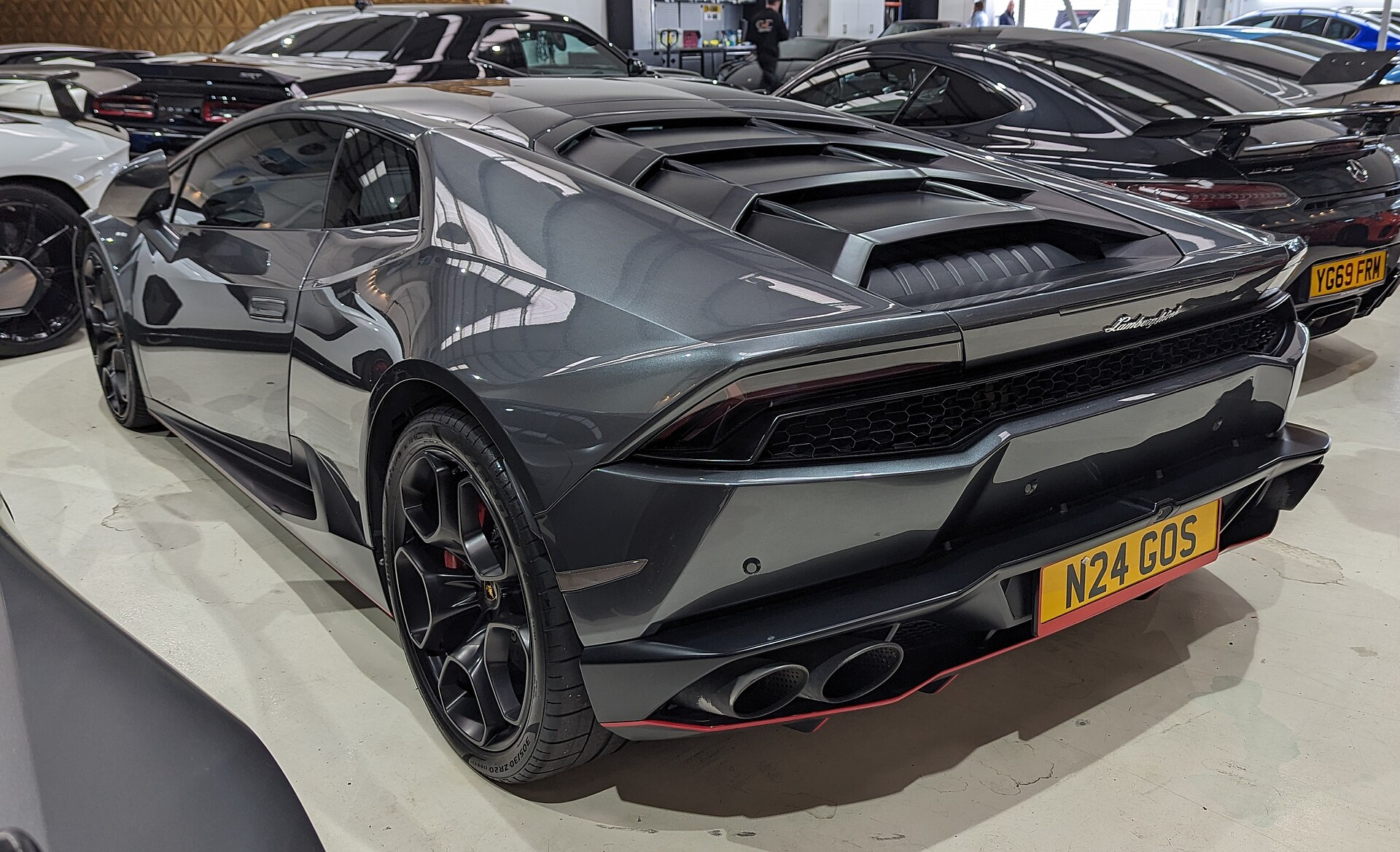
Selling Your STO: Marketing a Race Car to Drivers Who Understand
1,405 track-focused machines. Only 1,405.
Selling the Huracan STO: The Race Car For the Road and the Driver Who Understands
The Lamborghini Huracan STO (Super Trofeo Omologato) represents a fundamentally different sales proposition than virtually any production car. Produced from 2021-2022 with only 1,405 examples manufactured, the STO is not a supercar that happens to be track-capable. It is a customer racing car that Lamborghini's engineers reluctantly adapted for street legal operation. This crucial distinction creates unique sales dynamics requiring different positioning philosophy than conventional supercars. The STO attracts a specific buyer: the performance engineer, the serious driving enthusiast, the individual who views automotive ownership as extension of mechanical competency and driving skill rather than status symbol. Understanding and serving this specific buyer maximizes your STO's realized value.
Current market pricing reflects the STO's pure-performance positioning: $300K-$380K for pristine examples, $280K-$340K for excellent examples, with lower-mileage examples commanding substantial premiums. This pricing sits above the Performante's range yet overlaps Tecnica position. However, STO buyers operate on different valuation criteria entirely—they evaluate based on motorsport credentials, race-car authenticity, and mechanical performance potential rather than conventional supercar metrics. This creates potential for strong prices if you properly position toward genuine performance enthusiasts rather than status buyers.
Motorsport Heritage as Core Selling Narrative
Your fundamental sales advantage is that the STO derives directly from the Super Trofeo customer racing program—the most successful Lamborghini racing series in history. The Super Trofeo championship represents Lamborghini's primary grassroots racing program, with hundreds of privateer drivers competing annually across multiple regions worldwide. STO buyers understand this heritage viscerally. They follow Super Trofeo races. They appreciate that suspension geometry, aerodynamic configurations, brake specifications, and transmission calibrations derive from competition-proven platforms. This connection to authentic motorsport appeals far more powerfully than any marketing claim about "track-focused design."
Your sales positioning should emphasize this heritage relentlessly: "This machine shares suspension architecture, aerodynamic principles, and mechanical fundamentals with competition-proven race cars. The engineers didn't design a street car and add race features—they engineered a race car and adapted it for street legality." For the right buyer, this distinction means everything. These buyers don't want plastic aero bolted onto a standard platform. They want genuine motorsport translation. The STO delivers precisely this. Research specific Super Trofeo race results to provide concrete context to your sales narrative.
Understanding the STO Buyer Psychology
STO buyers represent a specific demographic: typically experienced drivers with track experience, often Lamborghini brand enthusiasts, frequently engineers or technically sophisticated professionals, almost universally serious about vehicle engagement over status. These buyers have often attended track days, participated in club racing, or seriously studied automotive dynamics. They evaluate vehicles from first-principles perspective: what does this machine do mechanically, and can I exploit its capabilities through driving skill?
Status buyers usually pass on STO. The Tecnica offers similar performance with better daily usability and less extreme visual drama. The standard Huracan offers better comfort and practicality. Buyers purchasing for brand prestige alone typically select more civilized variants. STO buyers purchase because they understand what they're buying, they appreciate authentic motorsport credentials, and they're willing to pay premium for genuine performance engineering. This self-selection creates tremendously appealing buyer base from sales perspective: they understand what they're evaluating, they appreciate authentic motorsport credentials, and they're willing to pay premium for genuine performance engineering.
Technical Specifications as Sales Foundation
STO powertrain delivers 640 horsepower from the final-generation 5.2L V10 engine. While horsepower matches Tecnica, the STO's rear-wheel-drive-only configuration, single-clutch transmission architecture, and extreme suspension geometry create entirely different mechanical experience. The COFANGO front clamshell (carbon fiber exclusive front body section) reduces unsprung weight and improves mass distribution. Magnesium wheels reduce rotational inertia compared to aluminum. Extreme suspension geometry optimized for track operation creates notably firmer ride quality than standard Huracan or even Tecnica. Carbon fiber brakes and titanium exhausts complete the weight reduction program.
The single-clutch gearbox represents fundamental compromise: provides rapid shifts and direct mechanical connection that enthusiasts appreciate, yet requires active driving engagement (no comfort mode) and lacks dual-clutch's seamless upshift capability. Buyers transitioning from modern dual-clutch cars often struggle with STO's manual-shift-feel architecture. Experienced drivers often prefer this mechanical engagement. Your sales positioning should address this honestly: emphasize the deliberate mechanical engagement for capable drivers, acknowledge adjustment period for comfort-car migrants.
Rear-wheel-drive-only architecture represents STO's most dramatic differentiation. All-wheel-drive is standard across virtually every modern supercar for safety and ease. STO's RWD-only approach prioritizes driver engagement over traction control. This requires driver competency. A novice driver in STO can quickly reach the machine's limits. An experienced driver finds precisely the mechanical feedback and directional control that separates STO from competitors. Market this honestly: "RWD requires driver skill but rewards it with unmediated mechanical response. This machine doesn't forgive mistakes—it demands competency and delivers magic when you deliver the skill."
Valuation Driven by Specification and Usage History
STO pricing divides into distinct value tiers. Pristine, zero-track-history examples command $350K-$380K if mileage is minimal (under 1,000 miles) and documentation is complete. Excellent condition, street-only use trades in $320K-$360K range for 3,000-6,000 miles. Very good condition, occasional track use operates in $290K-$330K range for 5,000-8,000 miles. Good condition, regular track use moves to $260K-$300K for 8,000-12,000 miles. These tiers reflect buyer psychology more than mechanical difference.
Track history creates discontinuous valuation impact. Evidence of professional track operation (alignment settings, brake dust patterns, minor cosmetic track damage) creates 5-10% discount from pristine positioning but appeals to performance-focused buyers. Evidence of amateur track abuse (unrepaired collision damage, alignment neglect, tire damage from track incidents) creates 10-20%+ discounts and raises serious buyer concerns about mechanical hidden damage. Professional track operation evidence signals competent vehicle stewardship.
The critical differentiator: pristine street-only examples command premium positioning ($350K+), while tracked examples command lower positioning ($260K-$300K) despite mechanical equivalence. This gap reflects buyer psychology—collectors willing to purchase high-value examples prefer vehicles preserved in museum condition, while performance enthusiasts purchasing tracked STO examples accept and expect evidence of actual usage. Match your buyer persona to your vehicle's history.
Positioning Options: Preserved Collector vs. Experienced Driver's Tool
Your STO occupies one of two positions depending on its history. If garage-kept with minimal mileage and no track usage, position as collector-oriented preserved example: emphasize rarity, condition preservation, original specification, and investment positioning. Market to collectors viewing STO as appreciating limited edition. This positioning justifies $340K-$380K pricing for pristine examples. Emphasize that you recognized the STO's collectible nature from day one and preserved accordingly.
Alternatively, if your STO shows evidence of regular driving and track use with proper maintenance, position as experienced driver's machine: emphasize that this is a car that's been used for its intended purpose, properly maintained despite active usage, and represents genuine performance realization rather than speculative asset. This positioning appeals to knowledgeable buyers who understand that track-used cars with complete service documentation represent better value than garage queens. This positioning justifies $280K-$330K pricing depending on usage evidence and maintenance quality.
The critical error is attempting to hide evidence of track use or drive-focused operation—informed buyers research thoroughly and detect inconsistencies. Instead, embrace your vehicle's usage history if genuine: "This machine has been driven competently by an experienced owner who maintained it meticulously despite active use. You're purchasing proven, sorted mechanical foundation rather than untested preserved example." This narrative appeals powerfully to the right buyers.
Documentation and Maintenance Records
STO buyers place tremendous emphasis on maintenance documentation, particularly for track-used examples. Complete dealer service records from acquisition through present add measurable value premium, signaling responsible ownership despite usage. Documentation of specific performance items (brake fluid changes before track days, tire rotations, suspension geometry checks) appeals to performance-focused buyers who recognize these items indicate competent vehicle stewardship.
For track-used vehicles, compile documentation of: professional alignment before and after track usage, tire rotation schedule, brake service intervals, any suspension or mechanical adjustments, fuel octane maintenance (tracking fuel quality matters for performance engines). This documentation appeals powerfully to potential buyers and justifies premium positioning within track-used category. Buyers recognize that conscientious owners produce better vehicles. Digital organization with timestamps builds additional confidence in maintenance consistency.
Conversely, track-used vehicles with sporadic or missing maintenance records create serious buyer hesitation. Buyers wonder: what else has been neglected? What hidden damage exists? Missing documentation justifies 5-10%+ discounts reflecting buyer's risk premium and future diagnostic requirement.
Matching Marketing to Buyer Segment
Avoid conventional supercar marketing emphasizing prestige or status. Instead, market technically to performance enthusiasts. Emphasize engineering details: suspension architecture, brake specifications, aerodynamic efficiency, weight reduction, powertrain characteristics. Create content addressing technical buyer questions: "How does RWD-only architecture affect handling characteristics?" "What's the rationale behind single-clutch transmission?" "Why does STO suspension ride firmer than Tecnica?" "How does COFANGO front clamshell improve structural rigidity?" Technical answers appeal powerfully to the demographic that appreciates STO ownership.
Market through channels reaching performance enthusiasts: Lamborghini forums, track day communities, motorsport discussion boards, performance automotive subreddits. Post on performance-focused communities. These communities attract exactly your optimal buyer profile. Avoid generic luxury car channels or general classified advertising. Target specifically toward people who understand what they're evaluating. Technical forums value detailed mechanical explanations far more than status positioning.
Known Issues and Mechanical Considerations
STO is relatively new (2021-2022 production) with limited known endemic issues. However, several ownership considerations merit discussion. Rear wing mechanism service occasionally becomes necessary, costing $2,500-$4,000 for professional repair. This represents occasional maintenance item rather than chronic defect. Single-clutch transmission complexity occasionally develops minor glitches (delayed engagements, occasional harshness), typically resolving with software updates. Brake dust accumulation on performance brake systems is normal and expected—not defect but maintenance reality. Carbon ceramic brakes require professional cleaning periodically.
Limited ground clearance represents genuine operational limitation. Front splitter sits extremely low, making aggressive approach angles problematic. Serious street driving requires careful attention to curb heights, speed bump transitions, and driveway angles. Buyers must understand this genuinely represents operational characteristic rather than design flaw. If your vehicle shows evidence of scrape damage from inadequate clearance, full disclosure is essential and 5-8% discounts typically apply.
Track alignment setup vs. street alignment setup represents critical consideration for recently track-used examples. If your STO was set up with aggressive track alignment (increased toe-in, altered camber) and remains in that setup, disclose explicitly and recommend returning to neutral street alignment before sale. Street alignment settings provide stability and predictability for non-professional drivers. Buyers appreciate transparency regarding setup requirements.
Pricing Architecture and Market Positioning
Pristine collector examples: $350K-$380K. Excellent street-only: $320K-$360K. Very good with light track use and complete documentation: $290K-$330K. Good condition with regular track history: $260K-$300K. Deduct additional 5-15% for evidence of amateur abuse, collision damage, or poor maintenance. Add 3-5% for extraordinary color options or exclusive specifications. Factory competition packages command small premiums.
The STO Ownership Experience as Selling Point
Your sales positioning should include discussion of the authentic STO ownership experience: this machine demands driver engagement, rewards development of skill, and provides feedback that modern dual-clutch, AWD machines simply cannot deliver. This isn't compromise or deficiency—this is deliberate engineering choice prioritizing driver development and mechanical purity. For performance drivers who've spent years developing skills at track days, STO ownership represents natural progression: finally, a machine sophisticated enough to exploit their developing competencies. Emphasize this authenticity relentlessly. The market recognizes genuine engineering philosophy and rewards it appropriately.
Auction Strategy for Performance Enthusiasts
Bring a Trailer auctions attract significant STO buyer interest, particularly from performance enthusiasts valuing technical specifications. Comprehensive auction listings allowing detailed specification documentation and mechanical analysis appeal directly to this audience. Auction format encourages competitive bidding among knowledgeable buyers who appreciate STO's authentic performance credentials. Professional auction presentation can achieve 100-105% of expected market pricing when properly targeted toward STO enthusiasts. Document track history and technical modifications clearly in auction listings—transparency builds buyer confidence.
Final Perspective: Selling to the Right Buyer
The STO's value realization depends critically on matching the machine to the correct buyer. Sold to someone seeking comfortable cruiser positioning, it represents poor value and generates regret. Sold to experienced driver who understands and appreciates its capabilities, it becomes genuinely transformative automotive experience. Your sales success depends on identifying and attracting genuine performance enthusiasts who recognize what the STO authentically delivers: a customer racing car that Lamborghini permitted for street operation, shared mechanical foundations with competition-proven race machines, and demanding operational character that rewards driver competency with mechanical magic. Position toward this specific audience, provide honest documentation of your vehicle's history, and watch as knowledgeable buyers appreciate exactly what you're offering. The STO isn't a compromise—it's a purpose-built expression of engineering authenticity that resonates powerfully with the specific buyers who understand what they're evaluating.
Ready to Sell Your Lamborghini Huracan Sto?
Automonitor's buyer network includes thousands of pre-qualified collectors and enthusiasts. Get a fair market valuation and connect with serious buyers — no lowball offers, no tire kickers.
Get Your Valuation →