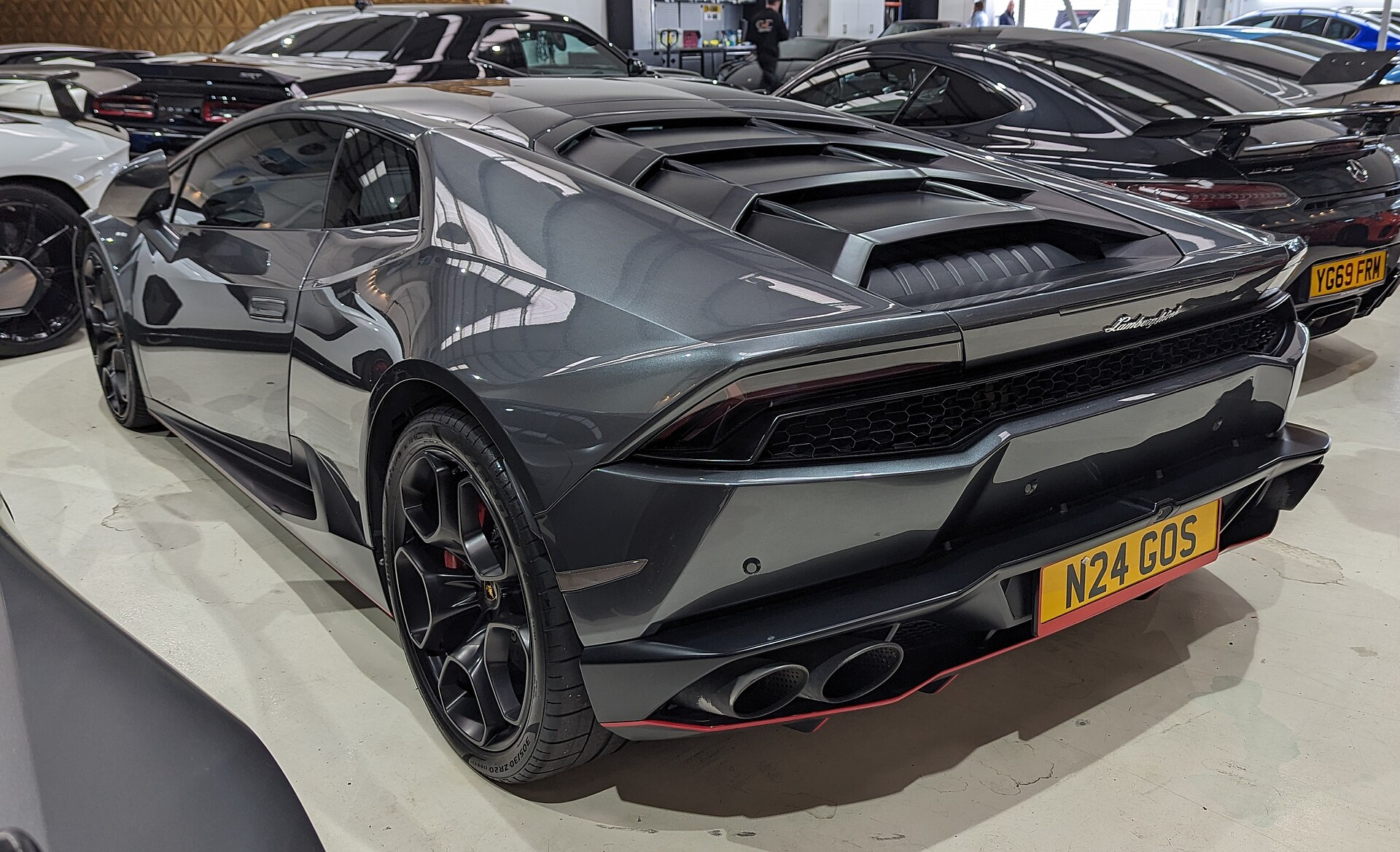
Your EVO Is Worth More Than You Think — If You Sell It Right
The EVO represents the largest segment of the used Huracan market. That means more competition — but it also means more buyers. Here's how to stand out.
The EVO Market Position: Why Supply and Demand Matter
The Lamborghini Huracan EVO occupies a unique position in the luxury supercar market as the largest production cohort of any Huracan generation. From 2019 through 2024, Lamborghini produced approximately 8,000 Huracan EVOs globally before discontinuing the model in favor of the new Revuelto electric hypercar. This production volume is substantial for an exotic supercar, and the implications for resale value are profound.
High production volume creates both advantages and disadvantages for sellers. On one hand, the abundance of potential buyers means your listing will reach a large audience. Multiple buyers are actively searching for Huracan EVOs at any given moment, creating genuine competition that can drive prices upward. On the other hand, the same supply abundance means buyers have numerous options, which encourages competitive pricing and disciplined negotiation. You cannot rest on rarity; you must compete on condition, provenance, and presentation.
This dynamic explains why EVO market prices have stabilized considerably compared to earlier Huracan generations. The original Huracan, produced in smaller numbers, maintains stronger relative value because true scarcity commands premiums. The EVO, with 8,000+ units produced, follows more predictable depreciation curves that reflect supply/demand equilibrium rather than artificial scarcity premiums.
Understanding this positioning is the first step in selling your EVO successfully. You are not selling a rare collector's item; you are selling one of thousands. This means differentiation through exceptional condition, comprehensive documentation, and thoughtful pricing strategy becomes paramount. The successful seller recognizes the EVO market as competitive but abundant, and positions their vehicle accordingly.
The buyer pool for EVOs is also well-educated. These are individuals who have researched the model extensively, understand the technical differences between configurations, and possess realistic expectations about pricing. You cannot rely on hype or vague claims about originality. Buyers expect transparency, documentation, and verifiable claims about condition and history.
Current Values by Configuration: Market Data
The following table represents aggregated market data from auction platforms, dealer inventories, and private sales from the past 90 days. These values reflect the realistic range where comparable vehicles are actually selling, not aspirational asking prices or opening bids:
| Configuration | Excellent Condition | Good Condition | Fair Condition | Average Mileage |
|---|---|---|---|---|
| AWD Coupe (2019-2020) | $215,000 - $235,000 | $195,000 - $215,000 | $175,000 - $195,000 | 15,000 miles |
| RWD Coupe (2019-2020) | $210,000 - $230,000 | $190,000 - $210,000 | $170,000 - $190,000 | 18,000 miles |
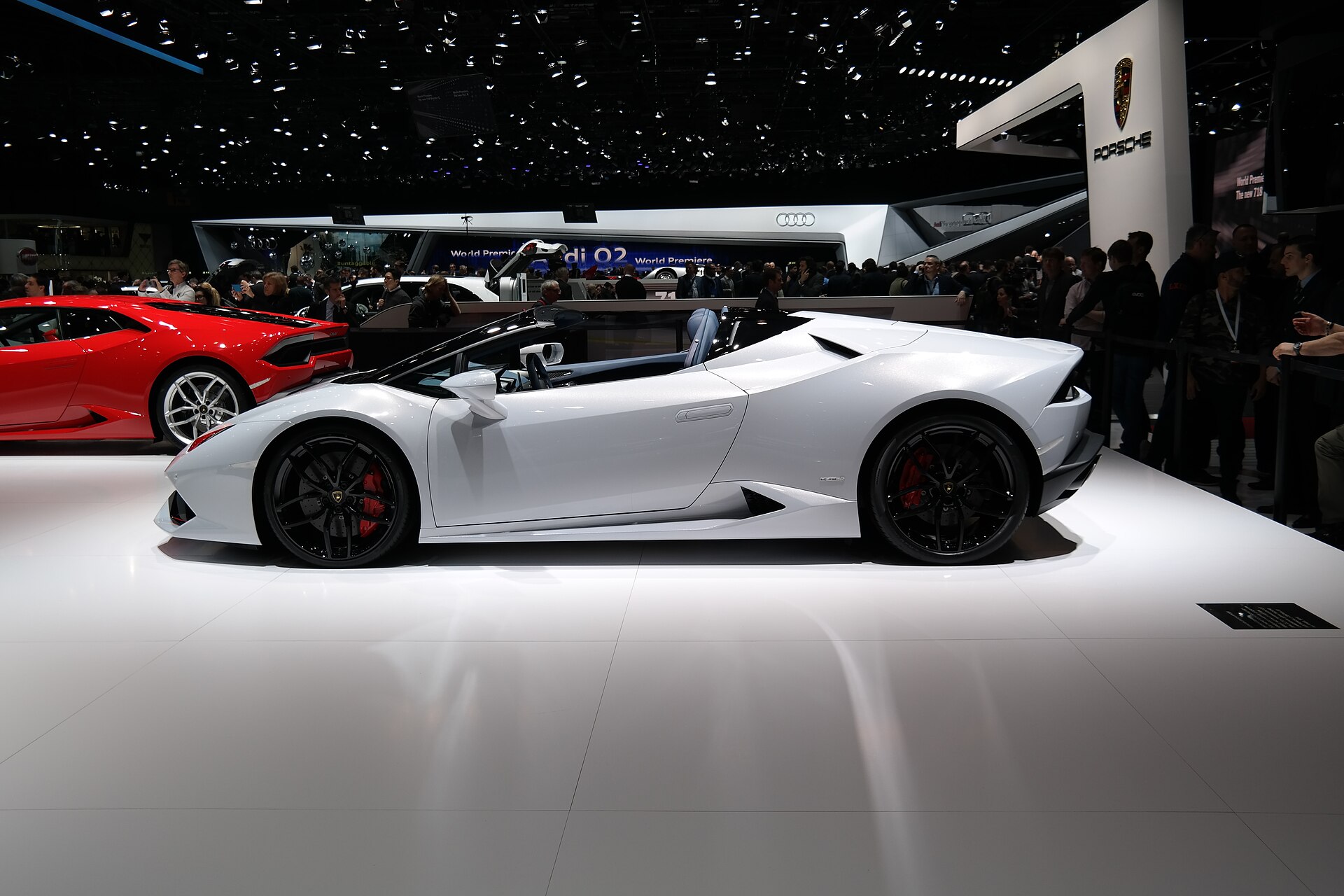
| AWD Spyder (2019-2020) | $240,000 - $265,000 | $220,000 - $245,000 | $200,000 - $220,000 | 12,000 miles |
| RWD Spyder (2019-2020) | $235,000 - $260,000 | $215,000 - $240,000 | $195,000 - $215,000 | 14,000 miles |
"Excellent condition" reflects vehicles with full service history, no accident damage, minimal mileage, and pristine interior/exterior condition. "Good condition" includes vehicles with complete maintenance records, no significant damage, but perhaps slightly higher mileage or very minor cosmetic wear. "Fair condition" encompasses vehicles with service history gaps, minor damage history, or notable mileage that still drives and functions properly but may require minor attention.
These price bands fluctuate based on market dynamics. During spring months when buying interest peaks, comparable vehicles sell closer to the upper bounds of these ranges. Winter months see slightly lower prices as buyer interest contracts. Geographic location also impacts values; vehicles sold in major metropolitan areas with wealthy populations tend toward the upper end, while vehicles in secondary markets may trade 5-10 percent lower.
Colors That Command Premiums
Paint color choice is not trivial when selling a supercar. Certain Lamborghini colors maintain stronger resale value than others, and understanding this dynamic allows you to price your vehicle competitively or identify where you might have particular market strength.
Lamborghini Giallo Inti (bright yellow) maintains the brand's iconic heritage and commands consistent strong pricing. Yellow Huracans are immediately recognizable, photograph well, and appeal to the broadest buyer demographic. Expect yellow vehicles to achieve prices at the upper end of comparable ranges, typically commanding $5,000-$15,000 premiums over average colors.
Bianco Monoceros (white) is similarly strong and commands comparable premiums. White is universally flattering to the Huracan's aggressive design, shows clean lines clearly, and appeals across demographics. White vehicles achieve premium pricing in strong market conditions.
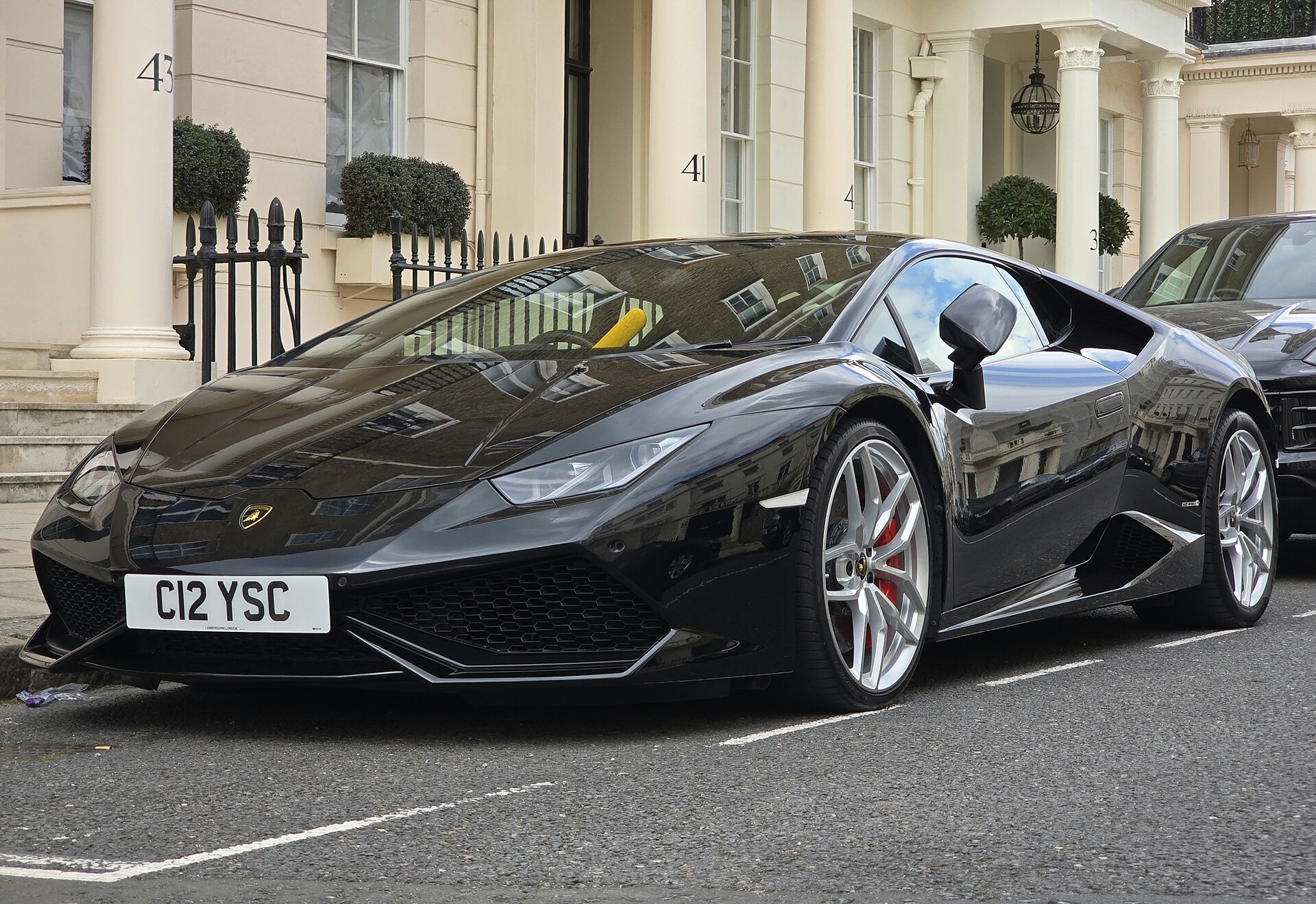
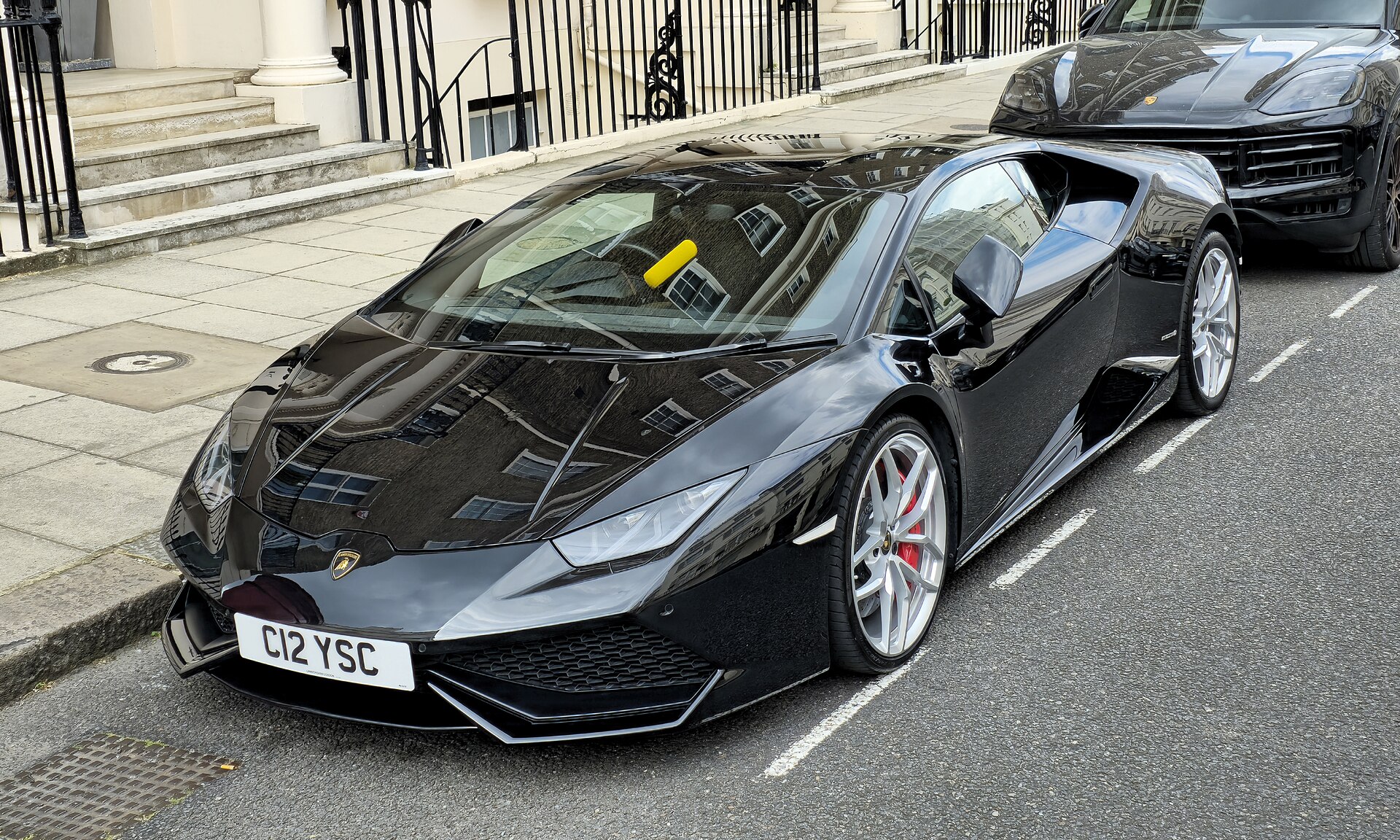
Nero Noctis (black) is the most popular color by production volume but commands no premium. Black Huracans are common and while aesthetically dramatic, their prevalence means they must compete on other factors beyond color. Black vehicles often sell at or slightly below average market pricing.
Rosso Mars (red) positions between premium colors and standard colors. Red Huracans are attractive and sport-appropriate, but not as universally flattering as yellow or white. Red vehicles typically achieve pricing at market averages.
Specialty colors like Grigio Titanium (gray), Blu Aegir (blue), or Arancio Anthares (orange) command variable premiums depending on buyer preference and rarity. A stunning orange Huracan might attract significant attention in a market lacking orange examples, while the same color in a market with multiple orange listings offers no advantage. Research comparable sold vehicles in your specific color to understand local market dynamics.
Special paint finishes also command premiums. Metallic and pearl effect finishes cost more to apply and appear more visually sophisticated than solid colors. If your vehicle features a premium paint specification, ensure this is prominently featured in listings and photography.
AWD vs RWD Resale: Which Holds Value Better?
The choice between AWD and RWD Huracans creates a question for sellers: which configuration commands stronger resale value? The answer is nuanced and somewhat counterintuitive.
AWD Huracans represent approximately 70 percent of market volume among EVOs, meaning they are far more common than RWD versions. This abundance creates stronger buyer pools but also more competition. However, the broader appeal of AWD — particularly to buyers seeking confident, accessible daily driving — sustains consistent pricing. AWD Huracans in equivalent condition and mileage typically sell within predictable market ranges with minimal variance.
RWD Huracans, by contrast, are less common and appeal to more specialized buyers: driving enthusiasts, track day participants, and owners seeking the pure, unfiltered Huracan experience. This specialization creates niche appeal but also a smaller buyer pool. In strong market conditions, an exceptional RWD example can command premiums over AWD comparables. In weak markets, RWD vehicles may struggle to find buyers and require price reductions to move.
Statistically, over the past 24 months, AWD and RWD Huracans achieve comparable average prices when controlling for mileage, condition, and color. The difference lies in consistency: AWD vehicles sell predictably within established ranges, while RWD vehicles show higher variance — sometimes selling above comparable AWD prices, sometimes requiring discounts. For sellers, AWD offers more predictable outcomes.
The practical implication: market your vehicle honestly according to its configuration, but do not expect RWD to command automatic premiums despite the enthusiast market's perception of superiority. Price competitively based on actual market comparables in your configuration, not on theoretical preferences.
Post-Production Dynamics: The 2021-2023 Sweet Spot
The Huracan EVO was produced from 2019 through 2024, with subtle evolution across the production run. Understanding where your vehicle fits in this timeline influences pricing strategy.
2019-2020 model year vehicles, while first-generation EVOs, command strong pricing because buyers perceive them as the original EVO and early examples often have lower mileage. However, these early production units occasionally experienced minor software updates for oil consumption and transmission refinement that later models came equipped with from the factory. If your 2019-2020 EVO has had these updates documented in service records, ensure this is highlighted because it addresses buyer concerns about early production quirks.
2021-2023 model year vehicles represent the market sweet spot. These vehicles benefit from factory implementation of any refinements introduced through 2019-2020 service bulletins. They also benefit from newer technology integration in the infotainment system and any exterior cosmetic updates Lamborghini introduced mid-cycle. Pricing for these vehicles typically runs 5-10 percent higher than 2019-2020 equivalents because buyers perceive them as more refined while they are still early enough in the EVO production cycle to feel current.
2023-2024 vehicles command the strongest pricing per mile of actual depreciation because they are the final production EVOs before the Revuelto introduction. For buyers seeking a "last of the naturally aspirated engine" collectible car, these final EVOs hold appeal. If your vehicle is a 2023-2024 model, emphasize this final-generation positioning in marketing materials.
Mileage Impact on Value: The Data
Mileage is perhaps the single most significant determinant of used supercar pricing, and the Huracan EVO follows established patterns where higher mileage correlates directly with lower values, but not in linear fashion.
Vehicles under 5,000 miles occupy the lowest depreciation category, often selling at only 5-10 percent below new sticker prices depending on model year and market conditions. These ultra-low-mileage examples appeal to collectors seeking minimal use vehicles that feel nearly new. If your EVO has been garage-kept and used sparingly, this is a significant selling advantage.
The 5,000-15,000 mile range represents the next depreciation band. Vehicles in this range have seen some genuine use but remain young enough to feel fresh. Pricing drops 8-12 percent below original MSRP, but these vehicles represent better value to buyers and typically sell quickly because the depreciation curve is most favorable in this zone.
The 15,000-30,000 mile range is where most EVO market inventory congregates. At this mileage band, you're approaching the point where first major maintenance items become due (20,000 mile service, potential tire replacement). Vehicles here trade 15-20 percent below original MSRP. Pricing is highly sensitive to service history; complete maintenance records are essential here.
Above 30,000 miles, values drop more aggressively per additional thousand miles. A 35,000 mile EVO might be 18-22 percent below original MSRP, while a 50,000 mile example could be 25-30 percent below MSRP. At these mileage levels, comprehensive service records become absolutely essential because buyers factor in upcoming major services or component replacements.
The practical implication: if your EVO is under 15,000 miles, this is a significant selling advantage; market this prominently. If above 30,000 miles, transparent service history becomes your primary value proposition because mechanical condition becomes the determinant factor.
Preparation Essentials: Detail Work Matters
Before listing your Huracan EVO for sale, comprehensive preparation dramatically impacts both buyer perception and final price realization. The difference between a prepared vehicle and an unprepared one can easily reach $10,000-$20,000 in market pricing.
Professional detailing is the foundation. Hire an automotive detailer experienced with exotic vehicles to perform complete exterior correction, interior deep cleaning, and engine bay detailing. This is not a simple car wash; professional detailing includes paint correction to remove minor swirls, deep interior vacuum and leather treatment, and engine bay degreasing and detailing. Budget $1,500-$2,500 for professional detailing, which is money directly recouped in higher sale prices.
Mechanical preparation ensures the vehicle drives and performs perfectly. Address any pending service items: oil changes, tire rotations, fluid top-offs, and brake inspection. If any recalls remain unaddressed, complete them before listing. Have an independent pre-purchase inspection performed and address any issues identified. Buyers will have their own inspection performed anyway; addressing known items preemptively prevents negotiation complications.
Photography is critical. Hire a professional photographer experienced with automobiles to capture your Huracan in optimal lighting with both exterior glamour shots and detailed interior/mechanical images. Provide 50+ high-quality photos showing the vehicle from all angles, interior details, trim condition, paint condition, and engine bay. Poor photography directly reduces buyer interest; exceptional photography attracts premium bids.
Documentation collection is paramount. Gather the complete service history, warranty documentation, purchase invoice, maintenance records, and any special receipts for repairs or upgrades. Scan and organize these chronologically. Buyers making $200,000+ decisions want certainty about maintenance history, and having organized documentation creates confidence in your asking price.
Best Selling Channels: Where to List
Multiple channels exist for selling a Huracan EVO, and each has distinct advantages and disadvantages. Many successful sellers use multiple channels simultaneously.
Bring a Trailer is the premium destination for exotic supercar sales. Their audience consists of serious collectors and wealthy enthusiasts willing to pay premium prices for well-documented vehicles. They handle all auction administration, photography (if you participate in their professional photography program), and payment processing. Their seller's premium is approximately 8-10 percent of the hammer price, but the exposure and buyer quality often justify this cost. Vehicles listed on Bring a Trailer achieve prices at the higher end of market ranges.
Cars and Bids, founded by the car enthusiast community behind Doug DeMuro, attracts a younger, social-media-savvy audience of automotive enthusiasts. Their auction format emphasizes detailed photography and transparent bidding. They charge a similar 8-10 percent seller's premium but often achieve competitive pricing, particularly for vehicles with documented track records or interesting modification histories.
Craigslist and Facebook Marketplace are viable private sales channels, though they require more effort and carry higher risk. You must individually field inquiries, arrange viewings, handle negotiations, and finalize payment. However, avoiding auction platform seller's premiums can result in higher net proceeds. Private sales also allow for flexible pricing and negotiation rather than all-or-nothing auction outcomes.
Exotic car dealerships specializing in supercar inventory will purchase vehicles outright or list them on consignment. Consignment typically involves the dealer charging 10-15 percent commission on the sale price. Outright purchase offers immediate cash but typically at 5-10 percent below auction market pricing. Use dealer purchases when you need rapid liquidity.
Lamborghini certified pre-owned programs will evaluate your vehicle for their CPO inventory. If your EVO meets their condition standards and service history requirements, they will purchase it at established market rates and resell it with warranty backing. This option provides certainty of sale and immediate payment but typically prices at market rates rather than premium pricing.
Timing Your Sale: Seasonal Dynamics
Supercar sales demonstrate clear seasonal patterns, and understanding these dynamics helps you choose optimal timing for maximum price realization.
Spring months (March through May) represent peak buying season. Wealthy individuals have received tax returns, winter weather has broken, and outdoor driving enthusiasm peaks. Auctions launched in April and May experience stronger competition and higher realized prices. If possible, list your EVO in late March or early April for spring sales impact.
Summer months (June through August) show moderating interest. While driving season peaks, many potential buyers are traveling or engaged with summer activities. Sales activity remains reasonably strong but pricing softens slightly compared to spring peaks.
Fall months (September through November) show renewed buying interest as summer travelers have returned and holiday spending season approaches. September and October typically see moderate activity with fair pricing.
Winter months (December through February) experience the weakest demand. Harsh weather discourages convertible purchases, enthusiasts are focused on holiday spending, and cold temperatures reduce driving appeal. Winter sales often require 5-10 percent price reductions to move inventory.
The practical implication: if possible, prepare your vehicle in late winter and list in early spring to capture peak season pricing. If you must sell during winter months, adjust pricing downward and be realistic about market dynamics.
Get Your Offer: Negotiation Strategy
When offers arrive on your Huracan EVO, strong negotiation strategy maximizes your net proceeds. Whether selling at auction or through private negotiation, certain principles apply.
Establish a realistic reserve price based on thorough market analysis. If selling at auction, set your reserve at the absolute minimum price you will accept. Underbidding an auction with an unrealistic reserve price damages credibility and discourages serious bidding. If selling privately, establish a target price with a realistic range rather than a single inflexible number.
Address questions and concerns promptly and transparently. Buyers will ask about service history, accident history, modifications, and mechanical condition. Answer every question honestly and comprehensively. Vague responses or evasions reduce buyer confidence and encourage low offers.
For auction sales, let the market determine final price. Once bidding ends, accept the result with grace. Attempting to negotiate after auction hammer falls damages your credibility and risks losing the sale entirely.
For private sales, listen carefully to buyer feedback. If multiple inquiries mention the same concern, that is valuable market information suggesting you should address that factor. If prices consistently come in 5-10 percent below your asking price, this signals your asking price is above market; adjust accordingly.
Remember that in a market with adequate inventory (as exists with the EVO), buyers have alternatives. Negotiate in good faith and accept that you are competing with multiple comparable vehicles. The best outcome is a satisfied buyer who spreads positive word-of-mouth and leaves glowing feedback rather than protracted negotiations that frustrate both parties.
Ready to Sell Your Lamborghini Huracan Evo?
Automonitor's buyer network includes thousands of pre-qualified collectors and enthusiasts. Get a fair market valuation and connect with serious buyers — no lowball offers, no tire kickers.
Get Your Valuation →