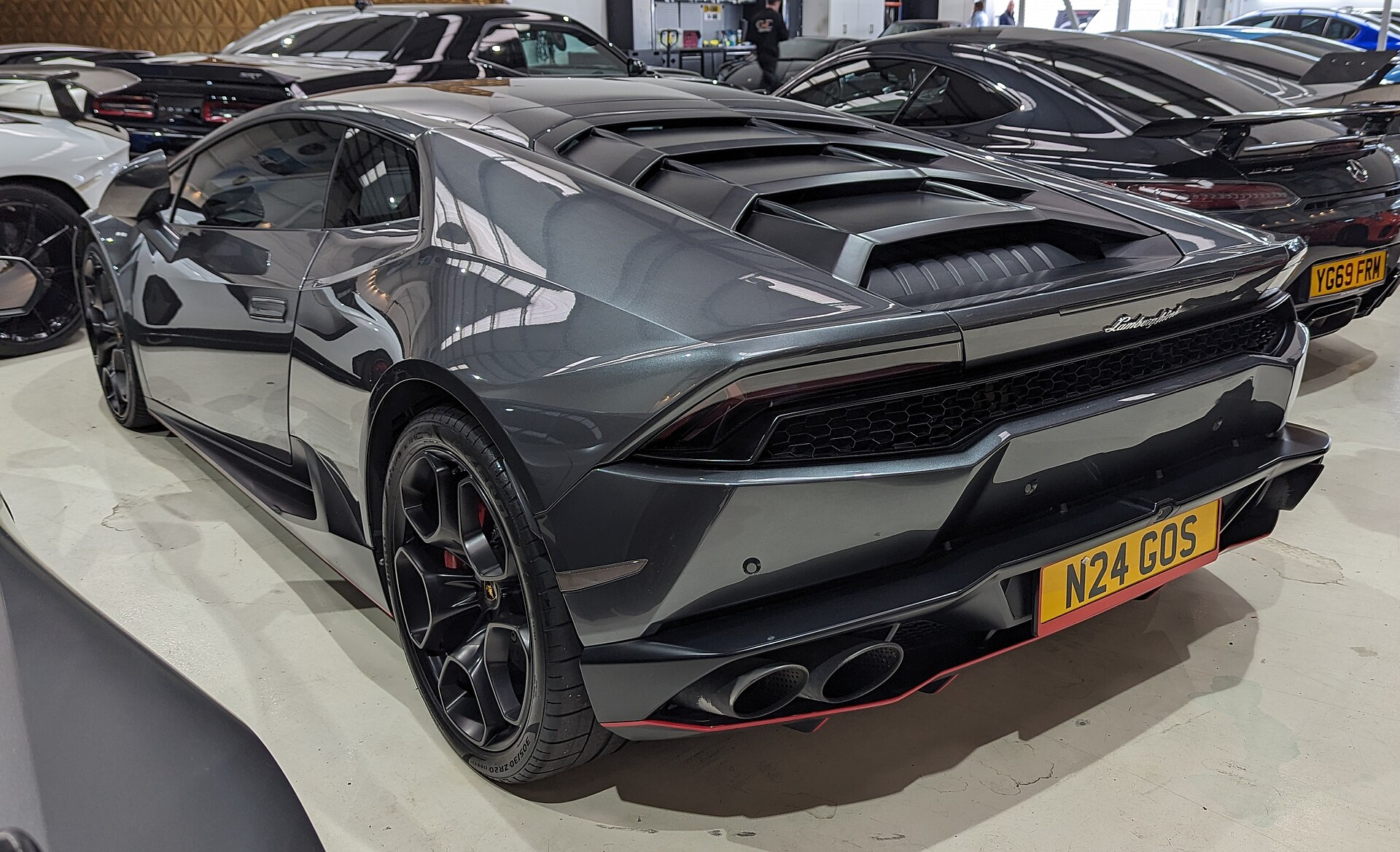
What a Huracan EVO Actually Costs: Purchase Price Is Just the Beginning
The sticker said $240,000. The real number after 5 years of ownership? Considerably more. Here's every dollar you'll spend.
Purchase Price by Configuration
The Lamborghini Huracan EVO launched at $261,274 for the AWD coupe in 2019, with the RWD coupe priced at $240,000 to position it slightly below the all-wheel-drive variant. Spyder models commanded $292,744 for AWD configuration and $274,000 for RWD, reflecting the convertible premium. These figures represent Lamborghini's suggested retail pricing; actual dealer pricing occasionally varies by $5,000-$10,000 depending on market demand and dealer incentives.
Over the EVO production run from 2019 through 2024, pricing increased gradually. 2021-2022 models reflected supply chain impacts with approximately 3-5 percent price increases. 2023-2024 final-year models commanded the highest pricing, reflecting elevated demand as Lamborghini announced the Revuelto would replace the Huracan platform.
| Configuration | 2019-2020 MSRP | 2021-2022 MSRP | 2023-2024 MSRP | Average Cost |
|---|---|---|---|---|
| AWD Coupe | $261,274 | $268,500 | $275,000 | $268,258 |
| RWD Coupe | $240,000 | $245,000 | $252,000 | $245,667 |
| AWD Spyder | $292,744 | $301,000 | $308,000 | $300,581 |
| RWD Spyder | $274,000 | $280,000 | $287,000 | $280,333 |
These MSRPs do not include destination fees (approximately $3,500), documentation fees, or dealer markup. Actual out-the-door prices at time of purchase exceeded these figures by $5,000-$15,000 depending on location and dealer.
Optional packages and specific color selections add additional costs. Lamborghini's premium paint finishes add $2,000-$5,000. The carbon fiber interior package adds $4,500. Customized stitching and special leather selections range from $1,500-$3,000. A typical fully-loaded EVO with options might reach $280,000 (RWD Coupe) to $330,000 (AWD Spyder) at time of purchase.
Depreciation Curves: The Real Value Decline
Understanding how Huracan EVO values decline over time is essential for comprehending total cost of ownership. Unlike stable investments, supercars lose value accelerating, with the steepest decline occurring in the first two years of ownership.
Year 1 depreciation is the harshest. A new $265,000 AWD Coupe typically drops to approximately $225,000-$235,000 in value after 12 months of ownership and 5,000-8,000 miles of use. This represents 12-15 percent value loss in the first year, driven by the transition from "new car" status to "used" category. This is the cost of driving the car off the dealer lot.
Year 2 depreciation moderates somewhat. A two-year-old EVO with 12,000-15,000 miles trades in the $200,000-$215,000 range, representing additional 10-12 percent loss. The cumulative two-year depreciation sits in the 20-25 percent range — a significant loss but less catastrophic than year one.
Years 3-5 stabilize into more predictable depreciation rates. A 3-year-old EVO with 15,000-20,000 miles holds approximately $185,000-$200,000 value. Year 4 vehicles (roughly $170,000-$185,000 value) and Year 5 vehicles ($155,000-$170,000 value) show gradual depreciation of approximately 8-10 percent annually.
After year 5, Huracan EVO depreciation curves become even more gradual. Well-maintained examples with comprehensive service histories hold values with increasing stability. A six-year-old EVO might retain 55-60 percent of original purchase price; at seven years, it might hold 50-55 percent. This stabilization occurs because the EVO reaches relative stability in the used market with established collector appeal.
This depreciation curve is significantly better than mass-market vehicles but steeper than Ferrari or Porsche equivalents. The reasons are multiple: production volume (more EVOs exist, so less scarcity value), market saturation (as more EVOs reach the used market simultaneously), and the competitive position of the next-generation Revuelto potentially reducing appeal for the older EVO platform.
Insurance Reality: Budget More Than You Expect
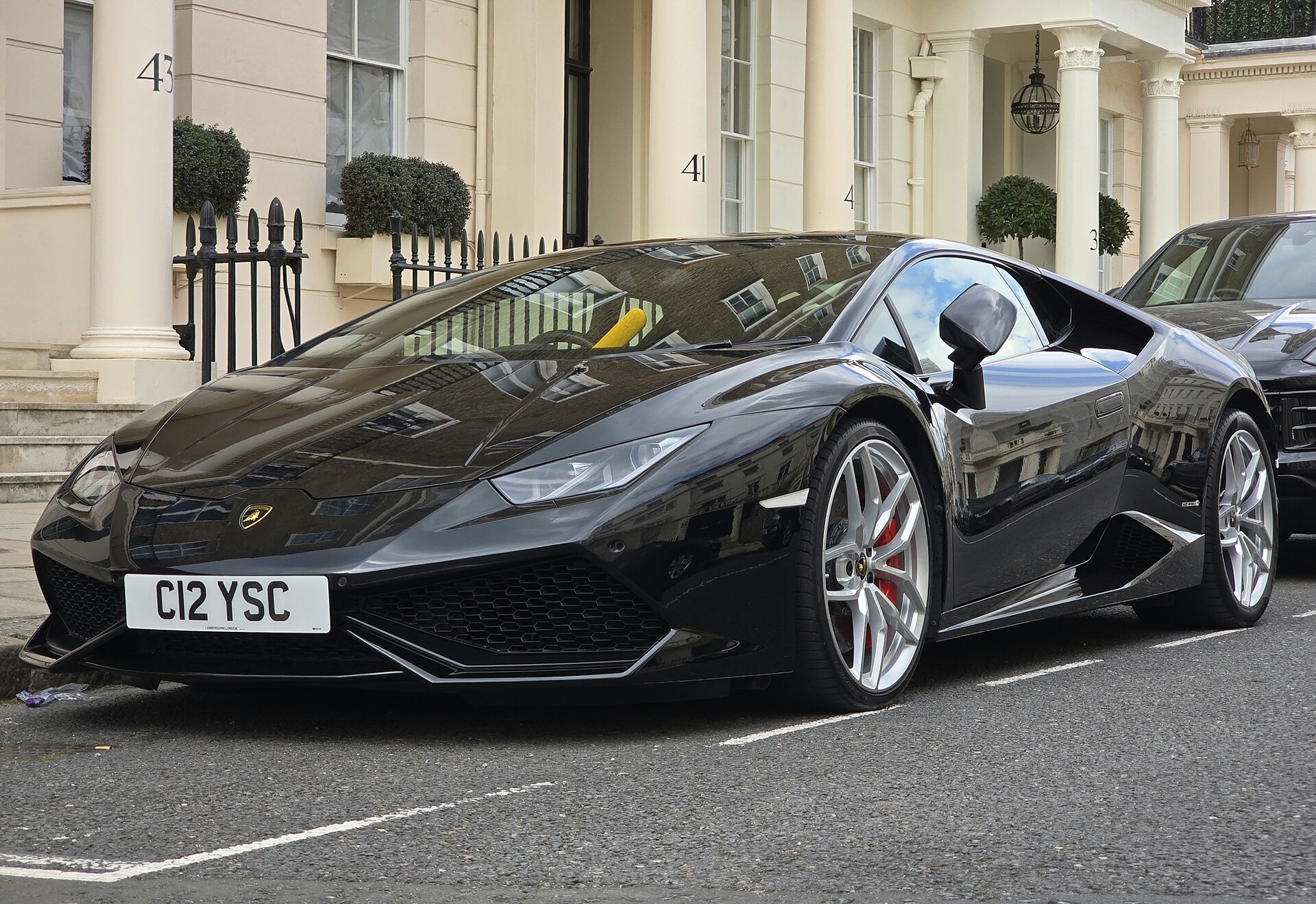
Insuring a Huracan EVO is substantially more expensive than insuring conventional vehicles, and the cost surprised many new owners during their first renewal.
Standard insurance quotes for a Huracan EVO with comprehensive and collision coverage typically range from $2,200-$3,500 annually for drivers with clean records residing in urban areas. Drivers in rural or lower-risk areas occasionally achieve quotes as low as $1,800-$2,200. Conversely, drivers with accident history or traffic violations might receive quotes exceeding $4,000-$5,000.
These figures assume basic comprehensive and collision coverage with typical deductibles of $500-$1,000. Costs escalate significantly if you carry additional coverage (uninsured motorist, underinsured motorist, or coverage for custom parts/modifications), which responsible exotic car owners typically maintain.
Exotic car insurance specialists like Hagerty, American Collectors Insurance, or specialty providers sometimes offer better rates than standard carriers, particularly if your Huracan EVO is driven limited miles annually (under 5,000 miles per year). Agreed-value policies guarantee your vehicle's stated value will be paid in case of total loss, eliminating depreciation disputes. These policies frequently cost 15-25 percent less than standard market-value policies and offer superior protection for owned vehicles.
A realistic five-year insurance budget for typical use of 10,000 miles annually with a standard insurance carrier is $12,000-$17,000 in total insurance premiums. Drivers utilizing specialty carriers might reduce this to $9,000-$14,000. This works out to approximately $2,400-$3,400 per year in insurance costs.
The psychological impact of insurance costs is significant. Many new owners underestimate this expense during the purchase decision and experience genuine surprise at renewal time. Factor this cost carefully into your budget before purchasing.
Scheduled Maintenance: The Predictable Costs
Lamborghini publishes detailed service schedules, and following these guidelines ensures your EVO remains properly maintained. Unlike exotic cars from previous decades, the modern Huracan benefits from evolved service intervals that balance thorough maintenance with practical costs.
Oil and filter changes occur every 10,000 miles using Lamborghini-approved synthetic oil. The process costs $150-$250 depending on your service location (dealership vs. independent exotic specialist). Over a 50,000-mile five-year ownership period assuming 10,000 miles annually, you'll perform five oil changes totaling approximately $750-$1,250.
Spark plug replacement is scheduled every 20,000 miles (not 100,000 miles like conventional cars), reflecting the high-performance nature of the engine. The task costs $400-$600 per service. Over five years, you'll perform 2-3 spark plug replacements costing $800-$1,800 total.
Air filter replacement is due every 20,000 miles at approximately $200-$300 per service. Over five years, budget $400-$600 for air filter maintenance.
Cabin air filters require replacement every 15,000 miles at $150-$250 per service. Over five years, you'll perform 3-4 cabin air filter replacements costing $450-$1,000.
Lamborghini specifies fluid checks and top-ups at 10,000-mile intervals. Brake fluid, engine coolant, power steering fluid, and transmission fluid all require periodic evaluation. These checks are typically complimentary if performed during oil changes, but periodic fluid replacement (every 20,000-30,000 miles for brake fluid, every 30,000-40,000 miles for coolant, annually for air conditioning refrigerant) adds costs. Budget $300-$500 annually for fluid maintenance.
Suspension components, including ball joints, control arm bushings, and stabilizer links, require inspection every 10,000 miles per factory guidelines. These inspections are typically performed during routine services at minimal additional cost, but if wear becomes apparent, replacement runs $500-$2,000 per component.
The transmission requires synthetic fluid replacement every 40,000 miles at approximately $800-$1,200 per service. Over five years, this occurs once or twice at $800-$2,400 total.
Lamborghini recommends engine coolant replacement every 30,000 miles or every three years at approximately $400-$600 per service. Over five years, you'll perform 1-2 coolant replacements costing $400-$1,200.
Total scheduled maintenance costs over five years: approximately $4,500-$7,000, working out to $900-$1,400 per year.
Oil Changes and Fluids: The Monthly Budget Item
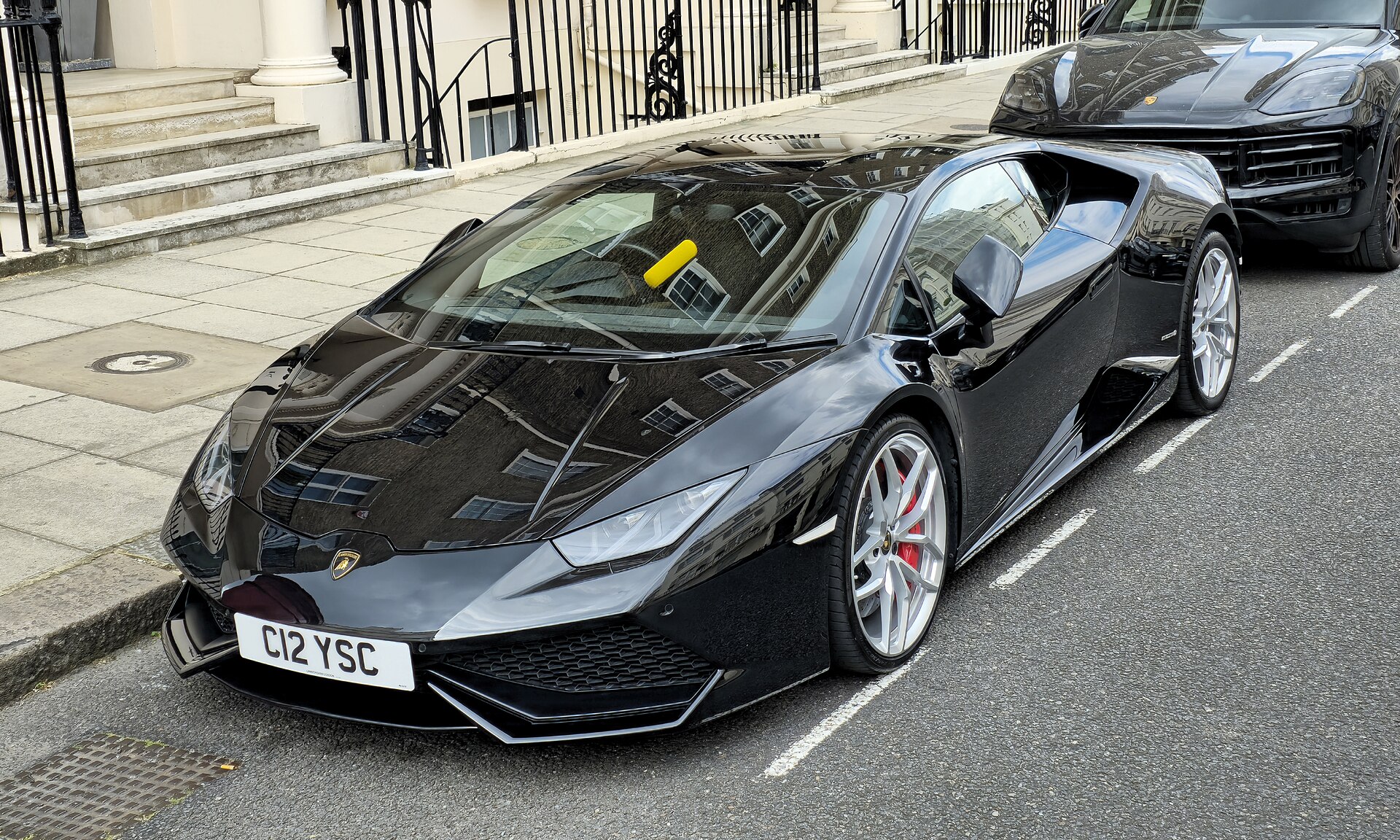
Oil changes represent the single most frequent maintenance item and the most visible ongoing cost of ownership. Because the EVO requires oil changes every 10,000 miles rather than every 5,000-7,500 miles like conventional sports cars, the frequency is somewhat reduced, but the cost per service is elevated due to the high-capacity engine and synthetic oil requirements.
A complete oil and filter service costs $150-$250 at most exotic car specialists. Dealership service runs $200-$300. Assuming 10,000 miles annually, you'll perform five oil changes over five years costing $750-$1,500.
Brake fluid, which requires periodic replacement despite not lasting as long as other fluids, costs $300-$450 per replacement including labor. Recommended replacement every two years means you'll change brake fluid 2-3 times over five years at $600-$1,350 total.
Engine coolant replacement every three years costs $400-$600 per service, resulting in 1-2 replacements over five years for $400-$1,200 total.
Transmission fluid replacement every 40,000 miles involves complete fluid exchange and costs $800-$1,200 per service. Over five years, this occurs once to twice for $800-$2,400 total.
Air conditioning refrigerant requires annual recharge if any leakage is detected, costing $200-$350 per service. Budgeting for annual AC service across five years: $1,000-$1,750.
Combined fluid and oil maintenance across five years: $4,550-$7,700, averaging $910-$1,540 per year.
Tire Costs: The Unexpected Expense
Tires represent a significant and often underestimated ongoing cost for supercar owners. The Huracan EVO rides on performance-grade Pirelli P Zero tires (235/35R19 front, 295/30R20 rear) that cost substantially more than conventional tires and wear more quickly due to the vehicle's performance character.
A complete set of Pirelli P Zero tires for the EVO costs $1,200-$1,600 including installation, balancing, and TPMS sensors. This represents the cost for quality new tires purchased from independent retailers; dealership tire service runs 10-15 percent higher.
Tire longevity depends heavily on driving style. Owners who drive smoothly and avoid aggressive acceleration or hard cornering might achieve 20,000-25,000 miles from a set of tires. Performance-focused drivers who regularly exploit the car's capabilities typically see tire life of 15,000-20,000 miles. Track day enthusiasts might wear through tires in 5,000-10,000 miles during heavy use.
Assuming conservative driving with 20,000-mile tire lifespan and 50,000 miles over five years, you'll require 2.5 tire replacements (essentially two full replacements and one partial). Cost estimate: $2,400-$3,200 for tires across five years, or $480-$640 per year.
Some drivers choose to purchase two sets of tires: summer P Zeros for performance driving and winter Pirellis or Michelins for cold-weather comfort. This approach increases total tire investment but extends tire life through seasonal rotation. If adopting this strategy, budget $3,000-$4,000 for initial purchase with replacements as needed.
Regular tire rotation every 5,000 miles extends tire life by approximately 10-15 percent. This practice costs $75-$150 per rotation, totaling $375-$750 over five years if performed every 5,000 miles. Many owners neglect this maintenance despite its cost-effectiveness in extending tire life.
Brake Service: Carbon-Ceramic Longevity
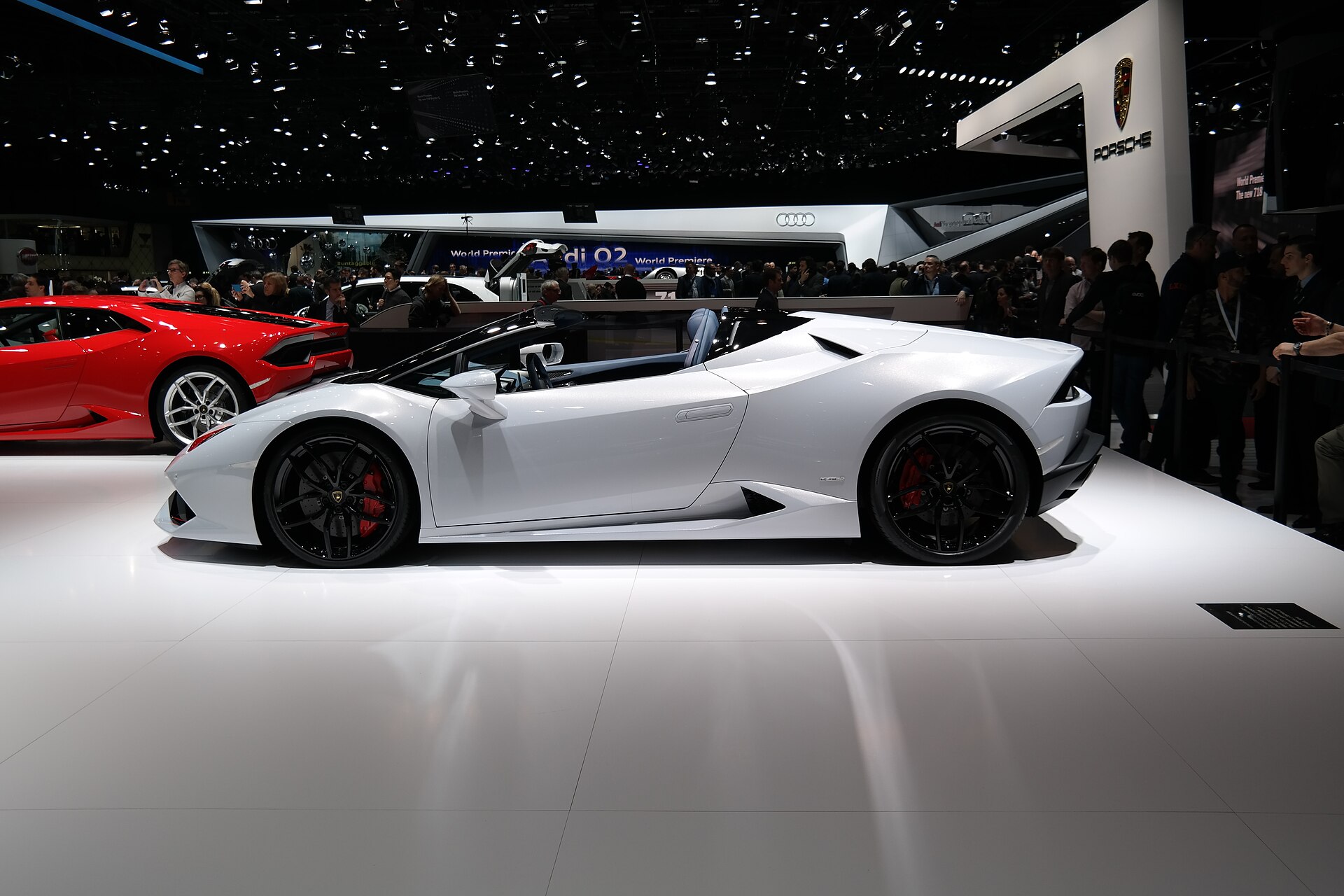
The Huracan EVO rolls off the factory floor equipped with Brembo carbon-ceramic brakes, which are extraordinarily durable compared to steel brakes but require different maintenance perspectives.
Carbon-ceramic rotors are nearly impervious to wear under normal driving. Where conventional brakes might need rotor replacement every 50,000-75,000 miles, carbon-ceramic rotors often last 100,000+ miles before wear becomes significant. This durability is a major advantage of the factory specification.
However, brake pads still wear, and Lamborghini's brake pad compound is optimized for the carbon-ceramic system. Replacement brake pads cost $800-$1,200 per axle including installation, totaling $1,600-$2,400 for a complete front and rear pad replacement. Typical replacement intervals are 40,000-60,000 miles depending on driving style.
For owners driving 10,000 miles annually, you'll likely perform one complete brake pad replacement over five years (at approximately 40,000-50,000 miles of ownership), costing $1,600-$2,400.
Brake fluid replacement, addressed earlier, is a brake system component that requires periodic attention. Bleeding the system and flushing old fluid costs $300-$450 every two years.
Extended high-performance use dramatically increases brake costs. Track day participants who regularly push brakes to their limits might require brake pad replacements every 20,000-30,000 miles, escalating five-year brake costs to $5,000-$8,000. Road-driving use keeps brake costs modest at $2,000-$3,000 over five years.
Realistic brake service budget for typical road driving: $2,500-$3,500 over five years, or $500-$700 annually.
Common Repairs and Unexpected Costs
Beyond scheduled maintenance, all vehicles experience unexpected repairs. Supercars experience these unexpected items at higher cost due to component complexity and labor rates.
Water pump replacement ($500-$800), thermostat housing repairs ($300-$500), and alternator replacement ($600-$1,000) are common minor repairs that inevitably occur as the vehicle ages. A 50,000-mile vehicle might reasonably experience one or more of these repairs, costing $800-$2,000 total.
Suspension component replacement (control arm bushings, stabilizer links, ball joints) runs $500-$2,000 per component when wear necessitates replacement. A vehicle driven 50,000 miles, particularly if used on poor road surfaces, might require 1-2 suspension component replacements at $1,000-$3,000 total.
Electrical issues, while uncommon, can be expensive. A faulty sensor or control module might cost $400-$800 to diagnose and repair. Wiring harness repairs or replacement can exceed $1,500-$3,000.
Carbon fiber exterior body damage (cracked splitter, damaged side intake, damaged diffuser) can range from $1,500 (small repairs) to $5,000+ (complete component replacement).
Realistic budget for unexpected repairs over five years of ownership: $2,000-$5,000 depending on luck and vehicle history, averaging $400-$1,000 annually.
Modifications and Protection: Optional but Worthwhile
Many EVO owners invest in protective measures or performance modifications that extend beyond factory specifications.
Paint protection film (XPEL or similar) covering the front bumper, hood, fenders, and door handles costs $2,000-$4,000 and significantly extends paint longevity by preventing rock chips and oxidation. This is recommended for owners planning to keep their vehicles long-term or drive in challenging conditions.
Ceramic coating application ($1,500-$2,500) provides superior gloss and protection for the paint, reducing detailing frequency. Many owners combine ceramic coating with paint protection film for maximum preservation.
Carbon fiber interior upgrades ($1,500-$5,000) enhance visual appeal but provide no functional benefit. These are discretionary and not recommended as an ownership cost to budget.
Suspension upgrades (adjustable coilovers, camber kits) cost $3,000-$8,000 but are typically unnecessary for road-driving owners. Track-focused owners might find value in these upgrades.
Budget for owners planning protection measures: $2,000-$4,000 as a one-time investment in paint and interior protection, extending the vehicle's cosmetic longevity.
Five-Year Total Cost of Ownership Summary
| Cost Category | Minimum | Maximum | Average |
|---|---|---|---|
| Purchase Price (AWD Coupe) | $245,000 | $275,000 | $260,000 |
| Depreciation (60% remaining value) | -$100,000 | -$165,000 | -$130,000 |
| Insurance (5 years) | $9,000 | $17,000 | $13,000 |
| Fuel (50,000 miles @ 14 mpg, $3.50/gal) | $12,500 | $13,000 | $12,750 |
| Scheduled Maintenance | $4,500 | $7,000 | $5,750 |
| Tires (2.5 replacements) | $2,400 | $3,200 | $2,800 |
| Brake Service | $2,000 | $3,500 | $2,750 |
| Unexpected Repairs | $2,000 | $5,000 | $3,500 |
| Protection/Detailing | $0 | $4,000 | $2,000 |
| Total 5-Year Cost | $142,400 | $254,200 | $198,300 |
| Net Cost After Resale | $42,400 | $89,200 | $68,300 |
| Annual Cost (Net) | $8,480 | $17,840 | $13,660 |
This analysis reveals the true cost of EVO ownership. A vehicle purchased at $260,000 and sold for $160,000 after five years costs a net $100,000 in depreciation. Layer in $38,300 in operating costs (insurance, fuel, maintenance, tires, repairs), and the total cost of ownership reaches approximately $138,300, or roughly $27,660 per year.
This calculation assumes conservative repair costs, road-only driving (no track use), no major component failures, and standard fuel consumption. Owners who track their vehicles, experience major mechanical issues, or drive more aggressively might see ownership costs 20-40 percent higher. Conversely, owners with excellent luck and conservative driving might achieve costs 15-25 percent lower.
Is It Worth It? The Reality Check
At approximately $27,660 per year in total ownership costs, the Huracan EVO is unquestionably an expensive hobby. This figure exceeds the annual lease cost of multiple luxury vehicles and represents a genuine financial commitment.
The value proposition lies in the experience and emotional satisfaction of driving an extraordinary machine. A Ferrari F8 Tributo or McLaren GT owner faces comparable ownership costs. The question isn't whether the EVO is expensive — it objectively is — but whether the driving experience and ownership satisfaction justify that expense for your specific situation and priorities.
For wealthy enthusiasts who drive the EVO enthusiastically and value performance and brand heritage, the ownership cost is justified. For buyers seeking pure cost-efficiency in the supercar market, used alternatives or alternative propulsion systems might offer better value. For collectors seeking investment appreciation, the EVO's steep depreciation and production volume limit collectible appeal.
The honest assessment: the Huracan EVO costs more than you initially think, and the true expense only becomes apparent when calculating complete ownership costs. Plan accordingly and ensure your budget comfortably accommodates not just the purchase price, but the comprehensive five-year ownership expense that will accompany your EVO.
Protect Your Investment With Professional Support
Managing ownership costs requires vigilance and proper documentation. Keeping detailed service records, monitoring maintenance schedules, and addressing issues proactively reduces unexpected expenses and protects resale value.
Professional automotive monitoring services can help track service requirements, alert you to upcoming maintenance needs, and ensure your EVO remains in optimal condition. This proactive approach prevents costly emergency repairs and extends component lifespan, directly reducing your total cost of ownership.
Want Real-Time Lamborghini Huracan Evo Pricing?
Automonitor tracks actual transaction data across our dealer network — not estimates, not asking prices. Whether you're buying or selling, start with the numbers that matter.
See Current Market Data →