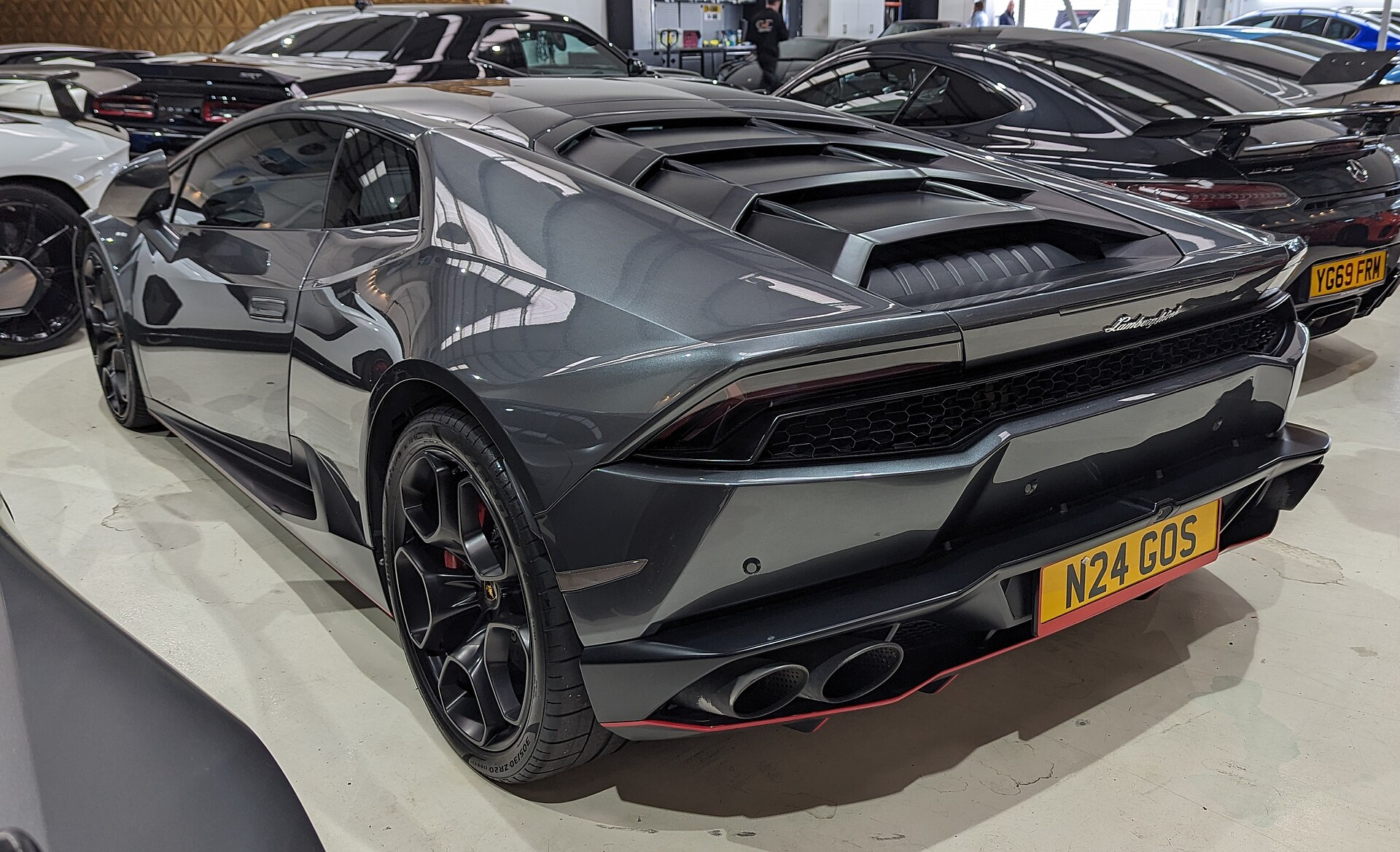
Where Can I Buy a Lamborghini Huracan? Complete Buyer's Map
You've decided you want a Huracan. Now comes the harder question: where do you actually buy one? This guide maps out every channel — authorized dealers, auction platforms, private sales, and concierge services — so you can find the right car at the right price.
The Complete Map: Five Ways to Buy a Huracan
There are five primary channels for buying a Lamborghini Huracan in 2026. Each has distinct advantages, price dynamics, and risk profiles. Your choice depends on your timeline, comfort with negotiation, and willingness to travel.
| Channel | Price Range | Best For | Risk Level |
|---|---|---|---|
| Authorized Lamborghini Dealership | +3% to +8% market | Peace of mind, warranty, one-stop shop | Low |
| Bring a Trailer Auctions | Market to +5% | Transparency, price discovery, documented history | Low-Medium |
| Cars and Bids | Market to +3% | Domestic cars, quick sales, competitive bidding | Low-Medium |
| Private Sales | -5% to -12% market | Best prices, direct negotiation, flexibility | Medium-High |
| Automonitor Concierge | Market to -3% | Expert sourcing, negotiation, inspection, logistics | Very Low |
The "market" in the above table refers to the current average asking price for a comparable vehicle. A +3% premium means 3% above current market average; -5% discount means 5% below. Let's walk through each channel in detail.
Channel 1: Authorized Lamborghini Dealerships
Buying from an official Lamborghini dealer is the safest path, but rarely the cheapest. The trade-off is clear: you pay a dealer markup in exchange for warranty coverage, documented service history, and recourse if something goes wrong.
How Dealer Pricing Works
Official Lamborghini dealers typically mark used inventory 3–8% above what they paid for it at acquisition. On a $170,000 Huracan, that's $5,100–$13,600 in pure dealer margin. Some dealers add additional "certification" or "dealer-serviced" premiums. This isn't inherently unfair — dealers incur carrying costs, inspection expenses, and reconditioning overhead. But you should understand that you're paying for the dealer's business model, not just the car.
The advantage: certified pre-owned (CPO) Huracans typically come with Lamborghini's extended warranty program, comprehensive service records, and the dealer's inspection guarantee. If a serious defect appears within 12 months, you have recourse.
Top Lamborghini Dealerships by Region (2026)
Northeast: Lamborghini Manhattan (New York), Lamborghini Boston, Performance Auto Group (Connecticut). Manhattan is the heavyweight — they typically stock 4–6 Huracans at any time and have the broadest variant selection in the region.
Florida: Lamborghini Orlando, Prestige Exotic Motors (Miami), Blackbird Automotive (Tampa). Florida dealers move volume. They're worth calling because inventory turns quickly, and you'll often find better-priced cars that haven't been sitting as long as cars in slower markets.
California: Lamborghini Beverly Hills, Lamborghini Newport Beach, Silicon Valley Exotic Motors. California has some of the most expensive inventory in the country — cars in LA command 5–8% premiums over national averages. These dealers are more expensive, but they're also more likely to have rarer variants like the Sterrato or limited-production special editions.
Texas: Lamborghini Dallas, Lamborghini Houston. Texas dealers often have aggressive pricing because inventory moves well in the state's wealthy metro markets. Dallas in particular has become a major Huracan hub.
When to Buy from a Dealer
Choose a dealer if: you want warranty coverage and peace of mind over price savings, you're uncomfortable getting a private inspection, you want to trade in another vehicle, you prefer a one-stop experience with financing available on-site, or you're buying a rare variant and need to search across multiple dealer locations.
Want Help Finding the Right Dealer?
Automonitor connects you with authorized Lamborghini dealers nationwide and handles price negotiations on your behalf.
Find a Dealer Near You →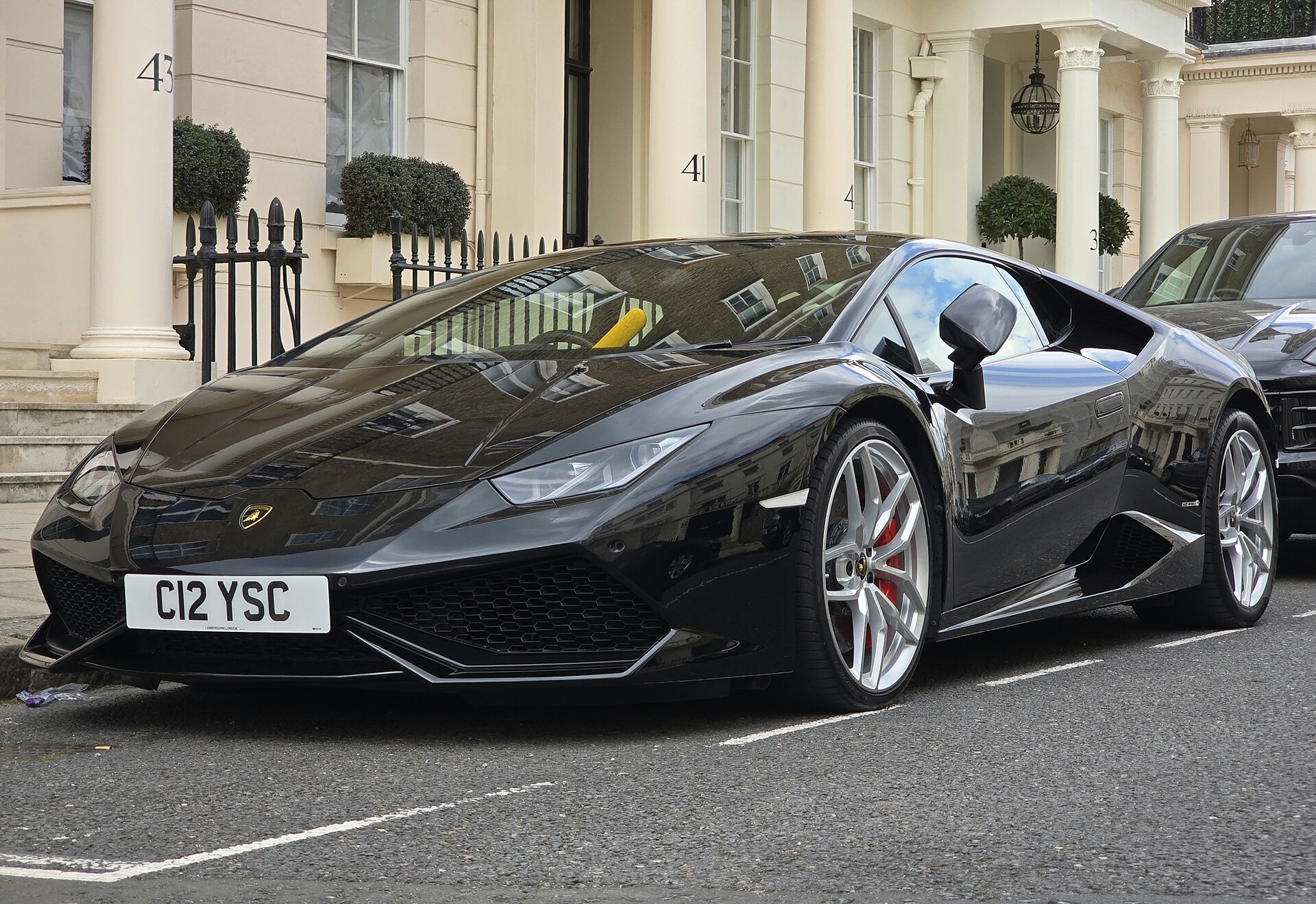
Channel 2: Bring a Trailer (BAT) Auctions
Bring a Trailer has become the gold standard for transparent exotic car sales. Every vehicle is auctioned to a national audience, with extensive photo documentation, seller disclosure, and bid history that creates genuine price discovery.
How Bring a Trailer Works
The process is straightforward: a seller consigns their Huracan to BAT. The car is photographed (typically 50–100 images), inspected by BAT's team, and a detailed listing is published. Bidding runs for 7 days. Winning bidders pay the final hammer price plus a 5% buyer's fee (capped at $5,000 on expensive cars). The seller is responsible for delivering the car to the buyer or arranging shipping.
What makes BAT unique is transparency. Every bid is public. Every question is answered in the comments section. The seller's disclosure is comprehensive. You can see the exact mileage, service records, accident history, and any quirks or issues. This reduces information asymmetry between buyer and seller.
Pricing Dynamics on Bring a Trailer
BAT Huracans typically sell at or slightly above market rate. The average sale price for a 2020 EVO on BAT is roughly equivalent to the dealer asking price, but the final auction price includes the 5% buyer's fee, so your all-in cost is actually 5% higher than the hammer price. However, BAT cars are thoroughly inspected, so you're paying for verified condition.
Rare variants and special colors command premiums. A yellow Huracan (Giallo Inti) that would sell for $160,000 in black might fetch $168,000–$170,000 on BAT because the audience is national and the presentation is professional.
Negotiation is not possible on BAT — the auction is binding. However, you can place a pre-bid offer before the auction ends, which sometimes results in the seller accepting a private sale price rather than going to auction.
Pros and Cons of Bring a Trailer
Pros: Complete transparency, national audience drives competitive pricing, comprehensive photo documentation, inspection by automotive experts, detailed Q&A history you can reference, no dealer markup.
Cons: 5% buyer's fee adds significant cost on expensive cars, you're dependent on the seller's delivery logistics, no warranty or recourse after sale, you must bid blind (no test drive opportunity before purchasing), auction results are volatile and can spike for desirable specifications.
Best for: Buyers who want maximum transparency, have time to wait for the right car, are comfortable purchasing without a pre-sale test drive, or want to avoid dealer markups.
Channel 3: Cars and Bids
Cars and Bids is the newer, domestic-focused alternative to Bring a Trailer. Founded in 2017 by Marques Brownlee, it's rapidly become competitive in the exotic car space. The process is similar to BAT but with a few key differences.
How Cars and Bids Works
Cars and Bids also runs 7-day auctions with extensive photo documentation. The user experience is modern and mobile-friendly. Buyer's fees are typically 3–5%, lower than BAT's fixed 5%. Listings include video walkarounds, which BAT typically doesn't provide.
One key difference: Cars and Bids explicitly encourages domestic sales and handles logistics more aggressively. They'll coordinate delivery and title transfer in ways BAT leaves to the buyer and seller.
Pricing on Cars and Bids
Huracans on Cars and Bids tend to sell at or slightly below BAT prices, often because the audience skews slightly more domestic and less internationally connected. On average, you might save 1–3% compared to BAT, but the difference is marginal. The real advantage is the lower buyer's fee (3% instead of 5% for Cars and Bids, versus 5% fixed for BAT).
Auction volatility exists here too — a particularly well-presented car or hot bidding war can spike the price above fair market value. But bidding tends to be more rational and less influenced by scarcity bias than on BAT.
When to Use Cars and Bids
Choose Cars and Bids if you prefer a modern, user-friendly interface, want to reduce buyer's fees, prefer video documentation of the car, or want easier logistics coordination for delivery. It's particularly good for domestic Huracans (US-based cars with local service history) where the platform's strength lies.
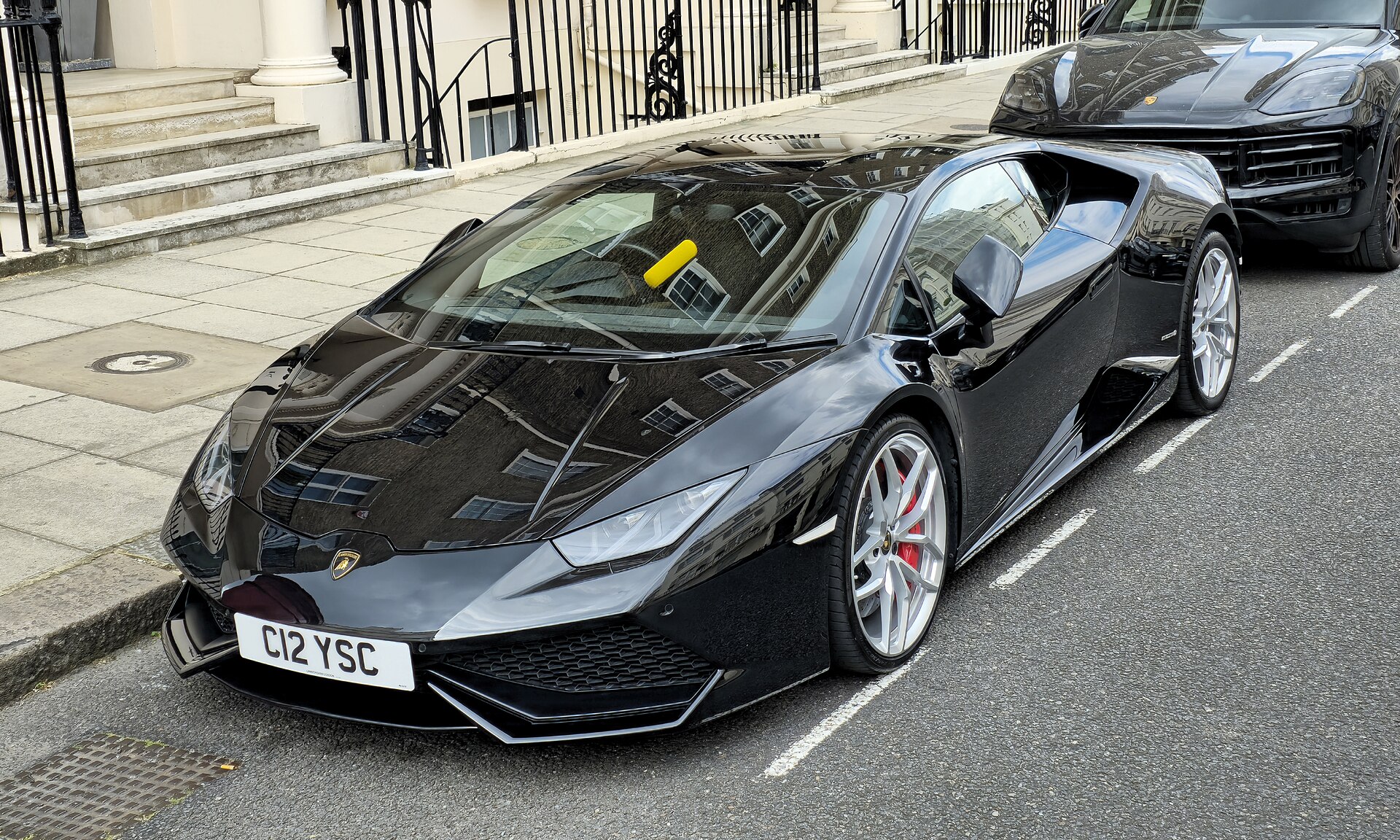
Channel 4: Private Sales (Craigslist, Facebook Marketplace, Local Networks)
Private sales are where you find the deepest discounts. A Huracan priced at $160,000 from a dealer might sell for $150,000–$155,000 in a private sale. The 5–10% discount reflects the lower overhead and the direct buyer-seller negotiation.
Finding Private Sales
Craigslist, Facebook Marketplace, and specialty forums like Lamborghini Talk are hunting grounds for private sellers. You'll also find cars through luxury car brokers who connect buyers directly with private owners. The key is patience — good private sales move fast, but you need to see dozens of mediocre listings to find one great car.
Personal networks matter. If you're serious about buying a Huracan, tell everyone you know — car brokers, exotic mechanics, insurance agents, high-net-worth acquaintances. Word-of-mouth often surfaces private sales before they hit the public market.
Pricing and Negotiation
Private sellers usually price 5–10% below dealer asking. This reflects the reality that they're not running a dealership — they don't have the same overhead, warranty obligations, or reconditioning costs. They do, however, often have less incentive to disclose problems, so your due diligence becomes critical.
Negotiation is expected in private sales. A car listed at $155,000 might realistically sell for $148,000–$150,000 if there are cosmetic issues or unaddressed maintenance. This is where knowing the market becomes valuable. Reference our pricing guide for current fair-market values by variant and year.
Risks of Private Sales
The primary risk is information asymmetry. A private seller might not know about a timing chain leak, might downplay transmission shuddering, or might have maintenance records stored in a shoebox. You cannot rely on disclosure in the way you can with a dealer or auction platform.
This is why a pre-purchase inspection (PPI) is non-negotiable for private sales. Budget $800–$1,500 for a comprehensive exotic car inspection from a qualified shop. It's the best $1,000 you can spend to avoid a $20,000 problem.
Financing can also be more complex. Not all lenders will finance private-party purchases, and some require a pre-purchase inspection report before approving the loan. Arrange financing before making an offer.
When Private Sales Make Sense
Choose private sales if you want the best price, have time to search and inspect thoroughly, are comfortable negotiating directly with the seller, can arrange your own financing, and have access to a trusted exotic car mechanic.
Auction Platforms and Online Marketplaces: Hemmings, Copart, and Others
Beyond BAT and Cars and Bids, other platforms worth monitoring include Hemmings Auctions, which specializes in specialty cars and often has lower overall prices, and Copart, which is primarily wholesale. Hemmings is better for retail buyers; Copart requires a dealer license for most purchases.
Hemmings Huracans are mixed — some are exceptional values, others are overpriced by nostalgic sellers. The platform attracts more casual buyers and more variable pricing. Expect higher volatility here than on BAT or Cars and Bids.
For casual browsing of national inventory, AutoTrader and CarGurus aggregate listings from dealers and private sellers. These aren't purchasing platforms, but they're excellent for market research and price benchmarking.

Channel 5: Automonitor Concierge Buying Service
If the above channels feel overwhelming, Automonitor's concierge service handles the entire process. We source Huracans from all channels (dealers, auctions, private sellers), negotiate on your behalf, arrange pre-purchase inspections, coordinate logistics, and close the deal.
How Automonitor Works
You tell us your budget, desired variant, color preferences, and intended use (weekend cruiser, track car, investment). We search across all channels — authorized dealerships, Bring a Trailer, Cars and Bids, private listings, and dealer networks — to find cars matching your criteria.
When we find a candidate, we handle negotiation. We leverage market data and comparable sales to ensure you're getting fair pricing. If you want it inspected, we arrange it with certified exotic mechanics and review the report with you. Once you've decided to proceed, we manage the entire closing — title transfer, financing coordination (if needed), and delivery logistics.
Our cost varies by vehicle price, but the service typically costs 1–2% of the purchase price. On a $170,000 Huracan, that's $1,700–$3,400. In exchange, we save you time, reduce negotiation stress, and typically save you 1–3% through smarter negotiation. The net result: you save money while buying with confidence.
When Automonitor Makes Sense
Use Automonitor if you want white-glove service, prefer not to handle the negotiation and logistics yourself, want professional inspection coordination, or value time more than doing the legwork. We're also ideal if you're buying from out of state or internationally and need logistics expertise.
Ready to Find Your Ideal Huracan?
Automonitor's buying team searches across all channels and handles everything from inspection to delivery. Get market-rate pricing and expert guidance.
Start Your Huracan Search →Geographic Arbitrage: Why Location Matters for Price
Huracan prices vary significantly by region. Understanding these dynamics lets you buy smarter.
Florida: The hottest market for exotic cars. Large inventory, fast turnover, competitive pricing. A Huracan that's $155,000 in New York might be $152,000–$154,000 in Florida. Worth the logistics to buy and ship home.
California: Most expensive market. Same car is 5–8% pricier. LA and San Francisco dealers mark up aggressively. Only buy California cars if you want a specific rare variant or spec not available elsewhere.
Texas: Competitive market with reasonable prices. Dallas has become a mini-hub for exotic cars. Pricing is 1–3% below national average. Good sourcing ground.
Northeast: Mixed. New York is expensive; New England is more moderate. Connecticut and Massachusetts dealers are often 1–2% below national average.
Midwest: Limited inventory but sometimes good value. Chicago and Minneapolis dealers price 2–4% below coastal averages, partly because local demand is lower.
If you're flexible on location, buying from a cheaper market and arranging shipping is often economical. A 3% price savings ($5,000 on a $170,000 car) covers most shipping costs and leaves you ahead.
International Purchases: Buying from Europe or the Middle East
Lamborghinis sold internationally often have different specifications, cheaper pricing (in some markets), and full service histories in European dealership networks. Some buyers have bought European Huracans, shipped them to the US, and imported them through Lamborghini's official import program.
However, international purchases come with complexity: import regulations, currency risk, shipping costs ($4,000–$6,000), customs duties, and EPA compliance certification. You'll also lose any local warranty or service network continuity.
Only consider international purchases if: you've found a rare variant (like a specific color or specification) unavailable domestically, the price difference exceeds $10,000–$15,000 after shipping and import costs, or you have expertise in international vehicle import. Otherwise, stick to the US market.
Red Flags and Warning Signs by Channel
Authorized Dealers: Excessive "dealer add-ons" (paint protection, wheel insurance), unclear title history, rushed inspections, or unwillingness to allow a third-party inspection. A good dealer welcomes inspection.
Bring a Trailer: Vague descriptions that avoid specifics, evasive answers in the Q&A section, photos taken under poor lighting, or a seller with minimal history. Transparency should be complete.
Cars and Bids: Same as BAT — watch for evasiveness and lack of detail. Modern interface doesn't substitute for honest disclosure.
Private Sales: Missing service records (a red flag for hidden problems), aggressive pricing (unrealistically low might indicate an issue), reluctance to allow an inspection, or a story that doesn't add up (e.g., "never driven," "always garaged," but the car shows 15,000 miles and cosmetic damage). Also watch for title issues — salvage titles, flood salvage, or branded titles are deal-killers.
All Channels: If you see a Huracan priced more than 10% below market, ask why. It might be a steal, or there might be a serious problem. The truth is usually somewhere in between. Always inspect.
Step-by-Step Buying Process by Channel
Buying from an Authorized Dealer
1. Call or visit 3–5 dealers to get a sense of current inventory and pricing.
2. Identify a car that fits your criteria and budget.
3. Request a detailed inspection report and complete service history.
4. Negotiate based on market data from our pricing guide. Dealers expect some negotiation.
5. Arrange financing (through the dealer or external lender).
6. Request a final walk-through inspection before signing.
7. Review all warranty terms carefully. Understand what's covered and for how long.
Buying from Bring a Trailer or Cars and Bids
1. Search the platform for your desired variant and budget.
2. Study the listing photos, read all comments in the Q&A, and research the seller's history.
3. Set a maximum bid price (all-in, including buyer's fee) and stick to it.
4. Place your bid. If you win, you're committed to purchase.
5. Arrange payment and delivery logistics with the seller or platform.
6. Hire an exotic car inspector to inspect the car before taking delivery (typically remote inspection via video call, or a local inspector at the car's location).
7. Complete title transfer and registration in your state.
Buying from a Private Seller
1. Search Craigslist, Facebook Marketplace, local forums, and personal networks.
2. When you find a candidate, ask for photos, service records, and any accident history.
3. Request a test drive and in-person inspection (don't skip this).
4. Get a pre-purchase inspection from an exotic car mechanic. Budget $800–$1,500 and wait for the report before committing.
5. Based on the inspection, negotiate price. Use the inspection findings as leverage if issues are discovered.
6. Arrange financing before making an offer. Most lenders need the PPI report.
7. Once financing is approved, conduct a final title search and verify the vehicle history through Carfax or AutoCheck.
8. Close the deal at a title company or your lender's office. Never complete a transaction without proper title transfer.
Financing Your Huracan Purchase
Most Huracan buyers finance 60–80% of the purchase price. Traditional banks (Wells Fargo, Chase, Bank of America) rarely finance exotic cars, but specialty lenders do.
Best Lenders for Exotic Cars: JJ Best Banc specializes in exotic car loans and typically offers rates 1–2% lower than generalist lenders. Woodside Credit Union serves exotic car buyers and offers competitive rates for members. Some high-end credit unions (depending on your location) also offer exotic car financing.
Typical terms: 60–84 month loans, 20–30% down payment required, interest rates 6–10% depending on credit score and vehicle age. Older cars (2014–2016) might have higher rates or require larger down payments.
Get pre-approved for financing before shopping. This gives you negotiating power and shows sellers you're a serious buyer.
Negotiation Tactics That Work
For Dealers: Use market data from Bring a Trailer sales, CarGurus, and comparable listings. Say: "I see the same 2020 EVO selling for $165,000 across the country. What's your flexibility on this $170,000 asking price?" Dealers expect 5–10% price reduction from asking price. They're often willing to move.
For Auctions: Bidding is binding, so there's little room to negotiate. Your only leverage is a pre-bid offer before the auction ends — some sellers will accept a private sale to avoid the auction risk.
For Private Sales: Start 10–15% below asking and work upward. Reference the inspection findings if issues exist. Private sellers are often more motivated and more flexible than dealers.
Universal tactic: Get a pre-purchase inspection and use findings as leverage. A $6,000 clutch repair coming due? That comes off the price. A timing chain cover leak? Negotiate accordingly.
Final Steps Before Taking Delivery
Before you drive the car home:
- Verify the title is clean and matches the seller's name. Check for liens or salvage brands.
- Ensure all service records are included and organized. Missing records reduce resale value later.
- Confirm any warranty is in writing and clearly specifies coverage period and conditions.
- Request the original owner's manual and all keys/key fobs. Some Huracans have limited key programmability, so this matters.
- Arrange insurance before taking possession. Your lender will require proof of full coverage (comprehensive, collision, liability).
- Plan your delivery logistics. If buying out of state, arrange enclosed transport (not open-air). Costs run $3,000–$5,000 from coast to coast.
- Complete a final walk-around inspection of the car with the seller. Document any cosmetic issues before signing.
When to Walk Away
If any of the following are true, move to the next car:
- The seller refuses a pre-purchase inspection.
- Service records are missing or incomplete for the past 3+ years.
- The title has been rebuilt, salvaged, or has a lien against it.
- You discover accident history not disclosed by the seller.
- The pre-purchase inspection reveals major issues (transmission problems, engine codes, timing chain concerns) that the seller knew about and didn't disclose.
- The price is significantly (15%+) below market without a clear explanation.
- Your gut feeling says something is off. Emotion matters in car buying, and if you don't feel confident, don't buy.
Quick Summary: Which Channel Is Best for You?
Choose an authorized dealer if you want peace of mind and warranty coverage over the lowest price. Choose Bring a Trailer if you want transparency and don't mind paying a buyer's fee for verified condition. Choose Cars and Bids if you prefer a modern interface and want to reduce fees. Choose private sales if you want the best price and have time for thorough due diligence. Choose Automonitor if you want expert sourcing and don't want to handle the process yourself.
Regardless of channel, always get a pre-purchase inspection, verify the title, understand the full cost of ownership, and ensure the Huracan is the right car for you.
Your Next Steps
The Huracan market in early 2026 is stable. Prices aren't spiking, and good inventory is available across all channels. You have time to shop carefully and avoid rushing into the wrong deal. Start by setting your budget, deciding on your ideal variant (read our comprehensive variant guide if you're undecided), and then methodically searching across all channels. For variants you're seriously considering, search across Bring a Trailer completed auctions for historical pricing data.
And when you find the right car, Automonitor is here to help — whether you want guidance on negotiation, PPI coordination, or full end-to-end concierge buying.
Find Your Perfect Huracan Today
Automonitor sources from dealers, auctions, and private sellers nationwide. We handle negotiation, inspection, and delivery so you get the right car at the right price.
Start Your Search →