
What Year Porsche 911 to Avoid: The Definitive Guide to Problematic 911 Model Years
The Porsche 911 is an iconic car — but not every year is created equal. Some model years carry catastrophic engine risks that can cost you $15,000 to $30,000 in repairs. This is what you need to know before buying.
The Bottom Line: Which Years Are Actually Safe
If you're buying a used Porsche 911, your primary concern should be the engine generation, not just the model year. The M96 and M97 engines that powered 996 and early 997 models carry significant known defects that have cost owners millions in catastrophic failures. The 2009+ 997.2, the 991 generation (2012-2019), and the current 992 generation (2020+) are significantly safer bets with Direct Fuel Injection and updated engine architecture.
Here's the executive summary: avoid 1999-2008 996 models and 2005-2008 997.1 models unless you're prepared for major engine work or can verify a verified IMS bearing replacement. Buy 2009 or later. This guide explains why, what to look for, and which specific years represent the worst risks.
The difference between buying a 2008 911 and a 2009 911 isn't just one year — it's the difference between catastrophic engine risk and proven reliability. That line matters more than any other factor in 911 purchasing.
The IMS Bearing Crisis: Why Certain 911s Are Ticking Time Bombs
The Intermediate Shaft (IMS) bearing is a small component in the M96 and M97 engines (used in the 996 and early 997 generations) that sits behind the engine's oil filter. It's designed to keep the camshaft timing gears aligned. On paper, it sounds inconsequential. In reality, it's the reason thousands of 911 owners have watched $20,000+ repair bills materialize with no warning.
The problem: the IMS bearing design is prone to premature wear and catastrophic failure. When it fails, metal shavings circulate through the engine oil and destroy the engine from the inside. The failure cascade happens quickly. You'll notice symptoms like metal in the oil, white smoke, loss of power, or sometimes no warning at all before the engine seizes completely.
Porsche initially denied the problem existed. By 2011, facing overwhelming evidence and mounting lawsuits, they acknowledged the IMS bearing issue but characterized it as rare. Later analysis suggested it affected 5-10% of all IMS-equipped engines. Some independent experts, including those at Rennlist, claim the actual failure rate approaches 15-20% when you account for cars that haven't been opened up for inspection yet.
The worst part: there's no way to predict failure. Low-mileage cars fail at 20,000 miles. High-mileage cars survive to 100,000 miles. Cars that sat for years fail shortly after being driven. There's no preventative maintenance that catches it. You can't hear it coming. You just get a phone call from your mechanic telling you the engine is destroyed.

The Worst Years: 1999-2001 996 Generation Maximum IMS Risk
The first-generation 996 Carrera runs from 1999 to 2004, but the earliest models are the most problematic. The 1999-2001 model years represent the absolute worst time to buy a 996 for one simple reason: they combine the earliest, most failure-prone IMS bearing design with the most accumulated wear and the fewest documented repairs.
Here's what makes these specific years so dangerous:
- Early IMS design: Porsche's first iteration of the IMS bearing has the highest documented failure rates. By 2004, they made minor refinements, but the core design remained flawed.
- Age compounding risk: A 1999 or 2000 996 is now 25+ years old. That's decades of thermal cycling, environmental exposure, and aging engine components. Even if the original IMS hasn't failed yet, it's already stressed beyond its design parameters.
- Oil service history uncertainty: You cannot verify whether the oil was changed on schedule for 20+ years. A single extended oil interval during ownership could trigger catastrophic bearing wear.
- Bore scoring on air-cooled heritage: Some early 996s also exhibit bore scoring issues in the cylinder walls, a separate problem related to piston ring design.
Insurance data and repair records from shops like Pelican Parts confirm that 1999-2001 996s have the highest catastrophic engine failure rates of any modern 911. If you see a sub-$50,000 1999-2001 996 Carrera for sale, the price is probably reflecting the known risk.
High-Risk Years: 2002-2004 996 & 2005-2008 997.1 IMS Still the Primary Threat
The 2002-2004 996 Carrera models and the 2005-2008 997.1 represent the second tier of risk. The IMS bearing design was slightly improved but still fundamentally flawed. These cars haven't accumulated as much age as the earliest 996s, but they still carry significant IMS risk.
Here's the risk breakdown by year:
| Model Year | Generation | Engine | IMS Risk Level | Bore Scoring Risk | Buying Recommendation |
|---|---|---|---|---|---|
| 1999-2001 | 996 | M96 | CRITICAL | Moderate | AVOID |
| 2002-2004 | 996 | M96 | HIGH | Moderate | Only if pre-inspected |
| 2005-2008 | 997.1 | M97 | MODERATE-HIGH | Low | Only if IMS verified |
| 2009-2011 | 997.2 | DFI | None | None | SAFE |
| 2012-2019 | 991 | DFI | None | None | SAFE |
| 2020+ | 992 | DFI | None | None | SAFE |
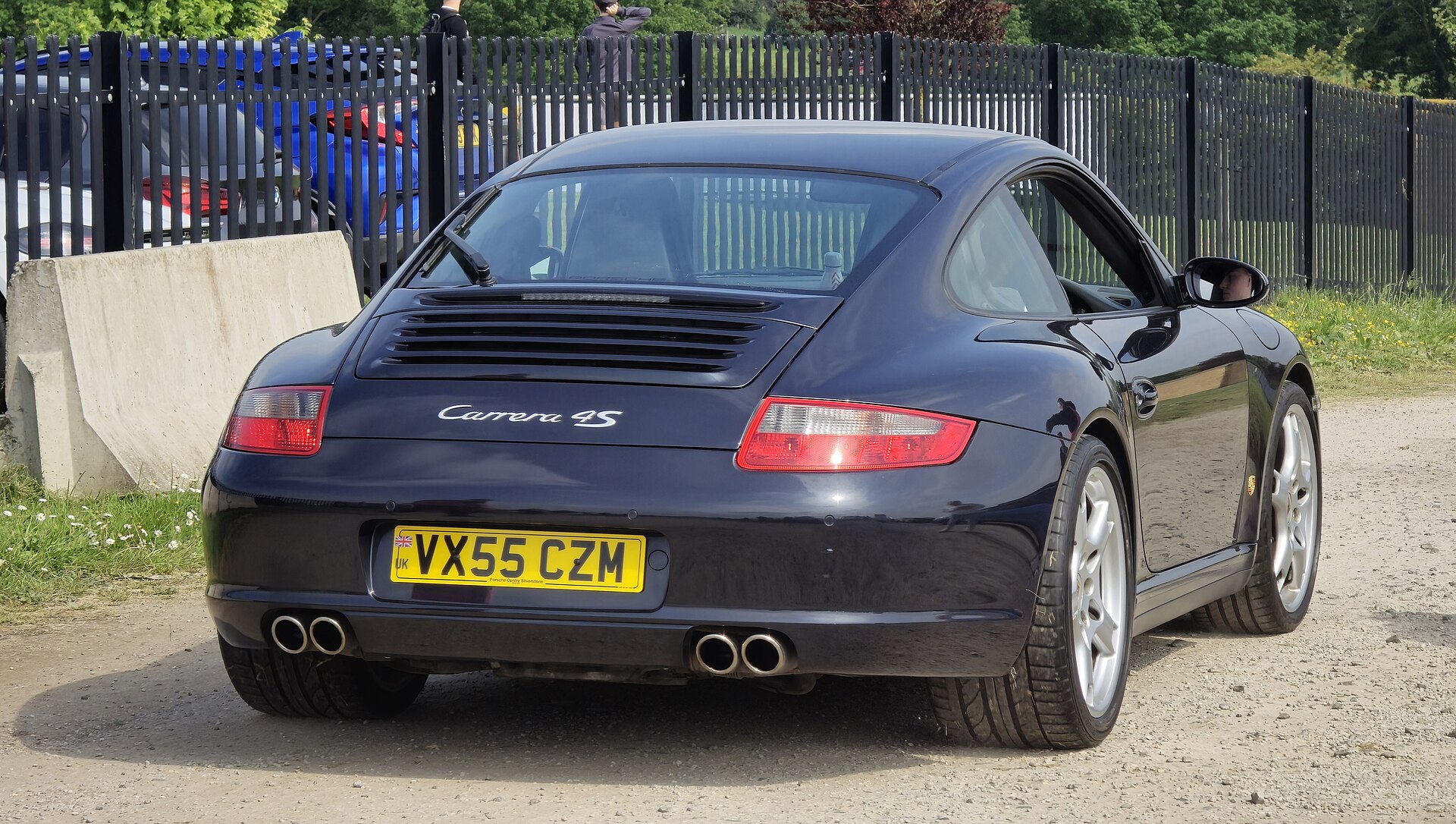
Understanding the 2005-2008 997.1: A Transitional Problem
The first generation 997 (2005-2008) represents a middle ground. It replaced the 996 but retained the M97 engine, which is essentially a refined version of the M96. Porsche made improvements, but the fundamental IMS bearing architecture remained vulnerable. Independent testing suggests the 997.1 has a lower failure rate than the early 996 models, but it's still substantially elevated compared to post-2009 models.
The 997.1 carries additional risk factors beyond the IMS bearing:
- Coolant pipe failures: Early 997.1 models (especially 2005-2007) suffer from factory-installed coolant pipes that can rupture without warning. A complete replacement costs $1,500-$3,000 in labor alone.
- Water pump degradation: The plastic impeller can deteriorate after 10+ years, leading to coolant leaks and potential overheating.
- VarioCam Plus chain tensioner: Timing chain tensioner issues emerge around 60,000-80,000 miles on some examples.
If you're considering a 2005-2008 997.1, insist on documented IMS bearing replacement or a comprehensive pre-purchase inspection by a Porsche specialist. The price premium for a verified IMS replacement is typically $3,000-$5,000 over an unverified example, but it's money well spent.
The GT3 Exception: Mezger Engine Is Different
Here's where the story gets interesting: Porsche knew the IMS bearing was problematic. So when they built high-performance variants — specifically the GT3 and GT3 RS — they used a completely different engine: the Mezger, a race-derived powerplant with a conventional oil pump design and no IMS bearing.
What this means: a 2004 996 GT3 is significantly more reliable from an engine perspective than a 2004 996 Carrera, despite being the same year and sharing the same platform. The GT3's Mezger engine has a proven reliability record through motorsport competition. The Carrera's M96 does not.
Similarly, the 2011 997.1 GT2 RS uses the Mezger engine and avoids IMS issues entirely. If you want a 996 or early 997 with engine peace of mind, buy a GT3 or GT2 RS variant. They cost more, but the engine reliability premium is worth it.

The 2009 Shift: Direct Fuel Injection Changed Everything
In 2009, Porsche introduced a comprehensive engine redesign: the 997.2 generation replaced the M97 with a new Direct Fuel Injection (DFI) engine. This wasn't a simple tweak — it was a fundamental rearchitecture that eliminated the IMS bearing architecture entirely.
What changed:
- New DFI engine design: The 2009+ engines use a completely different internal architecture with direct fuel injection instead of traditional port injection.
- No IMS bearing: The new design eliminated the Intermediate Shaft bearing vulnerability entirely. This single change removed the primary catastrophic failure point that plagued earlier 911s.
- Improved cooling: Better coolant system design with upgraded materials and design redundancy.
- Timely chain tensioners: Updated timing chain tensioning systems with improved reliability.
This is why the 2009 boundary matters so much. It's not about minor refinements — it's about a completely different engine. A 2009 997.2 is fundamentally safer than a 2008 997.1, despite sharing the same platform and body style.
The Safe Years: 2009+ 997.2, 991, and 992 Proven Reliability
If you want a modern Porsche 911 without worrying about catastrophic engine failure, these are your safe options:
2009-2012 997.2 Carrera: The transitional generation that eliminated IMS risk. These cars have now proven themselves over 15+ years of real-world ownership. Documented failures due to IMS bearing issues are virtually non-existent in the 997.2 generation. Interior design is dated, but engine reliability is excellent.
2012-2019 991 Generation (Mark I): The 991 represents a complete modernization with better performance, improved interior, and refined driving dynamics. The DFI engine is proven and reliable. This generation has been heavily owned by enthusiasts who maintain cars meticulously. Low-mileage examples are widely available in the current market.
2016-2019 991.2 Generation (Mark II): The refreshed 991.2 brought turbocharged engines, further improving efficiency while maintaining reliability. These are the most expensive of the safe options, but also the most modern and responsive.
2020+ 992 Generation: The current generation with turbocharged DFI engines, updated interior technology, and Porsche's latest reliability architecture. These are modern, feature-rich, and completely free from IMS or bore scoring concerns.
Engine Comparison: M96 vs. M97 vs. Mezger vs. DFI
Understanding the engine differences is critical to understanding the risk:
| Engine Type | Years Used | Models | IMS Bearing? | Key Issues | Reliability Rating |
|---|---|---|---|---|---|
| M96 | 1999-2004 | 996 Carrera | YES | Early IMS design, bore scoring | Poor |
| M97 | 2005-2008 | 997.1 Carrera | YES | Refined IMS, coolant pipes | Fair |
| Mezger | 2004-2011 | 996 GT3/RS, 997 GT2/RS | NO | Minimal — race-proven | Excellent |
| DFI 9A1 | 2009-2012 | 997.2 Carrera | NO | None documented | Excellent |
| DFI 9A2 | 2012-2016 | 991 Mark I | NO | None documented | Excellent |
| DFI Turbo | 2016-2020 | 991.2 Mark II | NO | None documented | Excellent |
| DFI Turbo Gen2 | 2020+ | 992 | NO | None documented | Excellent |
Bore Scoring: A Secondary but Real Concern
While IMS bearing failure is the most catastrophic problem, bore scoring in cylinder walls represents a secondary reliability concern, particularly in early 996 models. Bore scoring occurs when piston rings wear prematurely, causing metal-to-metal contact between the piston and cylinder wall.
Symptoms include:
- Blue or white smoke on cold starts
- Excessive oil consumption (burning more than 1 quart per 1,000 miles)
- Loss of compression in individual cylinders
- Rough idle or misfire
The fix for bore scoring is expensive: a complete engine rebuild or replacement. The cost typically ranges from $8,000-$15,000 depending on the extent of damage and whether you're doing a partial or full rebuild.
Bore scoring is less common than IMS bearing failure but still affects a meaningful percentage of early 996 models. Always request a compression test and oil analysis as part of your pre-purchase inspection on any pre-2005 996.
Coolant System Failures: A Hidden 996/997 Problem
Beyond the IMS bearing and bore scoring, both the 996 and early 997 generations suffer from coolant system vulnerabilities. The early 996 models (1999-2003) use plastic coolant pipes that can rupture without warning, causing catastrophic overheating.
What to know:
- Early 996 (1999-2003): Original plastic pipes are prone to cracking. Replacement requires engine removal and costs $2,500-$4,000.
- 2005-2007 997.1: The factory-installed coolant pipes on early 997.1 models can fail similarly, though the failure rate is lower than on the 996.
- 2008+ models: Porsche redesigned the coolant system with improved materials and routing. These are significantly more reliable.
Look for any evidence of coolant seepage, evidence of past repairs, or aftermarket aluminum pipe replacements when inspecting a 996 or early 997.1. Many owners proactively replace the plastic pipes with upgraded aluminum versions as preventative maintenance.
What to Check: Pre-Purchase Inspection Checklist for IMS Risk
If you're considering a 996 or 2005-2008 997.1, here's what a comprehensive pre-purchase inspection should cover:
Engine Oil Analysis
Request a complete oil analysis from an independent lab like NHTSA-certified specialists. The analysis should reveal:
- Metal content (particularly iron, which indicates bearing wear)
- Viscosity breakdown
- Contamination levels
Compression Test
A compression test reveals cylinder condition and piston ring wear. Look for:
- All cylinders within 10% of each other
- Minimum pressure of 150 psi per cylinder
- No cylinders showing significant variance
IMS Bearing History
Ask for documentation of whether the IMS bearing has been replaced or inspected. Reputable Porsche specialists can perform a camera inspection of the bearing during routine maintenance. Documentation of replacement is worth $3,000-$5,000 in peace of mind.
Service Records
Request complete service history. Consistent oil changes at recommended intervals (every 10,000 miles) are critical for IMS bearing longevity. Gaps in service history significantly increase risk.
Coolant System Inspection
Check for evidence of coolant leaks, either past or present. Inspect aluminum or upgraded coolant pipes (aftermarket upgrades indicate previous owner concern about the issue).
Frequently Asked Questions: Answering Your Specific Concerns
Q: Is a 2008 Porsche 911 997.1 safe to buy?
A: A 2008 997.1 carries IMS bearing risk but lower than a 996. It's buyable only if you can verify an IMS bearing replacement has been completed or are willing to budget $8,000-$12,000 for preventative IMS replacement. A pre-purchase inspection is non-negotiable. The year 2009 (997.2) is meaningfully safer.
Q: What if the IMS bearing has already been replaced?
A: Documented IMS bearing replacement is excellent news. Get copies of all service documentation, including receipts, mileage at replacement, and the replacement bearing part number. This significantly reduces your risk profile and justifies a premium over an unverified example.
Q: Should I buy a 996 GT3 instead of a 996 Carrera?
A: Yes, if your budget allows. The 996 GT3 uses the Mezger engine, which eliminates IMS bearing risk entirely. A 996 GT3 is more reliable than a 996 Carrera, despite being the same generation and age. The trade-off is that GT3s cost significantly more.
Q: Can you predict IMS bearing failure before it happens?
A: Not reliably. Oil analysis can reveal early metal contamination, but the bearing can fail catastrophically without much warning. The only true prevention is replacing the bearing proactively on higher-mileage or older IMS-equipped cars, or avoiding the generation entirely.
Q: How much does IMS bearing replacement cost?
A: Preventative replacement on an older car costs $8,000-$12,000 at an independent specialist. Reactive replacement (after failure is detected) can be $15,000-$30,000+ depending on collateral engine damage.
Q: Is a 2009 997.2 completely safe from reliability issues?
A: The 997.2 is free from IMS bearing and bore scoring concerns. Like any 15-year-old car, it can experience age-related wear in other systems (cooling, electrical, transmission), but the engine architecture is sound. Many independent specialists and owners report 100,000+ miles with minimal engine issues.
Q: Should I buy a 991 instead of a 997?
A: If budget permits, yes. A 991 is newer, has better interior design, improved performance, and better modern conveniences. Both are reliable from an engine perspective, but the 991 represents 7-14 years less aging. The premium is often worthwhile.
Q: What about 996 Turbos or GT2 models?
A: The 996 Turbo and GT2 use the M96 engine with an IMS bearing, so they carry the same risk as the Carrera. The 2004-2005 996 GT2 uses the Mezger engine and is significantly safer. The 2011 997.1 GT2 RS also uses the Mezger and is excellent from a reliability perspective.
Get a Professional Pre-Purchase Inspection Before Buying
Automonitor connects you with certified Porsche specialists who know exactly what to look for on every generation. Don't skip this step — a thorough inspection costs $600-$1,200 and can save you $20,000+ in hidden problems.
Schedule Your Inspection →Smart Buying Strategy: How to Navigate the Used 911 Market
Now that you understand which years to avoid, here's how to navigate the purchase process strategically:
If your budget is under $60,000: Focus exclusively on 2009+ 997.2 or 2012+ 991 models. The price premiums for entry-level examples are worth the elimination of IMS risk. Avoid any temptation to buy a discounted pre-2009 model.
If your budget is $60,000-$100,000: You have flexibility to consider 991 Mark I examples with lower mileage or early 991.2 models. This is the ideal purchase zone for finding well-maintained cars with 30,000-60,000 miles and full service histories.
If you're considering a pre-2009 car: Treat the purchase as conditional on a documented IMS bearing inspection or replacement. The cost of this inspection/replacement should be factored into your offer price. Only buy from sellers with full service records spanning the ownership period.
For detailed guidance on finding the best Porsche 911 for your budget and needs, see our complete guide to the best year Porsche 911 to buy.
Understanding the Broader 911 Picture
Want more context on Porsche 911 ownership? Here's what other buyers are researching:
- Is a 2020 Porsche 911 992 a good buy? — our detailed analysis of the current generation
- Is a 2018 Porsche 911 GT3 a good buy? — specifically on the high-performance variant
- Porsche 911 Turbo vs. GT3 — comparing the two performance kings
- Can I afford a Porsche 911? — honest breakdown of total cost of ownership
The Final Word
The Porsche 911 is one of the greatest cars ever made. But the 911 that's safe to buy in 2026 is different from the one your enthusiast friend bought in 2008. The IMS bearing crisis was real, it affected hundreds of thousands of cars, and it's not resolved on pre-2009 models.
Your buying strategy is simple: buy 2009 or later, or buy a verified GT3/GT2 RS with Mezger engine from any year. If you're tempted by a discounted 996 or early 997.1, have the IMS bearing professionally inspected and budget for replacement. Do this, and you'll avoid the single greatest risk factor in used 911 purchasing.
For help navigating the 911 purchase process and ensuring you find the right car at the right price, Automonitor's buying concierge service specializes in exotic and performance cars. We'll handle the inspection, negotiation, and logistics so you don't have to worry about getting caught with a ticking time bomb.
Find Your Next Porsche 911 — The Right Way
Automonitor connects you with verified 911 inventory that's been professionally inspected. Safe years, documented service history, and transparent pricing. No surprises.
Browse Safe 911s →