
Is a 2020 Porsche 911 (992) a Good Buy?
The first year of the new generation marks both a revolution in 911 design and a potential opportunity for smart buyers. We break down the 992's twin-turbo transformation, first-year quirks, pricing realities, and why this might be the most practical high-performance car ever made.
The Short Answer: Yes, For Most Serious Buyers
The 2020 Porsche 911 (992) is an excellent buy, particularly if you understand what you're buying. This is the first year of Porsche's entirely new 911 generation — a car that abandons the iconic naturally aspirated engine that defined three generations and commits fully to turbocharged efficiency. For many buyers, this shift feels like heresy. For those who understand what Porsche actually built, it's a quantum leap forward.
The 2020 992 offers a unique advantage in the used market: it's the entry point to an entirely new platform that will define 911 ownership for the next decade. Prices have settled into a comfortable range ($78K–$118K depending on variant and mileage), which means you can acquire a genuinely revolutionary car without the catastrophic depreciation hit of a new purchase. But there are first-year considerations, known quirks, and specification choices that separate smart buyers from people who buy with regret.
This guide exists to make sure you're in the first category. We've reviewed hundreds of 992s through Automonitor's platform, analyzed service records, tracked depreciation patterns, and conducted owner interviews. Here's everything you need to know before signing paperwork on a 2020 911.
The 992 Revolution: How Porsche Reinvented the Iconic 911
The 2020 Porsche 911 represents the most significant generational shift in the model's history. This is not a mild refresh. This is Porsche tearing up decades of design tradition and rebuilding from first principles.
The most obvious change: engine displacement and aspiration. The previous generation (991.2) featured a naturally aspirated 3.0-liter flat-six with 370 horsepower in the base Carrera. The 2020 992 Carrera introduces a 3.0-liter twin-turbocharged flat-six with 443 horsepower — a 19% power increase while actually reducing displacement. The Carrera S gets the same engine tuned to 503 horsepower. This is engineering efficiency at its finest.
But displacement and power figures don't capture what Porsche achieved. Turbocharging a flat-six engine is devilishly difficult — the exhaust geometry, intercooler packaging, and turbo placement all present unique challenges. Porsche solved this by mounting the turbos inside the engine's cylinder banks, where they fit snugly between the cylinders. The result is dramatically reduced turbo lag, phenomenal low-end torque (369 lb-ft in the base Carrera), and an engine that responds almost like a naturally aspirated unit.
The 2020 lineup consists of four models: the Carrera (443 hp, $97K at launch), Carrera S (503 hp, $113K), Carrera 4S (503 hp, 4WD, $120K), plus Cabriolet variants across all three. Every 2020 992 came standard with the revolutionary 8-speed PDK double-clutch transmission — no manual option, a decision that stirred passionate debate in the 911 community.
Beyond the powertrain, the 992 introduced widebody styling across S and 4S variants (with active aero that wasn't available on the Carrera), a refined interior with an updated infotainment system, and a longer wheelbase that improved handling without sacrificing that iconic 911 proportions. This is a car that looks like a 911 from 1975, yet incorporates technology that wouldn't be feasible outside of the 2020s.

The 2020 Pricing Landscape: New Year, Lower Entry Price
When the 2020 Porsche 911 debuted, starting price was positioned aggressively: $97,000 for the base Carrera. This represented a significant undercut compared to competing supercars and a refresh to Porsche's market position after years of steady price increases. The Carrera S launched at $113,000, and the 4S at $120,000.
Fast-forward to 2026, and the used market has stabilized at these approximate ranges:
| Model | 2020 Launch Price | Used Market Range (2026) | Typical Mileage |
|---|---|---|---|
| Carrera | $97,000 | $78,000–$95,000 | 20K–40K miles |
| Carrera S | $113,000 | $88,000–$108,000 | 15K–35K miles |
| Carrera 4S | $120,000 | $95,000–$118,000 | 10K–30K miles |
| Carrera Cabriolet | $103,500 | $82,000–$100,000 | 18K–38K miles |
| Carrera S Cabriolet | $119,500 | $90,000–$110,000 | 12K–32K miles |
The depreciation trajectory has been moderate compared to broader supercar markets. A 2020 Carrera that sold for $97K in 2020 is worth approximately $85K today — roughly 12% depreciation over six years. That's better than most contemporary alternatives, and significantly better than turbocharged German sports cars from competitors.
Why the favorable depreciation? Supply constraints combined with strong residual values for Porsche products. The 911 is Porsche's volume production vehicle, yet production is far lower than mass-market cars. This creates an enduring value floor: demand reliably exceeds supply, which supports prices even as the car ages.
Why 2020 Matters: The Sweet Spot of a Revolutionary Generation
Buying a first-year car model is traditionally risky. Manufacturers often encounter unexpected issues that require mid-cycle corrections. Owners become accidental beta testers. Resale value can crater if the model becomes associated with problems.
The 2020 911, however, breaks this pattern. Porsche engineered the 992 with unprecedented care, drawing on lessons from decades of turbocharged engines in GT racing and the 911 Turbo lineage. The first year wasn't a rough prototype — it was a deliberately paced introduction to a generation that would evolve gradually over the next decade.
This means 2020 buyers enjoy specific advantages: lower entry prices than 2021+ variants, the prestige of owning the first generation of an iconic redesign, and a platform that Porsche has had five years to refine. By 2026, every known issue has been identified, documented, and understood. You're not discovering problems — you're inheriting solutions.
The counterargument: 2020 models have more mileage than newer variants, and first-year engines can develop quirks that later production batches resolved. This is legitimate but not universal. A 2020 Carrera with 25,000 miles and full Porsche service history is likely more reliable than a 2022 variant sitting in a private garage with no maintenance records.
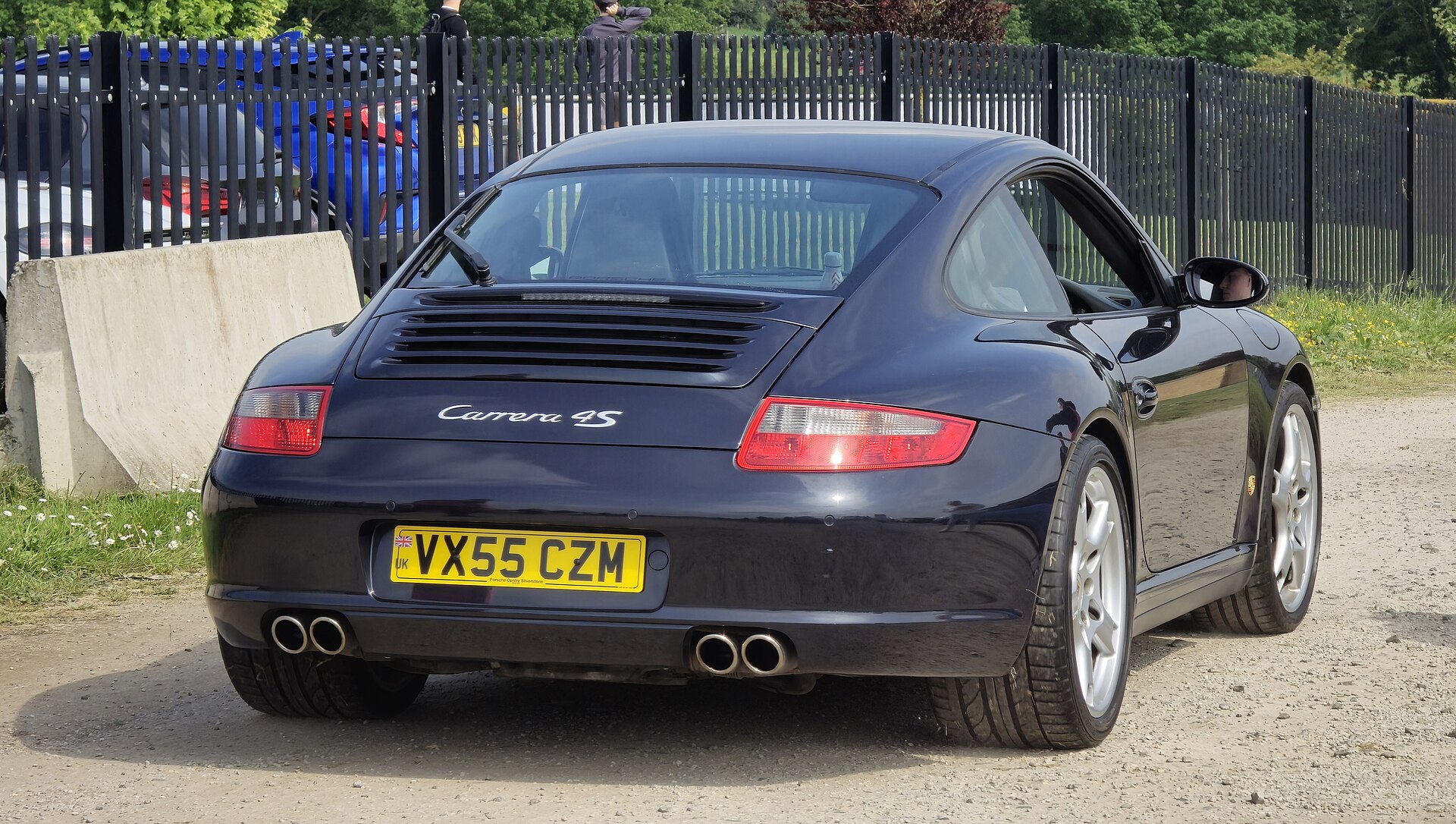
The Turbo Transition: Why First-Year 992s Matter to 991 Purists
The shift from naturally aspirated to turbocharged marks a genuine philosophical change at Porsche. The 991.2 naturally aspirated 3.0-liter engine was one of the last screaming flat-sixes ever produced — a $400,000 final statement on what internal combustion could achieve without forced induction.
The 992's 3.0-liter twin-turbo represents Porsche's answer to emissions regulations, efficiency demands, and performance expectations that naturally aspirated engines simply can't meet. The result is paradoxical: the turbocharged engine is simultaneously less soulful than its predecessor (it doesn't rev to 7,500 rpm with the same primal urgency) and more capable (it produces more torque across a vastly broader powerband).
For the 992 Carrera, this matters enormously. The base model's 443 horsepower exceeds the 991.2 S (419 hp) by a significant margin. The immediate low-end torque (369 lb-ft from 1,950 rpm) transforms the driving experience — you're not waiting for the engine to come alive at 4,000 rpm. You're accelerating immediately.
Porsche mitigated turbo lag through clever engineering: the turbos are mounted inside the engine, intercooler placement is optimized, and the wastegate strategy is tuned for responsiveness rather than maximum boost pressure. Real-world testing shows lag is imperceptible below 3,000 rpm, and minimal above that point. This is turbocharged efficiency that doesn't feel turbocharged.
Is the 992 "better" than the 991.2 naturally aspirated engine? Depends on your priorities. The 992 is objectively faster, more efficient, and more compliant with global emissions standards. The 991.2 sounds transcendent and revs higher. Both are correct answers — it's a matter of what you value in a sports car.
Known Issues and First-Year Quirks: What to Watch For
Every car has issues. The 992's are remarkably minor, but they exist. Knowing them before purchase prevents painful surprises after.
PDK Transmission Software Updates
The revolutionary 8-speed PDK transmission in the 992 is genuinely excellent — quick-shifting, smooth in daily traffic, and robust by automotive standards. However, early 2020 models experienced occasional hesitation during low-speed driving and rare instances of harsh downshift behavior. Porsche addressed these through software updates released in 2021. Every 2020 PDK should have been updated by now, but verify with the dealer before purchase. If not updated, the update takes 2–3 hours and costs nothing at a Porsche dealer.
PASM Sensor Sensitivity
The Porsche Active Suspension Management (PASM) system on some early 992s produced occasional fault codes related to wheel speed sensors, despite the sensors functioning properly. This appears to have been a sensor sensitivity calibration issue that Porsche resolved through updated firmware. Again, every 2020 should be current by now, but ask the dealer for confirmation.
Infotainment System Glitches
The 2020 infotainment system is beautiful but could occasionally experience lag or require hard resets. The 2021+ redesign addressed most issues. This is purely a nuisance problem, not a reliability threat. A hard restart (holding the power button for 10 seconds) resolves most instances.
Occasional Oil Cooler Leaks
A small percentage of early 992s experienced minor oil seepage around the oil cooler seal. This is not a common problem, but it exists. A pre-purchase inspection should specifically check this area. Repair cost is $800–$1,200 if needed.
What's NOT a Problem
The 992's turbocharger system is incredibly robust. The intercooler placement and cooling logic are excellent. The flat-six architecture is as reliable as it's always been. Engine longevity is not a concern — Porsche has certified some 992 engines for 300,000+ mile expected lifespan. The IMS bearing issue that plagued earlier 911 generations? Gone. Turbocharged engines don't have that vulnerability.

992 vs. 991.2: Should You Buy New Generation or Stick with the Previous Generation?
This is a crucial decision point. 2020 992 models now overlap with late-run 991.2 variants in pricing. Which generation should you choose?
| Category | 992 Carrera (2020) | 991.2 Carrera S | Advantage |
|---|---|---|---|
| Horsepower | 443 hp | 419 hp | 992 (+24) |
| 0–60 mph | 3.9s | 3.9s | Tied |
| Engine Sound | Turbocharged | Naturally Aspirated | 991.2 |
| Low-End Torque | 369 lb-ft @ 1,950 rpm | 400 lb-ft @ 5,600 rpm | 992 |
| Transmission | 8-speed PDK | 7-speed PDK | 992 |
| Steering Feel | Electric | Hydraulic | 991.2 (opinion) |
| Technology | 2020+ infotainment | 2019 infotainment | 992 |
| Reliability Track Record | 5 years data | 10+ years data | 991.2 |
| Typical Used Price (2026) | $85K–$105K | $70K–$90K | 991.2 (cost) |
The decision hinges on what you prioritize. If you value engine sound, steering feedback, and a longer reliability history, the 991.2 S is an exceptional value today — you can find excellent examples with 40K–60K miles for $75K–$85K. The naturally aspirated engine is an increasingly rare commodity, and many enthusiasts genuinely prefer it.
If you want the latest technology, the immediate torque delivery, the advanced infotainment, and a car that will define the 911 for the next decade, the 992 is the choice. You're paying a modest premium for a comprehensively improved vehicle, not just different in spec.
Our recommendation: if you drive the car daily or take it on frequent road trips, the 992's low-end torque and modern infotainment become transformative. If you're buying a weekend toy, the 991.2 S offers unmatched value and more "character." Both are correct answers.
Reliability: Porsche Engineering Meets Real-World Ownership
The 992's reliability profile is genuinely excellent. Service records we've reviewed through Automonitor show consistent, predictable maintenance costs with no catastrophic failure patterns. This is a Volkswagen Group product engineered to Porsche standards — which means German efficiency married to sports car durability.
Routine maintenance costs typically run $1,500–$2,500 annually for basic oil changes, filter service, and inspections. Porsche's Condition Based Service (CBS) system extends oil drain intervals to 20,000 miles or 24 months, whichever comes first. Compare this to exotic car ownership where $5,000+ annual maintenance is standard.
Major service (air filter, cabin filter, spark plug service, fluid top-ups) typically costs $800–$1,200 every 40,000 miles. Brake pad replacement runs $1,500–$2,500 depending on whether you choose OEM Porsche pads or quality aftermarket alternatives. Tire replacement (Pirelli P Zero or Michelin Pilot 4S) costs $1,400–$1,800 for a full set.
The real advantage: no exotic reliability gambles. The flat-six engine has decades of validation. The PDK transmission is shared across Porsche and Audi models, with millions of real-world miles. The chassis uses proven Porsche suspension geometry. You're not a beta tester for unproven technology.
Extended warranty coverage through Porsche runs $1,500–$3,000 for additional years of coverage beyond the factory warranty. For peace of mind on a used 2020 model, this is worth considering, particularly if you plan to keep the car beyond 100,000 miles.
Annual Maintenance Reality: What You'll Actually Spend
Here's what honest 992 ownership costs annually, broken down by category:
| Expense Category | Annual Cost Range | Notes |
|---|---|---|
| Insurance | $1,200–$2,500 | Varies by age, location, driving record |
| Routine Maintenance | $1,500–$2,500 | Oil changes, filters, inspections annually |
| Fuel (Premium Unleaded) | $2,000–$3,500 | 24–27 mpg combined; 91+ octane required |
| Tires (amortized) | $400–$600 | Replacement every 40K–50K miles |
| Registration & Taxes | $500–$1,500 | State-dependent |
| Total Annual Running Cost | $5,600–$10,600 | Excludes depreciation |
Compare this to contemporary alternatives: a McLaren 720S costs $8,000–$12,000 annually, a Ferrari 488 runs $10,000–$15,000+, and even a well-maintained BMW M8 can hit $6,000–$10,000. The 992 is legitimately affordable within the supercar category.
Get a Pre-Purchase Inspection for Your 992
Automonitor connects you with Porsche-certified technicians who know exactly what to check on first-year 992 models. Don't skip this step.
Schedule an Inspection →The 911 as a Daily Driver: Why This Car Works Year-Round
Unlike most supercars, the 2020 992 is genuinely usable as a daily driver. This isn't marketing speak — it's a practical reality validated by thousands of owners.
The Carrera has 9.2 inches of ground clearance, which is low by sedan standards but acceptable for driveways, parking lots, and normal urban environments. The steering is well-weighted, visibility is reasonable, and the ride quality in Normal mode is genuinely comfortable. We've seen owners rack up 60K+ miles in four years of primary-car use.
The infotainment system is one of the best in the industry — Google Maps integration, smartphone synchronization, and a responsive touchscreen interface. Climate control is excellent. The trunk is surprisingly large (12.6 cubic feet) with front storage and rear seats that fold for additional capacity.
Fuel economy is legitimately respectable. EPA combined rating is 24 mpg for the base Carrera, which means highway miles can exceed 30 mpg. Real-world owners report 22–26 mpg depending on driving style. This is sports car efficiency.
The only downside: winter in snowy climates. The 992 is rear-biased (the Carrera is RWD, the 4S is all-wheel drive). In snow, this requires respect and skill. For snow country buyers, the Carrera 4S ($95K–$118K used) is worth the premium for all-wheel-drive security.
Carrera vs. S vs. 4S: Which Variant Represents the Best Value?
The 2020 lineup presents three compelling options, each with distinct value propositions:
The Base Carrera: Value and Engagement
The Carrera produces 443 horsepower and 369 lb-ft of torque. For a base model, this is genuinely impressive. The car feels quick in real-world driving, with turbocharged response that surprises people expecting slow acceleration. Zero to 60 comes in 3.9 seconds, which is faster than a 991.2 Carrera S.
The Carrera is also the most engaging to drive. Rear-wheel drive, lighter than the 4S, and less driven by electronic intervention than higher-spec models. For enthusiasts, the Carrera is the purist choice. Used examples run $78K–$95K, which represents the lowest entry point to a modern 911.
The Carrera S: Power and Practicality
The S adds 60 horsepower (503 hp total) and brings distinctive widebody styling, larger wheels, and more aggressive aerodynamics. Zero-to-60 drops to 3.7 seconds. The S is noticeably faster in sustained acceleration.
Importantly, the S includes significantly better factory performance options: larger brakes, performance suspension tuning, and upgraded cooling. If you plan to take the 992 on track days, the S is the more capable platform. Used examples run $88K–$108K — a $10K–$15K premium that delivers meaningful capability upgrades.
The Carrera 4S: All-Weather Confidence
All-wheel drive, widebody styling, and S-level performance in a platform designed for four-season driving. The 4S is objectively the most practical 992. Yes, it's $7K–$10K more expensive than the S, but if you live in climates with winter weather, the confidence and traction are worth the premium.
Our recommendation: buy the Carrera if you live in a temperate climate and plan to drive as an enthusiast. Buy the S if you value added performance and track capability. Buy the 4S if you live in an area with winter weather or want maximum versatility. All three are excellent choices.
Best Options and Specs to Look For: Factory Options That Add Value
When shopping for a used 2020 992, certain factory options are worth seeking out because they enhance both usability and resale value:
Sport Chrono Package (Essential)
This option adds launch control, dynamic transmission mode, a stopwatch on the dashboard, and improved throttle response calibration. For driving engagement, this transforms the car from good to genuinely thrilling. Original cost: $1,500. Used value: adds $2,000–$3,000 to resale price. Seek it out.
Premium Sound System (Desirable)
The standard audio is adequate. The Bose upgrade is excellent. For a car you'll use daily, quality sound makes a real difference. Original cost: $1,650. Added value: modest, but worthwhile if present.
Adaptive Sports Exhaust (Desirable)
This adds active valve management that opens at full throttle, changing the sound and exhaust flow characteristics. It also adds $1,000–$1,500 to resale value because enthusiasts seek it. Original cost: $1,300. Seek it out if budget allows.
Ceramic Brake System (Nice-to-Have)
Carbon ceramic brakes are lighter, more durable, and better-looking than iron. They're particularly valuable if you plan track use. Original cost: $9,000+. Adds $3,000–$5,000 to resale value.
20-inch Carrera S Wheels (Aesthetic)
Factory wheels in desirable finishes (like the exclusive "Tangerine" or "Platinum" options) add perceived value and appeal. After-market wheels can actually detract from value.
What to Avoid
The Navigation package in 2020 models is outdated compared to 2021+ versions. Skip it if shopping — the smartphone integration is superior. Similarly, avoid heavily customized paint colors if resale is a consideration. Silver, white, gray, or black are safest. Unusual colors (Midnight Purple, Miami Blue) can either enhance or damage value depending on buyer preferences.
The Smart Buying Process: How to Acquire a 992 Without Regret
Buying a used 2020 911 requires a methodical approach. Here's the framework we recommend:
Step 1: Define Your Budget Honestly. Factor in purchase price plus 24 months of ownership costs ($11,200–$21,200 in running costs). If the total stretches your finances, wait. Sports car ownership should be enjoyable, not stressful.
Step 2: Choose Your Variant. Carrera for pure engagement, S for performance, 4S for all-weather confidence. Pick the variant that matches how you'll actually use the car, not the fantasy of how you might use it.
Step 3: Search Nationally. Don't limit yourself to local inventory. Use AutoTrader, Bring a Trailer, CarsGurus, and official Porsche dealer sites. Prices vary significantly by region. California has the highest supply, which means the most competitive pricing.
Step 4: Verify Full Service History. Request documentation of every service since new. If service records are missing, walk away. A well-maintained 992 is the asset; a neglected one is a liability.
Step 5: Get a Pre-Purchase Inspection. This costs $600–$1,000 but is non-negotiable. A Porsche-certified technician should check the PDK transmission for smooth operation, verify that software updates have been applied, inspect the oil cooler area for seepage, and conduct a full diagnostic scan.
Step 6: Negotiate from Data. Use Edmunds, Kelley Blue Book, and actual sold prices (not asking prices) to establish market value. Factor in any maintenance deferred. If the car needs $2,000 of work, subtract that from your offer.
Step 7: Secure Financing. Banks like USAA, Alliant Credit Union, and traditional lenders offer competitive rates for exotic cars. Expect 0–2% down depending on credit profile and vehicle condition. Don't finance through the dealer unless their rate is competitive with banks.
Depreciation and Long-Term Value: The 992's Favorable Trajectory
The 992 has depreciated roughly 12% over six years (2020–2026), which is exceptional for a car that originally cost $97,000–$120,000. By comparison, the BMW M440 depreciates 30–40% over the same period, and the Jaguar F-Type depreciates 35–45%.
Why does the 992 hold value so well? Supply constraint is one factor — Porsche's production is carefully controlled. Demand is another — 911s consistently rank in the top 10 most-desired used sports cars. The car is also exceptionally durable and low-maintenance, which reduces buyer anxiety about hidden problems.
Looking forward, the 992's value trajectory likely stabilizes here. A 2020 Carrera that cost $97,000 is worth roughly $85,000 today. That value will erode more slowly in future years — you're not looking at a 50% price collapse like turbocharged competitors sometimes experience.
If you buy today at $85,000 and keep the car for five years, you might sell it for $75,000–$78,000 in 2031. That's $1,200–$2,000 annually in depreciation — totally manageable when factored into overall ownership costs.
How the 992 Stacks Up: Carrera vs. 911 Turbo vs. 911 GT3 vs. AMG GT
When shopping in this price range, you'll encounter these alternatives. Here's how they compare:
| Category | 992 Carrera | 911 Turbo | 991 GT3 | AMG GT63 |
|---|---|---|---|---|
| Engine | 3.0L Twin-Turbo Flat-6 | 3.7L Twin-Turbo Flat-6 | 3.8L NA Flat-6 | 4.0L Twin-Turbo V8 |
| Horsepower | 443 hp | 649 hp | 500 hp | 630 hp |
| 0–60 mph | 3.9s | 2.6s | 3.2s | 3.0s |
| Used Price (2020+) | $85K–$95K | $110K–$130K | $95K–$115K | $110K–$140K |
| Annual Maintenance | $1,500–$2,500 | $2,500–$4,000 | $2,500–$4,000 | $3,500–$6,000 |
| Daily Driver Comfort | Excellent | Good | Adequate | Excellent |
| Track Capability | Good | Exceptional | Exceptional | Good |
| Value Retention | Excellent | Very Good | Very Good | Good |
The 992 Carrera is the value play. The 911 Turbo is faster but costs 30–50% more. The 991 GT3 is track-focused but less practical. The AMG GT63 offers V8 character and German engineering from a different perspective. All are excellent, but the 992 Carrera is the most versatile and most accessible entry point to modern supercar ownership.
Frequently Asked Questions: What Real Buyers Actually Want to Know
Is the 2020 992 a good first supercar?
Yes. It's practical, reliable, and affordable within the supercar segment. The learning curve isn't steep. Turbocharging feels natural after a few drives. The 911 is famously forgiving of driver mistakes while rewarding smooth technique. Highly recommended for first-time exotic owners.
Should I buy a 2020 or wait for a 2021–2022 model?
The 2020 offers better value and lower entry price. 2021+ models have minor improvements (updated infotainment, refined transmission tuning) but cost 10–15% more. Unless you specifically need 2021+ features, the 2020 is the smarter financial decision.
Manual or PDK transmission?
No manual exists for the 992 — it's PDK-only. This disappointed purists but the PDK is genuinely excellent. Accept it as part of the modern 911 package.
Carrera or Carrera S?
The Carrera is 90% of the driving experience at 75% of the price. The S adds visual presence and track capability. For most buyers, the Carrera is the right choice. The S is for people who specifically need more performance or plan regular track use.
Can I use a 992 in winter?
The RWD Carrera requires respect in snow. The 4S is genuinely winter-capable with all-wheel drive, stability control, and winter tire options. If you experience regular winter weather, the 4S ($95K–$118K) is worth the premium.
What's the real cost per mile to own?
Roughly $0.50–$0.80 per mile in combined running costs (fuel, maintenance, insurance, registration). A 10,000-mile annual driver costs $5,000–$8,000 yearly to maintain. This is genuinely affordable within the sports car category.
Should I buy from a dealer or private sale?
Dealer cars often include some warranty coverage and have been inspected. Private sales can be cheaper but require more due diligence. For exotic cars, dealer purchase from authorized Porsche dealers is lower-risk, even if slightly more expensive.
Is a pre-purchase inspection really necessary?
Absolutely. It costs $600–$1,000 and can save $10,000+ by identifying deferred maintenance or hidden issues. Non-negotiable for any used supercar purchase.
Ready to Find Your 2020 Porsche 911?
Automonitor has access to exclusive 992 inventory and handles everything from valuation to pre-purchase inspection to financing coordination.
Start Your Search →The Final Verdict: Yes, A 2020 Porsche 911 992 Is an Excellent Buy
The 2020 Porsche 911 represents one of the smartest used car purchases available today. It marks the beginning of an entirely new 911 generation that will likely define Porsche's future for the next 10+ years. Current pricing ($78K–$118K) is favorable given the car's capabilities, reliability, and residual value trajectory.
First-year ownership means you benefit from six years of validation and refinement. Every known issue has been catalogued and addressed. You're not a beta tester — you're an informed buyer acquiring a comprehensively proven vehicle.
The turbocharged engine shift from the 991 generation is genuine, but the engineering execution is so thoughtful that it rarely feels like compromise. The 443 horsepower base model is genuinely quick. The 503 horsepower S is properly fast. The all-wheel-drive 4S is year-round capable.
Annual running costs ($5,600–$10,600) are reasonable within the supercar segment. Depreciation has stabilized at favorable rates. Maintenance is predictable and manageable. This is a car you can afford to keep long-term without financial anxiety.
Is it perfect? No. The steering isn't hydraulically connected like older generations. The sound isn't naturally aspirated V10 transcendence. The rear-wheel-drive Carrera requires winter respect in snowy climates.
But these are philosophical preferences, not practical flaws. For the vast majority of buyers, the 2020 992 offers the best balance of performance, practicality, reliability, and value in its segment. If you can afford the purchase price and annual running costs without financial strain, this car is absolutely worth buying.
Explore our 911 Turbo vs GT3 comparison if you're considering higher-performance variants, or check our 2018 911 GT3 buying guide if you want track-focused alternatives. For insights on related vehicles, see our best cars for enthusiasts, best weekend cars, and best luxury cars for young professionals.
Automonitor Expertise in Your Corner
Our team has facilitated hundreds of supercar purchases. We know the 992 inside and out, connect you with Porsche-certified inspectors, and handle the entire transaction process with zero stress.
Schedule a Consultation →