
Can I Afford a Porsche 911? The Complete Financial Guide to 911 Ownership
The Porsche 911 is the world's most accessible exotic sports car — but accessible doesn't mean cheap. We break down every cost, every variant, and every income threshold so you can answer one question honestly: Can you afford it?
The Gateway Exotic: Why the 911 Is Different
When people think about exotic cars, most imagine Ferraris and Lamborghinis — vehicles that feel out of reach for anyone without eight figures in the bank. The Porsche 911 shattered that ceiling. It's the first true sports car that sits at the intersection of attainable and extraordinary. It's the reason someone making $150,000 a year can own a six-figure sports car without financial recklessness. It's why the 911 has been in production for over 60 years and why more people own them than any other sports car on Earth.
But "accessible" is relative. A 911 isn't a 3-Series BMW, and owning one requires a different financial framework than most people use for car purchases. This guide exists to help you understand whether you can actually afford one — not just the monthly payment, but everything that comes with it.
The Modern 911 Lineup: Understanding Your Options
Before we talk about affordability, you need to understand the massive range of 911 variants available in today's market. Each generation and each variant tier has different costs and different requirements.
997 Generation (2005–2012): The Classic Gateway
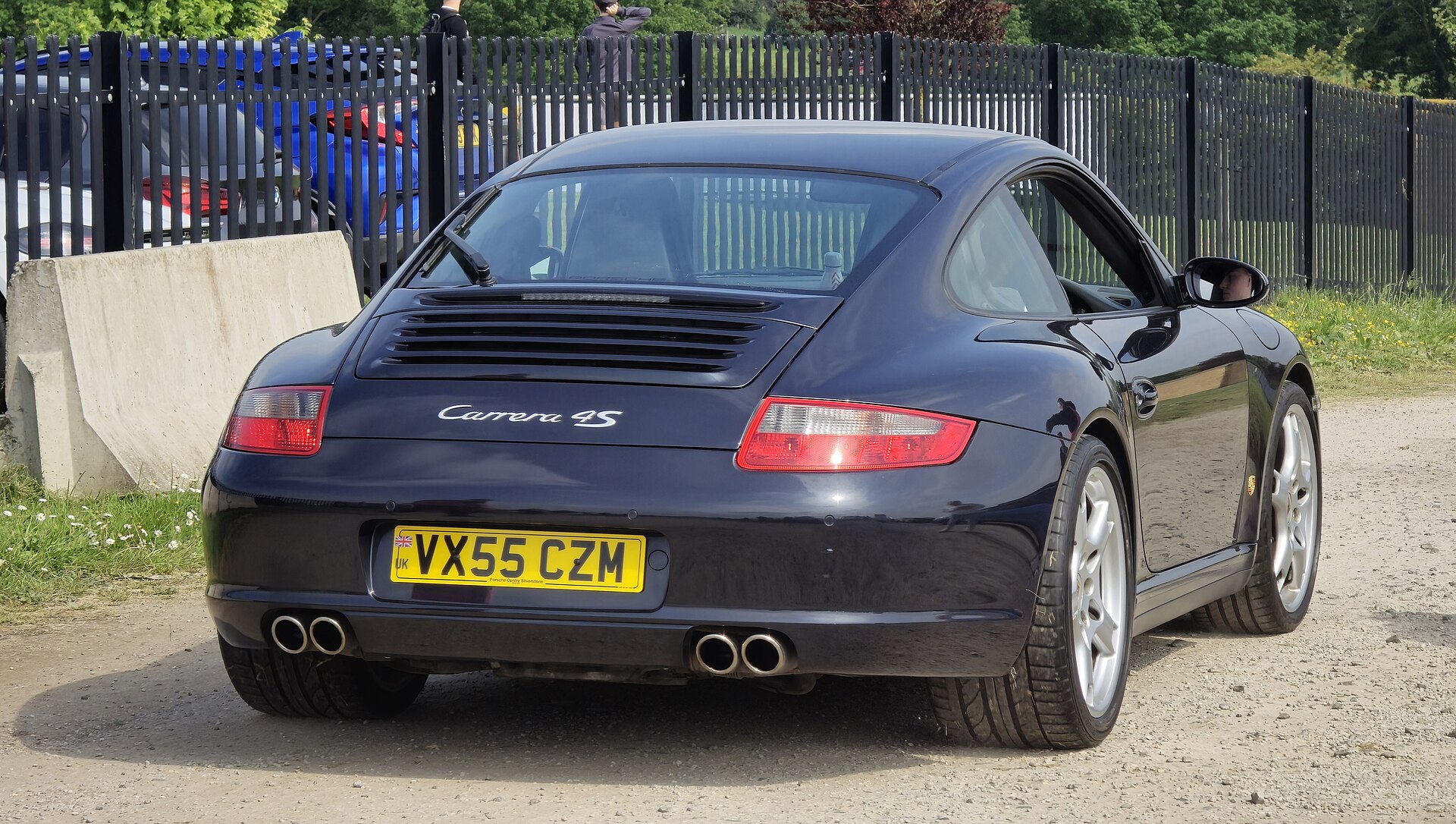
The 997 is the last generation before the 991 introduced the direct-injection engine. You can find clean examples with 30,000–50,000 miles for $45,000–$65,000. The 997 Carrera produces 345–355 hp depending on year, hits 60 mph in 5.1 seconds, and delivers that unmistakable naturally aspirated flat-six sound. It's the entry point for first-time 911 buyers, and the relative affordability makes it popular in the used market. A 997 Carrera S costs $60,000–$75,000. A 997 Turbo runs $80,000–$120,000 depending on mileage and condition.
991 Generation (2012–2019): The Modern Classic
The 991 split into two phases: the original 2012–2015 models with NA engines, and the 2016–2019 models with turbocharged engines. A 991.1 Carrera runs $60,000–$85,000. The 991.2 Carrera (turbocharged) costs $70,000–$95,000. A 991 Carrera S pushes $85,000–$105,000. The 991 Turbo ranges $100,000–$150,000. The 991 GT3, one of the greatest driver's cars ever built, costs $160,000–$200,000+ depending on mileage and condition.
992 Generation (2019–Present): The Latest Iteration
The 992 is the newest generation with the most technology and the lowest emission footprint. A base 992 Carrera with the 3.0L twin-turbo flat-six starts at $85,000–$110,000 used (2019–2021 examples). The 992 Carrera S runs $110,000–$135,000. The 992 Carrera GTS climbs to $140,000–$165,000. The 992 Turbo hits $130,000–$180,000. The 992 GT3, arguably the best new car Porsche makes, costs $160,000–$210,000 used.
Specialized Variants: Turbo S, GTS, GT3 RS
Beyond the main lineup, Porsche offers specialized variants that command significant premiums. The Turbo S ($160,000–$210,000 used) adds the most power and best luxury. The GTS variants ($140,000–$180,000) target enthusiasts who want more handling capability than a standard Carrera. The GT3 RS ($200,000–$280,000 used) is for drivers who plan to track their car regularly — it's as close to a race car as Porsche sells for the road.
Get Expert Guidance Before Buying
Our Porsche specialists help buyers navigate the entire 911 lineup and find the right model for their budget and driving style.
Get Pre-Purchase Advice →
What You'll Actually Pay: The 911 Variant Price Table
Here's the reality of pricing across the entire modern 911 lineup in today's market:
| Variant | Generation | Used Market Range | Best Value Years |
|---|---|---|---|
| Carrera | 997 (2005–2012) | $45,000–$65,000 | 2010–2012 with 40K–60K miles |
| Carrera S | 997 (2009–2012) | $60,000–$75,000 | 2011–2012 with 30K–50K miles |
| Carrera | 991.1 (2012–2016) | $60,000–$85,000 | 2015–2016 with 25K–40K miles |
| Carrera S | 991.1 (2012–2016) | $75,000–$100,000 | 2015–2016 with 20K–35K miles |
| Carrera (Turbo) | 991.2 (2016–2019) | $70,000–$95,000 | 2017–2018 with 30K–50K miles |
| Carrera S | 991.2 (2016–2019) | $85,000–$110,000 | 2017–2019 with 25K–45K miles |
| Carrera (Turbo) | 992 (2019–2023) | $85,000–$115,000 | 2019–2020 with 20K–35K miles |
| Carrera S | 992 (2019–2023) | $110,000–$135,000 | 2020–2021 with 15K–30K miles |
| Carrera GTS | 992 (2021–2023) | $140,000–$165,000 | 2021–2022 with under 10K miles |
| Turbo | 997 (2010–2012) | $80,000–$120,000 | 2012 with under 50K miles |
| Turbo S | 991 (2014–2019) | $130,000–$180,000 | 2017–2019 with 15K–30K miles |
| Turbo | 992 (2020–2023) | $130,000–$170,000 | 2021–2022 with 10K–20K miles |
| GT3 | 991.2 (2019–2022) | $160,000–$210,000 | Any example with documented service |
| GT3 | 992 (2023–2024) | $180,000–$240,000 | Clean examples with low miles |
| GT3 RS | 991.2 (2019–2022) | $200,000–$270,000 | All examples are valuable |
Purchase price is just the beginning. Here's what ownership actually costs annually:
| Expense Category | Annual Cost | Notes |
|---|---|---|
| Insurance | $2,000–$5,000 | Varies by model, age, coverage level, driving record |
| Routine Maintenance | $1,500–$3,500 | Oil changes, fluid service, inspections — less than Ferrari or Lambo |
| Fuel | $2,000–$3,000 | 18–22 mpg combined; 91+ octane recommended |
| Tires (amortized) | $1,200–$2,400 | Replacements every 12K–20K miles |
| Brakes (amortized) | $800–$1,500 | Standard pads are affordable; ceramic optional |
| Registration & Taxes | $500–$2,000 | State-dependent; less than Italian exotics in some states |
| Total Annual Running Cost | $8,000–$17,400 | Much lower than Ferrari, Lamborghini, or McLaren |
Notice something? The 911's annual running costs are dramatically lower than the Italian exotics. You can own a Porsche 911 for $650–$1,450 per month in running costs — significantly less than a 911 payment itself.
Depreciation: How Well the 911 Holds Value
This is where the 911 shines. Porsche has built the most resilient sports car resale market on Earth. A well-maintained 911 loses about 25% of its value over five years. Compare that to a McLaren (35–40%), a Ferrari 488 (28–32%), or a Lamborghini Huracan (20–25%, but fewer buyers means less liquid resale).
Certain 911 variants actually appreciate. The 991 GT3 and GT3 RS have climbed in value since their release. A 991 GT3 that sold for $85,000 new now costs $160,000+ on the used market — it's become a collector's piece. The 997 GT2 RS, limited to just 641 units worldwide, has appreciated consistently for over a decade.
The practical implication: if you buy a 992 Carrera for $95,000 and drive it for four years, you might sell it for $70,000–$75,000. That's roughly $400–$500 per month in depreciation — lower than many luxury sedans.
Income Requirements: What You Really Need to Earn
This is the question most people want answered directly: "How much do I need to make to afford a 911?"
There's a rule of thumb in the exotic car world: your car should not exceed 10–15% of your gross annual income, and your annual running costs should not exceed 5% of your gross income. Using those benchmarks, here's what you need to earn:
| 911 Variant | Purchase Price | Annual Running Costs | Recommended Annual Income | Monthly Gross Income |
|---|---|---|---|---|
| 997 Carrera | $55,000 | $8,000 | $120,000+ | $10,000+ |
| 991 Carrera | $75,000 | $10,000 | $150,000+ | $12,500+ |
| 991 Carrera S | $95,000 | $11,000 | $180,000+ | $15,000+ |
| 992 Carrera | $100,000 | $10,500 | $200,000+ | $16,666+ |
| 992 Carrera S | $125,000 | $12,000 | $220,000+ | $18,333+ |
| Turbo (991/992) | $140,000 | $13,000 | $250,000+ | $20,833+ |
| GT3 (991/992) | $185,000 | $14,000 | $300,000+ | $25,000+ |
| Turbo S / GT3 RS | $220,000 | $15,500 | $350,000+ | $29,166+ |
These are guidelines, not gospel. Some people with $120,000 annual income should absolutely buy a 911. Others with $250,000 income shouldn't. It depends on your savings, your debt level, your risk tolerance, and whether you're buying with cash or financing.
Why the 911 Is the Smartest Entry to Exotic Ownership
Among all exotic sports cars, the 911 stands alone for one reason: it's the only one that makes pure financial sense while also delivering emotional satisfaction.
Lower Maintenance Than Competitors
A Ferrari 488 costs $4,000–$7,000 annually in maintenance. A Lamborghini Huracan costs $3,000–$5,000. A 911? $1,500–$3,500. The reason is simple: Porsche builds reliable cars. They're engineered by German engineers, not Italian artists. The 911's flat-six engine is one of the most durable powertrains in automotive history. You're not paying for exotic-car reliability while getting exotic-car maintenance costs.
Better Dealer Network
There are Porsche dealers in nearly every major city in North America. Try finding a Ferrari dealer in your state. A McLaren service center? Good luck. If your 911 needs service, you have options. You're not shipping it across the country or waiting weeks for an appointment. You can get your car serviced locally, which matters when you're an actual owner who drives the car.
Daily Drivability
The 911 is the only true sports car in this price range that you can actually drive daily if you want. The ride is firm but not punishing. The visibility is surprisingly good. Ground clearance isn't dangerously low. The infotainment system works. You can park it without needing a trauma therapist. This matters more than people admit — the 911 can be a weekend car AND a capable daily driver. No other exotic car in this price range can claim that.
Resale Value and Liquidity
When you want to sell your 911, there's a massive buyer pool. Porsche dealers will buy it back or trade it. Local buyers will bid on it. It will sell in weeks, not months. Compare that to a Lamborghini Huracan, where you might wait 60–90 days for the right buyer. With a 911, you're liquid. You can convert it to cash quickly if circumstances change.
Variant Appreciation
The GT3 and GT3 RS have appreciated over the past five years. The Turbo has remained stable. Even base Carreras have depreciated slower than most cars their age. There's no 911 variant that's a disaster from a resale perspective. Meanwhile, you could buy a Lamborghini Temerario today and watch it lose 40% in five years. The 911 has built-in value protection.
The Porsche 911 is the only exotic car where owning one is financially responsible while also being emotionally rewarding.

Which 911 Should You Buy? A Variant-by-Variant Guide
Not every 911 is for everyone. Here's our honest recommendation based on budget and intended use:
Best Value: 997 Carrera ($45K–$65K)
If you're serious about owning a 911 but your budget is tight, the 997 is your entry point. You get 90% of the driving experience for 30% of the price of a new car. It's the variant we see most first-time 911 buyers choose. Read our complete 911 buying guide for detailed variant comparisons and what to look for in a used model.
Best Everyday Driver: 991 Carrera ($60K–$85K)
The 991 is the sweet spot between value and modernity. It has the turbocharged engine (starting 991.2), modern infotainment, better reliability statistics than the 997, and resale value that's proven. If you'll drive the car regularly and want it to feel contemporary, the 991 Carrera is your target. It's the most logical choice for actual owners.
Best New-Car Value: 992 Carrera ($85K–$115K)
If you want the latest generation with the newest technology and can swing $85,000–$115,000, the 992 is worth the premium. It's more efficient, more connected, and better in every measurable way than the 991. The depreciation will be steeper initially, but long-term value retention is excellent for the 992 Carrera.
Best Driver's Car: GT3 ($160K–$240K)
If you're confident enough to track your car or aggressive enough to take it to driving events, the GT3 is worth the premium. It's the most engaging 911, and it's also the one that holds value best. The 991 and 992 GT3 are both excellent. If you have the budget and the talent, the GT3 is the only purchase you'll never regret. Check our exotic car pre-purchase inspection guide before buying any used GT3.
Best Balanced Performance: Turbo/Turbo S ($130K–$210K)
The Turbo is for people who want maximum performance but don't want the track-focused geometry of a GT3. It's faster, more powerful, more luxurious, and nearly as capable as the GT3. The Turbo S is the ultimate version — all-wheel drive, maximum power, and Porsche's best interior. If you make $250,000+ per year and want the best 911 Porsche sells without track focus, the Turbo S is it.
The Smart Way to Buy a 911
The process of buying an exotic car requires different thinking than buying a normal car. Here's the approach we recommend:
Step 1: Define your budget. Include purchase price plus 24–36 months of running costs. If a $100,000 911 plus $30,000 in running costs ($130,000 total) stretches your finances, don't buy it. The 911 isn't going anywhere — inventory is stable and prices are predictable.
Step 2: Choose your generation and variant. Don't buy the most expensive 911 you can afford. Buy the one that fits your actual driving patterns. A GT3 is wasted if you never track it. A Carrera S is more than enough if you just want weekend fun. Read our complete exotic car financing guide to understand your options.
Step 3: Search broadly. Don't limit yourself to local dealers. Porsche inventory moves freely between regions. Check Cars.com, Bring a Trailer, Rennlist classifieds, and authorized Porsche dealers. The best deals often come from private sales where the seller doesn't understand market value.
Step 4: Get a pre-purchase inspection. This is non-negotiable. A PPI from an independent Porsche specialist costs $500–$1,000 and can save you $15,000+ in hidden problems. The inspection should cover the engine, transmission, suspension, brakes, cooling system, and a full diagnostic scan. Learn what to ask for in our pre-purchase inspection guide.
Step 5: Negotiate from data. Know the market value before making an offer. Use completed auction data, not asking prices. If the car needs service, deduct that from the purchase price. A 992 Carrera with a recent service history is worth $5,000 more than one that hasn't been serviced in a year.
Step 6: Secure financing strategically. If you're financing, exotic car lenders like JJ Best Banc and credit unions specializing in luxury vehicles offer better rates than traditional banks. Expect 20–30% down and 6–8% interest rates. Read our complete financing guide for detailed options and strategies.
Step 7: Factor in insurance before you buy. Get a quote from specialty insurers like Hagerty and Specialty Car Insurance before committing. Insurance can vary wildly based on your driving record, age, location, and model choice. Confirm you can afford it before signing the paperwork.
Misconceptions About 911 Affordability
There are several myths people believe about owning a 911 that can lead to bad financial decisions.
Myth: You Need to Finance If You're "Smart"
False. If you can pay cash without depleting your emergency fund or compromising your retirement savings, do it. Zero interest saved versus zero debt is a better outcome than saving 5% on interest while carrying $80,000 in debt. Buy what you can own outright or finance conservatively.
Myth: Used Is Always Better Value
Not necessarily. A 2019 992 Carrera costs $90,000–$100,000 used. A 2023 992 Carrera costs $110,000–$120,000 new from a dealer. That's only $10,000–$20,000 more for a car with a factory warranty, zero miles, and your exact color and spec. Sometimes new makes financial sense, especially on the 992 generation.
Myth: A Cheaper Variant Will Be More Fun
A 997 Carrera is genuinely fun, but a 991 GT3 is transformatively better. If you can afford the upgrade, it's worth it. The difference between a Carrera and a GT3 isn't 20% more car for 20% more money — it's 100% more driving satisfaction for 40% more investment. If your budget allows for a GT3, stretch for it. You'll keep it longer and regret selling it less.
When You SHOULDN'T Buy a 911
We'd be irresponsible if we didn't tell you when a 911 purchase makes no financial sense.
You're stretching your finances. If buying a 911 means taking on consumer debt, using credit cards for maintenance, or cutting your emergency fund, don't do it. Exotic cars demand a financial cushion. You need $15,000–$25,000 in reserve for unexpected repairs.
You need a daily driver. The 911 can be daily driven, but it shouldn't be. It's a weekend car. If you need something to drive every day in all weather, buy a Porsche Cayenne or a regular sedan. A 911 as a daily driver is a waste of what makes it special.
You want an investment vehicle. The 911 holds value well, but it's not an investment in the traditional sense. It depreciates, costs to maintain, costs to insure, and ties up capital. Buy a 911 because you love driving it, not because you expect to make money on it. (Unless you're buying a very specific variant like the GT3 RS, which actually has appreciated, or older air-cooled variants, which are collectible.)
You haven't driven one. Always test drive multiple 911 variants before you buy. Some people find the seating position awkward. Some hate the weight of the steering. Some can't get comfortable with the turbo lag in the 991/992. Find these things out before you own one. Read our guide on how to negotiate exotic car prices to understand the buying dynamics better.
Frequently Asked Questions About 911 Affordability
Can I lease a Porsche 911 instead of buying?
Yes, but it's usually not the best financial move for enthusiasts. A 911 lease typically costs $1,200–$1,800/month with mileage restrictions (usually 10,000–12,000 miles/year). Over three years, that's $43,200–$64,800 with nothing to show for it. Buying a 997 Carrera for $55,000, driving it for three years, and selling it for $40,000 leaves you with a $15,000 cost for ownership — plus you didn't have mileage restrictions or wear-and-tear penalties. Buying almost always wins financially unless you drive 20,000+ miles per year.
Should I buy a higher-mileage 911 to save money?
Be very careful. A 2012 991 Carrera with 90,000 miles costs $55,000. A 2012 991 Carrera with 40,000 miles costs $65,000. That's a $10,000 difference. But the high-mileage car might need a timing chain refresh ($4,000), new tires ($2,400), and a brake flush ($1,500) in the next year. Suddenly the $10,000 savings evaporates. Buy low-mileage examples when possible. The sweet spot is 30,000–50,000 miles with documented full service history.
Is a Turbo worth the extra cost over a Carrera?
It depends on your budget and driving style. A Turbo costs $30,000–$50,000 more than a Carrera, but it delivers 150+ additional horsepower, all-wheel drive, and more everyday usability. If you plan to keep the car for 5+ years and drive it regularly, the Turbo is worth it. If you're buying your first 911 and not sure how much you'll drive it, start with a Carrera. You can always upgrade later.
What's the cheapest 911 I can actually afford to own?
Realistically, plan for at least $120,000 in annual income to own a 997 Carrera comfortably. That gives you the budget for a $55,000 purchase, $8,000–$10,000 in running costs, and a financial cushion for surprises. If you make less than $120,000, either wait to increase your income or look at a Porsche Boxster or Cayman instead — similar driving experience, lower costs, more achievable affordability.
Will my 911 be worth more or less in five years?
Most 911s depreciate about 25% over five years. A 992 Carrera you buy for $100,000 today will be worth roughly $75,000 in 2031. There are exceptions: GT3s, GT3 RS, and Turbo S models hold value better. Limited production variants (Targa, Cabriolet, etc.) can appreciate if they're special. But as a general rule, assume 25% depreciation and you'll be pleasantly surprised if it's better.
Is specialist insurance really that expensive?
Not as much as people think. A 992 Carrera costs $1,800–$2,500/year to insure fully through specialty providers. A 997 Carrera costs $1,200–$1,800/year. That's not drastically more than a regular sports car. Get actual quotes before you decide. Hagerty, Specialty Car Insurance, and Porsche's own insurance program offer competitive rates.
The Honest Verdict: Can You Afford a 911?
The answer is probably yes if:
- You make at least $150,000 annually and are willing to buy a 997 or 991 generation
- You make at least $200,000 annually and want a newer 992
- You have $50,000–$150,000 in liquid savings beyond your emergency fund
- You understand and accept the annual running costs ($8,000–$17,000)
- You've test-driven multiple variants and confirmed you love the driving experience
- You view it as a lifestyle purchase, not an investment
- You won't feel stress or regret about the money you're spending
The answer is no if:
- Your income is less than $120,000 annually
- You'd need to finance more than 60% of the purchase price
- You have existing high-interest debt
- The monthly payment would be more than 15% of your gross monthly income
- You're buying it to impress other people rather than for yourself
- You haven't actually driven the specific model you're planning to buy
- You're hoping to make money on the resale
The Porsche 911 is the most rational exotic car purchase you can make. It's the only supercar that makes financial sense while also delivering genuine emotional satisfaction. But "rational" doesn't mean "for everyone." Know your number. Understand the costs. Make the decision with clear eyes.
If you're ready to explore the 911 market with confidence, Automonitor's concierge buying service handles everything from market research to pre-purchase inspection to negotiation. We've helped hundreds of buyers find their 911 at the right price, with the right specifications, and with complete confidence. Start exploring the market today.
Ready to Buy Your Porsche 911?
Our specialists help you navigate the entire 911 market, from 997 to 992, from Carrera to GT3. We handle research, inspection, negotiation, and paperwork.
Start Your 911 Search →