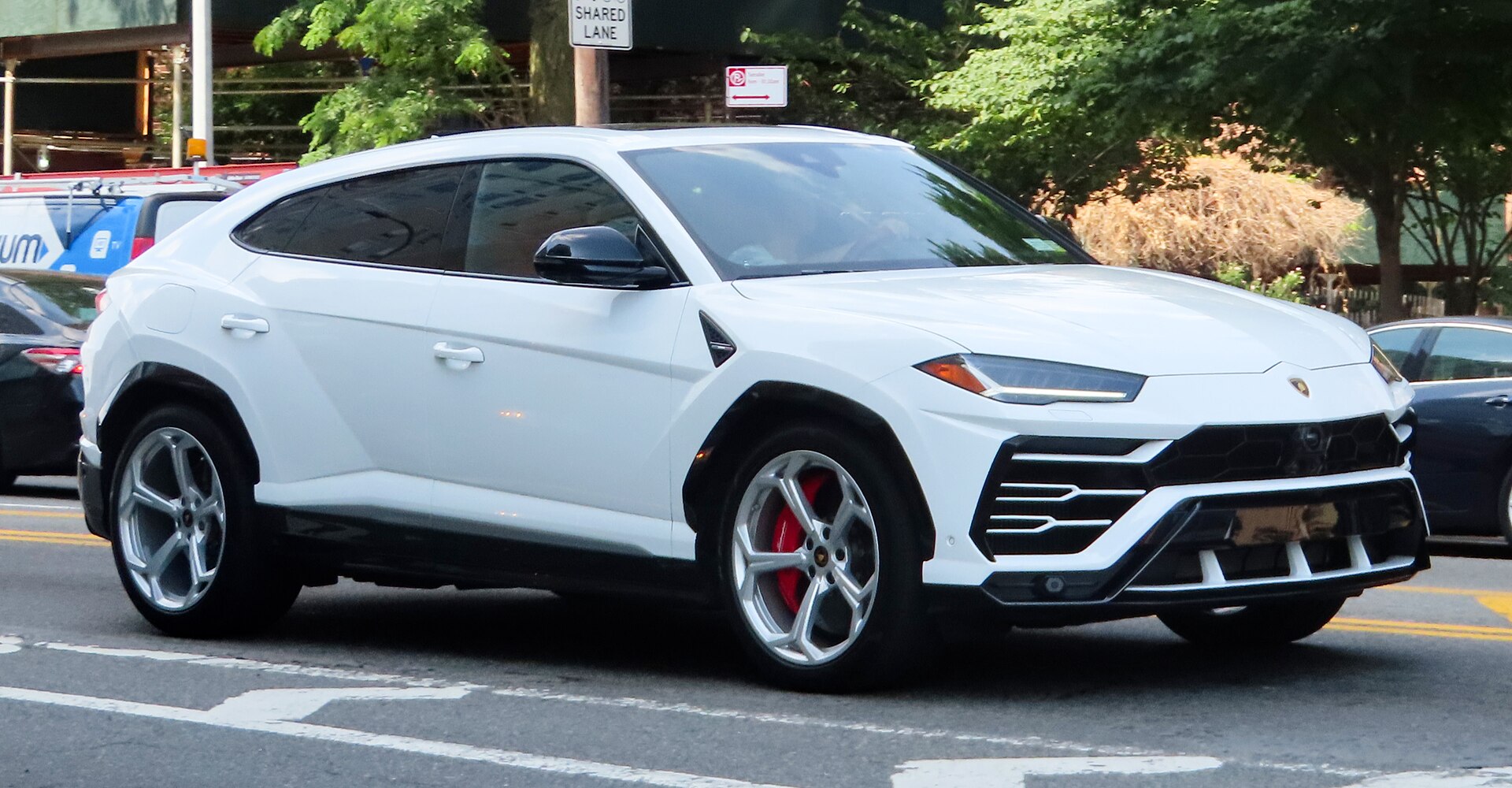
What Year Lamborghini Urus Should I Avoid?
The Lamborghini Urus is arguably the most practical supercar ever made. But not every model year is created equal. Here's the complete breakdown of which years to target and which production dates carry higher risk of costly issues.
The Lamborghini Urus: What You Need to Understand First
When Lamborghini launched the Urus in 2019, it made one of the boldest decisions in automotive history: building a luxury SUV with genuine supercar performance. The Urus sits on the Volkswagen Group's MLB Evo platform, shared with the Audi Q7 and Bentley Bentayga, which means it benefits from extensive engineering validation and parts availability. That foundation matters.
The Urus ships with a 4.0-liter twin-turbo V8 producing 641 horsepower in standard form, capable of 0-60 mph in 3.6 seconds and a 189 mph top speed. The 2023 Performante variant bumped output to 666 hp. It's genuinely fast, genuinely practical, and genuinely expensive to maintain. Over seven years of production, Lamborghini refined the Urus substantially — which means some model years are significantly better than others.
This guide exists to help you navigate the model year minefield and find a Urus that will deliver the performance and reliability Lamborghini promised, not the headaches that plague certain production batches.
Quick History: How the Urus Evolved
The Urus launched in 2019 with the base model and a Performante variant. Lamborghini continued refinement in 2020, added the S variant in 2021, introduced the Performante refresh in 2023, and released the updated Urus S in 2024. Each generation brought engineering improvements, but the first-year teething problems are real.
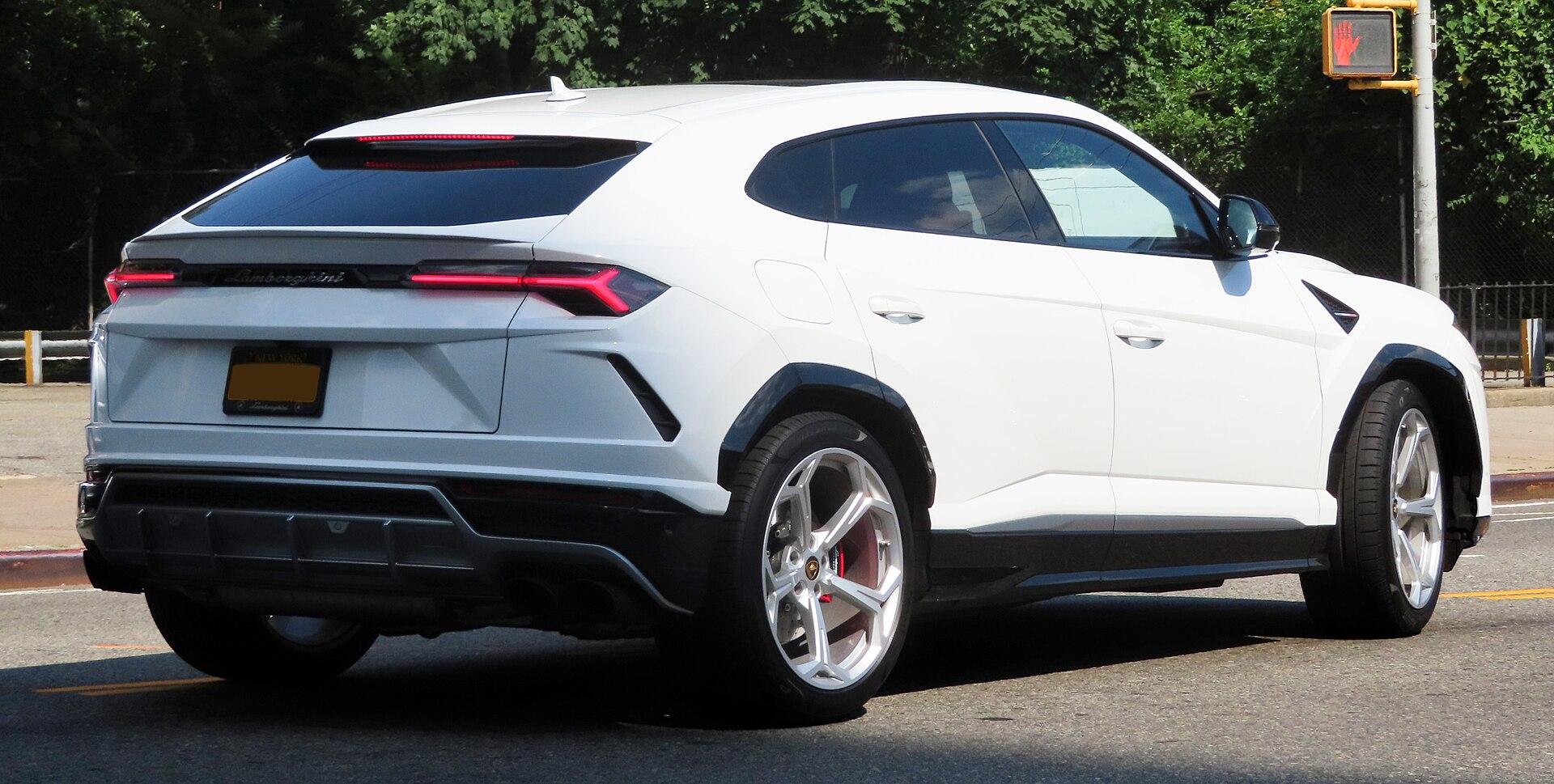
Years to AVOID or Be Cautious About
2019 Lamborghini Urus: The Most Problematic Year
The 2019 Urus is the most reported problem year in Lamborghini owner communities, and for good reason. As the first model year of a completely new vehicle category for Lamborghini, the 2019 Urus suffered from numerous first-generation gremlins that were subsequently resolved through software updates and minor engineering revisions.
Common 2019 Issues:
- Software and Infotainment Freezing: Multiple owners report infotainment system lockups, navigation crashes, and unresponsive touchscreen systems. These typically resolved via software updates, but were genuinely frustrating during ownership. Lamborghini issued multiple TSBs (Technical Service Bulletins) addressing infotainment stability through 2020.
- Air Suspension Calibration Problems: The Urus uses an adaptive air suspension system. Early 2019 models suffered from poor suspension geometry calibration, resulting in uneven ride height, unpredictable suspension behavior in different drive modes, and occasional compressor cycling issues. Resolution required suspension recalibration and occasionally component replacement.
- Turbo Wastegate Rattle: At idle or low rpm, numerous 2019 Urus models developed turbo wastegate rattle — a rattling noise from the engine bay that sounded like a loose heat shield but was actually internal turbocharger valve noise. Warranty replacements of the turbocharger resolved the issue permanently.
- Brake Squeal Under Light Braking: While the carbon ceramic brake system is excellent, 2019 models experienced excessive squealing during light braking and low-speed maneuvers. This was eventually traced to brake pad material formulation and caliper mounting tolerances. Software updates improved brake pad modulation and reduced (though didn't entirely eliminate) squealing.
- Battery Drain When Parked: Several 2019 owners reported excessive battery drain during periods of non-use (3+ weeks of sitting). Some vehicles would fail to start after extended parking, requiring dealer intervention. This was related to infotainment module sleep cycle management and was addressed through software updates in later production.
2019 Recommendation: Avoid the 2019 model year if possible. If you find a 2019 Urus that interests you, confirm it has all available software updates and has been through at least two major service cycles (which would indicate that initial issues have been resolved). Inspect service records carefully. Expect to negotiate 10-15% below 2020 model pricing ($155K-$175K for a 2019 vs. $165K-$190K for a 2020).
2020 Lamborghini Urus: Better, But Still Early Production
The 2020 Urus represents a significant step forward. Lamborghini addressed most of the 2019 software issues, implemented suspension geometry improvements, and refined the turbocharger mounting design to eliminate wastegate rattle. However, it's still early-generation production, and some residual issues persisted.
Remaining 2020 Issues:
- Air Suspension Compressor Durability: While calibration was improved, some 2020 models still experienced air suspension compressor cycling issues and occasional premature compressor wear, particularly in vehicles driven in regions with significant elevation changes or temperature fluctuations.
- Infotainment Glitches: While substantially more stable than 2019, occasional infotainment freezes were still reported in 2020 models, though with lower frequency and typically resolvable with a system reboot.
- Transmission Fluid Leak (Rare): A small number of 2020 models developed slow transmission fluid leaks around the transmission pan gasket. This is easily addressed under warranty but was notable in early service data.
2020 Recommendation: The 2020 is substantially better than 2019, but we'd still recommend a comprehensive pre-purchase inspection, particularly focus on air suspension history and infotainment function testing. 2020 Urus prices range from $165K-$190K in today's market. If you can find a 2020 with full service records and no major issues, it's an acceptable entry point, but see if you can step up to 2021 for marginal cost difference.
Years That Are GOOD: The Sweet Spots
2021 Lamborghini Urus: The Consensus Best Year
The 2021 Urus is widely recognized as the sweet spot year in Urus ownership. By 2021, Lamborghini had resolved nearly all first-generation issues, refined the manufacturing process, and established a proven track record of reliability. This was the year the Urus transitioned from "new experimental Lamborghini concept" to "genuinely refined luxury performance SUV."
Why 2021 Is the Best Year:
- All major software issues completely resolved
- Air suspension system proven reliable with proper calibration
- Turbocharger design finalized with no wastegate issues
- Infotainment system mature and stable
- Generous warranty coverage for 2021 models still remaining
- Strong pricing in used market ($165K-$200K) provides good value
2021 Recommendation: If you're buying used, strongly consider prioritizing 2021 models. The combination of proven reliability, reasonable pricing, and remaining warranty coverage makes 2021 the best year for used Urus buyers. Look for examples with under 15,000 miles and full service records — these represent excellent value in the current market.
2022 Lamborghini Urus: Incremental Refinement
The 2022 Urus built on the solid foundation of 2021 with minor refinements to suspension tuning, infotainment responsiveness, and interior material quality. No major changes, but everything was just slightly better. Pricing increased slightly to reflect the improvements.
2022 Characteristics:
- All 2021 reliability gains maintained
- Suspension tuning further refined
- Infotainment system updated with faster processing
- Interior material quality improvements
- No significant reliability concerns
- Market pricing $175K-$210K
2022 Recommendation: Excellent choice. If you can find a well-maintained 2022 with reasonable mileage (under 12,000 miles), it's a strong purchase. The refinements are real if subtle, and reliability is proven.
2023 Lamborghini Urus Performante/S: Modern Excellence
The 2023 Urus S and refreshed Performante represent the current generation with modern technology and highest power output (666 hp in Performante). These are the most advanced, most powerful Urus variants, with the most comprehensive warranty coverage remaining. However, they command premium pricing ($220K-$280K depending on specification and mileage).
2023+ Characteristics:
- 666 hp in Performante, improved power delivery and efficiency
- Latest infotainment and driver assistance technology
- Refined interior design and material quality
- Full factory warranty available
- Comprehensive software maturity
- Proven reliability track record
- Premium pricing reflects modern components
2023+ Recommendation: These are the most advanced Urus variants, with highest reliability confidence. If budget allows and you prefer the latest technology and maximum power, 2023+ is excellent. Be aware that premium pricing means lower resale value if you exit early, but the ownership experience will be superior.

Common Issues Across All Years: What Every Urus Owner Should Know
Certain issues span multiple production years and aren't necessarily reasons to avoid specific model years — they're inherent to the Urus platform and design:
Carbon Ceramic Brake Squeal
Nearly every Urus owner reports some level of brake squeal, particularly during light braking and low-speed maneuvers. This is not a defect — it's normal behavior for carbon ceramic braking systems under certain temperatures and load conditions. It's annoying, not dangerous, and not a reason to avoid any particular year. If squeal is excessive (i.e., unbearable), software updates can improve brake pad modulation.
Air Suspension Compressor Wear
The adaptive air suspension compressor can wear over time, particularly in high-mileage examples or vehicles driven in extreme climates. Compressor replacement costs $3,000-$5,000 at a dealer. This is predictable maintenance, not a defect. Higher-mileage Urus should have compression test performed during pre-purchase inspection.
Battery Drain During Storage
The Urus's infotainment system and electronics consume parasitic power when the vehicle is parked. Extended storage (4+ weeks without driving) can drain the battery sufficiently to prevent starting. Remedy is a smart battery tender during storage. This affects all Urus years, not specific model year issues.
Road Noise and Wind Noise
The Urus is substantially louder than traditional luxury SUVs due to its performance-oriented suspension tuning and aggressive tires. This is normal, not a defect. If quiet highway cruising is critical to your ownership expectations, test drive thoroughly before purchasing.
The VW/Audi Platform Advantage: Why Urus Ownership Is Less Risky Than You Think
A massive advantage of the Urus is its Volkswagen Group engineering backbone. The Urus shares its platform, engine, transmission, and suspension components with the Audi Q7, Bentley Bentayga, and Audi R8. This means:
- Parts Availability: Parts are widely available through Audi dealers and aftermarket suppliers, not limited to Lamborghini dealers
- Service Options: While Lamborghini warranty service requires Lamborghini dealers, out-of-warranty service can often be performed by high-end Audi service centers
- Engineering Maturity: The platform is proven across hundreds of thousands of vehicles, not experimental
- Resale Value: The platform's popularity supports stronger resale market than if Urus used proprietary architecture
- Technical Information: Extensive technical documentation exists across Audi and Bentley resources
This is a critical differentiator versus Ferrari-based architecture or McLaren-specific platforms, where you're entirely dependent on brand-specific dealers and limited parts availability.
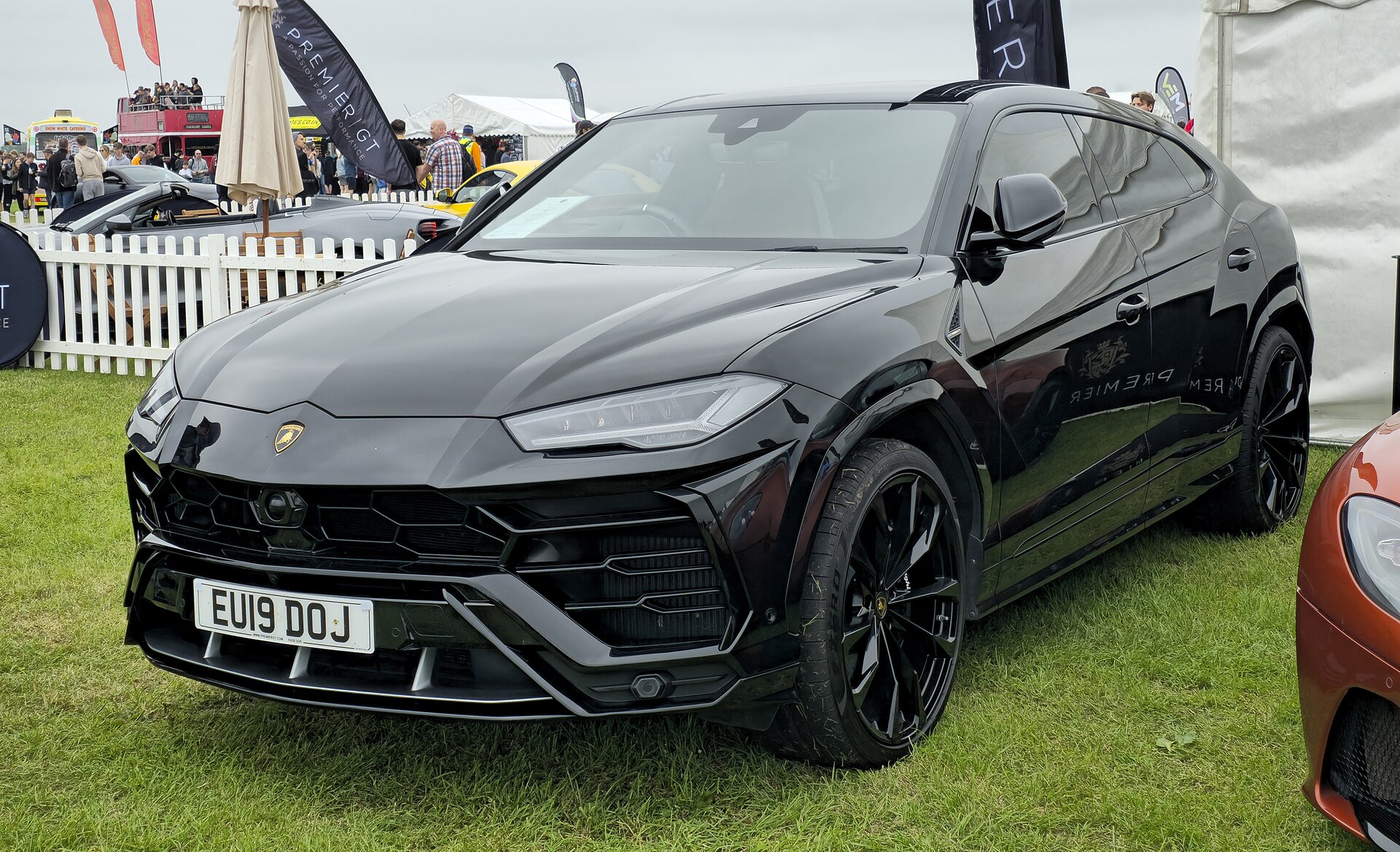
Maintenance Costs: Is It as Expensive as You Fear?
One of the biggest concerns Urus shoppers have is maintenance cost. The reality is better than most expect. Annual routine maintenance on a Urus runs $2,500-$4,500, actually lower than a Lamborghini Huracan due to the twin-turbo V8 being less exotic than the Huracan's V10.
| Maintenance Item | Frequency | Estimated Cost |
|---|---|---|
| Oil Change (synthetic) | 10,000 miles | $600-$800 |
| Brake Fluid Flush | 2 years | $400-$600 |
| Air Filter Replacement | 20,000 miles | $300-$500 |
| Cabin Air Filter | 12,000 miles | $250-$400 |
| Coolant Flush | 40,000 miles | $800-$1,200 |
| Transmission Service | 40,000 miles | $1,200-$1,800 |
| Tire Replacement (set) | 25,000-35,000 miles | $2,000-$3,500 |
| Brake Pads (ceramic) | 50,000+ miles | $1,500-$2,200 |
| Annual Routine Total | Average Driving | $2,500-$4,500 |
For comparison, a Ferrari 488 runs $3,500-$6,000 annually, and a Huracan runs $3,000-$5,000. The Urus is actually reasonable because the twin-turbo V8 is proven Audi technology, not exotic Italian engineering.
Schedule a Pre-Purchase Inspection
Before committing to any Urus, get a certified exotic car inspector who knows the platform. Automonitor connects you with specialists who identify hidden issues and negotiate on your behalf.
Book Your Inspection →How to Spot a Problematic Urus: What to Look For During Inspection and Test Drive
Beyond model year selection, here's how to identify a Urus with problems during the buying process:
Check Service Records Carefully
Request complete service records. Look for:
- Whether all recalls have been completed (particularly infotainment and turbocharger-related TSBs)
- Frequency of service visits for the same issue (multiple transmission fluid checks suggest potential leaks)
- Any warranty work performed outside normal maintenance
- Gaps in service history (indicates possible lack of care or hidden problems)
Test Air Suspension Thoroughly
During test drive, test air suspension function extensively:
- Listen for compressor cycling sounds — should be smooth, not constantly cycling
- Test all suspension height levels (Strada, Sport, Corsa modes, and off-road heights)
- Feel for smooth suspension transitions between heights
- Pay attention to any unusual noises during height changes
Test All Drive Modes
Thoroughly test Strada, Sport, and Corsa modes, as problems often manifest differently depending on suspension and powertrain settings. Test at highway speeds, city speeds, and parking lot maneuvers to fully exercise the system.
Infotainment System Test
Spend 10+ minutes using the infotainment system:
- Test navigation system responsiveness
- Try entering phone pairings or other Bluetooth functions
- Check that climate controls respond immediately
- Look for any lag or hesitation in touchscreen responsiveness
Engine Bay Inspection
Have your inspector check for:
- Evidence of oil leaks around turbocharger connections
- Proper radiator coolant level and absence of leaks
- Condition of intake tubing and connections
- Any warranty repair tape or patches indicating previous work
2019 Model Year Recalls and TSBs: Critical Updates to Verify
If you're considering a 2019 Urus, confirm the following TSBs and recalls have been addressed:
- Turbocharger Wastegate Rattle TSB-2019-001: Requires turbocharger inspection and potential replacement
- Infotainment System Software Update TSB-2020-003: Addresses freezing and responsiveness issues
- Air Suspension Geometry Recalibration TSB-2020-002: Critical for suspension performance and ride quality
- Brake Pad Modulation Software TSB-2020-004: Improves brake squeal characteristics
- Battery Drain Sleep Cycle TSB-2020-005: Addresses parasitic drain during storage
Ask the seller or dealer to provide written documentation that these specific TSBs have been completed. If they haven't, factor the cost of these updates into your negotiation.
Frequently Asked Questions About Urus Model Years
Q: Is the 2019 Urus completely unreliable?
A: No, but it requires more due diligence than later years. Many 2019 owners have had positive experiences after issues were resolved through warranty service and software updates. If you find a well-maintained 2019 with all TSBs completed and service records showing professional care, it can be a solid purchase at the right price. Just negotiate accordingly — expect 10-15% discount versus 2021-2022 comparables.
Q: What's the difference between Urus, Urus S, and Urus Performante?
A: Urus is the base model (641 hp), Urus S is a refined variant (641 hp) with improved interior, and Urus Performante (666 hp) is the high-performance variant with enhanced everything. From a reliability perspective, all three generations are similarly engineered. Pick based on budget and desired features, not reliability concerns.
Q: Should I always buy the newest Urus possible?
A: Not necessarily. A well-maintained 2021 at $180K might be better value than a 2023 at $250K, assuming both have similar mileage and service history. Newer has warranty advantage and latest technology, but doesn't guarantee better ownership experience. Consider your priorities: budget, warranty preference, and technology needs.
Q: Are 2020 Urus models significantly worse than 2021?
A: 2020 is meaningfully better than 2019 but not as proven as 2021. Think of it as 90% as good with 95% of the cost benefit. If pricing is substantially lower, 2020 can make sense with thorough pre-purchase inspection.
Q: What's the actual used market price for each year?
A: As of February 2026, expect approximately:
- 2019: $155K-$175K
- 2020: $165K-$190K
- 2021: $175K-$210K
- 2022: $185K-$225K
- 2023+: $220K-$280K
These vary based on mileage, specification, condition, and local market factors.
Q: Should I buy a high-mileage 2021 or a low-mileage 2020?
A: Generally prefer the 2021, even with higher mileage. A 2021 with 20,000 miles is more valuable and more reliable than a 2020 with 5,000 miles. Reliability and engineering matter more than artificial mileage, particularly if the higher-mileage vehicle has complete service records.
Q: Can I get a warranty on a used Urus?
A: Lamborghini factory warranty covers 2019-2021 models through February 2026 (7-year bumper-to-bumper). Earlier vehicles are out of warranty but may qualify for extended coverage. Some dealers offer certified pre-owned warranties. Confirm warranty status before purchase — it's critical for peace of mind.
Quick Model Year Comparison Table
| Model Year | Power (hp) | Reliability Rating | Common Issues | Typical Price | Recommendation |
|---|---|---|---|---|---|
| 2019 | 641 | ★★☆☆☆ | Software, suspension, turbo rattle | $155K-$175K | Avoid unless heavily discounted |
| 2020 | 641 | ★★★☆☆ | Some residual issues | $165K-$190K | Acceptable with inspection |
| 2021 | 641 | ★★★★★ | Minimal reported issues | $175K-$210K | Best used year |
| 2022 | 641 | ★★★★★ | Minimal reported issues | $185K-$225K | Excellent choice |
| 2023+ | 666 | ★★★★★ | None reported | $220K-$280K | Best new, premium pricing |
The Bottom Line: Which Year Should You Buy?
If you're shopping for a used Urus and can only pick one model year, choose 2021. It represents the perfect intersection of proven reliability, reasonable pricing, and Lamborghini confidence that the platform is solid. The 2021 is when the Urus transitioned from "experimental new idea" to "genuinely refined luxury performance SUV."
If you find an exceptional 2020 with full service records at substantially lower pricing, it's worth considering, but verify all TSBs are complete and have a trusted inspector give the air suspension and infotainment system thorough evaluation.
Avoid 2019 models unless you find one at dramatic discount ($150K or below) with impeccable service history and all updates completed. The peace of mind gained from buying 2021+ is worth the $15K-$25K price premium.
If budget allows, the 2023+ Urus S or Performante are the most advanced with full warranty coverage remaining. Premium pricing is justified if the latest technology and highest power output matter to you.
Ready to Find Your Urus?
Automonitor searches 200+ dealer networks to find the right Urus for your budget and needs. We handle inspections, negotiation, and logistics. Let us simplify the process.
Start Your Urus Search →Not Sure Which Exotic Car Fits Your Needs?
The Urus is practical, but maybe a Huracan, DBX, or Cullinan is the right choice. Automonitor's expert guides compare every exotic SUV and supercar to help you make the right decision.
Explore All Options →