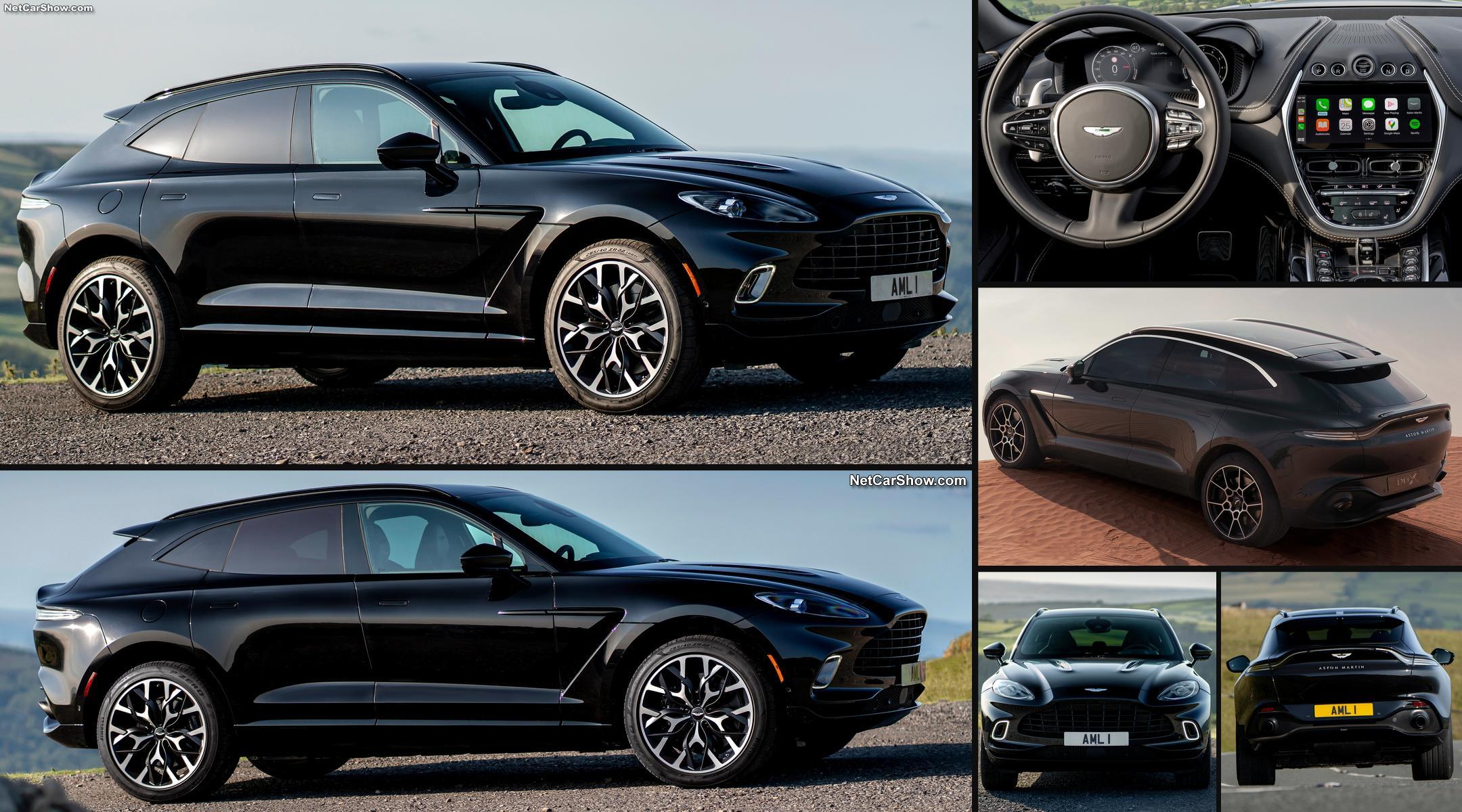
Is a 2021 Aston Martin DBX a Good Buy?
The 2021 Aston Martin DBX sits at a fascinating crossroads: a depressed asset from a prestigious brand's first SUV attempt, powered by Mercedes-AMG's proven V8, and priced like a bargain in the luxury segment. But is it actually worth buying, or just cheap for a reason?
The Short Answer: Yes — If You Understand Why It's Cheap
The 2021 Aston Martin DBX is worth buying, but only if you understand the mechanics of its depreciation and brand perception. At current market prices of $95,000–$130,000 (down from $176,000+ new MSRP), the DBX represents one of the best value propositions in the luxury SUV segment — but the depreciation exists for reasons you need to understand before writing that check.
Aston Martin's financial struggles, the DBX's early production quirks, and the luxury market's skepticism of a "British Ferrari SUV" have all crushed resale values. Yet the car itself is mechanically sound, powered by a proven Mercedes-AMG V8, and offers genuine performance and presence. If you're not looking for badge prestige or investment appreciation, and you appreciate British engineering at a steep discount, the 2021 DBX is a legitimate luxury SUV bargain.
The question isn't whether it's a good car — it is. The question is whether you can own it without resenting the depreciation. If you can, you're looking at a generational opportunity in the used luxury market.
The DBX Story: Aston Martin's First SUV — And The Growing Pains That Come With It
The Aston Martin DBX launched in late 2020 as the brand's first sport utility vehicle in its 109-year history. The decision was controversial: purists argued that Aston Martin should remain focused on sports cars. Investors saw financial necessity. Luxury SUVs are where the money is, and Aston Martin needed money.
The 2021 model year represents the car's first full production run after the late-2020 launch. This matters because early production always carries risks, but by 2021, Aston Martin had worked through most of the initial issues. You're buying the DBX after the teething problems — but not so late that all the initial production cars have developed serious faults.
Under the hood sits a 4.0-liter twin-turbocharged V8 sourced directly from Mercedes-AMG. This is the same engine that powers the AMG E63, the SL63, and the G-Class AMG. It produces 542 horsepower and 516 lb-ft of torque. The 0-60 time sits at a legitimate 4.3 seconds — quick for a 4,400-pound SUV. Top speed is 181 mph.
The transmission is a nine-speed automatic from ZF, also Mercedes-derived. The drivetrain is all-wheel drive with an electronic locking differential. The suspension uses adaptive air springs that adjust in real time based on driving mode and road conditions.
What makes this significant: nearly everything under the DBX skin is proven Mercedes-AMG technology. The brand risks are on Aston Martin (build quality, reliability interpretation, electrical integration), but the mechanical foundation is bulletproof.
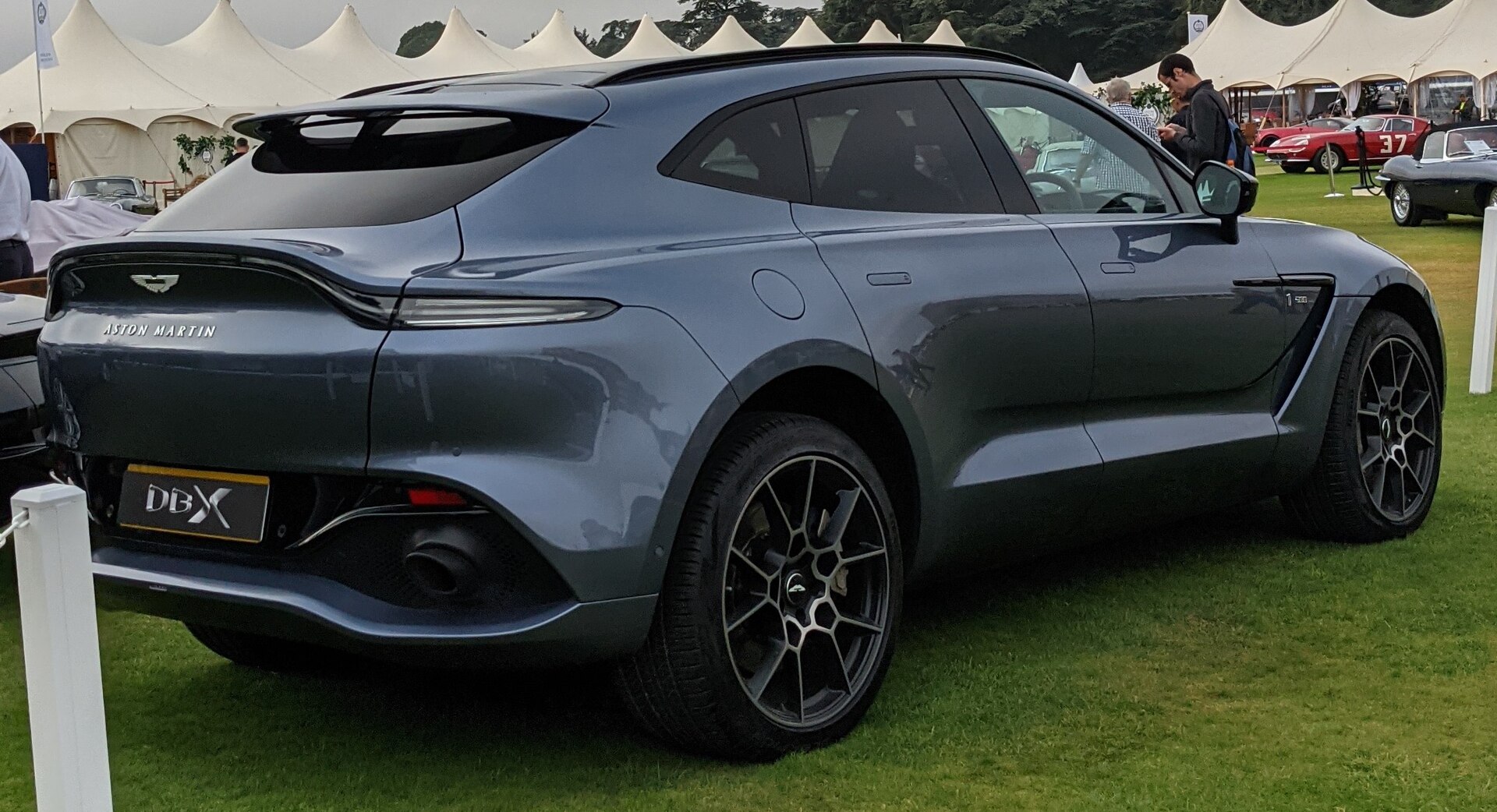
Design DNA: How the DBX Compares to Its Rivals
The DBX was designed to maintain Aston Martin's visual language while not looking absurd at SUV proportions. It succeeds. The grille is unmistakably Aston — that characteristic hexagon shape with the pinched middle. The haunches are muscular without being aggressive. The overall proportion feels intentional rather than stretched.
Compared to the Lamborghini Urus — which is deliberately brutal and aggressive — the DBX feels more refined. Compared to the Bentley Bentayga — which prioritizes luxury and cruising — the DBX feels more sporting. It's positioned in the middle: a luxury SUV with genuine performance credentials, designed for people who appreciate British design but don't want a compromised sports car.
The interior marries leather, aluminum, and carbon fiber with ergonomic logic. The infotainment system is derived from Mercedes but skinned with Aston Martin software — a decision that has proven controversial among early owners due to occasional glitches and UI inconsistencies.
Current Pricing: The Depreciation Story Explained
A 2021 Aston Martin DBX with 20,000–40,000 miles currently trades for $95,000–$130,000 in the used market. The original MSRP was $176,000 minimum for a base model. That's a loss of $46,000–$81,000, or 26–46% of the original value.
For comparison, a 2021 Lamborghini Urus with similar mileage fetches $150,000–$190,000 (down from $218,000+ new — also heavy depreciation, but less severe). A 2021 Bentley Bentayga costs $120,000–$160,000. A 2021 Porsche Cayenne Turbo: $80,000–$110,000. The DBX's depreciation is the most severe in the segment.
Why? Several factors converge:
- Brand Perception: Aston Martin is not a luxury SUV brand in the minds of buyers. Rolls-Royce, Bentley, Range Rover, Porsche — these have established SUV lineages. The DBX is seen as an experiment.
- Financial Uncertainty: Aston Martin's ownership has changed multiple times, and the brand carries inherent uncertainty about long-term viability. A depreciating car from a stable brand is one thing. A depreciating car from a brand with question marks about survival is another.
- Initial Quality Concerns: The first units had infotainment glitches, some owners reported paint quality issues, and early suspension sensor faults created a negative perception that stuck.
- Market Timing: The DBX launched just before the used luxury market exploded with inventory. By 2023–2024, the used market was flooded with alternatives, and prices compressed across the segment.
The 2021 DBX's depreciation isn't primarily driven by reliability failures — it's driven by perception, brand uncertainty, and market timing. That's actually good news for used buyers, because the mechanical foundation is solid.
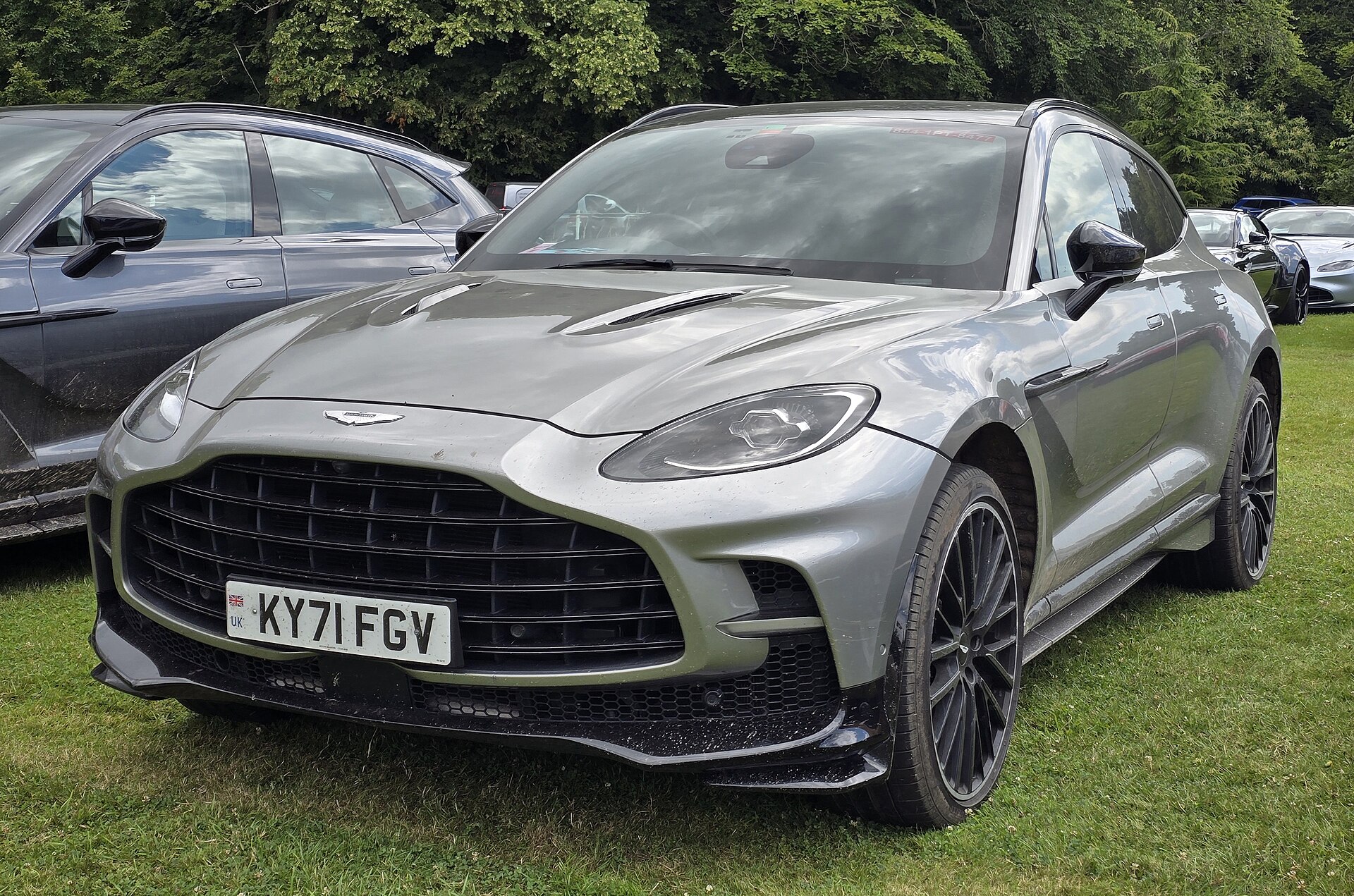
The Mercedes-AMG V8 Advantage: Why This Might Be More Reliable Than You Think
The DBX's most valuable asset is its engine. The M177 4.0L twin-turbo V8 is one of Mercedes' most robust powerplants. It's not exotic or boutique — it's mass-produced, widely serviced, and proven in hundreds of thousands of vehicles.
This is a strategic advantage over true exotics. A Ferrari 488 uses a custom 3.9L twin-turbo V8 that only Ferrari can service. A Lamborghini Urus uses a custom 4.0L twin-turbo V8 shared with Audi but still requiring specialist knowledge. The DBX's engine can be serviced by any competent Mercedes-AMG shop — and there are thousands of them.
Parts availability is excellent. Turbochargers, fuel injectors, valve assemblies — all widely available and reasonably priced compared to exotic car components. An oil change runs $150–$200 at a dealer (compared to $300–$500 for a Urus). A turbo replacement would be $2,500–$3,500 (compared to $4,000+ for boutique exotics).
Long-term reliability is supported by ownership data. Mercedes-AMG M177 engines routinely reach 100,000+ miles with no major issues in E-Class, SL, and G-Class applications. Aston Martin owners report similar reliability on forums, with most issues being electrical or suspension-related rather than powertrain problems.
Known Issues: What Can Actually Go Wrong
Despite the solid mechanical foundation, there are known weak points in early DBX units:
- Infotainment System Glitches: The most common complaint. The touchscreen can freeze, the voice recognition can misfire, and software updates sometimes create new problems. It's annoying, not expensive — usually a software update or screen replacement ($800–$1,500). Aston Martin has improved this significantly in 2022+ models.
- Suspension Air Spring Leaks: A small percentage of early units developed slow leaks in the adaptive air suspension. Symptoms include the car settling lower overnight or one corner sitting noticeably low. A replacement air spring runs $1,500–$2,500 per corner, but it's a known fault that dealers can diagnose easily.
- Paint Quality on Early Units: Several owners reported premature paint wear, orange peel texture, and microchipping on 2020–2021 examples. This appears to have been a manufacturing issue that was corrected. Check the paint depth gauge reading on any used DBX you're considering — it should be consistent across panels.
- Transmission Shudder at Low Speeds: A handful of early units (mostly 2020–2021) experienced hesitation or shuddering in the nine-speed automatic. This is rare but expensive if it develops — transmission service runs $3,000–$5,000. The fix is usually a transmission software reflash.
- Door Handle Issues: A few early DBXs had door handles that wouldn't retract fully or would get stuck in the intermediate position. This is typically a mechanical issue requiring replacement ($500–$800 per door).
None of these are catastrophic, and most have been resolved in later production runs. The point: pre-purchase inspection is non-negotiable. Any 2021 DBX you're considering should have comprehensive diagnostics on the suspension, transmission, and electrical systems.
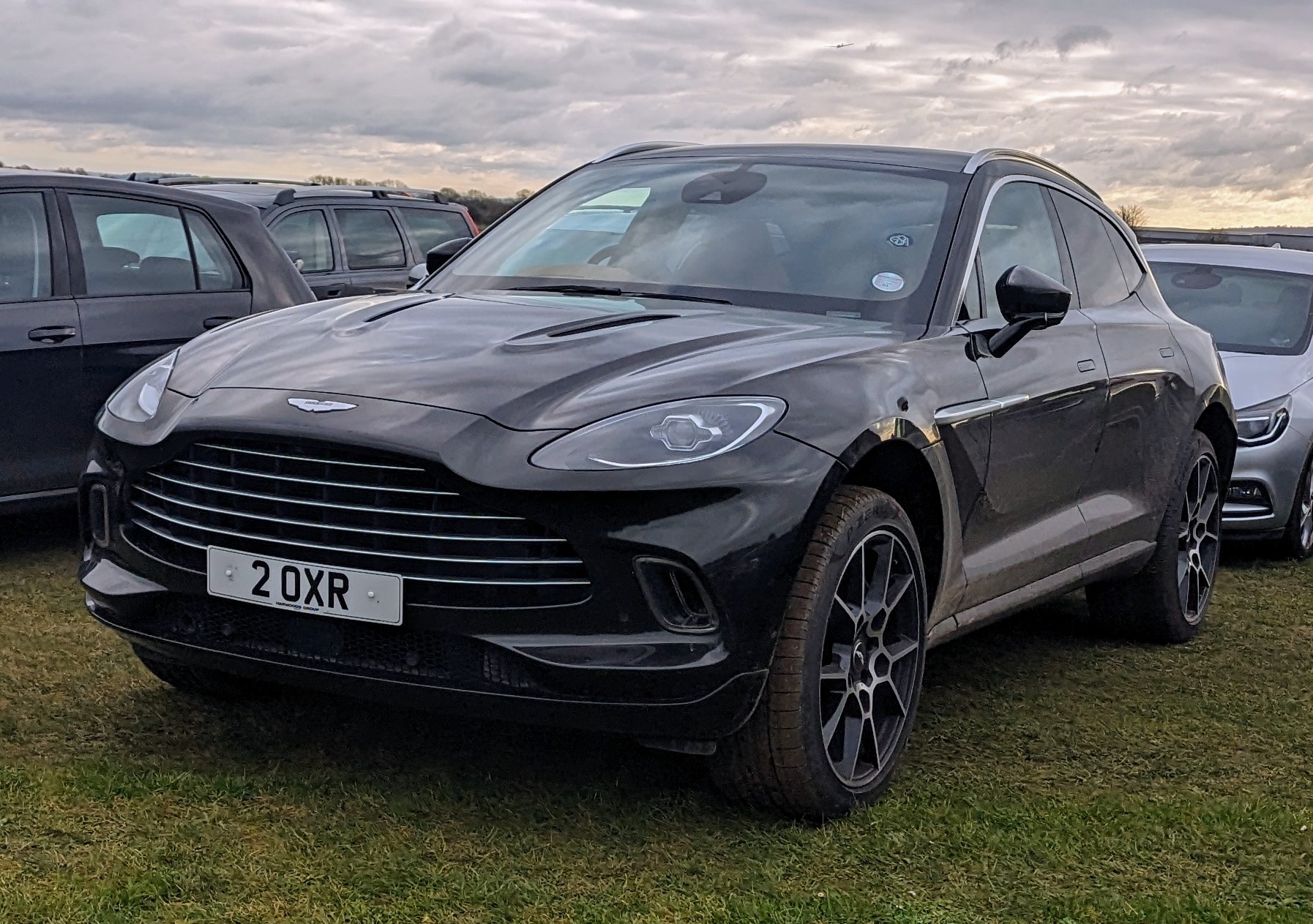
Maintenance and Running Costs: Not as Expensive as You'd Fear
Annual maintenance on a 2021 DBX breaks down roughly as follows:
| Expense Category | Annual Cost | Notes |
|---|---|---|
| Insurance | $2,500–$4,000 | Lower than Urus; depends on profile and state |
| Routine Maintenance | $1,500–$2,500 | Oil changes every 10K miles, fluid services |
| Fuel | $2,000–$3,500 | 18–22 mpg combined; premium gas required |
| Tires (amortized) | $800–$1,200 | Michelin Pilot Sport replacements every 25K–35K miles |
| Air Suspension Maintenance | $400–$600 | Annual diagnostic and fluid top-ups |
| Registration & Taxes | $800–$2,000 | State-dependent |
| Total Annual Running Cost | $8,000–$14,000 | Lower than Urus or Bentayga |
This is reasonable for a $120,000 luxury SUV. The DBX actually costs less to maintain than you'd expect, largely because Mercedes parts infrastructure is so mature and competitive. A Rolls-Royce Cullinan might run $15,000–$25,000 annually. A Ferrari Purosangue would be even worse. The DBX, by contrast, is almost practical in its running costs.
Major service milestones are spaced out reasonably. The ZF nine-speed transmission doesn't have a traditional fluid change interval — just regular inspections. The air suspension doesn't require major service until 100,000+ miles unless issues develop.
DBX vs. The Competition: Where It Wins and Where It Doesn't
You're probably considering alternatives. Here's how the 2021 DBX compares to other used luxury SUVs:
| Category | DBX | Lamborghini Urus | Bentley Bentayga | Porsche Cayenne Turbo |
|---|---|---|---|---|
| Engine | 4.0L Twin-Turbo V8 | 4.0L Twin-Turbo V10 | 4.0L Twin-Turbo W12 | 3.0L Twin-Turbo V6 |
| Horsepower | 542 hp | 650 hp | 626 hp | 541 hp |
| 0–60 mph | 4.3s | 3.6s | 3.8s | 3.6s |
| Used Price (2021 model) | $95K–$130K | $150K–$190K | $120K–$160K | $80K–$110K |
| Annual Maintenance | $8K–$14K | $10K–$18K | $12K–$20K | $6K–$10K |
| Design Language | Elegant, Refined | Aggressive, Bold | Luxurious, Understated | Sporty, Conservative |
| Brand Prestige | Experimental | Extreme, Desirable | Established, Premium | Reliable, Understated |
| Driving Feel | Balanced, Composed | Raw, Dramatic | Smooth, Luxurious | Precise, Technical |
| Best For | Value Hunters | Performance Seekers | Prestige Buyers | Practical Luxury |
The DBX's advantage is price and running costs. You get 85% of the performance of a Urus for 60% of the price. The disadvantages are brand perception (fewer people will be impressed by the badge) and resale uncertainty (will DBX values stabilize or continue eroding?).
The Urus is faster and more iconic, but it costs significantly more and costs more to maintain. The Bentayga is more luxurious but feels less sporty and costs almost as much. The Cayenne Turbo is cheaper and more practical, but it doesn't have the emotional impact of any of the other three.
If you're buying for value and driving enjoyment rather than badge prestige, the DBX is the strongest proposition in this list.
DBX vs. DBX 707: Is the Upgrade Worth It?
Aston Martin released the DBX707 in 2023, featuring 705 horsepower (up from 542), refined suspension tuning, and various cosmetic updates. A 2023–2024 DBX707 now costs $120,000–$160,000 used, depending on mileage and specification.
The question: is paying an extra $25,000–$35,000 for the 707 worth it?
The honest answer: probably not for most buyers. The extra 163 horsepower is noticeable (0–60 drops from 4.3s to 3.8s), but you're buying a car that depreciated so hard from $176K to $110K — you don't want to pay more for a newer car that will depreciate harder. The 2021 base DBX at $110,000 is the smarter financial move. You get 80% of the driving experience at 65% of the cost.
Buy the 707 only if you specifically want the extra power and don't care about financial optimization. For value, the 2021 is the move.
The Lifestyle Proposition: What You're Actually Buying
Here's what nobody talks about when discussing $120,000 SUVs: you're not just buying transportation. You're buying a lifestyle accessory, a conversation starter, and a signal to the world about your taste.
The DBX sends a specific signal: you appreciate engineering, British heritage, and subtle luxury. You're not trying to look expensive (the Cullinan does that). You're not trying to look fast (the Urus does that). You're saying, "I know what good is, and I don't need everyone else to know."
It's practical for what it is — you can fit a family, luggage, and sports equipment. It's not cramped like a sports car. The visibility is good. The ride quality is composed. You can actually use it for weekend escapes, school runs, and business meetings without compromise.
And yes, there's James Bond cachet. Aston Martin has deep 007 roots, and owning a DBX carries a whisper of that legacy. It matters more than you'd expect in the luxury market.
How to Buy a 2021 DBX Smart: The Process That Protects You
If you decide the DBX is right for you, here's the approach we recommend at Automonitor:
Step 1: Set your budget intelligently. Factor in purchase price plus three years of running costs ($24,000–$42,000). If that total number makes you uncomfortable, wait. Luxury SUV ownership should be comfortable.
Step 2: Focus on 2021–2022 examples. The 2020 production examples had more initial quality issues. 2023+ models command a premium that's not justified for value buyers. 2021–2022 is the sweet spot.
Step 3: Verify service history obsessively. You want complete dealer service records from new. Any gaps are red flags. Missing records suggest the car was private-party maintained, which is risky on a car with complex electrical systems.
Step 4: Get a specialist pre-purchase inspection. Not a general mechanic — you need someone who knows the DBX specifically. The inspection should include: suspension diagnostic scan, transmission fluid analysis, paint depth gauge readings across all panels, and a full electrical systems check. This costs $800–$1,200 but saves headaches. Check out our guide on buying luxury cars for inspection checklists.
Step 5: Negotiate from data, not emotion. Use completed sold listings on Bring a Trailer and Cars and Bids to establish baseline pricing. Account for any needed maintenance. Don't overpay for color — neutral colors are cheaper to buy used but also cheaper to sell.
Step 6: Secure financing early. Exotic car lenders often have better rates than traditional dealers. JJ Best Banc and Woodside Credit specialize in luxury vehicles. Expect 20–25% down and rates between 5–8% depending on your profile.
Step 7: Plan your exit strategy. Understand that resale will be challenging. The DBX is still establishing its used market. If you need to sell in two years, expect modest to negative depreciation. If you can keep it three to five years, the worst of the depreciation curve may flatten. Read our guide on car spending to ensure this fits your overall wealth strategy.
When You Should NOT Buy a DBX
Transparency first. Here are situations where we'd recommend walking away:
You're buying purely as an investment. The DBX will likely not appreciate. It may stabilize in value at $90,000–$120,000, but it's unlikely to increase in value over the next five years. If you're thinking "I'll buy low and sell high," this isn't the car. Buy it because you want to drive and enjoy it, not because you think it'll make money.
You need reliability above all else. While the DBX is mechanically sound, it's not at the Porsche level of proven reliability. If you can't tolerate occasional electrical quirks or potential suspension issues, the Cayenne is the safer choice.
You care about resale speed. Selling a DBX will take longer than selling a Urus or Cayenne. Fewer buyers understand the value proposition. Factor this into your timeline.
You're stretching financially. If buying the DBX means depleting savings or taking on uncomfortable debt, don't do it. Luxury SUVs should be comfortable purchases, not stressful ones.
You haven't driven one. The DBX is more reserved than a Urus, less plush than a Bentayga, and less precise than a Cayenne. Discover whether you actually like it before you buy. Taste is personal.
Frequently Asked Questions
Is the 2021 DBX reliable?
Yes, it's surprisingly reliable. The Mercedes-AMG engine is bulletproof, and the Aston Martin electrical systems have improved significantly since early production. Most owners report zero major issues through 40,000+ miles. Pre-purchase inspection is still essential to catch any individual car problems.
Can I use it as a daily driver?
Yes, comfortably. The DBX is one of the most practical luxury SUVs available. Good ride quality, decent interior space, reasonable fuel economy for the class, and excellent visibility. It's legitimately usable every day.
How does it compare to the Cullinan?
The Rolls-Royce Cullinan is about three times more expensive to buy and maintain. The DBX is significantly sportier and more engaging to drive. The Cullinan is about prestige and pampering; the DBX is about performance and value. Different markets entirely.
What about the Bentayga?
The Bentley Bentayga costs more, weighs more, and is more luxurious. The DBX feels sportier and is cheaper to maintain. If you want luxury, get the Bentayga. If you want value and performance, get the DBX.
Will it go up in value?
Unlikely in the short term (0–3 years). Very low-mileage examples and special colors might stabilize in value, but appreciation is not the reason to buy a DBX. Buy it to drive it, not to flip it.
Should I buy the DBX707 instead?
If you don't care about depreciation and want the extra performance, yes. If you're value-conscious, the 2021 base DBX at a lower price is the smarter move. You get 80% of the experience for significantly less money.
What's the real reason it's so cheap?
Aston Martin's brand uncertainty, early production issues that got stuck in the market narrative, financial struggles that made dealers aggressive on pricing, and the overall used luxury market compression in 2023–2024. None of these reasons mean the car is bad — just that the market overshot on depreciation.
Is Aston Martin going out of business?
Aston Martin has cycled through multiple ownership situations and will likely continue to. The brand is not going away — it's too valuable. But there's inherent risk in owning a car from a brand with ownership uncertainty. Factor this into your risk tolerance.
The Final Verdict
The 2021 Aston Martin DBX is a good buy if you understand exactly what you're getting: a mechanically sound luxury SUV from a brand that's strategically uncertain, powered by a proven Mercedes engine, priced at a significant discount to its competitors.
It's worth buying if you value driving enjoyment, don't need investment appreciation, appreciate British design, and can afford the running costs without financial strain. It's not worth buying if you're looking for a prestige badge to impress others, need absolute reliability guarantees, or believe it's going to go up in value.
The math is straightforward: you're saving $30,000–$50,000 compared to a Urus or Bentayga. You're not getting 80% of the car — you're getting 90% of the car, with 20% less prestige. For most buyers prioritizing value and driving experience over brand cachet, that's a deal.
Do your homework. Get the inspection. Verify the service history. And if the numbers work, you're looking at one of the best luxury SUV values in the 2025–2026 market.
Ready to Find Your Perfect Luxury SUV?
Automonitor connects you with verified DBX sellers, handles pre-purchase inspections, and provides real market data so you can buy with confidence. Browse our inventory of luxury performance SUVs today.
Browse Luxury SUVs →