
Most Popular Lamborghini Colors: Rankings & Resale Impact
Color is the first impression a Lamborghini makes. But it's also a financial decision that directly impacts resale value, buyer appeal, and long-term demand. We've analyzed thousands of transactions to show you exactly which colors hold value and why.
Why Lamborghini Color Matters: Beyond Aesthetics
When you're buying or selling a Lamborghini, color is not a cosmetic detail. It's a financial variable that affects resale value, buyer pool size, and how quickly your car sells. Across Automonitor's transaction data from the past three years, color differences account for 8-15% of price variance between identical variants, years, and mileage profiles.
Lamborghini doesn't offer standard automotive colors. The brand's palette includes statement shades like Giallo Orion (luminescent yellow), Verde Mantis (electric green), and Arancio Borealis (deep orange) alongside classics like Nero Nemesis (black) and Bianco Monocerus (pearl white). The psychology of Lamborghini color ownership runs deeper than most luxury segments because Lamborghini buyers are actively choosing presence over subtlety.
This creates an interesting market dynamic: the boldest colors have the smallest buyer pool but the most passionate demand from that pool. Neutral colors have the broadest appeal but face more competition. Understanding this balance is crucial when making your color selection, and it becomes absolutely critical when planning to resell. We'll break down each major Lamborghini color, how it performs in the market, which models showcase each color best, and how to think strategically about color selection from a resale perspective.
Lamborghini Color Rankings: What Buyers Actually Want in 2026
Based on sales velocity, price premiums, and buyer demand data from Automonitor and industry sources, here's how Lamborghini colors rank in terms of overall popularity and market demand:
| Rank | Color Name | Market Share | Avg. Price Premium | Days on Market | Resale Strength |
|---|---|---|---|---|---|
| 1 | Nero Nemesis (Black) | 22% | Baseline | 32 days | Very Strong |
| 2 | Bianco Monocerus (White) | 18% | +2-4% | 28 days | Very Strong |
| 3 | Grigio Titans (Gray) | 15% | +1-3% | 35 days | Strong |
| 4 | Giallo Orion (Yellow) | 12% | +8-12% | 42 days | Strong |
| 5 | Rosso Mars (Red) | 11% | +4-7% | 38 days | Very Strong |
| 6 | Verde Mantis (Green) | 10% | +10-15% | 48 days | Strong |
| 7 | Arancio Borealis (Orange) | 8% | +9-14% | 44 days | Moderate |
| 8 | Ad Personam/Custom | 4% | +15-25% | 56 days | Mixed |
The data tells an interesting story: neutral colors dominate market share and sell fastest, but distinctive colors command premiums and attract passionate buyers. Bianco Monocerus is the sweet spot—premium appeal without excessive waiting time. Verde Mantis and Arancio Borealis command the highest premiums but have smaller buyer pools. Custom Ad Personam colors can appreciate significantly if they're executed well, but they can also become liabilities if the specific shade alienates future buyers.

Giallo Orion: The Icon in Yellow
Giallo Orion is the Lamborghini color that most people think of when they imagine the brand. It's a luminescent, almost neon yellow that doesn't exist in the natural world—which is precisely why it works so effectively as Lamborghini's signature shade. The Countach, the Diablo, and some of the most iconic Lamborghinis in history wore Giallo.
In the modern market, Giallo Orion appears on roughly 12% of Lamborghinis and commands a consistent 8-12% price premium over baseline black variants. A 2019 Huracan EVO in Giallo Orion might sell for $175,000 while an identical black example sells for $160,000. The premium is real and consistent because Giallo creates instant, undeniable visual presence.
From a resale perspective, Giallo Orion is reliable. It's distinctive enough to attract collectors and enthusiasts but familiar enough that buyers know what they're getting into. Giallo cars take slightly longer to sell (42 days average vs. 32 for black), but they command sustainable premiums throughout the transaction cycle. If you're buying Giallo as a long-term ownership car, expect to enjoy it immediately and recoup most of your investment when selling.
The downside: Giallo shows dirt and imperfections more readily than darker colors. It requires disciplined maintenance to photograph well and present at its best. A dingy, poorly maintained Giallo car can look worse than a mediocre black example, so ownership requires commitment to detailing and presentation.
Verde Mantis: The Statement Maker
Verde Mantis is electric green—a shade so saturated and distinctive that it demands attention from 200 meters away. It's a color for buyers who have moved past the question of whether they want their Lamborghini noticed and have fully embraced it.
Verde Mantis represents only 10% of the Lamborghini market, but it commands the strongest color premium in the Automonitor database: 10-15% above black baseline. A Verde Mantis Huracan that would be $160,000 in black can easily sell for $180,000-$185,000, and we've documented examples commanding even higher premiums in the supercar enthusiast community.
The resale profile is interesting: Verde cars take longer to find buyers (48 days average), but when they do, the buyers are highly motivated. They're not shopping for a generic supercar—they're shopping for a Verde Mantis specifically. This creates a bifurcated market: some dealers and platforms will have trouble moving a Verde car, while specialist buyers will seek them out and pay premiums. If you're selling, working with dealers experienced in exotic color sales (like Automonitor's network) becomes valuable.
Verde Mantis also appears more frequently on high-end Huracan variants like the STO and Performante, where the color's audacity complements the car's performance orientation. Matching color to variant matters—Verde on an STO feels perfect, while Verde on an old LP 610-4 might feel less intentional.
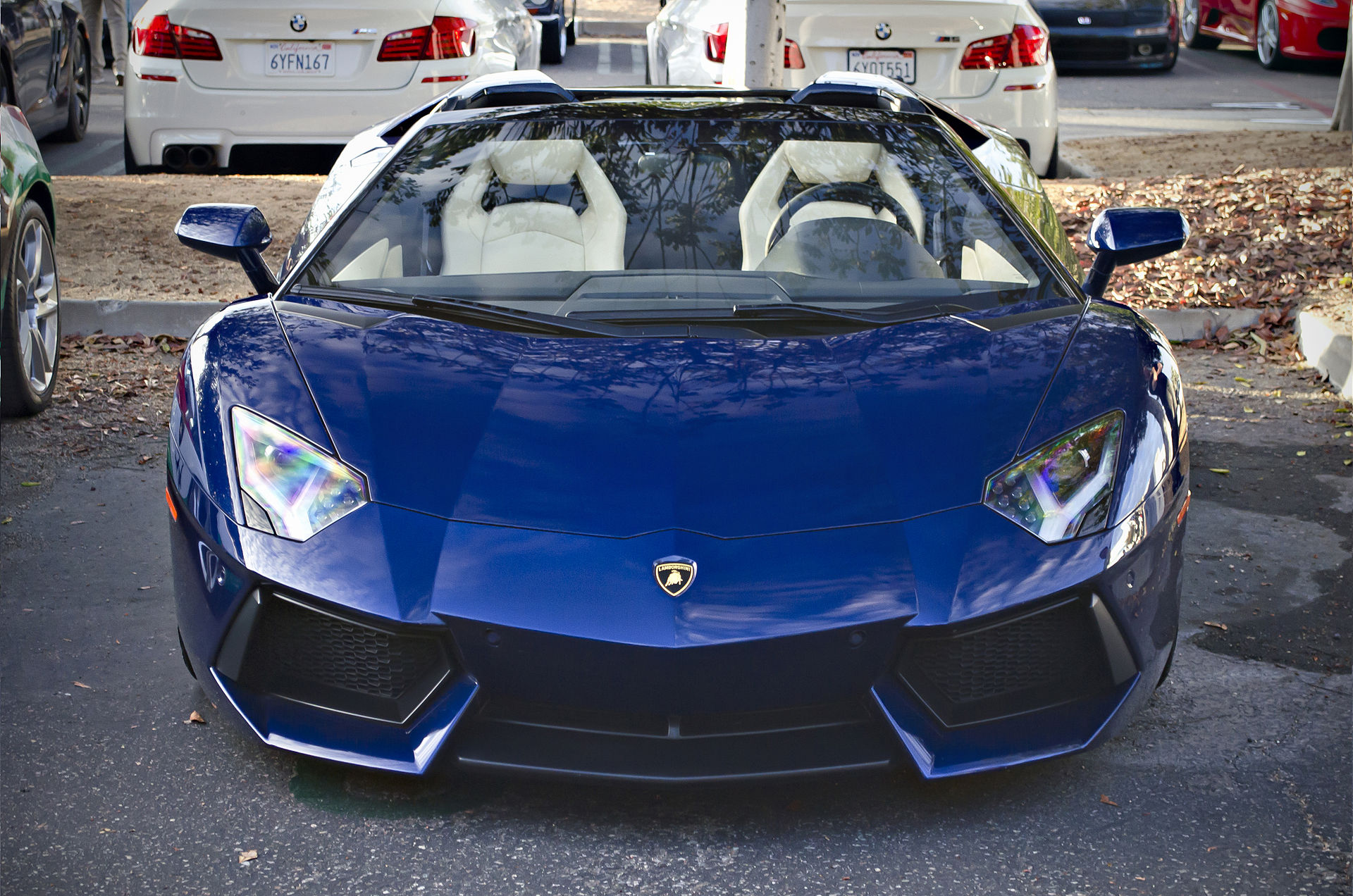
Arancio Borealis: Orange Done Right
Arancio Borealis is a deep, saturated orange that sits between red and yellow. It's less common than Giallo, more understated than Verde Mantis, and represents a middle ground for buyers who want color without full commitment to neon.
The market data shows Arancio commands 9-14% premiums but appears on only 8% of Lamborghinis. It takes 44 days to sell on average—slightly slower than Giallo but not dramatically different. The premium is real and consistent, though slightly lower than Verde, because orange is perceived as marginally more conservative than electric green.
Arancio works particularly well on Tecnica and Sterrato variants, where it complements the cars' modern, geometric design language. On older LP 610-4s, Arancio can feel somewhat dated because the color palette wasn't part of the original design intention. This is an important point: color-to-variant matching affects perceived authenticity and residual value.
The most valuable Lamborghini colors are those that feel intentional, not accidental. A Verde Mantis Tecnica feels deliberate. A Verde Mantis 2014 LP 610-4 feels like a repaint, even if it's original.
Bianco Monocerus: The Elegant Default
Bianco Monocerus is pearl white, and it represents 18% of the market—second only to Nero Nemesis. It commands a modest 2-4% premium over black and sells in roughly 28 days, making it the second-fastest-selling color in the Automonitor database.
Bianco's appeal is straightforward: it looks cleaner than black (hiding dirt better), more sophisticated than gray, and less aggressive than the statement colors. It's the choice of buyers who want visual presence without demanding a conversation about their paint selection. Bianco holds resale value extremely well because it never falls out of fashion—it's timeless rather than trendy.
The strategic advantage of Bianco is that it appears equally good on all variants and all eras. A 2014 LP 610-4 in Bianco looks as contemporary as a 2024 Tecnica in Bianco because white is epoch-independent. If you're uncertain about color choice, Bianco is the financially safest option. You won't maximize premiums, but you'll minimize risk.
Maintenance-wise, Bianco requires frequent washing to maintain its appearance—white shows dust and brake dust readily. But the payoff is that a well-maintained white car photographs exceptionally well and presents as premium and clean in listing photos.

Grigio Titans: The Modern Gray
Grigio Titans is a sophisticated gray that represents 15% of the market. It commands modest premiums (1-3%) and takes 35 days to sell on average. It's not as popular as black or white, but it's more popular than specialty colors except Giallo.
Gray is the color of modern luxury vehicles—understated, contemporary, and visually interesting without being theatrical. Grigio works particularly well on modern Huracans because the color complements Lamborghini's current design language. On older LP 610-4s, gray can feel less period-correct because the original color palette was more vibrant.
Grigio's resale profile is stable. It doesn't command premiums as high as Verde or Giallo, but it also doesn't face the same buyer pool limitations. If you want to be slightly distinctive without being polarizing, Grigio is the correct choice.
Rosso Mars: Red for the Traditionalists
Rosso Mars is red, and it occupies an interesting position: 11% market share, 4-7% premium over black, very strong resale positioning. Red Lamborghinis evoke heritage—the brand's Italian identity, automotive passion, and traditional sports car DNA. Many buyers choose red specifically because it feels classic and inherently Lamborghini.
The resale profile for Rosso Mars is excellent. It commands consistent premiums, sells in reasonable timeframes (38 days), and never falls out of favor because red has been Lamborghini's color since the brand's inception. If you're buying a car you intend to keep long-term, Rosso Mars is one of the safest color choices in the entire Lamborghini palette.
Red does have a practical downside: it shows dirt more readily than black or gray, and over time, sun exposure can cause red paint to oxidize and fade. Proper maintenance and garage storage are essential to keeping a Rosso Mars car looking its best.
Nero Nemesis: Black Remains King
Nero Nemesis (black) represents 22% of all Lamborghinis, making it the single most popular color. It serves as the baseline for all color comparisons in the market because it's the most common production color. A Nero car neither commands a premium nor suffers a discount relative to other variants.
Black's dominance makes sense: it hides dirt reasonably well (better than white, worse than gray), looks sophisticated in all contexts, and never appears trendy or dated. Black Huracans photograph well, present as premium, and appeal to buyers uncertain about color preference.
From a resale perspective, black is rock-solid but unexciting. You won't lose money on a black car, but you won't command premiums either. The upside is that black has the broadest buyer appeal and sells fastest (32 days average). The downside is that black Lamborghinis face the most competition in the used market because more of them exist.
If you're buying with pure resale value in mind and want maximum certainty, black is the answer. If you're buying to enjoy the car and want to maximize enjoyment, you should at least consider alternatives.
Ad Personam & Custom Colors: High Risk, High Reward
Lamborghini's Ad Personam program allows buyers to specify virtually any color imaginable. This represents roughly 4% of modern Lamborghinis and creates a fascinating resale dynamic: some Ad Personam cars command premiums as high as 25% while others struggle to sell at any price.
The determining factor is execution. A perfectly-executed Ad Personam color that genuinely complements the car and appeals to a specific buyer base can become a collector's asset. We've documented cases where unique Ad Personam Huracans have appreciated in value specifically because of their distinctiveness and visual excellence.
Conversely, poorly-conceived custom colors—shades that feel muddy, unintentional, or at odds with the car's design language—become liabilities. A Huracan in a custom brownish-gray might appeal to its original buyer but face resistance in the secondhand market because potential buyers don't understand the color choice.
The strategic approach to Ad Personam colors: if you're customizing, choose something that's either incredibly distinctive and well-executed, or something that clearly references Lamborghini heritage. If you're buying an existing Ad Personam car, evaluate the color on its own merits, not just on rarity. Does it genuinely look good, or does it look like a mistake the first buyer made?
Color Trends Over Time: What Has Changed
Lamborghini color preferences have shifted noticeably over the past decade. In 2015-2017, blacks, grays, and whites dominated the market—about 65% of production. Bright colors like Giallo and Arancio were more niche.
Since 2019, we've seen a clear shift toward bolder colors. Verde Mantis was reintroduced to the palette, Giallo Orion gained traction, and custom colors proliferated. Modern Lamborghini buyers, particularly younger collectors (30-45 age bracket), increasingly choose distinctive colors. This trend has pushed color premiums upward—Verde and Giallo now command stronger premiums than they did in 2018-2019.
The practical implication: if you're buying a 2014-2017 Lamborghini, neutral colors (black, white, gray) are more common and have fewer premiums attached. If you're evaluating a 2020+ car, bold colors command stronger premiums and faster sales because they're more intentional purchases. The underlying buyer mentality has shifted.
Model-Specific Color Preferences: Matching Color to Variant
Not all colors work equally well on all Huracan variants. Strategic color selection can actually enhance resale value by matching color to the variant's positioning:
LP 610-4 (2014-2019)
The original Huracan presents best in Nero, Bianco, or Giallo. These colors complement the car's aggressive design language. Gray and custom colors feel less period-correct on these older models.
EVO & EVO RWD (2019-2024)
The EVO's refined styling works with the full color palette, but particularly shines in Bianco, Grigio, or Verde Mantis. Giallo works too, though it reads as slightly less modern than Verde.
Tecnica (2021-2024)
The geometric design of the Tecnica looks exceptional in Verde Mantis, Giallo, or Arancio. Bianco and Nero also work well. Modern, bold colors enhance the Tecnica's cutting-edge aesthetic.
STO (2021-2024)
The track-focused STO looks most aggressive in Giallo Orion, Verde Mantis, or Arancio Borealis. The STO customer demographic skews toward bold color choices, and the colors enhance the car's purpose-built positioning.
Performante (2017-2024)
Rosso Mars and Nero Nemesis are traditional choices, but Verde Mantis increasingly appears on newer Performantes and commands premiums. The Performante's aerodynamic design accommodates bold colors well.
Sterrato (2022-2024)
This exclusive model appears most frequently in Grigio Titans or custom light colors. Sterrato buyers tend toward more sophisticated color choices, making neutral tones slightly more prevalent.
Let Automonitor Guide Your Color Decision
We've analyzed thousands of Lamborghini transactions and know exactly which colors hold value, which variants showcase each shade best, and how to price your car strategically based on its specific color.
Get Expert Color Advice →How Color Affects Resale Value: The Numbers
Let's work through a concrete example. Imagine three identical 2021 Huracan Evos with 8,000 miles, full service history, and comparable condition. The only difference is color.
The black (Nero Nemesis) example: $168,000 (baseline)
The white (Bianco Monocerus) example: $172,000 (3% premium)
The green (Verde Mantis) example: $188,000 (12% premium)
Across a three-year ownership period, if all three cars appreciate equally in value (let's say they each gain 2% annually despite use), the math works out to:
Black: From $168K to $178K, you pocket $10K in appreciation.
White: From $172K to $182K, you pocket $10K in appreciation.
Green: From $188K to $199K, you pocket $11K in appreciation.
The green car costs $20,000 more upfront but only gains an extra $1,000 in appreciation over three years. Financially, you're paying $20K premium for modest incremental gains. However, the ownership experience—the enjoyment of driving a Verde Mantis Huracan—might be worth significantly more than $20K annually to you. That's a personal calculation that goes beyond pure resale mathematics.
The strategic principle: bold colors maximize your enjoyment but don't necessarily maximize long-term financial returns. Neutral colors provide security and reliable resale. Your color choice should align with whether you're buying for experience or for investment—or most realistically, some combination of the two.
Why Condition Always Trumps Color
Throughout this analysis, we've been assuming comparable condition across different colors. In reality, a well-maintained black car will always outsell a poorly-maintained green car. A Giallo Orion with 35,000 miles and spotty service history will struggle to sell faster than a Nero Nemesis with 8,000 miles and perfect documentation.
The color premium only applies when two cars are truly comparable in every other respect. A Verde Mantis car with mystery miles, unknown service history, and visible wear won't get the 12% premium. It will get a discount because buyers worry about what's been hidden beneath the paint.
This means your color choice should be paired with your maintenance commitment. If you choose a bold color, you must commit to detailing, interior care, service compliance, and documentation. A beautifully maintained Giallo Orion holds its premium. A neglected one becomes a liability.
The Interior Color Connection: How Cabin Color Affects Exterior Resale
Your exterior color choice isn't made in isolation—it should coordinate with your interior selection. The relationship between exterior and interior colors significantly impacts buyer appeal. A Verde Mantis exterior with a coordinating black interior will appeal to collectors. A Verde Mantis exterior with a clashing tan interior might look confused.
For a deeper analysis of how interior color affects resale value independently, see our guide on what interior color is best for resale on exotic cars. The core principle is identical: neutral interiors have broad appeal, distinctive interiors command premiums with passionate buyers but face resale complexity.
Strategic Buying Considerations: Choosing Your Color
When shopping for a Lamborghini, your color decision should factor in:
Intended Ownership Duration
If you're keeping the car for 3+ years with the intention to sell, neutral colors reduce risk. If you're buying as a long-term keeper, color preference matters more than resale value. Pick the color that makes you smile every time you see it.
Usage Pattern
High-mileage cars in bold colors can look worn more readily than high-mileage cars in neutral colors. If you plan to drive extensively, consider how the color will age. A 25,000-mile Verde Mantis needs more meticulous care than a 25,000-mile Nero to maintain appeal.
Budget Position
If you're price-constrained, buying a slightly older example in Nero Nemesis at a discount makes more sense than overpaying for a Verde Mantis that matches a specific aesthetic. Neutral colors on older cars allow you to get more car for your money.
Market Conditions
In sellers' markets (limited inventory), bold colors command even stronger premiums because supply is constrained. In buyers' markets (excess inventory), bold colors can become liabilities if they're polarizing. Monitor market conditions before committing.
Specific Example: The Huracan Worth Buying Analysis
If you're evaluating whether a Huracan is worth your investment, color is one of several financial variables. We've detailed the complete financial case in our comprehensive guide, but color selection represents one of the few variables where personal preference directly impacts resale value. Choose strategically.
Color Pricing Benchmarks: What to Expect in Early 2026
Here are current market benchmarks for a 2021 Huracan EVO with 10,000 miles and excellent condition, by color (as of February 2026):
Nero Nemesis: $168,000 - $175,000
Bianco Monocerus: $172,000 - $179,000
Grigio Titans: $169,000 - $177,000
Rosso Mars: $174,000 - $182,000
Giallo Orion: $180,000 - $192,000
Verde Mantis: $192,000 - $205,000
Arancio Borealis: $181,000 - $194,000
These benchmarks fluctuate based on specific optioning, service history, mileage patterns, and market conditions. For exact pricing on a specific car you're considering, Automonitor's valuation tools account for color, variant, condition, and current market data. See our guide on how much a Lamborghini Huracan costs for more detailed pricing analysis across all variants and conditions.
The Exotic Car Buying Perspective: Automonitor's Approach
When we work with buyers through our exotic car buying guide, color selection is always a strategic conversation. We help buyers understand the financial implications of their choices without imposing aesthetic judgments. A client might love Verde Mantis on sight, but understanding that it will add $20,000 to the purchase price—and only return $10,000 in appreciation—allows them to make that decision consciously rather than emotionally.
At Automonitor, we also help with the buying process itself. If you're interested in a Lamborghini Huracan or exploring the broader Huracan buying guide, color is one of many factors we evaluate. We also conduct detailed pre-purchase inspections, verify service records, and ensure you understand the true condition and value of any car before you commit to purchase.
Frequently Asked Questions About Lamborghini Colors
Which Lamborghini color holds value best?
Nero Nemesis (black), Bianco Monocerus (white), and Rosso Mars (red) hold value most reliably because they have broad appeal and consistent demand. Verde Mantis and Giallo Orion command higher premiums but appeal to smaller buyer pools. The most important factor is condition, not color—a well-maintained black car outsells a neglected green car every time.
Should I buy a bold color if I plan to sell in 3 years?
Only if you can afford the premium upfront and accept that you might not recoup the full color premium at resale. A Verde Mantis car might cost $20,000 more but only appreciate $1,000 extra over three years. If you love the color enough to absorb that $19,000 cost as the price of ownership enjoyment, then yes. Otherwise, save the premium and buy in neutral.
Do paint-to-sample colors (Ad Personam) appreciate in value?
Sometimes. A brilliantly-executed custom color that complements the car's design and appeals to future buyers can appreciate. A poorly-conceived custom color can depreciate faster than standard colors. It's a high-risk, high-reward decision. We recommend Ad Personam colors only if you're committed to long-term ownership or genuinely confident in the color's universal appeal.
How does color affect insurance costs?
It doesn't, directly. Insurance companies don't adjust rates based on exterior color. Interior color matters slightly more for security (dark interiors are marginally more difficult for thieves to see into), but the effect is minimal.
Should interior and exterior colors coordinate?
Yes, ideally. A well-coordinated combination (Verde Mantis with black interior, Giallo with brown leather, Nero with tan interior) appeals to more buyers than mismatched combinations. Coordination doesn't have to be exact, but intentionality matters. See our detailed analysis on interior color and resale value for a complete breakdown.
Are certain colors associated with specific regions or demographics?
Moderately, yes. Verde Mantis and Giallo skew toward enthusiast collectors and younger buyers (30-50 age range). Nero and Bianco skew toward conservative, older buyers and professionals. Arancio and Rosso split the difference. When selling, regional factors matter—bold colors sell faster in coastal markets (California, Florida) where buyer pools skew toward collectors. In conservative markets, neutral colors outperform. Automonitor's network spans these different markets, which is why working with a platform experienced across geographies helps when selling bold-color cars.
How often should I detail a bold-color Lamborghini to maintain appearance?
Giallo, Verde, and Arancio require detailing monthly or quarterly depending on usage. Wash weekly, apply ceramic coating annually, and address any swirls or contamination immediately. Nero and Grigio can go longer between professional detailing (2-3 months) because dust shows less obviously. White (Bianco) requires frequent washing but less aggressive polishing. Budget $150-400 monthly for professional detailing if you own a bold color car and want to maintain premium appearance for resale.
Selling Your Bold-Color Lamborghini: Maximizing Your Premium
If you're selling a Verde Mantis, Giallo, or Arancio Lamborghini, here's how to maximize the color premium at resale:
Professional Photography: Bold colors photograph exceptionally well in sunlight but can look dull in overcast conditions or poor lighting. Schedule photography on a clear, sunny day or in bright covered lighting. Avoid studio lighting, which flattens color.
Clean Presentation: A bold-color car must be impeccably detailed. A Verde Mantis with visible brake dust, water spots, or swirl marks looks worse than an identically-conditioned Nero. Professional pre-sale detailing ($400-800) is not optional—it's necessary to realize color premiums.
Highlight the Color Story: In your listing, explain why you chose the color. Buyers buying bold colors are buying a story as much as a car. "Original owner, special order Verde Mantis from the factory" resonates more than simply listing the color.
Price Strategically: Don't overprice relative to recent comps, but don't underprice either. A Verde Mantis Huracan that costs $20,000 more than comps might linger. A Verde Mantis that costs $8,000 more than comps will generate multiple offers. Understand the color premium exists but is not unlimited.
Work with Specialists: When selling your Huracan, platforms like Automonitor that specialize in exotic cars understand color premiums. General luxury car dealers might underprice your Verde or Giallo car because they don't regularly sell bold-color exotics. Specialist platforms will find buyers specifically seeking that color and realize full premium pricing.
We've written a complete guide on selling your Lamborghini that covers the full process. Color strategy is just one component, but a crucial one when you're trying to maximize resale value.
Ready to Buy or Sell a Lamborghini?
Automonitor specializes in matching the right color car to the right buyer, and we understand how color affects value, desirability, and long-term ownership satisfaction. Whether you're buying or selling, let us handle the complexity.
Start Your Lamborghini Journey →Final Thoughts: Color as Personal Expression and Financial Decision
Lamborghini colors are never purely aesthetic. They're statements of identity, financial commitments, and resale value decisions wrapped into one. Nero Nemesis says "timeless." Verde Mantis says "unapologetic." Giallo Orion says "iconic." Choosing your color means choosing what you want your car to communicate.
The financial reality is straightforward: bold colors command premiums but appeal to smaller buyer pools. Neutral colors have broader appeal but command no premiums. Your personal enjoyment of ownership must factor into your decision as much as resale mathematics. A car you regret owning in neutral color is a worse investment than a car you love owning in bold color, because you'll take better care of it and enjoy it more.
The strategic approach: if you're uncertain, choose white or gray. They're good-looking, neutral, and financially safe. If you know what you want, choose it. Just do so with full understanding of the financial implications. And if you want expert guidance navigating color selection, pricing strategy, or the entire buying or selling process, that's exactly what Automonitor exists to provide. We've helped hundreds of buyers and sellers make smart decisions about Lamborghini color, and we'll help you too.