Maserati MC20 vs Lamborghini Huracan: New-Era Challenger vs Proven V10 Legend
The Maserati MC20 represents Maserati's aggressive return to supercar relevance with innovative twin-turbo technology. The Lamborghini Huracan remains the last naturally aspirated V10 supercar standing. We've analyzed the specs, performance, reliability, depreciation, and real-world ownership costs to help you decide which icon deserves your investment.
The Maserati MC20 and the Huracan: Two Different Philosophies
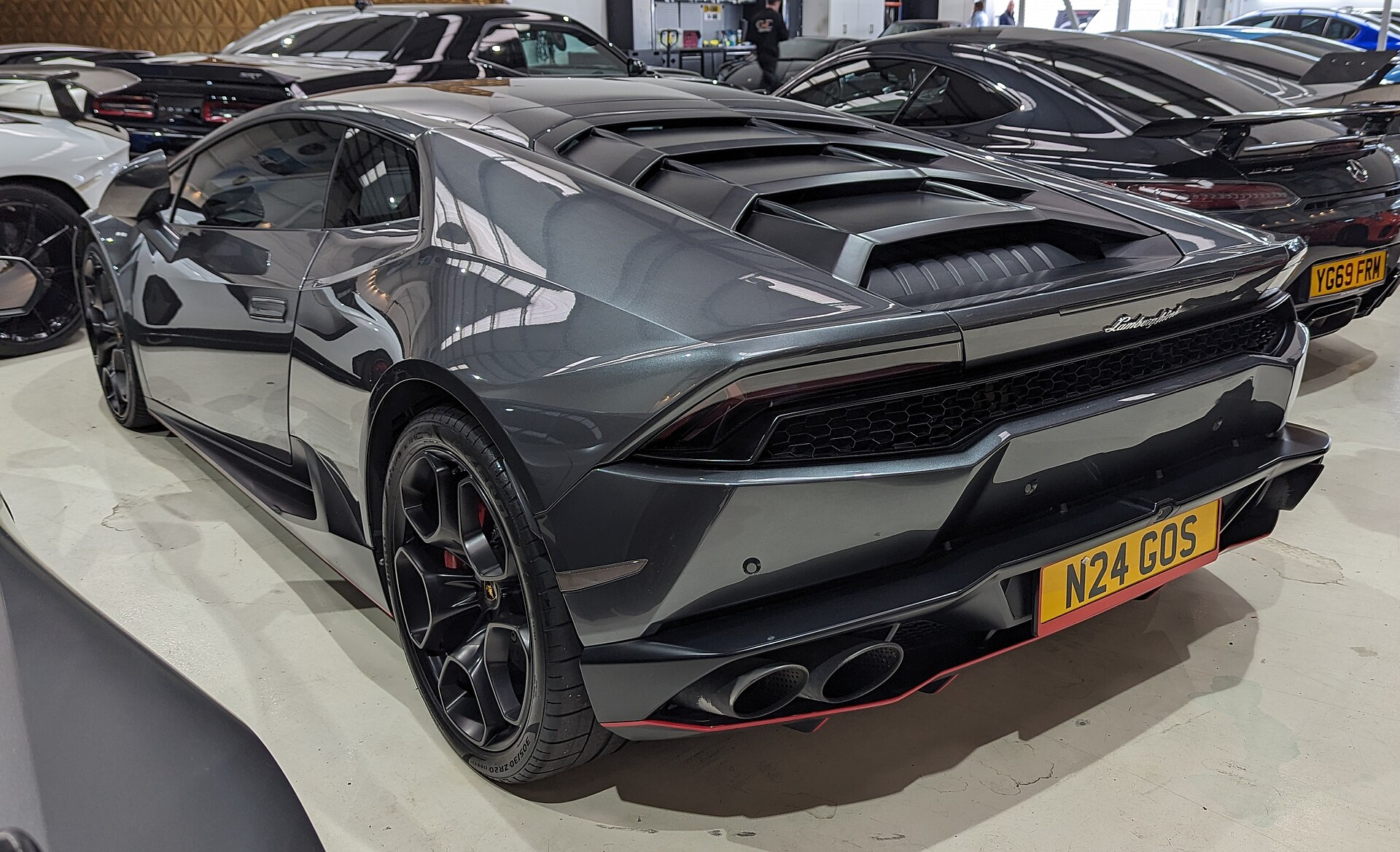
The Maserati MC20 and Lamborghini Huracan represent two fundamentally different approaches to supercar design. The Huracan, which Lamborghini produced for a decade before shutting down production in December 2024, is built around the principle that a naturally aspirated V10 engine is the ultimate expression of automotive drama. Every rev to 8,500 rpm delivers unmuffled, mechanical honesty. The MC20, which Maserati launched in 2021 as its comeback car, embodies a more modern philosophy: engineered sound, turbocharged efficiency, and technological precision wrapped in Italian elegance.
Both cars sit at roughly the same price point — the MC20 starts around $217,000 while the Huracan ranges from $155,000 to $295,000 depending on variant. Both accelerate from 0-60 mph in nearly identical times: the MC20 at 2.9 seconds, the Huracan EVO at 2.8 seconds. Yet they feel like cars from different eras, engineered for different buyers with different priorities.
This comprehensive comparison examines every dimension of the MC20 versus Huracan decision: engine architecture, driving dynamics, reliability concerns, depreciation trends, and which car offers genuine value for 2026. Whether you're a purist chasing the last naturally aspirated V10 experience or a forward-thinking buyer embracing turbocharged innovation, understanding the differences is essential before writing a $200,000+ check.
Engine Technology: The Heart of the Matter
The engine comparison reveals the philosophical divide between these two cars. The Lamborghini Huracan EVO produces 631 horsepower and 443 foot-pounds of torque from its 5.2-liter naturally aspirated V10 engine. It revs to 8,500 rpm, delivers power in a linear progression from 3,000 rpm to the limiter, and produces a distinctive, mechanical scream that no turbocharged engine can replicate.
The Maserati MC20 produces 621 horsepower and 457 foot-pounds of torque from a 3.0-liter twin-turbocharged V6. Crucially, Maserati engineered a pre-chamber combustion system in the Nettuno engine to minimize turbo lag and maximize efficiency. The MC20's 621 hp represents an 8-hp disadvantage to the Huracan, but the torque curve is different — the MC20 delivers maximum torque (457 lb-ft) from 3,000 rpm, versus the Huracan's peak at 3,500 rpm. In real-world driving, particularly in the 3,000-5,000 rpm range where most driving happens, this translates to a more responsive, eager engine character.
The engineering philosophies diverge dramatically. Lamborghini's V10 represents the culmination of two decades of naturally aspirated performance development. It's a bulletproof engine with zero turbochargers, zero variable valve timing complications, and zero turbo boost anomalies. The MC20's Nettuno engine is Maserati's technical statement — representing the company's engineering prowess with cutting-edge combustion technology. This is where reliability concerns emerge. The Huracan's V10 has been proven reliable across tens of thousands of vehicles. The MC20's pre-chamber V6, by contrast, is unproven at scale in the used market.
Performance and Speed: The Paper Specs Tell a Story
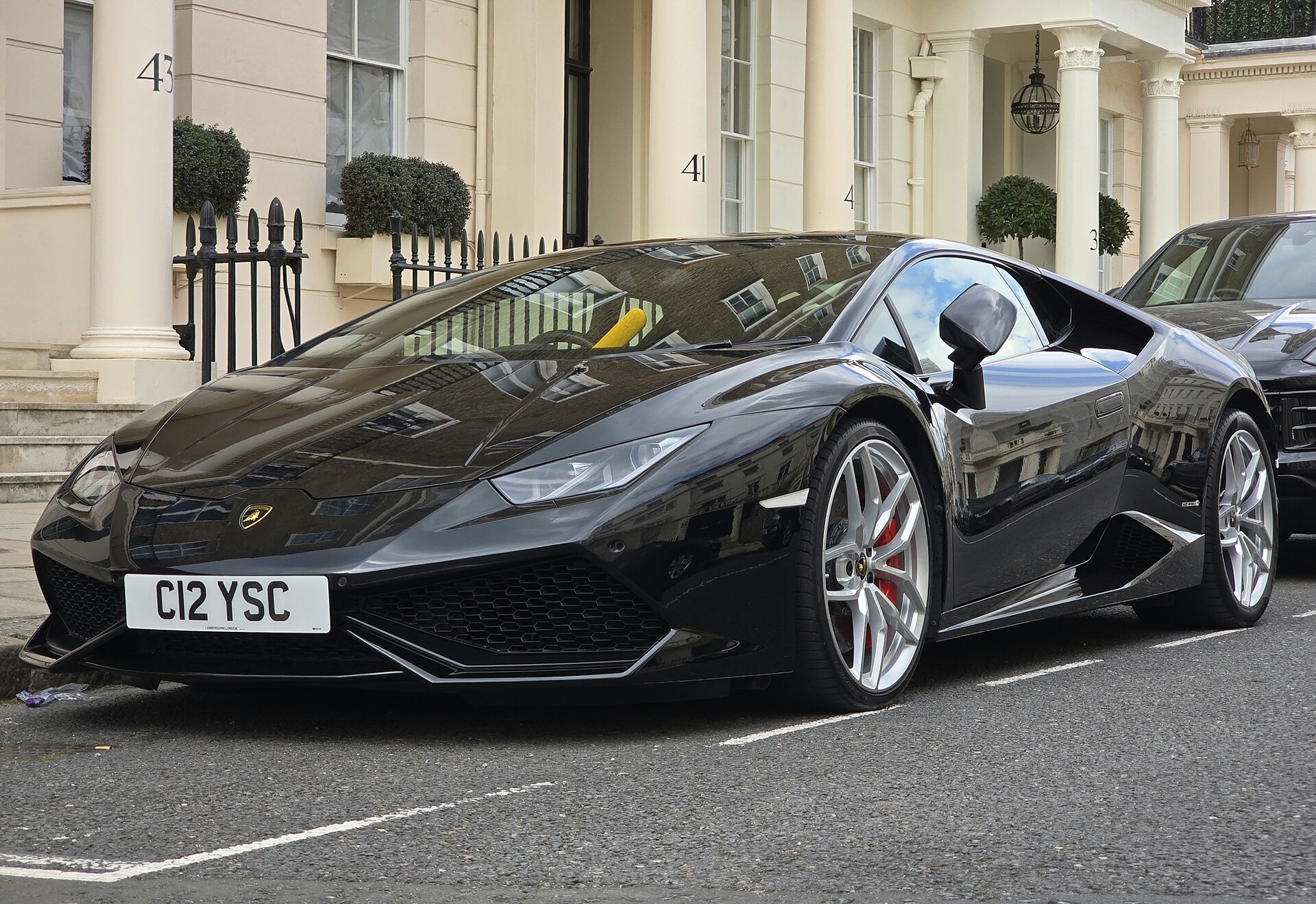
On paper, these cars are virtually identical in performance. The MC20 hits 60 mph in 2.9 seconds and reaches a top speed of 202 mph. The Huracan EVO achieves 60 mph in 2.8 seconds with an identical 202 mph top speed. Both use 7-speed dual-clutch transmissions. Both deliver supercar-grade acceleration that will set your neck back against the seat.
The mechanical differences create nuanced driving variations. The Huracan's naturally aspirated engine delivers instantaneous throttle response — press the accelerator and power arrives immediately at whatever rpm you're currently at. The MC20's turbocharged engine requires a fractional moment for turbo spooling to build boost, though Maserati's pre-chamber technology minimizes this lag significantly compared to conventional turbo systems.
In real-world acceleration, a skilled driver might feel the MC20 is slightly more explosive mid-range due to the torque plateau, while the Huracan feels more linear and refined. Both will embarrass nearly every other car on the road. The difference is genuinely academic — you'll never notice the 0.1-second difference unless you're at a racetrack with timing equipment.
Aerodynamically, both cars use sophisticated downforce generation for high-speed stability. The MC20 employs active aerodynamics similar to the Ferrari SF90, adjusting flaps for different driving modes. The Huracan uses fixed aerodynamic elements, making it slightly more predictable but less optimized for extreme speed runs.
The Driving Experience: Where Philosophy Becomes Reality
The MC20 and Huracan offer strikingly different sensory experiences behind the wheel. The Huracan's naturally aspirated V10 creates an audio experience that is genuinely irreplaceable. At full throttle, it produces a frequency around 8,000 rpm that resonates in your chest cavity. Open the exhaust valves in Corsa mode and it sounds like a Formula 1 car has wrapped itself around your body. Every enthusiast recognizes this as a historically significant sound — the last gasp of the naturally aspirated V10 engine era.
The MC20's twin-turbo V6 is engineered for a different kind of drama. Maserati designed the exhaust note in cooperation with sound engineers, specifically targeting emotional impact. It's a deeper, more aggressive sound than you'd expect from a turbocharged V6, but it's undeniably engineered rather than mechanical. Some drivers prefer it; purists will argue it's less authentic.
Chassis dynamics reveal another key difference. The Huracan employs a more traditional supercar suspension philosophy — responsive, playful, occasionally challenging in poor road conditions. The MC20 uses a sophisticated carbon fiber chassis with active suspension that adapts to driving conditions. The MC20 feels more planted, more predictable, more forgiving of driver errors. The Huracan feels more raw, more mechanical, more engaging for experienced drivers.
In comfort mode, the MC20 is actually more livable for long drives — the suspension is more compliant and the cabin is quieter. In performance mode, both cars transform into track-ready machines. For weekend warriors, the MC20's balance of comfort and performance might prove more practical. For driving enthusiasts who prioritize engagement over ergonomics, the Huracan delivers more entertainment.
The MC20 is a supercar engineered for the future. The Huracan is a supercar designed for history. Neither is objectively better — they're different vehicles for different philosophies.
Design Language: Italian Tradition vs Italian Innovation
The Maserati MC20 features a modern, sculpted design inspired by Maserati's historic MC12 racing car from the 2000s. The butterfly doors are genuinely dramatic — they open upward rather than scissoring out, creating an exceptional visual presence. The carbon fiber body is finished in multiple paint options, with the signature Maserati Blu Infinito being particularly striking.
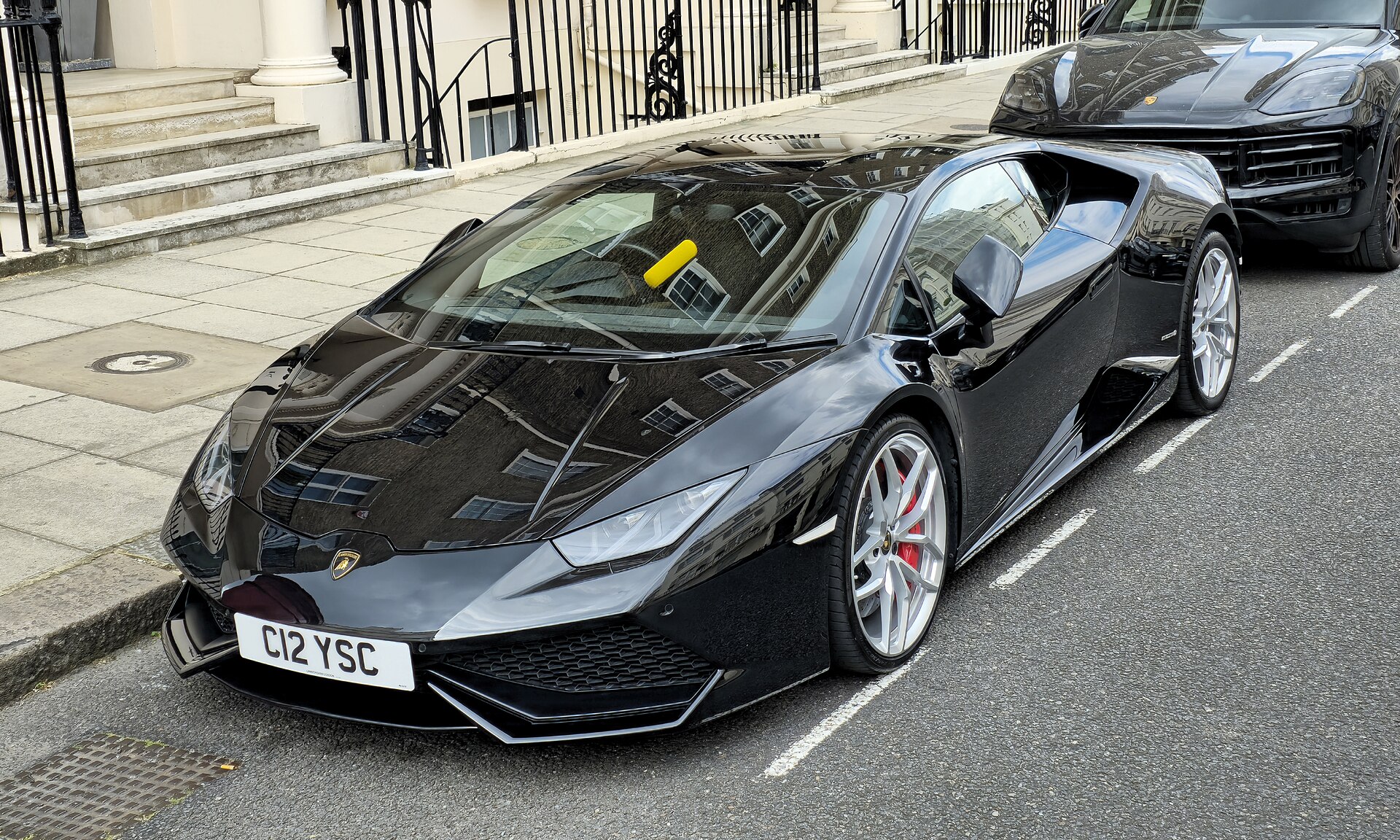
The Lamborghini Huracan employs the aggressive, angular wedge design that defines modern Lamborghini aesthetic. Scissor doors open upward at a more extreme angle than the MC20's butterfly doors, and the wide, low stance communicates mechanical aggression. The available color palette is vast, with options like Giallo Inti (yellow) and Verde Mantis (green) being Lamborghini's trademark.
Both cars garner immense attention on the road. The Huracan's dramatic wedge-shaped design is immediately recognizable as a Lamborghini. The MC20 turns more heads because it's rarer — Maserati hasn't produced supercars at volume in decades, so most people don't immediately recognize it. If you value exclusivity and owner recognition, the MC20 wins. If you value iconic design and instant brand recognition, the Huracan prevails.
Interior design favors the MC20 slightly. Maserati leather is traditionally luxurious, and the MC20's cabin feels more refined. The Huracan's interior is function-focused and utilitarian by comparison, particularly in base variants. For long-distance driving, the MC20 feels more like a grand tourer. The Huracan feels like a track car with a windshield.
Detailed Comparison Table
| Specification | Maserati MC20 | Lamborghini Huracan EVO |
|---|---|---|
| Engine | 3.0L Twin-Turbo V6 | 5.2L Naturally Aspirated V10 |
| Horsepower | 621 hp | 631 hp |
| Torque | 457 lb-ft | 443 lb-ft |
| 0-60 mph | 2.9 seconds | 2.8 seconds |
| Top Speed | 202 mph | 202 mph |
| Transmission | 7-Speed Dual Clutch | 7-Speed Dual Clutch |
| Curb Weight | 3,306 lbs (carbon tub) | 3,382 lbs (aluminum space frame) |
| Door Style | Butterfly Doors | Scissor Doors |
| Chassis Material | Carbon Fiber Monocoque | Aluminum Space Frame |
| New MSRP (2021-2023) | $217,000 | $250,000–$265,000 |
| Current Used Market | $185,000–$210,000 | $155,000–$190,000 |
| Annual Maintenance | $4,000–$6,000 | $3,000–$5,000 |
| Reliability Status | Unproven (limited data) | Proven (20,000+ units) |
| Production Years | 2021–Present | 2014–2024 (ended Dec 2024) |
| Total Units Produced | ~2,000 (estimate) | ~20,000 |
| Fuel Economy | 14 mpg combined | 13 mpg combined |
| Carbon Emissions | 443 g CO2/km | 485 g CO2/km |
Pricing: Entry Price vs Real Cost of Ownership
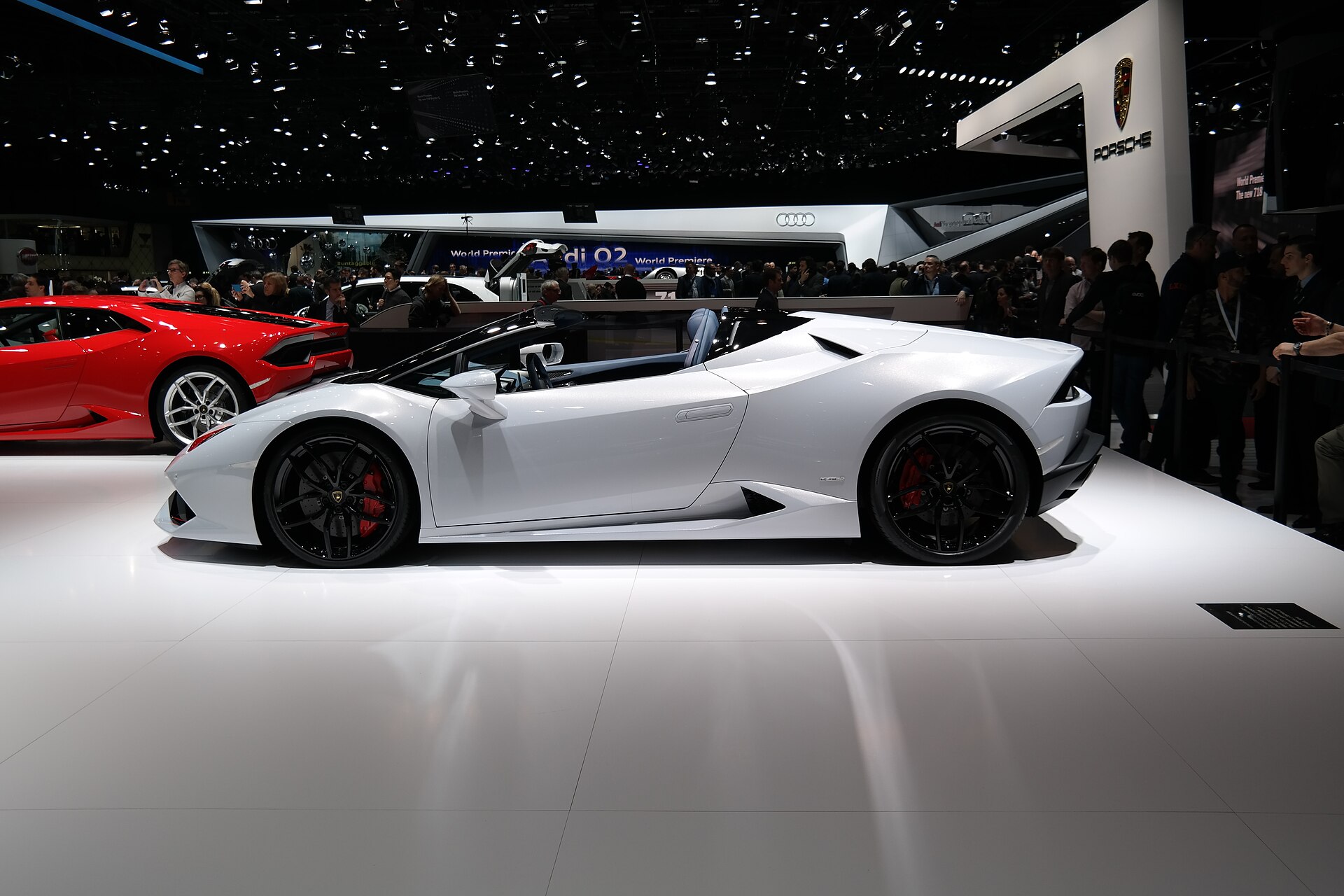
The MC20 launched at $217,000 and has remained relatively stable in the used market, with 2021-2023 examples trading between $185,000 and $210,000. The Huracan's pricing varies dramatically by variant. An EVO AWD from 2021 ranges $155,000–$190,000. A Performante variant from 2019-2020 costs $185,000–$230,000. The rarest STO is between $240,000–$295,000.
This means you can buy a Huracan for approximately $30,000–$50,000 less than a comparable-year MC20. That's a substantial price differential. However, pricing doesn't tell the real story — depreciation and long-term value retention do.
The Huracan's depreciation is exceptionally favorable. A 2021 Huracan EVO that cost $250,000 new is worth approximately $155,000–$170,000 today (roughly 35-40% depreciation over 4-5 years). An MC20 from the same model year, originally priced at $217,000, is worth approximately $195,000–$205,000 today (roughly 5-10% depreciation). This means the MC20 is actually retaining value dramatically better than the Huracan despite having higher running costs.
Why? Supply constraint meets brand positioning. Only about 2,000 MC20s will exist in the entire world. The Huracan had production runs of nearly 20,000 units across a decade. Rarity drives value retention. Additionally, the MC20 is positioned as a future collectible car — Maserati's return to supercar building after decades of absence. The Huracan, while the last naturally aspirated V10 Lambo, is part of a larger family of Lamborghinis spanning decades.
Secure Exotic Car Financing for Your Supercar
Automonitor partners with specialized exotic lenders who understand MC20 and Huracan valuations. Get pre-qualified for the best rates available.
Explore Financing Options →Reliability: Proven Engine vs Unproven Innovation
The Lamborghini Huracan's 5.2-liter V10 engine is one of the most reliable powertrains in the supercar segment. Owners regularly exceed 40,000-50,000 miles with zero major engine issues. The shared Audi R8 platform benefits from Volkswagen Group engineering, which means redundancy and testing at a level most exotic car manufacturers can't match. Forums are populated with low-drama ownership reports: oil changes, occasional maintenance, and the car running flawlessly.
The Maserati MC20's Nettuno V6 with pre-chamber combustion is a different story. Maserati's engineering is genuinely sophisticated, but there's minimal historical precedent. The car has only been in production since 2021, meaning the oldest examples are only 4-5 years old. Pre-chamber combustion technology is cutting-edge, but it's unproven at scale in the used market. Nobody knows how these engines will behave at 50,000 miles or 100,000 miles.
There are documented issues with early MC20 production. Some owners reported electrical gremlins, occasional turbocharger spooling inconsistencies, and infotainment glitches. These aren't catastrophic problems, but they indicate a car that hasn't been refined through millions of miles of real-world testing the way the Huracan has been.
If reliability is your primary concern, the Huracan is objectively the safer choice. You're buying an engine with tens of thousands of hours of real-world operation documented. If you're willing to accept unknown risks in exchange for owning a technological showcase, the MC20 is worth the gamble.
Known Huracan weak points include dual-clutch transmission shuddering in base models (fixed in later generations), occasional hydraulic nose-lift failures, and rare timing chain cover leaks in cars that were under-driven for extended periods. These are isolated issues across thousands of examples, not systemic failures.
Depreciation: Which Car Holds Value Better?
Depreciation analysis reveals a surprising conclusion: the MC20 is winning decisively. In just four years of production, the MC20 has appreciated in depreciation value (held value better) than the Huracan has over a decade.
MC20 depreciation runs approximately 5-10% over 4-5 years from original MSRP. This is exceptional for a supercar. A 2021 example will likely be worth $195,000-$205,000 in 2026, compared to an original MSRP of $217,000. That's a $12,000-$22,000 loss over five years, or roughly $200-$370 per month in depreciation.
Huracan depreciation is more aggressive in the early years but then stabilizes. A 2021 example originally priced at $250,000 depreciates to approximately $155,000-$170,000 today, representing 30-40% depreciation. However, that same Huracan is unlikely to lose significant additional value over the next 3-5 years. The production-ending announcement actually helps Huracan value retention because supply is now permanently fixed.
This creates an interesting arbitrage opportunity: if you plan to own the car for 5-7 years, the MC20 is likely the better financial decision due to superior value retention. If you plan to own it for 3-5 years, the Huracan might actually cost less on a monthly depreciation basis, though it started at a higher MSRP.
The Huracan STO and Performante variants are showing appreciation trends, with some 2022-2023 examples actually worth slightly more in 2026 than they were in 2024. This is because these variants are rarer and garnered enthusiast demand. The MC20, being newer and rarer across all variants, doesn't yet have enough historical data to assess appreciation potential.
Annual Ownership Costs: The Hidden Expense
Purchase price is just the beginning. Here's what actual ownership costs annually:
| Expense Category | MC20 | Huracan EVO |
|---|---|---|
| Insurance | $5,500–$8,500 | $4,000–$7,000 |
| Routine Maintenance | $4,000–$6,000 | $3,000–$5,000 |
| Fuel (14-16 mpg) | $3,500–$5,000 | $3,000–$4,500 |
| Tires (amortized) | $2,000–$2,800 | $1,500–$2,500 |
| Brakes (amortized) | $1,500–$2,500 | $1,000–$2,000 |
| Registration & Taxes | $1,200–$2,500 | $1,000–$2,000 |
| Total Annual Cost | $17,700–$27,300 | $13,500–$25,000 |
The MC20 costs approximately $150-$200 more per month in running costs than the Huracan. Insurance is higher because the MC20 is rarer and repair costs are unknown. Tires are more expensive due to the MC20's carbon fiber frame (specialist wheels required). Maintenance is higher because Maserati service intervals are less predictable than Lamborghini's established Huracan schedule.
Over a 5-year ownership period, the MC20's additional $1,800-$2,400 annually translates to $9,000-$12,000 more in ownership costs. However, if the MC20 depreciates only 5% while the Huracan depreciates 35%, the MC20 still comes out ahead financially despite higher running costs.
Brand Prestige and Attention: Which Badge Wins?
Lamborghini carries more instant brand recognition. Nearly every enthusiast, and most non-enthusiasts, recognize a Huracan on sight. The Lamborghini badge represents decades of supercar heritage, a lineage tracing back to the Miura and Countach. It's aspirational, iconic, and immediately establishes you as a supercar owner in the eyes of the general public.
The Maserati MC20 is rarer and generates more curiosity. Most people won't immediately recognize it. Instead, they'll notice the dramatic butterfly doors and ask "What is that?" In certain enthusiast circles, this rarity translates to higher prestige. You're owning something genuinely exclusive. In mainstream perception, the Lamborghini badge still carries more weight.
If you value instant recognition and aspirational badge prestige, the Huracan wins. If you prefer subtle exclusivity and want to be known as a true car enthusiast rather than a supercar buyer, the MC20 appeals more. Neither is objectively better — it's purely about your social preferences.
Selecting the Right Variant: MC20 and Huracan Options
Maserati has kept the MC20 lineup relatively simple. There's the standard MC20, the MC20 Cielo (convertible version launched 2023), and the upcoming MC20 Drag Race special edition. If you're buying used in 2026, you're essentially choosing between coupe or convertible. The convertible adds approximately $30,000 to the price and is rarer, but it comes with soft-top complexity and lower depreciation potential than the coupe.
Lamborghini offers six distinct Huracan variants, each with different characteristics. The original LP 610-4 (2014-2019) is most affordable at $130,000-$165,000 but lacks the refinements of later models. The EVO AWD ($155,000-$190,000) is the sweet spot — genuine performance with all-weather capability and refined electronics. The Tecnica and EVO RWD are for experienced drivers seeking maximum engagement. The Performante ($185,000-$230,000) offers the best track performance. The STO ($240,000-$295,000) is the ultimate expression but only produced 1,405 units globally.
For first-time supercar buyers, an EVO AWD offers the best balance of performance, usability, and value. For investment-oriented buyers, the STO's scarcity makes it the hedge against depreciation. For pure driving enthusiasts, the Performante justifies the premium through engineering.
Buying Recommendation: Who Should Buy Which Car
Buy the Maserati MC20 if: You want a technologically advanced supercar with cutting-edge engineering. You prioritize future value retention over proven reliability. You prefer a more refined, comfortable long-distance driving experience. You want to own something genuinely rare that fewer than 2,500 people in the world will ever possess. You're willing to accept slightly higher running costs and some reliability unknowns for bragging rights.
Buy the Lamborghini Huracan if: You want proven, battle-tested reliability with zero surprises. You prioritize the naturally aspirated V10 engine sound as a core part of ownership. You want maximum public recognition and iconic brand prestige. You can find an excellent deal on a Performante or STO variant and want to own one of the last naturally aspirated V10 supercars ever produced. You value predictable ownership costs and established service infrastructure.
Frequently Asked Questions
Is the MC20 more reliable than the Huracan?
No. The Huracan's V10 engine has tens of thousands of miles of proven service history across thousands of vehicles. The MC20's pre-chamber V6 turbo is unproven at scale. However, the MC20 hasn't shown systemic reliability issues — early examples are performing adequately. If reliability certainty is paramount, choose the Huracan. If you're comfortable with calculated risk for technology and exclusivity, the MC20 is acceptable.
Which car is faster?
They're essentially tied. The MC20 hits 60 mph in 2.9 seconds; the Huracan EVO in 2.8 seconds. On a racetrack with a skilled driver, the MC20's active aerodynamics and electronic sophistication might provide an advantage. On public roads, the difference is imperceptible.
Which car sounds better?
Definitively, the Huracan. The naturally aspirated V10 at full throttle produces a frequency that turbocharged engines cannot match. This is acknowledged even by Maserati engineers. If engine sound is crucial to your satisfaction, the Huracan is the only choice.
Will the MC20 appreciate like the Ferrari F8 or Ferrari SF90?
Maybe. Early indications suggest strong value retention, but Maserati's historical appreciation track record is mixed. The MC20 is positioned as a future collectible, but it's not yet established. The Huracan's value is already stabilizing. Neither car is a guaranteed investment, but the MC20 has better upside potential due to scarcity.
How much should I expect to spend annually on ownership?
For either car, budget $14,000-$27,000 annually for insurance, maintenance, fuel, and consumables. The MC20 runs higher due to exotic Maserati service costs. The Huracan's established service infrastructure keeps costs slightly lower. These are not cars for budget-conscious buyers.
Which car is better for daily driving?
The MC20. Its more refined suspension, better interior quality, and superior climate control make it more livable for regular use. The Huracan's low ground clearance and cramped cabin make it better suited for weekend-only driving. Neither is ideal as a true daily driver.
Should I buy new or used?
Used is dramatically better value. A 2021 MC20 for $195,000 offers the same experience as a new one at $217,000 with none of the first-owner depreciation risk. For the Huracan, a 2021 EVO AWD for $160,000 is infinitely better value than a new one (if you could still find one) at $250,000+.
Which car will be more valuable in five years?
Likely the MC20, based on current depreciation trends. If MC20 values stabilize at 5-10% depreciation and Huracan values have already absorbed their 35-40% depreciation, the MC20 offers better value retention for new purchases today. However, this is speculative — Maserati's brand history is less established than Lamborghini's in the collector market.
Can I lease either car instead of buying?
Both cars are technically leaseable through exotic car leasing companies, but residual values and mileage restrictions make ownership more practical. Maserati and Lamborghini don't offer traditional leasing programs for these models. A concierge service like Automonitor can arrange specialized leases.
What about insurance costs?
Both cars are expensive to insure. Expect $5,000-$8,000 annually for the MC20 and $4,000-$7,000 for the Huracan, depending on your age, location, and driving record. Maserati parts are harder to source, driving insurance costs higher. You'll need a specialized exotic car insurer for proper coverage.
The Final Verdict: Which Car Should You Buy?
There's no objectively "correct" choice between the MC20 and Huracan. They're different cars built by different philosophies for different buyers. The Huracan represents the end of an era — the final naturally aspirated V10 supercar from Lamborghini, carrying proven reliability and instantly recognizable Italian drama. It's a museum piece you can drive, a legendary engine in a chassis that's been refined across 20,000 production units.
The MC20 represents the future of supercar engineering — turbocharged efficiency, cutting-edge combustion technology, carbon fiber construction, and active aerodynamics. It's rarer, more technologically sophisticated, and positioned to hold value better as the collector market recognizes Maserati's return to relevance. But it's unproven at scale, more expensive to maintain, and its reliability story is still being written.
If budget is flexible and you want a supercar that will gather appreciation from enthusiasts and offer the emotional impact of a legendary engine, buy the Huracan. Search for a well-maintained Performante or STO variant if possible — these offer the best long-term value prospects. Expect to pay $190,000-$230,000 for excellent examples and budget $15,000-$20,000 annually for ownership.
If you want to own a technologically significant car with strong value retention, willing to accept unknown reliability risks, and prefer subtle exclusivity over badge prestige, the MC20 is worth the premium. Expect to pay $195,000-$210,000 for low-mileage examples and budget $17,000-$27,000 annually for ownership.
Either choice is defensible. Neither is wrong. The best car is the one that aligns with your priorities, your budget, and your vision of what a supercar ownership experience should be. At Automonitor, we specialize in matching buyers with the right exotic car, sourcing from verified dealers, arranging pre-purchase inspections, and handling the entire acquisition process. If you want expert guidance navigating this decision, our concierge buying service makes the process dramatically simpler.
Ready to Buy Your Exotic Supercar?
Automonitor connects you with certified inspectors, provides real market valuations, and handles negotiations so you can buy the MC20 or Huracan with total confidence.
Start Your Search Today →