Audi R8 vs Lamborghini Huracan: Same Platform, Completely Different Personalities
Two supercars. One shared V10 engine. One shared VW Group platform. But a $65,000 price gap and completely different driving philosophies. This is the closest competitor comparison in supercar history — and the most revealing about what you're really paying for.
The Shared Secret: How Audi and Lamborghini Got to the Same Engine
In the automotive world, few comparisons reveal as much about brand positioning and pricing strategy as the Audi R8 and Lamborghini Huracan. On paper, they share the same DNA: both are built on the VW Group platform, both powered by the 5.2-liter naturally aspirated V10 engine, both mid-mounted, both all-wheel drive (in most configurations), and both produced until recently. Yet, the R8 carries a $196,000 starting price while the Huracan begins at $261,000. That $65,000 difference isn't just about badge prestige — it's about entirely different design philosophies, marketing strategies, and emotional positioning. Understanding why requires understanding how two subsidiary brands of the same parent company can create vehicles that feel so fundamentally different.
The Audi R8 debuted in 2006 as the brand's first proper supercar, positioning itself as the thinking person's supercar. It was engineered for precision, daily usability, and Audi's then-revolutionary Quattro all-wheel-drive system. The Lamborghini Huracan arrived in 2014 as the successor to the Gallardo, carrying 50+ years of Lamborghini brand mythology — the company founded by Ferruccio Lamborghini to build the ultimate protest car against Ferrari's perceived arrogance. Both cars would use the same engine because the R8 platform proved capable of handling the power and packaging constraints. But they diverged everywhere else that mattered.
The Engine Story: 630 to 602 Horsepower of Pure Italian Engineering
The 5.2-liter naturally aspirated V10 is one of the greatest engines ever created, and both cars share it. But they don't share it equally. The Audi R8 V10 Performance produces 602 horsepower and 413 pound-feet of torque. The Lamborghini Huracan EVO produces 631 horsepower and 443 pound-feet of torque. That 29-horsepower difference, small on paper, is actually the result of different tuning strategies that reveal each brand's priorities.
Audi approached the V10 as an engineering problem to be optimized: precision fuel injection, carefully managed boost curves, and transmission mapping designed for consistency. Lamborghini approached the same engine as an emotional experience to be maximized: more aggressive fuel mapping, extended rev range, and calibration designed to push the powerplant to its absolute limits. The Huracan's engine sings at 8,500 rpm while the R8 tops out at 8,000 rpm — a 500-rpm difference that has profound implications for how each engine feels in the driver's seat.
On paper, both engines are incredibly reliable. Owners report V10 problems are exceptionally rare — multiple forums cite owners surpassing 50,000 miles with zero issues. The 5.2L is arguably the most bulletproof powerplant ever fitted to a supercar, which is remarkable considering the complexity and performance demands. Both cars use identical cooling systems, identical fuel delivery, identical valve trains. Yet Lamborghini owners seem to report more electrical quirks (primarily infotainment-related), while Audi owners report more transmission shudder at low speeds. The shared engine is not the bottleneck — the tuning and ancillary systems are.
Winner: Lamborghini by visceral impact, Audi by engineering refinement. Dead heat on reliability.
Performance Face-Off: 0-60, Lap Times, and Real-World Acceleration
Lamborghini markets the Huracan with a 2.9-second 0-60 time. Audi quotes the R8 at 3.1 seconds. On a track, the difference is infinitesimal. In real-world driving, it's irrelevant. Both cars produce incomparable acceleration that feels substantially faster than their numbers suggest because the V10 delivers all 600+ horsepower instantly, with no turbo lag, no electric motor spin-up, no pause. You press the accelerator and physics takes over.
More interesting is the mid-range performance. Both cars use a 7-speed dual-clutch transmission (though Audi and Lamborghini have modified theirs independently). The Huracan's transmission is slightly more aggressive in shift timing, creating the sensation of faster acceleration even when top-end acceleration is identical. The R8's transmission prioritizes smoothness, which is particularly noticeable when driving below 2,000 rpm in first gear — a place where the Huracan's transmission can feel slightly jerky.
Top speed is where they truly align: both cars exceed 200 mph, both are electronically governed to the same max speed, both have identical aerodynamic drag coefficients. If you're going to experience the difference between 200 and 220 mph, you need a closed circuit and professional safety equipment. In the real world, this is irrelevant.
What matters more is how each car feels accelerating from 40-80 mph in the real world. The Huracan feels more aggressive, more visceral, more willing to punish smooth right-foot application. The R8 feels more manageable, more predictable, more suited to a buyer who wants supercar performance without the drama. This isn't a performance difference — it's a personality difference.
Winner: Lamborghini for drama, Audi for consistency. Performance is effectively identical.
Exterior Presence: Subtle vs. Unambiguous
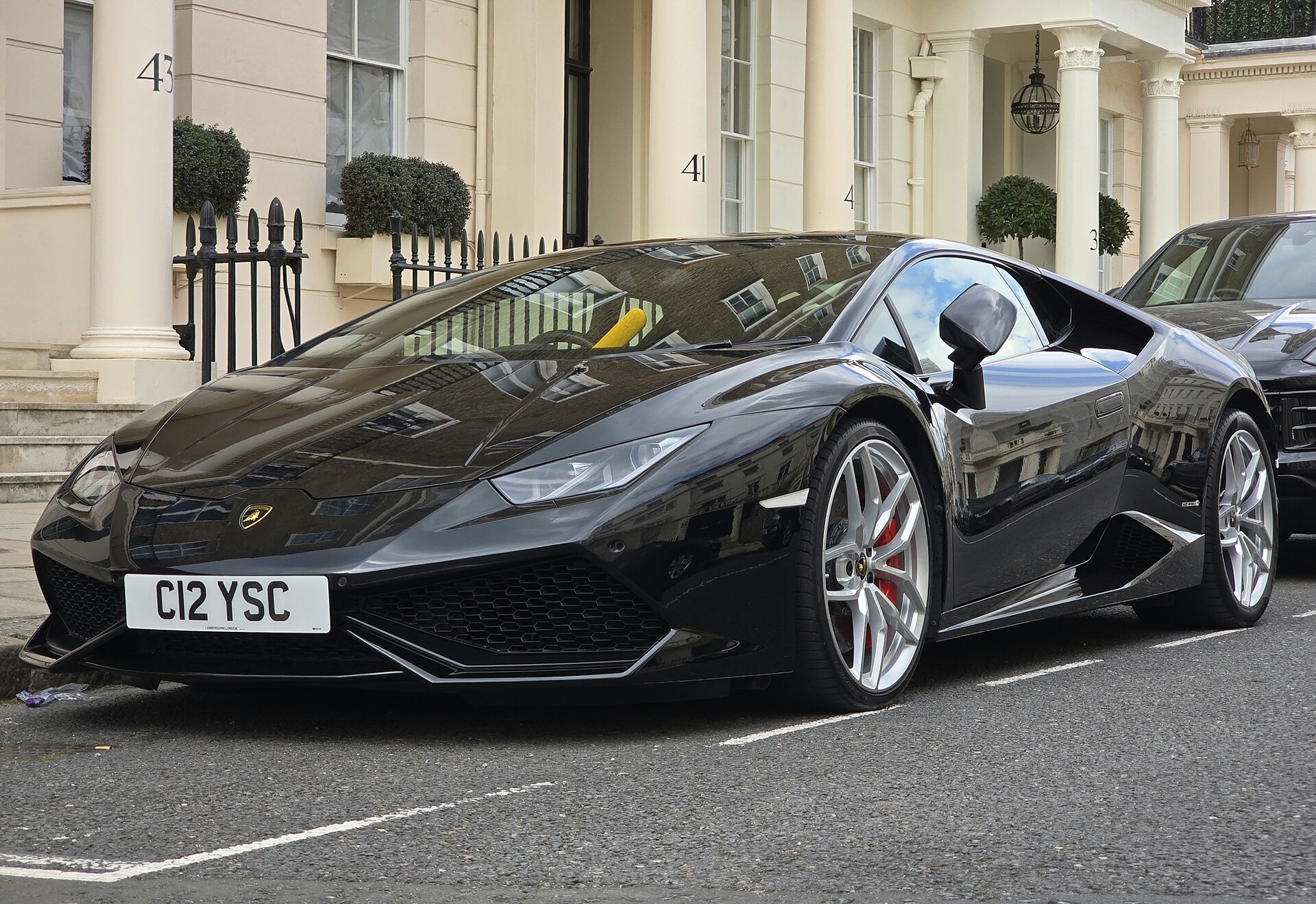
This is where the $65,000 price gap begins to make sense. The Audi R8 is objectively the more beautiful car. Its proportions are harmonious. Its details are refined. You could mistake the R8 for an expensive sports car on the street — elegant, understated, sophisticated. It's a car that wealthy people buy because they understand the engineering, not because they want the world to notice.
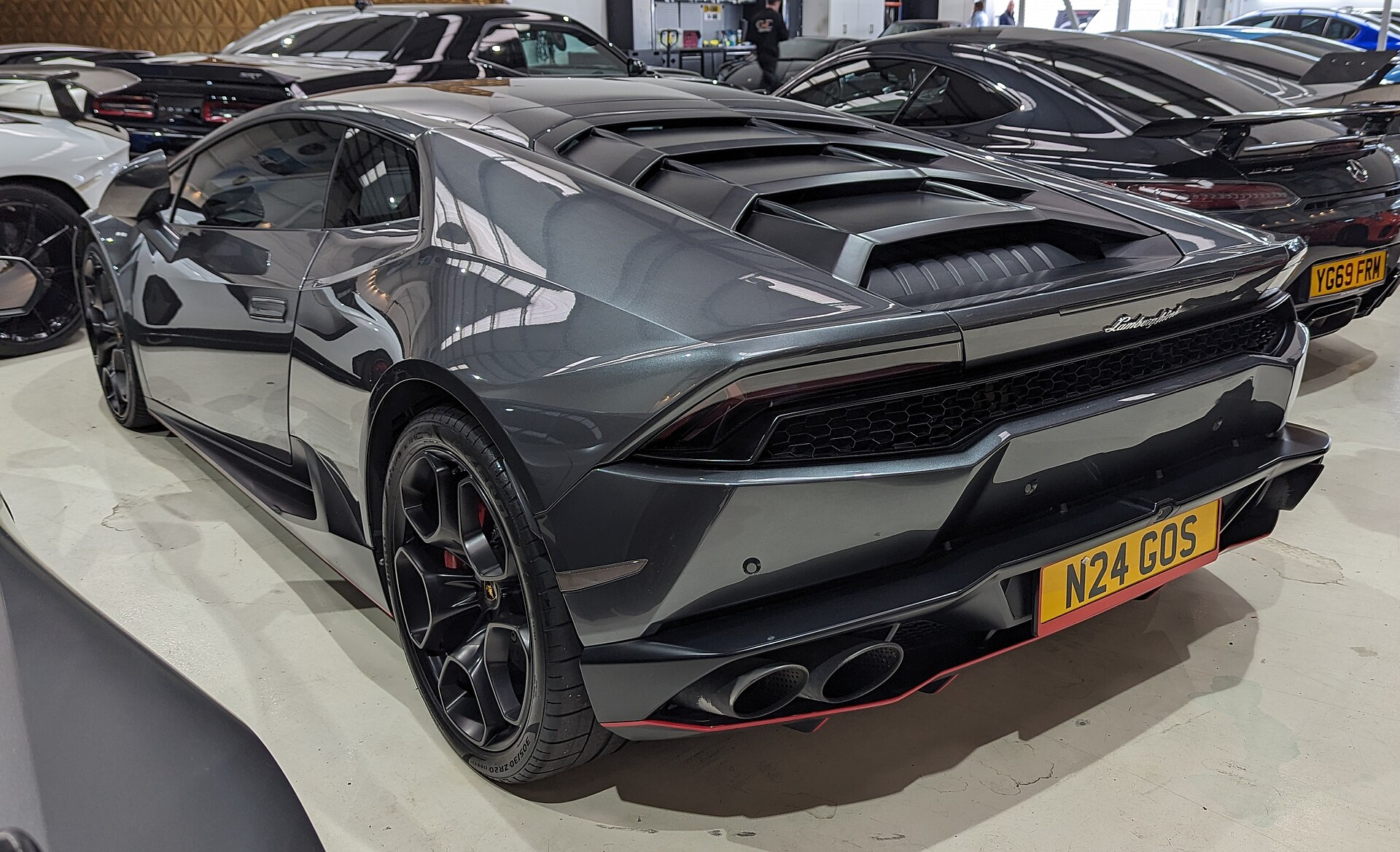
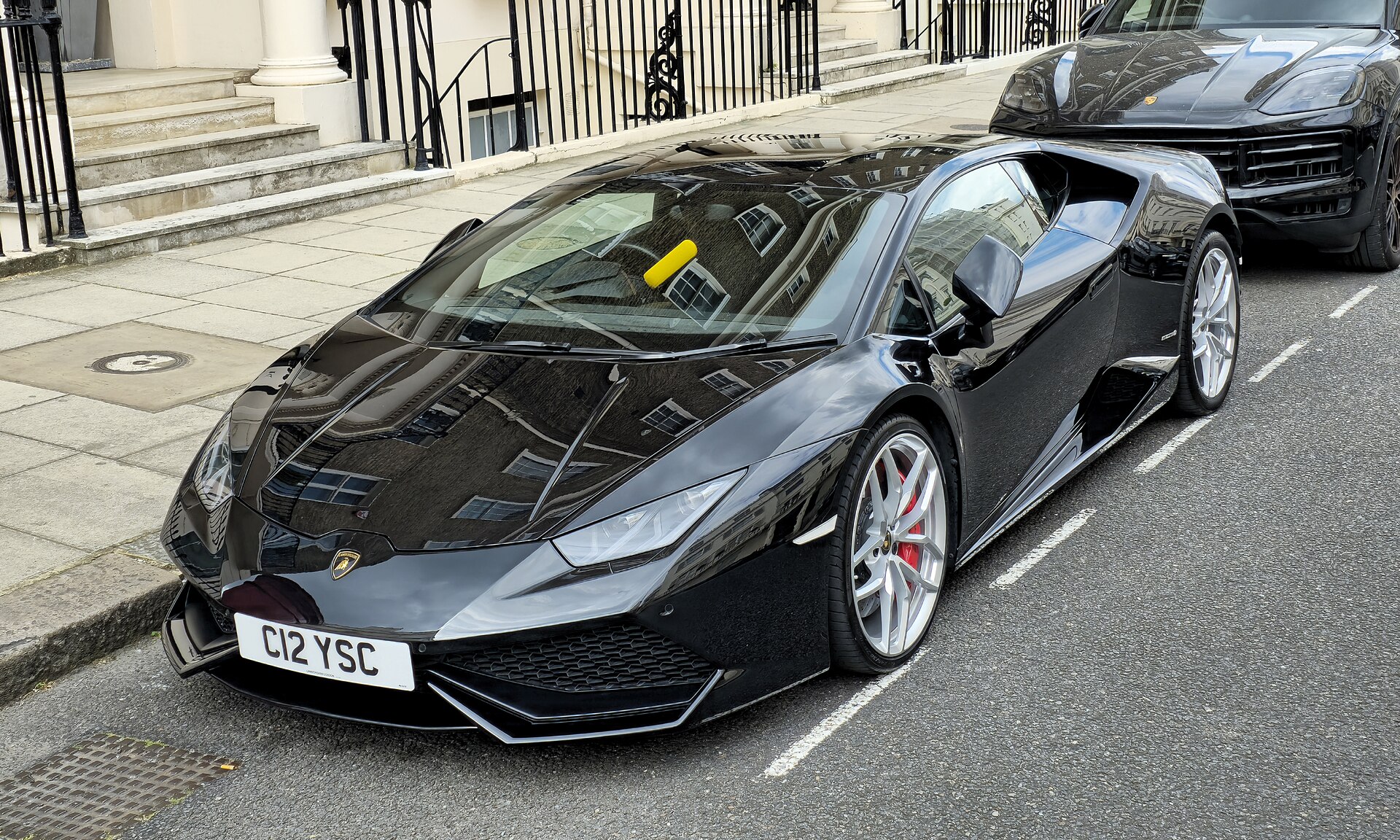
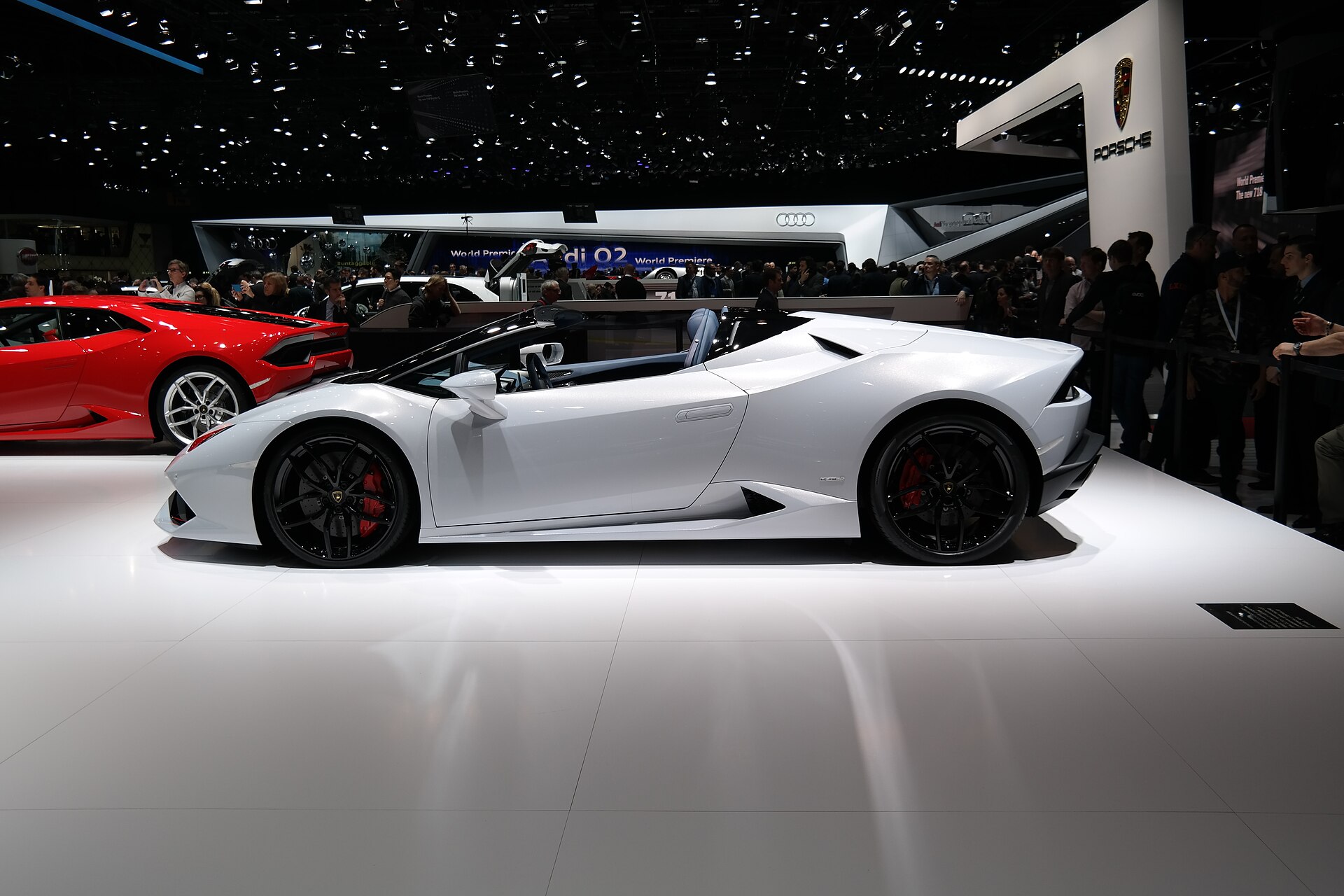
The Lamborghini Huracan is a statement. Every design element screams "supercar." The aggressive headlight design, the dramatic side intakes, the dramatic rear end — you cannot mistake the Huracan for anything else on the road. It has presence in a way the R8 simply does not. This is intentional. Lamborghini's entire brand is built on drama, on emotional impact, on "I want people to know I'm driving something extraordinary."
To some buyers, this matters immensely. The Huracan's visibility on the road creates a dopamine hit that the R8 simply cannot match. You notice when you're driving a Huracan. You're constantly reminded. The R8, by contrast, lets you enjoy your own experience — you're not performing for an audience, you're experiencing something rare in solitude.
In 2026, as the Huracan has ended production, the rarity factor compounds this difference. The R8 is also ending production, but Audi's more conservative design language means it ages more gracefully. In ten years, the Huracan's design will feel more dated because so much of its appeal is tied to 2014-era supercar design trends. The R8's design is timeless.
Winner: Lamborghini for presence and drama, Audi for timeless elegance.
Interior Philosophy: Tech Laboratory vs. Fighter Jet Cockpit
Step into an Audi R8 and you're in the dashboard of a precision instrument. Everything is logical, organized, and clearly sourced from Audi's parts bin. The infotainment system is sophisticated. The controls are intuitive. The materials are premium. But nothing here says "you're in a supercar." It could be a high-end A8 sedan with sports seats. This is Audi's philosophy: the supercar experience is primarily about engineering and performance, not about theatrical interior design.
Step into a Lamborghini Huracan and you're in a fighter jet cockpit. Dramatic angles. Dramatic shapes. Driver-focused ergonomics that feel intentional and purposeful. The infotainment system is less intuitive (and more prone to glitches) but it's unmistakably Lamborghini. Every interior detail screams Italian drama. The steering wheel feels thinner. The pedals feel more aggressive. The seating position is lower, more aggressive, more committed.
For daily driving, the R8's interior is superior. It's more user-friendly, more logical, more livable. But for weekend driving, for the moments when you're genuinely excited to be in the car, the Huracan's interior delivers an experience that the R8 simply cannot match. You're not just driving a car — you're inhabiting a theatrical performance of a supercar.
This difference is worth examining honestly. If you're buying this car to drive to work, the R8's interior is objectively better. If you're buying it for weekend drives where the interior design matters as much as the performance, the Huracan wins decisively.
Winner: Audi for daily usability, Lamborghini for emotional engagement.
The Price Question: Why the $65,000 Gap Exists (and Whether It's Justified)
| Category | Audi R8 V10 Perf. | Lamborghini Huracan EVO | Difference |
|---|---|---|---|
| MSRP / New Price | $196,000 | $261,000 | +$65,000 |
| 0–60 mph | 3.1 seconds | 2.9 seconds | 0.2s slower |
| Horsepower | 602 hp | 631 hp | 29 hp less |
| Engine Type | 5.2L NA V10 | 5.2L NA V10 | Identical |
| Base Platform | VW Group (R8) | VW Group (R8) | Identical |
| Interior Quality | Audi OEM | Lamborghini Bespoke | Different strategy |
| Exterior Design | Timeless | Dramatic | Different audience |
| Badge Value | Engineering prestige | Automotive legend | Emotional vs. technical |
The $65,000 price difference is not about performance. The Audi R8 performs at essentially 99% of the Huracan's level. It's not about the engine. They share the same engine. It's about four factors: brand mythology, design drama, limited availability (the Huracan commands a premium as a discontinued model), and market positioning.
Lamborghini spends more on design. Lamborghini invests more in dramatic styling. Lamborghini charges more because buyers will pay more to own a Lamborghini. That's not cynical — it's honest. You're paying for heritage, for the emotional weight of owning a car named Huracan, for the knowledge that your car is rare and getting rarer as production ends.
The Audi R8, by contrast, is priced as a rational supercar purchase. You're getting 600+ horsepower for under $200,000, paired with one of the greatest V10 engines ever produced, built on a platform proven across two generations. The R8 is the intelligent person's supercar. The Huracan is the passionate person's supercar.
Neither is a bad value. They're different values for different buyers.
Depreciation and Resale: The Discontinued Model Premium
Both cars are ending production, which changes the depreciation calculus. The Huracan's final year of production gives it a scarcity premium that will only increase over time. A 2024 Huracan purchased today for $261,000 has a reasonable chance of being worth $240,000+ in five years, as Lamborghini buyers realize this is truly the final generation.
The Audi R8, ending production slightly earlier, has a similar value proposition. However, Audi's more conservative design language and broader manufacturing appeal means supply is slightly higher, demand is slightly lower, and depreciation curves are steeper. Expect an R8 purchased for $196,000 to be worth $155,000-$170,000 in five years — roughly 20-25% depreciation.
In absolute dollar terms, the R8 is cheaper to own over five years ($26,000-$41,000 in depreciation) while the Huracan is more expensive ($21,000-$41,000). But the Huracan's higher initial cost means the percentage depreciation is similar. The real difference: the Huracan holds more absolute value because it started more expensive.
Used market prices (2026) are revealing. A 2020 R8 costs $155,000-$175,000. A 2020 Huracan EVO costs $185,000-$210,000. Both represent roughly 15-20% depreciation over six years. But the R8 is objectively cheaper to enter, cheaper to own, and easier to exit.
Winner: Audi on total cost of ownership, Lamborghini on percentage value retention.
Maintenance Reality: Shared Engine, Different Service Networks
Here's where the Audi R8 reveals its advantage. Because it's built on a platform shared with the Huracan, and uses the same engine, basic maintenance is identical. Oil changes, brake service, transmission fluid — you're looking at the same costs. But Audi dealerships are ubiquitous. A broken R8 can be serviced at any Audi dealer in the country.
Lamborghini dealerships are less common. Service costs are typically 15-20% higher than Audi equivalent service because Lamborghini dealers charge a premium. A transmission clutch replacement costs $8,000-$12,000 on either car, but you're more likely to find competitive pricing on the R8.
Annual maintenance estimates (both cars, well-maintained):
- Insurance: R8 $3,500-$5,500 / Huracan $4,000-$6,500
- Routine maintenance: R8 $2,500-$3,500 / Huracan $3,000-$4,000
- Fuel (13-15 mpg combined): R8 $2,800-$4,200 / Huracan $2,800-$4,200
- Tires (every 8-12K miles): R8 $1,200-$1,800 / Huracan $1,200-$1,800
- Annual running cost: R8 $10,000-$15,000 / Huracan $11,000-$17,000
Both engines are bulletproof. The weak points are identical: DCT transmission shudder in early cars, coolant system sensitivity in tracked cars, timing chain cover leaks in garage queens. The advantage goes to the R8 not because it's more reliable, but because service is cheaper and more accessible.
Winner: Audi on service accessibility and cost.
Driving Character: The One Category Where Everything Matters
On the road, both cars feel like supercars. But they feel like different kinds of supercars. The Audi R8 is engineered to be predictable. The Quattro all-wheel-drive system always engages, providing security that rear-drive alternatives can't match. The suspension is tuned for efficiency. The steering is responsive but not aggressive. You can drive the R8 at 8-tenths and feel completely in control.
The Lamborghini Huracan is engineered to be dramatic. The transmission engagement feels more aggressive. The steering is sharper. The throttle response is more immediate. At 8-tenths, you feel like you're genuinely pushing the car. At 9-tenths, the Huracan engages in a way that makes the experience genuinely emotional.
For track driving, the difference becomes stark. The R8's Quattro system provides grip that's almost unfair in a comparison with rear-drive cars. The R8 will lap a circuit faster than a Huracan in most configurations because all-wheel-drive simply provides more grip. But on the road, driving at legal speeds, this advantage evaporates. The emotional engagement of the Huracan becomes the deciding factor.
The V10 engine is the common element that makes both cars feel alive. Turbocharged competitors feel muted by comparison. The naturally aspirated V10 at full throttle produces a sound frequency that resonates in your chest cavity. This is the one thing you cannot replicate, cannot explain to someone who hasn't experienced it, and cannot compromise on. Both cars provide this equally.
The Audi R8 is the supercar you buy with your head. The Lamborghini Huracan is the supercar you buy with your heart. Neither is wrong — they're just different equations.
The Attention Factor: Visibility and Recognition on the Road
Drive an Audi R8 and you'll experience a strange phenomenon: people won't recognize it as a supercar unless they're enthusiasts. It looks expensive and cool, but its understated design means it doesn't generate the double-takes and phone cameras that supercars typically attract. This is liberating for some drivers and frustrating for others.
Drive a Lamborghini Huracan and you'll experience the opposite. Every red light generates looks. Every parking lot visit attracts photographers. Every highway drive involves people speeding up to see what's next to them. The Huracan announces itself. The R8 whispers.
If you're buying a supercar because you want the world to notice, the Huracan is the clear choice. If you're buying a supercar for your own satisfaction and don't need external validation, the R8's subtle approach is actually advantageous. You can enjoy the car without the performance anxiety that comes from constant attention.
This matters more than people admit. A significant portion of supercar buyers derive genuine pleasure from visibility. The Huracan is optimized for this psychological need. The R8 isn't, which actually makes it a better car for buyers who don't need it.
Winner: Depends entirely on buyer psychology.
Tuning and Modification Potential: The Engine That Scales
Both cars use the same 5.2-liter V10, which means both cars share similar tuning potential. The aftermarket for this engine is robust. Stage 1 tuning (fuel mapping and ignition timing adjustments) can reliably produce 650-680 horsepower on either car, pushing both well into Ferrari 488 territory without major modifications.
However, Lamborghini already delivered more aggressive factory tuning on the Huracan EVO. Tuning an R8 to match a stock Huracan is relatively straightforward. Tuning either car beyond 680 horsepower requires internal modifications (supercharging, turbocharging) that few owners pursue because both cars are already absurdly fast.
The exhaust market favors the Huracan slightly because Lamborghini's ownership culture is more modification-friendly. Aftermarket exhausts, intake systems, and tuning software are more readily available. But the performance ceiling is identical: both cars hit the same limits imposed by transmission durability and chassis limits.
Winner: Tie, with slight edge to Huracan in parts availability.
Detailed Comparison Table: Head-to-Head Specifications
| Specification | Audi R8 V10 Performance | Lamborghini Huracan EVO |
|---|---|---|
| Engine | 5.2L NA V10 | 5.2L NA V10 |
| Horsepower / Torque | 602 hp / 413 lb-ft | 631 hp / 443 lb-ft |
| 0–60 mph | 3.1 seconds | 2.9 seconds |
| Top Speed | 205 mph | 202 mph |
| Transmission | 7-speed DCT (Audi) | 7-speed DCT (Lamborghini) |
| Drivetrain | AWD Standard | AWD (EVO), RWD options |
| Curb Weight | 3,395 lbs | 3,382 lbs |
| Fuel Economy | 13 city / 16 highway mpg | 13 city / 15 highway mpg |
| Price (New, 2024) | $196,000 | $261,000 |
| Used Price (2020 Model) | $155K–$175K | $185K–$210K |
| 5-Year Depreciation | ~20–25% | ~18–22% |
| Annual Maintenance | $2,500–$3,500 | $3,000–$4,000 |
| Interior Design | Audi OEM sourced | Lamborghini bespoke |
| Exterior Design | Timeless elegance | Dramatic presence |
| Visibility on Road | Subtle | Maximum attention |
| Track Capability | Quattro grip advantage | Lighter, more engaging |
| Daily Usability | Superior | Good, less practical |
| Reliability | Excellent | Excellent |
Which Should You Buy? A Decision Framework for Buyers at Different Budgets
If you can afford both and want the financially smarter decision, buy the Audi R8. You get 99% of the performance, superior interior usability, lower service costs, better dealer access, and stronger residual value percentage. The R8 is objectively the more rational purchase. You save $65,000 that could go toward a house, an investment portfolio, or a second car.
If you can afford both and want the emotionally rewarding decision, buy the Lamborghini Huracan. You get the brand mythology, the design drama, the attention, the knowledge that you're driving something genuinely rare. The Huracan doesn't have to be the better car to be the better choice — it just has to matter more to you.
If your budget is $180,000-$220,000, buy an R8. You get into a V10 supercar at a price point the Huracan can't match. A used R8 V10 Plus from 2018-2019 will deliver equivalent performance to a base Huracan at nearly half the price.
If your budget is $240,000+, consider the Lamborghini Huracan Tecnica or Performante. These variants justify the price premium through weight reduction, upgraded suspension, and more aggressive aerodynamics that the R8 doesn't offer. The Tecnica is a fundamentally more engaging driver's car than the EVO.
If you want maximum track capability, buy the R8. The Quattro system will lap a circuit faster than a Huracan in the vast majority of conditions. If you want maximum road-driving engagement, buy the Huracan. The drama, the sound, the emotional connection — it's unmatched.
If you're a first-time supercar buyer uncertain about committing to exotic ownership, buy an R8. It's more forgiving, more livable, and easier to resell if the supercar ownership experience isn't what you expected. If you're an experienced enthusiast ready to commit to the theater of supercar ownership, buy the Huracan.
Find Your V10 Supercar: R8 or Huracan
Automonitor sources authentic examples from verified dealers and provides full market analysis. We'll help you navigate the decision and find the specific variant that matches your budget and driving philosophy.
Start Your Search →Variant Considerations: Not All R8s and Huracans Are Created Equal
The R8 lineup is relatively simple: V10 base and V10 Performance. Choose the V10 Performance if you can afford it — the extra power, upgraded transmission, and refined suspension justify the premium. The base V10 is adequate but feels slightly behind the curve compared to the competition.
The Huracan lineup is complex. The base EVO is the smart pick for value. The EVO RWD is for drivers who prioritize engagement over security. The Tecnica is the best driver's car in the lineup. The Performante is the best all-around package. The STO is the ultimate track-oriented version. The Sterrato is the outlier — a lifted, off-road-capable Huracan that deserves its own article. For a direct R8 comparison, choose the EVO or Tecnica.
Audi offers the Porsche 911 Turbo S as a competitor if you want similar performance in a different package. Lamborghini offers the Ferrari 488 and McLaren 720S as alternative performance packages in the same price range.
Financing and Ownership: Making the Purchase Smart
Both cars qualify for exotic car financing, typically 20-30% down, 6-10% interest depending on age and credit profile. The R8 will be slightly easier to finance because it's an Audi product with wider lender appeal. The Huracan will require specialists like Lamborghini financing partners.
Monthly payment estimates (60-month, 25% down):
- R8 at $170,000 (used 2020): ~$2,200-$2,800/month
- Huracan at $195,000 (used 2020): ~$2,500-$3,200/month
Both require additional monthly budgeting for insurance ($350-$550/month), fuel ($200-$350/month), and maintenance reserves ($200-$300/month). Total monthly cost is $3,000-$4,500 for either car. Ensure this fits comfortably in your budget before committing.
Consider leasing vs. buying. Both cars are available for lease through Audi and Lamborghini directly. Lease payments are typically $1,500-$2,500/month all-inclusive, making a lease potentially more affordable for uncertain buyers. However, lease deals vary dramatically depending on time of year and specific incentives.
Insurance Reality: One of the Hidden Costs
Both cars carry insurance costs that surprise new buyers. An Audi R8 typically costs $3,500-$5,500 annually depending on age, location, driving record, and coverage selection. A Lamborghini Huracan costs $4,000-$6,500. The difference isn't dramatic, but it's consistent. Lamborghini is a slightly riskier profile in insurance company models.
Comprehensive coverage is non-negotiable on both cars — the repair costs of major damage can exceed $50,000 very quickly. Get quotes from specialists like exotic car insurance providers before purchasing. Standard insurance companies often refuse to quote on supercars or apply premiums that make ownership unaffordable.
Frequently Asked Questions
Is the Audi R8 faster than the Lamborghini Huracan?
No. The Huracan is slightly faster in acceleration (2.9s vs 3.1s 0-60) and feels faster due to more aggressive tuning. However, the difference is negligible in real-world driving. The Audi's Quattro all-wheel-drive system provides a handling advantage on track, but pure acceleration favors the Huracan.
Should I buy the R8 to save money?
If your primary motivation is cost savings, the R8 is objectively the better purchase. You save $65,000 upfront, have lower service costs, and get equivalent performance. However, if you genuinely prefer the Huracan's character, the cost difference is worth paying for a car you'll enjoy more.
Are both cars reliable for long-term ownership?
Yes. Both cars share the same 5.2L V10 engine, which is one of the most reliable supercars ever produced. Real-world reports show owners routinely exceeding 50,000 miles with minimal issues. The weak points (DCT transmission, coolant system) are identical on both cars.
Which car has better resale value?
The Huracan holds value better in percentage terms (roughly 80% after five years vs 75-80% for the R8), but the R8 loses less in absolute dollars because it started cheaper. A $170,000 R8 losing $35,000 in value might be more palatable than a $260,000 Huracan losing $45,000 in value.
Can I drive either car daily?
Yes, but neither is ideal as a daily driver. Ground clearance is minimal, fuel economy is poor (13-15 mpg), and maintenance is frequent. The Audi R8 is slightly more practical due to superior interior ergonomics. The Lamborghini is more thrilling for weekend-only driving.
Which car should I track?
The Audi R8, primarily because of the Quattro system's grip advantage. However, if weight distribution and feedback are more important to you than absolute lap times, the Huracan offers a more engaging track experience. For objective speed, the R8 wins.
Is the $65,000 price difference worth it for the Huracan?
Only if you value brand heritage, design drama, and emotional connection over rational cost-benefit analysis. The Huracan is not objectively $65,000 better than the R8. It's different — more dramatic, rarer, more emotionally engaging. Whether that's worth the premium depends entirely on your priorities.
Will either car appreciate in value?
Neither is a reliable investment. Both will depreciate, though at slower rates than most supercars. The Huracan's final production year and naturally aspirated V10 give it a better chance of stabilizing in value, but neither car should be purchased as an investment vehicle. Buy for the driving experience.
Should I buy new or used?
Used is almost always smarter. A 2020 R8 or Huracan is nearly identical to 2024 models, costs $50,000 less, and lets someone else absorb the first year of depreciation. However, ensure a pre-purchase inspection is completed by a qualified technician.
Which car is more practical for weekend ownership?
The Audi R8. Better interior, more logical controls, easier to live with on days when you're not treating it as a performance machine. The Lamborghini demands to be treated as a special occasion car — it doesn't transition to practical transportation as gracefully as the R8.
The Final Verdict: Different Equations, Both Worth Solving
The Audi R8 and Lamborghini Huracan represent two completely different answers to the question: "What is a supercar?" The Audi answers: "A supercar is engineering excellence wrapped in elegant design, offering extraordinary performance wrapped in everyday usability." The Lamborghini answers: "A supercar is a theater of desire, a machine that makes people turn their heads, an experience that justifies its existence through sheer emotional impact."
Neither is wrong. They're different approaches to the same 5.2-liter V10 engine, the same VW Group platform, the same fundamental capabilities. Yet they feel like entirely different cars because they're designed for entirely different buyer profiles.
If you want the financially optimal choice, buy the Audi R8. If you want the emotionally rewarding choice, buy the Lamborghini Huracan. If you're genuinely uncertain, drive both before deciding. The test drive will reveal whether you're buying a supercar with your head or your heart — and your answer will determine which car you should own.
Both are extraordinary machines. Both represent the tail end of naturally aspirated V10 production. Both will provide decades of driving pleasure if maintained properly. The difference isn't about which is better — it's about which is better for you. And that's the only decision that actually matters.
Ready to find your V10 supercar? Automonitor's financing guides walk you through the process, while our leasing resources show you cost-effective alternatives. Whether you choose the R8 or the Huracan, we'll help you make the purchase with complete confidence.
Ready to Compare These Supercars in Person?
Automonitor arranges test drives with multiple variants, provides detailed market analysis, and handles pre-purchase inspections so you can make an informed decision between these two legends.
Book Your Test Drives →