McLaren 720S vs Lamborghini Huracan: British Precision vs Italian Drama
Two of the most thrilling supercars ever built—but they couldn't be more different. One is a minimalist engineering masterpiece from Woking. The other is a maximalist emotional statement from Sant'Agata. Here's everything you need to know to choose between them.
The Fundamental Difference: Engineering Philosophy vs Emotional Intent
The McLaren 720S and Lamborghini Huracan are both supercar royalty, but they represent two completely different approaches to what a supercar should be.
The McLaren 720S is the product of McLaren's engineering-first philosophy. Every design decision is optimized for performance, efficiency, and precision. The carbon fiber monocoque is the lightest in its class. The steering is the most direct. The suspension setup is tuned for driver feedback. There are no unnecessary curves, no superfluous drama. The 720S is a surgical instrument—sharp, efficient, and brutally effective.
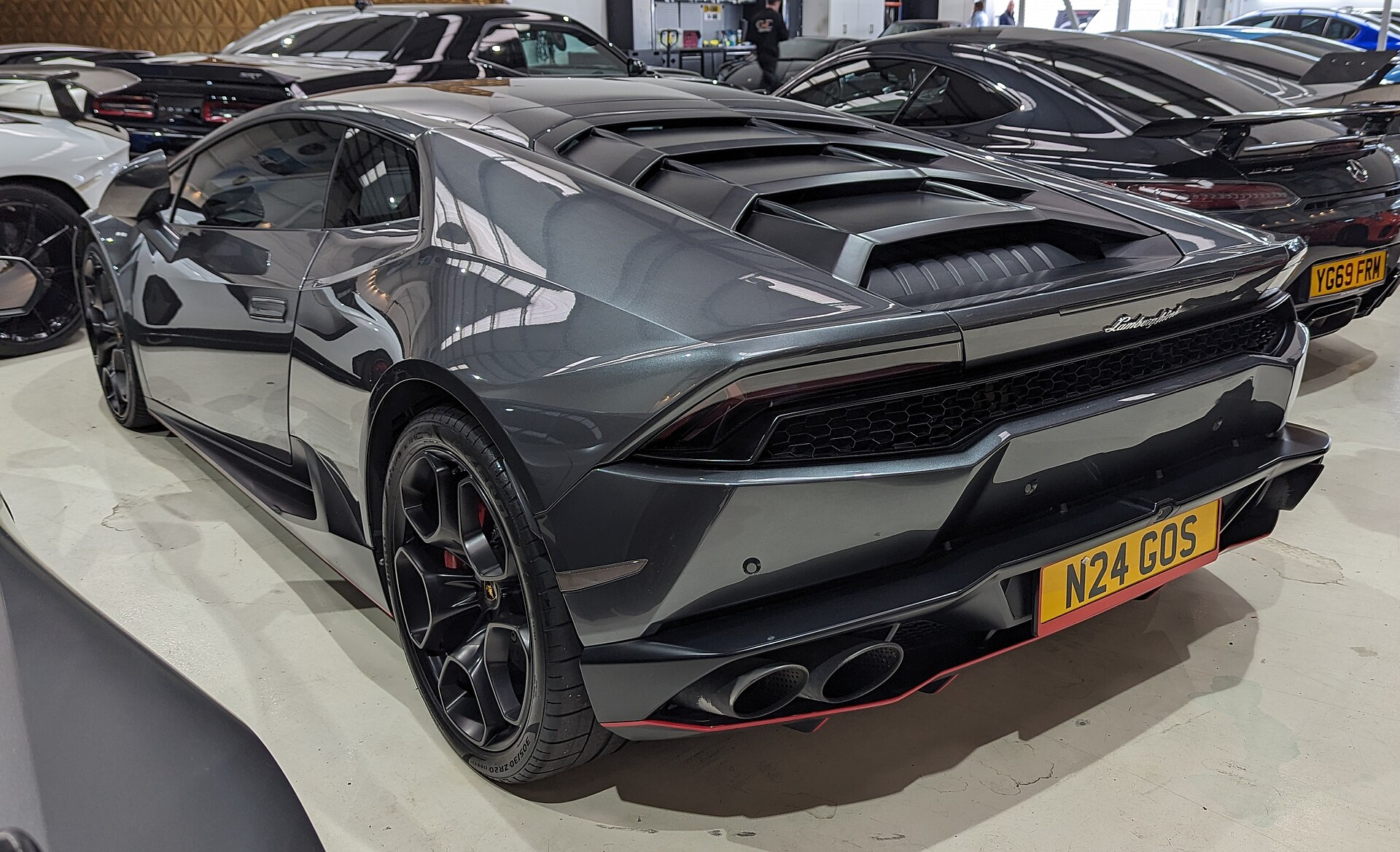
The Lamborghini Huracan is the product of emotional design. Every line is meant to intimidate. Every corner is aggressive. Every visual element screams dramatic intent. The Huracan is about making a statement, stopping traffic, and turning heads. It's not engineered to be the fastest lap time machine—it's engineered to be the most unforgettable supercar you'll ever drive.
This philosophical difference touches everything: the sound design, the interior layout, the color options, the price point, and ultimately, the kind of owner each car attracts. Understanding this distinction is the key to choosing between them.
Under the Hood: Twin-Turbo Efficiency vs Naturally Aspirated Soul
The powertrain is where these two cars diverge most dramatically.
The McLaren 720S houses a 4.0-liter twin-turbocharged V8 producing 710 horsepower and 568 lb-ft of torque. This engine is a masterclass in modern engineering—it's paired with a 7-speed dual-clutch transmission and all-wheel drive. The turbochargers provide linear power delivery with minimal lag, and the system is optimized for both track performance and everyday reliability.
The Lamborghini Huracan uses a 5.2-liter naturally aspirated V10 producing 630 horsepower and 443 lb-ft of torque. This is the last-generation Huracan EVO spec, and it represents the final evolution of Lamborghini's iconic V10—the same powerplant that debuted in 2009. There's no turbocharger, no hybrid system, no electric assist. It's pure mechanical combustion, revving to 8,500 rpm with a visceral scream that no forced-induction engine can match.
From a numbers perspective, the 720S wins: 80 more horsepower, 125 more lb-ft of torque. From a soul perspective, the Huracan wins: a naturally aspirated V10 that sounds like a Formula 1 car, with engine character that turbocharged engines simply cannot replicate. The 720S makes 39 fewer horses feel like an afterthought because the driving experience is so polished and precise.
The Huracan's advantage is historical significance. As of December 2024, Lamborghini has ended Huracan production. The Ferrari 488, the Mercedes-AMG GT, and the Porsche 911 Turbo have all moved to hybrid or turbocharged systems. The Huracan is the last naturally aspirated V10 supercar in its segment—and that makes every drive feel like owning a piece of automotive history.
Performance Showdown: 0-60 Times, Top Speed, and Track Performance
| Metric | McLaren 720S | Lamborghini Huracan EVO | Winner |
|---|---|---|---|
| Engine Displacement | 4.0L Twin-Turbo V8 | 5.2L Naturally Aspirated V10 | Different Philosophy |
| Horsepower | 710 hp | 630 hp | McLaren |
| Torque | 568 lb-ft | 443 lb-ft | McLaren |
| 0–60 mph | 2.7 seconds | 2.9 seconds | McLaren |
| 0–100 mph | 5.9 seconds | 6.3 seconds | McLaren |
| Top Speed | 212 mph | 202 mph | McLaren |
| Transmission | 7-sp DCT | 7-sp DCT | Tied |
| Drive System | All-Wheel Drive | All-Wheel Drive (EVO) | Tied |
| Weight | 3,186 lbs | 3,472 lbs | McLaren |
| Power-to-Weight Ratio | 223 hp/ton | 182 hp/ton | McLaren |
On paper, the McLaren 720S is faster in nearly every measurable way. It hits 60 mph in 2.7 seconds versus 2.9 for the Huracan. It tops out at 212 mph versus 202. It's lighter, more powerful, and more efficient.
But here's what the spec sheet doesn't capture: the Huracan feels faster. The weight difference (286 pounds) is meaningful, but the psychological impact of that V10 soundtrack is more significant than any numerical advantage. The linear power delivery of the 720S is superior for precision driving, but the Huracan's lag-free turbo-free power feels more visceral and alive.
On a closed track with professional instrumentation, the McLaren wins. On a mountain road at legal speeds, the difference is negligible. On the street, the Huracan's presence and sound make it feel like the faster car even when it isn't. This is a crucial distinction when you're paying $250,000+ for a car—perceived performance matters as much as actual performance.
Driving Dynamics: Precision Engineering vs Visceral Feel
The McLaren 720S is built on a carbon fiber monocoque chassis that weighs just 159 pounds. Every gram of that frame is optimized for stiffness and response. The suspension is adjustable via multiple drive modes, and the steering is electronically assisted but incredibly direct and communicative. The all-wheel drive system deploys power intelligently, and the braking system is positively surgical in its precision.
In Comfort mode, the 720S is livable as a daily driver—the suspension absorbs road imperfections and the transmission shifts smoothly at low revs. Switch to Sport or Track, and the 720S transforms into something far more aggressive. The steering sharpens, the throttle response quickens, and every input produces an immediate, predictable response. It's a car that rewards precise driving with precise feedback.
The Huracan EVO uses Lamborghini's LDVII chassis management system—a more reactive, intuitive setup than the original LP 610-4. The AWD system is similar to the McLaren's but tuned differently for a more playful, less clinical feel. The Huracan has less body roll in corners, but the ride is stiffer and the suspension is less communicative. Where the 720S feels like it's leading you, the Huracan feels like it's challenging you.
In Strada mode, the Huracan is actually quite comfortable on the highway. In Corsa mode, it's a machine specifically designed to make you look like a hero—the transmission holds gears longer, the exhaust valves open fully, and the steering weight increases. It's less precise than the 720S, but it's more forgiving and more fun.
The McLaren wins for track performance and precision driving. The Huracan wins for Saturday evening cruises and looking like you've mastered every road you're on. Neither is objectively better—they reward different kinds of drivers.
The Soundtrack: Why Naturally Aspirated Matters
Here's something the spec sheet will never capture: the sound.
The McLaren 720S engine produces a sophisticated, almost musical note—it's smooth, refined, and technically impressive. The turbochargers add complexity and depth, and at full throttle it's genuinely exciting. But there's an inherent flatness to turbocharged engines that no amount of engineering can eliminate. Turbochargers muffle the raw mechanical sound of combustion.
The Lamborghini Huracan V10 sounds like a different category of car entirely. At part throttle, it's a growl. At half throttle, it's a roar. At full throttle approaching the 8,500 rpm redline, it sounds like a Ferrari F1 car on a street circuit. There's no turbocharger spinning up, no electronic wastegate hiss—just the pure, unfiltered mechanical fury of 10 cylinders firing at maximum velocity.
The Huracan's sound is visceral, physical, and increasingly rare. As the industry shifts toward electrification and turbocharging, the V10's scream becomes more historically significant every year. Some buyers will find this trivial. Others will consider it the single most important reason to buy the Huracan—and they'd have a legitimate argument.
A turbocharged V8 is an engineering marvel. A naturally aspirated V10 is a piece of art. The McLaren is the better car. The Huracan is the better experience.
Exterior Drama: The Visual Statement
The McLaren 720S is elegant, minimalist, and aerodynamically optimized. The bodywork serves a purpose—every line reduces drag, every vent manages airflow, every angle is functional. It's beautiful in the way a fighter jet is beautiful. You appreciate it for what it does, not for what it looks like.
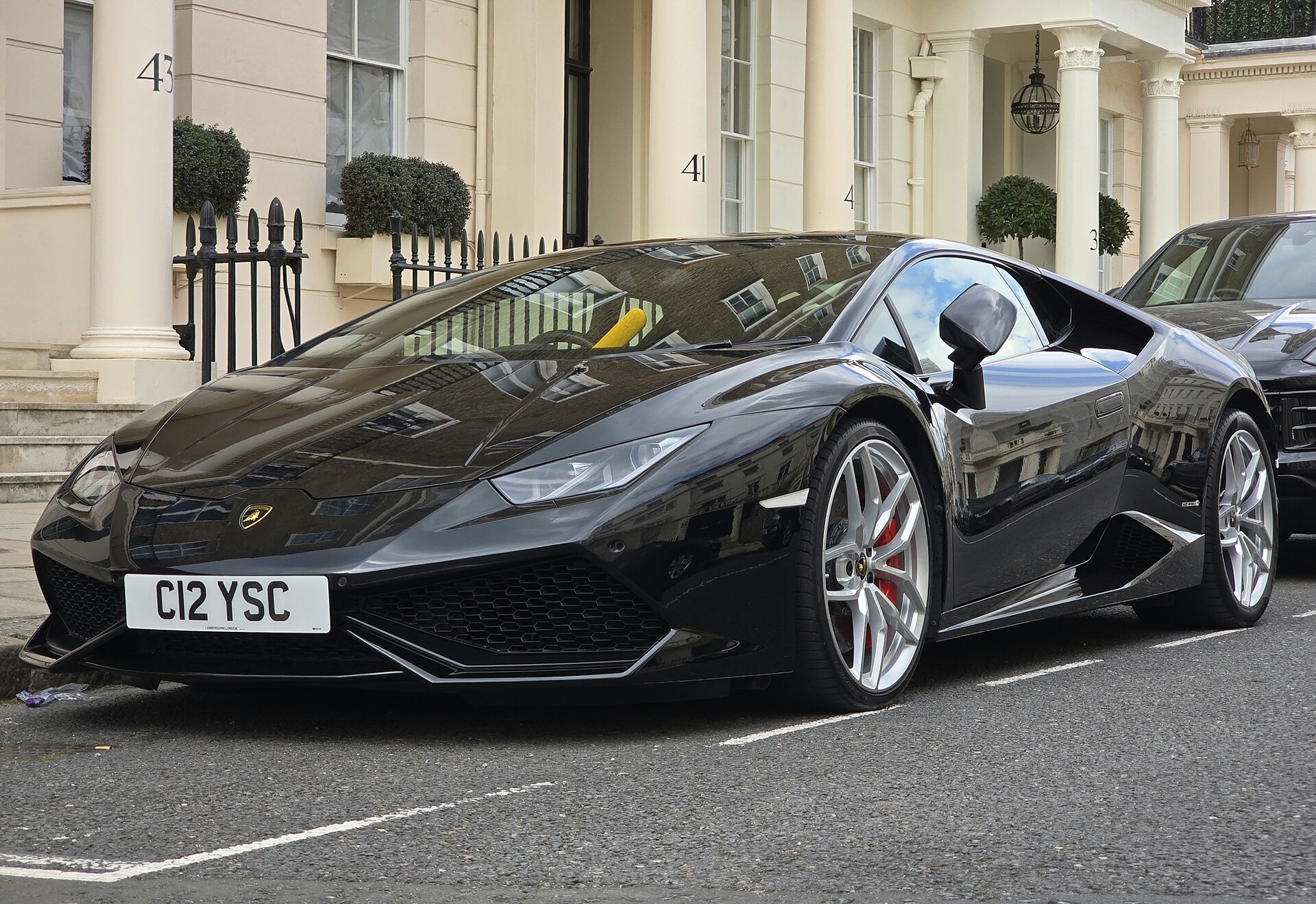
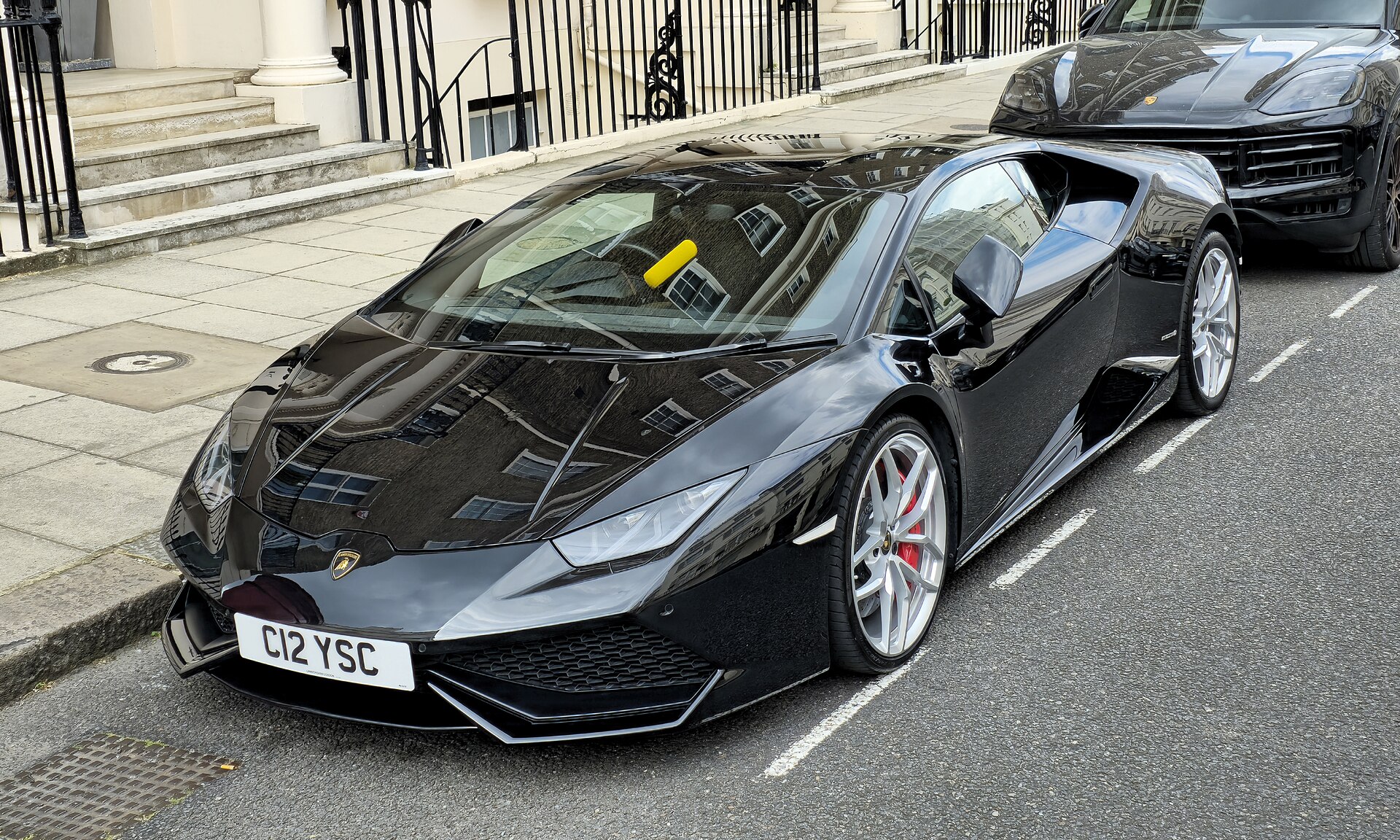
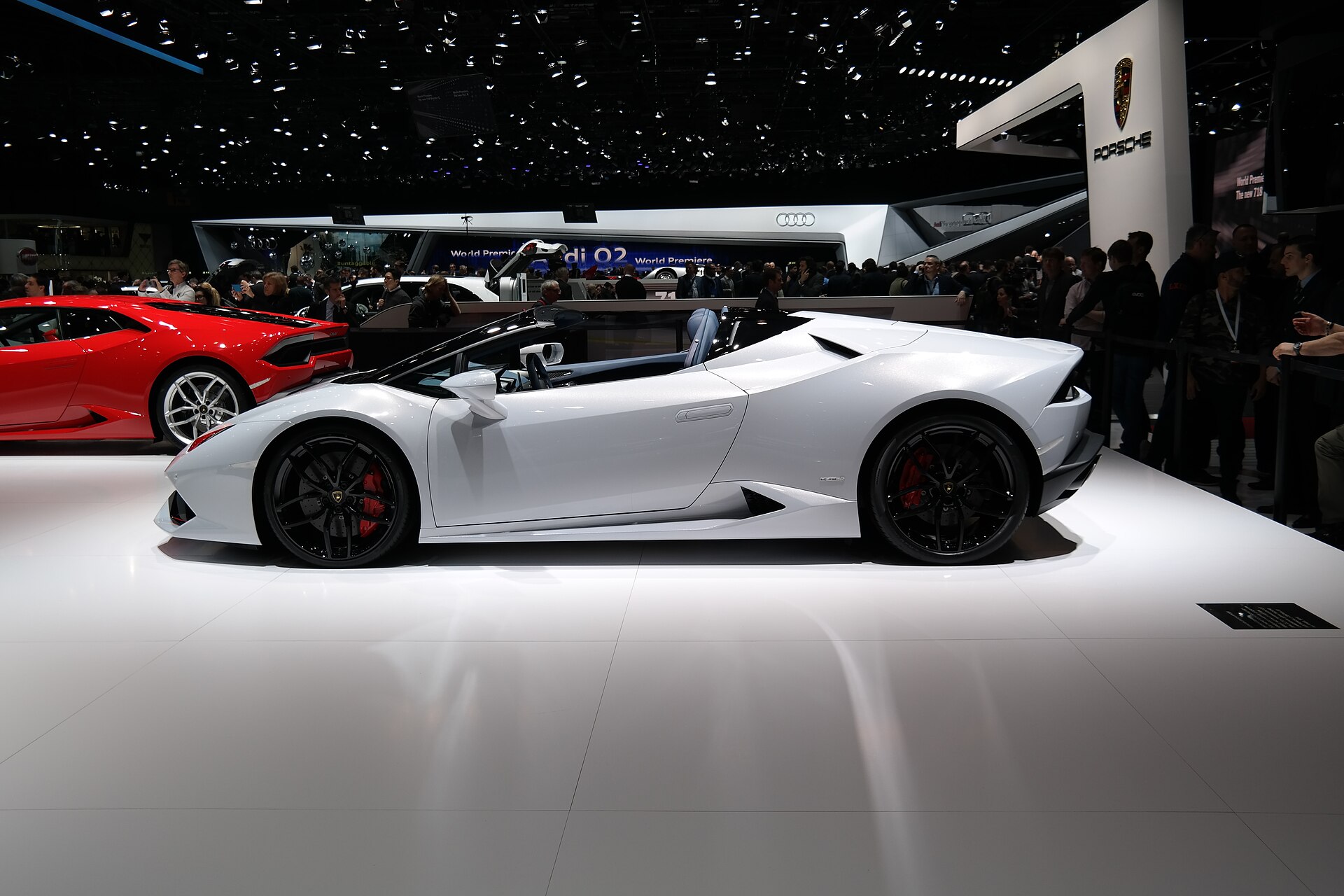
The Lamborghini Huracan is theatrical, aggressive, and intentionally over-the-top. The vast air intakes serve a real purpose, but they're also designed to intimidate. The angular bodywork is intentionally dramatic—Lamborghini wanted you to know this car is different. The Huracan doesn't whisper, it shouts.
In terms of turning heads, the Huracan wins decisively. A parked 720S in a parking lot barely registers. A parked Huracan stops traffic. If part of your consideration is the attention and admiration factor—and let's be honest, for many supercar buyers it is—the Huracan delivers more drama and presence. The McLaren appeals to people who appreciate engineering; the Huracan appeals to people who want to be seen.
Neither is wrong. One is for drivers, one is for drivers who also want to be noticed. Choose based on which category you fall into.
Interior and Technology: Modern Convenience vs Driver Focus
The McLaren 720S features a modern, driver-focused interior with a 7-inch touchscreen infotainment system, Apple CarPlay integration, and Meridian premium audio. The interior is tight—this is a race car that happens to have road equipment. Storage is minimal, ergonomics are prioritized for performance, and everything is designed to keep you focused on driving.
The Lamborghini Huracan EVO has a larger touchscreen, more modern interfaces, and a more spacious cabin. The seats are more accommodating, the infotainment system is more intuitive, and the overall user experience is more refined. The Huracan is easier to live with on a daily basis because Lamborghini designed it to be a proper car, not just a race car.
For daily driving, the Huracan's interior wins. For performance driving, the McLaren's more minimalist approach is a feature, not a limitation. Again, this comes down to how you'll use the car.
Pricing and Value: Entry Cost and Ownership Expense
A used McLaren 720S (2017-2020) ranges from $140,000 to $180,000 depending on mileage, condition, and specification. A used Lamborghini Huracan EVO (2019-2024) ranges from $155,000 to $190,000 for similar vintages.
The McLaren is typically $10,000-$30,000 cheaper on the used market—a significant advantage for buyers on a budget. The Huracan holds value slightly better due to its reputation for longevity and the significance of the end-of-production window.
On running costs, both are expensive. Insurance on the 720S runs $4,500-$7,500 annually. Insurance on the Huracan runs $3,500-$6,500 annually—a modest advantage. Maintenance on the 720S typically costs $3,000-$5,000 per year. Maintenance on the Huracan costs $3,000-$5,500 annually—negligible difference.
Fuel economy is similar: the McLaren achieves 17-18 mpg combined, the Huracan manages 14-15 mpg. Neither is a bargain at the pump, but neither is catastrophically expensive by supercar standards.
Tire costs are identical (both use high-performance Pirelli tires in the $1,500-$2,000 range for a full set). Brake costs are similar ($8,000-$12,000 for replacement pads and rotors at either brand). Depreciation favors the Huracan slightly, but the difference is marginal.
Bottom line: the McLaren costs less upfront, but operational differences are negligible. Choose based on which car you want to own, not on the $30,000 purchase price difference.
Reliability and Long-Term Ownership: Both Are Better Than You'd Expect
The McLaren 720S is based on McLaren's Carbon Monocoque chassis, which has proven bulletproof in thousands of production cars. The engine is derived from a proven architecture used across multiple vehicles. Common issues are minimal, and most owners report excellent reliability with proper maintenance. The transmission can be glitchy under extreme conditions, and the brake system requires careful use to avoid premature wear, but these are minor concerns.
The Lamborghini Huracan shares its platform with the Audi R8 and benefits from Volkswagen Group engineering and quality standards. The V10 engine is one of the most reliable powertrains in the supercar segment. Known issues are rare—mainly the early DCT transmission in 2014-2016 models and occasional trim issues that are easily addressed.
In terms of reliability, they're virtually equivalent. Both are more reliable than you'd expect from a supercar, neither requires constant dealer attention, and both can be maintained by independent specialists if you're willing to invest in finding the right shop.
The McLaren may require slightly more specialized care (the monocoque is unique to McLaren), while the Huracan can draw on a larger pool of specialists familiar with Audi R8 maintenance. For most owners, this difference is academic.
Can You Daily Drive It? The Practical Reality
The McLaren 720S is technically more usable as a daily driver—the low ground clearance is problematic but manageable, visibility is acceptable, and the interior is tight but functional. Fuel economy in mixed driving is acceptable, and the climate control is effective.
The Lamborghini Huracan is more comfortable for daily use. Ground clearance is equally problematic, but the interior is more spacious, the climate control is more powerful, and the driving experience in Strada mode is genuinely pleasant. Long highway drives are more comfortable in the Huracan than the McLaren.
That said, neither is a daily driver in the traditional sense. Both have minimal ground clearance (expect to scrape on speed bumps). Both have terrible rear visibility. Both consume fuel quickly. Both are targets for theft and vandalism if left unattended. Both are mentally exhausting to operate in dense traffic.
If daily driving is genuinely part of your plan, consider a Porsche 911 Turbo S or even a supercar lease instead. Both are exceptional cars, but neither is a practical daily driver unless you genuinely enjoy the stress and attention.
For the Track: Which One Belongs on a Circuit?
The McLaren 720S is the superior track car. The lighter weight, more powerful engine, precise steering, and surgical brake response make it a genuine race machine. It rewards smooth inputs with immediate feedback. It's forgiving enough for amateur drivers but sharp enough for professionals. A skilled driver in a 720S will lap a less skilled driver in a Huracan.
The Lamborghini Huracan Performante (not the standard EVO) is the Huracan variant optimized for track use, and it's genuinely quick. The standard EVO is more forgiving than the 720S but less intuitive. If you're planning regular track days, the McLaren is the better choice—unless you specifically choose the Performante variant, at which point they're roughly equivalent in capability.
For high-speed confidence and progressive learning, choose the McLaren. For a car that makes you feel fast even when you're not at the limit, choose the Huracan.
For Showing Off: Presence and Attention
Here's where the Huracan absolutely dominates.
If you buy a McLaren 720S, people who appreciate engineering will be impressed. Enthusiasts will respect the choice. But regular people? They'll mostly ignore it. A McLaren in a parking lot is easily overlooked.
If you buy a Huracan, everyone notices. The sharp angles, the aggressive stance, the enormous intakes, the general sense of barely-restrained chaos—the Huracan commands attention in a way the McLaren simply doesn't. A Huracan in a parking lot stops conversations.
Is this a legitimate buying factor? For many supercar buyers, absolutely. You're spending a quarter-million dollars; wanting people to notice is valid. The Huracan delivers more drama, more presence, and more head-turning appeal. The McLaren delivers more respect from people who actually understand cars.
Choose the Huracan if you want to be noticed. Choose the McLaren if you want to be respected. Or choose based on driving character—either way, you're making a legitimate decision.
Ready to Find Your Perfect Supercar?
Automonitor sources McLarens and Lamborghinis from verified dealers worldwide. We handle inspection, financing, and logistics so you can focus on choosing the right car for your goals.
Start Your Search →Complete Specification Comparison
| Category | McLaren 720S | Lamborghini Huracan EVO |
|---|---|---|
| Engine | 4.0L Twin-Turbo V8 | 5.2L Naturally Aspirated V10 |
| Horsepower | 710 hp | 630 hp |
| Torque | 568 lb-ft @ 5,500 rpm | 443 lb-ft @ 6,500 rpm |
| 0–60 mph | 2.7 seconds | 2.9 seconds |
| Top Speed | 212 mph | 202 mph |
| Weight | 3,186 lbs | 3,472 lbs |
| Transmission | 7-Speed DCT | 7-Speed DCT |
| Drivetrain | All-Wheel Drive | All-Wheel Drive |
| Brakes | Carbon Ceramic | Carbon Ceramic |
| Fuel Economy (Comb.) | 17-18 mpg | 14-15 mpg |
| Fuel Tank Capacity | 19.5 gallons | 21.1 gallons |
| Seating | 2 (with optional jump seats) | 2 (with optional jump seats) |
| Cargo Space | 9.5 cubic feet | 13.5 cubic feet |
| Sound (Subjective) | Smooth, refined turbo V8 | Visceral NA V10 scream |
| Warranty (Used) | No factory warranty | No factory warranty |
| Used Price Range (2020) | $140K–$180K | $155K–$190K |
| Annual Insurance | $4,500–$7,500 | $3,500–$6,500 |
| Annual Maintenance | $3,000–$5,000 | $3,000–$5,500 |
| 5-Year Depreciation | ~31% | ~20% |
| Reliability Rating | Very Good | Very Good |
| Track Capability | Exceptional | Very Good |
| Presence Factor | Good | Exceptional |
How to Finance Either Car: Making the Math Work
Most buyers finance exotic cars through specialized exotic car lenders. Both the McLaren and Huracan qualify for financing, typically requiring 20-30% down and interest rates in the 6-10% range depending on credit quality and vehicle age.
Monthly payments on a $150,000 Huracan at 8% interest with 25% down ($37,500 down) over 72 months would be approximately $1,830/month. The same calculation on a $150,000 McLaren yields virtually identical figures.
If you prefer a hands-off approach, consider leasing a McLaren or exploring exotic car lease programs—many dealers offer options that reduce your total cost of ownership.
Which Should You Choose? The Final Decision Framework
Choose the McLaren 720S if:
- You prioritize performance above all else—the 720S is objectively faster and more precise
- You value engineering sophistication and technical excellence
- You plan to spend significant time on track days or spirited driving
- You appreciate minimalism and functional design
- You want the best power-to-weight ratio and acceleration
- Budget is a consideration—used 720S cars are typically $10K-$30K cheaper
Choose the Lamborghini Huracan if:
- You want a naturally aspirated V10 engine—the last of its kind in this class
- You value emotional connection and the driving experience over pure performance
- You want maximum head-turning, attention-getting presence
- You prefer a more spacious, livable interior for daily use
- You want a car that holds its value better over time
- You want every drive to feel like an event, not just transportation
There is no objectively "correct" choice. The McLaren is the better car if you measure "better" by performance and engineering. The Huracan is the better car if you measure "better" by emotional engagement and historical significance. Both are world-class supercars that will provide years of satisfaction, memories, and pure driving joy.
How Do They Compare to Alternatives? Expanding Your Horizons
If you're torn between these two, you should also consider:
- Ferrari F8 Tributo - More presence than the McLaren, similar price point, but less reliable than both the 720S and Huracan
- Ferrari 488 - Similar performance to the Huracan with better prestige and worse depreciation
- Porsche 911 GT3 - Better reliability, more usable daily, but less drama and fewer fireworks
Make sure you test drive all three before committing. A test drive reveals truths that specifications never capture.
Frequently Asked Questions
Q: Is the McLaren 720S really 0.2 seconds faster to 60 mph than the Huracan?
A: Yes, but that 0.2-second difference is nearly imperceptible in real-world driving. Both hit 60 mph in under 3 seconds, which is so fast that the marginal difference matters only on a closed track with professional timing equipment. On the street, you won't feel the difference.
Q: Which one has better sound?
A: The Huracan has a naturally aspirated V10 that sounds significantly more dramatic and visceral. The McLaren's turbocharged V8 is sophisticated and pleasant, but lacks the raw mechanical aggression of the V10. This is subjective, but most enthusiasts prefer the Huracan's sound.
Q: Can I use either as a daily driver?
A: Technically yes, practically no. Both have poor visibility, minimal ground clearance, terrible fuel economy, and attract unwanted attention. They're best kept for weekend and evening drives. If you need a car that works every day, consider a lease option instead.
Q: Which holds value better?
A: The Huracan holds value better—roughly 20% depreciation over 5 years versus 31% for the McLaren. This is primarily due to the Huracan's end-of-production status and the significance of the naturally aspirated V10. However, both depreciate significantly, and neither should be purchased as an investment.
Q: What are the insurance costs for each?
A: Insurance for the McLaren 720S runs $4,500-$7,500 annually. Insurance for the Huracan runs $3,500-$6,500 annually. The Huracan's slightly lower insurance cost is modest, and shouldn't be a primary decision factor. Quotes vary dramatically by location, driving record, and usage.
Q: Is the McLaren more reliable?
A: Both are highly reliable by supercar standards. The McLaren benefits from fewer production variants, while the Huracan benefits from Volkswagen Group quality standards. In practice, they're equivalent—both can go 50,000+ miles without major issues if properly maintained.
Q: Can I get financing for either car?
A: Yes, both qualify for exotic car financing through specialty lenders. Expect to put down 20-30%, with interest rates of 6-10% depending on credit quality and vehicle age. Monthly payments are typically $1,800-$2,200 depending on the specific vehicle and loan terms.
Q: Which is better for track days?
A: The McLaren 720S is more capable on a closed track. The lighter weight, more powerful engine, and sharper steering reward track-specific driving. The Huracan is fun at track days, but the McLaren is the better "track car." However, the Huracan Performante variant narrows this gap considerably.
Q: Should I buy new or used?
A: Both are better purchases used. A new 720S starts at $299,000; a 3-year-old used 720S is $140,000-$160,000. A new Huracan starts at $261,000; a 3-year-old used Huracan is $155,000-$175,000. The used market is dramatically better value, and neither car requires a warranty for the typical buyer.
Q: Which one is more fun?
A: This is subjective. The McLaren is more "fun" if fun means precision, feedback, and pushing your driving limits. The Huracan is more "fun" if fun means drama, emotion, and making every drive feel like an event. Neither is objectively more fun—they're fun in fundamentally different ways.
The Final Verdict
The McLaren 720S is the more intelligent choice if you measure intelligence by performance metrics, engineering sophistication, and track capability. It's 0.2 seconds faster, 9 mpg more efficient, and 286 pounds lighter. It's the car that appeals to the engineer in your brain.
The Lamborghini Huracan is the more emotional choice—the car that appeals to the dreamer in your heart. The naturally aspirated V10 is increasingly rare. The design is intentionally dramatic. The presence is undeniable. The driving experience is more theatrical. Every element is designed to make ownership feel significant and special.
Neither car is objectively "better." The McLaren is better at being a car. The Huracan is better at being an experience.
If you can afford to own either, test drive both. Spend an hour with the McLaren's precision and feedback. Spend an hour with the Huracan's drama and soul. Listen to both engines at full throttle. Feel the difference in driving character. Then choose the one that makes your heart rate increase—not the one that makes more sense on a spreadsheet.
Both are exceptional machines. Both will provide years of unforgettable driving. Both are worthy of your investment and attention. The correct choice is the one you'll enjoy driving more, and only you can make that determination.
If you need help finding, inspecting, or financing either car, Automonitor's concierge buying service handles the entire process. We work with verified dealers worldwide, conduct comprehensive pre-purchase inspections, and manage financing and logistics. Let us make the buying process as straightforward as the driving will be thrilling.
Ready to Own Your Dream Supercar?
Whether you choose the McLaren or the Huracan, Automonitor can source it, inspect it, and help you finance it. We handle everything so you can focus on the joy of ownership.
Find Your Supercar →