
Lamborghini Urus vs Rolls-Royce Cullinan: The Ultimate SUV Comparison
Two completely different luxury SUV philosophies collide. One is about raw performance and Italian drama. The other redefines what opulence means on four wheels. Here's everything you need to know to make the right choice for your lifestyle.
The Fundamental Divide: Philosophy Over Specs
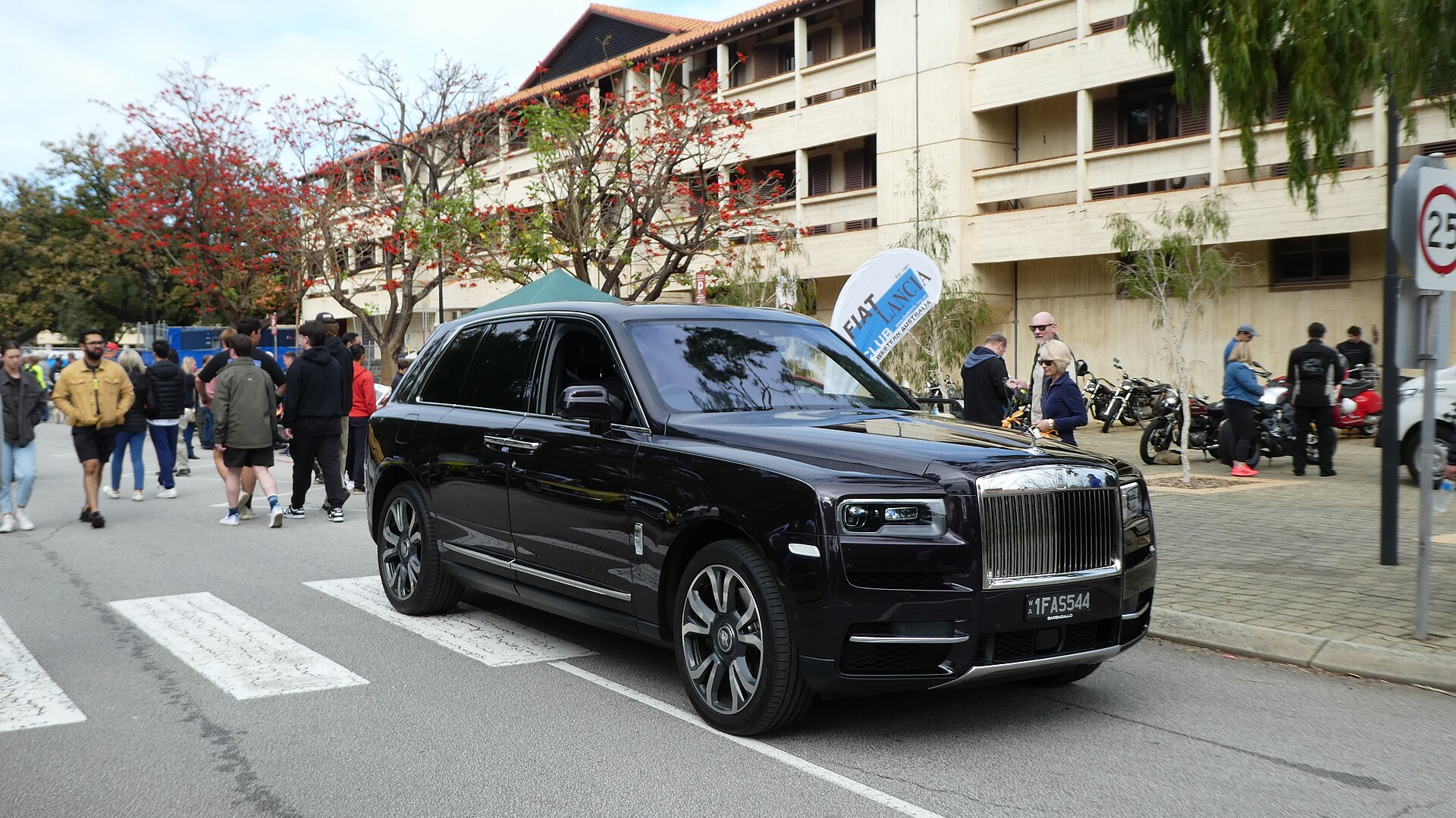
The Lamborghini Urus and Rolls-Royce Cullinan aren't just different vehicles competing in the same segment. They represent two completely opposite philosophies about what a luxury SUV should be. The Urus asks: what if a Lamborghini could fit five people and their luggage? The Cullinan asks: what if the most exclusive, powerful, luxurious car in the world happened to be an SUV?
This fundamental difference explains everything else. It explains why they cost vastly different amounts, why they depreciate differently, why their ownership experiences are worlds apart, and why choosing between them isn't about specs—it's about who you are and how you want to be perceived. At Automonitor, we've guided dozens of buyers through this decision, and the answer almost always comes down to one question: do you want to be noticed for your car's performance, or do you want to be respected for your impeccable taste?
Performance Dynamics: Thrills vs. Effortless Power
On paper, the Lamborghini Urus looks like it should win this category decisively. The latest Urus Performante produces 666 horsepower from its 4.0-liter twin-turbocharged V8, hits 60 mph in 3.3 seconds, and will cruise past 190 mph on a closed track. It's the fastest production SUV in the world, designed to deliver supercar thrills in an SUV package.
The Rolls-Royce Cullinan, by contrast, makes 563 horsepower from a massive 6.75-liter V12. It accelerates to 60 mph in 4.5 seconds. On a spec sheet, it loses the performance battle by a considerable margin.
But that's where the numbers stop telling the story. The Cullinan's V12 doesn't need to reach 7,000 rpm to feel powerful. From a standstill, the sheer torque is overwhelming—you're pushed backward into your seat by invisible force, not by tire-screaming acceleration. Every ounce of the Cullinan's 663 pound-feet of torque is channeled into silent, effortless movement. You don't feel fast. You feel unstoppable.
The Urus, meanwhile, is designed to make you feel every single one of those 666 horses. The twin turbos spool up audibly. The transmission downshifts aggressively. The engine note rises to a crescendo. It's visceral, immediate, and thrilling—but it requires active engagement. The Urus demands that you drive it.
The Urus makes you feel like a performance driver in an SUV. The Cullinan makes you feel like royalty who happens to be arriving by automobile.
For most drivers, the Urus wins on fun. For someone who values the sensation of effortless superiority, the Cullinan is unbeatable. Which matters more to you will largely determine which car you should buy.
Interior Luxury: Where the Cullinan Truly Dominates
The Urus interior is genuinely luxurious. It features Alcantara trim, carbon fiber accents, premium leather seats, and a modern digital dashboard. It's a space designed to make you feel like you're piloting a high-performance machine, which is exactly what it is. The seats are supportive and aggressively bolstered. The controls are responsive and driver-focused. Everything points to the windshield.
The Cullinan interior is in a completely different league, and not just by degree but by fundamental philosophy. Where the Urus is about driver engagement, the Cullinan is about passenger experience. Rolls-Royce spends approximately 500 hours hand-finishing the interior of every Cullinan. That's not marketing hyperbole—it's literally documented in the build process.
The standard leather is available in dozens of colors, all individually tanned and dyed. The starlight headliner features over 1,400 fiber optic lights hand-installed by Rolls-Royce artisans, creating an artificial night sky that responds to the vehicle's speed and driving dynamics. The ambient lighting system can create up to 64 different light combinations. The wood trim—real wood, not veneer—is sourced from sustainable forests and finished by craftspeople.
But the real difference is in the optional touches, where Rolls-Royce's bespoke team creates features that don't exist in any other vehicle. A $50,000 optional champagne cooler that maintains temperature while the car is parked. A viewing suite that transforms the rear seats into a comfortable observation platform with power-operated rear side windows. Seats with 22-way power adjustment, ventilation, massage functions, and heated steering wheels on all four corners. A rear passenger entertainment system with 8K resolution and sound system tuning that would cost $30,000+ as a standalone home theater installation.
The contrast is striking. When you sit in the Urus, you're acutely aware you're in a high-tech performance machine. When you sit in the Cullinan, you forget you're in a vehicle at all—you feel like you've entered a private, mobile sanctuary where no detail has been overlooked and no expectation has gone unmet.
Side-by-Side Specifications
| Category | Lamborghini Urus Performante | Rolls-Royce Cullinan |
|---|---|---|
| Engine | 4.0L Twin-Turbo V8 | 6.75L Twin-Turbo V12 |
| Horsepower | 666 hp | 563 hp |
| Torque | 627 lb-ft | 663 lb-ft |
| 0–60 mph | 3.3 seconds | 4.5 seconds |
| Top Speed | 190 mph | 155 mph |
| Base Price | $230,000–$260,000 | $365,000–$450,000+ |
| With Options | Up to $280,000 | $500,000–$600,000+ |
| EPA Fuel Economy | 16 combined | 18 combined |
| Cargo Space | 22.8 cu ft | 27.4 cu ft |
| Curb Weight | 4,850 lbs | 5,600 lbs |
| Interior Cabin Width | 56.1 inches | 58.3 inches |
Ride Quality: Sport Tuning vs. Magic Carpet Ride
The Lamborghini Urus Performante uses air suspension that can be adjusted between multiple modes. In Strada (street) mode, it's reasonably compliant, absorbing highway imperfections adequately. In Corsa (track) mode, it firms up considerably, prioritizing handling over comfort. The suspension geometry was engineered with the same principles as Lamborghini's supercars—sharp, responsive, communicative.
The result is that the Urus, despite being an SUV with massive 22-inch wheels and run-flat tires, genuinely corners like a sports car. There's minimal body roll. The steering is direct and weighted. The brake feel is progressive and confidence-inspiring. If you're going to drive an SUV fast, the Urus is the right choice.
The compromise is that this sport-focused suspension setup means that road surface imperfections are more noticeable than in competitors. Speed bumps are an annoyance. Rough pavement transmits more vibration into the cabin than you'd experience in a Mercedes-AMG GLE or Porsche Cayenne Turbo GT.
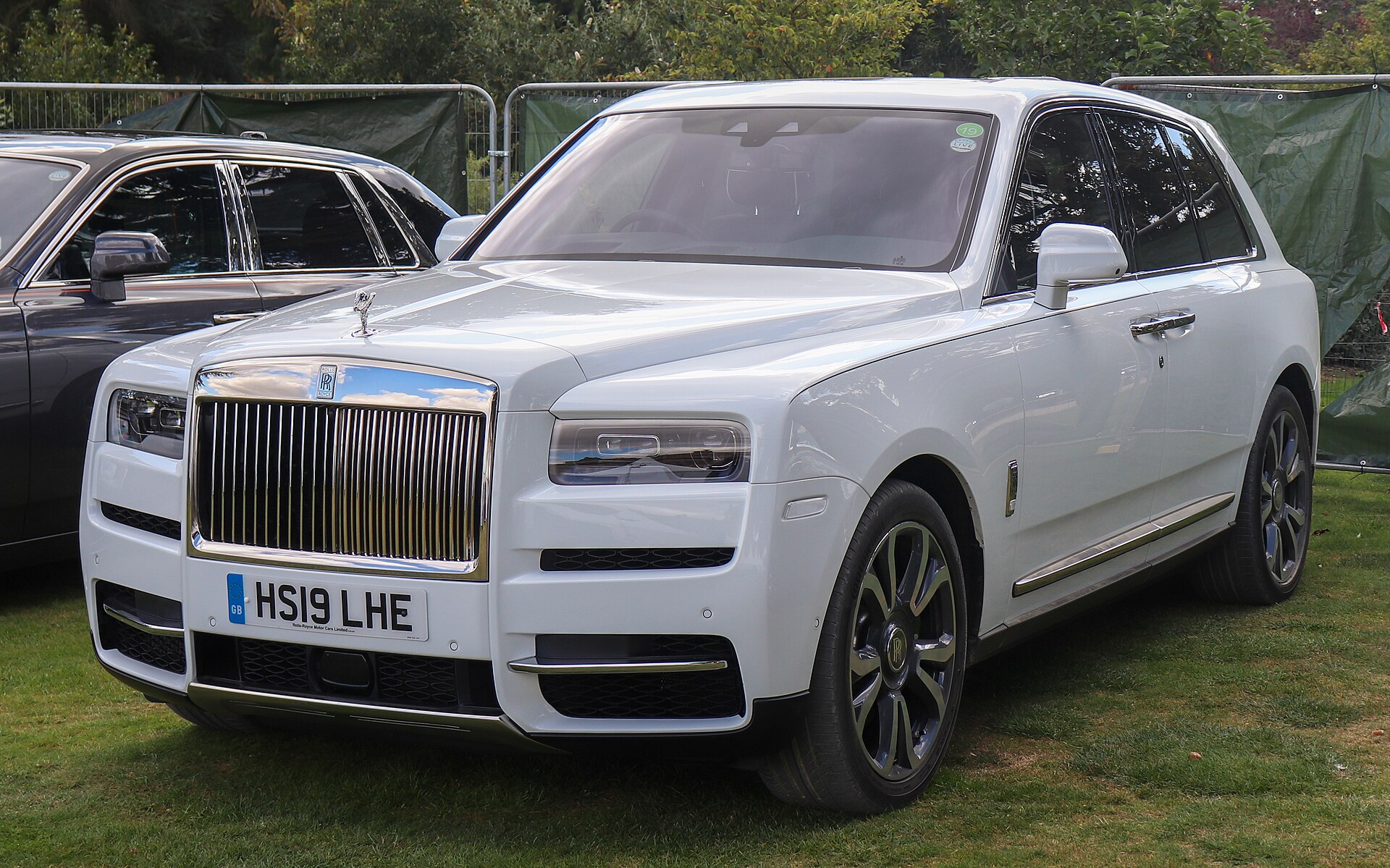
The Rolls-Royce Cullinan uses something called the "Magic Carpet Ride" suspension, which is Rolls-Royce's term for a system that essentially isolates the occupants from the road surface entirely. Using predictive suspension software, adaptive dampers, and air springs that can adjust independently on all four corners, the Cullinan achieves something remarkable: you can drive over broken pavement at 60 mph and feel like you're floating 2 inches above the surface.
The cabin is also profoundly quiet. At highway speeds, ambient noise measures around 50 decibels—quieter than most luxury hotel lobbies. At full throttle, you hear the whisper of the V12, but it's more of a gentle murmur than the snarling growl of a turbocharged engine. Conversations between front and rear passengers require no raised voices.
The Cullinan's suspension doesn't communicate the road surface to the driver in the way the Urus does. It actively shields you from it. This is intentional—Rolls-Royce's philosophy is that the driver doesn't need feedback about the road, only assurance that the vehicle is handling it perfectly.
Pricing: The $100,000+ Reality Gap
The base price difference is stark. The Urus Performante starts at approximately $230,000, while the Cullinan starts at $365,000. That's a $135,000 gap before a single option is selected.
Once you start configuring, the gap widens. The average Urus buyer leaves the lot in a $250,000–$270,000 vehicle, with popular options like the Carbon Ceramic Composite brake system ($8,000), the Akrapovic titanium exhaust system ($6,000), and various carbon fiber interior upgrades adding up quickly.
The average Cullinan buyer, though, is spending significantly more. Rolls-Royce estimates that the average customer spends $80,000–$150,000 in options on top of the base price. A fully loaded Cullinan regularly exceeds $500,000, with some customers exceeding $600,000 when selecting bespoke personalization packages. The aforementioned champagne cooler, the viewing suite, a fully customized interior color palette—these aren't inexpensive additions.
Ownership Costs: Annual Running Expenses
| Expense Category | Lamborghini Urus Annual Cost | Rolls-Royce Cullinan Annual Cost |
|---|---|---|
| Insurance | $5,500–$8,500 | $10,000–$15,000 |
| Routine Maintenance | $2,500–$4,000 | $5,000–$8,000 |
| Fuel (at $3.50/gal) | $4,500–$6,000 | $7,500–$10,000 |
| Tires (amortized) | $1,200–$1,800 | $2,000–$3,000 |
| Brakes (amortized) | $800–$1,200 | $1,500–$2,500 |
| Registration & Taxes | $1,200–$2,000 | $2,000–$3,500 |
| Total Annual Running Cost | $15,700–$23,500 | $28,000–$42,000 |
The Cullinan is significantly more expensive to own on an annual basis. The V12 consumes fuel at 13–15 mpg combined, compared to the Urus at 16 mpg. Insurance premiums are notably higher, reflecting the higher replacement cost and repair complexity. Maintenance intervals are shorter, and service costs are higher due to the complexity of the Rolls-Royce electrical and suspension systems.
However, there's an important context factor: buyers of $400,000+ vehicles typically don't budget-shop insurance or maintenance. Most Cullinan owners keep them at authorized Rolls-Royce service centers, which are appointments-only and available exclusively in major metropolitan areas. The service experience includes door-to-door pickup, a loaner vehicle, and concierge-level treatment. It's expensive, but the buyers who can afford a Cullinan don't consider this a burden.
Depreciation and Resale Value
Here's where the financial picture becomes important. The Urus depreciates at approximately 20–25% over three years, which is quite favorable for any vehicle, let alone a high-performance SUV. That means a $260,000 Urus purchased today would be worth approximately $195,000–$208,000 in three years.
The Cullinan, however, depreciates at approximately 35–40% over the same three-year period. A $450,000 Cullinan would be worth roughly $270,000–$292,500 in three years. That's real money—approximately $158,500–$180,000 in depreciation.
This creates an interesting financial dynamic. The Urus costs less to buy and holds its value better. The Cullinan costs more to buy and depreciates more aggressively. Over a five-year ownership period, the total cost of ownership (including depreciation) can actually be more favorable in the Urus, despite the Cullinan's $135,000 higher purchase price.
Practicality and Usability
The Urus is a genuinely usable daily driver. The ground clearance is reasonable—8.6 inches—so you can navigate driveways and parking lot speed bumps without terror. Visibility is good. The cargo area is 22.8 cubic feet. The seats fold flat for longer items. If you need an SUV that can also deliver supercar excitement, the Urus delivers on that promise.
It's not perfect. The first-generation Urus had some interior space utilization issues, though Lamborghini has refined this with newer model years. The turbocharged engine does require 91+ octane fuel. And the sport-tuned suspension means comfort compromises on rougher roads.
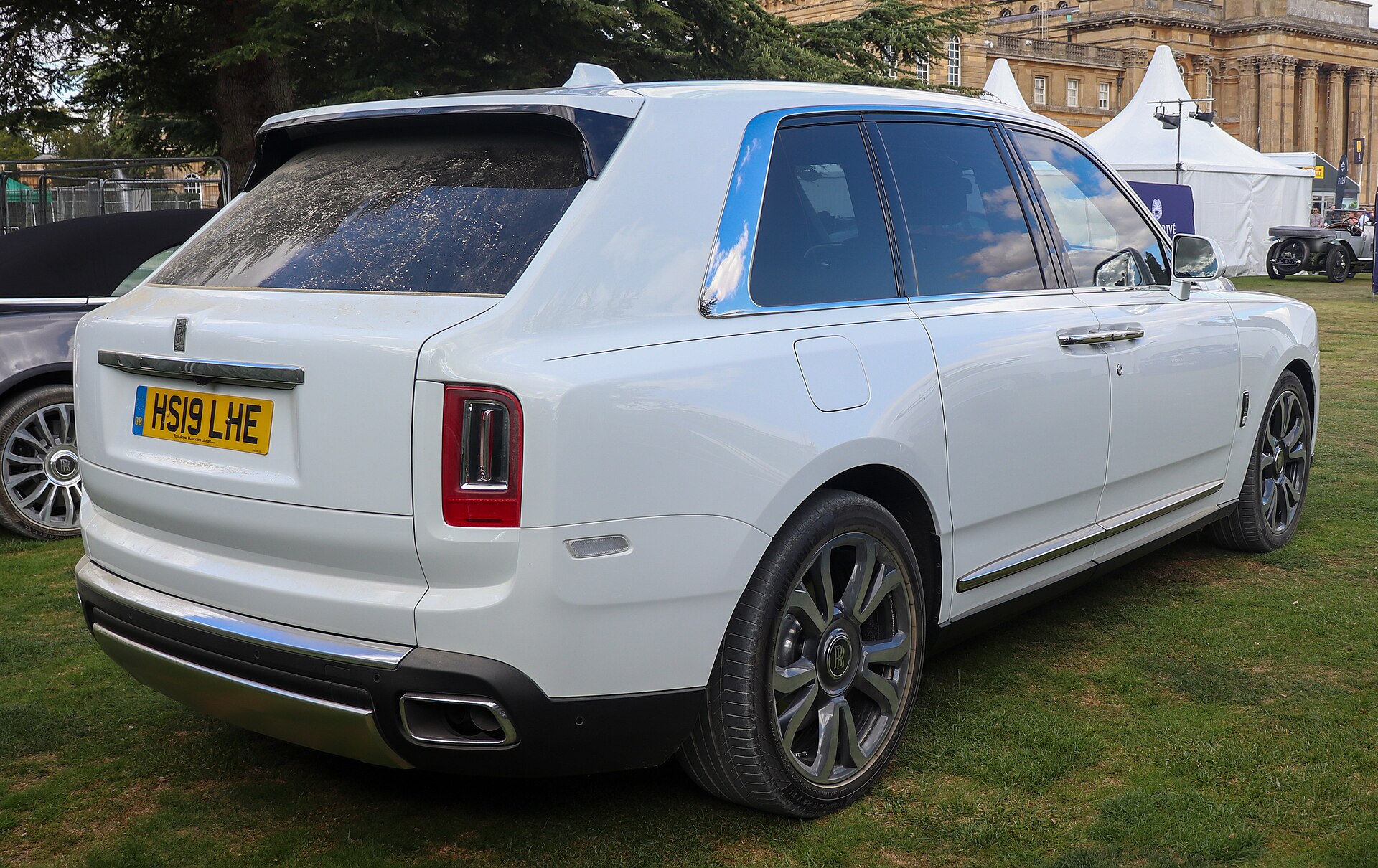
The Cullinan is also surprisingly practical for a vehicle that costs half a million dollars. The cargo space is actually larger at 27.4 cubic feet. The rear seat configuration can include individual throne-like seats with full recline capability, or a bench seat for three passengers. Rear door angles open wider, making child seat installation easier. The vehicle handles well in snow (if you buy one in a climate where that matters).
But practically speaking, the Cullinan wasn't designed with practicality in mind. It was designed with perfection in mind. Every design choice prioritizes the experience of ownership—the walk around the vehicle, the door-opening mechanism, the power deployment, the interior environment—over utilitarian considerations.
Who Should Buy Which Vehicle
Buy the Lamborghini Urus If:
- You want a performance vehicle that happens to be an SUV, not an SUV that happens to be fast.
- You enjoy driving and want a vehicle that rewards spirited behind-the-wheel engagement.
- You're building a collection that includes multiple performance vehicles and want the luxury SUV to remain a driver's car.
- You want to make a statement about appreciation for automotive performance, not about wealth.
- You plan to keep the vehicle for 3+ years and want favorable resale values.
- You need something that's genuinely usable as a primary or secondary vehicle.
- You want the best value in the ultra-luxury performance SUV segment.
Buy the Rolls-Royce Cullinan If:
- You want to own the most luxurious, most exclusive, most carefully crafted SUV in existence.
- You value being driven more than driving yourself (many Cullinan owners employ professional drivers).
- You appreciate hand-finished, artisanal craftsmanship and bespoke customization options.
- You want a vehicle that makes an unmistakable statement about your position and taste.
- You're drawn to the idea of owning a rolling sanctuary that isolates you from the world.
- You want a vehicle that will be the subject of conversation regardless of where you park it.
- Money is genuinely not a consideration, and you want the absolute best in every dimension except raw performance.
Financing Options for Both Vehicles
The Urus, positioned more as a performance car than a luxury status symbol, has more conventional financing options. Most major exotic lenders, including dedicated Lamborghini financing programs, offer terms of 36–72 months at 6–9% APR. You'll typically need 20–25% down. Leasing options are also available, with typical lease terms running 24–36 months at $4,500–$7,000 monthly payments.
The Cullinan, as a status symbol and statement piece, is financed differently. Rolls-Royce offers its own in-house financing exclusively through authorized dealers. The company prefers working with buyers who pay cash or substantial portions cash, but financing is available. Terms typically run 48–60 months, and APR is negotiable based on credit profile and down payment. Rolls-Royce financing is designed for ultra-high-net-worth individuals, and lenders expect substantial down payments (often 30–50%).
Leasing a Rolls-Royce Cullinan is possible but uncommon. Monthly lease payments typically start at $10,000 and can exceed $15,000 depending on mileage allowances and selected options. Most Cullinan owners simply purchase the vehicles outright.
Frequently Asked Questions
Is the Rolls-Royce Cullinan actually a good daily driver?
Technically yes, but practically no for most people. The width, height, and turning radius make parking in urban environments stressful. The low ground clearance (7.9 inches) means traditional curbs are approached carefully. Most Cullinan owners employ drivers for daily transport. The vehicle shines as a "big occasion" vehicle or for weekend use where parking concerns are minimal and the serene environment can be fully appreciated.
Which is more reliable: Lamborghini Urus or Rolls-Royce Cullinan?
The Urus, based on the Audi Q8 platform, benefits from Volkswagen Group engineering and has a strong reliability record. Most owners report trouble-free operation. The Cullinan is also reliable, but the complexity of the suspension, electrical systems, and power features means repair costs are significantly higher when issues do occur. Neither is as reliable as a Porsche or Mercedes-AMG, but both are better than most competitors in the exotic performance segment.
Can you compare the Urus to other performance SUVs like the Porsche Cayenne Turbo GT or Aston Martin DBX?
Absolutely. The Urus is faster than the Cayenne Turbo GT (3.3s vs 3.4s to 60). It's faster than the DBX (3.3s vs 3.6s). It's also more affordable and more Lamborghini-specific in its styling. The Cayenne offers better long-term reliability. The DBX offers more exclusivity. All three are exceptional performance SUVs, but the Urus is the most track-capable without making major compromises to everyday usability.
How does the Cullinan compare to other ultra-luxury vehicles like Bentley offerings?
The Rolls-Royce Cullinan occupies the absolute pinnacle of the luxury SUV segment. A comparable Bentley Bentayga would cost $50,000–$100,000 less, but the Cullinan's hand-finishing, bespoke options, and exclusivity justify the premium for buyers who value absolute perfection. The Urus versus Bentley comparison is relevant if you're weighing performance against luxury, but the Cullinan plays in a different league entirely—it's not about value, it's about status and absolute craftsmanship.
What's the market like for used examples?
Used Urus examples (2–3 years old with 10,000–20,000 miles) typically sell for $195,000–$220,000, representing solid value if you're entering the market. Used Cullinans are rarer in the market—most owners keep them, and when they do sell, pricing falls to $260,000–$320,000 for early examples, representing the 35–40% depreciation mentioned earlier. If you're buying used, the Urus represents better value. If you're buying to own something truly special, the Cullinan's exclusivity might be worth the premium depreciation.
Which vehicle is better for impressing people?
This depends on your audience. The Urus, with its aggressive stance, bright colors options, and audible V8 performance, is designed to turn heads and provoke conversation about performance and engineering. The Cullinan, with its understated elegance and rarity, commands respect from people who understand luxury. At a car meet, the Urus is noticed. At a luxury hotel or exclusive country club, the Cullinan is recognized.
Ready to Compare These Vehicles in Person?
Automonitor can arrange test drives of both the Lamborghini Urus and Rolls-Royce Cullinan through our network of verified dealers. Experience both philosophies before making your decision.
Schedule Your Test Drives →The Final Verdict
There is no objective "winner" between the Lamborghini Urus and Rolls-Royce Cullinan because they're not truly competing vehicles. They occupy different mental and emotional spaces. The Urus is for buyers who think about cars as precision instruments to be driven and enjoyed. The Cullinan is for buyers who think about vehicles as expressions of personal status and taste.
The Urus asks: "What if we made the most thrilling SUV possible?" The Cullinan asks: "What if we made the most luxurious vehicle possible, and it happened to be an SUV?"
If you drive a lot and enjoy the actual experience of driving—if the feel of the steering wheel, the responsiveness of the throttle, the communication from the chassis matter to you—the Urus is the choice. You'll have more fun, pay less money, and keep more equity in your vehicle.
If you value being transported in supreme comfort and exclusivity—if you want every detail considered, every expectation exceeded, and every moment to feel like you're existing in a different realm than ordinary people—the Cullinan justifies its premium. Money at that level is often about achieving the extraordinary, not about financial prudence.
At Automonitor, we help buyers in both camps find their perfect vehicle, navigate the financial aspects, arrange inspections, and handle the entire transaction. Whether you choose the Urus for its performance or the Cullinan for its uncompromising luxury, we make sure you get the right car at the right price from the right seller.
Let Automonitor Handle Your Luxury SUV Purchase
Whether you choose the Urus or Cullinan, our concierge team finds vehicles, negotiates pricing, arranges inspections, and manages every detail. Skip the hassle of buying on your own.
Start Your Search Now →