
Lamborghini Urus vs Aston Martin DBX 707: Performance SUV Showdown
Two of the world's most exclusive performance SUVs clash head-to-head. The Lamborghini Urus dominates in aggression and presence. The Aston Martin DBX 707 counters with sophistication and raw horsepower. Here's the complete breakdown of performance, luxury, pricing, and ownership to help you choose.
The Contenders: Lamborghini's Aggression vs Aston Martin's Elegance
The performance SUV segment has become a battleground where hypercar engineering meets practical space. The Lamborghini Urus and Aston Martin DBX 707 sit at the absolute apex of this category — two vehicles that cost more than most homes, carry performance credentials that rival supercars, and challenge the conventional wisdom that SUVs are for compromising drivers.
But these two take fundamentally different approaches. The Urus announces itself with Italian drama and Lamborghini's signature aggression. The DBX 707 seduces with quintessentially British understatement and raw Mercedes-AMG performance. One is a statement. The other is a secret you share with people who matter.
Both vehicles start around $235,000 and climb higher with options. Both offer seating for four adults in serious luxury. Both deliver acceleration that embarrasses sports cars. Yet the ownership experience, the driving character, and the long-term value proposition differ in critical ways. Here's everything you need to know before deciding.
Performance Specifications: The Numbers Behind the Drama
On paper, this isn't a fair fight. The Aston Martin DBX 707 brings more horsepower to the battle, and the performance numbers reflect that advantage in pure acceleration metrics.
| Specification | Lamborghini Urus Performante | Aston Martin DBX 707 | Winner |
|---|---|---|---|
| Engine | 4.0L Twin-Turbo V8 | 4.0L Twin-Turbo V8 | Tie |
| Horsepower | 666 hp | 707 hp | DBX 707 |
| Torque | 627 lb-ft | 664 lb-ft | DBX 707 |
| 0–60 mph | 3.3 seconds | 3.1 seconds | DBX 707 |
| 0–100 mph | 8.4 seconds | 7.8 seconds | DBX 707 |
| Top Speed | 190 mph | 193 mph | DBX 707 |
| Curb Weight | 4,620 lbs | 4,584 lbs | DBX 707 |
| 0–60 per 100 lbs | 0.071 seconds | 0.068 seconds | DBX 707 |
The DBX 707 wins the horsepower duel convincingly: 707 hp versus 666 hp gives Aston Martin a 41-horsepower advantage. More impressively, it translates to real-world performance. The DBX 707 hits 60 mph in 3.1 seconds, compared to the Urus Performante's 3.3 seconds — a gap that feels more significant than 0.2 seconds suggests. That engine comes from Mercedes-AMG, proven in countless applications and refined over a decade of production. It's fast, brutal, and completely reliable.
The Lamborghini counters with engineering derived from the VW Group, combined with Lamborghini's own expertise. The Urus Performante's 666 hp is legitimately quick — faster than most supercars and more than enough to keep pace with nearly everything on the road. The psychological impact of that number — 666 — feels intentional, dramatic, and very Lamborghini.
In a 0-60 comparison, the DBX 707 is definitively faster. But the Urus feels planted and stable in acceleration, while the DBX can occasionally show understeer in aggressive cornering — a reminder that weight is still weight, regardless of power.
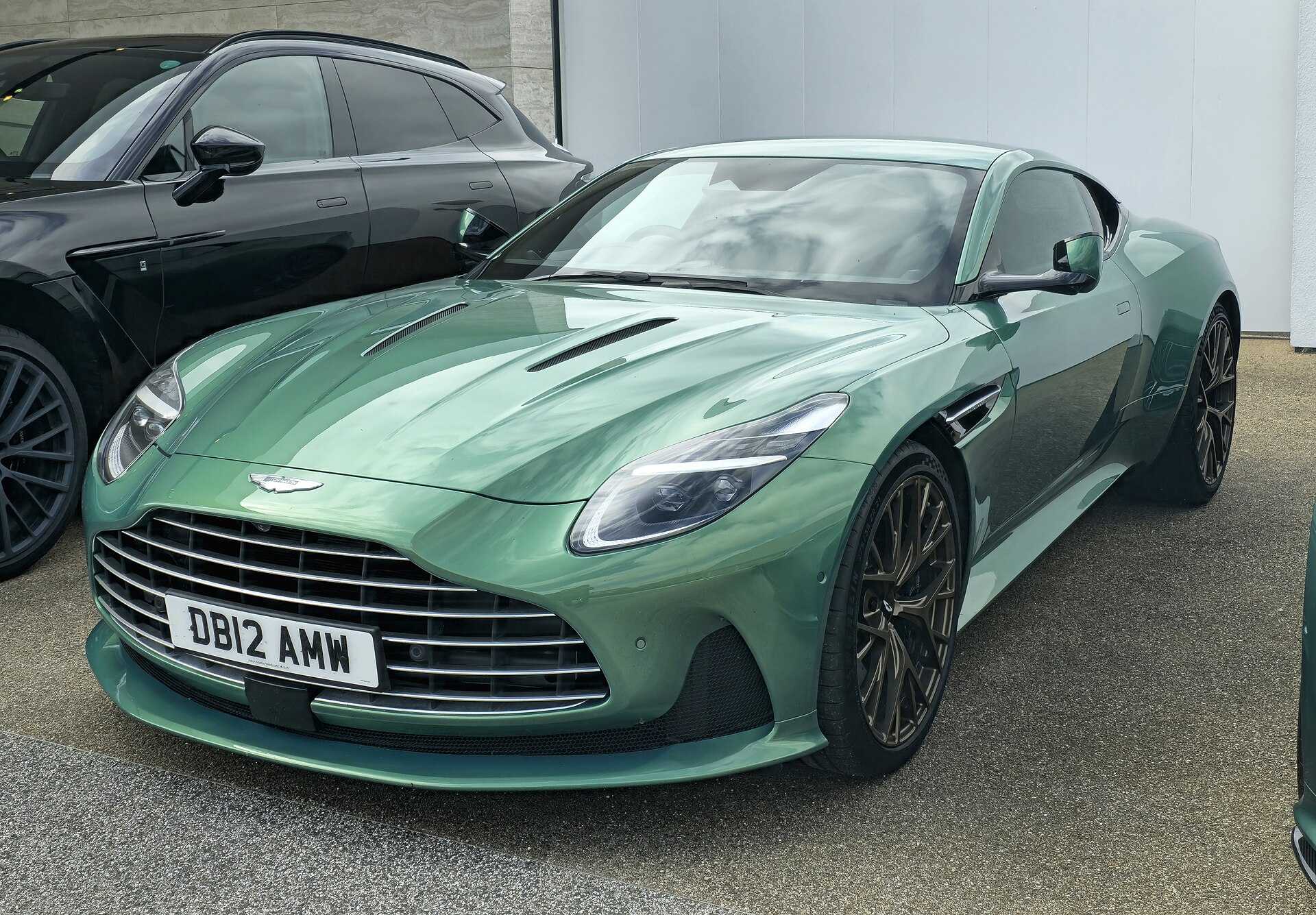
Handling and Driving Dynamics: Where the Urus Surprises
Most people would assume that 193 mph top speed and 707 horsepower would translate to a more capable handler. On a true test track or on a closed course, the DBX 707 might edge ahead. But on real roads, the story becomes more complex.
The Lamborghini Urus Performante benefits from aggressive software tuning and aggressive suspension tuning that makes it feel planted and stable. The four-wheel-drive system delivers power with precision, and the active suspension adjusts stiffness hundreds of times per second. In Corsa mode — the most aggressive driving preset — the Urus becomes genuinely focused. Body roll is minimal. The steering feels connected despite the SUV's bulk. It carves corners with an authority that belies its 4,620-pound mass.
The DBX 707 handles competently, and the Mercedes-AMG engine is beyond reproach. But the chassis is Mercedes-AMG tuned for comfort as much as performance. The air suspension, while sophisticated, prioritizes ride quality. The result is a vehicle that feels more planted in straight-line acceleration than in sustained cornering. At track speeds, you'll notice more body movement than the Urus exhibits, and the electronically-assisted steering — while responsive — lacks the directness you feel in the Lamborghini.
For an SUV of this size and weight, both vehicles are genuinely impressive handlers. The Urus, however, edges ahead for drivers who care about corner entry and exit precision. If you prioritize a comfortable ride with occasional spirited driving, the DBX 707 might actually be the better choice — Mercedes-AMG's DNA shows through in ways that make long-distance cruising less fatiguing.
Interior Luxury and Materials: Italian Drama vs British Restraint
This is where the two vehicles reveal their different philosophies most clearly.
The Aston Martin DBX 707 interior embraces quintessential British luxury. Bridge of Weir leather from Scotland wraps the seats and steering wheel. Real aluminum and wood trim distinguish the dashboard. The controls feel deliberately analog — buttons with proper weight, switches that click with authority, a 10.25-inch touchscreen that integrates seamlessly without dominating the design. Everything is dark, sophisticated, restrained. The DBX interior whispers rather than shouts.
A typical Aston Martin DBX 707 buyer opens the door and sees: understated elegance, immaculate craftsmanship, materials that required human hands to shape and finish. The leather smells like a British gentleman's club. The wood has character. The steel trim catches light with purpose. It's the kind of interior that improves with age and won't look dated in five years because it never tried to look new.
The Lamborghini Urus interior screams Italian aggression. Carbon fiber dominates the dashboard. The seats are wrapped in vibrant leather with contrast stitching. The steering wheel is a work of functional art. The touchscreen is larger and more prominent — 12.3 inches — and the interface is more flashy and colorful. Ambient lighting options can turn the cabin into a moving nightclub. Everything is dramatic, visual, unsubtle. The Urus interior wants you to know exactly how much money you're sitting in.
For long drives with passengers, the DBX 707's quieter, more understated cabin might feel more refined. For weekend cruises where presence and visual excitement matter, the Urus delivers. Neither is objectively better — it depends whether you want luxury that announces itself or luxury that suggests itself.
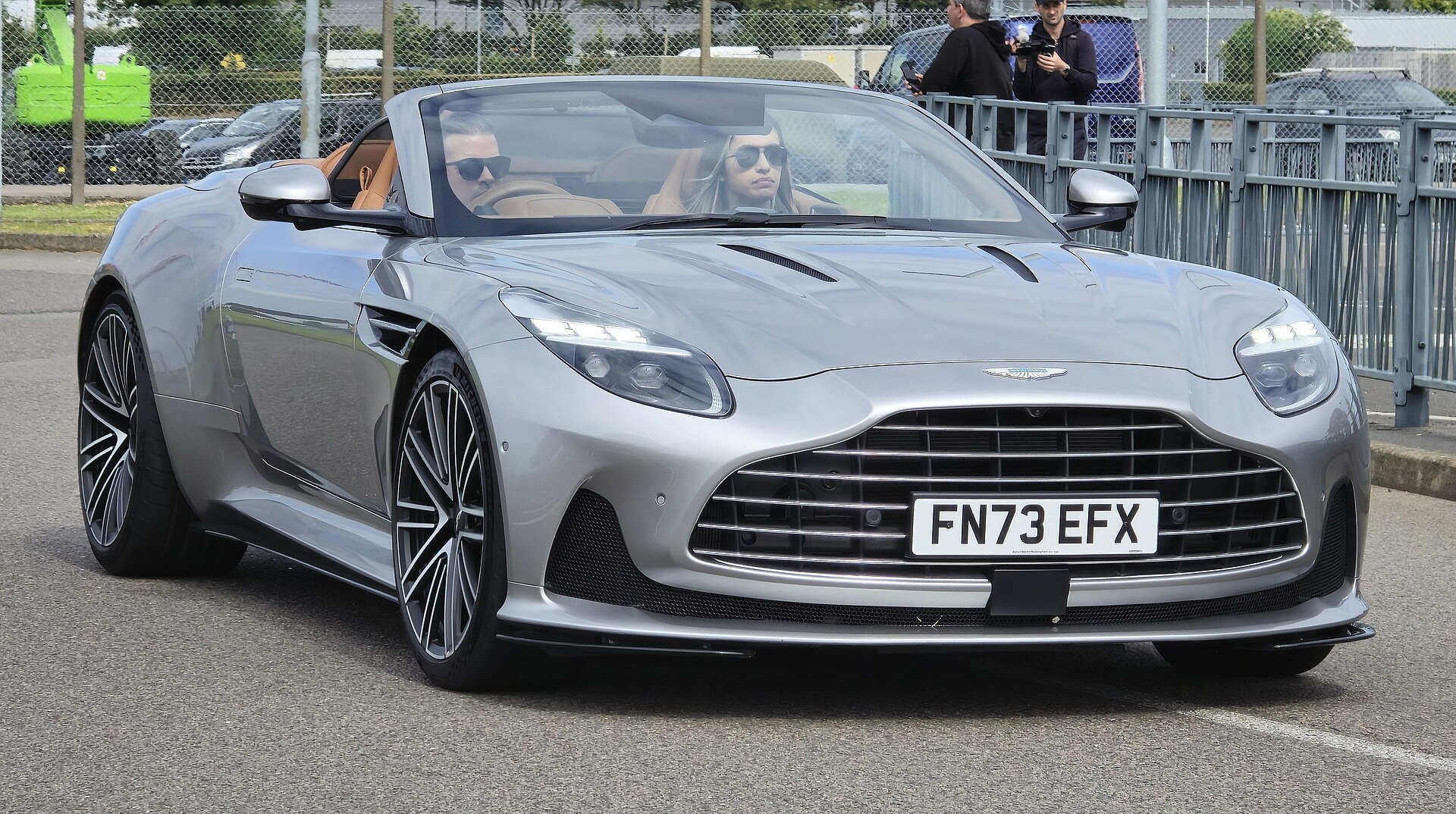
Exterior Design and Presence: The Most Visual Difference
Here, the distinction is unmistakable. The Urus is impossible to miss. Its wedge shape, aggressive lines, and dominant stance announce its presence from a hundred yards away. The front end resembles a fighter jet. The body side features Lamborghini's signature sharp angles. The rear end is a sculpture of aggression. Every surface communicates power and drama.
The DBX 707 is elegant and understated by comparison. Its proportions are balanced. The lines flow with British restraint. The design language prioritizes sophistication over shock value. You notice quality and proportion before you notice aggression. It's a beautiful vehicle by any measure, but it won't turn as many heads as the Urus.
In parking lots, the Urus dominates. People will literally stop to look at it. The DBX 707, meanwhile, attracts admiring glances from people who understand luxury. The Urus is for drivers who want to be noticed. The DBX 707 is for drivers who want to be respected.
Pricing and Ownership Costs: Nearly Identical Purchase Price, Different Depreciation Paths
The MSRP for each vehicle tells the story of competitive positioning:
- Lamborghini Urus Performante: $230,000–$260,000 (depending on options)
- Aston Martin DBX 707: $235,000 base (commonly reaches $260,000+ with options)
The purchase price is nearly identical, which makes this a true decision between two roughly equivalent financial commitments. However, the ownership cost picture diverges significantly in the years that follow.
Annual Ownership Costs
| Expense Category | Lamborghini Urus | Aston Martin DBX 707 |
|---|---|---|
| Insurance (Annual) | $3,500–$5,500 | $4,000–$6,000 |
| Maintenance (Annual) | $2,500–$4,000 | $3,000–$4,500 |
| Fuel (Annual) | $2,800–$3,500 | $3,000–$3,800 |
| Tires (Amortized) | $1,200–$1,800 | $1,300–$2,000 |
| Total Annual | $10,000–$14,800 | $11,300–$16,300 |
The Urus costs slightly less to own annually, primarily due to lower insurance rates and more straightforward maintenance. The VW Group engineering backbone benefits from economies of scale and widely available parts. The DBX 707, being a less common vehicle, has higher insurance premiums and slightly higher service costs.
Depreciation: The Critical Difference
This is where the comparison reveals the most substantial long-term financial difference.
Lamborghini Urus Depreciation: The Urus depreciates approximately 20–25% over three years. This reflects strong demand, limited production, and Lamborghini's brand strength in the performance SUV space. A Urus purchased for $240,000 will likely be worth $180,000–$195,000 three years later.
Aston Martin DBX 707 Depreciation: The DBX depreciates more aggressively, at 30–40% over three years. This reflects several factors: lower production volumes than the Urus, mixed reliability concerns from early production runs, and Aston Martin's historically inconsistent resale value. A DBX purchased for $240,000 will likely be worth $145,000–$170,000 in three years.
This translates to a depreciation advantage of $10,000–$35,000 in favor of the Urus over a three-year period. For a buyer planning to keep the car longer, the math becomes even more favorable to the Lamborghini.

Reliability and Service: Where History Matters
The Lamborghini Urus benefits from VW Group engineering and ten years of production refinement. The vehicle has proven itself reliable in the real world, with owners regularly exceeding 50,000 miles with minimal issues. The 4.0-liter twin-turbo V8 engine is shared with Porsche and derived from VW Group architecture that's been battle-tested globally.
Service is straightforward. Lamborghini's dealer network is well-established. Parts availability is good. The scheduled maintenance is predictable and reasonable. This combination means the Urus is one of the more reliable performance SUVs you can buy, with ownership that's genuinely manageable.
The Aston Martin DBX 707, by contrast, has had quality issues in early production runs. Some owners have reported transmission hesitation, infotainment glitches, and various small electrical concerns. These aren't catastrophic issues, but they're more frequent than what Urus owners typically experience. Aston Martin's dealer network is smaller and more geographically sparse. Service costs can be higher due to parts scarcity.
Additionally, Aston Martin has a mixed historical track record with long-term reliability. While the current DBX is significantly improved over previous Aston Martin models, the brand doesn't have the engineering maturity and production consistency of Lamborghini (which benefits from VW Group oversight).
For buyers planning to keep the vehicle beyond the warranty period, the Urus represents a lower-risk ownership proposition. The DBX 707 is improving constantly as production matures, but it comes with slightly higher ownership risk and potentially unexpected service costs.
Financing Your Performance SUV
Navigate the Complex Financing of a High-Performance SUV
Exotic performance vehicles require specialized financing knowledge. Automonitor connects you with lenders who understand performance SUV values, depreciation, and insurance requirements.
Explore Financing Options →Market Positioning: The Urus Dominates Brand Recognition
In the luxury market, brand positioning determines perceived value. The Lamborghini Urus has achieved something remarkable: it's widely recognized as the ultimate performance SUV by people who don't follow cars. The Urus is the status symbol that translates across demographics. Show a Urus to someone who knows nothing about cars, and they'll immediately recognize it as something special.
The Aston Martin DBX 707, while exceptional, carries less universal brand recognition. Aston Martin, despite its cultural cachet and James Bond associations, is less visible in the American market than Lamborghini. The DBX competes in a smaller pool of sophisticated buyers who value British heritage and understated excellence.
This positioning difference translates to resale value: the Urus's stronger brand recognition supports higher resale prices and faster sales when you list it. The DBX, for all its merits, requires a more targeted buyer and potentially longer time on the market.
Who Each Car Is For
Choose the Lamborghini Urus If:
- You want maximum presence and visual impact
- You value strong resale value and depreciation stability
- You want a performance SUV that people immediately recognize as special
- You prioritize handling dynamics and corner-carving engagement
- You want lower ownership costs and a more reliable service history
- You enjoy dramatic styling and Italian engineering philosophy
- You're a first-time exotic vehicle buyer seeking something proven and reliable
Choose the Aston Martin DBX 707 If:
- You prefer understated British luxury and refined restraint
- You value raw acceleration and straight-line performance
- You want a vehicle that impresses through quality rather than drama
- You appreciate hand-crafted materials and meticulous attention to detail
- You plan to keep the vehicle long-term and aren't concerned about resale value
- You prefer a quieter, more serene driving environment for long distances
- You want to own something rare and exclusive in your social circle
How They Compare to Other Performance SUVs
Both vehicles exist in a context. How do they stack against the Porsche Cayenne Turbo GT, the Bentley Bentayga, or the Range Rover Sport SVR?
The Porsche Cayenne Turbo GT ($180,000) offers similar performance for less money but lacks the drama and exclusivity of either the Urus or DBX. It's the sensible choice — which is precisely why it's not the choice for buyers considering the Urus or DBX.
The Bentley Bentayga ($235,000–$280,000) prioritizes ultra-luxury interior space and comfort, making it better for four-person grand touring than spirited driving. It's softer, more traditional, and appeals to a demographic that values heritage and refinement above raw performance.
The Mercedes-AMG GLE 63 ($150,000–$180,000) offers Mercedes reliability and refined performance at a lower price point, but it lacks the exclusivity and drama.
The Urus and DBX 707 dominate the segment where maximum performance, maximum exclusivity, and maximum price intersect. You're not comparing them to these other vehicles — you're choosing between them as the definitive answer to "what's the most extreme performance SUV I can buy?"
Frequently Asked Questions About This Comparison
Is the Aston Martin DBX 707 really faster than the Lamborghini Urus?
In pure straight-line acceleration, yes — the DBX 707 is 0.2 seconds quicker to 60 mph and produces 41 more horsepower. In real-world driving and cornering, the Urus often feels faster and more controllable. Performance depends on driving conditions and what you're measuring.
Which vehicle is more reliable long-term?
The Lamborghini Urus benefits from VW Group engineering maturity and ten years of production refinement. The Aston Martin DBX 707, while improving, has had more reliability concerns in early production runs. For long-term ownership beyond warranty, the Urus is the safer choice.
Will the DBX 707 be worth more in five years?
No. The Urus depreciates 20–25% over three years while the DBX depreciates 30–40%. If you're buying either vehicle with resale value in mind, the Urus is the more sensible financial decision.
Can I actually drive these SUVs on the road?
Yes, absolutely. Both are fully street-legal, have excellent on-road manners (for their size), and can be daily-driven if you're comfortable with fuel economy around 15–18 mpg. They're not uncomfortable, but they're not compact or discreet.
Which one should I choose?
Choose the Urus if you value performance, reliability, resale value, and visual drama. Choose the DBX 707 if you value British understatement, ultra-refined materials, and the prestige of owning something exclusive. Both are exceptional vehicles — the choice comes down to which philosophy aligns with how you see yourself as an enthusiast.
How do I finance a $250,000 performance SUV?
Specialized exotic car lenders understand these vehicles' values and depreciation. See our guide on how to finance an exotic car for detailed information about lenders, down payment requirements, and interest rates. Alternatively, leasing is worth considering if you want to avoid ownership costs and risk.
Understanding Depreciation Over Time
Both vehicles follow predictable depreciation curves, but at different rates. Understanding these curves helps you decide whether ownership makes financial sense.
Year 1: Both vehicles lose roughly 10–12% of value. This is normal for any new luxury vehicle. You're essentially paying for the privilege of being the first owner.
Years 2–3: The Urus stabilizes at 15–18% cumulative depreciation, while the DBX accelerates to 25–30% cumulative depreciation. This is where the reliability and brand positioning differences become financial.
Years 4–5: The Urus continues at roughly 20–25% total depreciation, while the DBX can reach 35–45% depreciation depending on condition and mileage. This substantial gap makes the Urus a better financial vehicle if you plan to keep it beyond the warranty period.
These numbers reflect market realities: the Urus has stronger demand, better brand recognition, and more predictable ownership costs. The DBX is increasingly refined and capable, but it carries higher ownership risk and depreciation volatility.
The Smart Way to Buy Either Vehicle
Whether you choose the Urus or DBX 707, follow these steps to avoid costly mistakes:
Step 1: Define Your True Budget Include purchase price plus 24–36 months of ownership costs ($10,000–$16,000 annually). If the total feels financially stressful, neither vehicle is appropriate for you.
Step 2: Decide on Your Philosophy Do you want drama and presence (Urus) or understatement and refinement (DBX)? This choice will drive everything else.
Step 3: Get a Pre-Purchase Inspection For performance vehicles, this costs $800–$1,200 and can reveal $10,000+ in hidden issues. Non-negotiable.
Step 4: Understand Depreciation in Your Decision If you plan to keep the vehicle beyond three years, the Urus's superior value retention becomes a significant financial advantage.
Step 5: Secure Financing Before Making Offers Know your interest rate, down payment requirement, and monthly payment before you shop. Exotic car financing has different requirements than traditional auto loans.
Step 6: Use Automonitor's Buying Service We handle the entire process — market research, pre-purchase inspection, negotiation, financing coordination, and transaction management. You get market-rate pricing without the stress. Schedule a consultation to discuss your options.
Ready to Buy Your Performance SUV?
Automonitor specializes in exotic vehicle transactions. We'll guide you through pricing, inspections, financing, and negotiation to ensure you get the right vehicle at the right price.
Start Your Search →The Final Verdict: Which Should You Buy?
The Lamborghini Urus and Aston Martin DBX 707 are the two most extreme performance SUVs you can buy in 2026. They cost virtually the same. They perform at similar levels (with the DBX slightly faster in a straight line, the Urus more engaging in corners). They both deliver uncompromising luxury and astonishing acceleration.
But they tell different stories.
The Urus says: "I want maximum impact, maximum presence, and maximum assurance that my vehicle choice is the right one." It's the car for people who want confirmation that their purchase is both exceptional and appreciated by everyone who sees it. The Urus holds value better, costs less to own, and delivers more reliable engineering.
The DBX 707 says: "I value refinement, heritage, and the quiet confidence of exceptional quality." It's the car for people who want their vehicle to impress through understated excellence rather than dramatic styling. The DBX delivers more horsepower, more sophisticated materials, and an ownership experience that feels more exclusive because fewer people will understand what you're driving.
If you want the safer financial choice with confirmed reliability and better resale value, choose the Lamborghini Urus. If you want to own something rarer with more raw performance and you can accept higher depreciation for the privilege, choose the Aston Martin DBX 707.
Either way, you're buying an exceptional vehicle that will deliver years of extraordinary driving pleasure. The choice is yours — but now you have all the information to make it with confidence.
Compare Price Quotes From Verified Dealers
Automonitor's dealer network provides transparent pricing on both the Lamborghini Urus and Aston Martin DBX 707. No haggling, no surprises — just market-rate offers from certified exotic dealers.
Get Your Quotes →