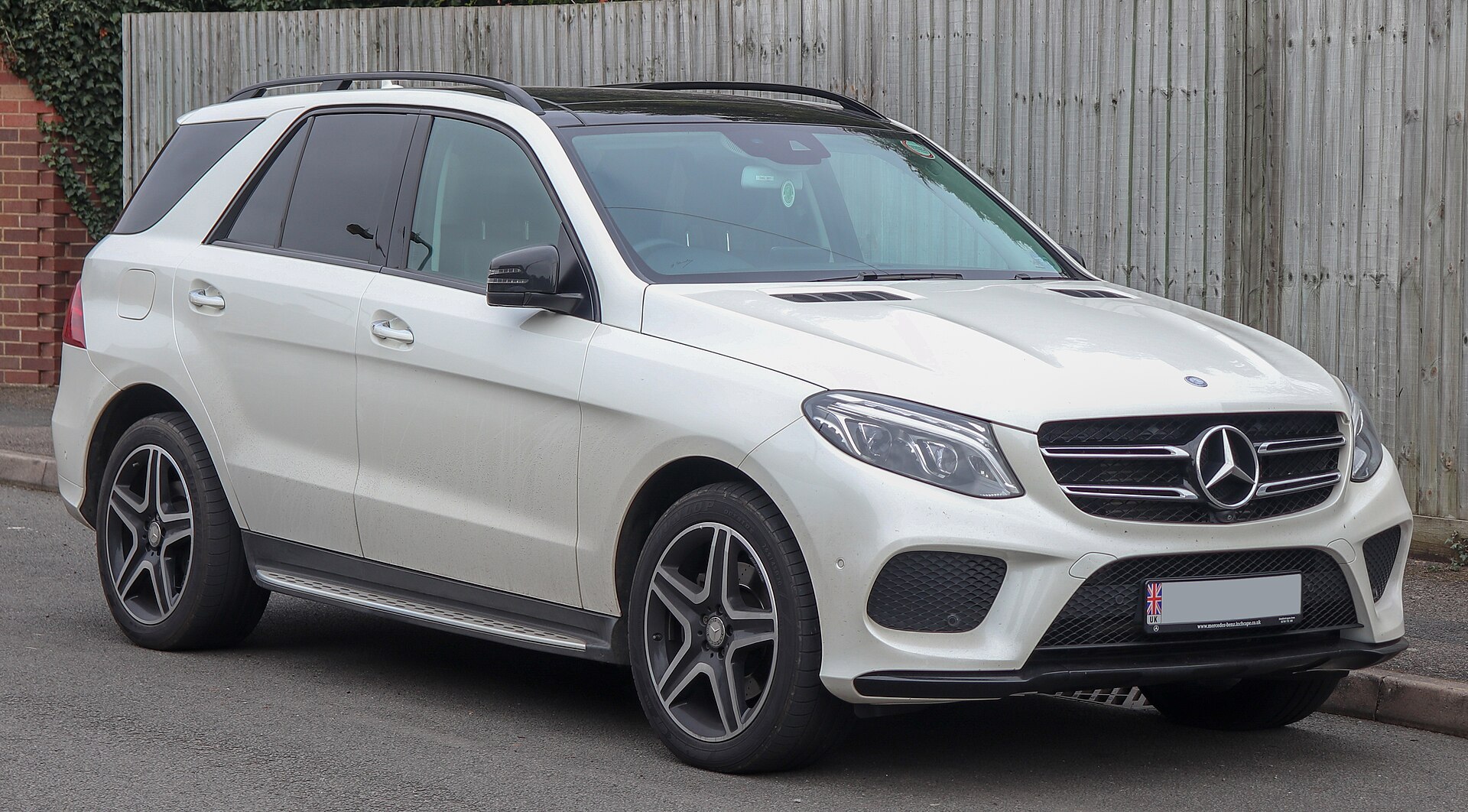
Lamborghini Urus vs Mercedes-AMG GLE 63 S: Worth the Extra $100K?
The Lamborghini Urus is an exotic supercar wrapped in an SUV body. The Mercedes-AMG GLE 63 S is an exceptionally fast luxury SUV. They're different beasts entirely, but buyers shopping for high-performance sport utilities keep comparing them. Here's whether the Urus justifies its $100,000+ premium.
The Bottom Line: Different Cars for Different Reasons
This comparison is difficult because the Lamborghini Urus and Mercedes-AMG GLE 63 S aren't really competitors — they're different products solving different problems. The Urus is an exotic-brand halo car that happens to be an SUV. The GLE 63 S is a legitimately practical, daily-drivable performance luxury SUV. The Urus costs $230,000–$260,000. The GLE 63 S costs $120,000–$140,000 new, roughly half the price. The question isn't which is better. It's which is right for you, and whether the Urus's exotic appeal justifies its significantly higher cost.
For most buyers, the answer is no. The Mercedes offers better reliability, lower running costs, more practical features, and nearly equivalent performance at half the price. But for buyers who specifically want to enter the exotic car world and can absorb the ownership costs, the Urus makes sense — it's more practical than any Ferrari or Lamborghini supercar, it actually seats four adults comfortably, and its dramatic styling turns heads unlike anything else on the road.
Performance Comparison: The Urus Is Faster, But Not by Much
Let's get the numbers out of the way first, because they tell a clearer story than subjective analysis.
| Metric | Lamborghini Urus Performante | Mercedes-AMG GLE 63 S |
|---|---|---|
| Engine | 4.0L Twin-Turbo V8 | 4.0L Twin-Turbo V8 |
| Horsepower | 666 hp | 603 hp |
| Torque | 627 lb-ft | 627 lb-ft |
| 0-60 mph | 3.3 seconds | 3.7 seconds |
| 0-100 mph | 6.9 seconds | 7.8 seconds |
| Top Speed | 190 mph | 186 mph |
| Curb Weight | 4,464 lbs | 4,850 lbs |
| Power-to-Weight | 0.149 hp/lb | 0.124 hp/lb |
The Urus Performante is measurably faster. That 0.4-second advantage in 0-60 times comes from 63 additional horsepower and a lighter curb weight. In real-world driving — highway merging, spirited acceleration — you'll notice the Urus feels slightly more urgent. But we're talking about tenths of seconds here. The Mercedes is not slow by any reasonable standard. It hits 60 mph in 3.7 seconds. That's supercar territory. The difference between 3.3 and 3.7 seconds is the difference between genuinely extraordinary and merely very fast.
On track or in a drag race, the Urus wins. On the highway, on a road trip, or during normal aggressive driving, the difference is almost imperceptible. The Mercedes's extra weight (nearly 400 lbs more) mostly shows up in cornering tests, where the Urus's lighter platform and Lamborghini's advanced suspension geometry give it a measurable advantage. According to Car and Driver, the Urus laps the Nürburgring faster than the GLE 63 S — but both are extraordinarily capable for SUVs.
Pricing: The Urus Costs Literally Double the Mercedes
This is the most important number in the entire comparison. Starting prices in early 2026:
| Model | Base MSRP | Typical Optioned Price | Price Gap |
|---|---|---|---|
| Mercedes-AMG GLE 63 S | $118,000 | $135,000–$145,000 | — |
| Lamborghini Urus S | $232,000 | $250,000–$270,000 | $100,000+ |
| Lamborghini Urus Performante | $248,000 | $265,000–$285,000 | $120,000+ |
Let that sink in. You're paying roughly $100,000 more for an SUV that's approximately 3% faster in acceleration testing. That's not a marginal difference — that's a fundamental pricing gap that requires justification beyond horsepower numbers.
What does that $100,000 premium buy you? Brand cachet. Exotic mystique. More dramatic styling. A slightly more responsive driving experience. Lamborghini's brand prestige. Access to the exotic car world. But not better reliability, not lower maintenance costs, not better daily usability, and certainly not $100,000 worth of additional capability.
Total Cost of Ownership: The Mercedes is Dramatically Cheaper to Keep
Purchase price is just the beginning. Real ownership costs matter far more over a five-year ownership cycle.
| Expense Category | Mercedes-AMG GLE 63 S | Lamborghini Urus Performante | Annual Difference |
|---|---|---|---|
| Insurance (annual) | $4,000–$4,500 | $7,000–$8,500 | +$3,000–$4,000 |
| Routine Maintenance (annual) | $2,000–$3,000 | $4,000–$6,000 | +$2,000–$3,000 |
| Fuel (annual, 12K miles) | $2,500–$3,200 | $2,400–$3,100 | Even |
| Tires (amortized) | $1,200–$1,600 | $1,800–$2,400 | +$600–$800 |
| Registration/Taxes | $800–$1,500 | $1,200–$2,000 | +$400–$500 |
| Total Annual Running Cost | $10,500–$13,800 | $16,400–$22,000 | +$5,900–$8,200/year |
Over five years of ownership, the Mercedes costs $29,500–$41,000 less to run than the Urus. That's another substantial chunk of the price difference gone. The Urus's exotic brand positioning comes with exotic car insurance premiums, higher maintenance costs, more expensive tire replacements, and generally higher operating expenses across the board.
This matters. If you're spending $100,000 more upfront and $6,000–$8,000 more per year in running costs, you're looking at a five-year ownership cost difference exceeding $130,000. That's massive.
Reliability: The Mercedes Has a Proven Track Record
Lamborghini has dramatically improved reliability in recent years, and the Urus shares its platform and engine with the Audi SQ8, which gives confidence in the mechanical fundamentals. However, the Mercedes-AMG GLE 63 S has more real-world ownership data, longer-term reliability records, and a network of dealers second to none.
The Urus's known issues include:
- Gearbox shuddering: Some early models (2019–2020) experienced dual-clutch transmission shudder at low speeds. Software updates have addressed this, but it's worth test-driving below 2,000 rpm.
- Air suspension: The adaptive air suspension is sophisticated but can develop seal leaks around $5,000–$8,000 to repair.
- Brake wear: The ceramic brakes are exceptional but expensive ($8,000–$10,000 for full replacements).
- Dashboard rattle: Some owners report minor interior rattles that disappear after dealer service.
The Mercedes-AMG GLE 63 S's issues tend to be less severe and more common across the performance AMG lineup:
- Occasional transmission hesitation: The 9-speed AMG transmission can hesitate during aggressive driving, usually resolved with software updates.
- Infotainment glitches: The MBUX system occasionally requires reboots, but this is rarely a major issue.
- Brake dust accumulation: The performance brakes generate substantial dust, requiring frequent cleaning.
Overall, the Mercedes has a more predictable maintenance schedule and more established reliability data. Read our Lamborghini ownership cost guide for more detail on realistic ongoing expenses.
Daily Usability: The Mercedes Wins Hands Down
This is where the gap widens significantly. The Urus is claimed to seat five, but realistically seats four in comfort — rear legroom is tight, and the massive wheels (up to 23 inches) result in a ride quality that's stiff even in Strada mode. Ground clearance is lower than traditional SUVs (7.6 inches), making speed bumps and steep driveways problematic. The interior is cramped relative to its size, with a minimalist design that feels tight compared to the spacious cabin of the GLE 63 S.
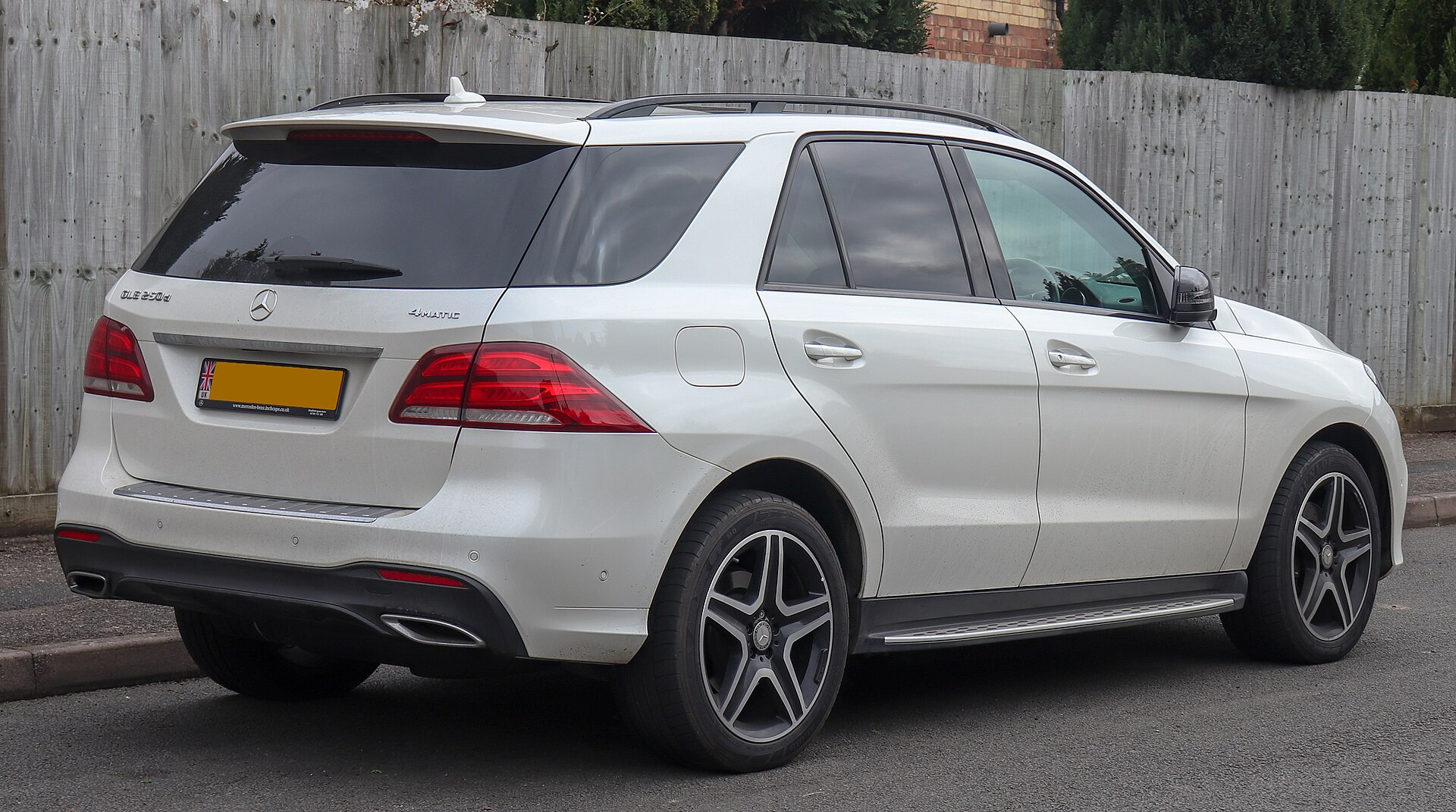
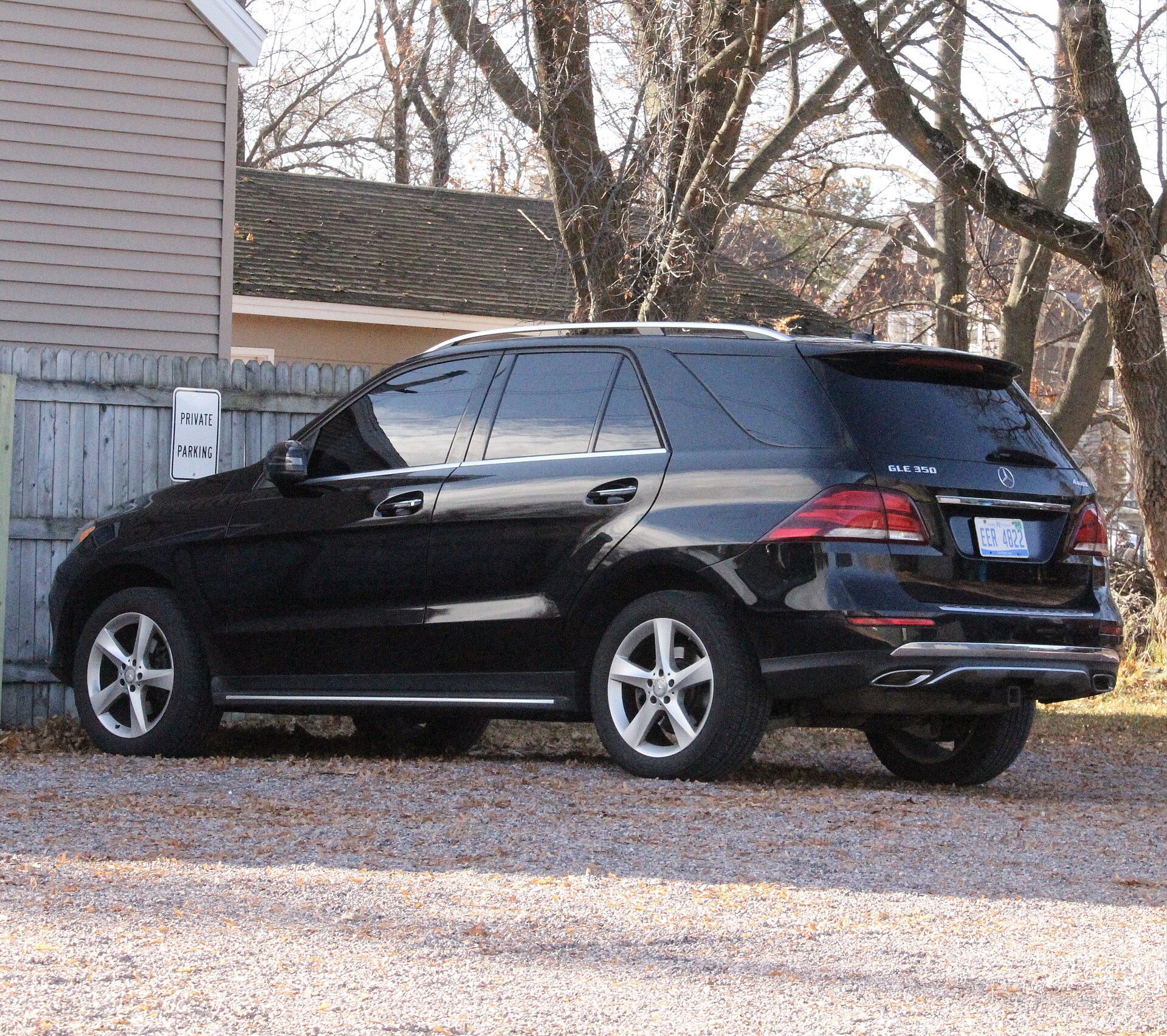
The Mercedes-AMG GLE 63 S, by contrast, is genuinely practical. It comfortably seats five adults. Ground clearance (8.3 inches) is more than adequate for real-world driving. The MBUX infotainment system is among the best in the industry, with intuitive controls, responsive performance, and regular over-the-air updates. The trunk offers 37.4 cubic feet of cargo space (compared to the Urus's approximately 29 cubic feet). Features like active park assist, 360-degree cameras, semi-autonomous driving capabilities, and adaptive climate control make the Mercedes feel more like a modern luxury vehicle and less like a performance toy.
If you're planning to drive this vehicle multiple times per week, to use it for family trips, or to live with it as a regular car, the Mercedes is objectively more capable. The Urus is better served as a weekend car or a show piece that you drive occasionally.
Styling and Presence: The Urus Owns the Road
Here's where the Urus reclaims ground. The styling is absolutely dramatic. With aggressive angular lines, a massive grille, and a presence that's unmistakably Lamborghini, the Urus turns heads in a way the Mercedes simply doesn't. It's designed to look like a supercar shrunk into an SUV, and it succeeds completely.
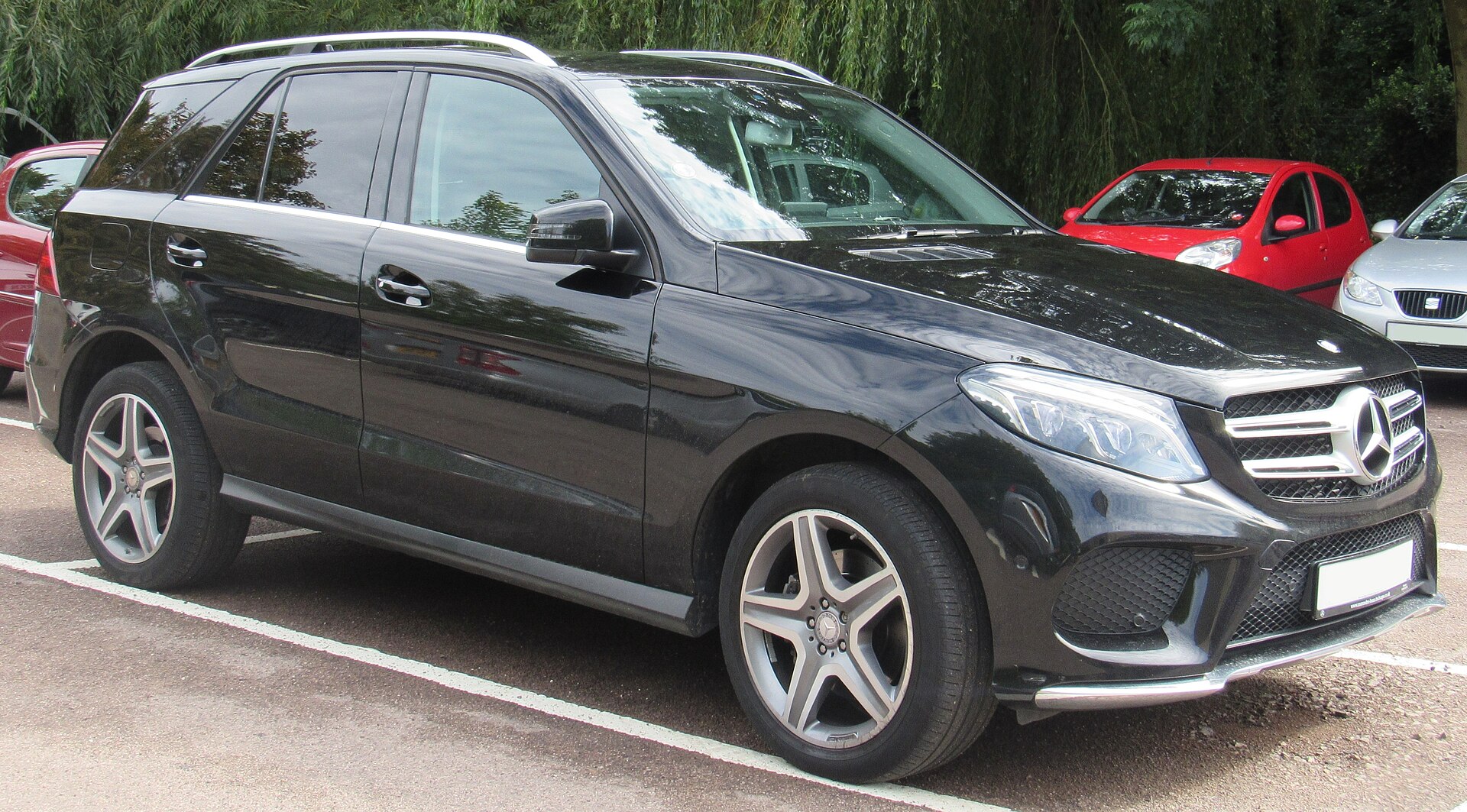
The Mercedes, by contrast, looks like an exceptionally well-proportioned performance SUV — which it is. It's handsome, aggressive, and purposeful, but it doesn't announce itself the way the Urus does. If your goal is maximum road presence and maximum attention, the Urus wins by a substantial margin.
You buy the Urus for the badge, the drama, and the feeling of owning something exotic. You buy the Mercedes-AMG GLE 63 S because you want a genuinely fast, practical, reliable daily driver.
Technology and Infotainment: Mercedes Has a Clear Advantage
The Mercedes's MBUX system is genuinely excellent. The 12.3-inch touchscreen is responsive, the voice controls actually work, and the interface updates over the air with new features throughout ownership. The system includes MotorTrend-praised features like adaptive cruise control with semi-autonomous driving, which the Urus lacks entirely.
The Urus's infotainment is acceptable but dated. It's based on the Audi MMI interface, which is functional but less intuitive than MBUX. It lacks the level of autonomous driving capability that Mercedes offers, and updates are less frequent.
This matters for long-term ownership satisfaction and resale value — buyers increasingly expect modern infotainment systems, and the Mercedes offers significantly more advanced features.
Insurance and Registration: Exotics Always Cost More
The Urus carries exotic car insurance premiums. Typical rates for a $250,000–$270,000 Urus Performante range from $7,000–$8,500 annually (for good drivers with clean records). The Mercedes, despite its $140,000 price tag, typically costs $4,000–$4,500 per year — less than half the Urus's premium.
Registration and taxes also favor the Mercedes. State registration and annual taxes on a $250,000 Urus can exceed $1,500–$2,000 per year depending on your state, while the Mercedes typically runs $800–$1,200.
These differences are significant and add up quickly. Over five years, insurance alone represents $15,000–$20,000 more in costs on the Urus.
Resale Value and Market: The Urus Holds Value Better
The one area where the Urus gains back some value ground is resale. Exotic cars, particularly low-production models like the Urus, tend to hold their value better than high-volume performance vehicles. The Urus has depreciated only about 15–20% from original MSRP over three years, while the Mercedes depreciates 20–25% in the same period.
However, this doesn't close the gap. A $250,000 Urus retaining 80% of value ($200,000 after three years) still leaves you with lower total depreciation in dollars than a $140,000 Mercedes retaining 75% ($105,000 after three years). The percentages are better, but the actual dollars are similar or slightly favors the Mercedes.
Additionally, the Mercedes market is far broader. There are more qualified buyers for a Mercedes-AMG GLE 63 S than for a Lamborghini Urus, which means selling your used Urus may require more patience or pricing concessions.
The "Entry to Exotic Ownership" Argument: Valid, but Expensive
Some buyers view the Urus as a gateway into exotic car ownership. It's more practical than a supercar, it's an SUV (which makes it usable year-round), and it carries the Lamborghini badge. If your actual goal is to own and drive an exotic, the Urus makes more sense than the Mercedes — you're getting the Lamborghini experience at a lower price point than the Huracan.
But if you just want a fast, practical SUV, paying $100,000 extra just for the exotic brand doesn't make financial sense. There are two distinct buyer profiles here:
- The Exotic Enthusiast: You want a Lamborghini. You're willing to pay for the badge, the drama, and the story. The Urus is your most practical path into that world. You understand the costs and accept them as the price of entry.
- The Performance SUV Buyer: You want an incredibly fast, capable, practical SUV with excellent technology and reliability. The Mercedes is objectively better at this mission and costs a fraction of the price.
If you're in the first category, read our complete Lamborghini Urus review. If you're in the second, the Mercedes is almost certainly the smarter choice. Read more about financing exotic cars if you're serious about Urus ownership.
Other Options in This Price Range
Before deciding between these two, consider a few alternatives:
Porsche Cayenne Turbo S E-Hybrid ($125K–$140K): Slightly more practical than the Mercedes, excellent reliability, and better handling. Read our Urus vs. Porsche Cayenne comparison for details.
Bentley Bentayga ($180K–$210K): More luxurious than either option, but no faster and considerably more expensive. See our Urus vs. Bentley comparison.
Aston Martin DBX ($155K–$185K): Rarer than both, with better styling in many opinions, but less power than the Urus and similar running costs. See our Urus vs. DBX comparison.
Used Lamborghini Urus ($180K–$210K): A 2022–2023 Urus with 10,000–15,000 miles costs roughly the same as a new Mercedes-AMG GLE 63 S. This is actually compelling — you get the exotic badge, the dramatic styling, and the performance at a much lower price point. The depreciation has already happened.
Which Should You Buy? A Decision Framework
Here's our recommendation matrix:
Buy the Lamborghini Urus Performante if:
- You specifically want to own a Lamborghini and are comfortable paying the exotic car premium
- You view this as entry into exotic car ownership and plan to move up to supercars later
- You drive fewer than 8,000 miles per year and can absorb the higher running costs
- Road presence and turning heads matters to you
- You have a primary daily driver and view the Urus as your weekend/show car
Buy the Mercedes-AMG GLE 63 S if:
- You want the best performance-per-dollar value
- You plan to drive regularly, rack up miles, and use the vehicle as a primary car
- Technology, reliability, and running costs matter significantly
- You want semi-autonomous driving and modern infotainment
- You prefer a spacious, practical interior without sacrificing performance
- You want to own something exceptionally fast but don't need the exotic brand prestige
Our recommendation: Unless you specifically want to own a Lamborghini, buy the Mercedes. It's approximately equal in real-world performance, dramatically better in reliability and practicality, and costs roughly half as much. The money saved ($130,000+ over five years of ownership) could buy you an entry-level Huracan later if you decide you actually want an exotic.
Help Finding the Right SUV for Your Needs
Automonitor connects you with verified luxury car specialists who understand the nuances of exotic vs. performance vehicles. Get honest guidance on which option aligns with your actual needs and budget.
Get Expert Guidance →Five-Year Total Cost of Ownership: The Mercedes Wins by Over $130,000
Let's run the numbers for a complete five-year ownership scenario, purchasing new:
| Cost Category | Mercedes-AMG GLE 63 S | Lamborghini Urus Performante | Difference |
|---|---|---|---|
| Purchase Price | $140,000 | $275,000 | -$135,000 |
| 5-Year Running Costs | $54,000 | $86,000 | -$32,000 |
| Depreciation (20-25%) | $28,000–$35,000 | $41,000–$55,000 | -$13,000–$20,000 |
| Repairs Beyond Warranty | $2,000–$4,000 | $4,000–$8,000 | -$2,000–$4,000 |
| Total 5-Year Cost | $224,000–$239,000 | $406,000–$424,000 | -$182,000–$200,000 |
| Cost Per Mile (15K miles/year) | $2.99–$3.19/mile | $5.41–$5.65/mile | -$2.42–$2.46/mile |
The Mercedes is nearly 80% cheaper to own over five years. That's not a minor difference — that's the difference between a smart luxury purchase and a lifestyle commitment that requires substantial financial resources.
Frequently Asked Questions
Is the Lamborghini Urus worth double the price of the Mercedes-AMG GLE 63 S?
No. The Urus is approximately 3% faster in acceleration testing and carries the Lamborghini brand, but it's substantially more expensive to insure, maintain, and operate. For nearly every practical measure, the Mercedes offers superior value. The Urus makes sense only if your specific goal is to own a Lamborghini.
Which is more reliable: the Urus or the Mercedes?
The Mercedes has a longer track record and fewer reported issues. Lamborghini has improved dramatically in recent years, but the Mercedes still has the edge in proven long-term reliability and a much larger dealer network for service.
Can you use the Urus as a daily driver?
Technically yes, but it's not ideal. The Urus has less interior space than the Mercedes, a stiffer ride quality, lower ground clearance, and much higher running costs. The Mercedes is significantly better suited for regular daily driving.
What about a used Urus instead of a new Mercedes?
This is actually compelling. A 2022–2023 Urus with 10,000–15,000 miles costs approximately $190,000–$210,000, which is roughly the same as a new Mercedes-AMG GLE 63 S. You get the exotic brand, the drama, and the performance at a much lower price point. Depreciation has already happened.
Does the Urus hold value better than the Mercedes?
By percentage, yes — the Urus retains about 80% of value versus the Mercedes retaining 75%. But in absolute dollars, the difference is minimal when accounting for the higher purchase price. Both will depreciate significantly in the first three years.
Which is faster: the Urus or the Mercedes?
The Urus Performante is faster: 3.3 seconds to 60 mph versus 3.7 seconds for the Mercedes. That's a 0.4-second advantage, which is noticeable but not dramatic. Both are extremely quick vehicles.
Can I finance an exotic car like the Urus?
Yes. Specialty exotic car lenders like JJ Best Banc and Woodside Credit offer financing for Lamborghinis, typically requiring 20–30% down and offering rates between 6–10%. Read our guide to financing Lamborghinis for detailed information.
What's the monthly payment on an Urus versus a Mercedes?
A $275,000 Urus financed at 8% over 60 months with 25% down ($68,750) results in approximately $4,100 per month in loan payments. A $140,000 Mercedes financed at 6.5% over 60 months with 20% down ($28,000) results in approximately $2,100 per month. Factor in insurance and maintenance, and the Urus costs roughly $5,200–$5,600 per month versus $2,600–$2,900 for the Mercedes. See our Lamborghini payment guide for more details.
Should I buy or lease an exotic?
Leasing makes sense if you want to minimize maintenance costs, avoid depreciation, and drive something new every 3 years. Buying makes sense if you plan to keep the car for 5+ years and want to build equity. Read our lease vs. buy guide for a detailed breakdown.
How much does it cost to own a Lamborghini?
Annual running costs for a Lamborghini Urus range from $16,000–$22,000, including insurance, maintenance, fuel, and registration. Over five years, total ownership costs (purchase + running costs + depreciation) run approximately $406,000–$424,000. See our comprehensive Lamborghini cost guide.
The Final Verdict: Choose Based on Your Actual Needs
The Lamborghini Urus is an extraordinary vehicle. It's visually stunning, genuinely fast, and represents entry into the world of exotic car ownership. But it's not objectively worth $100,000+ more than the Mercedes-AMG GLE 63 S for most buyers.
The Mercedes is faster than you need, more luxurious than you'd expect, more reliable than competitors, and offers technology that the Urus can't match. It's also approximately half the price and costs 60% less per mile to own.
If you specifically want a Lamborghini and can comfortably afford the exotic car ownership costs, the Urus is the most practical expression of that desire. If you want the best performance SUV for your money, the Mercedes wins decisively. If you want an exotic at a lower price point, consider a used 2022–2023 Urus, which costs roughly the same as a new Mercedes but carries the exotic brand prestige.
The answer to "is it worth the extra $100K?" is almost always no. But the answer to "do you want to own a Lamborghini?" might be yes — and that's a different question entirely. The Urus is the right choice only if the second question is what drives your decision. For everyone else, the Mercedes-AMG GLE 63 S is the significantly smarter purchase. Let our exotic car financing guide help you make the right decision for your situation.
Finding Your Perfect High-Performance SUV
Automonitor specializes in connecting buyers with the right exotic and performance vehicles. Whether you choose the Urus for the badge or the Mercedes for the value, we handle inspection, negotiation, and paperwork so you drive away confident.
Start Your Search →