
Is Rolls-Royce Better Than Bentley?
Two titans of ultra-luxury, intertwined by history but separated by philosophy. One crafted for those who are driven; one for those who drive. Here's everything you need to know to choose between them.
The Short Answer: It Depends on How You Approach Luxury
Is Rolls-Royce better than Bentley? Not really. Not worse either. They're different expressions of the same core philosophy: building the most luxurious automobiles in the world. The question isn't which is objectively better, but which aligns with your understanding of what ultra-luxury means.
Rolls-Royce operates as the ultimate chauffeur-driven experience — a mobile first-class lounge where you rest, converse, and contemplate while someone else manages the vehicle. Bentley positions itself as a driver's luxury car — extraordinarily comfortable and refined, but still fundamentally designed for the owner behind the wheel. The distinction is philosophical rather than qualitative.
Financially, they occupy similar price territories ($330K+ for Rolls-Royce, $200K+ for Bentley), depreciate at comparable rates, and command respect in markets worldwide. What separates them is culture, heritage, and the precise definition of luxury that resonates with your worldview.
This guide breaks down everything you need to evaluate both brands: their shared history under Vickers and Volkswagen Group, their divergent philosophies, their current lineups, craftsmanship approaches, customization possibilities, maintenance realities, and the lifestyle implications of ownership. By the end, you won't need us to tell you which is better — you'll know which is right for you.
The British Connection: From Shared Ownership to Separate Destinies
Understanding Rolls-Royce and Bentley requires understanding their entwined history. Both brands were born in Britain during the golden age of automotive engineering, and for decades, they competed directly for the affections of the world's wealthiest individuals.
The story becomes genuinely interesting in 1931, when Bentley's parent company faced financial crisis during the Great Depression. Rolls-Royce, the far more established and financially secure brand, acquired Bentley. For the next 65 years, they operated under the same corporate umbrella, often sharing platforms, engines, and engineering while maintaining distinct brand identities.
The modern divergence began in 1998 when Rolls-Royce Motor Cars was purchased by BMW, while Bentley remained under Volkswagen Group ownership (through Audi). This separation was definitive: BMW would develop Rolls-Royce using BMW engineering and architecture, while Volkswagen would do the same for Bentley using VW Group platforms. The two brands became truly independent for the first time in their relationship.
Today, this history is largely irrelevant to your purchasing decision. What matters is understanding that both companies have moved beyond their shared past to develop distinct identities, engineering philosophies, and customer bases. They're more different now than they've ever been.
Philosophy Gap: Chauffeur Luxury vs. Driver's Luxury
The deepest difference between these brands isn't mechanical — it's philosophical. This gap shapes everything from design to marketing to the customers who buy them.
Rolls-Royce positions itself as the ultimate chauffeur-driven luxury. The brand's own marketing emphasizes being driven rather than driving. The car is designed around creating an exceptional experience for rear-seat passengers. The front seats are merely the vehicle's operators. Suspension tuning aims for that famous "magic carpet" ride where the car floats over imperfections. Sound insulation is obsessive — the goal is to create a silent cocoon. The steering wheel is considered an operational necessity, not a pleasure device. Acceleration happens smoothly, invisibly, without drama or engagement.
A Rolls-Royce owner or their executive assistant can work, conduct calls, or simply exist in profound comfort while the car handles the mechanics of transportation. Status, comfort, and discretion are paramount. The ghost-like presence of advanced technology means you needn't think about gears, throttle response, or braking feel. The car simply moves.
Bentley positions itself as driver's luxury — a car that's extraordinarily comfortable and refined, but not at the expense of driver engagement. A Bentley owner sits behind the wheel wanting to actually drive it. The brand emphasizes power (often twin-turbocharged for responsiveness), control, and the pleasure of the driving experience. Bentley cars are fast. They're agile. Their steering has weight and feedback. Their suspensions are tuned for grand touring rather than magic carpeting.
A Bentley owner is an active participant in the driving experience, not a passenger in their own car. The brand appeals to successful individuals who made their own fortune and want a car that rewards their attention and capability. Bentley is about capability married with incomparable luxury.
This philosophical gap is everything. If you believe luxury means being driven and pampered, Rolls-Royce resonates. If you believe luxury means driving something extraordinary, Bentley wins.
Current Lineups: What's Available Right Now
Rolls-Royce Motor Cars produces four core models:
Phantom. The flagship sedan that carries the Rolls-Royce name itself. The Phantom is the definitive statement of ultra-luxury — handcrafted, bespoke, equipped with the 6.75-liter twin-turbo V12 that produces 563 horsepower. Starting price: approximately $380,000. The Phantom Extended is available for those requiring extra rear-seat space, adding roughly $50,000 to the price.
Ghost. Positioned as Rolls-Royce's "entry" model (a word that feels ridiculous here), the Ghost is actually far from modest. It's a shorter, slightly more agile sedan still producing 563 hp. Starting price: around $330,000. The Ghost is often considered the smart choice for first-time Rolls-Royce buyers because it delivers the core Rolls experience without the added length, bulk, and price of the Phantom.
Spectre. Rolls-Royce's foray into electrification. The Spectre is a fully electric coupe that makes the philosophical statement: even in the EV era, Rolls-Royce remains the ultimate expression of silent, effortless motion. The Spectre's instant torque delivery, combined with its sophisticated suspension and sound insulation, creates the most "Rolls-Royce-like" electric car imaginable. Starting price: approximately $420,000.
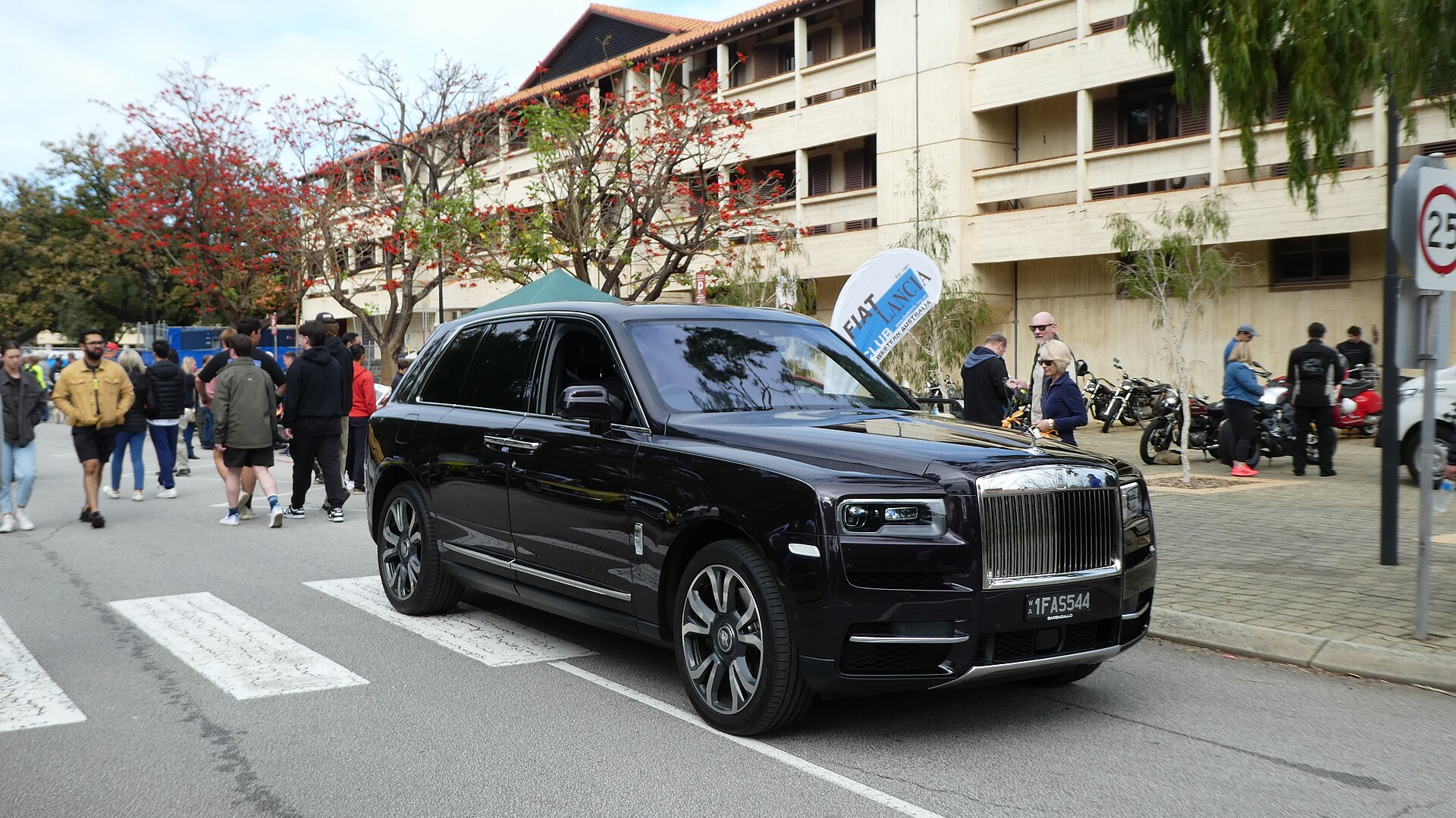
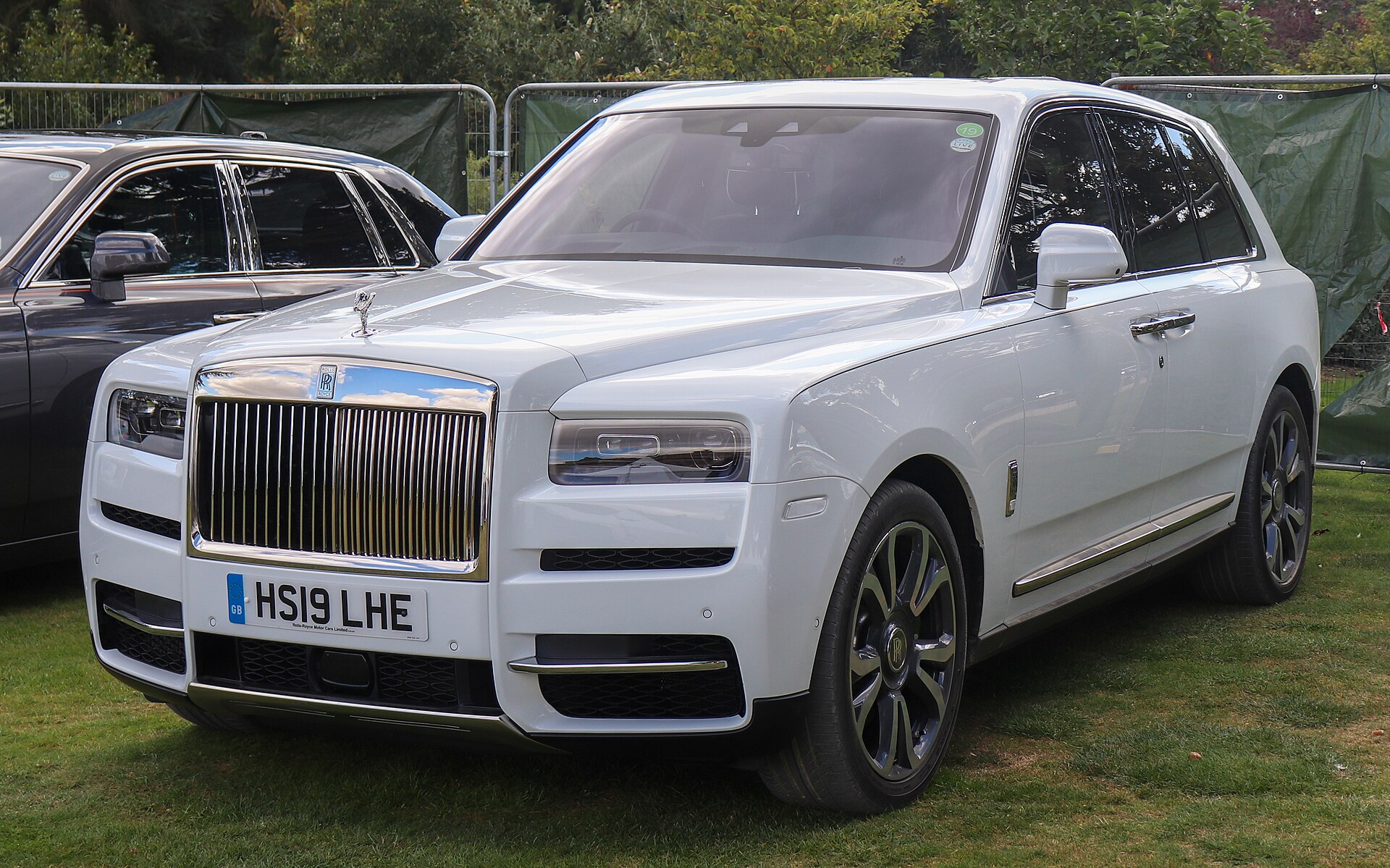
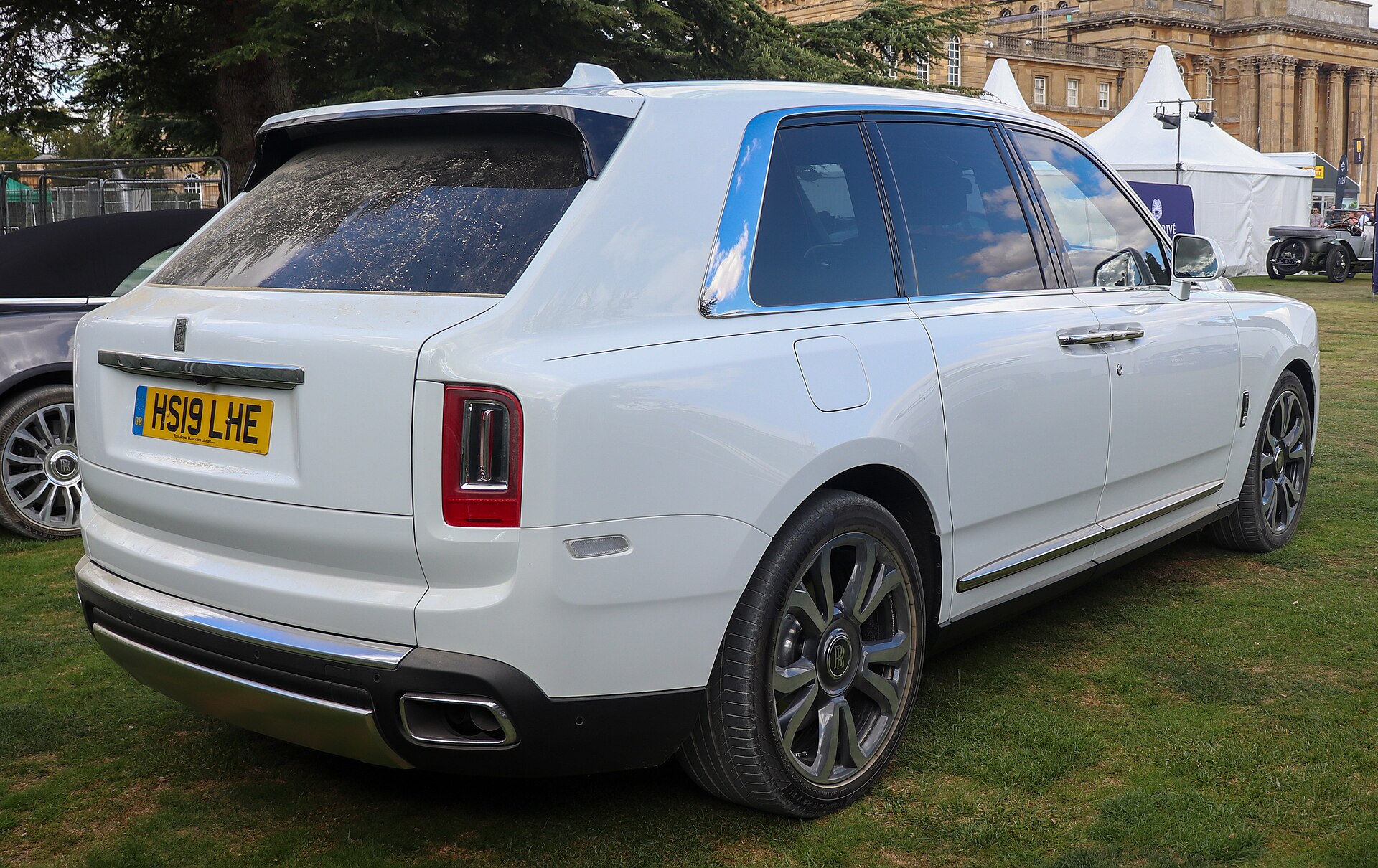
Cullinan. Rolls-Royce's Super-Luxury SUV. When Rolls-Royce decided to build an SUV, they weren't interested in being practical — they were interested in being the most luxurious SUV ever created. The Cullinan pairs the Ghost's twin-turbo V12 with an SUV body, creating a vehicle for ultra-wealthy families who need to transport children and luggage without sacrificing the Rolls-Royce experience. Starting price: approximately $400,000.
Bentley Motors produces five core models:
Continental GT. The spiritual successor to Bentley's most iconic model. The Continental GT is a grand touring coupe featuring a 6.0-liter twin-turbo W12 (in the main version) or a newer twin-turbo V8 hybrid. It produces 626-660 horsepower depending on configuration. The Continental GT is built for speed and elegance — genuinely capable of 200+ mph while remaining refined enough for daily driving. Starting price: approximately $240,000.
Continental Flying Spur. Bentley's sedan, and perhaps the single most underrated ultra-luxury car in the world. The Flying Spur uses the same W12 or V8 powertrains as the Continental GT, delivering brutal acceleration wrapped in impeccable manners. Starting price: approximately $230,000. For drivers who want serious performance without the visual drama of a Lamborghini or Ferrari, the Flying Spur is genius.
Bentayga. Bentley's SUV, and like the Rolls-Royce Cullinan, an utterly unnecessary vehicle that somehow justifies its existence through sheer execution. The Bentayga combines Bentley's performance DNA with SUV practicality. It's genuinely quick (0-60 in around 3.5 seconds depending on powertrain), genuinely comfortable for long drives, and genuinely an SUV (unlike vehicles that claim the label). Starting price: approximately $165,000.
Batur. Bentley's modern interpretation of the ultra-exclusive grand touring car. Limited to 18 examples. The Batur represents Bentley's design language at its most expressive. Starting price: approximately $1.9 million (though the waiting list extends years beyond the current timeframe).
Electric Flying Spur. Bentley's commitment to electrification. Arriving in 2026, the EV Flying Spur combines Bentley's sedan DNA with zero-emission power. Bentley's approach here differs from Rolls-Royce — instead of creating a new model, they evolved their existing sedan into electric form, maintaining the driver-centric philosophy.
Notice the difference: Rolls-Royce creates entirely new models to express electrification (Spectre), while Bentley evolves existing models. This reflects their core philosophies. Rolls-Royce sees electrification as an opportunity to express silence and effortlessness. Bentley sees it as an opportunity to maintain performance and driver engagement.
Craftsmanship: Bespoke Versus Mulliner
Both Rolls-Royce and Bentley are hand-assembled, hand-finished luxury vehicles. But their approaches to customization and bespoke options diverge meaningfully.
Rolls-Royce approaches customization as "virtually unlimited bespoke." The brand will essentially build anything you request. Want hand-embroidered leather depicting your family crest? Done. Want your car's dashboard inlaid with materials from significant locations in your life? Rolls-Royce will figure out how. The famous "Bespoke atelier" in Goodwood exists to accommodate requests that most manufacturers would consider absurd.
This is partly tradition and partly market positioning. Rolls-Royce clients are, by definition, people accustomed to getting exactly what they want. The brand accommodates this expectation. A Rolls-Royce is rarely a "base" car with standard options. It's fundamentally customized to your specifications. The build time reflects this — expect 18-24 months from order to delivery for a fully bespoken Rolls.
Bentley approaches customization through Mulliner, its own bespoke division. Mulliner offers extraordinary customization — choice of nearly infinite leather hides, wood veneers, paint finishes, and component specifications. But Bentley's approach feels slightly more structured, more design-forward. Mulliner teams guide clients toward options that create harmony and coherence, rather than simply enabling any whim.
In practice, both approaches achieve the same outcome: utterly unique, completely personalized vehicles. The difference is subtle. Rolls-Royce says "what do you want?" and builds it. Bentley says "what do you want to achieve?" and guides you toward the right combination.
Both offer leather that comes from nowhere but the finest tanneries. Both offer wood that's been carefully selected and hand-finished. Both offer paint that's been mixed and applied in ways that modern manufacturing simply doesn't permit elsewhere. The level of craftsmanship is simply transcendent in both cases.
Pricing Tiers: Entry Points and Reality Checks
| Brand | Model | Starting Price | Typical Configured Price | Ultra-Bespoke Price |
|---|---|---|---|---|
| Rolls-Royce | Ghost | $330,000 | $450,000–$550,000 | $750,000+ |
| Rolls-Royce | Phantom | $380,000 | $550,000–$700,000 | $1,000,000+ |
| Rolls-Royce | Cullinan | $400,000 | $550,000–$750,000 | $1,200,000+ |
| Rolls-Royce | Spectre | $420,000 | $600,000–$800,000 | $1,000,000+ |
| Bentley | Flying Spur | $230,000 | $320,000–$450,000 | $600,000+ |
| Bentley | Continental GT | $240,000 | $340,000–$500,000 | $700,000+ |
| Bentley | Bentayga | $165,000 | $250,000–$400,000 | $600,000+ |
The price gap is immediately obvious: Bentley's entry point is roughly $100,000 lower than Rolls-Royce's. A base Bentley Flying Spur ($230K) costs less than a fully configured Rolls-Royce Ghost ($450K+). This gap reflects the philosophical divide — Rolls-Royce positions itself as the pinnacle of ultra-luxury, justifying premium pricing accordingly.
However, these are starting prices that nearly no one pays. The real cost emerges once you begin specifying colors, interiors, and bespoke options. A typical buyer ends up spending 30-50% more than the base price on both brands. Ultra-wealthy clients who commission truly extraordinary bespoke work can easily double or triple the starting price.
Remember: once you're considering vehicles that start at $230,000, the difference between $230K and $330K is less meaningful than the statement you're making with each brand choice.
Engineering DNA: BMW Platform vs. VW Group Platform
The choice of parent company shapes the fundamental engineering of both vehicles. This is where historical practicality intersects with brand identity.
Rolls-Royce uses BMW engineering and architecture. The Ghost and Phantom are built on aluminum space-frame platforms derived from BMW 7-Series and 5-Series architecture. The V12 engines are BMW-derived (though heavily modified). The transmissions, suspension systems, and electronic architectures trace back to Munich rather than Stuttgart.
This has profound implications: Rolls-Royce benefits from BMW's engineering excellence, reliability practices, and innovation. The cars are mechanically sound, technologically sophisticated, and built with the precision BMW demands. However, you're driving a car whose fundamental architecture was engineered in Bavaria, not Goodwood. Some purists find this troubling.
Bentley uses Volkswagen Group engineering and architecture. The Continental GT and Flying Spur share platforms with models across the VW Group (Porsche, Audi, Lamborghini). The engine technology is VW Group-derived. The transmission, suspension, and electronics reflect VW Group engineering standards.
This is equally consequential: Bentley benefits from VW Group's massive resources, technology portfolio, and engineering expertise. The precision, reliability, and innovation reflect the world's largest automotive conglomerate's capabilities. Yet again, a British brand is fundamentally using engineering developed elsewhere.
The practical implication: neither brand is purely British in execution anymore. Both leverage their parent company's engineering prowess to create vehicles neither could build independently. If you're seeking purely British engineering, you'll be disappointed in both. If you want the best engineering regardless of origin, both deliver.
Ride Quality: Magic Carpet vs. Sporting Grand Tourer
This is perhaps the most visceral difference between brands. How the car feels when you're inside it — whether you're driving or being driven — defines the ownership experience.
Rolls-Royce suspension is engineered for the famous "magic carpet ride." The goal is to make the car feel like it's floating above imperfections rather than traversing them. The suspension absorbs road inputs with uncanny smoothness. Bumps, potholes, rough asphalt — the car doesn't acknowledge them. You're insulated from the road experience to a degree that feels almost unnatural.
This is achieved through meticulous suspension tuning, advanced damping systems, and extensive sound insulation. A Rolls-Royce cabin is genuinely silent — the only sound you hear is the whisper of the V12 operating with invisible precision. Road noise is essentially absent. Wind noise is negligible. Engine noise is hushed to the point where you'd question whether the car is running if not for the speedometer.
This suspension setup is brilliant for rear-seat passengers in formal attire trying to remain composed. It's also somewhat numbing from the driver's seat, where the lack of road feedback can feel disconnected.
Bentley suspension is engineered for grand touring comfort married with road feel. A Bentley doesn't float over the road — it glides across it while maintaining awareness of what's happening beneath. You feel the road, but you're not battered by it. The suspension is supple but not soft, communicative but not harsh.
This is the right approach for a driver who actually enjoys operating the vehicle. The steering has weight and feedback. The suspension gives you information about what the chassis is doing. The brake pedal tells you about tire grip. You're connected to the vehicle rather than isolated from it.
Both approaches are correct. The question is which resonates with your understanding of comfort: complete isolation from the road, or refined connection to it?
Customization Options: Virtually Unlimited vs. Extensively Parameterized
Both brands offer legendary levels of customization, but they approach it differently.
Rolls-Royce customization is limited primarily by imagination and budget. Want the car's door panels embroidered with a family portrait? Rolls-Royce will do it. Want the leather to match the exact shade of a sunset you experienced in a specific location? They'll source materials until they achieve it. Want a bespoke paint finish that took 18 months to develop? Rolls will undertake the project.
The Bespoke Atelier in Goodwood handles requests that most manufacturers would deem impossible. Rolls-Royce's position is that no customization request is unreasonable if you're paying $500,000+. This creates cars that are utterly unique expressions of their owner's identity.
Bentley customization is extensive but more structured. Mulliner offers tremendous choice across colors, materials, and specifications, but within parameters that Bentley's design team has established. You can choose from thousands of leather combinations, dozens of wood veneers, and hundreds of paint finishes. But Bentley guides you toward coherent combinations rather than enabling every whim.
Practically, both approaches result in nearly unique vehicles. The difference is that a Rolls-Royce might express one owner's completely idiosyncratic vision, while a Bentley expresses an owner's identity within a framework designed to maintain aesthetic coherence.
Depreciation: Holding Value Like Fine Art
Ultra-luxury vehicles follow different depreciation curves than conventional cars. These aren't depreciating assets — they're increasingly rare examples of craftsmanship.
Rolls-Royce depreciation is minimal. A Ghost purchased for $400,000 will likely sell for $280,000-$320,000 after 5 years. That's roughly 25-30% depreciation over five years, or approximately 5-6% annually. Compare that to a BMW 7-Series, which loses 50-60% of value in the same period. The difference is scarcity and positioning.
Bentley depreciation is slightly steeper but still favorable. A Continental GT purchased for $350,000 might sell for $220,000-$260,000 after 5 years. That's approximately 30-35% depreciation, or 6-7% annually. Bentley depreciates slightly faster than Rolls-Royce, primarily because more Bentleys are produced annually.
Both brands vastly outperform mainstream luxury vehicles in value retention. The scarcity, craftsmanship, and desirability of these vehicles create floors under depreciation that few automotive segments achieve.
However, understand that ultra-luxury vehicle depreciation is complicated by low transaction volumes and dealer markets. Getting exact pricing requires working with specialists who understand both brands' used market dynamics.
Maintenance and Reliability: The Hidden Costs of Ultra-Luxury
Annual Rolls-Royce maintenance:
- Routine maintenance: $4,500–$8,000 (oil changes, fluid services, inspections)
- Insurance: $6,000–$12,000
- Registration and taxes: $2,000–$5,000
- Fuel: $4,000–$6,000 (poor fuel economy on large V12)
- Major repair contingency: Budget $20,000–$40,000 annually as reserve
- Total annual running cost: $36,500–$71,000
Annual Bentley maintenance:
- Routine maintenance: $3,500–$6,000
- Insurance: $5,000–$9,000
- Registration and taxes: $1,500–$4,000
- Fuel: $4,000–$6,000
- Major repair contingency: Budget $15,000–$30,000 annually as reserve
- Total annual running cost: $29,000–$55,000
These are car costs. These are lifestyle costs. If you're considering either vehicle, you're already comfortable with six-figure annual transportation expenses. The difference between $36,500 and $29,000 is noise.
Reliability on both platforms is respectable. BMW-based Rolls-Royces have proven solid through extended ownership. VW Group-based Bentleys are equally reliable. The real risk isn't catastrophic failure — it's that when something does fail, the repair costs are measured in thousands of dollars rather than hundreds.
Brand Comparison Summary
| Category | Rolls-Royce | Bentley |
|---|---|---|
| Philosophy | Ultimate chauffeur-driven luxury | Driver's luxury sedan/GT |
| Starting Price | $330,000 (Ghost) | $165,000 (Bentayga) |
| Typical Configured Price | $450,000–$550,000 | $320,000–$450,000 |
| Engine | Twin-turbo V12 (563 hp) | Twin-turbo W12/V8 (626-660 hp) |
| 0-60 mph | 4.5–5.0 seconds | 3.5–4.0 seconds (Bentley is faster) |
| Engineering Parent | BMW | Volkswagen Group |
| Suspension Tuning | "Magic carpet" isolation | Sporting grand touring feel |
| Customization Approach | Virtually unlimited bespoke | Extensively guided Mulliner |
| Build Time | 18–24 months | 9–12 months |
| 5-Year Depreciation | ~25–30% | ~30–35% |
| Annual Running Costs | $36,500–$71,000 | $29,000–$55,000 |
| Driver Engagement | Minimal (by design) | Considerable |
| Rear-Seat Comfort | Unmatched | Excellent |
| Best For | Those being driven | Those who drive |
Which Brand Suits Which Buyer?
Choose Rolls-Royce if:
- You have an executive or personal driver and spend most time in the back seat.
- You prioritize being driven over driving. The car is a destination unto itself, not a means of transport.
- You value the symbolic weight of owning the "most luxurious car in the world." Rolls-Royce carries cultural cachet that transcends automobiles.
- You're willing to wait 18-24 months for a fully bespoken vehicle tailored to your exact vision.
- You appreciate isolation from the outside world — the magic carpet ride where the car doesn't acknowledge the road.
- You're building a collection of ultra-rare automobiles and want each to be utterly unique.
- You value the brand's century-long heritage and the weight of automotive history.
Choose Bentley if:
- You actually want to drive the car. You enjoy engaging with the vehicle rather than being a passenger in it.
- You appreciate performance and capability. A Bentley is genuinely fast and genuinely capable.
- You want exceptional luxury without the ultra-formality of Rolls-Royce. Bentley is refined without being ceremonial.
- You value the brand's sporting heritage. Bentley's racing DNA remains evident in modern cars.
- You want something that's distinctive without requiring 24-month lead times. Bentley can be specified and delivered in 9-12 months.
- You appreciate the slight value proposition. Bentley delivers comparable luxury at lower pricing.
- You want a car that works as a true grand tourer — capable of crossing continents in comfort while maintaining driver engagement.
Ready to Explore Ultra-Luxury Vehicle Ownership?
Automonitor connects ultra-high-net-worth individuals with bespoke automotive solutions. We handle sourcing, specification, delivery coordination, and all logistics for your Rolls-Royce or Bentley purchase.
Consult Our Ultra-Luxury Team →Current Model Lineups Detailed
Rolls-Royce Ghost
The "entry" Rolls-Royce (though calling something costing $330,000+ an "entry" vehicle feels absurd). The Ghost is a sedan optimized for rear-seat passengers who value discretion and refinement. The shorter dimensions compared to the Phantom make it easier to park (relatively speaking) while maintaining the signature Rolls-Royce floating sensation. The 6.75L twin-turbo V12 produces 563 hp, sufficient for genuinely quick acceleration that never feels rushed or dramatic. The Ghost remains the best-selling Rolls-Royce globally, which tells you something about its market positioning: maximum luxury at minimum absurdity.
Rolls-Royce Phantom
The flagship. The statement. The car for someone who doesn't just want to own a luxury vehicle but wants to own the luxury vehicle. The Phantom is longer, more imposing, more ceremonial. The extended version adds 6.5 inches of rear legroom. Everything about the Phantom is designed to communicate that the occupant is not a typical human with typical needs. The Phantom Extended is the choice for those with drivers and passengers who demand complete isolation in the most sophisticated moving room possible.
Rolls-Royce Spectre
Rolls-Royce's electric coupe, and a fascinating statement about how the brand views the future. The Spectre combines the concept of silence (no internal combustion) with the Rolls philosophy of isolation. The instant torque of the electric powertrain means acceleration is perfectly smooth and completely controlled. The battery-powered nature means there's no engine vibration, no gear changes, no mechanical drama. Just effortless motion. The Spectre is, arguably, the most "Rolls-Royce-like" vehicle the brand has ever produced — because it finally achieves complete mechanical silence.
Rolls-Royce Cullinan
When Rolls-Royce decided to build an SUV, they asked themselves what an ultra-wealthy family would need. The answer: an SUV that doesn't sacrifice the Rolls experience for practicality. The Cullinan pairs the Ghost's twin-turbo V12 with an SUV body, creating something that can haul children, luggage, and your entire lifestyle without ever compromising on luxury. It's absurdly expensive, genuinely practical, and completely unnecessary — which is exactly the Rolls-Royce positioning.
Bentley Continental GT
The grand touring coupe. Available with either the W12 (626 hp) or the newer twin-turbo V8 hybrid (550 hp). The Continental GT is for drivers who want to cover distances quickly and luxuriously. The car will cruise comfortably at 180 mph for hours. The acceleration is genuinely exciting — 0-60 in approximately 3.5 seconds. This is a car that rewards engaging with the controls, unlike Rolls-Royce's more abstracted driving experience.
Bentley Flying Spur
The sedan, and perhaps the most underrated ultra-luxury car ever produced. Using the same powertrains as the Continental GT, the Flying Spur delivers astonishing performance wrapped in sedan manners. This is the car for executives who actually enjoy driving to meetings, who appreciate 0-60 in under 4 seconds in a four-door format. The Flying Spur is fast, refined, sophisticated, and — surprisingly — the best value in the Bentley lineup if value means achieving 90% of the Continental GT experience in sedan form.
Bentley Bentayga
Bentley's SUV, starting at a "mere" $165,000 (the least expensive Bentley). The Bentayga proves that an SUV can be genuinely luxurious, genuinely capable off-road, and genuinely fast. It's a contradiction that somehow works. The Bentayga is the car for ultra-wealthy individuals who need practicality but won't compromise on luxury or performance. At roughly $100,000 less than Rolls-Royce's entry point, the Bentayga represents the best value in the ultra-luxury SUV segment.
Frequently Asked Questions
Is Rolls-Royce actually more prestigious than Bentley?
Rolls-Royce carries greater symbolic weight in popular culture and international perception. The brand has transcended automobiles — it's become shorthand for ultimate luxury. However, Bentley carries considerable prestige, particularly among individuals who understand automotive history and performance. Among ultra-wealthy circles, both brands carry equal status. Choose based on personal preference, not perceived prestige.
Can I lease a Rolls-Royce or Bentley?
Rolls-Royce does not offer traditional leasing. The brand operates a "Personal Leasing" program (essentially a long-term rental), but it's priced at roughly 30% of purchase price annually. Bentley offers more flexible leasing options through their dealer network. If you're exploring ultra-luxury vehicle access, consult Automonitor's guide on Rolls-Royce leasing costs and Bentley leasing options.
How much does insurance cost for these vehicles?
Rolls-Royce insurance runs $6,000–$12,000 annually. Bentley insurance runs $5,000–$9,000 annually. Exact costs depend on driving record, location, usage, and whether you're insuring a driver or a collector piece. For comprehensive ultra-luxury insurance guidance, see our exotic car insurance guide.
Can I use my business to purchase a Rolls-Royce or Bentley?
Yes. Both vehicles can be purchased through business entities, potentially providing tax advantages. Consult with your accountant and tax advisor. For detailed guidance on business-to-personal vehicle acquisitions, see our business vehicle purchasing guide.
How do I compare specific models between brands?
For direct model-to-model comparisons, see our detailed guides: Rolls-Royce Ghost vs Bentley Flying Spur and Rolls-Royce Cullinan vs Bentley Bentayga. For competitive segment analysis, see how Rolls-Royce Spectre compares to Mercedes EQS and Bentley Continental GT vs Mercedes-AMG GT.
What about depreciation and financial planning?
Both brands depreciate 25-35% over five years, far better than mainstream luxury brands. However, purchase price should never stretch your financial capacity. If buying a $400,000 Rolls-Royce or $300,000 Bentley means compromising other investments, wait. Consult our lease vs. buy analysis and our current lease deal analysis for alternatives.
The Final Verdict
Is Rolls-Royce better than Bentley? No. Rolls-Royce is a different expression of luxury. Both brands represent the pinnacle of automotive craftsmanship, both offer peerless comfort and performance, and both will deliver decades of ownership satisfaction if you've chosen correctly.
The real question is which philosophy resonates with your worldview. Do you believe luxury means being driven and insulated from the world, or driven while remaining engaged with the experience? Do you value the ceremonial weight of Rolls-Royce's heritage, or the sporting DNA of Bentley's racing lineage? Do you want virtually unlimited customization, or guided design excellence?
Your choice between these brands reveals something about how you approach luxury. Choose thoughtfully, because you're not just buying a car — you're making a statement about what ultra-luxury means to you.
And if you want expert guidance navigating this decision, Automonitor specializes in ultra-luxury vehicle acquisition. We work directly with Rolls-Royce and Bentley dealers, handle bespoke specification coordination, manage international delivery logistics, and ensure your purchase experience matches the caliber of the vehicle. Consult our ultra-luxury team to explore both brands in depth.
Start Your Ultra-Luxury Journey
Whether you're leaning toward Rolls-Royce or Bentley, Automonitor handles the entire acquisition process from specification through delivery. We have direct relationships with both brands and exclusive access to inventory.
Explore Vehicles Now →