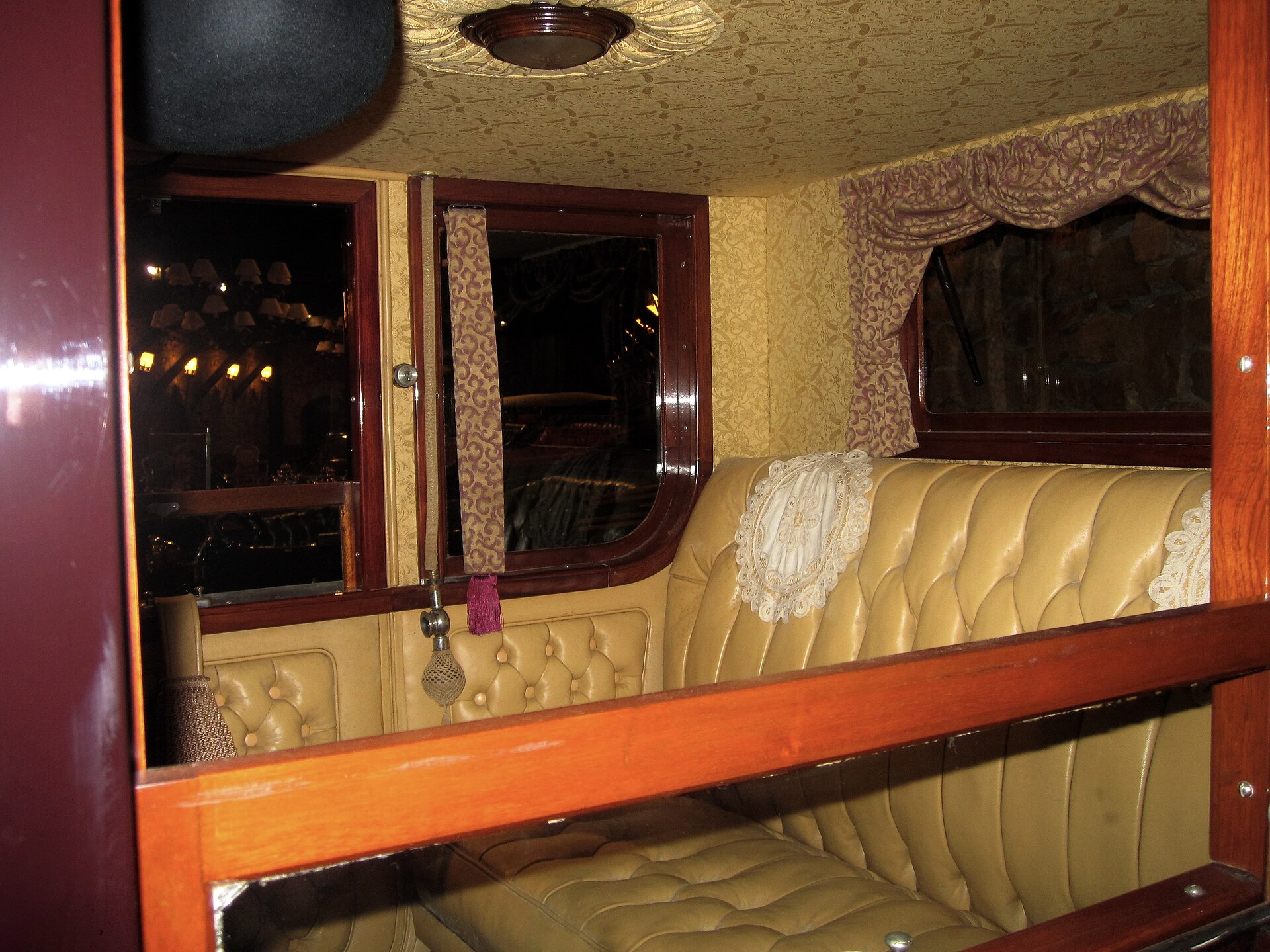
Rolls-Royce Ghost vs Bentley Flying Spur: The Ultimate Luxury Sedan Showdown
Two pinnacles of automotive luxury—one whispers of effortless perfection, the other roars with grand touring heritage. Which masterpiece belongs in your garage? Here's the uncompromising truth about both.
The Titan Clash: British Heritage Meets Entrepreneurial Vision
When you reach the pinnacle of automotive luxury, the conversation stops being about transportation and becomes about identity. The Rolls-Royce Ghost and Bentley Flying Spur represent two radically different interpretations of what it means to build the world's finest sedan.
Rolls-Royce whispers the philosophy of "effortless superiority." Every element of the Ghost is designed around one principle: the car should be so refined that the driver is isolated from reality itself. The suspension system, famous for its "magic carpet" quality, doesn't just absorb bumps—it erases them. The dual-turbo V12 produces power so smoothly that passengers genuinely cannot tell when the car is accelerating.
Bentley, conversely, embraces the "grand touring" tradition. The Flying Spur is more powerful, sportier, and explicitly engineered for drivers who want to feel the road while still cocooned in leather and burled walnut. Bentley says: "Yes, this is a luxury sedan. But it's also a proper sports car." Where Rolls-Royce removes the driver from the experience, Bentley invites the driver to conduct a symphony.
The choice between them isn't about which is objectively superior. It's about which vision of luxury aligns with yours. Let's explore both in forensic detail.
Brand Philosophy: Effortless Perfection vs. Grand Touring Prowess
Understanding the Ghost and Flying Spur requires understanding the companies that built them. Rolls-Royce Motor Cars, established in 1906, built the first cars explicitly for the ultra-wealthy elite. The company's founding principle was simple: money shouldn't constrain perfection. If a component could be improved by hand-finishing an extra hour, so be it. If a paint job required seven layers and took six months, that was the standard.
Bentley, established the same year but with a different vision, was born from racing pedigree. W.O. Bentley founded the company on the principle of building "fast cars for fast gentlemen." While Rolls-Royce chased absolute perfection, Bentley chased the checkered flag. That DNA persists today: Bentley still races. Rolls-Royce stopped racing in 1913.
Modern Rolls-Royce Ghost owners are typically old money, royalty, or established business titans who value invisibility. The Ghost doesn't announce itself. It glides. Modern Bentley Flying Spur owners are often technology entrepreneurs, new wealth, and executives who believe luxury should also be performant. The Flying Spur performs.
This philosophical divide shapes every decision, from suspension tuning to interior layout. And it explains why choosing between them is so revealing about who you are.
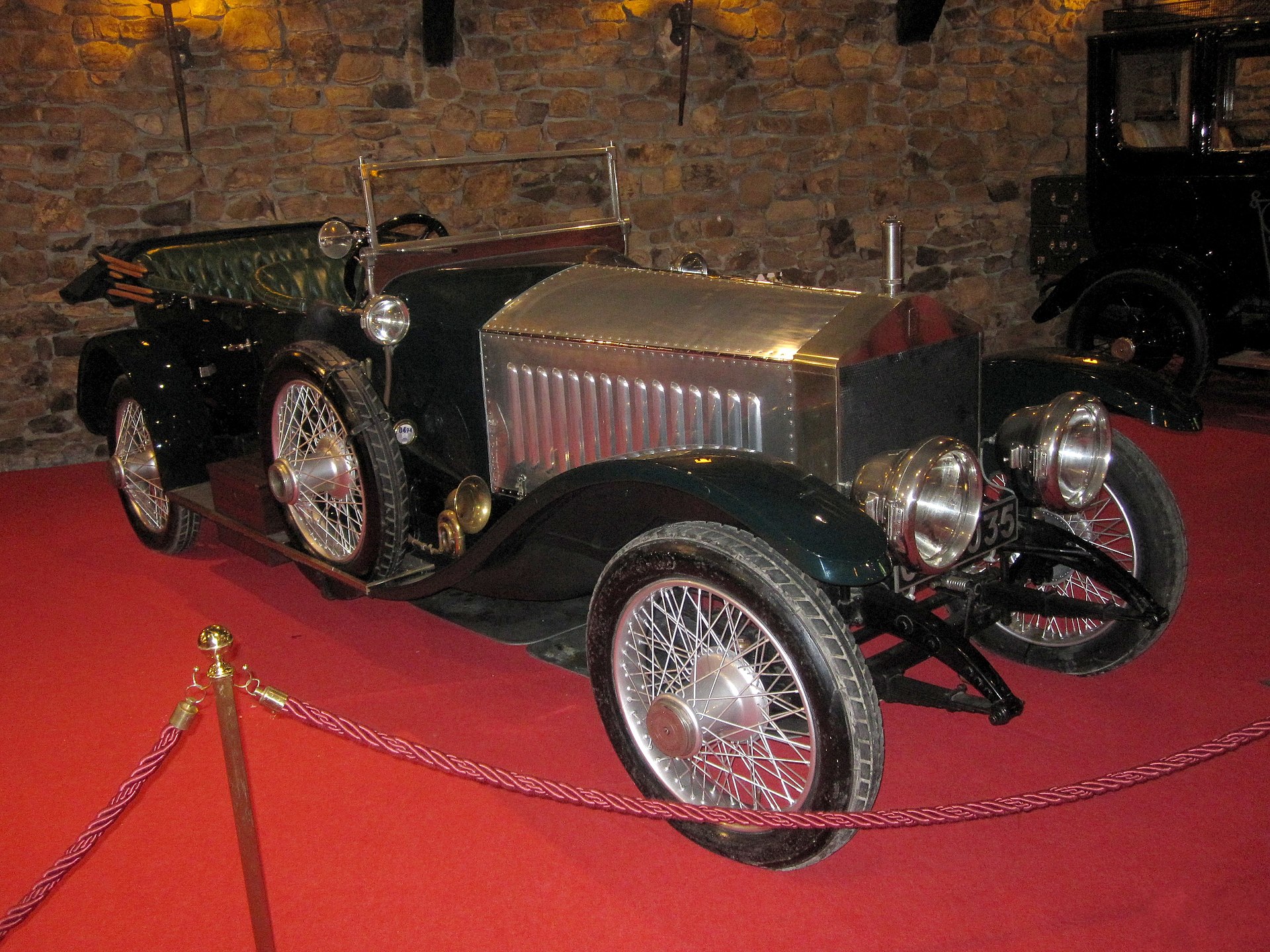
Powertrain and Performance: The Heart of the Difference
Here's where the divergence becomes visceral.
The Rolls-Royce Ghost is powered by a twin-turbocharged 6.6-liter V12 producing 563 horsepower and 575 lb-ft of torque. Those numbers seem modest compared to the Flying Spur, and that's intentional. Rolls-Royce engineers those numbers for smoothness, not drama. The Ghost accelerates from 0-60 mph in 4.6 seconds—genuinely quick, yet so seamlessly that passengers barely notice the transition from 0 to highway speed.
The Bentley Flying Spur is powered by a twin-turbocharged 6.0-liter W12 engine producing 626 horsepower and 664 lb-ft of torque. The W12 architecture, shared with Porsche and Audi, is a engineering marvel: 12 cylinders arranged in a W configuration that reduces engine length while maintaining displacement. The result is explosive 0-60 acceleration in 3.7 seconds—a full second quicker than the Ghost—and a visceral feel of power deployment that Rolls-Royce deliberately avoids.
This speaks to fundamental philosophy. Rolls-Royce believes the driver shouldn't notice they're driving. Bentley believes the driver should enjoy it. The Ghost gets there without the driver feeling anything unusual. The Flying Spur gets there, and the driver feels like they're piloting a grand touring sports car that happens to be a sedan.
Both feature 8-speed automatic transmissions, both offer all-wheel drive, and both will hit 190+ mph—but you'll never exceed 130 mph in either car for long, because the owner never wants to reach the "limit" of anything. But the sensation of how they accelerate tells a complete story about brand values.
The Ride: Magic Carpet Waftability vs. Sporting Character
The Ghost's suspension system is genuinely unique in automotive engineering. Rolls-Royce engineers call it the "magic carpet ride." They've engineered the independent double-wishbone front suspension with hydraulic interconnection between the front and rear axles. The system uses real-time adaptive damping that adjusts thousands of times per second to minimize body roll and noise transmission.
The result is otherworldly. Drive the Ghost over a road covered in potholes, and you'll genuinely feel nothing. Not "less vibration"—literally nothing. The car rises and falls internally while the passenger cabin remains as still as a drawing room. One owner described it as "floating on a cloud made of money." That's hyperbolic but not entirely wrong.
Bentley engineers took a different approach with the Flying Spur. They installed a continuously damping air suspension with optional Dynamic Ride technology—and they deliberately tuned it to communicate road feedback to the driver. The Flying Spur's suspension is responsive, alert, and communicative. It isolates passengers from discomfort while giving the driver enough feedback to feel connected to the road and confident in the car's capabilities.
On a smooth highway, both feel genuinely magical. On a rough city street, the Ghost feels like it's defying physics, while the Flying Spur feels like a high-performance machine that's choosing to be gentle. Neither is objectively better—they're different philosophies of what luxury means.
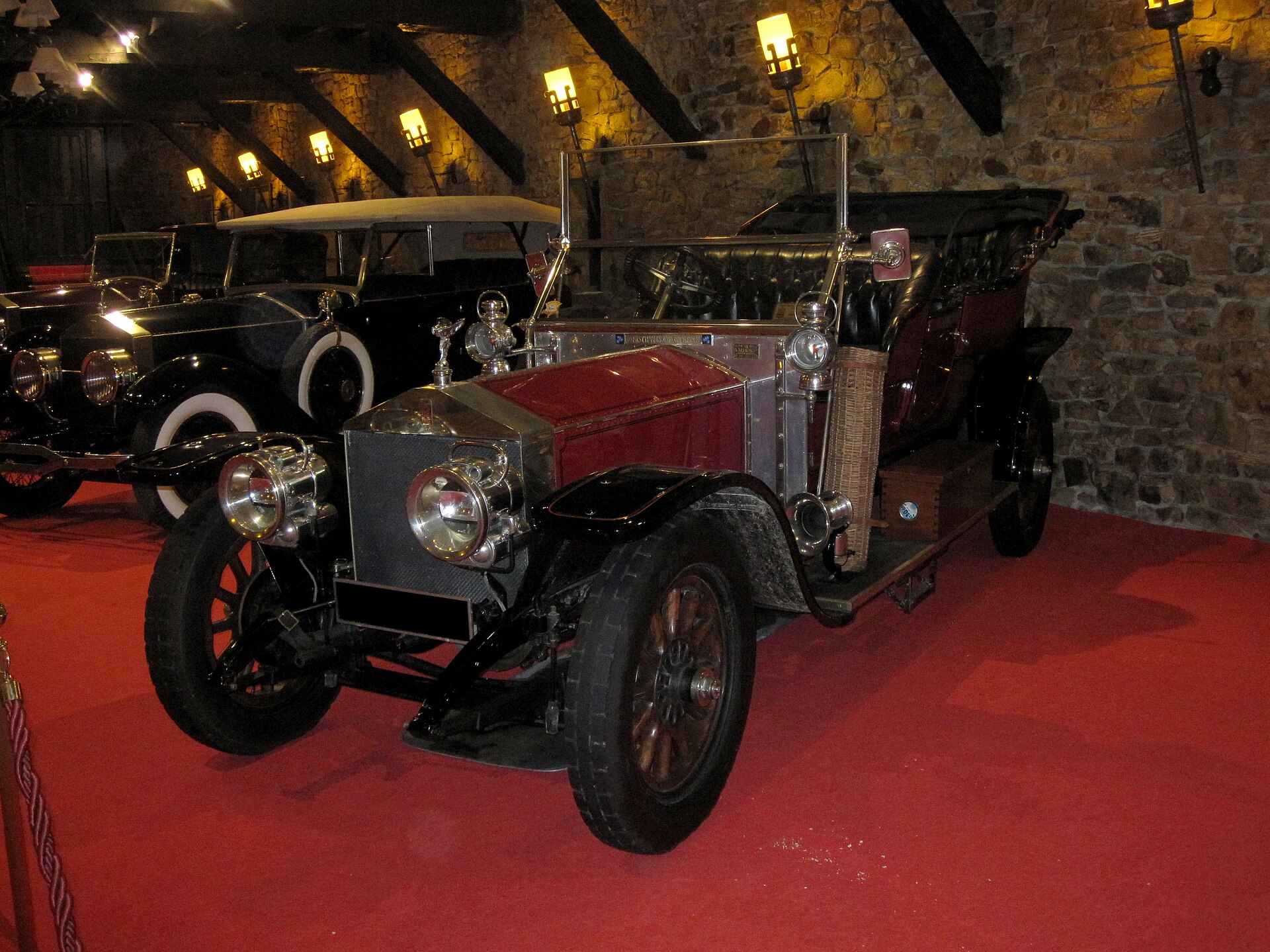
Acceleration: Ghost 4.6s vs. Flying Spur 3.7s
The published 0-60 times tell an incomplete story. Real-world acceleration feels dramatically different in these two cars because of how the power is delivered.
The Ghost accelerates with such seamlessness that passengers barely realize they're accelerating. You request speed through the throttle, and the car provides it without drama or announcement. By the time you've merged onto the highway, you're at 60 mph and genuinely unsure when it happened. This is intentional Rolls-Royce engineering: acceleration should be a forgone conclusion, not an experience.
The Flying Spur's extra nine-tenths of a second acceleration time translates to a more visceral experience. You feel the W12 engine respond. You sense the weight transfer. The transmission downshifts with purpose. It's still refined and smooth—this isn't a muscle car—but it's absolutely a performance vehicle masquerading as a sedan.
Real-world data shows that in 10-60 mph rolling acceleration, the difference disappears almost entirely. But in that initial 0-60 window, the Flying Spur's more assertive power delivery makes its speed feel more real.
Interior Craftsmanship: Starlight Headliners and Bespoke Perfection
Both cars will bankrupt you in options. Both offer customization possibilities that approach infinity. But they approach craftsmanship differently.
The Ghost's cabin is organized around principles of simplicity and quality. The signature element is the starlight headliner—a ceiling hand-embroidered with over 1,000 fiber-optic lights that mimic constellations or custom patterns the owner selects. The dashboard is a study in restraint: minimal buttons, seamless leather, wood veneers so precise they appear to be single pieces despite being composite materials. The seats are hand-stitched and available in virtually any leather color imaginable. Climate zones operate independently, creating personalized microclimates for each passenger.
The Flying Spur's interior is more visually complex. It features a more prominent infotainment system, more traditional luxury car design with obvious technology integration, and arguably more "visual" luxury. The leather is equally exceptional, the woods equally fine, but the design language is more contemporary and sportier. Where the Ghost whispers, the Flying Spur speaks in complete sentences.
Customization options:
- Ghost: 44 standard leather colors, unlimited bespoke options including contrast stitching, personalized interior trim, hand-painted features
- Flying Spur: 30 leather colors, extensive wood finishes, customizable ambient lighting, branded jewelry (Mulliner editions), personalized commute profiles
The Ghost wins on raw personalization ceiling. Rolls-Royce will literally hand-paint your family crest on the dashboard or weave your initials into the headliner. Bentley offers similar bespoke services through their Mulliner division, but Rolls-Royce treats customization as the core offering, not an afterthought.
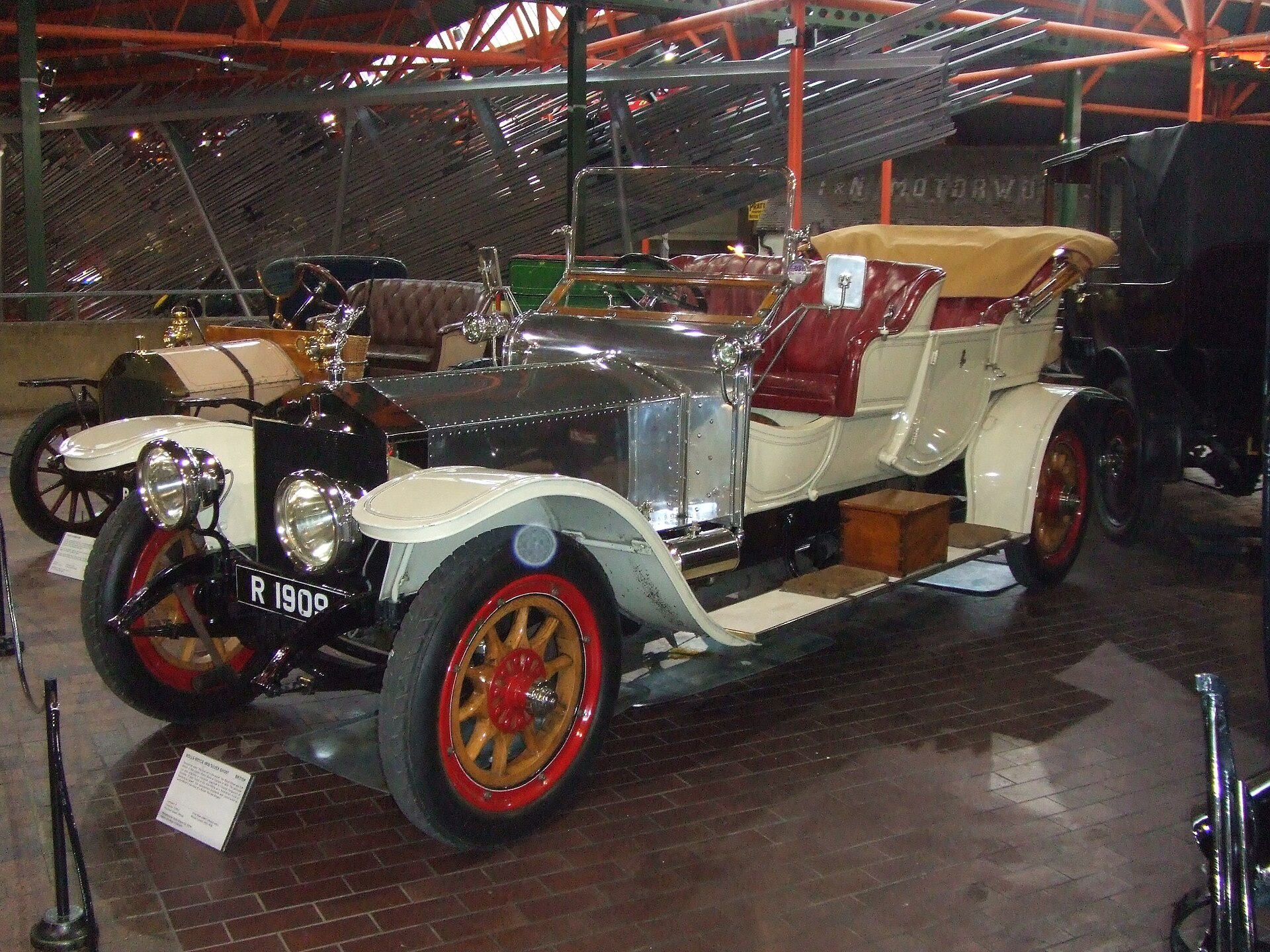
Rear-Seat Experience: Where Passengers Actually Matter
In the Ghost, rear passengers matter more than the driver. The rear seat receives the magic carpet suspension first. The rear climate control is independent. There's a rear-seat entertainment system. The rear windows are electrically tinted. The goal is that rear passengers feel more luxurious than the driver—which is the actual point when you can afford a Ghost (because you're likely being driven).
The Flying Spur's rear seat is luxurious but more driver-focused. The rear passengers enjoy leather, wood, and comfort, but the car's performance character means they'll feel acceleration, cornering, and deceleration more directly. Bentley's approach is: both front and rear passengers should feel like they're in a sporting vehicle that happens to prioritize comfort.
For chauffeur-driven scenarios, the Ghost is unquestionably the better choice. For owners who drive themselves and occasionally have passengers, the Flying Spur is more engaging.
Technology and Infotainment
The Ghost features a simplified infotainment system prioritizing intuitive control. The system includes a 12.3-inch display, satellite navigation, smartphone integration, and a premium sound system. But notably, the Ghost minimizes technology visibility—it's available but not in-your-face.
The Flying Spur features Bentley's more robust infotainment system with a dual-screen setup, advanced navigation, AI-assisted control features, and a Naim audio system that's genuinely reference-grade. The Flying Spur's technology is more visible and more engaging because the driver is expected to interact with it.
Exterior Presence: Understated vs. Unmistakable
The Ghost's exterior is deliberately restrained. Long hood, graceful lines, minimal badging. You know it's a Rolls-Royce, but it doesn't scream it. The famous Spirit of Ecstasy hood ornament is actually smaller than previous generations because Rolls-Royce believes the car should be recognizable without theatrical gestures.
The Flying Spur is more assertive. Broader stance, more prominent grille, clearer visual aggression. It's still utterly refined—this isn't a muscle car—but it announces itself. The badges are more prominent. The stance is sportier. The overall aesthetic says "high performance" while the Ghost says "high class."
Pricing: The Brutal Economics of Uncompromising Luxury
Here's where the gap becomes stark.
| Category | Rolls-Royce Ghost | Bentley Flying Spur |
|---|---|---|
| Base MSRP | $332,000 | $223,000 |
| Average Configured Price | $475,000 | $315,000 |
| Top Spec with Options | $550,000+ | $425,000+ |
| Annual Insurance | $4,500–$7,500 | $3,500–$6,500 |
| Annual Maintenance | $5,000–$8,000 | $4,500–$7,000 |
| 3-Year Depreciation | 28–32% | 32–38% |
The Ghost carries a $109,000 premium over the Flying Spur. That's not a small difference—it's the price of a legitimately nice car. That premium pays for the magic carpet ride, the bespoke customization ceiling, and the historical prestige of owning a genuine Rolls-Royce.
Maintenance costs are similar, though the Ghost edges higher due to the complexity of its suspension system. Insurance is comparable. Both depreciate at luxury sedan rates, losing roughly 30% of their value over three years.
The critical question: Is the Ghost experience worth an extra $100,000+ compared to the Flying Spur? That's a personal calculation. For old-money families and established business titans, the answer is often yes. For tech entrepreneurs and executives who value performance alongside luxury, the Flying Spur's value proposition becomes more attractive.
Bespoke and Customization Options
Rolls-Royce offers essentially unlimited bespoke customization through the Bespoke Collective division. Clients have commissioned Ghost sedans with:
- Hand-painted interior murals inspired by personal art collections
- Leather infused with scents matching personal preferences
- Acoustic engineering that dampens specific frequencies based on owner hearing profiles
- Headliners embroidered with family histories or personal philosophies
- Wood veneers inlayed with precious metals or semi-precious stones
Bentley's Mulliner customization division offers similar bespoke work, but Rolls-Royce's reputation and infrastructure for extreme personalization is unmatched. If you want to build the world's most personal car, Rolls-Royce is the answer.
Chauffeur-Driven vs. Self-Driven Experience
Here's a practical distinction that separates ownership demographics.
The Ghost is optimized for chauffeur-driven operation. Rear passengers experience the absolute pinnacle of automotive luxury. The driver is almost secondary—their job is to facilitate the rear passengers' comfort. If you're buying a Ghost and planning to drive it yourself, you're actually underutilizing the car's true purpose.
The Flying Spur is optimized for owner-driven scenarios. Yes, it can be chauffeur-driven, and rear passengers will be comfortable. But the car was designed for an owner who drives, who wants to feel the road, who enjoys the performance characteristics. The Flying Spur rewards drivers who engage with the vehicle.
This distinction isn't trivial. It directly speaks to buyer profile: Ghost buyers tend to hire drivers; Flying Spur buyers tend to be drivers themselves.
Maintenance Costs: Both Are Expensive, In Different Ways
Annual running costs for both vehicles:
| Expense Category | Rolls-Royce Ghost | Bentley Flying Spur |
|---|---|---|
| Routine Service | $4,000–$6,000 | $3,500–$5,500 |
| Tires (amortized) | $2,000–$3,500 | $2,000–$3,000 |
| Brakes (amortized) | $1,500–$2,500 | $1,500–$2,000 |
| Fuel (estimated 12 mpg) | $3,500–$4,500 | $3,500–$4,500 |
| Total Annual | $11,000–$16,500 | $10,500–$15,000 |
The Ghost edges higher due to the complexity of its suspension system and the cost of specialized parts. But the difference is marginal—roughly $500-$1,500 annually. Honestly, running costs are so similar that this shouldn't be a deciding factor.
Depreciation Patterns: Holding Value as Ultra-Luxury Investments
Both cars depreciate at similar rates, losing 30–35% of purchase price over three years. However, the pattern differs:
Rolls-Royce Ghosts with exceptional specification and low mileage actually appreciate among collectors. A 2020 Ghost in pristine condition with extraordinary personalization can sell for more in 2026 than the original purchase price. This is rare but documented.
Bentley Flying Spurs depreciate more predictably. The value decline is steady and proportional to mileage and age. This makes used Flying Spurs better bargains, but less likely to appreciate unexpectedly.
Let Automonitor Find Your Perfect Luxury Sedan
Deciding between Ghost and Flying Spur? Our luxury car specialists help high-net-worth clients navigate the luxury sedan market with expert guidance on pricing, spec selection, and long-term value.
Schedule a Consultation →Insurance: The Cost of Ultra-Luxury
Insurance varies by location, driving history, and use case, but generally:
A Rolls-Royce Ghost costs $4,500–$7,500 annually to insure. The higher cost reflects the car's value, replacement cost, and specialized repair requirements.
A Bentley Flying Spur costs $3,500–$6,500 annually. The slightly lower cost reflects marginally better reliability statistics and more widely available repairs.
Both require comprehensive and collision coverage with high limits. Neither is insurable through standard carriers—you need specialty luxury car insurers (Allianz, Hagerty Premium, etc.). Get insurance quotes before making the purchase decision.
Status Perception: What Each Car Says About You
This is the conversation nobody wants to have, but it's fundamental to the choice.
A Rolls-Royce Ghost announces established wealth and tradition. It says you didn't have to try—you inherited a standard of excellence and you're maintaining it. It's the car of choice for royalty, old-money families, and CEOs of century-old companies. It projects understated confidence and lineage.
A Bentley Flying Spur announces accomplished success and good taste. It says you've reached the pinnacle and you're enjoying it. It's the car of choice for tech founders, private equity executives, and self-made entrepreneurs. It projects achievement and engagement with life.
Neither perception is inferior. They're simply different audiences. In London, the Ghost speaks to the City. In Silicon Valley, the Flying Spur speaks louder.
Which Buyer Profile Fits Each Car?
The Old Money Buyer: Rolls-Royce Ghost. You value tradition, understated elegance, and the continuation of family standards. You'll be driven. You care about the invisible qualities that only insiders recognize. The Ghost is your car.
The Tech Entrepreneur: Bentley Flying Spur. You've built something remarkable. You want to enjoy it, feel it, drive it. You value performance alongside luxury. You want people to know you're successful but you're not trying too hard. The Flying Spur is your car.
The Corporate Executive: Bentley Flying Spur. You need a car that projects authority, success, and sophistication—but you still drive yourself to the office. The Flying Spur balances luxury with performance and practicality.
The Billionaire Collector: Rolls-Royce Ghost. You're buying an icon that will appreciate. You're commissioning bespoke art. The car is a personal statement. Only Rolls-Royce offers this level of customization and prestige elevation.
Head-to-Head Comparison
| Specification | Rolls-Royce Ghost | Bentley Flying Spur |
|---|---|---|
| Engine | 6.6L Twin-Turbo V12 | 6.0L Twin-Turbo W12 |
| Horsepower | 563 hp | 626 hp |
| Torque | 575 lb-ft | 664 lb-ft |
| 0–60 mph | 4.6 seconds | 3.7 seconds |
| Top Speed | 155 mph | 190 mph |
| Transmission | 8-Speed Automatic | 8-Speed Automatic |
| Drivetrain | All-Wheel Drive | All-Wheel Drive |
| Length | 207.9 inches | 208.3 inches |
| Curb Weight | 5,715 lbs | 5,360 lbs |
| Base Price | $332,000 | $223,000 |
| Average Configured | $475,000 | $315,000 |
| Annual Maintenance | $5,000–$8,000 | $4,500–$7,000 |
| Annual Insurance | $4,500–$7,500 | $3,500–$6,500 |
| Ride Quality | Magic Carpet | Adaptive Sportiness |
| Customization Ceiling | Unlimited Bespoke | Extensive Mulliner |
| Rear-Seat Focus | Maximum | Balanced |
| Driver Engagement | Minimal Intentionally | Maximum |
Reliability and Ownership Reality
Both cars are remarkably reliable. Rolls-Royce and Bentley maintain rigorous engineering standards and thorough pre-delivery inspections.
The Ghost's suspension system is complex but proven. Some owners report occasional air suspension quirks, but major failures are rare. The W12 engine in the Flying Spur is equally proven—Porsche Panamera W12 owners report similar reliability.
Real-world ownership data shows both cars achieve 50,000+ mile ownership periods without major unplanned expenses if properly maintained.
Frequently Asked Questions
Q: Which car is faster?
A: The Bentley Flying Spur is objectively faster—3.7-second 0-60 vs. 4.6 seconds, and a 190 mph top speed versus 155 mph. But "faster" matters less at this price point than "feels fast to you."
Q: Which should I buy if I drive myself?
A: The Bentley Flying Spur. It's engineered for driver engagement. The Ghost is optimized for rear-passenger experience, which you'll miss if you're driving.
Q: Which holds its value better?
A: The Rolls-Royce Ghost, though only marginally. Low-mileage Ghosts with exceptional specification can appreciate. Flying Spurs depreciate more predictably but reliably.
Q: Can I use the Ghost as a daily driver?
A: Technically yes, but no. The Ghost is optimized for luxury, not practicality. Ground clearance is limited. The suspension is tuned for waftability, not pothole tolerance on rough roads. If you're daily driving, the Flying Spur is vastly more practical.
Q: What's the maintenance difference?
A: Negligible. Both cost $10,500–$16,500 annually to maintain and operate. The Ghost edges slightly higher, but not significantly enough to be a deciding factor.
Q: Which is better for chauffeur-driven service?
A: The Rolls-Royce Ghost without question. The entire car is engineered around rear-passenger experience. Chauffeurs report that rear passengers feel more luxurious in a Ghost than any other production car.
Q: How much room is there for customization?
A: The Ghost offers essentially unlimited bespoke customization. The Flying Spur offers extensive customization through Mulliner but within somewhat more defined parameters. If personal expression is critical, the Ghost wins.
The Final Verdict: Choose Based on Philosophy, Not Specs
The Rolls-Royce Ghost and Bentley Flying Spur are both masterpieces. They represent different visions of what it means to build the world's finest sedan, and both succeed completely at their intended purpose.
Choose the Ghost if: You believe luxury means invisibility and effortlessness. You value tradition and heritage. You'll be driven more often than you drive. You want the car that projects inherited excellence. You're willing to pay a premium for magic carpet suspension and unlimited customization.
Choose the Flying Spur if: You believe luxury means engagement and performance. You want to drive yourself and feel connected to the car. You value the marriage of sophistication and sportiness. You want to enjoy your success. You appreciate the W12 engine and responsive handling.
Neither choice is wrong. They're simply different expressions of ultra-luxury automotive excellence. And whichever you choose, you'll own one of the finest automobiles ever built.
Ready to Find Your Luxury Sedan?
Automonitor specializes in ultra-luxury acquisitions. Whether you're leaning Ghost, Flying Spur, or considering other options, our team helps high-net-worth clients navigate the market with expert pricing, inspection, and acquisition support.
Start Your Search →