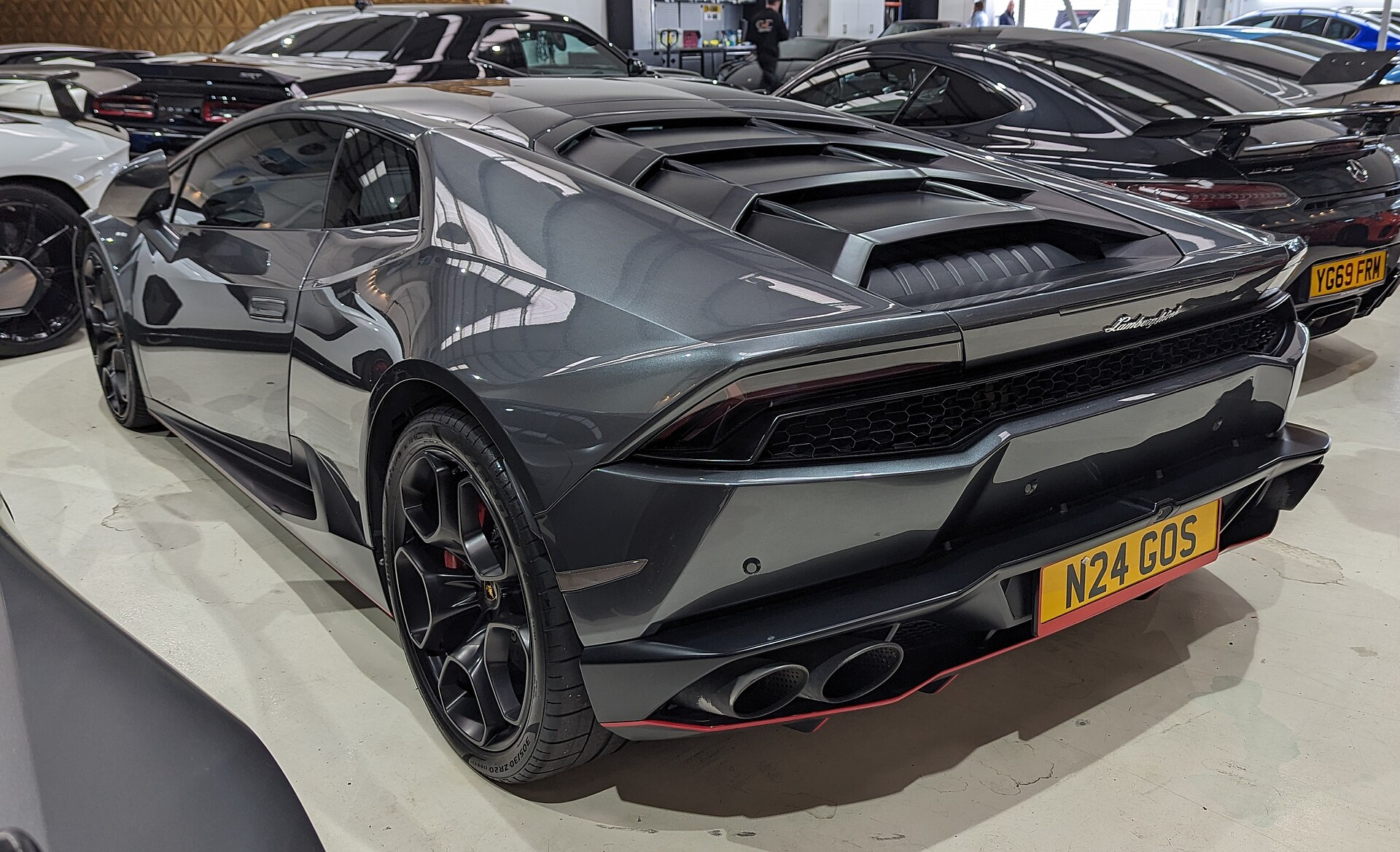
Huracan Sterrato Costs: What Off-Road Supercar Ownership Really Runs
1,499 built, most still under warranty, all above MSRP.
Owning the Most Unconventional Lamborghini Ever Made
The Lamborghini Huracan Sterrato defies every assumption about supercar ownership costs. As the only production supercar designed for off-road capability, its cost profile includes considerations that simply don't exist for any other vehicle in the exotic car market. With only 1,499 units produced in 2023 as the final naturally aspirated Huracan variant, the Sterrato already trades above its $273,547 MSRP—and most examples remain under factory warranty. This creates an unusual ownership cost window where many of the expenses that define exotic car ownership are temporarily covered by Lamborghini's factory guarantee.
Understanding the Sterrato's true cost of ownership requires examining both standard supercar expenses and the model's unique considerations: specialized Bridgestone Dueler all-terrain tires instead of track-focused rubber, underbody protection panels that may need replacement after enthusiastic gravel use, a roof-mounted LED light bar with its own maintenance requirements, and the fascinating question of whether an off-road supercar appreciates like a collector's item or depreciates like a regular vehicle. Early evidence strongly suggests the former.
Current Market Pricing
The Sterrato's market position is remarkably strong for a vehicle less than two years from initial deliveries. Original MSRP was $273,547 before options—and options on the Sterrato were extensive, with most delivered examples adding $20,000–$40,000 in Ad Personam specification, carbon fiber packages, and interior personalization.
| Specification | Mileage | Current Market Value |
|---|---|---|
| Standard colors, base spec | Under 1,000 mi | $300,000–$330,000 |
| Standard colors, base spec | 1,000–3,000 mi | $280,000–$310,000 |
| Ad Personam / special spec | Under 1,000 mi | $320,000–$360,000 |
| Ad Personam / special spec | 1,000–3,000 mi | $300,000–$340,000 |
| Verde Gea (signature green) | Any mileage | +$10,000–$20,000 premium |
The Sterrato's pricing resilience reflects its unique market position—there is literally no alternative. A buyer wanting an off-road-capable supercar from a major manufacturer has exactly one option. This monopoly on a niche creates price support that more conventional models lack. Bring a Trailer results and dealer listings confirm consistent above-MSRP trading for well-specified examples, with the trajectory suggesting further appreciation as the "last NA Huracan" narrative strengthens over time.
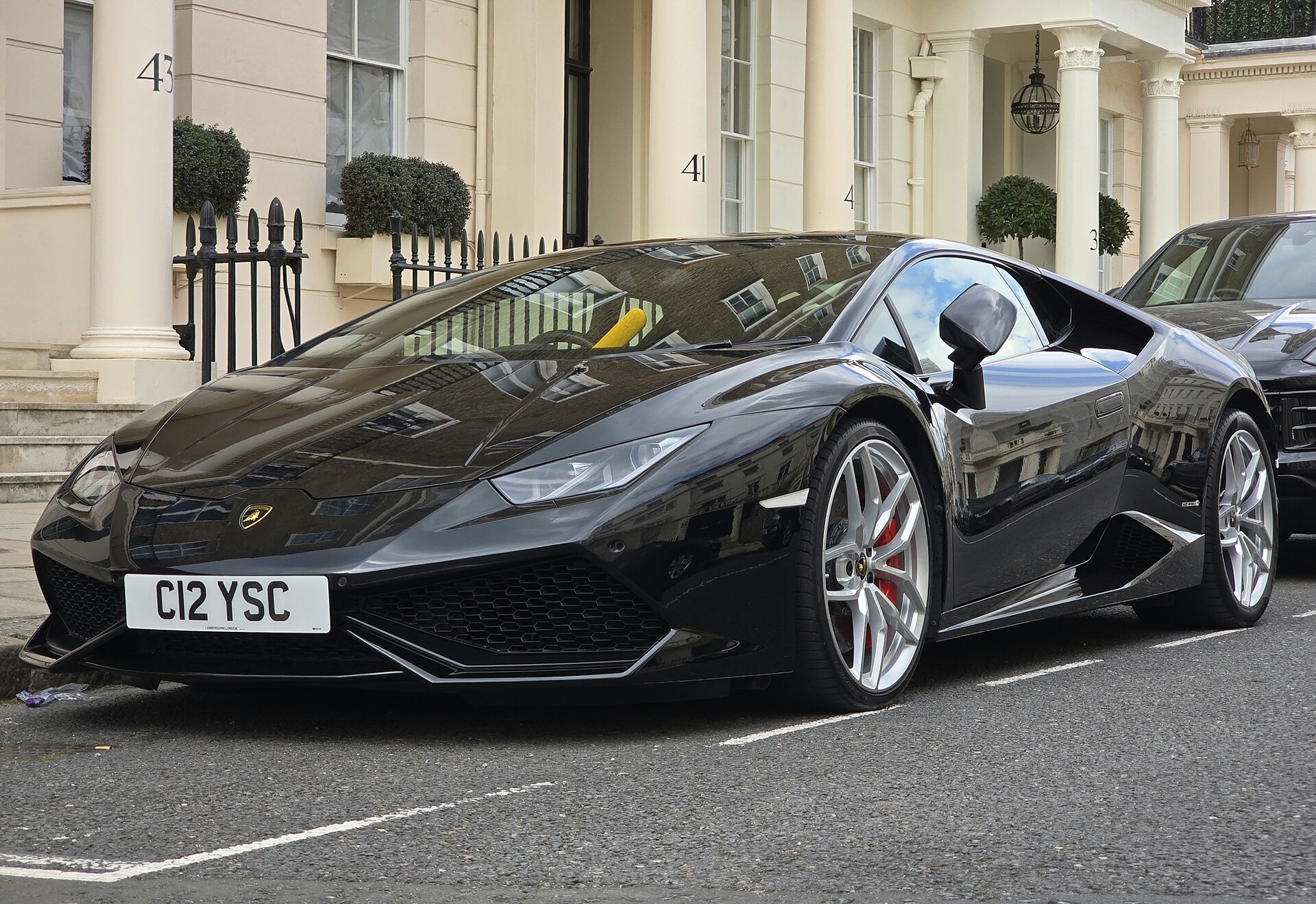
Factory Warranty: Your Biggest Cost Advantage
Most Sterratos remain within Lamborghini's factory warranty—3 years/unlimited miles from date of first delivery. This coverage represents extraordinary value for Sterrato owners, effectively eliminating unexpected repair costs during the warranty period. Given that most Sterratos were delivered in 2023 and early 2024, warranty coverage extends through 2026–2027 for most examples.
The factory warranty covers all mechanical and electrical systems, including the LDVI control system, the raised suspension components specific to the Sterrato, the integrated roll cage mounting points, and the signature roof-mounted LED light bar. Consumable items (tires, brake pads, wiper blades, fluids) are excluded, as are damage from misuse—though Lamborghini's warranty explicitly acknowledges the Sterrato's off-road capability, meaning gravel and dirt driving within reasonable parameters should not void coverage.
Extended warranty options through Lamborghini's own program add 1–2 additional years at approximately $5,000–$8,000 per year. For owners planning to hold the Sterrato beyond the factory warranty period, extended coverage provides excellent peace of mind given the vehicle's complex electronic systems and unique mechanical components. Third-party extended warranties from providers like Mopar Vehicle Protection and CarShield can offer competitive pricing but may not cover Sterrato-specific components as comprehensively.
Insurance for an Off-Road Supercar
Insuring a Sterrato presents unique challenges for insurance providers. The vehicle's off-road capability introduces risk scenarios that don't exist for conventional supercars—gravel damage, water crossing mishaps, and off-road incidents are theoretical possibilities that affect underwriting calculations.
Standard comprehensive coverage through mainstream insurers quotes $5,000–$9,000 annually, consistent with other Huracan variants. However, some insurers apply surcharges or exclusions related to off-road use. It's essential to confirm that your policy covers the Sterrato in its intended off-road use case—standard "road vehicle" policies may exclude damage sustained on unpaved surfaces.
Agreed-value policies through Hagerty or similar specialty insurers ($4,000–$7,000 annually for a $310,000 valuation) provide appropriate coverage that explicitly accounts for the Sterrato's unique positioning. When establishing an agreed value, document the vehicle's current market value with recent comparable sales to ensure adequate coverage in total loss scenarios. Given the Sterrato's appreciation trajectory, review and update agreed values annually to avoid being underinsured as the vehicle's market value increases.

Maintenance: Familiar Platform, Unique Components
The Sterrato shares the Huracan EVO's V10 engine and dual-clutch transmission, meaning core powertrain maintenance is identical to other Huracan variants—well-documented, predictable, and reasonable by exotic car standards.
Annual service ($2,000–$3,000): Oil and filter change, fluid inspections, electronic diagnostic scan, and general condition assessment. The Sterrato's additional systems—roof LED bar, underbody protection panels, raised suspension components—receive visual inspection during annual service. During warranty, any identified issues are resolved at no additional cost.
Major service at 2-year intervals ($5,000–$7,500): Full fluid replacement, spark plug change, transmission and differential service, brake system service, and comprehensive inspection. The Sterrato's ANIMA system with Rally mode requires specific electronic calibration verification during major service—something only authorized Lamborghini technicians should perform.
The Sterrato's unique underbody protection panels and raised suspension components may require attention after significant off-road use. Stone chips and debris impact on the underbody cladding is expected and cosmetic, but panel replacement costs $2,000–$4,000 if damage exceeds cosmetic levels. The titanium roll bar mounting points and integrated roof scoop should be inspected annually for any loosening or seal degradation.
Tires and Consumables: Different from Every Other Huracan
The Sterrato's most distinctive running cost comes from its unique tire specification. Rather than the Pirelli P Zero Corsa or Trofeo tires fitted to other Huracan variants, the Sterrato uses Bridgestone Dueler AT002 all-terrain tires—a bespoke specification developed exclusively for this vehicle. These tires cost $2,500–$3,500 per set and provide the dual-surface capability that defines the Sterrato's character.
Tire life depends heavily on driving surface mix. Predominantly road driving yields 10,000–15,000 miles per set—comparable to standard Huracan tires. Frequent gravel and off-road use reduces life to 6,000–10,000 miles due to increased tread wear from loose surfaces. The Bridgestone Duelers' compound prioritizes durability over ultimate grip, making them more forgiving in real-world conditions than the semi-slick tires fitted to the STO or Performante.
Carbon ceramic brake costs are consistent with other Huracans: $18,000–$25,000 for a complete rotor set, with street-only longevity of 40,000–60,000 miles. Brake pads ($2,000–$3,500/set) last 15,000–20,000 miles. Off-road use introduces additional particulate matter to the braking system that can accelerate pad wear—a consideration that should inform more frequent brake inspections for owners who regularly drive unpaved surfaces.
Fuel costs reflect the V10's appetite: approximately $3,000–$5,000 annually for typical exotic car mileage. The Sterrato's slightly lower power output (610hp vs 640hp in Performante/STO/Tecnica) and all-wheel-drive system result in marginally higher fuel consumption than RWD Huracan variants—approximately 12–14 mpg combined.

Sterrato-Specific Cost Considerations
LED light bar: The roof-mounted LED light bar is both the Sterrato's most distinctive visual feature and a potential maintenance item. Bulb or LED module replacement costs $1,500–$2,500 if individual elements fail. Seal degradation around the bar's mounting points (particularly after exposure to water crossings or heavy rain during off-road use) may require resealing at $500–$1,000.
Underbody cladding: The reinforced underbody protection system absorbs significant impact during off-road driving. Minor cosmetic damage is expected and can be left as "character marks" for a vehicle designed for this purpose. However, structural damage to protective panels requiring replacement costs $2,000–$4,000 per panel at authorized dealers. Budget $1,000–$2,000 annually for underbody maintenance if driving off-road regularly.
Paint protection: XPEL or 3M paint protection film is even more important on the Sterrato than conventional supercars. Stone chips from gravel driving are inevitable without PPF protection. Full-body PPF installation costs $6,000–$10,000 and is considered essential investment for any Sterrato that will be used as intended.
Rally mode alignment service: After extended off-road use, the Sterrato's alignment should be verified and adjusted if necessary. Alignment service costs $500–$800 at authorized dealers. Owners who frequently alternate between road and off-road driving should budget for quarterly alignment checks.
Five-Year Total Cost of Ownership
| Cost Category | Road-Only | Occasional Off-Road | Regular Off-Road Use |
|---|---|---|---|
| Purchase Price | $310,000 | $310,000 | $310,000 |
| Insurance (5 years) | $27,500 | $32,500 | $37,500 |
| Maintenance (5 years) | $14,000 | $18,000 | $25,000 |
| Tires (5 years) | $7,500 | $12,500 | $17,500 |
| Fuel (5 years) | $15,000 | $20,000 | $25,000 |
| PPF / Protection | $7,000 | $8,000 | $10,000 |
| Underbody / Unique Parts | $2,000 | $6,000 | $12,000 |
| Storage (5 years) | $15,000 | $15,000 | $15,000 |
| Total Carrying Cost | $88,000 | $112,000 | $142,000 |
| Estimated Appreciation | +$40,000 | +$30,000 | +$15,000 |
| Net 5-Year Cost | $48,000 | $82,000 | $127,000 |
The Sterrato's net ownership cost is remarkably favorable—road-only owners may spend under $10,000 annually net after appreciation, while even regular off-road users spend less annually than many luxury SUV owners. The combination of warranty coverage for the first 3 years, moderate consumable costs relative to track-focused variants, and strong appreciation potential makes the Sterrato one of the most financially sound Lamborghini purchases available today. For buying guidance, see our Sterrato buyer's guide, or explore selling strategies if considering liquidation.
Competitive Cost Comparison
The Sterrato has no direct competitor—no other manufacturer produces an off-road-capable supercar—but comparing its costs against vehicles occupying adjacent market positions provides useful context. The Porsche 911 Dakar, the closest conceptual competitor, costs approximately $230,000–$280,000 with annual carrying costs of $10,000–$15,000. The Porsche is significantly cheaper to own but delivers substantially less power (473hp vs 610hp) and less exotic presence. The Mercedes-AMG G63 4x4 Squared occupies similar price territory ($350,000–$400,000) with higher annual operating costs due to its V8 engine's thirst and the complexity of portal axle maintenance.
Among Lamborghini stablemates, the Sterrato costs less to operate annually than the STO (no track consumable costs) and comparably to the Tecnica (similar maintenance profile). Its unique Bridgestone Dueler tires are actually less expensive per set than the Pirelli P Zero Corsa or Trofeo tires fitted to performance variants, and they last longer in normal driving conditions. The Sterrato's primary cost disadvantage versus the Tecnica is its higher purchase price ($310,000 vs $280,000 average), which increases insurance premiums and the capital at risk. Over a five-year period, the Sterrato's total cost of ownership is approximately $10,000–$15,000 higher than the Tecnica's—a modest premium for a dramatically more unique vehicle.
Long-Term Value and Investment Potential
The Sterrato's investment thesis rests on three pillars: extreme scarcity (1,499 units versus 3,000+ for the Tecnica), category uniqueness (no direct competitor exists or is planned), and historical significance (the last naturally aspirated Huracan variant ever produced). These factors collectively suggest strong long-term appreciation potential that could meaningfully offset ownership costs over extended holding periods.
Comparing the Sterrato to historical Lamborghini limited editions provides encouraging context. The Gallardo Balboni, a rear-wheel-drive special edition limited to 250 units, has appreciated approximately 150% from its original MSRP over 15 years. The Murcielago LP670-4 SV, limited to 350 units, has appreciated over 200%. While past performance doesn't guarantee future returns, the Sterrato's production numbers (1,499) and unique positioning suggest appreciation potential that could substantially exceed carrying costs over a 10–15 year holding period.
Owners maximizing long-term value should maintain impeccable service records at authorized Lamborghini dealers, preserve original components (particularly the signature LED light bar and underbody protection), keep mileage moderate (under 3,000 miles annually), and protect the vehicle's cosmetic condition with PPF and proper storage. These preservation-focused ownership practices are entirely compatible with regular driving enjoyment—the Sterrato is designed to be used, and moderate use with proper maintenance represents the optimal balance between enjoyment and value preservation.
Protecting the Sterrato's Unique Value
The Sterrato's distinctive design elements—roof LED bar, raised suspension, underbody cladding, integrated roll bar mounts—all contribute to its collector appeal and must be maintained in original condition to preserve maximum value. Owners should resist aftermarket modifications that alter the vehicle's factory specification; the Sterrato's value derives from its uniqueness as-delivered, and modifications that compromise originality reduce collector interest and resale positioning. Original equipment preservation includes maintaining the factory Bridgestone Dueler tire specification (even if other tires might offer marginally better road performance), keeping all factory underbody protection panels intact, and preserving the roof-mounted LED bar in working condition. Documentation of original specification—window sticker, build sheet, original purchase invoice—adds meaningful value support during eventual resale. These preservation-focused ownership practices cost nothing beyond awareness and intentionality, yet they protect thousands of dollars in future resale value.
Conclusion: Surprisingly Affordable Uniqueness
The Huracan Sterrato costs less to own than its sticker price suggests—warranty coverage, moderate consumable costs, and strong appreciation combine to create an ownership equation that outperforms most exotic car alternatives. Its unique position as the only off-road supercar means maintenance knowledge is concentrated at authorized dealers, but the underlying Huracan platform is well-understood and mechanically proven. For buyers who appreciate the Sterrato's rule-breaking philosophy, the ownership costs validate the purchase decision as both emotionally and financially rewarding.
Want Real-Time Lamborghini Huracan Sterrato Pricing?
Automonitor tracks actual transaction data across our dealer network — not estimates, not asking prices. Whether you're buying or selling, start with the numbers that matter.
See Current Market Data →