
Can You Daily Drive a Rolls-Royce?
Most people assume Rolls-Royce is exclusively for formal events and special occasions. But what if you could wake up every morning, walk to your garage, and drive one to work? Here's the complete reality of living with ultimate luxury as your everyday car.
The Short Answer: Yes, But Choose Your Model Carefully
You absolutely can daily drive a Rolls-Royce. Hundreds of owners do it right now. The Ghost, Spectre, and Cullinan are genuinely practical for everyday use despite their $300,000+ price tags. But here's the nuance that separates fantasy from reality: which Rolls-Royce you choose determines whether daily driving is a pleasure or a daily punishment. The Phantom? Difficult. The Ghost? Excellent. The Cullinan? Perfect. The difference lies in size, technology, and how Rolls-Royce engineered each model to operate in the real world.
This guide covers every current Rolls-Royce model, scores them on daily drivability, assesses the financial and practical realities of ownership, and addresses the legitimate challenges that come with piloting the world's most conspicuous automobile to the grocery store. Because living with a Rolls-Royce every day isn't about pretense — it's about understanding whether you're buying genuine luxury or just buying attention.
Daily Driving Scorecard: Model-by-Model Assessment
Every Rolls-Royce is built by hand, tailored to individual specifications, and engineered with fanatical attention to detail. But not every Rolls-Royce makes sense as a daily driver. Here's how they stack up:
| Model | Daily Score | Parking | Visibility | Practicality |
|---|---|---|---|---|
| Ghost | 8.5/10 | Manageable | Good | Excellent |
| Spectre | 9.0/10 | Good | Excellent | Excellent |
| Cullinan | 9.5/10 | Very Good | Excellent | Outstanding |
| Phantom | 6.0/10 | Challenging | Limited | Fair |
| Wraith | 7.0/10 | Decent | Adequate | Good |
| Dawn | 7.5/10 | Good | Good | Good |
The Size Challenge: Why Phantom Parking Is Your Biggest Enemy
The Phantom is 18 feet long. For context, that's three feet longer than a Ford F-150 SuperCrew. It weighs 5,500 pounds — more than a Range Rover. Turning radius? 38 feet. That means U-turns require serious planning, parking garages become anxiety-inducing, and parallel parking transforms from a minor task into an engineering problem. Standard parking spaces are 9 feet wide. The Phantom is 6'6" wide. You're leaving 6 inches of clearance. On both sides. While moving.
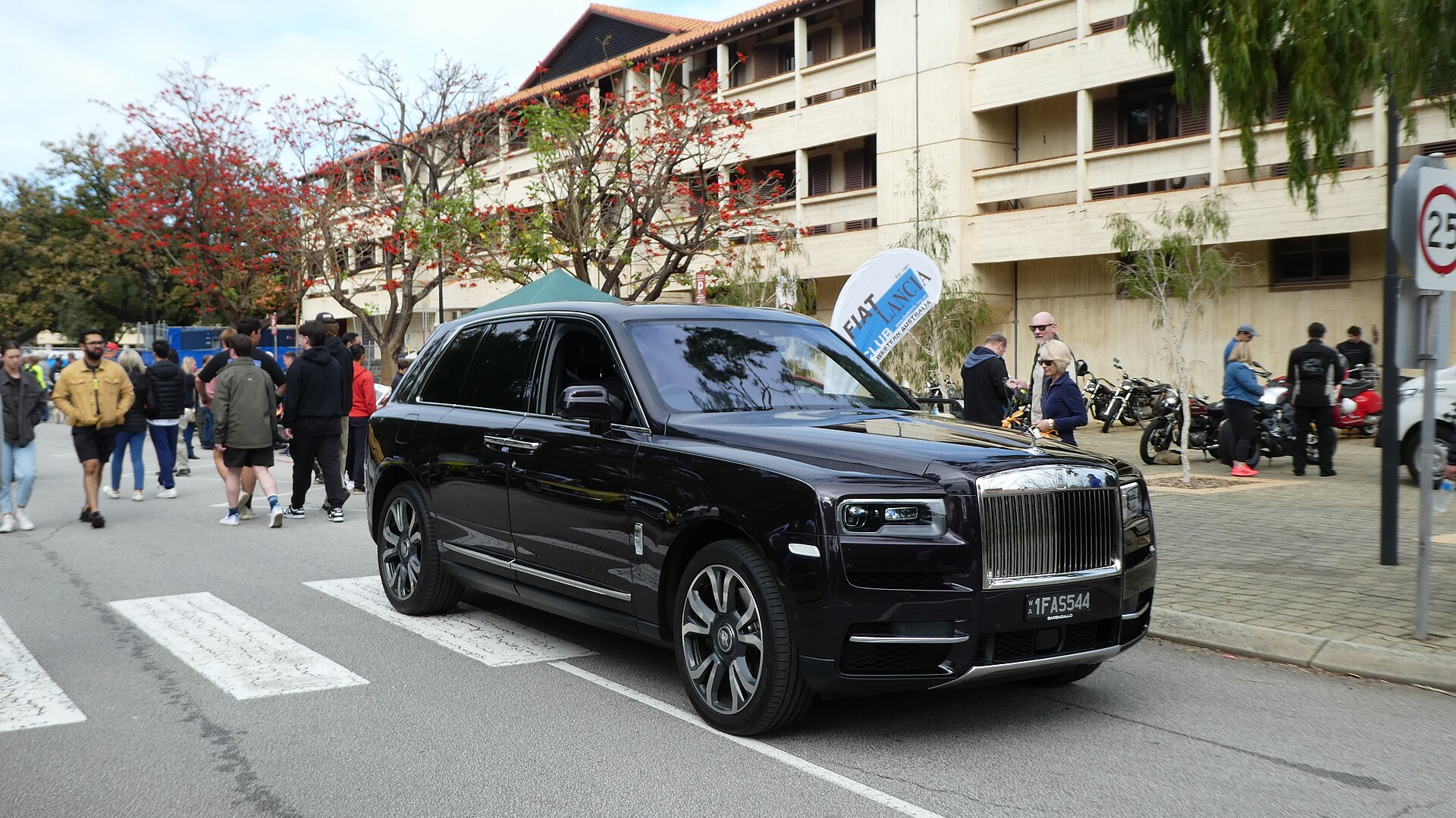
The Ghost, by contrast, is 17 feet long and 6 feet wide — still substantial, but significantly more manageable in real-world parking scenarios. The Cullinan SUV, despite being taller and heavier, actually handles parking better because drivers expect SUV dimensions and visibility is superior. The Spectre sits between the Ghost and Phantom in size but exceeds them in visibility thanks to its EV architecture.
This matters more than you think. If you park in tight urban environments, valet parking, or tight garages regularly, the Phantom becomes exhausting. The Ghost remains effortless. The Cullinan SUV is genuinely easy to maneuver in most real-world situations.
Parking a Rolls-Royce: Coach Doors, Width Concerns, and Garage Realities
Rolls-Royce doors open in opposite directions (like a limousine), a feature called "coach doors." This creates several practical implications for daily driving. In tight parking situations, you need extra space to open the rear doors. Standard parking lot spaces between cars become problematic. Narrow garages create door-swing conflicts. The driver's door on the Ghost and Cullinan opens conventionally, but passengers in the rear enjoy the theatrical coach-door experience — which means exiting your Rolls-Royce becomes a two-step process requiring clear space on both sides.
Garages matter. Ensure your home garage is at least 20 feet deep and 9.5 feet wide before committing to any Rolls-Royce. Parking in public structures requires advance consideration. Valet parking becomes attractive quickly because managing door swings, width, and length simultaneously transforms a simple activity into a logistical nightmare. Most serious daily-driver Rolls-Royce owners eventually opt for private parking solutions: underground garages, gated properties, or concierge parking at work and restaurants.
Fuel Economy and Range: The Real Cost of Motion
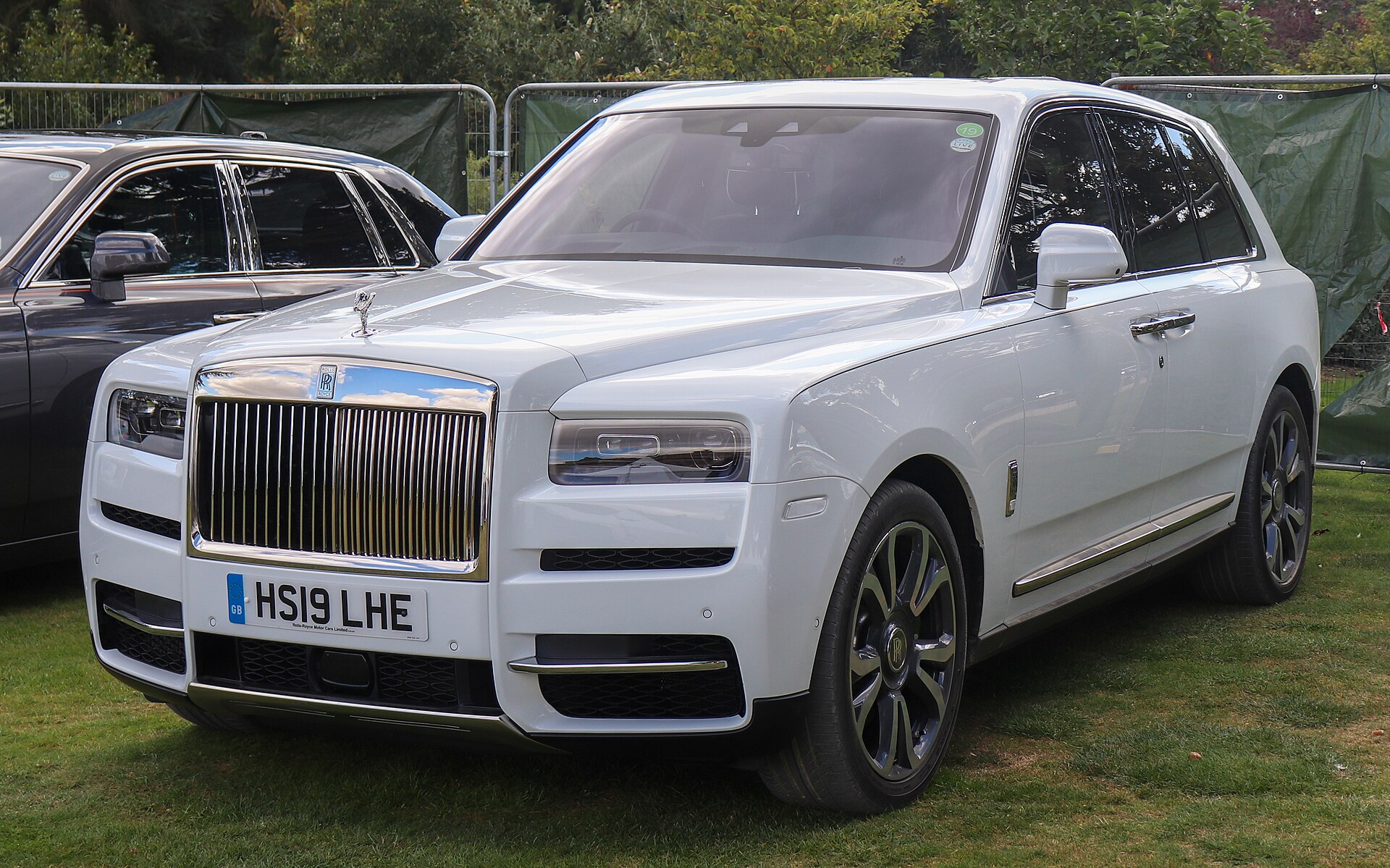
The Ghost Twin-Turbo (2020+) achieves roughly 14 mpg city and 22 mpg highway when driven conservatively. The Spectre, as a fully electric vehicle, provides approximately 260 miles of EPA-estimated range per charge. The Cullinan, despite its SUV size, returns similar fuel economy to the Ghost (14/22 mpg) due to aerodynamic optimization and modern engine technology. The Phantom, older and heavier, achieves approximately 11 mpg combined.
Translation: in daily urban driving, expect $60-$100 per day in fuel costs, depending on your commute distance and driving pattern. If you drive 40 miles daily in mixed conditions, you're spending roughly $100-$150 weekly on fuel in a Ghost or Cullinan. The Spectre changes this equation entirely — electricity is substantially cheaper than gasoline, and home charging becomes your primary refueling method. For daily driving specifically, the Spectre's electric powertrain eliminates range anxiety (260 miles covers most daily commutes several times over) and reduces your practical operating costs dramatically.
Insurance Costs: Expect $5,000–$10,000 Annually
Insuring a Rolls-Royce is expensive. Not exotic-car expensive — surprisingly, insurance is less costly than equivalent Lamborghinis or Ferraris because Rolls-Royce clientele drive less aggressively and the cars have excellent safety ratings. However, standard rates are dramatically higher than conventional vehicles. Expect $5,000-$10,000 annually for comprehensive coverage on a Ghost or Cullinan, assuming a clean driving record and appropriate discounts. The Spectre, as a newer technology vehicle with advanced driver-assistance systems, sometimes qualifies for modest discounts that reduce that range to $4,500-$8,500.
Specialty insurers who focus on ultra-luxury vehicles often provide better rates than mainstream companies. Hagerty, AIG Private Client, and similar providers understand Rolls-Royce ownership patterns and can tailor coverage appropriately. When shopping for insurance, expect to provide documentation of secure storage, annual mileage estimates (higher annual mileage increases premiums), and proof of a dedicated garage. Garaged vehicles with low annual mileage (under 10,000 miles) sometimes qualify for preferred rates.
Maintenance Costs: $3,000–$5,000 Annually Under Normal Conditions
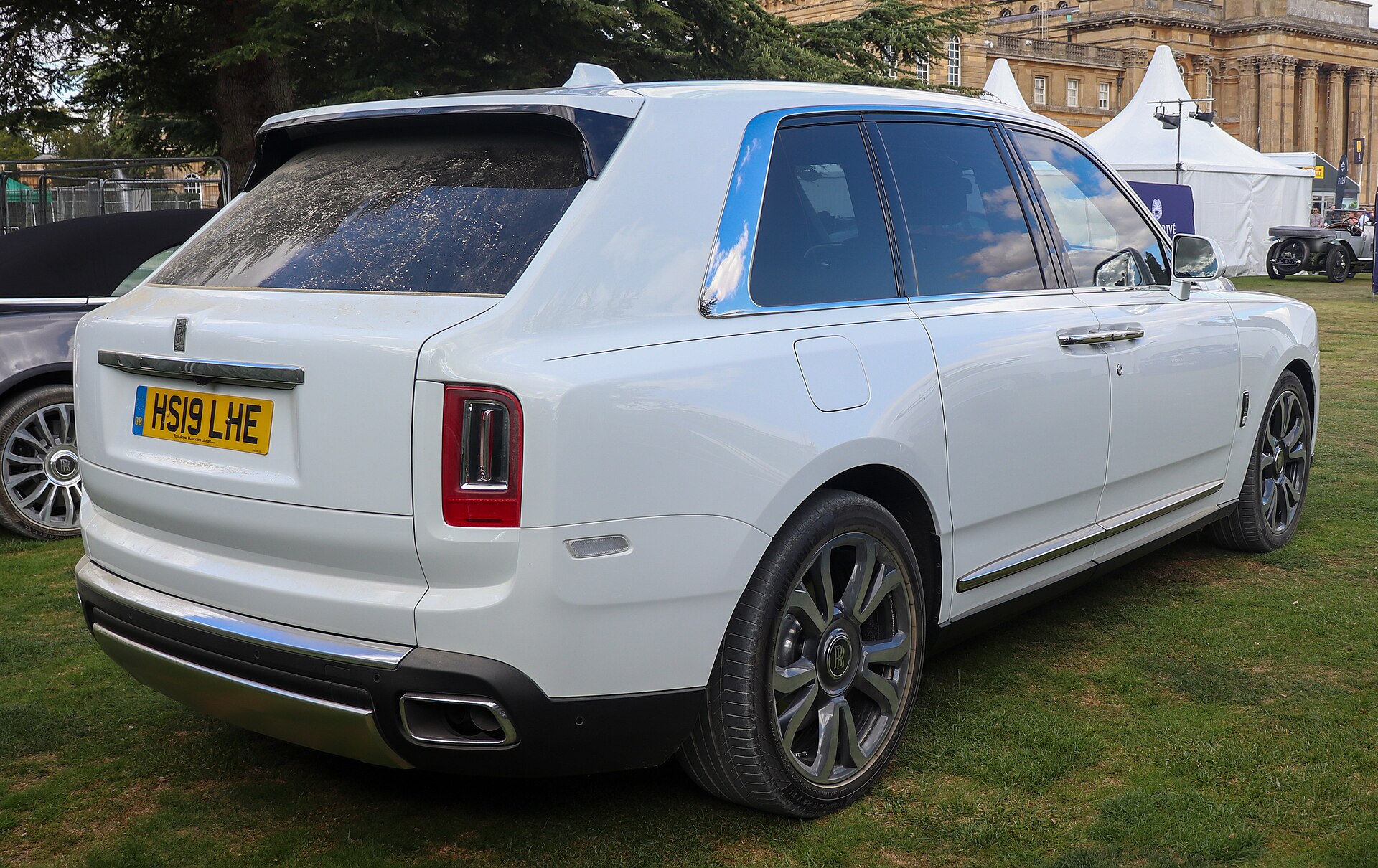
This is the surprise that delights Rolls-Royce daily drivers. Because Rolls-Royce vehicles use BMW-derived powertrains and electrical architectures, maintenance costs are far lower than mythology suggests. Routine maintenance (oil changes, inspections, fluid service) runs $3,000-$5,000 annually. Major repairs are pricey — a transmission service can exceed $10,000, and suspension work can cost $15,000+ — but these occur infrequently on well-maintained vehicles.
The critical consideration: buy a Rolls-Royce with full service history from an authorized dealer. Out-of-warranty repairs from independent shops can explode costs because Rolls-Royce-specific components carry premium pricing. A factory service plan, if available at purchase, locks in maintenance costs and protects you from surprise expenses. For daily drivers, this is money well-spent.
The Attention Factor: Rolls-Royce Gets Respectful, Lamborghini Gets Aggressive
This is the difference between fame and notoriety. A Lamborghini draws attention from people who think you're reckless. A Rolls-Royce draws attention from people who think you're successful. The psychological difference is enormous.
A Rolls-Royce on the street produces respectful attention. People point. Photographers appear. Children press faces to car windows. But the vibe is aspirational rather than confrontational. You're not attracting people who want to race you or film videos of aggressive acceleration. You're attracting people who want to understand how someone lives at that level of success.
For daily driving, this matters significantly. The respectful attention of Rolls-Royce ownership is often pleasant. Traffic calms around you because drivers respect the vehicle. Parking attendants provide extra attention. Service workers treat you differently — not necessarily better, but with deference that reflects the vehicle's presence. Compare this to a bright yellow Lamborghini or high-visibility sports car, which attracts aggressive attention, envious looks, and unwanted competition on the road. For commuting and daily life, Rolls-Royce's subtle status conveyance is superior to flashy performance car presence.
Reliability and Engineering: BMW Underpinnings Are Genuinely Solid
Rolls-Royce vehicles use BMW-derived powertrains, electrical systems, and underbody platforms. This is a profound advantage for daily driving because BMW engineering is extensively proven and parts availability is straightforward. The Ghost and Spectre use turbocharged twin-engine BMW architectures; the Cullinan uses a variant of the BMW X7 platform. This heritage means reliability rates are genuinely strong for ultra-luxury vehicles.
Owner forums reveal that well-maintained Rolls-Royce vehicles routinely exceed 100,000 miles with only routine maintenance required. Known weak points are minimal — some early Phantoms experienced suspension issues, certain Wraith models had minor electrical quirks — but these are exceptions rather than patterns. The Spectre, as a 2023+ introduction, has limited real-world mileage history, but early reliability data is positive.
For daily drivers, this is critical. You're not buying a temperamental Italian exotic that needs specialist attention every 500 miles. You're buying a German-engineered luxury car that happens to be hand-built in the UK and costs as much as a house. The engineering is sound.
To Chauffeur or Self-Drive: The Real Question for Daily Drivers
Most Rolls-Royce owners don't drive their vehicles — they employ chauffeurs. This is partly tradition and partly practical: the rear seat is genuinely better than the driver's position for enjoying luxury. But daily driving changes this equation. If you're commuting solo to work or running errands, you're the driver whether you like it or not. The question becomes: is the Rolls-Royce enjoyable from the driver's seat?
Answer: surprisingly yes. The Ghost offers excellent ergonomics, responsive steering, and genuinely engaging drive dynamics for such a large car. The Cullinan SUV provides commanding visibility and driver-focused controls. The Spectre, benefiting from EV torque and modern controls, is genuinely fun to drive. The Phantom is more sedated — it's engineered more for being driven than for driving — but it remains pleasant for daily use if you're patient with its size.
If you plan daily self-driving, the Ghost or Spectre are ideal. If you plan daily chauffeur service, any model works beautifully. If you want both options (self-drive some days, chauffeur service for special occasions), the Ghost and Cullinan offer the best balance. The Phantom works only if you're comfortable with its substantial dimensions.
Comfort for Daily Commuting: The Magic Carpet Ride
This is where Rolls-Royce ownership transforms daily driving. The suspension technology — particularly the Rolls-Royce Magic Carpet Ride adaptive suspension system — is extraordinary. Cameras mounted on the hood scan the road surface up to 30 meters ahead, and the suspension adjusts 100 times per second to optimize comfort. Potholes disappear. Speed bumps become minor ripples. Highway driving is effortless.
The cabin is nearly silent. At 70 mph, you can have normal conversations without raising your voice. Wind noise is absent. Engine noise is barely perceptible. The acoustic engineering alone — layers of sound-dampening material, triple-laminated glass, sealed seals — creates an environment where your commute feels like meditation rather than ordeal.
The seats are leather so supple it feels like fabric. Climate control adjusts continuously and invisibly. There's no perception of working air conditioning — the cabin simply maintains your preferred temperature. The steering is light at low speeds (parking) but progressive (highway driving feels controlled and responsive). The brakes are powerful but progressive, with a feel that inspires confidence even in emergency situations.
For daily commuting, the Rolls-Royce Ghost or Cullinan transforms your commute from unpleasant necessity into genuinely enjoyable experience. That's not marketing hyperbole — it's the practical reality of how these vehicles operate on daily roads.
Technology for Daily Use: Modern Connectivity Without Sacrificing Luxury
The Spectre, as a 2023+ model, includes the latest BMW iDrive 8 infotainment system with cloud connectivity, smartphone integration, wireless charging, and navigation that updates in real-time. The Ghost features iDrive 7 (2020+) with excellent usability and connectivity. The Cullinan includes intuitive navigation and smartphone connectivity. Even the Phantom includes modern technology, though the interface feels less contemporary than newer models.
Practically speaking, you get Apple CarPlay and Android Auto integration, wireless phone charging, voice control, and navigation that's competitive with non-luxury vehicles. You're not sacrificing technology or connectivity; you're simply experiencing it in an environment of unparalleled quietness and comfort.
The one area where older Rolls-Royce models show age is infotainment interface responsiveness. The Phantom's infotainment can feel sluggish compared to modern standards, but it's functional. The Ghost's system is significantly more responsive. The Spectre feels genuinely modern. For daily driving, where you'll interact with infotainment frequently, choose models from 2020 onward to ensure technology doesn't frustrate your experience.
Cargo Space: Adequate for Daily Needs, Insufficient for Road Trips
The Ghost provides 20.8 cubic feet of trunk space — similar to a BMW 7 Series. Suitable for groceries, gym bags, briefcases, and typical daily errands. The Cullinan offers 28.2 cubic feet with rear seats up, expanding to over 50 cubic feet with seats folded — excellent for weekend trips and larger cargo. The Spectre, being electric, has a comparably sized trunk (20.1 cubic feet) due to battery placement, but the low floor makes loading/unloading easier.
The Phantom's trunk is proportionally smaller relative to vehicle size, providing 18.5 cubic feet — tight for regular shopping trips. For daily driving involving grocery shopping, the Ghost and Cullinan are ideal. If your daily commute involves only small items (briefcase, laptop, gym bag), any model suffices. Plan on additional luggage for road trips beyond your trunk capacity.
The Spectre: The Best Rolls-Royce for Daily Driving
The Spectre deserves specific attention for daily drivers because it's the first fully electric Rolls-Royce, and that positioning creates genuine advantages over gasoline siblings. The 260-mile EPA range covers most daily commutes multiple times over. Home charging means you wake each morning with a full battery — no gas station visits. Electricity costs substantially less than premium fuel, reducing operational expenses significantly.
The Spectre's electric torque (664 lb-ft from instant standstill) makes acceleration effortless. There's no turbo lag, no gear shifts — just immediate power delivery that makes highway merging and traffic navigation genuinely fun. The single-speed transmission provides near-silent operation at all speeds. Driver visibility is excellent because the EV architecture allows designers to optimize sightlines without engine compartment constraints.
Is the Spectre $400,000+ expensive? Absolutely. But for someone committed to daily driving a Rolls-Royce, it's the most practical model currently available. The only downside is charging infrastructure — while improving rapidly, public charging networks are less ubiquitous than gas stations. For owners with home charging capability, this limitation is irrelevant.
The Cullinan: Perfect Daily Driver for Families
The Cullinan SUV is arguably the best overall daily-driver choice when considering entire families. The elevated driving position provides excellent visibility. The third-row seating accommodates children. The cargo space handles school supplies, sports equipment, and family travel. The all-wheel-drive system provides security in various weather conditions. Ground clearance is appropriate for speed bumps and minor obstacles.
For families who can afford Rolls-Royce ownership, the Cullinan offers practicality that sedan models simply can't match. You can drop children at school in the morning, run errands throughout the day, and arrive at evening events without compromising on luxury or capability. The ride quality and acoustic environment make family drives pleasant rather than stressful.
The Cullinan scores 9.5/10 for daily driving precisely because it resolves the tension between ultra-luxury and practical utility. It's the choice for serious daily drivers with family responsibilities.
The Ghost: The Balanced Choice for Most Daily Drivers
The Ghost represents the optimal balance between daily practicality and Rolls-Royce prestige. It's smaller than the Phantom, making parking and tight urban maneuvering manageable. It's larger than traditional sport sedans, providing genuine back-seat luxury for passengers. The twin-turbo engine provides adequate power for confident highway driving. The price, while enormous, is substantially less than Phantom, Spectre, or Cullinan models.
The Ghost scores 8.5/10 for daily driving because it sacrifices nothing essential while gaining real-world manageability. If you're committing to daily Rolls-Royce ownership without specific family or electric-driving requirements, the Ghost is the answer. It's the daily driver's Rolls-Royce.
Depreciation of Daily-Driven Rolls-Royce: The Financial Reality
This is the difficult truth: daily driving a Rolls-Royce accelerates depreciation beyond garage-queen examples. A Ghost that sits in a climate-controlled garage and covers 5,000 miles annually retains value better than one that covers 15,000 miles. Higher mileage, daily wear-and-tear, and the perception that the vehicle was "used" rather than "owned" all impact resale value.
Realistically, expect 50-60% value retention after five years of moderate daily driving (10,000 miles annually) on a Ghost or Cullinan. A Phantom may retain 45-50%. The Spectre, as a new model without significant resale history, is difficult to project, but early indicators suggest retention rates similar to the Ghost. Exceptionally low-mileage examples (5,000 miles annually) can retain 60-70%.
This matters significantly to purchase decisions. If you're buying a Rolls-Royce with plans to daily drive for five years then sell, understand that you're absorbing $150,000-$200,000+ in depreciation over that period. This isn't additional cost beyond ownership expenses — it's the real cost of using an ultra-luxury car daily. Some owners embrace this as the cost of the experience. Others lease instead.
Tips for Daily Driving a Rolls-Royce: Making It Work in the Real World
Invest in proper parking. Whether private garage, gated lot, or valet service, dedicate resources to secure parking. The investment pays dividends in reduced anxiety, improved security, and simplified logistics.
Establish relationships with dealers. Find a primary service location and build rapport with the team. Regular relationships with service managers and technicians simplify maintenance scheduling and ensure priority attention when issues arise.
Use protective services. Clear protective film on the front fascia, regular ceramic coating application, and professional detailing are investments that preserve value and maintain appearance despite daily road exposure.
Track maintenance meticulously. Keep records of all service, maintenance, and repairs. When you eventually sell, comprehensive documentation dramatically improves buyer confidence and resale value.
Consider mileage carefully. If you're concerned about depreciation, limit annual mileage to 8,000-10,000 miles. Plan longer trips for occasional weekend adventures rather than daily commute accumulation. The difference in retention between 10,000 and 15,000 annual miles is significant.
Plan for weather appropriately. Winter driving in a low-slung Ghost requires winter-tire investment and possibly a backup vehicle for extreme conditions. The Cullinan, with ground clearance and all-wheel drive, handles winter driving better. The Spectre's weight distribution (battery floor) actually improves traction but requires charging infrastructure reliability.
Use chauffeur service strategically. Employ a professional driver for high-stress situations (evening events, unfamiliar cities, severe weather) while self-driving for routine commutes and familiar routes. This hybrid approach balances enjoyment with practicality.
Ready to Own a Rolls-Royce?
Automonitor connects you with certified pre-owned Rolls-Royce specialists, handles inspections, and manages the entire ownership transition. Your daily luxury car awaits.
Start Your Journey →Daily vs. Weekend: The Psychological Shift
Many Rolls-Royce owners debate between daily and weekend-only driving. The psychological difference is substantial. Weekend-only drivers treat the car as a special-occasion indulgence, which creates anxiety around every drive ("I'll put scratches in the paint!" "What if something breaks?"). Daily drivers develop comfort, understanding, and genuine relaxation in the vehicle, which paradoxically often results in fewer issues because the car is driven regularly and maintained conscientiously.
From a psychological standpoint, daily Rolls-Royce ownership is often more satisfying than weekend-only ownership. You're not living with constant fear of damage; you're enjoying transportation that happens to be extraordinarily luxurious. That shift from anxiety to enjoyment justifies ownership for many drivers.
Frequently Asked Questions
Can you really park a Rolls-Royce normally?
Yes, though "normally" requires planning. The Ghost fits standard parking spaces with careful positioning. The Cullinan SUV is easier in most situations. The Phantom requires extra space and deliberate technique. Most daily-driver Rolls-Royce owners eventually prefer structured parking (valet, secured lots, or private garages) because it eliminates daily stress.
What's the real cost of owning a Rolls-Royce annually?
Beyond the purchase price, budget $10,000-$15,000 annually for insurance, maintenance, and fuel combined (assuming 10,000 miles annually). The Spectre reduces this to $8,000-$12,000 annually because electricity is cheaper than premium fuel. These figures assume no major repairs; unexpected work can add thousands.
Is the Spectre worth the premium for daily driving?
For owners with home charging capability, absolutely. The 260-mile range eliminates refueling stops, electricity costs less than gasoline, and the quiet electric operation is superior for daily commuting. If you lack reliable home charging, the Ghost or Cullinan is more practical.
Will daily driving destroy a Rolls-Royce's value?
Completely destroying, no. Reducing value, yes. Expect 10-15% additional depreciation for high-mileage daily drivers versus low-mileage garage queens. High-mileage but well-maintained examples actually hold value better than low-mileage examples with poor maintenance history.
Should I hire a chauffeur for daily driving?
Not necessarily. If you enjoy driving, the Ghost and Spectre are genuinely pleasant daily drivers. Hire a chauffeur for high-stress situations (evening events, unfamiliar cities, severe weather) while self-driving for routine commutes. This hybrid approach balances enjoyment with peace of mind.
Can you take a Rolls-Royce on road trips?
Absolutely, and it's genuinely pleasant. The suspension, acoustic engineering, and comfort make long-distance driving superior to most vehicles. The Ghost is ideal for 300-400-mile road trips. The Cullinan handles longer distances better due to cargo space. The Spectre requires charging infrastructure planning but is otherwise excellent for road trips.
What's the biggest practical problem with daily Rolls-Royce ownership?
Parking and maneuvering in tight spaces, particularly with the Phantom. The attention and perceived conspicuousness can feel overwhelming if you prefer anonymity. These are surmountable through proper planning, but they're genuine considerations for daily driving.
Is it weird to see a Rolls-Royce at a coffee shop drive-through?
Only if you think it's weird. Owners of daily-driver Rolls-Royces have transcended the idea that luxury cars are exclusively for formal occasions. You see them at grocery stores, coffee shops, car washes, and routine errands. It's refreshingly normal once you recognize that ultra-wealthy people actually live their lives daily in ultra-luxury vehicles.
The Final Verdict
Yes, you can daily drive a Rolls-Royce. But not every Rolls-Royce is equally suitable, and daily driving carries real financial and practical implications that shouldn't be minimized. The Ghost offers the optimal balance for most daily drivers — it's manageable in size, excellent in comfort, strong in technology, and less compromised than the Phantom while less specialized than the Spectre. The Cullinan is ideal for families and those who value all-weather capability. The Spectre, for owners with home charging capability, is genuinely the best practical choice for consistent daily use.
The Phantom remains a stretch for true daily driving unless your routine involves exclusively valet parking and urban commutes measured in miles rather than dozens. The Wraith and Dawn, while beautiful, fall between daily-driver capability and formal-occasion specialization.
If you can afford a Rolls-Royce, you can afford daily driving it. If you want to daily drive one, Automonitor can help you find the right model and navigate ownership. We've worked with luxury clients who treat Rolls-Royce vehicles as daily transportation, and we understand the unique considerations, financing, and logistics that make ultra-luxury ownership work in real life.
The question isn't whether you can daily drive a Rolls-Royce. The question is whether you're ready to transcend the idea that luxury cars are exclusively weekend indulgences. For those who embrace that mindset, daily Rolls-Royce ownership is genuinely one of life's great pleasures.
Find Your Perfect Rolls-Royce
Automonitor specializes in ultra-luxury acquisitions. We source authenticated examples, coordinate pre-purchase inspections, and handle everything from negotiation to transport. Your daily luxury awaits.
Explore Our Inventory →