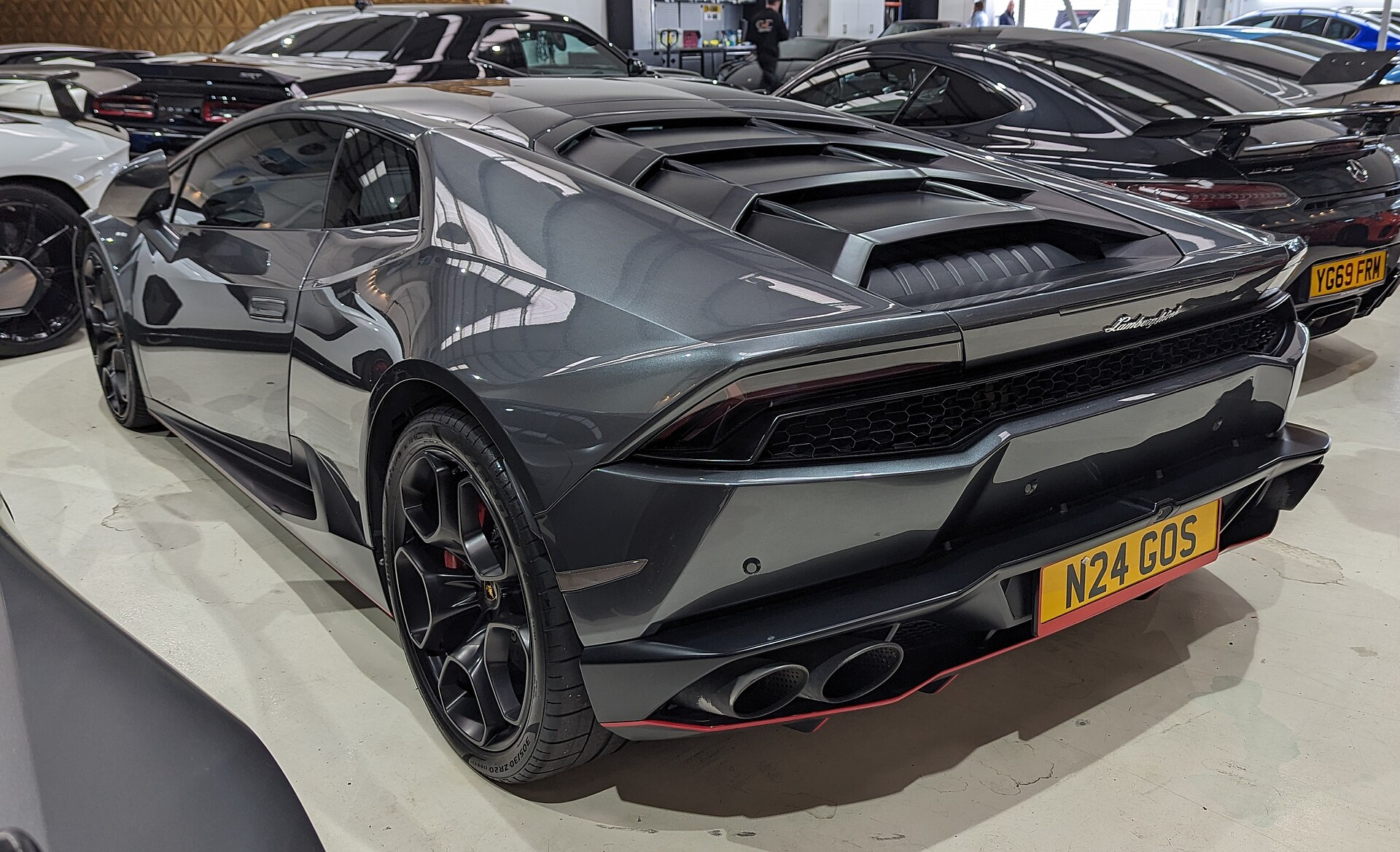
Huracan Performante Ownership Costs: The Complete Breakdown
Former Nürburgring king, surprisingly accessible ownership.
The Performante's Ownership Equation: Track Heritage at Reasonable Cost
The Lamborghini Huracan Performante occupies a fascinating position in the exotic car ownership landscape. As the model that held the Nürburgring production car lap record at 6:52.01, it delivers genuine motorsport-grade performance. Yet its ownership costs remain meaningfully lower than Aventador variants, making it one of the more accessible ways to experience Lamborghini's track-focused engineering at its finest. With an original MSRP of $274,390 and current market values between $240,000 and $320,000, the Performante rewards buyers who understand its specific cost profile and plan accordingly.
What distinguishes the Performante's cost equation from other Huracans is the tension between its track-focused design and the financial reality of actually using it on track. The forged composite ALA (Aerodinamica Lamborghini Attiva) system, aggressive suspension tuning, and Pirelli P Zero Corsa tires are engineered for circuit use—but circuit use dramatically accelerates consumable wear. Owners who understand this dynamic and budget appropriately enjoy one of the most rewarding ownership experiences in the exotic car world.
Purchase Prices: Where the Market Stands
The Performante was produced from 2017 through 2019 in both coupe and Spyder configurations. Current secondary market pricing has stabilized after the post-pandemic correction, with clear pricing tiers based on mileage, specification, and condition.
| Configuration | Mileage Range | Market Price Range |
|---|---|---|
| Performante Coupe | Under 3,000 miles | $290,000–$320,000 |
| Performante Coupe | 3,000–8,000 miles | $260,000–$290,000 |
| Performante Coupe | 8,000–15,000 miles | $240,000–$260,000 |
| Performante Spyder | Under 3,000 miles | $310,000–$340,000 |
| Performante Spyder | 3,000–8,000 miles | $280,000–$310,000 |
| Performante Spyder | 8,000+ miles | $260,000–$285,000 |
Color specification creates notable price variation. The iconic Verde Mantis (bright green) commands $10,000–$20,000 premiums over standard colors, as does Arancio Borealis (orange). Ad Personam custom colors add similar premiums. White and grey examples, while handsome, trade at the lower end of their mileage bracket. The Spyder consistently commands $20,000–$30,000 over equivalent coupes—a smaller premium than the Aventador spread, reflecting the Performante's identity as a driver's car where the coupe's superior rigidity matters to enthusiasts.
Insurance Costs: Track Car Premiums
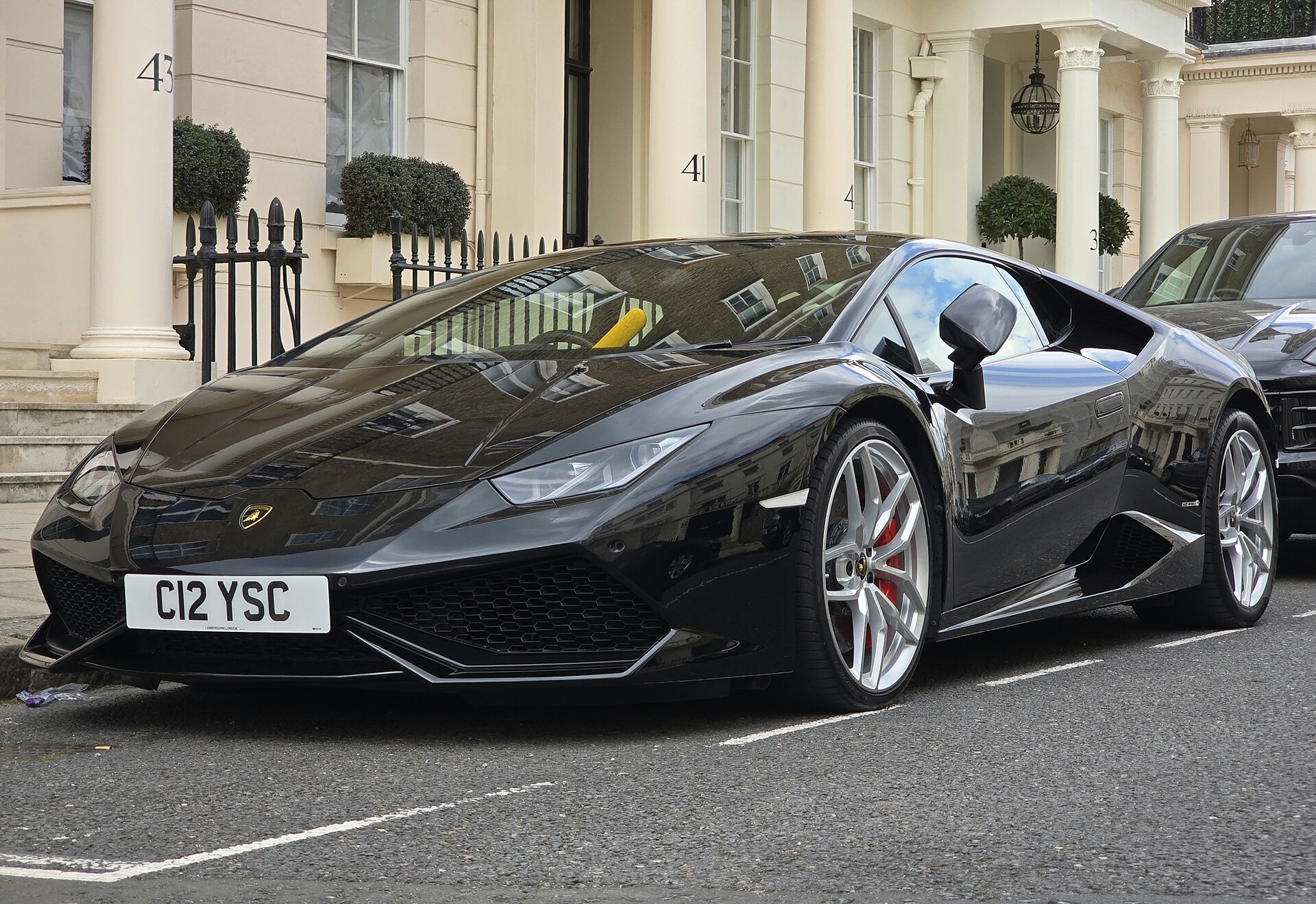
Insuring a Huracan Performante costs less than Aventador variants but more than standard Huracans, reflecting its higher performance capability and replacement parts cost. Standard comprehensive coverage through mainstream insurers quotes $5,000–$9,000 annually for drivers over 30 with clean records. However, the wide range reflects significant geographic and demographic variation.
Specialty agreed-value coverage through Hagerty or similar collectors' insurers typically costs $3,500–$6,500 annually for a $280,000 valuation. This represents the most appropriate coverage for a Performante, ensuring full market-value payout in total loss scenarios. One critical consideration: most agreed-value policies exclude track use. Separate track day insurance—available through providers like Lockton Motorsports or Hagerty's track day program—costs $400–$1,200 per event and is essential for owners who utilize the Performante's circuit capabilities.
The total annual insurance burden for a Performante owner who drives both street and track realistically ranges from $6,000 to $12,000, depending on the number of track events and coverage levels selected. Garage storage, alarm systems, and GPS trackers reduce premiums by 10–20%.
Scheduled Maintenance Costs
The Performante shares the Huracan platform's naturally aspirated V10 and dual-clutch transmission, which are mechanically simpler and more reliable than the Aventador's V12 and ISR single-clutch system. This translates directly to lower maintenance costs and fewer unexpected repair scenarios.
Annual service ($2,000–$3,500): Oil and filter change (the V10 uses approximately 8.5 liters of synthetic oil), cabin and engine air filter inspection, brake fluid level check, tire rotation and inspection, electronic diagnostic scan, and general condition assessment. The dual-clutch LDF transmission requires fluid inspection but typically doesn't need replacement until the major service interval.
Major service at 2-year/15,000-mile intervals ($5,000–$8,000): Everything in the annual service plus spark plug replacement (10 plugs), transmission fluid change, differential fluid replacement, brake fluid flush, coolant system service, drive belt inspection, and comprehensive suspension geometry verification. The Performante's more aggressive alignment settings should be checked against factory specifications during major service.
Independent Lamborghini specialists offer meaningful savings over authorized dealers—typically 25–35% less for identical work using OEM parts. For Performantes beyond their collector-preservation phase (regularly driven examples above 5,000 miles), independent service represents excellent value without meaningful impact on resale positioning.
Consumable Costs: Tires, Brakes, Fluids
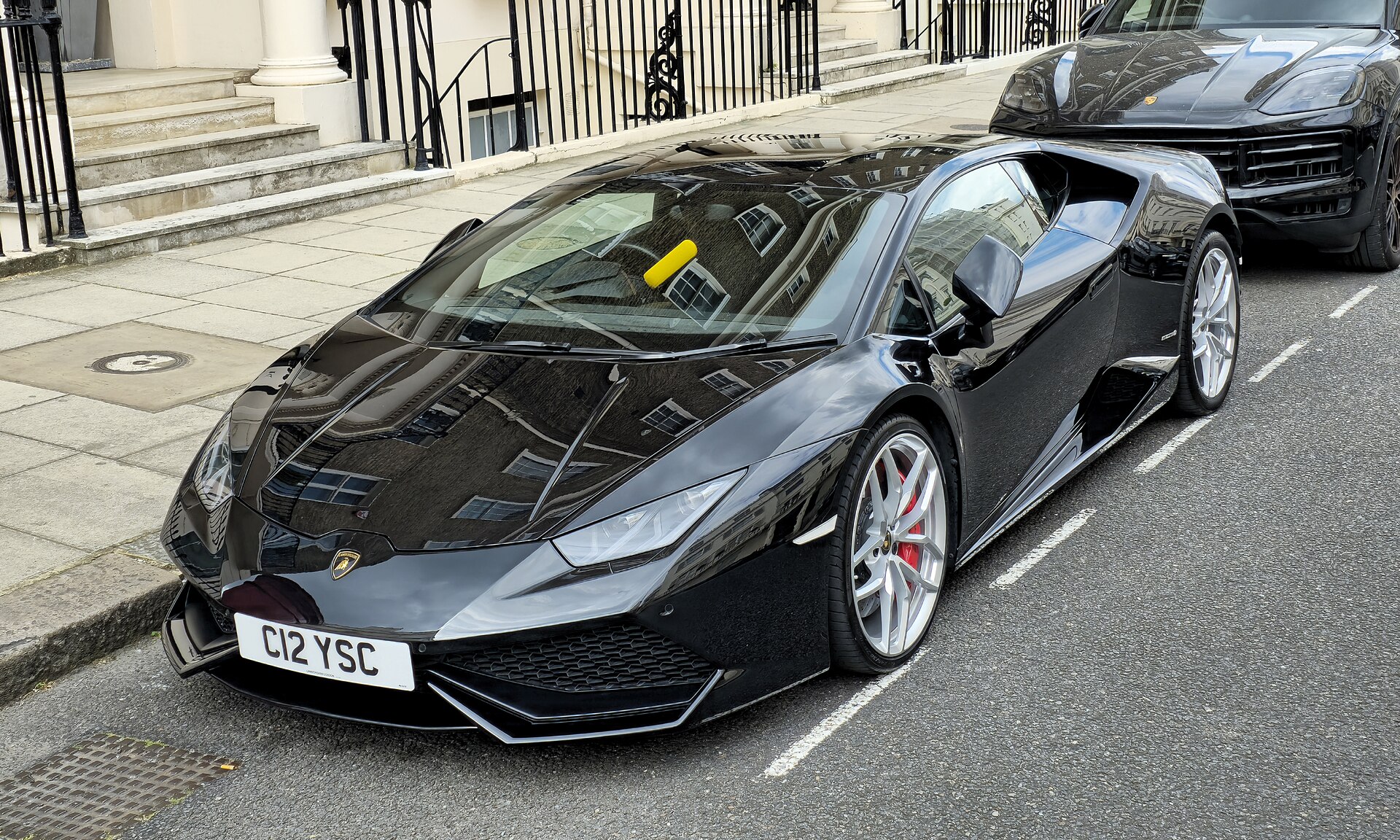
Tire costs represent the Performante's most variable ongoing expense, directly proportional to driving intensity. Factory-spec Pirelli P Zero Corsa tires cost $2,800–$4,000 per set (245/30R20 front, 305/30R20 rear). With conservative street driving, a set lasts 8,000–12,000 miles. Spirited street driving reduces this to 5,000–8,000 miles. Track use—the Performante's intended environment—may consume a set in 3–6 events depending on circuit abrasiveness and driving aggression.
Carbon ceramic brake rotors ($18,000–$28,000 for a complete set) offer extraordinary longevity in street use, typically lasting 40,000–60,000 miles. Track use reduces rotor life to 20,000–35,000 miles. Brake pads cost $2,500–$4,000 per set and need replacement every 12,000–18,000 miles for mixed street/track use. Owners who track regularly should budget $4,000–$6,000 annually for brake consumables.
Fuel costs for the 5.2-liter V10 average $3,500–$6,000 annually based on typical exotic car mileage of 3,000–5,000 miles per year. The Performante requires 98+ octane fuel and averages 13–15 mpg in combined driving. Track day fuel consumption approximately doubles the per-mile cost due to sustained high-RPM operation.
Performante-Specific Known Issues
The Performante has several model-specific issues that prospective and current owners should understand and budget for:
Magnetic ride damper failures: The MagneRide suspension system uses magnetorheological fluid that responds to electronic signals to vary damping force. Damper failures—characterized by leaking fluid or inconsistent ride quality—occur occasionally and cost $4,000–$6,000 per corner to replace at authorized dealers. Some owners report damper issues as early as 15,000 miles, while others see no problems beyond 30,000 miles. Independent shops charge $3,000–$4,500 per corner for the same repair.
Front bumper cracking: The Performante's aggressive front splitter sits extremely low—lower than the standard Huracan—and is vulnerable to speed bump and driveway ramp damage. Front bumper and splitter repairs cost $3,000–$5,000 depending on extent. The optional front lift system (if equipped) mitigates this issue but doesn't eliminate it for severe approach angles. Paint protection film on the front lower surfaces is strongly recommended.
Carbon ceramic rotor delamination: Occasional reports of carbon ceramic rotors developing surface delamination in consistently wet environments. This manifests as increased brake noise and minor vibration. Mild cases can be addressed through proper bedding procedures; severe delamination requires rotor replacement. This issue primarily affects vehicles driven regularly in rainy climates.
Forged composite panel issues: The ALA (active aerodynamic) system's forged composite components occasionally develop cosmetic imperfections—micro-cracking in the clear coat over the forged composite material. This is a cosmetic concern rather than structural, but repair requires specialized composite refinishing at $2,000–$4,000 per panel.
Road-Only vs. Track-Active: Two Very Different Cost Profiles
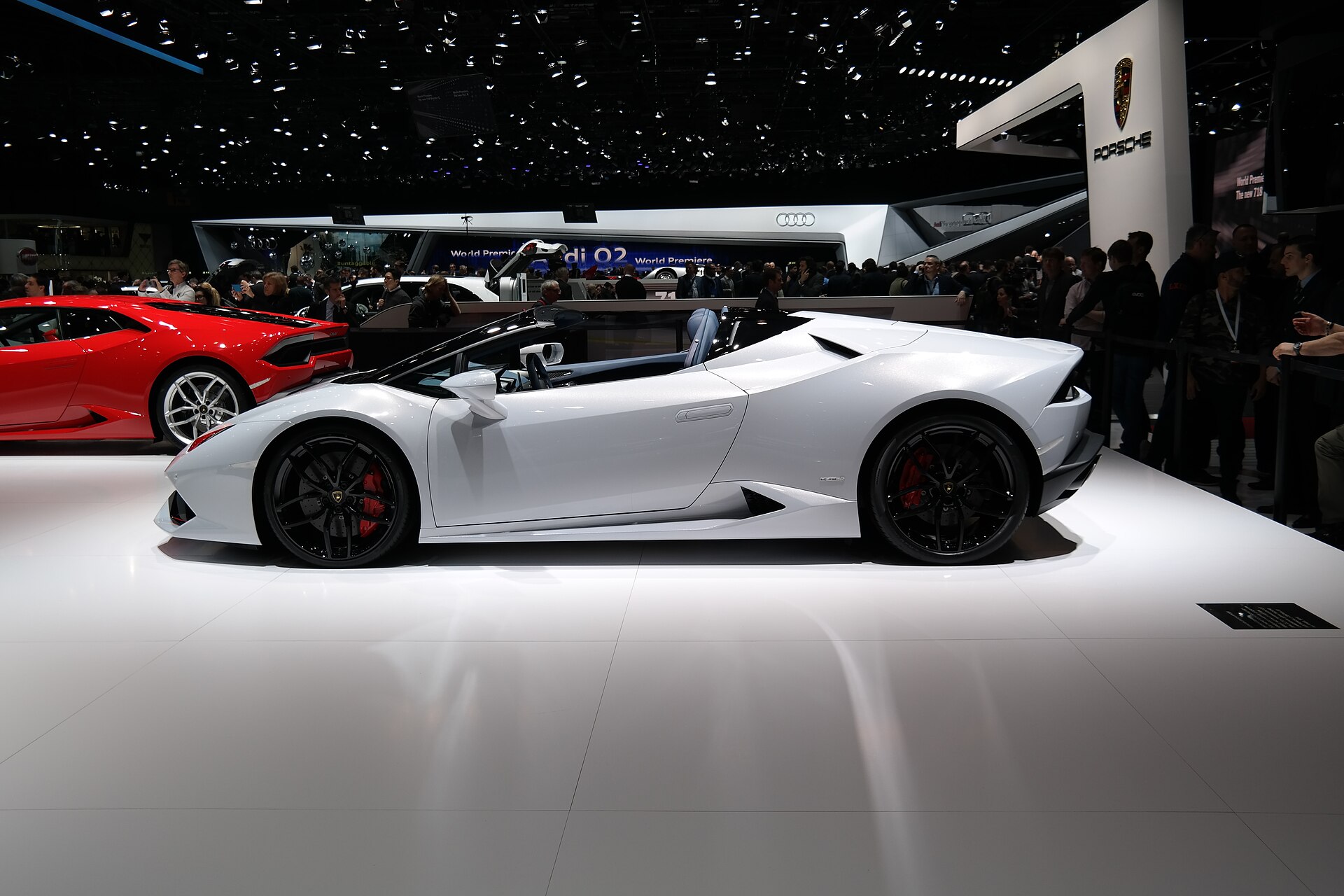
The Performante's dual nature as both a stunning road car and a genuine track weapon creates two distinctly different ownership cost profiles:
| Annual Cost Category | Road-Only Owner | Track-Active Owner (6-10 events/year) |
|---|---|---|
| Insurance | $5,500 | $9,500 (includes track coverage) |
| Maintenance | $3,000 | $5,000 |
| Tires | $3,500 | $10,000 |
| Brakes | $1,000 | $5,000 |
| Fuel | $3,500 | $6,500 |
| Track Entry Fees | $0 | $5,000–$8,000 |
| Storage | $3,000 | $3,000 |
| Total Annual | $19,500 | $44,000–$47,000 |
The cost difference is dramatic—tracking your Performante as intended more than doubles annual ownership costs. This doesn't make tracking financially irresponsible; rather, it requires honest budgeting and the understanding that track consumables are the price of experiencing what makes the Performante special. Many owners find that 4–6 track days per year provides the optimal balance between experiencing the car's capabilities and managing consumable costs.
Five-Year Total Cost of Ownership
| Cost Category | Road-Only (3K mi/yr) | Mixed Use (5K mi/yr) | Track-Heavy (7K mi/yr) |
|---|---|---|---|
| Purchase Price | $280,000 | $280,000 | $280,000 |
| Insurance (5 years) | $27,500 | $37,500 | $47,500 |
| Maintenance (5 years) | $15,000 | $22,000 | $30,000 |
| Tires (5 years) | $10,500 | $22,000 | $50,000 |
| Brakes (5 years) | $5,000 | $12,000 | $25,000 |
| Fuel (5 years) | $17,500 | $25,000 | $32,500 |
| Storage (5 years) | $15,000 | $15,000 | $15,000 |
| Unexpected Repairs | $8,000 | $12,000 | $20,000 |
| Total Carrying Cost | $98,500 | $145,500 | $220,000 |
| Depreciation / Appreciation | +$10,000 | $0 | -$20,000 |
| Net 5-Year Cost | $88,500 | $145,500 | $240,000 |
The road-only Performante costs approximately $17,700 per year net—genuinely accessible by exotic car standards and substantially less than many less capable vehicles. For those exploring financing, Woodside Credit and similar specialty lenders offer competitive terms on the Performante's price point. For complete market analysis, see our Performante buyer's guide and selling guide.
How the Performante Stacks Up Against Competitors
The Performante's cost competitiveness becomes apparent when compared against direct competitors. The Porsche 911 GT3 RS (991.2 generation, contemporary with the Performante) trades at $200,000–$280,000 with annual carrying costs of approximately $12,000–$18,000 for road use. The Porsche's flat-six is cheaper to maintain and its consumables cost less, but the Performante delivers a more dramatic ownership experience and stronger emotional return on investment. The Ferrari 488 Pista, the most direct Ferrari competitor, commands $350,000–$450,000 with marginally higher maintenance costs through Ferrari's dealer network—making the Performante significantly more affordable for a comparable performance experience.
The McLaren 600LT and 620R bracket the Performante's price range at $180,000–$280,000 and carry similar maintenance costs. However, McLaren's historically challenging reliability record introduces higher variance in unexpected repair costs. The Performante's naturally aspirated V10 is fundamentally simpler than McLaren's twin-turbo V8 with its additional turbocharger, wastegate, and intercooler maintenance requirements. Over a five-year ownership period, the Performante's mechanical simplicity typically results in $5,000–$10,000 less in unexpected repair costs compared to direct McLaren competitors.
Tax, Registration, and Hidden Costs
Beyond the operating costs detailed above, several frequently overlooked expenses affect total Performante ownership cost. Sales tax at purchase varies from 0% (Montana LLC registration) to over 10% (parts of California), representing a swing of $24,000–$32,000 on a $280,000 purchase. Annual registration fees range from under $500 in flat-fee states to over $3,000 in value-based states. Personal property tax on vehicles, applicable in some jurisdictions, adds $1,500–$3,500 annually.
Detailing costs for maintaining the Performante's appearance average $2,000–$4,000 annually for quarterly professional details—more than a standard vehicle due to the extensive carbon fiber and forged composite surfaces that require specialized cleaning products and techniques. Annual ceramic coating maintenance ($500–$800) preserves the paint protection that protects against UV damage and environmental contamination. These cosmetic maintenance costs are often absent from ownership cost projections but meaningfully impact the total annual expense of maintaining a Performante in excellent condition.
For owners who travel with their Performante or transport it between residences, enclosed vehicle transport costs $2,500–$5,000 per cross-country trip. Owners maintaining multiple residences may transport their Performante 2–4 times annually, adding $5,000–$20,000 to annual costs. This consideration is particularly relevant for the Performante's typical owner demographic, many of whom maintain seasonal residences in different climates.
Protecting Your Investment
Beyond operating costs, protecting the Performante's physical condition represents a meaningful ongoing investment. Climate-controlled storage is essential in regions with temperature extremes—leather interior degradation, tire flat-spotting, and battery drain all accelerate without proper storage. A quality battery tender ($150–$300) is essential for any Performante driven fewer than weekly. Quarterly professional detailing at exotic-specialist facilities costs $500–$1,000 per session but preserves paint correction work and ceramic coating integrity. These preservation-focused costs add $3,000–$5,000 annually but directly protect against value depreciation that would cost far more to reverse. The Performante rewards meticulous ownership with stable values. Enclosed vehicle transport for seasonal relocation between residences costs $2,500–$5,000 per trip, and many Performante owners maintain vehicles at multiple locations. When calculating total cost, also account for annual state registration renewal ($500–$3,500 depending on jurisdiction) and any applicable personal property tax on vehicles ($1,000–$3,000 annually in applicable states). The Performante rewards meticulous ownership with strong values and enduring driving satisfaction—making every maintenance dollar an investment in both the vehicle's future value and the owner's ongoing enjoyment. For purchase strategies, see our Performante buyer's guide.
Conclusion: The Sweet Spot in Lamborghini Ownership
The Huracan Performante offers what may be the best cost-to-thrill ratio in the current Lamborghini lineup. Its V10 is less expensive to maintain than the V12, its dual-clutch transmission eliminates the Aventador's clutch replacement costs, and its stable-to-appreciating market position means depreciation is minimal. Owners who treat it as a road car enjoy carrying costs under $20,000 annually—remarkable for a vehicle that once held the Nürburgring record. Those who utilize its track capabilities face higher costs but receive an experience that genuinely few other production cars can match. The Performante proves that owning a record-breaking Lamborghini doesn't require record-breaking budgets.
Want Real-Time Lamborghini Huracan Performante Pricing?
Automonitor tracks actual transaction data across our dealer network — not estimates, not asking prices. Whether you're buying or selling, start with the numbers that matter.
See Current Market Data →