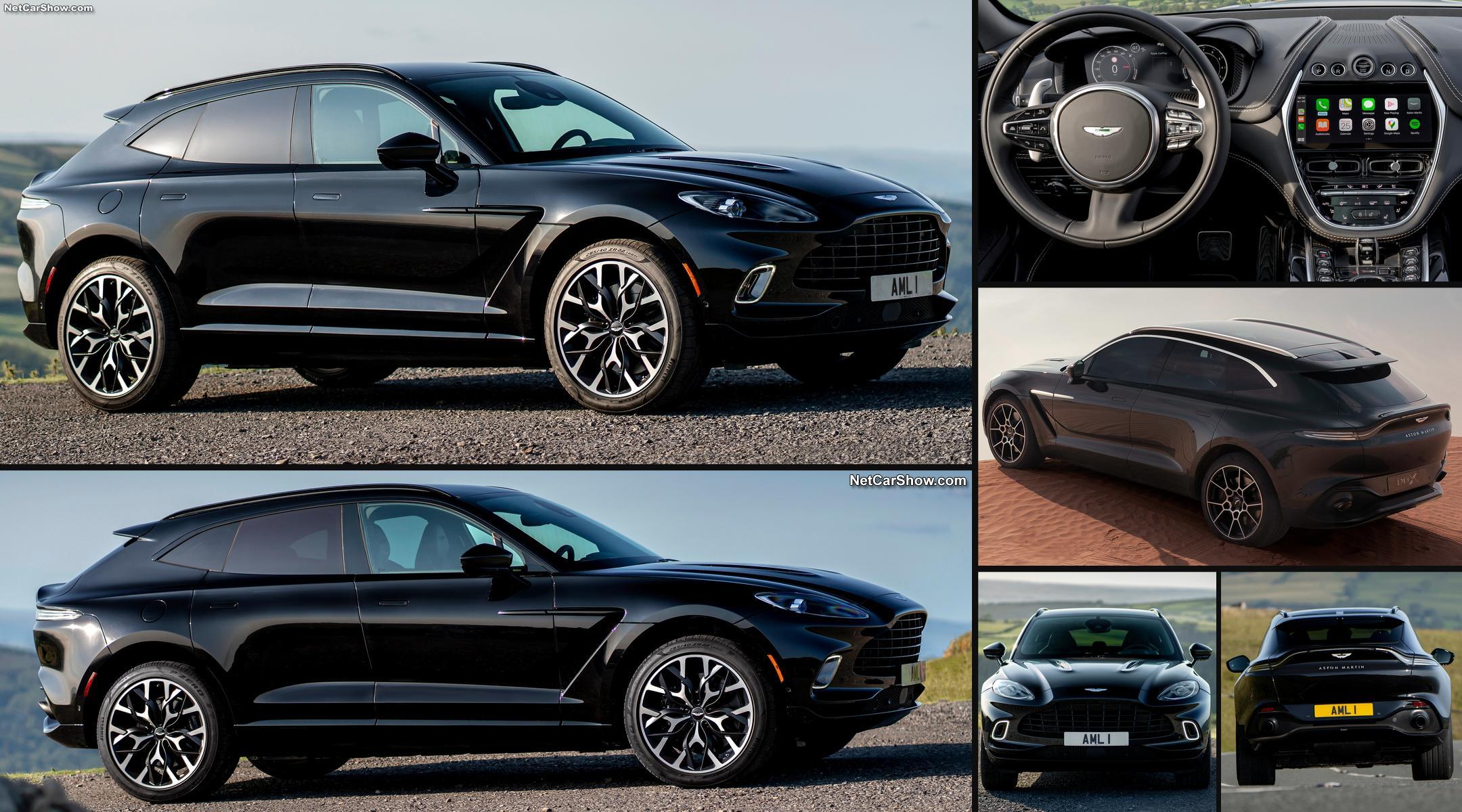
Aston Martin DBX vs Lamborghini Urus: British Elegance vs Italian Aggression in Super SUVs
Two titans of the super SUV world represent fundamentally different philosophies: refined British engineering versus dramatic Italian performance. We break down the DBX707 and Urus Performante to help you decide which matches your personality and priorities.
Two Philosophies Collide: The Heart of the Debate
The modern super SUV market represents a fascinating paradox: the world's most prestigious automakers are now competing in a segment that barely existed fifteen years ago. Yet here we are in 2026, and two of the most storied names in automotive history—Aston Martin and Lamborghini—are both doubling down on the performance SUV category with vehicles that couldn't be more different in their approach.
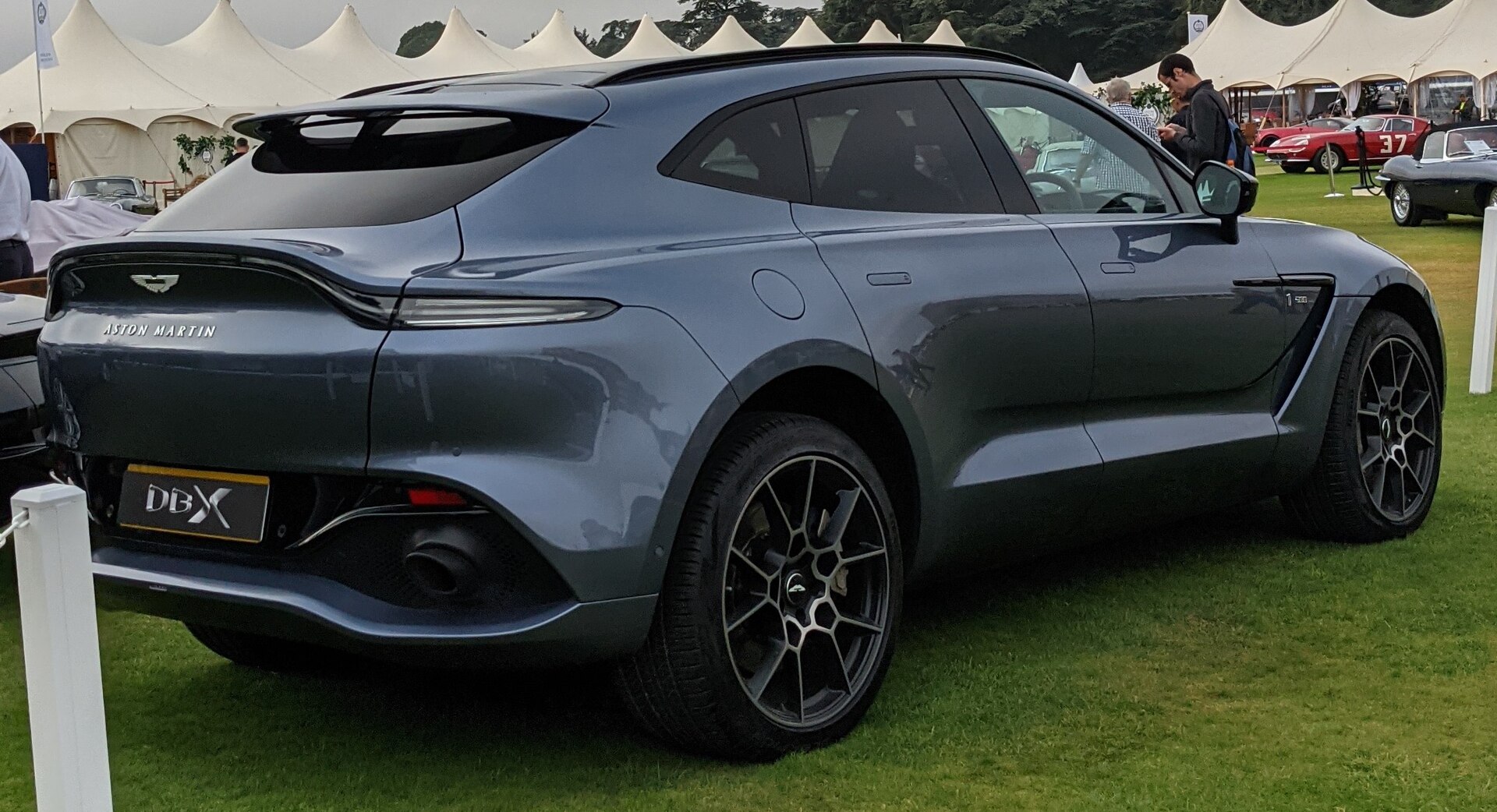
The Aston Martin DBX707 represents a masterclass in restrained aggression. It's a car that whispers its power, channels the refinement of a James Bond film into 4,700 pounds of British engineering, and refuses to announce itself with the kind of visual drama that makes insurance premiums skyrocket. The 697-horsepower twin-turbo V8 delivers effortless acceleration from a standstill to highway merging speeds, and the adaptive suspension absorbs everything from Colorado mountain passes to Manhattan potholes with equal grace.
The Lamborghini Urus Performante, by contrast, doesn't whisper about anything. It announces its arrival with scissor doors, a menacing front grille, and a visual presence so intentional that parking it at the grocery store feels like an act of performance art. With 657 horsepower flowing through an all-wheel-drive system engineered by the engineers who made the Huracán untouchable, the Urus Performante represents Lamborghini's philosophy: if you're going to make an SUV, make it unforgettable.
So which one should be in your garage? The answer depends entirely on who you are as a buyer—and that's exactly what this guide is designed to help you discover.
Brand Philosophy: Why Heritage Matters
Before you can compare these vehicles fairly, you need to understand where each brand is coming from. The Aston Martin DBX represents something unusual in Aston Martin's 110-year history: a recognition that their customers wanted something different. Aston Martin has built grand tourers, convertibles, and some of the most beautiful sports cars ever produced. They've never tried to be the fastest or most technologically advanced manufacturer. Instead, they've always represented a certain aesthetic, a certain restraint, and a certain understanding that performance without elegance is just noise.
The DBX707 arrived in 2022 as a power-boosted version of the already-impressive DBX, engineered to compete directly with the Urus without compromising Aston Martin's core philosophy. It's a car designed for owners who appreciate the Aston Martin brand and want that sensibility extended into their high-performance SUV purchase.
Lamborghini has a different history entirely. The brand was born from Ferruccio Lamborghini's desire to prove that his Lamborghini tractors could transform into supercars that would make Ferrari owners jealous. For sixty years, Lamborghini has built cars that are aggressive, dramatic, and emotionally overwhelming. The Urus was Lamborghini's answer to the question: "What would happen if we made an SUV the way we make Huracáns?" The answer was unapologetically Lamborghini—all angles, aggression, and unmistakable presence.
This philosophical difference extends far beyond aesthetics. The DBX is designed to be usable, livable, and in some respects, understated. The Urus is designed to be unforgettable, dramatic, and unmistakably a Lamborghini. Which philosophy aligns with your personality?
Performance Breakdown: Numbers That Matter
On paper, these vehicles are remarkably close. Let's examine where they differ:
| Specification | DBX707 | Urus Performante | Winner |
|---|---|---|---|
| Engine | 5.2L Twin-Turbo V8 | 4.0L Twin-Turbo V8 | DBX707 |
| Horsepower | 697 hp | 657 hp | DBX707 |
| Torque | 663 lb-ft | 627 lb-ft | DBX707 |
| 0-60 mph | 3.1 seconds | 3.2 seconds | DBX707 |
| Top Speed | 193 mph | 190 mph | DBX707 |
| Weight | 4,750 lbs | 4,620 lbs | Urus Performante |
| Fuel Economy (EPA) | 14 / 19 / 16 mpg | 14 / 22 / 17 mpg | Urus Performante |
| 0-60 (with launch control) | 3.0 seconds | 3.1 seconds | DBX707 |
The DBX707 edges ahead in raw acceleration and top speed, but the difference is marginal—barely a tenth of a second in the 0-60 sprint. The real story isn't in the numbers; it's in how those numbers feel when you're behind the wheel.
The DBX707 delivers its power in a smooth, linear fashion. You press the accelerator, and the twin-turbo V8 builds boost predictably, pushing you back into your seat without drama. There's no turbo lag, no sudden surge—just consistent, relentless acceleration. This is the engineering approach of someone designing a tool that needs to work perfectly every single time, whether it's a Monday morning commute or a Sunday canyon run.
The Urus Performante, by contrast, delivers its power with a bit more character. The turbo response is sharper, the gear shifts are quicker, and the overall sensation is more visceral. Drive them both back-to-back, and the DBX707 feels more refined; the Urus Performante feels more alive. Neither approach is objectively superior—they're just different manifestations of performance philosophy.
Driving Character: Refined vs Dramatic
The differences between these vehicles extend far beyond raw performance numbers. They represent genuinely different interpretations of what a performance SUV should be.
The Aston Martin DBX707 Driving Experience
The DBX707 prioritizes composure and control. The adaptive air suspension adjusts automatically based on driving conditions, road surface, and driver input, creating a setup that's comfortable during normal driving but capable during spirited driving. The steering is responsive without being twitchy, offering accurate feedback without overwhelming your hands with road vibrations.
In Comfort mode, the DBX707 is genuinely one of the best vehicles you can drive on long highway stretches. The noise insulation keeps wind and tire roar to a minimum, the suspension soaks up imperfections without clunking or crashing, and the cabin atmosphere is quiet and serene. Switch to Dynamic mode, and the suspension tightens, the engine note becomes more aggressive, and the steering weight increases—but it still maintains that underlying sense of control and refinement.
The ride quality remains excellent even on poor road surfaces, and the adaptive damping system continuously adjusts to optimize both comfort and handling. This is a vehicle that seems to understand that you might spend 80% of your driving time commuting or on road trips, and only 20% exploring your local canyon roads.
The Lamborghini Urus Performante Driving Experience
The Urus Performante prioritizes engagement and drama. The suspension is stiffer, the steering is more direct, and the overall driving experience is more physical. You feel the road surface more acutely, you're more aware of the vehicle's weight transfer, and the driving experience demands more engagement from you as the driver.
In Strada mode, the Urus Performante is livable but not quite as comfortable as the DBX707. The ride is firmer, the steering is weightier, and there's a sense that this vehicle doesn't want to pretend to be a luxury appliance. Switch to Corsa mode, and the Urus becomes a canyon carving machine—the dampers stiffen dramatically, the steering response sharpens, and the vehicle transforms into something that feels much more aggressive and athletic.
The Urus Performante's adaptive air suspension with electronic damping is engineered more for performance than comfort. It will soak up massive bumps without bottoming out, but the overall tuning suggests Lamborghini's engineers were thinking about track days and aggressive driving rather than long highway cruising. This vehicle seems to believe that if you're buying an SUV with a Lamborghini badge, you want something special—even if special means slightly firmer suspension and a more demanding driving experience.
Unsure Which Super SUV Matches Your Lifestyle?
Automonitor's exotic car specialists can help you test-drive both vehicles and determine which philosophy aligns with your priorities. Our concierge service handles everything from scheduling to negotiations.
Find Your Perfect Match →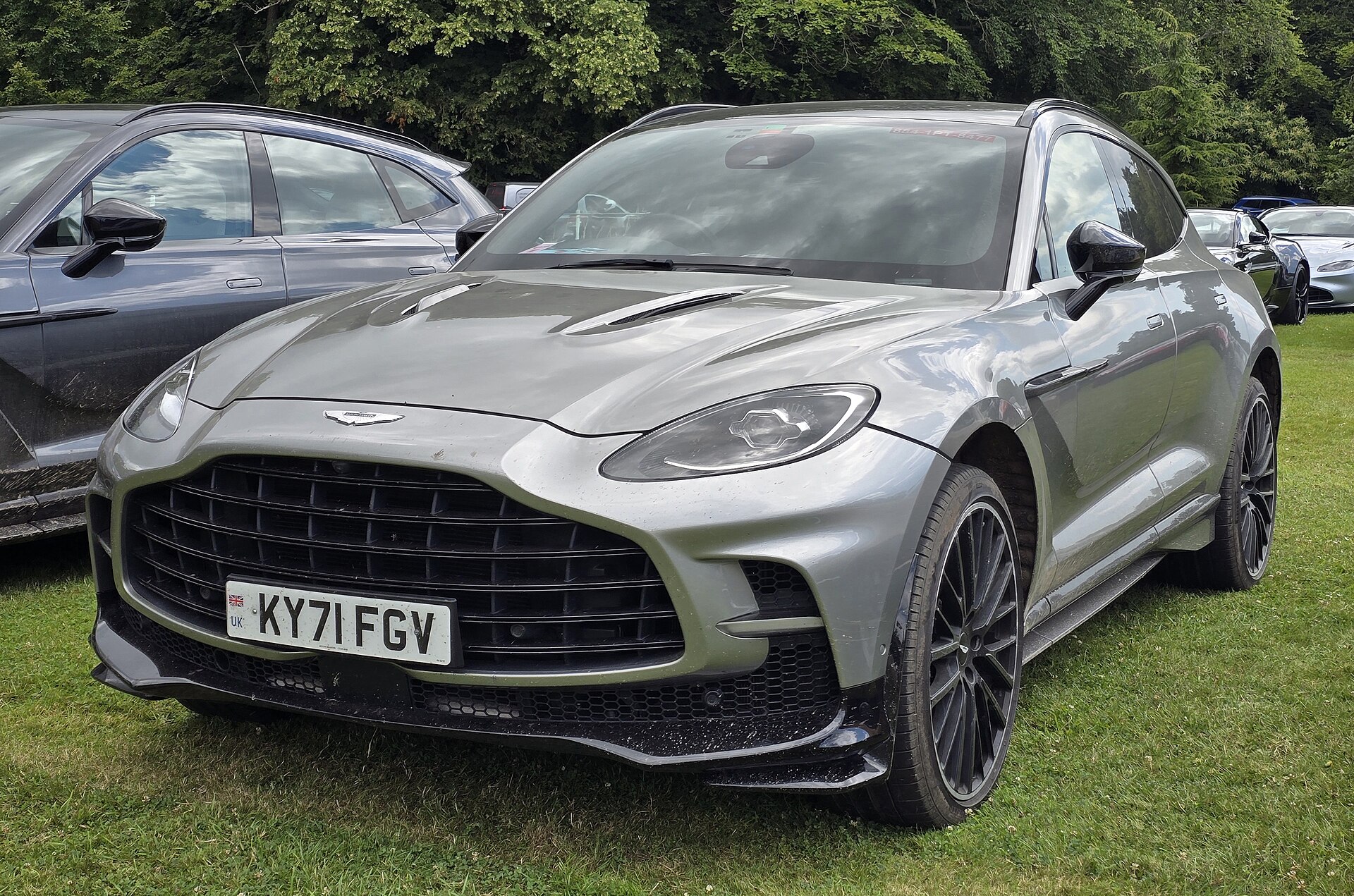
Exterior Design: Understated vs Unmistakable
If you pull into a parking lot with either of these vehicles, you've already made a statement. But what that statement actually says depends on which one you chose.
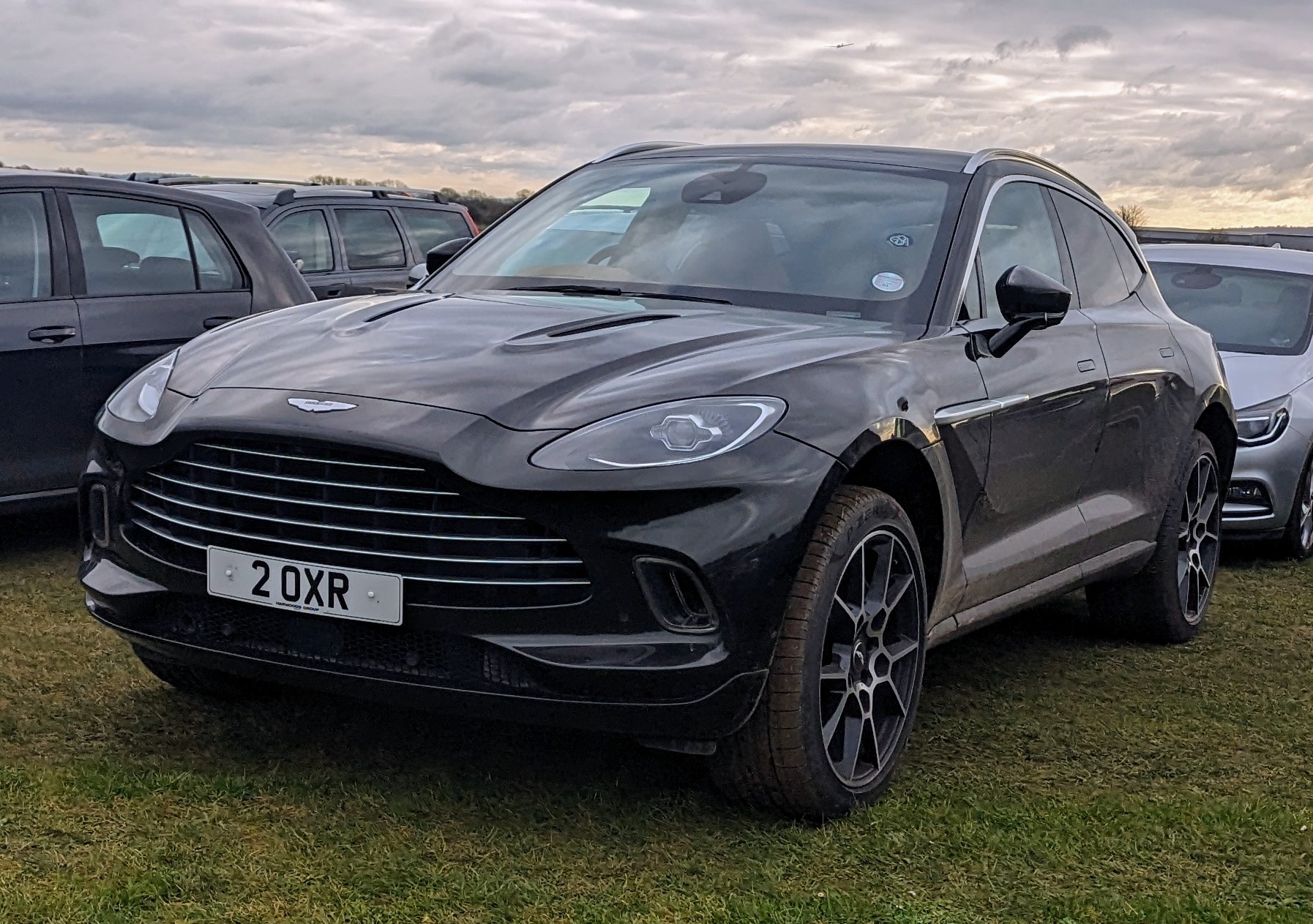
The Aston Martin DBX707 represents a design philosophy that says "I have impeccable taste, significant financial resources, and I don't feel the need to announce either of those facts." The proportions are elegant, the details are refined, and the overall silhouette conveys sophistication rather than aggression. The front grille is understated, the roofline is graceful, and the overall aesthetic could almost be described as restrained. Almost everyone would agree it's beautiful—but many people might not immediately recognize it as a Lamborghini competitor. That's entirely intentional.
The Lamborghini Urus Performante, by contrast, operates under the belief that if you're spending a quarter-million dollars on an SUV, it should look like you've spent a quarter-million dollars on an SUV. The angles are aggressive, the proportions are exaggerated, and the overall presence is unmistakable. You will not park this vehicle somewhere and have someone ask "Is that a Range Rover?" The Urus announces itself with confidence.
The scissor doors on the Urus create a visual drama that the DBX707 simply doesn't attempt to match. They're impractical (you can't open them in tight parking spaces), they're unconventional (no other super SUV uses them), and they're unmistakably Lamborghini. The DBX707 uses conventional side-hinged doors that open up and out in the normal fashion, maximizing interior access and practicality.
The Urus features a lower ground clearance, a wider stance, and more aggressive body work. It looks like an SUV that's been on a serious workout regimen. The DBX707 looks like an SUV that's completed its MBA and is now running a successful consulting firm.
Interior Craftsmanship: British Tradition vs Italian Passion
This is where the philosophical differences become strikingly apparent. Both interiors are impeccably finished, but they finish differently.
The DBX707 interior represents Aston Martin's mastery of hand-stitched leather, open-pore wood trim, and interior materials that suggest understated British heritage. The dashboard flows in continuous curves, the color palette emphasizes warm neutrals and sophisticated grays, and the overall atmosphere is one of quiet luxury. Material choices prioritize quality and longevity over dramatic visual impact. You sit in the DBX707 and think about owning it for a decade without the interior aging poorly.
The leather in the DBX707 is genuinely exceptional—some of the finest leather available in any vehicle at any price. The stitching is immaculate, the thickness is appropriate for the price point, and the overall hand-finished quality suggests that someone actually cared about how this interior would feel every single day. The wood trim uses open-pore finishing that showcases the natural grain, and the overall color coordination is sophisticated without being trendy.
The Urus Performante interior also features premium materials—carbon fiber trim, Alcantara suede, and leather from the finest tanneries—but the overall design philosophy is more dramatic. The dashboard angles are more aggressive, the color palette can be more vibrant, and the overall atmosphere suggests passion rather than restraint. Optional packages allow you to customize the interior with increasingly dramatic color combinations, from matte carbon fiber to glossy black accents.
The Urus features a more extensive use of carbon fiber trim, which looks dramatic and modern but requires more careful maintenance (it's fingerprint magnet). The leather is excellent, but the overall emphasis is on creating a high-energy environment rather than a serene one. You sit in the Urus and think about how it will look in Instagram photos.
Technology integration differs as well. The DBX707 uses a vertically mounted 10.25-inch touchscreen with Aston Martin's custom infotainment system, which prioritizes simplicity and usability. The Urus Performante uses an 8.4-inch vertically mounted touchscreen with Lamborghini's customized version of the Audi MMI system, which is more feature-rich but occasionally more complex to navigate.
Cargo and Practicality: Which is Actually Livable?
Here's where the DBX707 pulls ahead significantly. As an SUV, it actually functions like one. The cargo area provides 22.8 cubic feet with all seats in place, expandable to 55 cubic feet with the rear seats folded flat. The opening is wide and accessible, making it genuinely practical for actual cargo.
The Urus Performante provides 21.8 cubic feet with all seats in place, expandable to 59.8 cubic feet with the rear seats folded. While the maximum capacity is slightly larger, the practical accessibility is more challenging due to the Urus's lower roofline and more aggressive body styling. The scissor doors, while visually dramatic, actually make loading cargo more complicated because you need more vertical clearance to open them fully.
Ground clearance is another significant difference. The DBX707 sits at 8.5 inches of ground clearance, which is respectable for an SUV and means you can handle serious off-road terrain if needed. The Urus Performante sits at 7.8 inches, which is lower and more sports car-like, but also means you'll need to be more cautious about speed bumps and steep driveway approaches.
The DBX707 can tow up to 4,000 pounds when equipped with the factory tow package. The Urus Performante does not offer towing capability, as Lamborghini's engineers felt it would compromise the performance tuning. If you ever need to tow anything—a trailer, a jet ski, a small boat—the DBX707 is your only option.
Pricing and Value: The Financial Reality
| Cost Category | DBX707 | Urus Performante | |
|---|---|---|---|
| MSRP (2025) | $239,000 | $260,000 | |
| Typical Options/Customization | +$15,000 - $35,000 | +$25,000 - $50,000 | |
| Insurance (annual estimate) | $3,200 - $4,500 | $4,000 - $5,500 | |
| Routine Maintenance (annual) | $1,500 - $2,500 | $2,000 - $3,500 | |
| Tire Replacement (every 20K mi) | $2,200 - $3,200 | $2,400 - $3,600 | |
| Brake Service (when due) | $5,000 - $8,000 | $4,500 - $7,000 | |
| Fuel Cost (annual, 10K mi) | $1,800 - $2,200 | $1,600 - $2,000 | |
| 3-Year Depreciation | ~25% | ~18% | |
| 5-Year Depreciation | ~40% | ~28% |
The Urus Performante carries a $21,000 higher starting price, and that gap typically expands once you add options. Lamborghini's customization options are extraordinarily expensive—carbon fiber packages, interior color upgrades, and performance enhancements can easily add $40,000+ to the final bill.
However, the Urus Performante holds its value significantly better. After five years, you'll have recovered approximately 72% of your initial investment in the Urus compared to only 60% in the DBX707. This is partially because Lamborghini limits production more strictly than Aston Martin, creating stronger demand in the used market.
From a monthly operating cost standpoint, the DBX707 is marginally cheaper—primarily due to lower fuel consumption and slightly lower insurance premiums. However, both vehicles should only be considered by buyers who don't view the monthly operating cost as a significant factor in their purchasing decision.
Reliability and Maintenance: Which Holds Up Better?
This is perhaps the most important section for long-term ownership. Both vehicles are relatively new platforms (DBX launched in 2020, Urus in 2018), which means long-term reliability data is still being compiled.
The DBX707 benefits from sharing its engine architecture with the Aston Martin Vantage, which has proven reliable over several years. The transmission is a ZF 9-speed automatic, which is one of the most proven gearboxes in the automotive industry. Early reports suggest the DBX has been remarkably free of electrical gremlins and mechanical issues, though sample sizes are still relatively small.
The Urus Performante uses a modified version of the 4.0-liter twin-turbo V8 engine from the Huracán Performante, paired with an 8-speed automatic transmission. Lamborghini Huracán owners report this engine to be extremely reliable, with many examples exceeding 50,000 miles without significant issues. The automatic transmission has proven dependable in the Huracán ecosystem, so there's no reason to expect different results in the Urus.
Neither vehicle has the kind of long-term ownership data that would allow us to make authoritative claims about reliability beyond 100,000 miles. However, based on the engineering of their components and early owner reports, both vehicles appear to be among the most reliable performance vehicles in the super SUV category.
The DBX707 requires oil changes every 10,000 miles, while the Urus Performante can go 12,000 miles between services. Scheduled maintenance intervals are typical for performance vehicles at this level—every 20,000 miles, you're looking at more comprehensive inspections and potential component replacements.
Depreciation and Resale: Which Holds Value?
This is where Lamborghini's brand heritage and production control create a significant advantage. The Urus vs Porsche Cayenne comparison shows similar trends: Lamborghini products hold their value better than most premium competitors.
The Urus Performante is limited to approximately 4,000 units per year globally, creating supply scarcity that supports values. Three-year-old examples with 25,000 miles typically retain 82-85% of their original purchase price, while five-year-old examples retain approximately 72-75%.
The DBX707 has no production cap in the same way, and Aston Martin will produce as many units as dealer orders allow. This, combined with Aston Martin's smaller brand recognition in the performance SUV category, means the DBX707 depreciates faster. A three-year-old example with 25,000 miles typically retains 75-78% of its original price, while five-year-old examples retain approximately 60-65%.
If you're purchasing with the intent to resell in 3-5 years, the Urus Performante makes stronger financial sense. However, if you're planning to keep your vehicle longer than five years, the difference becomes less relevant—you're paying for the driving experience and ownership satisfaction rather than worrying about depreciation.
Which Vehicle Matches Your Personality?
More than performance specs or depreciation curves, your choice should be based on who you are as a buyer.
Choose the DBX707 If:
- You appreciate understatement and restrained luxury. You don't need everyone to know you spent a quarter-million dollars on your SUV.
- You value long-distance driving comfort. Your typical driving is highway cruising, and you want a vehicle that excels at that.
- You care about practicality. You occasionally need to haul cargo, and towing capability matters to you.
- You prioritize interior comfort and material quality over dramatic design. You'll spend significant time in this vehicle, and you want it to be genuinely pleasant.
- You appreciate British design language and the heritage of Aston Martin. The brand itself appeals to you as much as the vehicle's capability.
- You want the most technology and feature-rich infotainment system. Aston Martin's setup is simpler and more user-friendly.
- You prefer the idea of developing a long-term relationship with your vehicle. You want something you can live with and enjoy for a decade.
Choose the Urus Performante If:
- You want maximum visual drama and unmistakable presence. You're comfortable with attention, and you want your vehicle to command it.
- You prioritize canyon carving and spirited driving. Your typical driving includes exciting roads, and you want a vehicle that excels at those.
- You appreciate Lamborghini's design language and the drama of Italian performance engineering. The brand heritage excites you.
- You value resale value and believe you'll sell in 3-5 years. The Urus's superior depreciation makes this more attractive.
- You want the most dramatic acceleration and dynamic performance. You care about how the vehicle feels when you're pushing it hard.
- You're comfortable with a stiffer suspension and more demanding driving experience. You want to feel every aspect of the road.
- You appreciate visual customization and want to personalize your SUV with carbon fiber, Alcantara, and dramatic color schemes.
Head-to-Head Comparison Table
| Category | DBX707 | Urus Performante | Advantage |
|---|---|---|---|
| Acceleration (0-60) | 3.1s | 3.2s | DBX707 |
| Top Speed | 193 mph | 190 mph | DBX707 |
| Horsepower | 697 | 657 | DBX707 |
| Torque | 663 lb-ft | 627 lb-ft | DBX707 |
| Fuel Economy | 16 mpg (est.) | 17 mpg (est.) | Urus Performante |
| Starting Price | $239,000 | $260,000 | DBX707 |
| Cargo Capacity | 55 cu ft | 59.8 cu ft | Urus Performante |
| Towing Capacity | 4,000 lbs | 0 lbs | DBX707 |
| Ground Clearance | 8.5 in | 7.8 in | DBX707 |
| Interior Comfort (highway) | Excellent | Very Good | DBX707 |
| Interior Drama | Refined | Aggressive | Urus Performante |
| Exterior Drama | Understated | Unmistakable | Urus Performante |
| Dynamic Driving Feel | Composed | Aggressive | Urus Performante |
| Ride Comfort | Excellent | Very Good | DBX707 |
| Annual Insurance | $3,200-$4,500 | $4,000-$5,500 | DBX707 |
| 5-Year Value Retention | 60% | 72% | Urus Performante |
| Brand Prestige | High | Higher | Urus Performante |
| Visual Customization | Limited | Extensive | Urus Performante |
Financing Your Super SUV: Making the Purchase
Both vehicles present similar financing challenges and opportunities. Exotic car lenders like our exotic car financing guide recommend 20-30% down payments for vehicles of this caliber, with interest rates typically ranging from 6-9% depending on your credit profile and the vehicle's age.
Lease options are available for both vehicles through their respective manufacturers. A typical three-year lease on the DBX707 might run $4,500-$5,500 per month, while a Urus Performante lease could range $5,500-$6,500 per month. Our lease vs buy guide provides detailed analysis for determining which approach makes sense for your situation.
The Broader Context: How These Compare to Other Options
If you're considering the DBX707 or Urus Performante, you're probably also considering other options. Here's how they stack up:
- vs Porsche Cayenne Turbo GT: The Porsche Cayenne Turbo GT comparison reveals a vehicle that's faster than both the DBX and Urus, but with less drama and more sports-car orientation. It's the choice if you want maximum track performance; it's not the choice if you want presence.
- vs Bentley Bentayga: The Bentley Bentayga comparison shows a vehicle that prioritizes luxury over performance, technology over driving dynamics, and comfort over excitement. Choose Bentley if you want to feel pampered; choose DBX or Urus if you want to feel engaged.
- vs Range Rover Sport SVR: The Range Rover Sport SVR comparison reveals a vehicle that's more capable off-road but less exciting on-road. It's the bridge between luxury and performance, perfect if you actually use your SUV for serious off-roading.
Long-Term Maintenance: What You'll Actually Spend
Both vehicles are expensive to maintain, but the DBX707 edges slightly ahead in cost-effectiveness.
Routine oil changes and fluid services run $500-$800 per service for both vehicles. Every 20,000 miles, more comprehensive inspections might reveal components needing replacement—brake fluid service ($800-$1,200), cabin air filter replacements ($200-$400), and transmission fluid service ($1,000-$1,500).
Major service items are where costs diverge slightly. Carbon ceramic brake service on the DBX707 runs $4,500-$6,500, while similar service on the Urus Performante might run $4,000-$5,500. Suspension component replacement is comparable, running $1,500-$3,500 per component depending on what's being serviced.
Neither vehicle is particularly expensive to maintain compared to other vehicles at this price point. A business purchase of either vehicle might offset some costs through depreciation deductions, making the effective ownership cost more manageable.
Frequently Asked Questions
Can I actually use the Urus Performante's scissor doors in a normal parking garage?
Not really. Most parking garages are approximately 6'8" tall at the door threshold, and the Urus scissor doors extend beyond that when fully opened. You'll need about 7'4" of clearance to open them safely without hitting the ceiling or adjacent structures. Underground parking, standard carports, and tight street parking are all problematic.
Which vehicle is better for off-roading?
The DBX707, due to its higher ground clearance (8.5" vs 7.8"), more traditional door design (easier to exit and survey terrain), and available all-terrain tires. The Urus Performante is more of a performance vehicle that happens to be an SUV, while the DBX707 is an SUV that also happens to have performance capabilities.
Will the Urus Performante actually appreciate in value?
Limited Lamborghinis have shown appreciation in certain market conditions, particularly ultra-rare variants with fewer than 500 units produced globally. The Urus Performante, with production of approximately 4,000 units annually, is unlikely to appreciate. However, it will depreciate more slowly than the DBX707, particularly in the first 3-5 years.
Is the DBX707 more reliable than the Urus Performante?
Based on early owner reports, both appear equally reliable. The DBX shares its engine with the proven Aston Martin Vantage, while the Urus uses a variant of the Huracán's proven V8. Without long-term data beyond 100,000 miles for either platform, it's impossible to declare one superior.
Which vehicle would be better for daily driving?
The DBX707. Its softer suspension, quieter cabin, and more comfortable seating position make it substantially better for long commutes. The Urus Performante is livable as a daily driver, but it's clearly designed for spirited driving rather than everyday practicality.
Can I lease instead of buy these vehicles?
Yes, both are available through lease programs, typically costing $4,500-$6,500 per month depending on vehicle and terms. Our exotic car lease guide provides current lease rates and analysis of whether leasing makes sense for your situation.
What's the insurance cost difference?
The DBX707 typically costs $3,200-$4,500 annually, while the Urus Performante runs $4,000-$5,500 annually. The Urus is more expensive due to higher repair costs, increased theft risk (due to its dramatic appearance), and slightly higher horsepower rating.
Should I buy new or used?
The Urus Performante retains value better (approximately 72-75% after five years), making a used purchase relatively attractive. The DBX707 depreciates faster (approximately 60-65% after five years), making the payment difference between new and 3-year-old examples narrower than you'd expect. For the DBX707, buying new sometimes makes more sense financially.
The Final Verdict: Which SUV Is Right for You?
The Aston Martin DBX707 and Lamborghini Urus Performante represent two completely legitimate, fundamentally different approaches to the performance SUV market. Neither is objectively superior—they're designed for different people with different priorities.
Choose the DBX707 if you want a vehicle that excels at long-distance driving, appreciates sophisticated design, values discretion over drama, and wants the most refined experience in its class. You'll get a vehicle that's genuinely useful, remarkably comfortable, and subtly impressive in a way that appeals to people who know cars.
Choose the Urus Performante if you want maximum visual impact, prioritize the dynamic driving experience, appreciate Lamborghini's design language, and view your SUV as a genuine statement of your personality and taste. You'll get a vehicle that's unforgettable, exhilarating, and unmistakably one of the finest performance SUVs ever built.
Both vehicles represent the pinnacle of their respective brand philosophies. Both will impress, delight, and occasionally frustrate you. Both are worth the investment if you can afford both the purchase price and the ongoing costs without financial strain.
The real question isn't which vehicle is better—it's which vehicle better matches who you are as a driver and what you value in your automotive experience. Insurance considerations and broader comparisons can help you refine your decision, but ultimately, this is about choosing a vehicle that speaks to your personality.
Ready to Experience Both Vehicles?
Automonitor can arrange back-to-back test drives of both the DBX707 and Urus Performante so you can experience the differences firsthand before making your decision.
Schedule Your Test Drives →