What Year Maserati to Avoid?
Maserati's reputation for reliability isn't always earned. Some model years are genuinely problematic — transmission failures, electrical gremlins, and suspension issues that cost thousands to fix. Here's the complete breakdown of which years to skip and which ones are safe to buy.
Maserati's Reliability Reputation: Where the Problems Come From
Maserati occupies a strange middle ground in the automotive world. It's expensive enough that major mechanical failures represent a serious financial burden. Yet it lacks the manufacturing precision and quality control of German luxury brands, and the rock-solid reliability of Japanese equivalents. When something breaks on a Maserati, it breaks hard, and it breaks expensively.
The core issue stems from Maserati's engineering heritage. For decades, the brand relied heavily on transmission and electrical systems from suppliers, often shared across multiple models, that were never designed to last as long as modern buyers expect. The GranTurismo, the brand's flagship coupe, became particularly notorious for transmission problems during its early production years. The Ghibli, Maserati's attempt to enter the mid-size luxury sedan market, launched with multiple generation-one defects that took years to resolve.
This guide exists to help you navigate Maserati's model year minefield. By understanding which years to avoid and why, you can buy a used Maserati that won't strand you with a $15,000 transmission replacement or a dashboard full of electrical gremlins.
GranTurismo: The Years to Absolutely Avoid
The Maserati GranTurismo launched in 2007 as an attempt to create a modern grand touring coupe that could compete with the BMW M6 and Mercedes CL 63 AMG. On paper, it was brilliant: a gorgeous Italian design, a Ferrari-derived engine, and a starting price that undercut the competition. In reality, the early models were problematic.
2008-2009 DuoSelect Transmission Disaster
The worst years for the GranTurismo are unquestionably 2008 and 2009. These models came equipped with the Maserati DuoSelect transmission — a semi-automatic dual-clutch unit that was supposed to offer both comfort and performance. Instead, it became the automotive equivalent of a loaded pistol aimed at your wallet.
The DuoSelect in early GranTurismos exhibits chronic shuddering, hesitation, and violent lurching at low speeds. Owners report jerking acceleration from a stop, delayed gear engagement, and in the worst cases, complete transmission failure. A new DuoSelect transmission replacement runs $12,000–$18,000 and requires multiple weeks of labor. Many owners faced this repair within 20,000–40,000 miles.
The problem was so widespread that Maserati eventually issued a software update (in 2009–2010) that improved the situation, but early 2008–2009 models were never fully fixed. Avoid them entirely. The used market has adjusted accordingly — 2008 GranTurismos trade at deep discounts, but the discount rarely justifies the transmission risk.
2010-2013 Lingering Issues
The 2010–2013 GranTurismo models fixed some of the worst transmission problems, but the DuoSelect unit still had issues. These years are marginal — they're better than 2008–2009, but transmission shuddering still appears on many examples. If you're considering a GranTurismo in this range, demand a comprehensive pre-purchase inspection focusing on transmission behavior in all modes, and negotiate aggressively if any shuddering is detected.
From 2014 onward, Maserati introduced software improvements and better transmission calibration that made the GranTurismo significantly more livable. 2014+ GranTurismos are safe to buy from a transmission perspective.
GranTurismo MC Stradale (2010-2013)
The MC Stradale was supposed to be the ultimate version — lighter, more powerful, track-focused. But it inherited all the DuoSelect transmission problems from the standard GranTurismo, with the added complexity of track-derived engineering that required more expertise to service. Avoid the early MC Stradale models for the same transmission reasons. Post-2013 MC Stradale examples are significantly better.
Avoid Transmission Problems Entirely
Automonitor's pre-purchase inspection service identifies transmission issues before you buy. Our specialists conduct dynamic tests that reveal shuddering, hesitation, and engagement problems that private inspectors miss.
Get a Professional Inspection →
Ghibli: When Maserati Tried to Go Mainstream
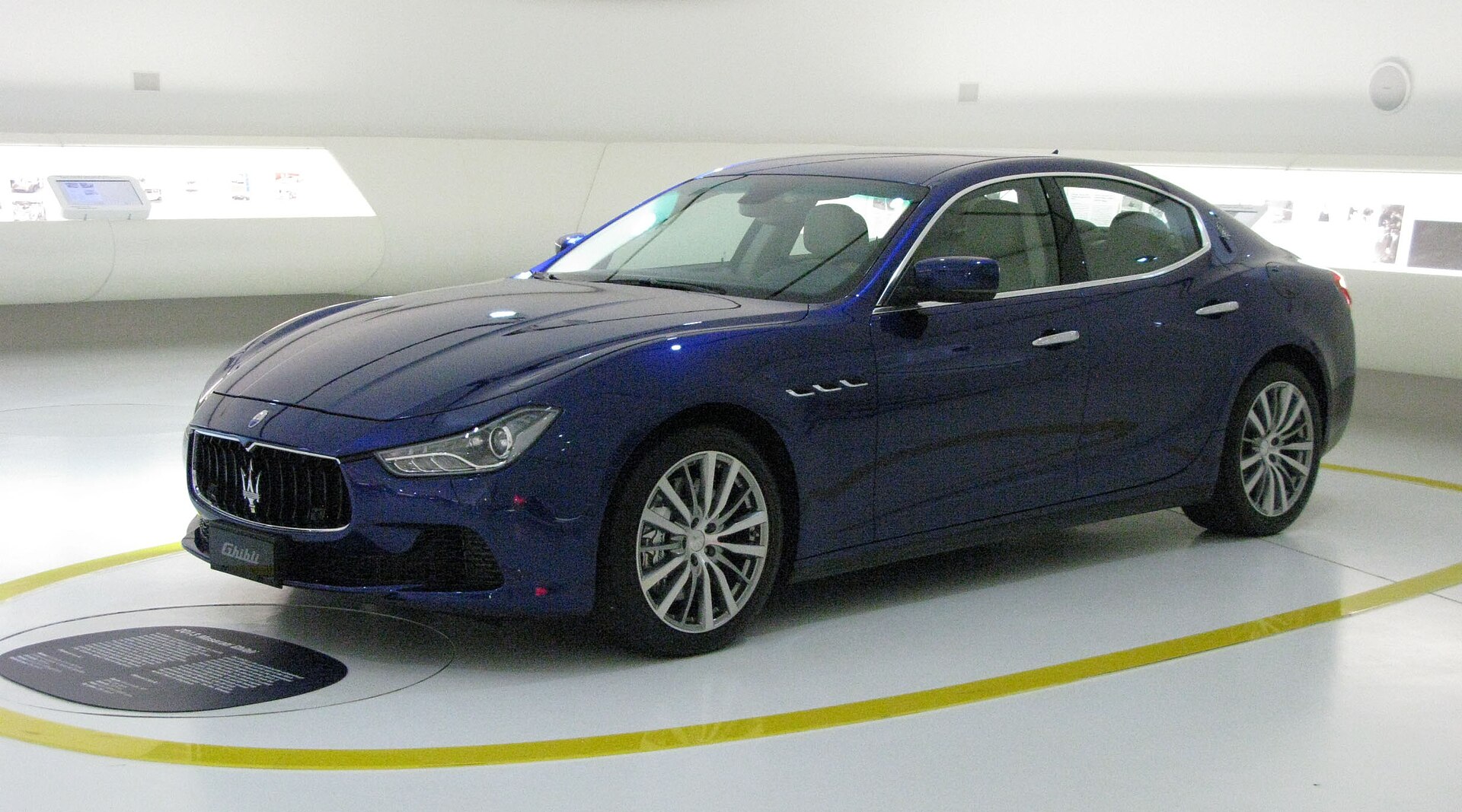
The Maserati Ghibli launched in 2014 as a direct competitor to the BMW 5 Series and Mercedes E-Class — an attempt to bring Maserati into the profitable mid-size luxury sedan segment. The problem: Maserati was building the Ghibli on a heavily modified Chrysler platform, using components engineered for mainstream vehicles, not Italian sports cars.
2014-2016 Early Production Problems
The 2014–2016 Ghiblis are riddled with first-generation problems. Owners report electrical failures that develop mysteriously and unpredictably: dashboard displays going dark mid-drive, infotainment systems freezing, door locks failing, and climate control malfunctions. These aren't minor annoyances — multiple owners have reported the car becoming undrivable due to electrical cascades.
The transmission in early Ghiblis also shows problems inherited from the GranTurismo: shuddering, hesitation, and occasional harsh downshifts. Not as severe as the GranTurismo's issues, but problematic enough to warrant extreme caution.
Suspension durability is another concern. The 2014–2016 Ghibli's suspension bushings deteriorate faster than expected, causing clunking noises and vague steering response. Replacement runs $3,000–$5,000. Several owners also reported steering rack issues as early as 30,000 miles.
2017-2018 Improvement Period
Starting in 2017, Maserati significantly improved the Ghibli. Electrical systems were redesigned. Transmission software received major updates. Suspension components were strengthened. The 2017–2018 Ghiblis are markedly more reliable than their predecessors, though not without occasional issues.
If you want a Ghibli, start your search at 2017. Anything before 2017 should be heavily discounted to justify the electrical and mechanical risks. Many buyers purchasing used Ghiblis have reported spending $5,000–$10,000 in repairs during the first 12 months of ownership with pre-2017 models.
Levante: Maserati's SUV Struggles
The Maserati Levante arrived in 2017 as Maserati's entry into the luxury SUV market. It was built on a shared platform with the Jeep Grand Cherokee, using a Chrysler-based drivetrain. This isn't necessarily a bad thing — Jeep engineering is proven and reliable. But Maserati's execution of that platform was questionable.
2017 First-Year Model
The 2017 Levante, the first model year, had multiple first-year issues: electrical gremlins (particularly with the infotainment system), transmission hesitation with the ZF 8-speed automatic, suspension noises on rough roads, and brake noise complaints. Some owners experienced issues as simple as the touchscreen freezing, others faced more serious electrical system failures that required multiple dealer visits to resolve.
Avoid 2017 Levantes unless they're priced significantly below market. The used market has adjusted, meaning 2017s are cheap, but cheap for a reason.
2018 and Later: Much Better
Starting in 2018, the Levante became a significantly more competent vehicle. Maserati addressed electrical issues, improved transmission behavior, and strengthened suspension durability. 2018+ Levantes are acceptable buys, though nowhere near the reliability standard of comparable BMW X5 or Mercedes GLE models.
The real question with the Levante is whether you want to buy a Jeep-based luxury SUV wearing Maserati badging. For many buyers, the answer is no. But if you do want a Levante, skip 2017 and start at 2018.

Quattroporte: The Four-Door Transmission Nightmare
The Maserati Quattroporte is the brand's flagship sedan, competing against the BMW 7 Series and Mercedes S-Class. It's also one of Maserati's most problematic vehicles from a reliability perspective.
2004-2006 M139 DuoSelect Disaster
The first-generation Quattroporte (2004–2012) came equipped with the same DuoSelect transmission that plagued the GranTurismo. The 2004–2006 models were particularly problematic, with the same shuddering, hesitation, and failure issues that made the GranTurismo infamous. Avoid these years completely. They're old enough now that replacement parts are harder to source, and repair costs are effectively total-loss for most owners.
2013-2016 ZF Automatic Issues
The second-generation Quattroporte (2013–2024) moved away from the DuoSelect and adopted a ZF 8-speed automatic transmission, which is generally more reliable. However, 2013–2014 early production examples still had transmission calibration issues. The transmission would occasionally shift harshly, hold gears too long, or hesitate during acceleration.
By 2015, these issues were largely resolved. If you're considering a pre-2013 Quattroporte, run — don't walk. If you want a newer Quattroporte, 2015+ is acceptable, though still not a reliability standard-bearer.
2014 Electronics Crisis
The 2014 Quattroporte in particular had widespread electrical and electronic system problems. Owners reported infotainment failures, dashboard display issues, power window failures, and seat control malfunctions. Some of these issues required complete electronics module replacements, which cost thousands of dollars and were often difficult to source for a relatively recent car.
If a 2014 Quattroporte seems like a bargain, now you know why. Pass and look for 2015+.
The Problem Years: A Complete Reference Table
| Model & Year | Primary Issues | Severity | Recommendation |
|---|---|---|---|
| GranTurismo 2008–2009 | DuoSelect transmission shudder, failure | CRITICAL | Avoid entirely |
| GranTurismo 2010–2013 | DuoSelect issues, electrical problems | HIGH | Heavy discount required |
| GranTurismo 2014+ | Occasional minor issues | Low | Acceptable to buy |
| Ghibli 2014–2016 | Electrical failures, transmission shudder, suspension wear | HIGH | Avoid or heavily discount |
| Ghibli 2017+ | Occasional minor issues | Low | Safe to buy |
| Levante 2017 | Electrical issues, first-year problems | Medium | Avoid unless deeply discounted |
| Levante 2018+ | Minor occasional issues | Low | Acceptable to buy |
| Quattroporte 2004–2006 | DuoSelect failure, parts availability | CRITICAL | Avoid entirely |
| Quattroporte 2013–2014 | Transmission calibration, electrical issues | HIGH | Avoid or negotiate heavily |
| Quattroporte 2015+ | Minor occasional issues | Low | Acceptable to buy |

The Transmission Problem: Why This Keeps Recurring
If there's one thread connecting most Maserati problem years, it's transmission issues. Understanding what's happening under the car will help you avoid the worst offenders.
The DuoSelect transmission that plagued the GranTurismo and Quattroporte (2004–2013) was an electronically controlled dual-clutch unit designed more for performance than for smoothness in everyday driving. The problem: the electronic control module was overly aggressive in its clutch engagement strategy, particularly at low speeds and during parking lot-speed maneuvers. This caused the characteristic shuddering that owners reported.
Software updates improved the situation but never fully solved it. The transmission was fundamentally designed to be responsive at high rpms, not smooth at 5 mph in stop-and-go traffic. Owners who drove spiritedly reported fewer problems; owners who primarily used their cars in urban settings reported persistent transmission issues.
The transition to ZF 8-speed automatics (2013 onward for most models) fixed many problems, but early production ZF units in Maseratis still had calibration issues. By 2015–2016, Maserati had optimized the transmission software sufficiently that transmission problems became rare.
Electrical and Infotainment Chaos
Beyond transmissions, Maserati's electrical systems have been a persistent weakness. The 2014–2016 Ghibli, 2017 Levante, and 2014 Quattroporte all suffered from electrical gremlins that ranged from annoying (touchscreen freezes) to serious (loss of power windows, locks, or climate control).
The root cause often traces back to software complexity. Maserati's infotainment systems, particularly the early iterations of the Maserati Touch Control system, were prone to software bugs that required multiple dealer reprogramming sessions to resolve. In some cases, the only fix was a complete electronics module replacement.
When evaluating a used Maserati, spend time testing every electrical system: windows, locks, climate control, seat adjustments, infotainment responsiveness, and steering wheel controls. Any hesitation or malfunction should be a red flag, particularly on 2014–2016 models.
Which Maserati Years ARE Safe to Buy
GranTurismo: 2014 and Later
The GranTurismo from 2014 onward is a significantly more reliable car than its predecessor. The transmission software had been thoroughly debugged, and Maserati had addressed most electrical issues. A 2014+ GranTurismo is an acceptable buy, provided you get a comprehensive pre-purchase inspection. Read our complete GranTurismo buying guide for detailed information on variants and pricing.
Ghibli: 2017 and Later
The 2017 refresh transformed the Ghibli from a problematic first-generation car into a competent luxury sedan. While it's still not a paragon of reliability, it's worlds better than 2014–2016 models. Budget for occasional repairs, but major catastrophic failures become unlikely at 2017+. Check out our Ghibli buyer's guide for more details.
Levante: 2018 and Later
The Levante improves significantly from its first year. 2018+ models are acceptable buys, though they remain less reliable than comparable German luxury SUVs. The 2019–2021 Levante represents the sweetest spot — early enough to be featured in inventory, late enough to have most kinks worked out, and with reasonable depreciation.
Quattroporte: 2015 and Later
The Quattroporte from 2015 onward is a legitimate luxury sedan option. The transmission issues from 2013–2014 are resolved, electrical systems are more stable, and Maserati had refined the second-generation design sufficiently. 2016+ models are even better. For a used Quattroporte, target 2016 or later.
The MC20 and the Turning Point: How Maserati Has Improved
Understanding Maserati's evolution is important because it shows where the brand is heading. The 2020 MC20 supercar represented a philosophical shift — instead of borrowing technology from other brands, Maserati developed its own technology, including a new twin-turbo V6 engine designed from scratch.
This matters for older Maserati buyers because it signals that the brand has learned from past mistakes. The electrical and transmission problems of earlier years were largely the result of cutting corners — using supplier technology not fully optimized for Maserati's needs. The MC20's development process suggests that new Maseratis will be more carefully engineered.
For used car buyers, this means: newer is safer with Maserati. The 2023–2024 models arriving in the used market should be significantly more reliable than earlier generations. Meanwhile, the older problem years (2008–2016) are aging out, which means the market is naturally shifting toward more reliable examples.
Depreciation as Opportunity
Here's the silver lining to Maserati's reliability issues: aggressive depreciation. A 2014 GranTurismo that originally cost $150,000 might now sell for $45,000–$60,000. A 2015 Quattroporte that started at $110,000 might be available for $40,000–$55,000. This depreciation is partly because of reliability concerns, but it also represents genuine value for buyers who understand the risks and can afford repairs.
If you can buy a 2015+ Maserati at 60–70% of original price, get a comprehensive pre-purchase inspection, and budget for one major repair during ownership, you might come out ahead compared to leasing a new car. But only if you genuinely understand what you're buying.
How to Buy a Used Maserati Safely: The Right Process
Here's the buying approach we recommend for anyone considering a used Maserati:
Step 1: Set your budget aggressively low. Don't pay current market rates for a Maserati. These are Italian cars with reliability issues — they should be priced at 40–50% discounts to equivalent German or Japanese alternatives. If you're not getting that discount, walk away.
Step 2: Avoid the problem years entirely. Use this guide. Don't negotiate a 2008–2009 GranTurismo "because it's cheap." It's cheap because it's a transmission ticking time bomb. Skip 2014–2016 Ghiblis. Skip 2004–2006 Quattroporte. There are enough good used Maseratis available that you don't need to gamble on the worst years.
Step 3: Get a pre-purchase inspection from someone who knows Maserati. A generic mechanic won't understand the specific issues that plague these cars. Use someone who specializes in Italian exotic cars, or use Automonitor's inspection service, which includes a comprehensive electrical system test.
Step 4: Focus on well-maintained examples with full service history. A Maserati with dealer service records is exponentially safer than a private-sale car with unknown maintenance history. Budget for regular maintenance — these cars are not cheap to operate. A comprehensive evaluation should cover transmission behavior under all driving conditions, electrical system response, and suspension condition.
Step 5: Negotiate from a position of knowledge. Know the market value. Know the specific issues of the model year. Know what repairs would cost if something failed. Use that knowledge to negotiate. Offer 10–15% below asking price for any model year from the problem list, particularly if you discover any issues during the inspection.
The Maintenance Cost Reality
Beyond the problem years, understand that Maserati ownership is expensive. Annual maintenance costs typically run $2,000–$4,000 for routine service, even on reliable examples. This includes oil changes (using synthetic oil), filter replacement, fluid flushes, and inspections.
Major repairs are where things get expensive. A new dual-clutch transmission is $12,000–$18,000. Suspension component replacement can run $3,000–$8,000. A complete infotainment system replacement is $5,000–$10,000. Compared to a BMW or Mercedes at similar price points, Maserati repair bills are comparable, but the cars are less reliable, so you're more likely to need repairs sooner.
Budget conservatively. If buying a used Maserati, assume one major repair ($5,000+) during the first 18 months of ownership, unless the car has an extended warranty.
Frequently Asked Questions
Is a 2010 Maserati GranTurismo safe to buy?
A 2010 GranTurismo is marginal. It's better than 2008–2009 models, but the DuoSelect transmission still had issues. If you find one priced at least 25–30% below market, get a thorough transmission inspection, and budget for potential transmission work, it's defensible. Otherwise, spend the extra $5,000 and jump to a 2014+ model.
What about 2013 Ghibli? I found one at a great price.
Wait — the Ghibli didn't launch until 2014. If someone is selling you a 2013 Ghibli, that should be an immediate red flag about the seller's honesty. Make sure you're looking at a 2014 model at minimum.
Are all early Quattroporte models bad?
The 2005–2012 Quattroporte with the DuoSelect transmission is problematic. Avoid. The 2013–2014 models have different issues but still problematic. Starting at 2015 is much safer. If you're finding 2013–2014 Quattroportes at attractive prices, there's usually a reason — and transmission or electrical issues are likely.
Does a Maserati extended warranty make sense for a used car?
Yes. Third-party warranties that cover powertrain and electrical systems are worthwhile for Maseratis, particularly for 2014–2016 models. A $2,000–$4,000 extended warranty could save you thousands if the transmission or electrical system fails. Look for warranties that cover Maserati service at independent shops, not just dealerships.
Should I buy a Maserati at all if reliability is a concern?
If you value reliability above all else, buy a BMW 5 Series or Mercedes E-Class instead. But if you value Italian style, distinctive driving experience, and don't mind the occasional repair adventure, a post-2015 Maserati is defensible. The key is buying the right year, getting a proper inspection, and budgeting for maintenance. Don't buy a Maserati expecting Japanese-grade reliability — you'll be disappointed.
What's the best Maserati year to buy in 2026?
2018–2020 models across all lines (GranTurismo, Ghibli, Levante, Quattroporte) represent the sweet spot. Old enough to have appreciated depreciation without being so old that they're hitting the reliability wall. New enough that the worst production issues have been resolved. Look for 2019 Ghiblis, 2019 Quattroportes, and 2019 Levantes as particularly good values.
The Final Verdict: Buying Smart, Not Getting Caught
Maserati can be a rewarding ownership experience if you understand what you're getting into. The worst years — 2008–2009 GranTurismo, 2014–2016 Ghibli, 2004–2006 Quattroporte — should be avoided entirely unless you find them at clearance prices and have accepted the repair risks.
The good years — 2014+ GranTurismo, 2017+ Ghibli, 2018+ Levante, 2015+ Quattroporte — are legitimate purchases for buyers who understand Maserati's reliability profile and can budget for occasional repairs. These cars are less reliable than their German competitors, but they're also significantly cheaper on the used market, which partially offsets the increased ownership costs.
The key to successful Maserati ownership is being intentional. Know which years to avoid. Demand a thorough pre-purchase inspection. Negotiate aggressively. Budget for maintenance. And remember: you're buying these cars for the experience, not for resale value or reliability. If you're comfortable with that, Maserati offers some of the best Italian driving experiences available at prices that won't require a second mortgage.
For help navigating the purchase process, Automonitor's buying service connects you with dealers who specialize in Maserati inventory and can help you find the right year at the right price. Our inspection process will catch the problems before you commit, saving you potentially thousands in repair costs. That's worth the investment.
Find Your Next Maserati
Automonitor sources verified Maseratis from trusted dealers, includes comprehensive inspections, and provides market data so you can buy with confidence. Skip the problem years and get into the right car.
Browse Maserati Inventory →