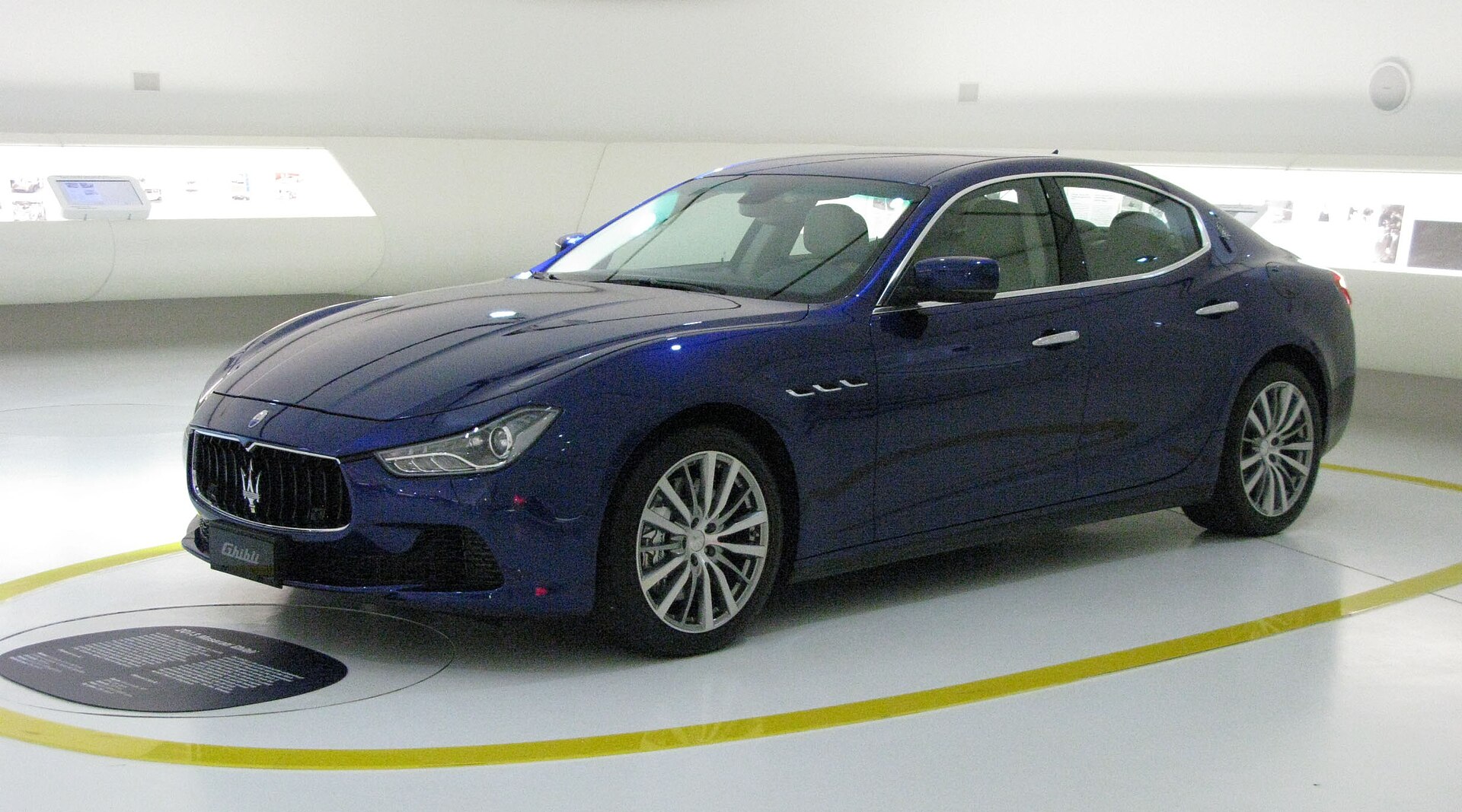
Is a Maserati a Good Daily Driver?
Maserati has built a reputation for combining Italian luxury with performance. But can these elegant machines handle the reality of daily ownership? We've analyzed the Ghibli, Quattroporte, Levante, and GranTurismo to give you an honest answer.
The Honest Answer: It Depends on the Model
Whether a Maserati is a good daily driver depends entirely on which model you choose and what your expectations are. Some Maseratis—particularly the Levante SUV and newer Ghibli sedans—can absolutely function as daily drivers with proper planning and budget. Others, like the MC20 supercar or GranTurismo, are weekend toys masquerading as cars you could theoretically drive to work.
The critical difference between a Maserati and true daily drivers like a BMW 5 Series or Mercedes S-Class isn't practicality—it's reliability anxiety and maintenance costs. A Maserati will get you from point A to point B just fine. The question is whether you can afford the uncertainty and expense when things go wrong, and whether you're prepared to lose 50-60% of your purchase price in five years.
For buyers considering a Maserati as a primary transportation solution, this guide will walk you through everything: which models work best, real-world ownership costs, known reliability issues, and whether the Maserati ownership experience justifies the financial commitment compared to more conventional luxury alternatives.
The Maserati Lineup as Daily Drivers: Model-by-Model Analysis
Maserati currently produces four main models available in the used market. Each has distinct characteristics for daily driving:
Ghibli: The Most Practical Sedan
The Ghibli is Maserati's most daily-driver-friendly sedan. It offers a genuine four-seat cabin, a reasonable trunk, and modern infotainment in recent models. The Ghibli combines Italian styling with enough practicality to work as a daily driver if you accept that it won't be as spacious as a BMW 5 Series or Mercedes E-Class. Available with a 3.0L V6 (345 hp) or twin-turbo V8 (430 hp), the Ghibli provides adequate performance without the maintenance nightmares of older Ferrari-powered models.
Best model years for daily driving: 2018 and newer. Earlier Ghibili models had less refined interiors and less reliable infotainment systems. The Ghibli S Q4 with AWD is the best choice for regions with winter weather, providing better traction and peace of mind in snow.
Quattroporte: The Luxury Sedan
The Quattroporte is Maserati's flagship sedan—larger, more luxurious, but less practical than the Ghibli due to reduced cargo space. It's perfectly capable as a daily driver for someone who commutes alone or with one passenger, but families should opt for the Levante or Ghibli. The Quattroporte offers the same engine options as the Ghibli (3.0L V6 or twin-turbo V8) with slightly more prestige and a correspondingly higher maintenance bill.
The Quattroporte excels as an executive transportation piece—the kind of car you drive to important client meetings or dinner reservations. As a practical daily driver for hauling groceries and weekend road trips, it falls short compared to competitors.
Levante: The Best Daily Option
The Levante SUV is genuinely Maserati's best daily driver. It offers genuine cargo space, a commanding driving position, available all-wheel drive, and a functional back seat suitable for children or rear passengers. The Levante comes with the same 3.0L V6 or twin-turbo V8 options as the Ghibli, with the added practicality of SUV proportions.
If you're seriously considering a Maserati for daily duties, the Levante should be your starting point. It sacrifices some of the Italian sports car drama for genuine usability, but it's the model most likely to integrate successfully into a working life. The 2022+ generation features significantly improved reliability and updated technology.
GranTurismo: The Sporty Coupe
The GranTurismo is a grand touring coupe available with a 460 hp 4.2L V8 in older models or a 542 hp 3.0L twin-turbo in 2021+ versions. It's beautiful, capable of surprisingly long road trips, and genuinely thrilling to drive. It's also completely impractical as a daily driver. The trunk is tiny, rear visibility is compromised by design, and the aggressive stance means speed bumps are real concerns. The GranTurismo works as a weekend car or second vehicle, not as transportation you rely on five days a week.
MC20: The Supercar (Not a Daily Driver)
The MC20 is Maserati's hypercar flagship with a 621 hp twin-turbo V6 derived from Ferrari technology. It's genuinely one of the last production cars with a mid-engine supercar layout. It's also the least practical car Maserati makes and should never be considered a daily driver under any circumstances. Extreme low ground clearance, two-seater configuration, limited visibility, and six-figure annual maintenance bills place the MC20 firmly in the "weekend/track only" category.
| Model | Daily Rating | Comfort | Reliability | Annual Cost | Depreciation |
|---|---|---|---|---|---|
| Ghibli (2018+) | 8/10 | Good | Fair | $3,500–$6,500 | 50-55% / 5yr |
| Quattroporte | 7/10 | Excellent | Fair | $4,000–$7,000 | 55-60% / 5yr |
| Levante (2022+) | 9/10 | Excellent | Good | $3,000–$5,500 | 45-50% / 5yr |
| GranTurismo | 4/10 | Very Good | Fair | $5,000–$9,000 | 55-65% / 5yr |
| MC20 | 1/10 | Good | Unknown | $15,000–$25,000 | Unknown / 5yr |

The Reliability Reality: Why Maserati Ownership Requires Confidence
Maserati's reliability record is historically below average compared to German luxury competitors. This is the hard truth that must guide your decision. According to industry data, Maseratis average 1.8 problems per year per 100 vehicles in the early years of ownership, compared to 1.2 for BMW and 1.0 for Porsche. This gap widens as cars age.
The reasons are straightforward: Maserati uses more complex electrical systems than competitors, sources components from multiple suppliers (increasing potential failure points), and historically has had less investment in quality control than Ferrari or Lamborghini. Pre-2018 models are particularly concerning—multiple owners report electrical gremlins, transmission shuddering, and cooling system issues that cost thousands to resolve.
Common issues by generation:
- Ghibli (2013-2017): DCT transmission shuddering at low speeds, electrical infotainment failures, coolant leaks in the V8 models, and suspension noise. Many owners report first major service hitting $3,000-$5,000 with unexpected repairs. Avoid early production models.
- Ghibli (2018-2024): Significantly more reliable than earlier generations. Most issues are minor electrical gremlins, occasional transmission hesitation, and infotainment software bugs (fixable via update). Genuine engine issues are rare with 2018+ models.
- Quattroporte: Similar issues to contemporary Ghiblis. The older generation (2013-2016) had substantial reliability concerns. 2017+ models are much improved but still not class-leading.
- Levante (2016-2021): Mixed reviews during initial ownership, but 2019+ models show significantly improved reliability. The 2022 redesign introduced new powertrains with better long-term prospects.
- Levante (2022+): The newest generation features updated engines, revised electrical architecture, and improved supplier relationships. Early reliability data is positive, though long-term durability is still being proven.
- GranTurismo (2007-2019): Older models used Ferrari-derived engines prone to carbon buildup and timing chain stretch. The 2018+ generation with Maserati-developed powertrains is significantly better, though track use increases brake and suspension wear dramatically.
The practical reality: Maserati ownership works only if you can budget $3,000-$6,500 annually for maintenance and repairs, and you're prepared for occasional surprises. If a $2,000 unexpected repair would cause financial stress, a Maserati is not appropriate for you.
Real Ownership Costs: Purchase Price Is Just the Beginning
A used Maserati Ghibli or Levante might seem attainable at $25,000-$45,000, but the total ownership cost tells a different story. Here's what actual Maserati ownership costs based on real owner data:
| Expense Category | Annual Cost Range | Notes |
|---|---|---|
| Insurance | $2,000–$4,500 | Varies by model, age, location, and driving record |
| Maintenance (Scheduled) | $1,500–$3,000 | Oil changes, fluid service, inspections every 15,000 miles |
| Repairs (Unexpected) | $1,000–$3,000 | Electrical issues, sensor replacements, transmission service |
| Fuel | $2,000–$3,500 | 14-17 mpg combined depending on model; premium fuel required |
| Tires (Amortized) | $800–$1,500 | Replacements every 25,000-35,000 miles |
| Registration & Taxes | $500–$1,500 | State-dependent; luxury taxes may apply |
| Total Annual Running Cost | $7,800–$17,500 | Excludes depreciation; assumes no major repairs |
Notice that unexpected repairs are built into the cost expectation. A major repair—transmission service ($3,500-$6,000), engine work ($5,000+), or electrical system overhaul—can add another $5,000-$10,000 to any given year. These aren't rare edge cases; they're normal Maserati ownership experiences that must be planned for.
A Ghibli purchased for $35,000 will cost $7,800-$17,500 annually to own, plus depreciation. Over five years, you'll spend $39,000-$87,500 in operating costs before considering that the car will likely be worth $15,000-$20,000 when you sell it. Your total five-year cost approaches $100,000 on a $35,000 purchase. This matters when evaluating whether a Maserati is truly a good daily driver.

Depreciation: Significant Value Loss Over Time
Maserati depreciation is steep—50-60% loss over five years is typical. This reflects the brand's reliability concerns, limited brand prestige in America compared to Ferrari or Lamborghini, and the reality that Maserati faces intense competition from mainstream luxury brands offering better reliability and lower depreciation.
A 2019 Ghibli purchased for $40,000 today will likely be worth $16,000-$20,000 in five years. A Levante depreciates slightly better (45-50% over five years), but not dramatically. GranTurismo and Quattroporte models depreciate even faster due to lower demand and higher maintenance expectations.
The one exception: ultra-low-mileage, well-maintained, and particularly rare Levante or Ghibli models in desirable colors can hold value better than average. But don't count on appreciation or even holding value. Maserati is not an investment vehicle—it's a depreciating asset you should buy to enjoy, not to preserve.
Know the Real Cost Before You Buy
Automonitor connects you with exotic car specialists who can perform comprehensive pre-purchase inspections on Maseratis, identifying potential costly repairs before you commit.
Get a Professional Inspection →Engine & Powertrain Technology: From Ferrari-Derived to Modern Maserati
Understanding Maserati's engine evolution is critical for daily driver selection. The brand has used engines from different sources across generations:
Ferrari-Derived Engines (Pre-2018): Older Maseratis used Ferrari V8 and V12 powertrains. While performance-oriented, these engines demanded premium fuel, produced high maintenance costs, and had carbon buildup issues in the direct injection systems. If you're considering a Ghibli or Quattroporte from before 2017, budget extra for preventative carbon cleaning and fuel system work.
Maserati 3.0L Twin-Turbo V6 (2018-Present): This engine represents Maserati's transition to in-house power. Producing 345 hp in base form and up to 430 hp in S versions, it's more efficient and reliable than Ferrari engines. It still requires premium fuel and has occasional turbocharger lag, but it's substantially better engineered for longevity.
Nettuno V6 (MC20, GranTurismo 2021+): The newest Maserati engine, derived from Ferrari technology but optimized independently. This twin-turbo V6 produces 542 hp and represents the future of Maserati powertrains. It's early to assess long-term reliability, but initial data is encouraging.
For daily driver purposes, the 2018+ 3.0L twin-turbo is your best bet. It balances performance, efficiency, and reliability. Avoid pre-2018 models unless you're comfortable with higher maintenance requirements.

Interior Quality & Technology: Improving, but Not Class-Leading
Maserati interiors emphasize Italian styling over technological innovation. Pre-2018 models featured dated infotainment systems, cheap plastics in non-visible areas, and electrical issues that plagued daily usability. Button failures, touchscreen unresponsiveness, and climate control malfunctions were common complaints.
2018+ models improved significantly. The newer infotainment systems are faster, more reliable, and finally integrate smartphone connectivity properly. Interior materials upgraded to genuine leather and aluminum trim instead of plastic. However, Maserati still lags behind BMW, Mercedes, and Porsche in technology features and interface intuitiveness.
The 2022 Levante and redesigned GranTurismo represent the best interiors Maserati has offered. They're genuinely pleasant places to spend time, with clean interfaces and premium materials. If daily comfort matters to you, prioritize these newer models.
How Maserati Compares: vs. BMW M5, Mercedes-AMG GT 4-Door, Porsche Panamera
When evaluating a Maserati as a daily driver, you're competing against established luxury performance alternatives. Here's the honest comparison:
| Category | Maserati Ghibli | BMW M550i | Mercedes-AMG GT 4-Door | Porsche Panamera |
|---|---|---|---|---|
| Horsepower (Base) | 345 hp (V6) | 523 hp (V8) | 585 hp (V8) | 440 hp (V6) |
| 0–60 mph | 5.2s | 3.9s | 3.5s | 4.5s |
| Used Market Price | $25K–$45K | $35K–$55K | $55K–$85K | $40K–$70K |
| Annual Maintenance | $3,500–$6,500 | $2,500–$5,000 | $4,000–$8,000 | $2,000–$4,500 |
| Reliability Rating | Fair | Very Good | Good | Excellent |
| Depreciation (5-Year) | 50-60% | 40-45% | 45-55% | 35-40% |
| Interior Quality | Good | Excellent | Excellent | Exceptional |
| Technology | Adequate | Excellent | Excellent | Exceptional |
| Daily Practicality | Good | Excellent | Good | Excellent |
The verdict: The Porsche Panamera is objectively better for daily driving—superior reliability, lower maintenance, better technology, and a spacious cabin. The BMW M550i offers stunning performance and reliability at a similar price point. The Mercedes-AMG GT 4-Door prioritizes style and performance over practicality.
The Maserati Ghibli wins on two fronts: Italian styling/presence and lower purchase price. If you value those factors and can absorb the higher maintenance costs, the Maserati is justifiable. If you prioritize reliability and lowest total cost of ownership, the Porsche Panamera or BMW M550i make more mathematical sense.
Best Maserati Model Years for Daily Use
Ghibli: 2018 and newer are significantly more reliable than earlier generations. The 2021-2024 models represent the best of the current generation before the next redesign. 2022+ models have minor improvements but not radical differences.
Levante: The 2022+ redesign is the best choice if you're committed to Maserati SUV ownership. The 2019-2021 generation is acceptable but notably less refined. Avoid 2016-2018 models unless you find an exceptional example with full service history.
Quattroporte: 2017+ models only. Earlier generations are unreliable and costly to maintain. The 2018+ versions represent the best balance of reliability and luxury.
GranTurismo: The 2018+ generation with the 3.0L twin-turbo is substantially better than earlier 4.2L V8 models. 2021+ models with the Nettuno engine represent the future but have limited long-term data.
When a Maserati Makes Sense as a Daily Driver
A Maserati is a defensible choice for daily driving in these specific situations:
- You prioritize style over practicality: Maserati designs are genuinely beautiful. If you value the visual and emotional experience of driving an Italian luxury car over absolute reliability, that's valid.
- You can afford unexpected repairs without stress: Budget flexibility matters more than budget size. If a $3,000 transmission service or $5,000 electrical repair wouldn't disrupt your finances, Maserati ownership becomes manageable.
- You have access to a Maserati-certified dealer: Independent shops can work on Maseratis, but dealer service is preferable due to proprietary diagnostic requirements. Verify dealer proximity and availability before purchase.
- You'll drive it regularly: Maserati ownership is actually worse if you drive the car infrequently. Cars that sit deteriorate faster, developing seal leaks, battery drain, and fuel system issues. Drive your Maserati regularly to keep systems active.
- You're buying a recent model (2018+): Older Maseratis are substantially more problematic. If considering anything pre-2017, expect maintenance costs to exceed annual budget estimates significantly.
- You're choosing Levante over other models: The Levante SUV is genuinely the best daily driver in the lineup, offering practicality without sacrificing Italian character.
When You Should NOT Buy a Maserati as a Daily Driver
If you need rock-solid reliability: Porsche and BMW offer better long-term dependability. If avoiding unexpected repairs is critical, those brands are safer choices.
If you're financially stretched: The Maserati purchase price is only 30-40% of the total five-year cost equation. If that $7,800-$17,500 annual operating cost creates budget pressure, reconsider.
If you need maximum practicality: The Ghibli is decent but not exceptional. The Levante is practical among Maseratis but not among SUVs. For genuine cargo space and utility, mainstream luxury SUVs deliver more.
If you're buying for appreciation: Maseratis depreciate heavily. Don't buy one expecting the car to hold or gain value. Buy it to drive and enjoy during ownership, understanding you'll accept significant depreciation.
If you haven't test-driven the specific model: Maserati driving experiences vary significantly by variant and condition. A problem-plagued Ghibli from 2015 is a nightmare; a well-maintained 2022 Levante is genuinely pleasant. Always drive before purchasing.
Ready to Explore Maserati Ownership?
Automonitor specializes in exotic car buying and can guide you through Maserati selection, pre-purchase inspection, and honest cost analysis. We'll help you determine if Maserati is the right choice.
Start Your Maserati Search →Insurance Costs: Higher Than Mainstream Luxury
Maserati insurance is more expensive than equivalent BMWs or Mercedes-Benz models due to repair costs and the brand's lower volume. Annual insurance for a Ghibli or Levante typically runs $2,000-$4,500 depending on your age, location, driving record, and specific model.
GranTurismo and Quattroporte models can exceed $4,000-$5,000 annually due to increased replacement value. The MC20 is insurable only through specialty carriers with costs exceeding $10,000 annually.
This is a real ongoing cost to factor into ownership budgets. Don't overlook it when calculating whether a Maserati is truly affordable for daily use.
Fuel Economy: Premium Required, Efficiency Modest
All modern Maserati models require premium (91+ octane) fuel, adding ongoing costs. Real-world fuel economy varies:
- Ghibli V6: 18-22 mpg combined depending on driving style
- Ghibli V8: 15-18 mpg combined
- Levante V6: 16-20 mpg combined
- Levante V8: 14-17 mpg combined
- GranTurismo: 13-16 mpg combined
For someone driving 15,000 miles annually in a Ghibli V6, budget $2,000-$2,500 yearly for fuel at current prices. This compounds the already-high ownership costs.
Dealer Network Size: More Limited Than Competition
Maserati has approximately 85 authorized dealers in the United States—roughly 40% fewer than Porsche or BMW. If you live far from a Maserati dealer, maintenance becomes complicated. Independent shops can handle many services, but transmission diagnostics, software updates, and warranty work require dealer access.
Before purchasing, verify that a Maserati dealer is reasonably accessible (within 30-50 miles ideally). Living hours from dealer support adds stress to already-elevated maintenance costs.
Automonitor's Verdict: A Defensible Choice, Not an Obvious One
A Maserati can work as a daily driver if you approach the purchase with clear-eyed understanding of what you're committing to. The Levante is genuinely excellent for buyers who want SUV practicality with Italian personality. The 2018+ Ghibli works for commuters prioritizing style over bulletproof reliability.
But let's be direct: buying a Maserati for daily driving is choosing emotional satisfaction and Italian heritage over financial optimization and dependability. A Porsche Panamera or BMW M550i will serve you better statistically. A Bentley Continental GT will impress more. A Mercedes-AMG GT 4-Door will thrill more viscerally.
Yet Maserati has an intangible quality—the Italian design language, the badge history, the way people turn their heads when you drive past—that justifies the premium for buyers who genuinely value those things. The car forces you to invest in the experience of driving, not just transportation.
If that resonates with you, and you can legitimately afford the total ownership cost, then yes: a Maserati is a good daily driver. If you're primarily seeking reliability, practicality, or financial prudence, the answer is no.
Frequently Asked Questions
Final Thoughts
Maserati ownership is an exercise in balancing desire against practicality. The brand produces genuinely beautiful cars with Italian engineering heritage and distinctive personality. But reliability lags German competitors, depreciation is steep, and maintenance costs are elevated.
A Maserati is a good daily driver only if that emotional appeal outweighs the financial and logistical challenges. If it does—if you genuinely want to drive this car despite knowing the downsides—then absolutely, the Maserati ownership experience justifies the commitment.
For more guidance on choosing the right exotic car for your lifestyle, check out our complete guide to daily driving exotic cars, our analysis of Porsche 911 daily driving, and our exotic car buyer checklist.
If you're ready to move forward with Maserati ownership, Automonitor's concierge service handles the entire process—from market research to pre-purchase inspection to negotiation. We've guided hundreds of buyers through exotic car purchases and can help you find the right Maserati at the right price.