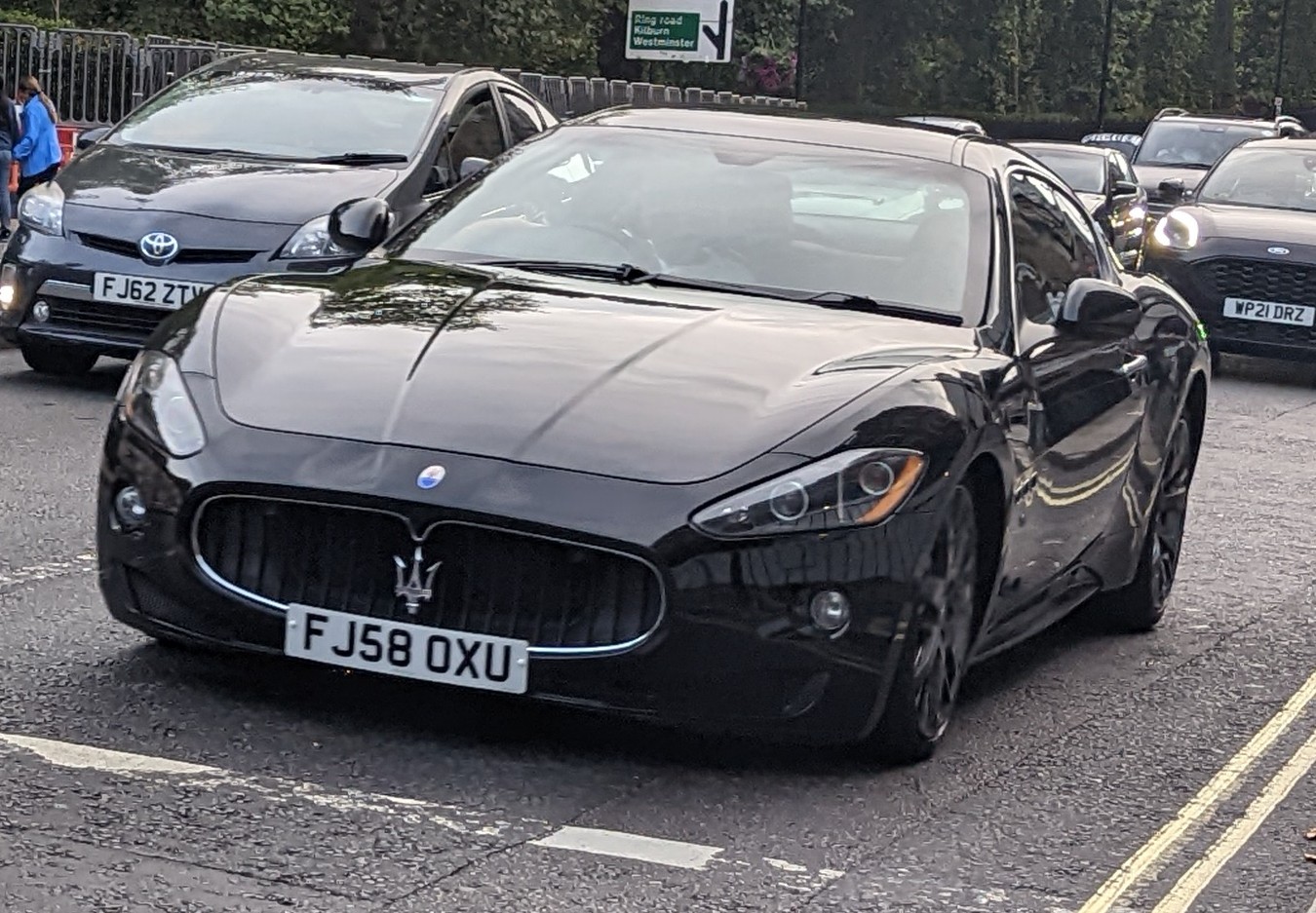
Is the Maserati GranTurismo Worth Buying?
The new Maserati GranTurismo represents a brand rebirth — a $180K-$230K+ sports car that marries Italian heritage with modern engineering. But is it a worthwhile investment, or just another overpriced luxury nameplate trading on history?
The Short Answer: Yes, But Understand What You're Buying First
The Maserati GranTurismo is worth buying if you value Italian design heritage, a unique driving experience, and European grand touring character over raw performance metrics. Unlike most competitors at this price point, the GranTurismo prioritizes personality and craftsmanship over lap times and horsepower wars. The new generation, launched in 2023, is a legitimate contender against the Porsche 911 Carrera, Aston Martin Vantage, and Mercedes-AMG GT — but it operates on a different philosophy entirely.
However, worth is context-dependent. The GranTurismo is worth buying if you're buying the right variant (Modena or Trofeo), understanding the ownership costs, and prepared for Maserati's service ecosystem. It's worth less if you're stretching financially, need maximum depreciation resistance, or prioritize brand prestige over driving engagement.
Through Automonitor's buying network, we've facilitated GranTurismo purchases for buyers across performance spectrums, and the pattern is consistent: those who understand what a grand tourer is supposed to be love their purchase. Those expecting a Ferrari-level status symbol or a Porsche-level track weapon often regret it. This guide exists to help you fall into the first category.
The Maserati Renaissance: Why This GranTurismo Is Different
Maserati has spent the last decade rebuilding its identity after decades of neglect. The brand's last truly significant sports car was the MC12 (2004-2009), and the original GranTurismo (2007-2019) was aging poorly by 2020. The new generation, built on the MC20 platform's DNA and engineered with Ferrari's influence through Maserati's parent company, represents the brand's most serious sports car since the MC12.
This matters because Maserati is betting everything on the GranTurismo being a legitimate flagship. The Nettuno engine (shared with the MC20 hypercar) is entirely new, designed in-house with twin-turbo engineering that avoids traditional turbo lag. The chassis is mid-engined based on MC20 architecture — a significant engineering commitment that costs Maserati money.
The GranTurismo isn't just a rebadged Alfa Romeo or an engineering exercise. It's Maserati's statement that the brand can compete at the highest levels of sports car manufacturing. Whether that ambition translates to ownership satisfaction depends heavily on the variant you choose and your expectations.
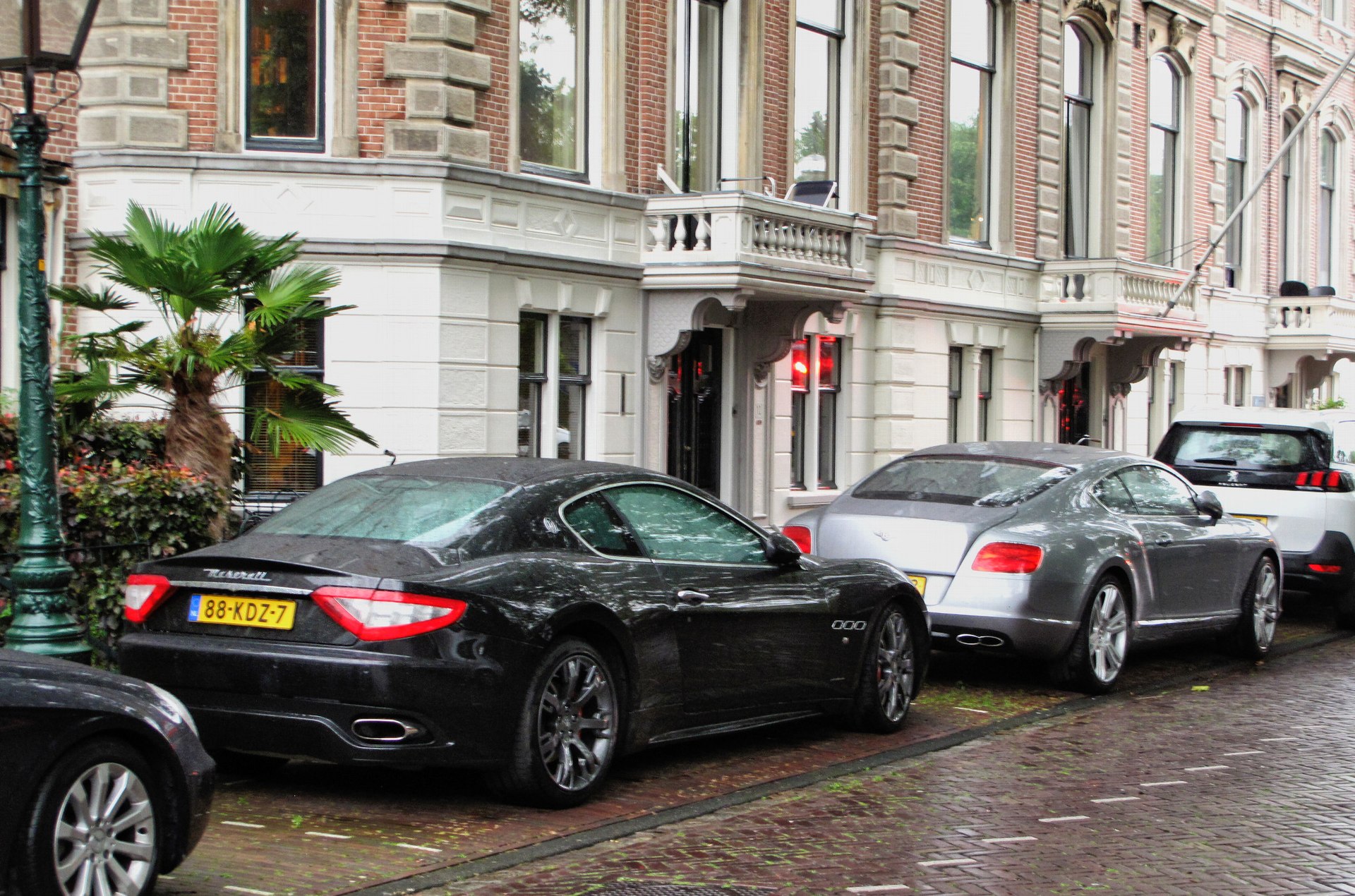
The Nettuno V6: Twin-Turbo, 550-630 HP, and Genuinely Different
At the heart of the GranTurismo is the 3.0-liter Nettuno twin-turbo V6, a power unit that exists nowhere else in the automotive world. Shared only with the $2M+ MC20 hypercar, the Nettuno produces different outputs depending on variant:
- Modena (base): 550 horsepower, 457 lb-ft torque, 3.8-second 0-60 time
- Trofeo (high-performance): 630 horsepower, 538 lb-ft torque, 3.4-second 0-60 time
The power delivery is where the Nettuno distinguishes itself. Maserati engineered the turbochargers with a pre-compression chamber and variable geometry technology designed to minimize lag. In real-world driving, the Modena feels responsive at low rpm — more naturally aspirated than turbocharged. The Trofeo's additional 80 horsepower transforms the car from "quick grand tourer" to "serious performance machine."
Fuel consumption runs 17-20 mpg combined depending on driving style, which is excellent for a 630-hp twin-turbo sports car. The engine requires 91+ octane premium fuel and responds well to ethanol-free premium, which some collectors prefer.
Reliability outlook: The Nettuno shares components with Ferrari's TF40 engine development team, and Mercedes provides turbocharging expertise. Early reliability has been strong through 2024-2025. However, the engine is new, so long-term data doesn't exist. Budget $6,000-$8,000 annually for preventive maintenance including spark plugs (though they last 20,000 miles), filters, and fluids.
The Folgore EV Future: Understanding the Electric Variant Path
Maserati announced the Folgore (Italian for "lightning bolt") EV variant launching in 2024-2025, powered by a 92-kWh battery and dual-motor setup producing 820 hp and achieving 3.0-second 0-60 times. At $200K+, the Folgore prices near high-trim Trofeo models but offers zero-emission performance.
Should you wait for the Folgore? Only if you prioritize electric charging infrastructure, live in a region with EV charging networks, or want cutting-edge green technology. If you value the engine sound, the twin-turbo character, and the proven reliability of conventional powertrains, the Nettuno variants make more sense in 2026. The Folgore will appeal to a different buyer — one who cares about environmental compliance and silent performance over emotional engine engagement.
For resale value, the Nettuno twins will hold better through 2030. The EV market for six-figure sports cars is still evolving, and early EV adopters sometimes face depreciation surprises.
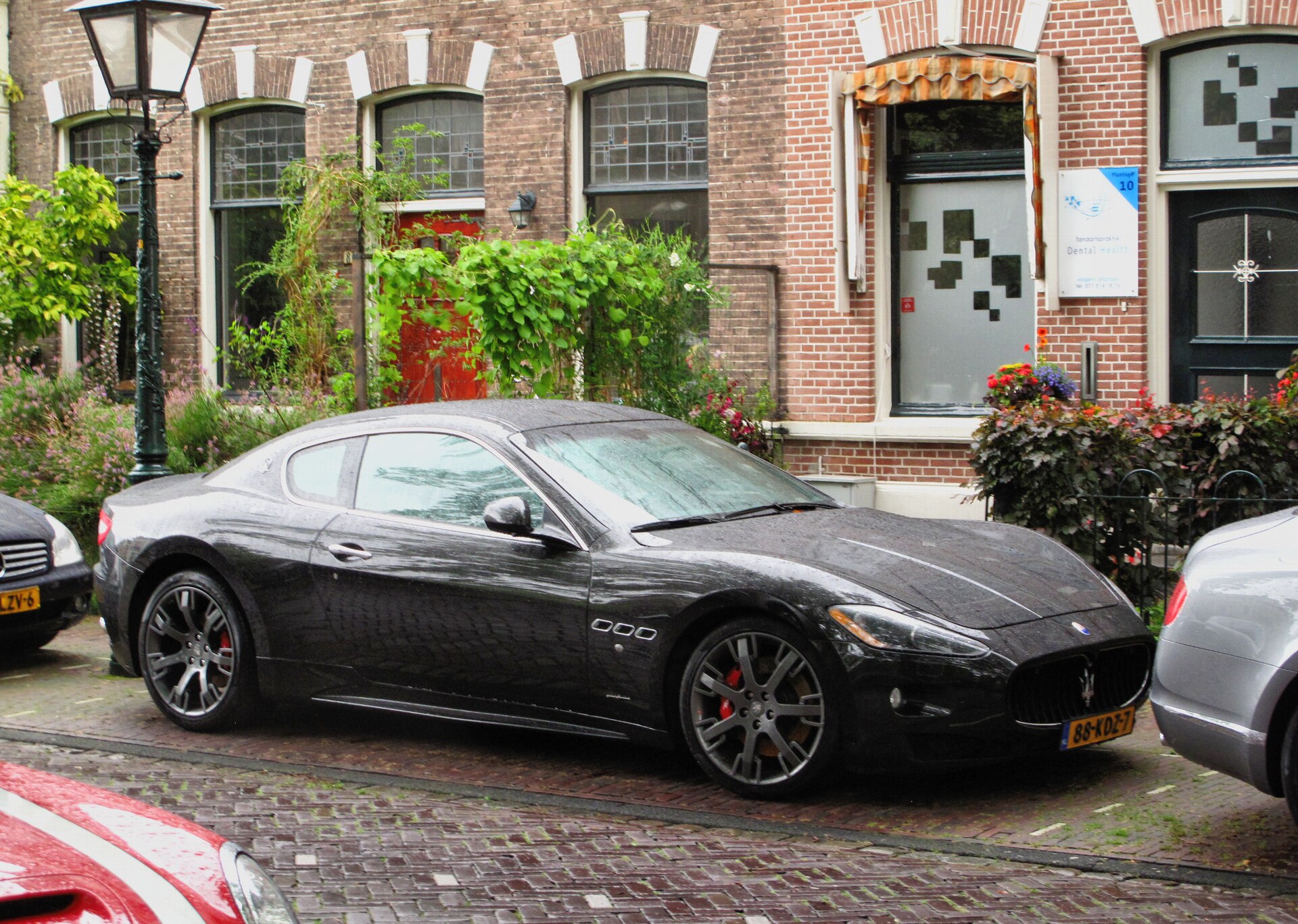
What the GranTurismo Actually Costs: Price, Variants, and Real Ownership Expenses
New GranTurismo pricing starts around $180,000 for the Modena and climbs to $230,000+ for the fully loaded Trofeo. The used market is just beginning to form (production started late 2023), but early 2025-2026 inventory shows:
| Variant | Year | Used Market Price | Mileage Range |
|---|---|---|---|
| Modena | 2024 | $160,000–$185,000 | 2,000–8,000 miles |
| Modena Sport | 2024–2025 | $170,000–$195,000 | 1,500–6,000 miles |
| Trofeo | 2024 | $215,000–$245,000 | 1,000–5,000 miles |
| Trofeo Sport | 2025 | $225,000–$260,000 | Under 2,000 miles |
But purchase price is only the beginning. Annual ownership costs for a GranTurismo are higher than most owners anticipate:
| Expense Category | Annual Cost | Details |
|---|---|---|
| Insurance | $5,000–$9,000 | Varies by location, age, driving record |
| Routine Maintenance | $4,000–$6,500 | Oil changes, filter service, fluid checks |
| Fuel | $3,500–$5,500 | 17–20 mpg; 91+ octane required |
| Tires (amortized) | $1,200–$2,000 | Replacement every 20K–25K miles |
| Brakes (amortized) | $800–$1,500 | Carbon ceramic replacement ~$12K |
| Registration & Taxes | $1,500–$3,500 | State-dependent; luxury car premium |
| Total Annual Running Cost | $16,000–$28,000 | Excludes depreciation & major repairs |
That's roughly $1,300–$2,300 per month in running costs alone. For comparison, a Porsche 911 Carrera S runs $12,000–$20,000 annually, while an AMG GT runs $15,000–$26,000. The GranTurismo is in the premium camp but not the absolute highest tier — it's competitive.
Depreciation and Value Retention: Early Signals Are Encouraging
Maserati sports cars have historically suffered depreciation compared to Porsche, Ferrari, and AMG. However, the new GranTurismo's scarcity and brand renaissance are changing that equation. Early data from 2024-2025 suggests:
- Year 1 depreciation: 8–15% (typical for new specialty vehicles)
- Three-year outlook: 18–28% total depreciation
- Five-year outlook: 30–40% expected
That's considerably better than the previous-generation GranTurismo, which depreciated 40%+ by year three. The reason: limited production (target 3,500 globally through 2026), enthusiast demand, and Maserati's genuine engineering effort visible in every aspect of the car.
Trofeo variants hold value better than base Modena cars — the high-performance version has stronger appeal in the used market. Limited-edition color and option combinations can actually appreciate if they become sought-after, but beware of overly specced cars with options nobody wants.
At Automonitor, we specialize in valuation of specialty vehicles. The GranTurismo is emerging as a legitimate value player in its segment, particularly for buyers who hold it 3+ years and drive it moderately.
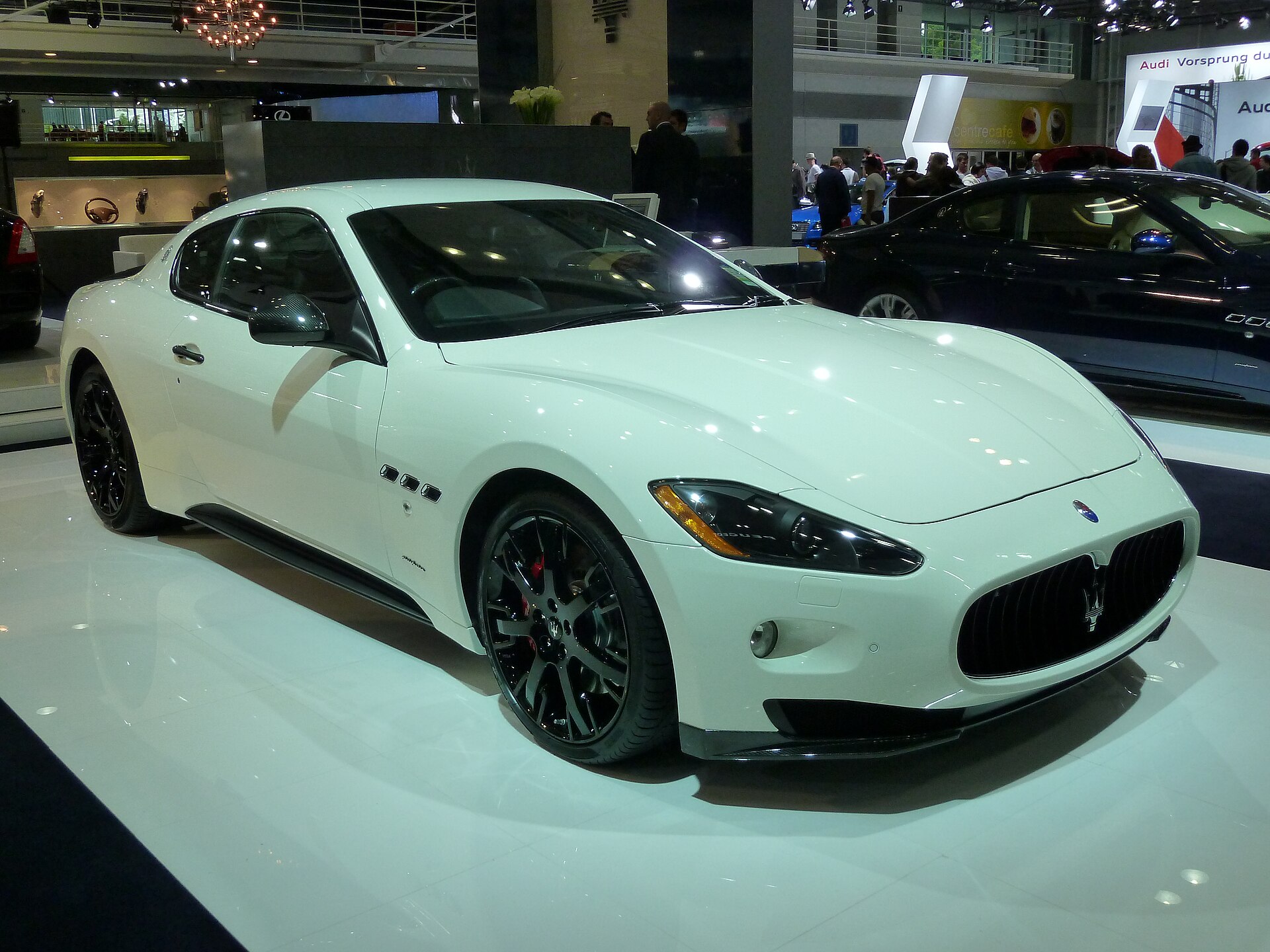
How It Compares: GranTurismo vs. 911 Carrera S vs. Aston Martin Vantage vs. AMG GT
The GranTurismo occupies an interesting market position — it's neither the performance standard-bearer nor the prestige leader. Here's how it stacks against the cars you're probably considering:
| Category | Maserati GranTurismo Trofeo | Porsche 911 Carrera S | Aston Martin Vantage | Mercedes-AMG GT 53 |
|---|---|---|---|---|
| Engine | 3.0L Twin-Turbo V6 | 3.0L Twin-Turbo Flat-6 | 5.2L Twin-Turbo V12 | 4.0L Twin-Turbo V8 |
| Horsepower | 630 hp | 443 hp | 645 hp | 429 hp (503 w/ AMG Dynamic) |
| 0–60 mph | 3.4s | 3.5s | 3.4s | 3.6s |
| Price (New) | $230,000 | $125,000 | $180,000 | $115,000 |
| Used Price (2024 model) | $215K–$245K | $105K–$125K | $160K–$190K | $100K–$120K |
| 3-Year Depreciation | ~24% | ~18% | ~28% | ~25% |
| Annual Maintenance | $4K–$6.5K | $2K–$4K | $5K–$8K | $3K–$5K |
| Design | Italian Gran Turismo | Timeless Sports Car | Luxury Performance | Modern Aggressive |
| Character | Emotional, Unique | Precision, Conservative | Elegant, Powerful | Technical, Imposing |
The Porsche 911 Carrera S is the value leader by a significant margin — lower purchase price, lower running costs, better depreciation history, and unmatched reliability. The Aston Martin Vantage competes more directly on luxury and exclusivity. The AMG GT is the performance bargain, though with less steering feel than the GranTurismo.
The GranTurismo wins on three fronts: V6 uniqueness, Italian heritage, and an entirely different grand touring philosophy. If that appeals to you, the GranTurismo's premium pricing makes sense. If you want the safest investment or the most straightforward performance, the 911 is the rational choice.
Reliability and Service: What You Need to Know
Early Maserati GranTurismo reliability data is limited (2024-2025 only), but available evidence is positive. The Nettuno engine shares turbocharging architecture with Mercedes' proven systems and benefits from Ferrari's engineering oversight. Owners on Maserati forums report no significant issues through early 2025.
Known considerations, based on the Nettuno's design and early feedback:
- Turbo System Durability: Twin-turbo engines require quality oil and regular service. Stick to Maserati's prescribed maintenance intervals (every 10,000 miles for first service, then 15,000 mile intervals). Use only approved synthetic blend or full synthetic oil.
- Carbon Buildup: Direct-injected engines can develop carbon deposits. Maserati built in fuel-rail technology to mitigate this, but periodic fuel system cleaning ($800-$1,500) is recommended every 50,000 miles.
- Transmission Reliability: The 8-speed automatic transmission is Aisin-based (proven architecture). No issues reported yet, though early mileage is low.
- Electrical Systems: Maserati has historically been strong here. The GranTurismo's electrical architecture is mature and borrowed from Ferrari's infrastructure.
- Service Availability: Unlike Ferrari, Maserati has a wider dealer network in North America. However, not every Porsche or BMW dealer can work on your GranTurismo. Verify dealer proximity before buying.
Warranty coverage includes five years/unlimited miles on powertrain and ten years/unlimited miles on rust perforation — better than most competitors. Maserati's service contracts are reasonably priced ($800-$1,200 for a three-year plan).
Interior Quality and Driving Experience: Where the GranTurismo Shines
Step inside the GranTurismo and you're immediately aware this is a special car. The interior is built around a minimalist dashboard design with a raised center tunnel housing aluminum-wrapped controls. Carbon fiber trim, leather upholstery (Poltrona Frau is optional), and meticulous craftsmanship are obvious.
The driving experience is where the GranTurismo finds its voice. This isn't a car engineered for track dominance — it's engineered for engagement. The steering is direct and communicative without feeling artificial. The suspension, tuned between European and Italian sensibilities, isolates road shock but transmits feedback. The Nettuno engine, even in Modena form, provides accessible performance without drama.
Around town, the GranTurismo is a capable grand tourer. Ground clearance is adequate. Visibility is reasonable. The cabin is refined and quiet at highway speeds. The dual-zone climate control, heated/cooled seats, and support adjustability make long drives genuinely comfortable.
On a mountain road or circuit, the GranTurismo transforms into something more focused. The 630-hp Trofeo variant approaches genuine track capability, delivering 1.0G+ lateral acceleration. The braking feel is progressive and reassuring. The transmission shifts smoothly up and holds gears down, responding to steering inputs with intelligence.
The GranTurismo doesn't need to embarrass supercars on a dyno to be worthwhile. It needs to deliver a connected, emotionally engaging drive — which it does consistently.
Which Variant Should You Buy? A Practical Recommendation
Variant choice matters significantly with the GranTurismo because each targets a different buyer.
Modena ($180K–$195K used)
The base Modena with 550 hp is genuinely quick — 3.8 seconds to 60 and 190 mph top speed is more than adequate for any road application. It's the GranTurismo for buyers who prioritize efficiency, value, and accessible performance over bragging rights. The Modena makes financial sense if you drive moderately and want a grand tourer that doesn't demand high fuel consumption.
Trofeo ($215K–$245K used)
The 630-hp Trofeo is the variant Maserati engineered this car for. The additional power transforms the driving experience, shortening acceleration times and providing genuine performance capability. If you're stretching budget to afford a GranTurismo, the Modena is smarter. If you can comfortably afford Trofeo pricing, the Trofeo is the right choice. See our complete GranTurismo variant comparison for detailed specs on all trims.
Folgore EV (launching 2025)
Wait on the Folgore unless you have specific EV infrastructure and want zero-emission performance. The Nettuno variants will be more useful, more reliable, and easier to resell through 2030.
The Smart Way to Buy: Steps That Protect Your Investment
Buying a specialist Italian sports car requires more due diligence than buying a Porsche, but less than buying a rare Ferrari. Here's the process we recommend:
Step 1: Define your budget honestly. Include purchase price plus 24-36 months of running costs ($16,000-$28,000/year). The GranTurismo is expensive to own as well as buy.
Step 2: Verify dealer service reputation. Unlike Porsche (where any Porsche dealer works), or Ferrari (where service is part of the exclusivity), Maserati service quality varies. Research your local dealer's reputation on Maserati forums and call to discuss your potential service needs.
Step 3: Search broadly but carefully. The GranTurismo is new, so inventory is limited. Platforms like US News Cars, authorized Maserati dealers, and specialty Italian car importers will have the best selection. Avoid grey-market imports from overseas — warranty coverage is murky.
Step 4: Get a pre-purchase inspection from an Italian car specialist. This is mandatory for any used GranTurismo. The inspection should cover engine bay diagnostics, transmission programming checks, and a test drive that includes sustained acceleration to verify turbo response. Cost: $600-$1,000.
Step 5: Negotiate from market data. Early production GranTurismos are holding asking prices well, so negotiation room is limited. However, deferred maintenance (first service due, new tires needed, brake fluid service required) should reduce the offer proportionally.
Step 6: Secure financing with specialists. Banks like JJ Best Banc and Woodside Credit have experience with Italian sports cars. Expect 20-30% down, rates between 5.5%-9% depending on the vehicle and your credit. Read our exotic car financing guide for detailed advice on getting the best terms.
Step 7: Factor in extended warranty. Maserati's warranty is strong, but the engine is new. Consider a third-party extended warranty if buying used: $2,000-$4,000 for three years provides peace of mind.
Daily Driving Reality: Can You Actually Live With This?
Can the GranTurismo be a daily driver? Yes. Should it be? That depends.
The GranTurismo handles daily commuting better than a Porsche 911 because the suspension is more compliant and the geometry prioritizes grand touring comfort. Parking is easier than an Aston Martin Vantage because the turning radius is tighter. Visibility and ease of entry beat some competitors.
However, fuel economy is honest-to-god terrible at 17-20 mpg combined. Ground clearance is minimal. Speed bumps are enemies. Tight parking spaces require care. Winter driving in snow or ice demands respect and caution. Long trips of 1,000+ miles test your patience with fuel stops every 300 miles or so.
The GranTurismo works as a daily driver for buyers who: (a) live somewhere warm/temperate, (b) have a secure parking situation, (c) don't mind $400-500/month fuel bills, and (d) can afford to take a second car on winter trips. It's not a Toyota Camry, but it's more practical than a McLaren 720S.
Most GranTurismo owners are smart about this: they use it as a weekend car, drive it 5,000-8,000 miles annually, and keep a sensible daily driver in the garage. That approach maximizes the ownership experience and minimizes regret.
Is the GranTurismo a Good Investment? The Financial Angle
Let's be honest: if you buy a GranTurismo expecting to make money, you're going to be disappointed. However, the GranTurismo is a better value-retention car than most $200K+ sports cars. Here's the realistic math:
Buy a 2024 Trofeo for $230,000. Drive it 5,000 miles per year. In three years, you've driven 15,000 miles and spent approximately $75,000 on running costs. If the car depreciates 24% in value, you sell it for $175,000. Total cost over three years: $155,000 ($230K purchase + $75K running costs - $175K resale = $130,000). That's about $36,000 per year or $3,000 per month to own one of the world's most interesting sports cars.
By comparison, leasing a Porsche 911 Carrera S runs $1,200-$1,800/month with included insurance and maintenance. The GranTurismo costs more, but you own an asset you can personalize, modify, and enjoy as genuinely yours. For collectors and serious enthusiasts, that value is real.
See our exotic car buying guide for more detail on financial strategies and maintenance cost planning.
When the GranTurismo Is NOT Worth Buying
Honesty matters. Here are situations where we'd advise you to look elsewhere:
You're stretching to afford it. If buying means depleting retirement savings, maxing credit cards, or stretching debt ratios, the GranTurismo isn't worth it. A more affordable car you can actually enjoy beats a money-pit that creates stress.
You want Porsche 911 reliability and affordability. The 911 Carrera S is $100K cheaper, costs 30-40% less to own, and has proven reliability data going back decades. If those factors matter to you, don't rationalize the GranTurismo purchase.
You live in a remote area without Maserati service. If the nearest Maserati dealer is 150+ miles away, you're looking at towing costs for major work and inconvenience for routine service. This is a real constraint that affects ownership happiness.
You prioritize resale value above experience. If the car needs to be a financially optimal investment, the GranTurismo is only good at this when you hold it 5+ years. Short-term ownership hurts because early depreciation is real.
You haven't test driven one extensively. The GranTurismo is special, but not for everyone. Some buyers find the cabin cramped, the steering feel too light, or the engine not emotional enough. Test drive for at least 30 minutes, including some spirited driving and highway cruising. Discover issues before you buy, not after.
Frequently Asked Questions: Real Buyers' Concerns Addressed
How reliable is the Nettuno engine compared to the Porsche twin-turbo flat-6?
The Nettuno is new (2023+), so no long-term data exists yet. The Porsche flat-6 has 20+ years of twin-turbo reliability. However, the Nettuno benefits from Ferrari's engineering and Mercedes' turbo expertise, so it's engineered conservatively. Budget 3-5 years before comparative reliability data is available. For used buyers, prioritize documented service history and get a thorough PPI.
Will the GranTurismo depreciate faster now that the EV variant is coming?
Initially, yes — some buyers will wait for the Folgore launch in 2025. However, the Nettuno variants will gain historical significance as gasoline continues to become less fashionable. By 2028-2030, owned Nettuno GranTurismos will likely appreciate relative to their depreciation bottoming point. The EV will appeal to different buyers, not necessarily compete directly.
Can I modify the GranTurismo (tuning, exhaust, suspension)?
The Nettuno turbo engine is sensitive to modification. Unlike Porsche or BMW, where the aftermarket is robust, GranTurismo tuning is limited and risky. Exhaust modifications, ECU tuning, and suspension work can void warranty and create reliability issues. We recommend against modifications unless you're prepared to accept warranty consequences. See our guide on modifying exotic cars for more detail.
What's the insurance cost for a GranTurismo?
Expect $5,000-$9,000 annually depending on age, location, driving record, and whether you have bundled policies. The Trofeo is more expensive to insure than the Modena. Italian marques sometimes face higher rates than German or British competitors because claims data is less established. Get quotes from specialists like Hagerty and Specialty Insurance before buying.
Is the GranTurismo actually faster than a Porsche 911 Carrera S?
The GranTurismo Trofeo (3.4-second 0-60) is faster than the 911 Carrera S (3.5-second 0-60) in raw acceleration. However, top speed is similar (190+ mph), and the 911 will out-corner and out-brake the GranTurismo on a circuit due to lighter weight and more advanced aerodynamics. The GranTurismo is quick but not a track weapon like the 911. They're different philosophies.
Should I buy new or used?
Given how new the GranTurismo is (2024+), used examples should represent better value if the car has been well-maintained. Early depreciation is real, so a 2024 with 5,000 miles can save $30,000-$50,000 versus new. However, if you're concerned about reliability for an engine with limited historical data, buying new from a dealer with warranty protection makes sense. For detailed guidance, read our Maserati ownership guide.
The Final Verdict: Is It Worth Buying?
The Maserati GranTurismo is worth buying if you want a sophisticated, engaging grand touring car with genuine Italian design heritage and a unique Nettuno engine. It's worth buying if you can afford it without financial strain, appreciate what a modern GT is supposed to be, and understand that ownership costs are real but manageable.
It's not worth buying if you need the safest financial investment (911 Carrera S is better), demand maximum performance (AMG GT 63 is faster), or prioritize brand prestige (Aston Martin Vantage has more cachet in some circles).
The GranTurismo succeeds because Maserati engineered it with genuine passion, not just badge prestige. The Nettuno V6 is different from every competitor. The interior craftsmanship is obvious. The driving experience is distinctive. These things matter more than horsepower bragging rights or depreciation curves.
Is it worth buying? Yes. Is it worth buying at full new price when used examples will be available within months? Probably not. Is it worth careful research, pre-purchase inspection, and dealer verification before committing? Absolutely.
If you want help navigating the purchase process, Automonitor's concierge buying service specializes in precisely this market. We've helped dozens of buyers find the right GranTurismo at the right price, arranged inspections, and managed the entire transaction. Let us help you join their ranks without the headaches.
Ready to Find Your Maserati GranTurismo?
Automonitor provides market valuation, pre-purchase inspections from Italian car specialists, and handles negotiation so you get the right car at the right price.
Start Your Search →