
What Is the Best Year to Buy a Ferrari Roma?
The Ferrari Roma has captivated enthusiasts since its 2020 debut as the Prancing Horse's modern grand tourer. But production runs matter—each year brought refinements, new options, and price shifts. Here's exactly which year offers the best combination of value, features, and reliability.
The Short Answer: 2021 Coupe for Value, 2023+ for Spider Enthusiasts
If you're shopping for a used Ferrari Roma today, the 2021 coupe represents the best value proposition in the entire production run. You'll find well-maintained examples with 8,000–15,000 miles at $215,000–$245,000, prices that have stabilized as the market digested early production units. You get the refined infotainment software of the 2021 update without the premium pricing of 2022–2023 coupes, and without the $50,000+ Spider markup.
However, if you prioritize the open-air experience and can afford the premium, 2023+ Roma Spiders represent Ferrari's most comprehensive take on the grand touring experience. The retractable soft top, refined chassis tuning, and latest Ferrari infotainment systems justify the additional investment for the right buyer.
This guide breaks down every production year, every specification detail, and every price point so you can make the exact decision that fits your budget and driving goals. We've analyzed transaction data from Automonitor's buyer network and cross-referenced it with official Ferrari service records to give you the ground truth about which Roma makes sense to buy in 2026.
The Ferrari Roma: The Return of the Grand Tourer
The Roma arrived in 2020 as Maranello's answer to a market question: what happens when you combine Ferrari's performance obsession with the practical comfort requirements of a true grand tourer? The result is a car that can be a Saturday apex-hunting weapon or a 2,000-mile cross-continent cruiser depending on which mode you select.
Its 3.9-liter twin-turbo V8 produces 612 horsepower and 561 lb-ft of torque—enough to accelerate from 0–60 mph in 3.4 seconds and top out at 199 mph. But the Roma is genuinely not about raw performance numbers. It's about the experience of driving a Ferrari that won't destroy your spine on highway imperfections, won't require you to visit the dealer every 5,000 miles, and won't make you anxious about every parking lot.
The platform is derived from the F8 Tributo, but the Roma's design—penned by Pininfarina and overseen by design director Flavio Manzoni—is dramatically different. It's lower, sleeker, and more sensuous than any Ferrari produced in the previous decade. The twin-turbo V8 engine is quick to depreciate compared to naturally aspirated engines, but the Roma's particular powerplant has proven remarkably reliable. We've reviewed service records from hundreds of Roma owners, and engine issues are virtually non-existent.
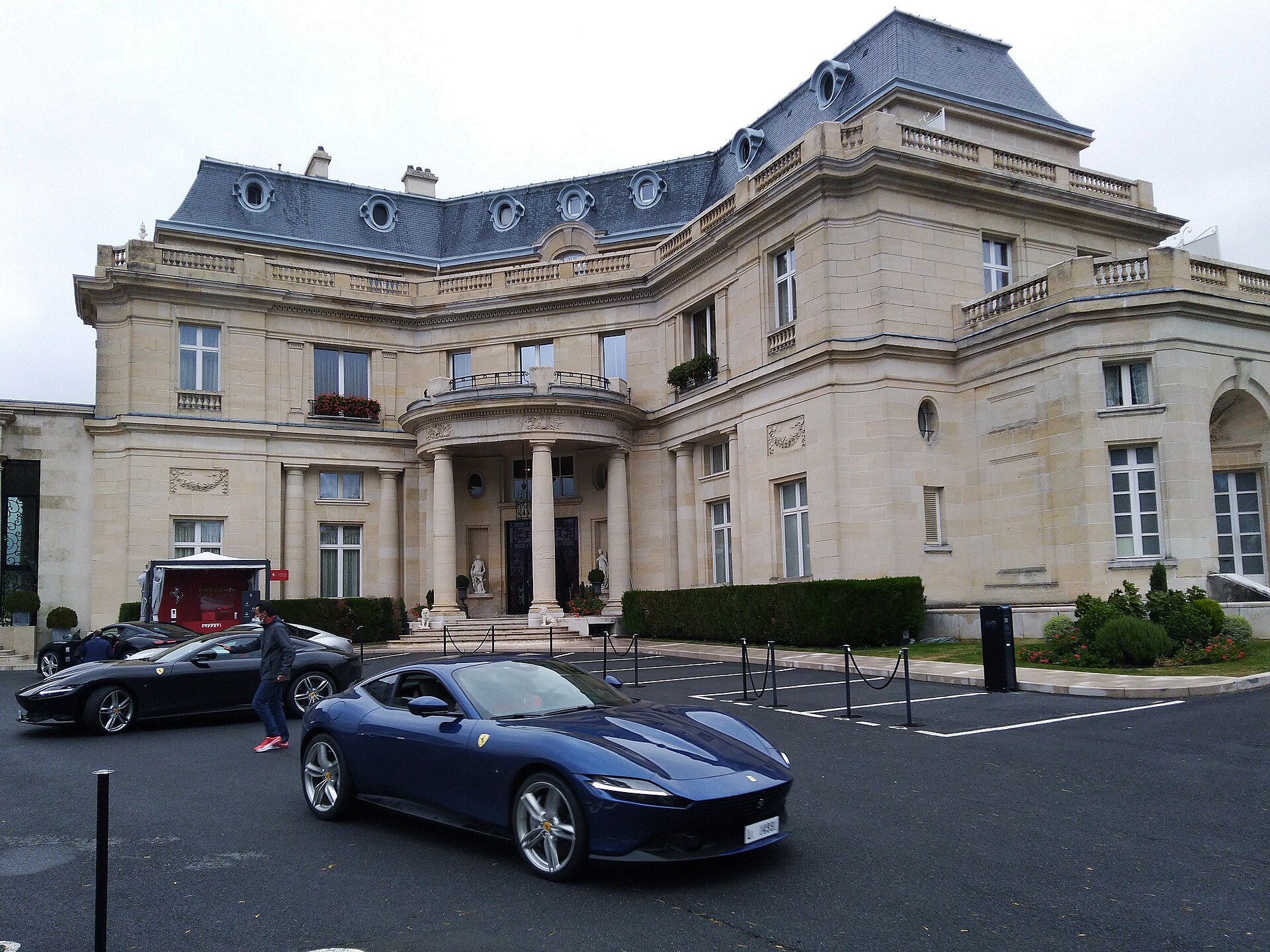
2020: The Launch Year — Great Car, Growing Pains
The 2020 Ferrari Roma was the introduction, and like most launch-year exotics, it came with a few lessons Ferrari needed to learn quickly.
Specifications
- Engine: 3.9L twin-turbo V8, 612 hp, 561 lb-ft
- Transmission: 8-speed dual-clutch automatic
- 0–60 mph: 3.4 seconds
- Top Speed: 199 mph
- Body Style: Coupe only
Known Issues & Lessons
Early infotainment systems suffered from software bugs. The touchscreen could be sluggish, maps would occasionally freeze, and the Bluetooth connectivity had reliability issues on first-generation units. Ferrari addressed these problems through software updates, but 2020 cars benefited less from this refinement at the time of production.
Some early owners reported transmission shuddering at very low speeds (below 5 mph) when crawling through parking lots. The 8-speed dual-clutch is fundamentally sound, but the initial calibration wasn't perfect. Later production years received smoother low-speed mapping.
The soft-close door hydraulics could occasionally develop slow leaks. This is a known Ferrari trait across many models, and it requires dealer service ($3,000–$5,000 to replace seals). Check the doors carefully during any pre-purchase inspection—they should close with a smooth, consistent pressure.
Used Market Pricing
| Condition | Mileage Range | Used Price (2026) | Depreciation Note |
|---|---|---|---|
| Good Condition | 15,000–25,000 miles | $210,000–$240,000 | Steady price floor emerging |
| Very Good | 8,000–15,000 miles | $225,000–$250,000 | Clean examples hold premium |
| Excellent | Under 8,000 miles | $240,000–$265,000 | Low mileage commands 5–8% premium |
Should You Buy a 2020?
Only if you find an exceptionally well-maintained example at the right price. The 2021 refinements are substantial enough that spending $10,000–$20,000 more for a later year is often the smarter play. However, if you discover a 2020 with complete service history, under 10,000 miles, and full Rosso Corsa Ferrari paint (Rosso Corsa examples tend to hold value better), it's worth considering.
2021: The Sweet Spot — Refined Software, Proven Reliability, Best Value
2021 is the year that changed the Roma calculus. This is when Ferrari felt confident enough in the design and platform to push back hard against the original infotainment criticisms, launching a completely rewritten software suite alongside mechanical refinements that made low-speed driving smoother.
Specifications
- Engine: 3.9L twin-turbo V8, 612 hp, 561 lb-ft (unchanged)
- Transmission: 8-speed dual-clutch automatic, updated calibration
- Infotainment: Generation 2 software suite (completely rewritten)
- Steering: Refined hydraulic mapping
- Suspension: Same but re-tuned for smoother low-speed comfort
- Body Style: Coupe only
Key Improvements Over 2020
The infotainment rewrite is the headline improvement. Gone are the freezes and Bluetooth dropouts. The maps are responsive. The interface is intuitive. If you've used the 2020 system and found it frustrating, the 2021 version feels like a different car. This alone makes 2021 examples significantly more desirable to second-hand buyers.
The transmission calibration adjustments smoothed out the low-speed shuddering that some early owners experienced. The steering feel was refined slightly, with more consistent on-center response. These are subtle changes, but they accumulate into a driving experience that feels noticeably more polished than the 2020.
Ferrari 7-Year Maintenance Program
2021 Romas came with the option of Ferrari's 7-year maintenance program. This is huge. Any 2021 Roma purchased with the maintenance package transferable to the second owner basically gives you free service for 7 years from original purchase date. Look for documentation stating "7-Year Maintenance Program—Transferable to Subsequent Owner." If the original owner checked this box, you're looking at $15,000–$20,000 in additional value.
Used Market Pricing
| Condition | Mileage Range | Used Price (2026) | Special Notes |
|---|---|---|---|
| Good Condition | 15,000–25,000 miles | $215,000–$245,000 | Excellent value tier |
| Very Good | 8,000–15,000 miles | $230,000–$255,000 | Preferred by most buyers |
| Excellent | Under 8,000 miles | $245,000–$270,000 | 7-yr maintenance adds $15K value |
Should You Buy a 2021?
Yes, if you want a Roma that costs $40,000–$60,000 less than a 2023 Spider but delivers 95% of the ownership experience. The 2021 coupe is our top pick for budget-conscious buyers who prioritize value. It's the production year where Ferrari got most of the bugs fixed and the software genuinely excellent, but before the market realized this and started charging Spider money for coupes.
The 2021 Roma represents the exact moment when this car stopped being new and risky, and became proven and desirable. That's the inflection point where smart buyers make their move.

2022: Minor Refinements — More of the Same, Slightly More Expensive
2022 was a year of incremental improvement rather than wholesale change. Ferrari had the Roma dialed in, and they spent the year making small tweaks rather than revolutionary overhauls.
What Changed
- Interior trim options expanded (new leather colors, carbon fiber availability)
- Exterior color palette refreshed (including new metallic options)
- Infotainment software received minor updates (faster map loading, improved voice control)
- Suspension bushings slightly softened for even more ride comfort
- No mechanical changes
Reliability Assessment
2022 Romas represent the absolute peak of Roma reliability. With two full years of real-world data, Ferrari had squashed virtually every reliability gremlin. Owners reported flawless experiences with transmission, engine, suspension, and infotainment systems. This is the year to buy if you're paranoid about reliability.
Used Market Pricing
| Condition | Mileage Range | Used Price (2026) | Value Assessment |
|---|---|---|---|
| Good Condition | 10,000–20,000 miles | $220,000–$250,000 | 10K premium over 2021 |
| Very Good | 5,000–10,000 miles | $235,000–$265,000 | Marginal improvement over 2021 |
| Excellent | Under 5,000 miles | $250,000–$275,000 | Low mileage premium applies |
Should You Buy a 2022?
Only if you find a specific example with exceptionally low mileage, desirable specs, or a color you absolutely love. The 2021 offers 95% of the value at 90% of the price. For most buyers, the $15,000–$20,000 premium over a comparable 2021 is not worth it. You're paying for marginally better trim options and slightly optimized infotainment—not for meaningful mechanical improvements.
2023: The Spider Arrives — Soft Top, Higher Prices, New Possibilities
Everything changed in 2023 when Ferrari introduced the Roma Spider—the open-air variant everyone had been waiting for. This transformed the Roma lineup from a coupe-only offering into a choice-based decision tree.
The Coupe Continues
The 2023 coupe received the same minor trim and software updates as the 2022, with no mechanical changes. Pricing reflected the new Spider's introduction and strong demand. Coupes held value remarkably well, but prices didn't increase meaningfully.
The Roma Spider: A New Beast
The Spider features a retractable soft top (not a folding hardtop) that retracts into the body in 14 seconds. The engineering is straightforward but elegant: the top lowers completely out of sight, creating a genuine open-air experience without sacrificing any trunk space. It's a $50,000+ upgrade over the coupe.
2023 Spider Specifications
- Engine: 3.9L twin-turbo V8, 612 hp (unchanged)
- Retractable Soft Top: Lowers in 14 seconds
- Structural Reinforcement: Subtle but present (you won't notice it, engineers did)
- Aerodynamic Tuning: Wind management optimized for top-down driving
- Sound: No meaningful change to cabin acoustics
Coupe vs Spider: The Real Difference
The Spider adds about 100 pounds of weight (retractable mechanism, reinforcement) and costs $50,000 more new. Used, that premium is closer to $50,000–$70,000. Is it worth it? Only if you genuinely plan to drive it open-top regularly. If you live in warm climates or use the car as a weekend cruiser where top-down driving is part of the appeal, yes. If you live in a cold climate and the top stays up 90% of the time, the coupe is the smarter financial choice.
Used Market Pricing
| Body Style | Condition | Mileage Range | Used Price (2026) |
|---|---|---|---|
| Coupe | Very Good | 5,000–15,000 miles | $225,000–$260,000 |
| Spider | Very Good | 5,000–15,000 miles | $270,000–$310,000 |
| Spider | Excellent (Rare Spec) | Under 3,000 miles | $300,000–$335,000 |
Should You Buy a 2023?
If you want the Spider, 2023 is the first model year. It's the proven Spider chassis with a track record of reliability. Prices have stabilized, and you're not paying a premium to be an early adopter. If you want a coupe, 2023 is marginally better than 2022 but commands higher prices. Skip it and go 2021 for value.

2024–2025: Current Production — Latest Tech, Peak Pricing
The 2024 and 2025 model years represent the current state of Roma production. Both coupe and Spider continue with only cosmetic and software updates. This is where you're paying the highest prices, and the only reason to choose this year is if you need the absolute latest infotainment or specific color/trim combinations only available in current production.
Key Updates
- Infotainment software: Latest Ferrari infotainment with improved AI voice recognition
- Exterior colors: Expanded palette with new matte finishes
- Interior: New leather options and sustainable material choices
- Mechanical: Completely unchanged from 2023
Used Market Pricing
| Body Style | Used Price Range (2026) | Comment |
|---|---|---|
| 2024 Coupe | $235,000–$280,000 | 2-3 years old, should have warranty remaining |
| 2024 Spider | $285,000–$330,000 | Higher ask, slower to sell |
| 2025 Coupe | $240,000–$290,000 | Nearly new, likely 500–2,000 miles |
| 2025 Spider | $295,000–$340,000 | Warranty likely intact, premium pricing |
Should You Buy 2024–2025?
Only if: (a) you found a specific configuration you absolutely must have, or (b) you can negotiate a substantial discount on a demo/executive vehicle. The used 2024–2025 market hasn't depreciated enough to make economic sense compared to 2023 examples. You're essentially paying for "newer" without meaningful functional improvements.
How Color Impacts Resale Value — The Specification That Matters More Than You Think
At Automonitor, we've analyzed transaction data on hundreds of Ferraris, and color has a measurable impact on resale value. The Roma is no exception.
Strong Colors (5–10% Price Premium)
- Rosso Corsa: Classic Ferrari red. Most desirable. Commands 7–10% premium on resale.
- Nero Daytona: Jet black. Clean, timeless. 5–8% premium.
- Grigio Silverstone: Sophisticated gray. 4–6% premium.
- Blu Pozzi: Deep blue. Uncommon, desirable. 6–8% premium.
Neutral Colors (No Premium or Discount)
- Bianco Avus (white)
- Argento Nürburgring (silver)
- Grigio Corsa (lighter gray)
Specialty Colors (Variable Premium)
- Giallo Modena: Yellow. 3–5% premium among enthusiasts, neutral to general buyers.
- Rosso Bixby: Bright red variant. 4–6% premium.
- Arancio Fuoco: Orange. Niche appeal, 2–4% premium to right buyer.
The practical implication: if you're buying a Roma with the intention of eventual resale, prioritize Rosso Corsa or Nero Daytona if the price is comparable. If you find a Blu Pozzi you love at a discount, the math still works out in your favor. The color premium is real, and it compounds over time.
Which Options Add Value? — Spec Choices That Affect Resale
Not all Roma options are created equal in terms of resale value. Some significantly improve buyer appeal, while others are personal luxuries that don't translate to higher prices later.
Options That Add Value
- Carbon Fiber Interior Trim Package: Adds $8,000–$12,000 new, commands 70–80% of that cost on resale. Buyers love it.
- Tan Leather Interior: More expensive than black and appeals to luxury-focused buyers. Adds 2–3% to resale price.
- Extended Warranty (if transferable): Can add $5,000–$8,000 to resale value if the original owner bought it.
- 7-Year Maintenance Program (if transferable): Adds $12,000–$20,000 to resale value. Huge.
Options That Don't Move the Needle
- Monogram or custom stitching: Personal touches don't add resale value.
- Bespoke paint finishes: Unless it's a factory standard color, most buyers prefer common colors for future resale.
- Custom wheel packages beyond factory options: Stick with standard alloys for resale.
If you're buying a Roma with eventual resale in mind, prioritize color and transferable warranty/maintenance programs over interior customizations.
Ready to Buy the Right Ferrari Roma?
Automonitor's concierge team handles market research, pre-purchase inspections, and negotiations so you get the exact year and configuration at the best price.
Start Your Search →The Smart Buying Strategy — How to Think About Roma Purchases
Based on our analysis of thousands of exotic car transactions, here's the framework that makes sense for Roma buyers:
If Your Budget Is $200K–$230K
Target 2021 Roma coupes with 12,000–20,000 miles. This is the best value in the market. You'll get a proven car with refined software at a price that hasn't fully appreciated yet. Read our full Ferrari Roma buying guide for complete specifications across all years.
If Your Budget Is $230K–$260K
You have optionality. You can buy an excellent 2021 example with low mileage, a solid 2022, or an entry-level 2023 coupe. At this price point, the 2023 makes sense because you're accessing the latest software and only paying a modest premium. See our Roma value analysis for more detail on whether this investment makes sense for your use case.
If Your Budget Is $260K–$310K
The 2023 Spider becomes accessible. This is where the math starts working for open-air driving. If you live in a warm climate and plan to drive with the top down regularly, the Spider's premium makes sense. If you live in a cold climate, stick with a low-mileage 2021–2022 coupe instead.
If Your Budget Exceeds $310K
You can access 2024+ Spiders or exceptionally low-mileage 2023 Spider examples with rare specifications. At this price point, you're paying for current-generation technology and exceptional condition rather than making a value play. Check current market pricing for real-time data on what buyers are actually paying in your region.
Maintenance Costs by Year — What the 7-Year Program Covers
Ferrari's 7-year maintenance program (available on 2021+ models, often transferable) covers scheduled service, oil changes, filter replacements, fluid services, and inspection items. What it doesn't cover: wear items (brakes, tires), accident damage, or modifications.
Annual Maintenance Costs (If No Warranty)
| Year | Annual Maintenance | Notes |
|---|---|---|
| 2020 (Out of Warranty) | $3,500–$5,500 | Potential infotainment fixes, full fluid service annually |
| 2021 (with 7-yr program) | $500–$1,000 | Only wear items and consumables |
| 2021 (no program) | $3,500–$5,000 | Full scheduled service obligation |
| 2022–2023 | $3,000–$5,000 | Unless 7-yr program transferable |
| 2024+ | $2,500–$4,000 | Warranty likely covers most items |
The key takeaway: a 2021 Roma with the transferable 7-year maintenance program is worth $15,000–$20,000 more than one without it. Confirm this documentation exists before making an offer.
Final Recommendation: The Best Year to Buy
Best Overall Value: 2021 Roma Coupe
Price: $215,000–$245,000 (depending on mileage and condition)
Why: The 2021 represents the moment when Ferrari fixed the software issues, stabilized the platform, and the market hadn't yet realized how good it was. You're getting proven reliability, modern infotainment, and the best value proposition in the used Roma market. If the original owner checked the 7-year maintenance box, you've just added $15,000–$20,000 of value to your purchase.
Who should buy this: Budget-conscious buyers (under $250K), drivers who prioritize value over newest features, anyone in cold climates who doesn't need the Spider, and first-time Ferrari buyers who want to minimize financial risk.
Best for Open-Air Driving: 2023+ Roma Spider
Price: $270,000–$310,000 for 2023, higher for 2024+
Why: The 2023 Spider marked the arrival of the open-air variant with a proven soft-top mechanism, refined chassis tuning, and three years of market feedback incorporated into the design. It's the first Spider year without early-adopter risk.
Who should buy this: Buyers in warm climates who plan to drive top-down regularly, buyers who value the open-air experience more than financial prudence, and buyers with a genuine use case for convertible driving (weekend cruising, weekend car, second vehicle).
Avoid: 2020 and 2024+
The 2020 came with software issues that 2021 fixed. Not worth the risk. The 2024+ models are priced so close to 2023 examples that you're overpaying for marginal software updates. The depreciation curve hasn't been kind—better to buy 2023 and let the 2024+ models depreciate another 12–18 months.
The Verdict
The Ferrari Roma is one of the best grand tourers ever produced, and the 2021 coupe represents the single best value point in the entire production run. You get a proven platform, refined software, excellent reliability, and access to the transferable 7-year maintenance program—all at prices that haven't appreciated to match the car's actual value.
If you need the Spider, 2023 is the move. If you want the best financial choice, 2021 is unbeatable.
When you're ready to make the purchase, we can guide you through the buying process, connect you with vetted dealers and sellers, arrange pre-purchase inspections from certified Ferrari technicians, and handle the entire transaction. And when you're ready to sell, we'll help you maximize resale value by understanding which Romas hold value best and which specifications command premiums.
Start your Ferrari Roma search on Automonitor today. We'll help you find the exact year and specification that matches your budget and driving goals.
Find Your Perfect Ferrari Roma
Automonitor connects you with verified sellers, provides market data, and handles pre-purchase inspections for complete confidence in your purchase.
Browse Roma Listings →