
Where Can I Buy a Ferrari Roma?
The Roma remains in production as the Spider, and both new allocations and used examples from 2020–2023 are available. But where you buy matters just as much as what you buy. Here's exactly where to find a Roma and how the buying process actually works.
The Roma Marketplace: More Accessible Than You Think
The Ferrari Roma sits at a unique position in the current exotic car market. Unlike the mid-engine F8 Tributo and 488, which face severe allocation constraints and multi-year waiting lists at Ferrari dealers, the Roma (and its successor, the Roma Spider) was produced in higher volumes and remains more readily available through multiple channels.
You can acquire a Roma in three distinct ways: ordering a new Roma Spider directly from a Ferrari dealer (with a 12-18 month wait), purchasing a used coupe from 2020-2023 in the secondary market, or buying through certified channels like Ferrari Approved pre-owned programs and auction platforms. Each path has different timelines, pricing structures, and availability profiles. Understanding these options is critical before you commit.
At Automonitor, we've helped dozens of buyers navigate Roma purchases across all three channels. The most successful deals happen when buyers know exactly where to look and what to expect. This guide details everything.
Ordering a New Roma Spider Through Ferrari Dealers
The Traditional Dealer Channel: Timeline and Process
Ordering a new Roma Spider directly from a Ferrari dealer is the "correct" way to buy from the factory — but it requires patience, capital upfront, and acceptance of limited customization flexibility compared to how things worked a decade ago.
The process begins with visiting an authorized Ferrari dealer. In the United States, Ferrari operates roughly 80 authorized dealers across major metropolitan areas. Your nearest dealer depends on location, but most major cities have at least one official Ferrari store. To find yours, use Ferrari's dealer locator on their official website.
Step 1: Initial Consultation — You'll meet with a sales specialist to discuss your preferences: exterior color, interior trim, optional carbon fiber packages, and performance upgrades. Unlike the 1990s, you won't have unlimited configuration options. Ferrari has tightened palette offerings and standardized many elements to reduce production complexity and inventory risk. Expect 3-5 exterior color choices, 2-3 interior finishes, and limited special options.
Step 2: Deposit and Contract — You'll place a non-refundable deposit (typically $50,000-$100,000) that secures your allocation slot. This is binding. You're committing to purchase a specific vehicle on a specific timeline. If circumstances change and you walk away, the deposit is forfeited. Read every line of the purchase agreement — it will specify delivery timeline (usually 12-18 months), final pricing, options included, and payment schedule.
Step 3: Production and Build — Ferrari will manufacture your Roma Spider on a rolling production schedule. You'll receive periodic updates on production status. Build quality at Ferrari's Maranello plant is exceptional, but production delays happen. COVID-era supply chain disruptions have become rarer, but can still occur. Most cars land within the quoted window; some slip 2-4 months.
Step 4: Pre-Delivery Inspection and Export — Once built, your Roma Spider undergoes Ferrari's rigorous pre-delivery inspection (PDI). The car is then prepared for export (if shipping to the US) and arranged for logistics. Your dealer handles the paperwork; you arrange financing. Total timeline from order to delivery: typically 14-18 months in the current environment.
Pricing on New Romas: A new Roma Spider starts around $290,000 base MSRP, but realistic delivered pricing with options typically runs $310,000-$340,000. Destination fees, documentation, and dealer add-ons can push it higher. Unlike many manufacturers, Ferrari dealers don't negotiate on new cars. The MSRP is firm. You're paying list price, period.
Allocation Reality: Why Roma Is Easier Than F8 or 488
Here's why the Roma is fundamentally different from the F8 Tributo and 488: Ferrari produced the Roma in higher numbers (roughly 2,500+ coupes from 2020-2023), and it was marketed as the "entry point" to Ferrari ownership. Dealer allocation pressure exists, but it's manageable. Most major Ferrari dealers can offer allocation slots within 6-12 months, versus 24-36 months for mid-engine models.
That said, you cannot walk into a Ferrari dealership and immediately buy a Roma off the showroom floor. The car on display is typically a demo unit. New inventory is allocated through factory relationships with dealers. Some dealers have standing inventory from pre-orders that fell through — these are exceptionally rare and priced at a premium. If you see a Roma available "immediately," expect to pay 5-10% over MSRP.
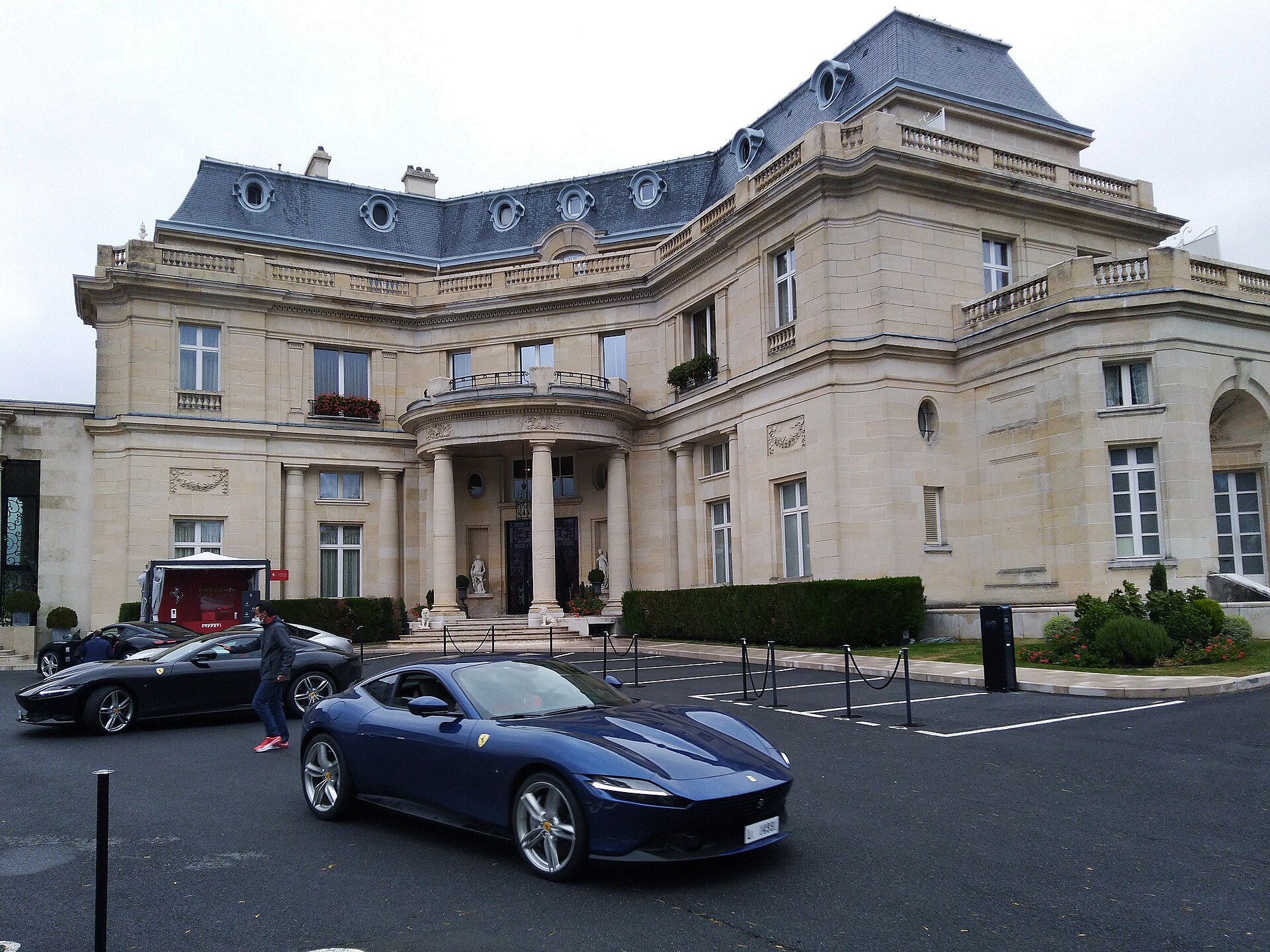
The Used Roma Market: 2020-2023 Examples for $210K-$260K
Where Used Romas Live
The used market for Roma coupes is robust and accessible. Most examples (2020-2023) are concentrated in California, Florida, Texas, and the Northeast — regions with high concentrations of exotic car buyers. Pricing ranges dramatically based on mileage, service history, color, and specification:
| Condition | Mileage | Year Range | Price Range | Where to Find |
|---|---|---|---|---|
| Pristine (low mileage, excellent) | 500–3,000 miles | 2021–2023 | $240,000–$280,000 | Ferrari Approved, specialty dealers |
| Excellent (light use) | 5,000–12,000 miles | 2020–2022 | $220,000–$250,000 | BaT, specialty dealers, consignment |
| Very Good (normal use) | 12,000–25,000 miles | 2020–2021 | $210,000–$235,000 | AutoTrader, Cars and Bids, dealers |
| Good (moderate use) | 25,000+ miles | 2020 | $190,000–$220,000 | Local dealerships, private sellers |
These prices reflect the 2026 market. Roma pricing has remained stable over the past two years, with minimal depreciation — a testament to strong demand and limited supply relative to the mid-engine Ferraris.
Bring a Trailer and Auction Channels
Bring a Trailer (BaT) is the premier marketplace for enthusiast cars, and Romas consistently generate competitive bidding. Over the past 18 months, BaT has sold 15+ Romas, with final hammer prices ranging from $220,000 to $285,000 depending on specification and condition. BaT's auction format creates price discovery through transparent bidding — you see exactly what buyers are willing to pay, and there's no room for dealer markup.
The catch: BaT auctions take 10 days, and bidding can be unpredictable. A Roma with desirable specs (low mileage, rare color, full service history) might fetch $260,000+. One with average spec might settle at $210,000. You also pay a 5% buyer's premium on top of the final bid. On a $230,000 Roma, that's an extra $11,500. But if you find the right car, BaT is transparent and typically yields fair market pricing.
Cars and Bids, founded by Doug DeMuro, runs similar auctions with lower fees (3% buyer's premium). They've sold fewer Romas than BaT, but the platform is growing and attracts serious buyers. Both platforms require you to be comfortable with online purchasing and inspection — you don't get hands-on time with the car before bidding.
DuPont Registry operates at the ultra-premium end of the market. They specialize in consignment sales of exceptional cars for high-net-worth buyers. If you're shopping through DuPont, expect concierge-level service, professional photography, and typically higher pricing (5-10% premium over BaT comps). But they handle logistics, inspections, and buyer vetting personally.
AutoTrader and General Dealer Listings
AutoTrader is the largest inventory aggregator for used luxury and exotic cars. Most Ferrari dealers list their Roma inventory here. The advantage: you can search by location, mileage, price, and specification in one place. The disadvantage: dealers set their own prices, and there's enormous variation. The same 2021 Roma with 8,000 miles might be listed for $229,900 by a dealer in California and $245,000 by a dealer in New York.
Always compare AutoTrader pricing against recent BaT hammer prices for the same model year and mileage. If an AutoTrader listing is 15%+ higher than recent comps, the dealer is overpriced and negotiating room exists. If it's in line with market, negotiate from there (typically 2-5% off asking on a Roma).
Ferrari Approved Pre-Owned: Certified, Convenient, Premium-Priced
Ferrari operates a certified pre-owned program called "Ferrari Approved." These are used Romas (and other models) that have passed Ferrari's inspection standards and come with limited factory warranty coverage. The appeal is obvious: you get Ferrari's blessing and recourse if something goes wrong. The cost is equally obvious: expect 8-12% premium over private party value.
A 2021 Roma with 5,000 miles that might fetch $235,000 at auction will be priced at $250,000-$260,000 through Ferrari Approved. You're paying for peace of mind, warranty coverage (typically 2 years/unlimited miles from purchase), and the assurance that Ferrari has inspected the vehicle. For first-time exotic car buyers, Ferrari Approved is worth the premium. For experienced buyers who're comfortable with risk, private market purchases offer better value.
Ferrari Approved cars are sold exclusively through authorized Ferrari dealers. Inventory varies by location; larger dealerships (Los Angeles, San Francisco, Manhattan, Miami) typically carry 2-6 Approved vehicles in stock at any given time. Smaller regional dealers may have zero inventory and can source cars from other dealers on your behalf (add 1-2 weeks to acquisition timeline).

The Automonitor Concierge Advantage: Sourcing, Inspection, Negotiation
Automonitor's concierge buying service operates differently than traditional dealer buying. We source Romas from across the country — dealer inventory, auctions, private sellers, consignment networks — and present you with curated options matched to your budget and preferences. We handle inspection coordination, negotiate final pricing, and manage the entire transaction.
Why is this valuable? First, time. Instead of spending 20-30 hours searching dealer inventory, attending BaT auctions, and contacting individual sellers, we do that legwork. Second, expertise. Our team has purchased 300+ exotic cars and knows market pricing down to the dollar. We'll tell you immediately if a listed Roma is overpriced or represents genuine value. Third, inspection and due diligence. Every Roma we source goes through a certified pre-purchase inspection covering engine diagnostics, transmission function, cooling system pressure tests, and complete history verification.
Pricing is transparent: we source cars at market value and handle all logistics for a flat fee. You're not paying dealer markup or auction premiums — you're paying for curation, inspection, and negotiation expertise that typically saves buyers $8,000-$15,000 on Roma purchases compared to walking into a dealership cold.
Regional Differences: Where Romas Congregate
California
California has the highest concentration of used Romas, particularly in Los Angeles, San Francisco, and San Diego. Inventory is deep, variety is broad, and competition among dealers drives pricing toward market. Expect 8-15 Romas listed at any given time across California's Ferrari dealers and independents. The downside: California prices tend 3-5% higher than national average due to demand and local luxury market dynamics.
Florida
Miami and the surrounding Palm Beach area rivals California for Roma inventory. Wealthy retirees and international buyers with second homes drive supply. Pricing is typically 2-3% below California due to less competition among dealers. Romas here tend to have seasonal usage (driven heavily in winter, garaged in summer) and lower annual mileage. Quality varies widely; get PPI inspections regardless.
Texas
Dallas and Houston have growing Ferrari populations. Inventory is smaller than California or Florida, but pricing is more aggressive — dealers price to move volume. Texas offers some of the best value on Romas if you're willing to travel to inspect. Many Texas Romas show low mileage and excellent maintenance (Texas Ferrari owners tend toward meticulous care).
Northeast (New York, New Jersey, Connecticut)
Limited inventory relative to size due to winter storage considerations. Romas that survive Northeast winters tend to be garaged cars with excellent condition. Pricing is premium (8-10% above national average) due to scarcity. If you live in the Northeast, pricing justifies traveling to Florida or Texas for selection and value.

The Smart Roma-Buying Process
Step 1: Define Your Budget and Specification
Roma coupes (2020-2023) range from $190,000 to $280,000 depending on condition, mileage, and color. Determine your absolute maximum and whether you prefer a pristine investment-grade example (low miles, rare color, documented service) or a lightly-used driver (8,000-15,000 miles) with more flexibility. Allocate $1,500-$3,000 for pre-purchase inspection regardless of where you buy.
Step 2: Search Broadly
Don't limit yourself to local dealers. Check BaT auctions, Cars and Bids, AutoTrader (filtered by nationwide shipping), and DuPont Registry simultaneously. Set up alerts on BaT and Cars and Bids for Romas in your price range. You'll see every available Roma within 48 hours of listing. Compare pricing across channels — this gives you actual market data to negotiate from.
Step 3: Get Pre-Purchase Inspections
Non-negotiable. A Roma PPI should include: full diagnostic scan (OBD-II and CAN-BUS systems), timing chain inspection, transmission clutch condition assessment, coolant system pressure test, brake pad measurement, tire condition evaluation, and paint depth measurement. Total cost: $600-$1,200. A clean PPI report is worth the investment. A Roma with hidden issues could cost you $8,000-$20,000 in post-purchase repairs.
Step 4: Verify Service History
Romas are relatively new cars, and service records matter. Verify that major services (oil changes, fluid services, filter replacements) were performed at Ferrari dealers or certified shops per factory spec. Owner-performed maintenance on exotics is fine if documented, but gaps in service history are red flags. Service Romas at 10,000-mile intervals regardless of usage. Deferred maintenance on a Ferrari is a false economy.
Step 5: Negotiate from Data
If buying private or from an independent dealer, use BaT comps as your negotiating baseline. If a 2021 Roma with 6,000 miles hammered for $240,000 at BaT last month, and you're looking at an identical one listed for $258,000, you have leverage. Offer $235,000-$240,000 and negotiate toward $243,000-$248,000. Dealers will resist, but 3-5% discounts are achievable on non-Ferrari Approved inventory.
If buying from a Ferrari dealer or Ferrari Approved, pricing is firm. Ferrari doesn't negotiate. You're paying MSRP, period. The value proposition shifts to warranty coverage and peace of mind rather than price.
Step 6: Arrange Financing
Exotic car lenders specialize in Ferraris. JJ Best Banc and Woodside Credit Union offer competitive rates (6-8% for well-qualified buyers). Expect 25-35% down payment and loan terms up to 84 months. Pre-approval before shopping gives you negotiating power and accelerates closing.
New vs. Used Roma: Which Makes More Sense?
The calculus is straightforward: a new Roma Spider costs $310,000-$340,000 and arrives in 14-18 months. A 2-3 year old used Roma coupe costs $220,000-$250,000 and is available now. That's a $70,000-$90,000 difference for roughly 2-3 years of depreciation and waiting time.
If you value waiting time, ownership customization, and warranty coverage, order new. If you value immediate gratification and maximizing available funds, buy used. From a pure financial perspective, used Romas are superior — you're acquiring a proven product with depreciation already baked in, at a significant discount to new.
The Roma coupe is being phased out in favor of the Spider, which means coupe inventory will eventually tighten. If you specifically want a coupe (different roofline, slightly different weight balance), source one in the next 12-18 months while supply is available.
The Roma's accessibility — both new through dealers and used through multiple channels — makes it fundamentally different from mid-engine Ferraris. You have optionality. Use it to get the best deal, not just the first available car.
Related Buying Guides and Market Comparisons
If you're weighing the Roma against other Ferraris, check our comprehensive guides. The F8 Tributo guide details allocation challenges and $50,000+ premiums on secondary market. The 488 buying guide walks through why mid-engine Ferraris command allocation pressure. And our Roma worth-buying analysis helps you evaluate whether ownership costs and driving experience justify the investment.
For broader market context, our Roma pricing guide breaks down depreciation trends, and our Roma selling guide explains how to maximize resale value when you decide to move on.
Final Thoughts: Roma Buying in 2026
The Ferrari Roma remains one of the most attainable ways into Ferrari ownership, and that accessibility extends to where you can buy it. You have real options: order new from a dealer with 12-18 month patience, buy pristine used through Ferrari Approved, source value through BaT or Cars and Bids, or leverage Automonitor's curation and expertise to find the exact Roma you want at the right price.
The key is being methodical. Research comps, get a pre-purchase inspection, verify service history, and negotiate from data rather than emotion. The Roma is a great car — don't shortcut the buying process and end up with the wrong example.
If you want expert guidance on where to find your Roma, how to negotiate, and how to ensure you're getting genuine value, Automonitor is here to help. We'll source options, handle inspections, and negotiate on your behalf so you can drive home confident you made the right choice.
Ready to Find Your Ferrari Roma?
Automonitor sources from 200+ verified Ferrari dealers and specializes in Roma acquisitions. We handle inspections, negotiation, and logistics so you can focus on driving.
Start Your Search →