
How Much Below MSRP Can You Buy a Lamborghini?
Lamborghini pricing is more flexible than most buyers realize. Learn the real negotiation room on new Huracáns, Urus models, Revueltos, and used inventory — backed by insider dealer data and transaction records.
The Flexibility Myth: More Room to Negotiate Than You Think
Most Lamborghini buyers enter negotiations assuming they'll pay MSRP or close to it. The common belief is that exotic cars have fixed pricing, especially from authorized dealers. That assumption costs buyers real money — sometimes six figures worth.
The reality is more nuanced. Lamborghini pricing is more flexible than Ferrari, less flexible than used McLarens, and depends heavily on which model you're buying, dealer inventory levels, and the specific market you're shopping in. A Huracán is negotiable in ways a Revuelto allocation simply isn't. A used Urus sitting on a dealer lot for eight months has dramatically different negotiation dynamics than one with a waiting list.
We've analyzed hundreds of Lamborghini transactions through Automonitor's buying service and reviewed dealer pricing data across multiple regions. This guide reveals exactly how much below MSRP you can realistically expect to negotiate for each model, where the discounts actually happen, and what dealer incentives exist that most buyers never discover.
New Lamborghini Pricing: What's Really Negotiable
The disconnect between MSRP and actual transaction price varies dramatically by model. Understanding this variance is the key to knowing when you have negotiating leverage and when you don't.
Huracán Tecnica & STO: At or Near MSRP
The Tecnica and STO are the final naturally aspirated V10 Lamborghinis ever produced. Production ended in December 2024, and these models command scarcity premium. Dealers have zero incentive to discount, and most buyers are genuinely willing to pay asking price for the privilege of owning one of the last V10 Lamborghinis.
Discount range: 0–3% below MSRP on dealer stock only. If the car you want is coming through allocation and hasn't been ordered yet, expect zero negotiation. If the dealer has one sitting on the lot — rare, but it happens — you might squeeze out 2–3% if you're paying all cash and closing quickly.
The math: A $297,000 Tecnica might drop to $290,000 if the stars align. More likely, you're paying $297,000 or walking away. At this point in the model's life cycle, demand still exceeds supply, and dealers know it.
Urus & Urus Performante: The Volume Play
The Urus is Lamborghini's mass-market volume player — if you can call a $220,000+ SUV "mass market." Unlike the Tecnica and STO, Urus demand doesn't exceed supply at every dealer. In major markets like Los Angeles, Miami, and New York, you'll find multiple Urus on dealer lots, some with months of inventory age.
Discount range: 3–7% below MSRP on dealer stock. Demo cars and loaner vehicles discounted further — sometimes 5–10% below MSRP. Used Urus with 300–2,000 miles can reach 8–15% below original MSRP, depending on age.
The math: A $220,000 Urus base model might be negotiated to $207,000–$213,000 if the dealer has been holding inventory. A used 2024 Urus with 1,500 miles might drop from $215,000 (current asking) to $185,000–$195,000 if the dealer needs to move it before year-end incentive deadlines pass.
The Urus is where you actually have leverage. Used ones especially. Dealers move these units aggressively at quarter-end and year-end to hit volume targets and capture manufacturer incentive bonuses. This is where the real discounts live.
Revuelto: Allocation Only, MSRP or Above
Lamborghini's hybrid replacement for the Huracán, the Revuelto starts at $645,000. It's an allocation-only car, meaning you're not walking into a dealer and buying one off the lot. You order it, wait 18–24 months, and pay the MSRP (or more, if demand remains strong).
Discount range: Zero. Revuelto allocations are non-negotiable. Dealers will not discount. Some dealers have asked 3–5% premiums on top of MSRP in early sales, betting that used values will support the markup. Most allocations are sold at MSRP, but some buyers in strong markets have paid above.
The math: $645,000 MSRP means you're paying $645,000–$680,000, depending on market and dealer. There is no "$608,000" Revuelto. Allocations move too slowly and demand is still uncertain, so dealers have no motivation to discount what they can't get more of.
Huracán Sterrato: Limited Production, At or Above MSRP
The Sterrato is Lamborghini's off-road adventure car and one of the rarest Huracáns ever built — only 1,500 units worldwide. Like the STO and Tecnica, it trades on scarcity. Expect MSRP or premium pricing, not discounts.
Discount range: 0–2% below MSRP in rare cases. More likely, you're at MSRP or negotiating features/options rather than price.
Why? Limited production, unique positioning, and strong collector interest. Dealers know they can sell it at MSRP to the next buyer if you don't take it. Sterrato doesn't have the depreciation history yet that would justify deep discounts.
Get Real Lamborghini Pricing Data
Automonitor tracks every Lamborghini transaction in the market. We tell you what cars are truly worth and where negotiation leverage actually exists.
Get Current Pricing →
Used Lamborghini Negotiation Guide
Used Lamborghinis present dramatically different negotiation dynamics than new models. Supply is fixed but fragmented. Demand is real but not infinite. Dealers have been holding inventory for months instead of weeks. This is where the real deals exist — if you know what you're looking at.
Used Huracán (2015–2020): Massive Inventory, Maximum Negotiation Room
The original Huracán LP 610-4 has been in production since 2014 and depreciated to the point where the market is flooded with used examples. These cars represent incredible value — you get a naturally aspirated V10 supercar for $130,000–$165,000 — but that saturation also means dealers need buyers more than buyers need any specific car.
Discount range: 10–20% below asking price. The sweet spot for deals is on cars that have been listed 60+ days.
The math: A 2016 LP 610-4 with 28,000 miles listed at $155,000 might be negotiated down to $130,000–$140,000 if it's been sitting 90 days. A 2018 EVO listed at $175,000 for 45 days might drop to $155,000–$165,000.
Why? Depreciation curve. The original LP 610-4 represents the steepest part of the Huracán depreciation curve. Dealers bought them at auction for $120,000–$135,000, marked them up 15–20%, and are now desperate to move them as used EVO models become more available. You have serious leverage here.
Used Urus (2019–2022): 8–15% Below Asking
The Urus hit the market in 2019 and has proven to be Lamborghini's most consistently profitable model. Early examples are now depreciating faster than anticipated as 2024 models flood the market. A 2021 Urus with 8,000 miles is no longer the hot ticket it was 18 months ago.
Discount range: 8–15% below asking price for dealer inventory 45+ days on lot. Private sales and dealer auctions sometimes even deeper.
The math: A 2021 Urus listed at $195,000 with 12,000 miles might be negotiated to $170,000–$180,000. A 2020 Urus listed at $185,000 for 80 days of holding might drop to $160,000–$170,000.
The Urus market is liquid but competitive. You'll find multiple examples at any given time, which gives you real leverage. But Urus owners tend to treat their vehicles well — high mileage examples are rare, which limits the discount potential on late-model low-mileage units.
Used Aventador: 5–12% Below Asking
The Aventador has aged into the "classic exotic" category in 2026. Depending on variant, year, and mileage, you're looking at cars that cost new what a Revuelto costs today ($350,000–$480,000 depending on variant) but now trade for $240,000–$380,000.
Discount range: 5–12% below asking, depending on how long the car has been listed and what variant you're buying.
The challenge: Aventadors are specialist cars. The market is smaller and more fragmented. Dealers have fewer recent comps to compare against, which means fewer data points to justify aggressive discounts. You have less leverage than with the more recent Urus or Huracán models.
Used Gallardo: 5–15% Below Asking
The Gallardo is now fully in the collector market — it ended production in 2013. A well-maintained Gallardo can be genuinely special, but prices vary wildly based on color, condition, variant (LP 560-4, LP 570-4, Superleggera, etc.), and ownership history.
Discount range: 5–15% below asking, with high variance. Some Gallardos hold value better than others.
Negotiation leverage depends entirely on spec. A Superleggera in rare yellow with 8,000 miles? You'll pay asking price or more. A standard LP 560-4 in black with 45,000 miles? The dealer might be more motivated.
Used Murciélago: 3–8% Below Asking (Collector Market)
The Murciélago (2001–2010) is now a true collector car. Values are stabilizing in the $150,000–$250,000 range depending on variant, condition, and service history. These cars attract serious collectors, not commodity buyers.
Discount range: 3–8% below asking, minimum. Collectors care about provenance and condition, not whether the price is marked down. You have minimal leverage here.
| Model / Year Range | Current Market Range | Discount Range Below Asking | Negotiation Leverage |
|---|---|---|---|
| Huracán LP 610-4 (2014–2019) | $130K–$165K | 10–20% | Maximum (high inventory) |
| Huracán EVO AWD (2019–2024) | $155K–$190K | 8–15% | High |
| Huracán Tecnica (2021–2024) | $190K–$220K | 0–5% | Low (scarcity) |
| Urus (2019–2023) | $170K–$210K | 8–15% | High (active market) |
| Aventador (2011–2021) | $240K–$380K | 5–12% | Medium |
| Gallardo (2003–2013) | $90K–$180K | 5–15% | Variable by spec |
| Murciélago (2001–2010) | $150K–$250K | 3–8% | Low (collector car) |
Lamborghini Dealer Incentives and Programs
Lamborghini corporate doesn't advertise dealer incentives the way Ford or Toyota does. There are no manufacturer rebates, cash-back offers, or subsidized financing rates publicly listed. But that doesn't mean incentives don't exist — it just means you have to look harder and know what to ask for.
Demo Car Discounts (5–10% Below MSRP)
A demo car is a new Lamborghini that's been used by the dealership for customer test drives, dealer principal use, or trade shows. It carries a manufacturer's warranty, has low mileage (typically 300–2,000 miles), and sells at a discount because it's no longer technically "new" from a consumer perspective.
Demo cars typically sell for 5–10% below MSRP on Urus models and 3–5% below MSRP on limited-production models like the Tecnica. A $220,000 Urus demo might sell for $198,000–$209,000. A $297,000 Tecnica demo might sell for $282,000–$290,000.
How to find them: Call dealers and specifically ask if they have demos coming off lease or being replaced. Not every dealer advertises these, but they exist regularly at high-volume dealer groups.
Loaner Buyback Programs (3–8% Below MSRP)
Dealers who sell Lamborghinis to retail customers sometimes use demo Lamborghinis as loaner cars for service. After 2–3 years of loaner duty, these cars come back to the dealership with 8,000–15,000 miles and need to be sold. They're cheaper than demos because they have more mileage and prior rental history.
Loaner buybacks typically sell for 3–8% below MSRP on Urus models and 2–4% below MSRP on limited-production models. These cars are ideal for buyers who want a nearly-new Lamborghini with a warranty and don't mind the "loaner" designation.
End-of-Year Inventory Clearance (3–7% Below MSRP)
Dealers have annual sales targets and manufacturer incentive bonuses tied to volume. In November and December, dealers who are close to hitting their targets will discount inventory aggressively to cross the finish line before year-end deadline. This is when real discounts appear on Urus models that have been on the lot 60+ days.
Timing matters enormously. A car sitting since September might see a 3–5% discount in November, then a 5–7% discount in late December if the dealer is still short of volume targets.
Lease Return Opportunities (Specialist Dealers Only)
Lamborghini lease returns are handled through specific dealer groups and auction channels. Some independent exotic dealers bid on these vehicles and buy them below market, then resell them to retail customers with discounts. These cars typically have known service histories and modest mileage (10,000–20,000 miles on a three-year lease).
Lease returns typically sell for 5–12% below the equivalent private-party ask price, but this depends entirely on the condition, spec, and whether the dealer is wholesaling or retailing.
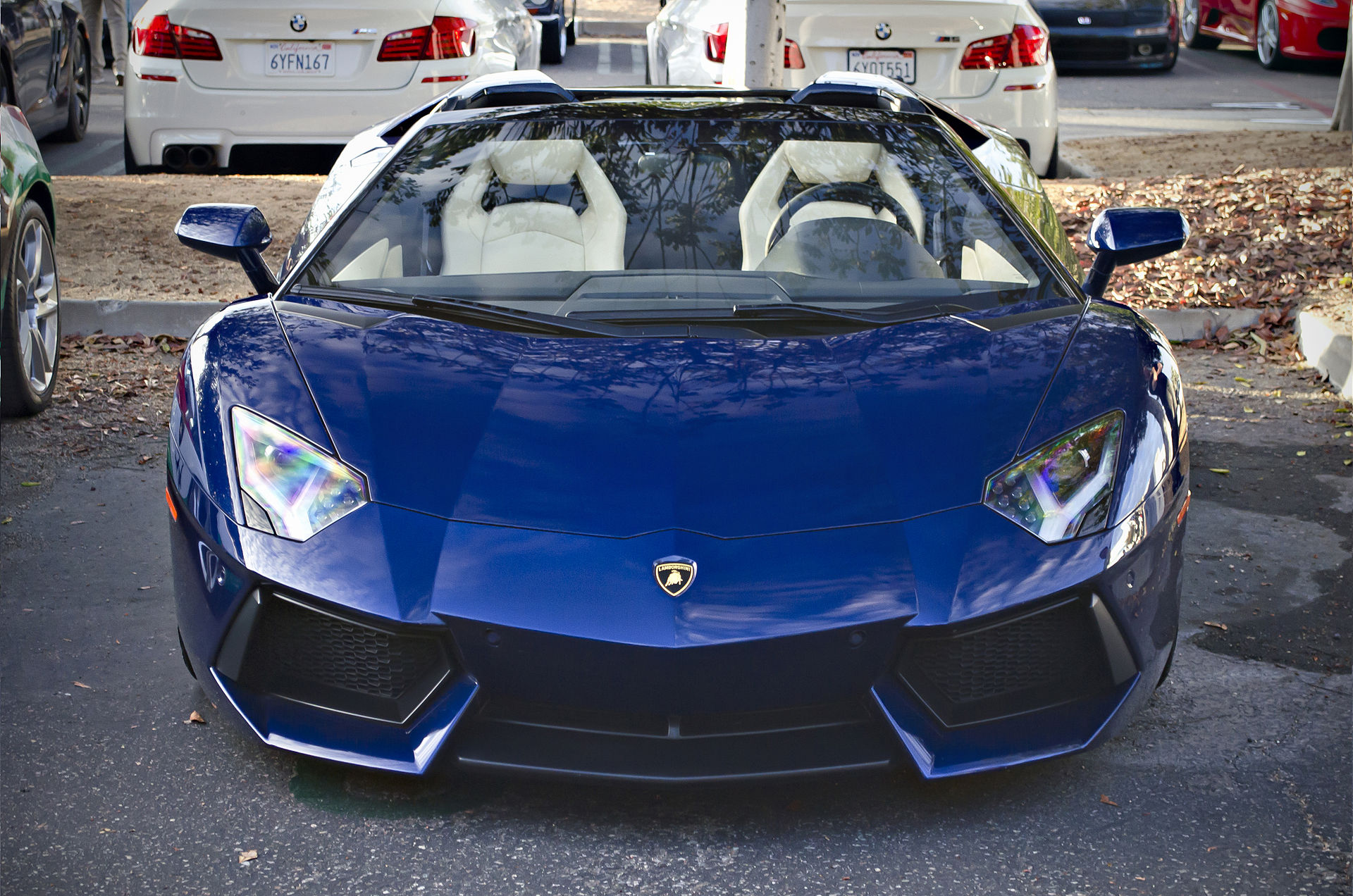
How Lamborghini Compares to Ferrari in Negotiation
Most exotic car buyers compare Lamborghini to Ferrari first. The pricing dynamics between the two are dramatically different, and understanding this comparison reveals why Lamborghini often offers better value — both in purchase price and negotiation room.
Ferrari maintains strict allocation control. Every Ferrari sold is ordered through allocation, not sold from dealer stock. This eliminates negotiation. You either pay MSRP (or premium markup) for an allocation, or you don't get a car. There are no discounts, no demos sitting on lots, and no dealer inventory volume incentives.
Lamborghini, by contrast, allows dealers to take stock of popular models like the Urus. This creates the inventory dynamics that enable negotiation. When an Urus sits for 100 days, the dealer has real motivation to discount. When a Ferrari F8 Tributo allocation takes 24 months to deliver, Ferrari owners have zero leverage.
In practical terms: buying a Lamborghini Urus typically costs 5–8% less than a Ferrari Roma (similar price point, similar demographic), especially on used models. The negotiation dynamics alone are worth $10,000–$20,000 depending on the car.
Step-by-Step: How to Negotiate Your Best Lamborghini Deal
Step 1: Research Real Transaction Prices
Know what cars are actually selling for, not what they're listed for. Use Bring a Trailer sale history, Cars and Bids completed auctions, and dealer transaction data. We track these at Automonitor and provide market intelligence to our buying clients.
If you see a 2021 Urus listed at $195,000 but the last three that sold on Bring a Trailer went for $168,000–$175,000, you now know the asking price is inflated and the dealer has negotiation room.
Step 2: Get Pre-Approved Financing
Exotic car dealers offer terrible financing rates if you let them arrange it. Get pre-approved through an exotic lender like JJ Best Banc, Woodside Credit, or your local credit union before you start negotiating. When you tell the dealer you're paying cash or already financed, you remove their ability to make money on the financing spread — but it also removes their excuse for not discounting the vehicle price.
Step 3: Request a Pre-Purchase Inspection (PPI)
A pre-purchase inspection costs $500–$1,200 and is non-negotiable. Get it done by an independent exotic specialist, not the dealer's service department. The inspection will reveal deferred maintenance, mechanical issues, or wear items that need replacement.
A PPI that uncovers a $6,000 clutch service due, a $3,000 brake fluid flush overdue, or $2,000 in tire wear gives you legitimate negotiation points. Use these findings to justify price reductions or demand dealer-covered repairs before delivery.
Step 4: Make a Data-Backed Offer
Say: "I've researched recent market comps. The last three similar examples sold for $X–$Y. This example is listed at $Z. I'm offering $[data-supported price]." Dealers respect data-backed offers more than emotion-based haggling.
Example: "I see this 2021 Urus with 12,000 miles is listed at $195,000. Recent comps in this condition sold for $168,000–$178,000. The car needs $2,000 in deferred maintenance per the PPI. I'm offering $165,000."
Step 5: Be Willing to Walk
The strongest negotiation tool you have is the ability to walk. If the dealer won't move, there are other Lamborghinis on the market. Tell them: "I'm ready to buy this week at $X price. If that doesn't work, I'm moving on." Then be prepared to actually walk if needed.
Most dealers will call you back within 24–48 hours if they've been holding inventory 60+ days and you just walked on a serious cash offer.

The New Lamborghini Price Reality (2026)
Here's what buyers are actually paying for new Lamborghinis versus MSRP:
| Model | MSRP | Typical Transaction Price | Average Discount |
|---|---|---|---|
| Urus Base | $220,000 | $207,000–$217,000 | 0–6% |
| Urus Performante | $245,000 | $230,000–$242,000 | 0–6% |
| Huracán Tecnica | $297,000 | $297,000–$305,000 | 0% (or premium) |
| Huracán STO | $545,000 | $545,000–$555,000 | 0% (or premium) |
| Revuelto | $645,000 | $645,000–$680,000 | 0% (or premium) |
Automonitor's Lamborghini Buying Support
Negotiating a Lamborghini purchase alone is possible — but it's exhausting and you'll likely leave thousands on the table. Automonitor's buying service handles the entire process:
- Market Intelligence: We track every Lamborghini transaction and tell you exactly what real prices are, where the negotiation leverage is, and which cars are overpriced.
- Pre-Purchase Inspection (PPI): We arrange comprehensive PPIs from certified exotic specialists and interpret the findings in terms of negotiation impact.
- Condition Verification: Our team inspects vehicle history, service records, and overall condition. We identify deferred maintenance and mechanical concerns before you commit.
- Price Negotiation: We handle all negotiation with dealers and private sellers. We know which dealers have volume targets, which cars have been sitting, and where real discounts exist.
- Financing and Logistics: We arrange financing, coordinate insurance, manage title transfer, and handle delivery logistics so you don't have to.
The service typically costs 1–2% of the purchase price but saves buyers 4–8% through negotiation leverage alone. A client who pays us $3,500 to negotiate a $175,000 Huracán purchase down from the asking $185,000 to $172,000 just saved $13,000.
Let Automonitor Handle Your Lamborghini Negotiation
We know the dealers, we know the market, and we know exactly what leverage you have. Save time, save stress, and save money.
Start Your Purchase →Red Flags to Avoid When Buying
Not every Lamborghini deal is a good deal. Watch for these red flags that indicate you should walk away:
- Dealer won't budge on price: If a dealer won't negotiate even a few thousand on a $150,000+ car that's been listed 90+ days, there's either something wrong with the car or the dealer is inexperienced with exotic inventory.
- Pressure to decide immediately: "Someone else is coming to look at it today" is a classic high-pressure tactic. Real deals don't disappear. Walk away.
- No service records: Lamborghinis need regular service. If a dealer doesn't have service records on a car being sold, that's a red flag that something was deferred.
- Refusing a pre-purchase inspection: Any dealer who refuses to allow an independent PPI is hiding something. Do not buy that car.
- Pricing way below market: If a car is listed 15–20% below comps, there's a reason. It either has a salvage title, accident damage, or mechanical issues. Get that PPI done immediately.
The Bottom Line: Real Negotiation Expectations
Here's what you should expect to accomplish with proper preparation and strategy:
New Urus models on dealer stock: 3–7% below MSRP. This is reasonable and achievable if the car has been listed 45+ days.
New Tecnica, STO, Sterrato: 0–2% below MSRP at best. These cars don't have negotiation room. Allocations are non-negotiable.
Used Huracán (2015–2020): 10–20% below asking price. This is where the real leverage is. The used market is saturated and depreciation has been steep.
Used Urus (2019–2023): 8–15% below asking price. Solid leverage, especially on cars that have been listed 60+ days.
Used Aventador, Gallardo, Murciélago: 3–12% below asking, depending on spec and market conditions.
The most important factor? Do your research, get financing pre-approved, demand a PPI, and be willing to walk. Lamborghini dealers have inventory. You have optionality. Use it.
Ready to Buy Your Lamborghini at the Right Price?
Automonitor connects you with vetted sellers, provides real market data, and handles negotiation so you get the best deal possible.
Find Your Lamborghini →