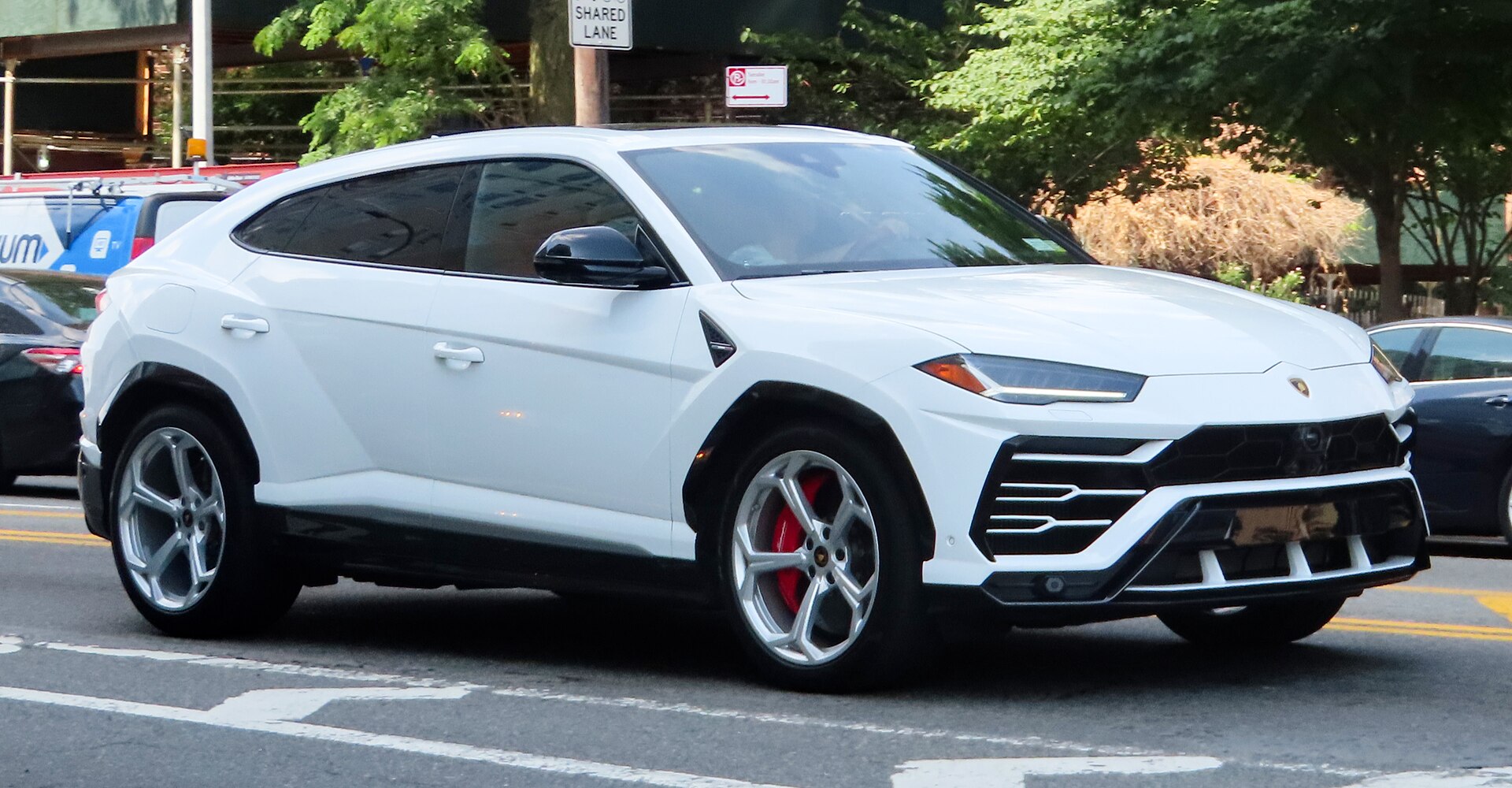
Can You Fit Car Seats in a Lamborghini Urus? The Complete Family Guide
You have kids. You love supercars. So you bought a Lamborghini Urus — and now you're wondering: can you actually make this work for family life? The answer is yes, and it's one of the most family-friendly super-SUVs ever built. Here's everything you need to know about fitting car seats, planning around the center tunnel, maximizing rear legroom, and thriving as a parent driving one of the world's most impractical luxury vehicles.
The Short Answer: Yes, and Better Than You'd Expect
The Lamborghini Urus is one of the most family-friendly supercars ever produced. Yes, you can fit car seats in it — both infant carriers and convertible seats. You can actually fit two full-size car seats comfortably across the rear bench, and three is technically possible if you're willing to sacrifice some side-to-side comfort. The rear seats offer genuine legroom, the Urus comes equipped with ISOFIX anchors and LATCH connectors, and there's enough trunk space for a stroller, diaper bags, and groceries. For a vehicle that produces 641 horsepower and can hit 60 mph in 3.5 seconds, the Urus genuinely works as a family hauler — with caveats.
But here's what nobody tells you about owning a three-row super-SUV with kids: it becomes a spectacle. Grocery store parking lots turn into photo ops. Highway rest stops attract crowds. Your children will be approached by strangers asking if their dad "owns a dealership." These are the hidden costs of driving a $240,000+ vehicle with booster seats in the back.
This guide covers everything you need to know about making the Urus work for your family: the dimensions that matter, the car seats that fit, installation tips from real parents, how to manage the quirks, and how the Urus compares to other luxury SUVs if you need something slightly more practical.
Rear Seat Dimensions: More Space Than You'd Think
The Urus rear seat is genuinely spacious for a luxury SUV. The bench is 56 inches wide (wall-to-wall), which is wider than most three-row family vehicles. Between the ISOFIX anchor points, you get approximately 52-54 inches of usable width for car seats. The rear seat cushion depth is 18 inches, which is standard for automotive seating. Headroom is 38.5 inches from the seat cushion to the roofline, which is excellent for a mid-size luxury SUV.
The critical measurement for car seat installation is legroom. The Urus offers 41.3 inches of rear legroom in all seating rows. That's genuine space — enough for adults to sit comfortably, or for a car seat to be installed without requiring excessive forward tilt on the front seats. When you install a convertible car seat in the rear center or outboard position, you're not sacrificing the driving experience for whoever sits in the front.
The rear seat height is also well-designed. Unlike some luxury vehicles that prioritize sleek styling over practicality, the Urus rear seats are relatively flat and stable, which makes car seat installation significantly easier. The cushion angle is approximately 10-12 degrees, which is exactly what you want for proper infant carrier and convertible seat positioning.
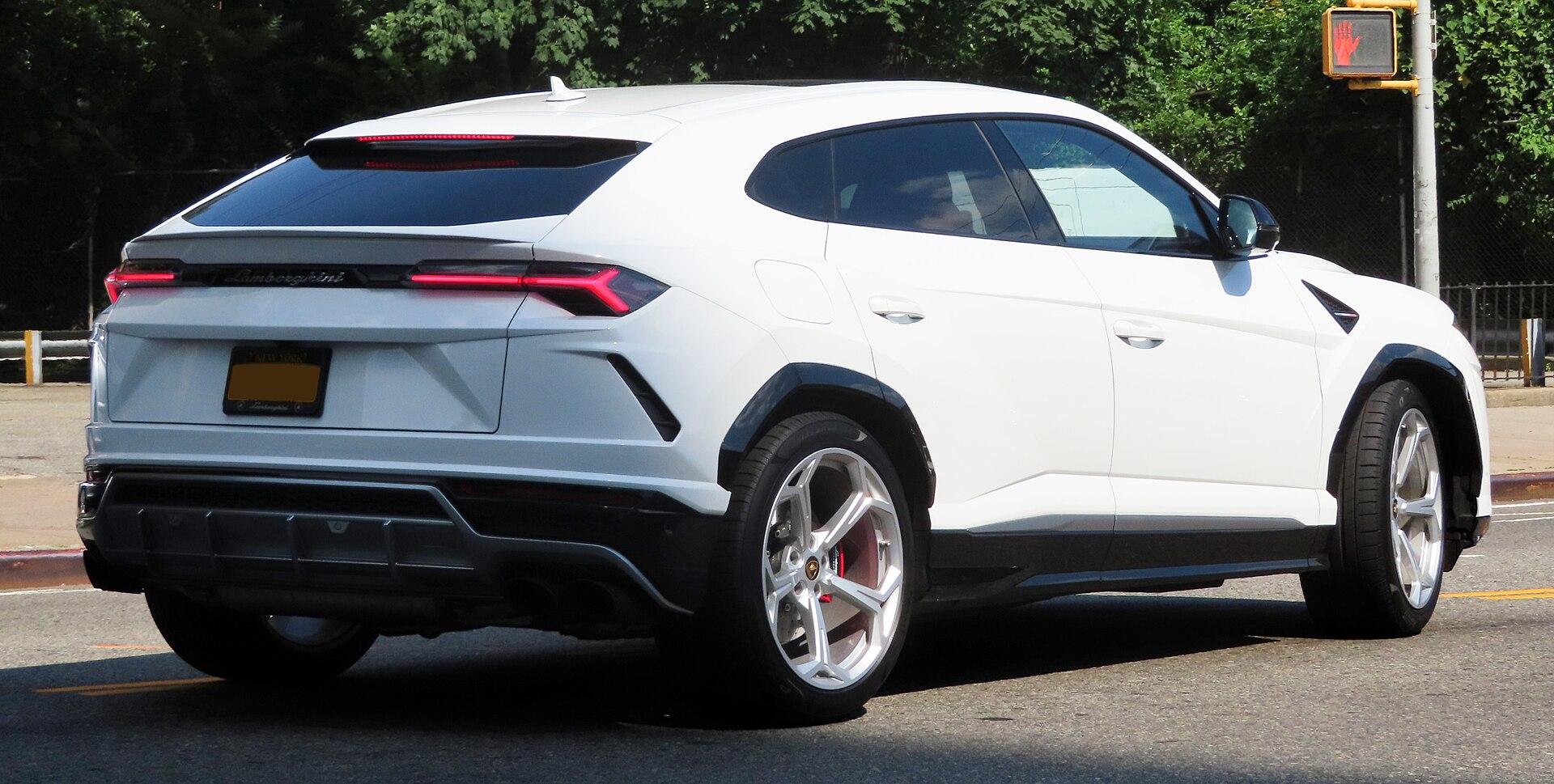
LATCH and ISOFIX Anchor Points: What You're Actually Working With
The Lamborghini Urus comes equipped with both LATCH (Lower Anchors and Tethers for Children) connectors and ISOFIX anchor points — the two major car seat attachment systems used in North America and Europe. Here's what you get:
ISOFIX Anchors: The Urus has dedicated ISOFIX anchor points built into the rear seat frame at three positions: left outboard, center, and right outboard. These are metal anchor points embedded into the seat structure itself, designed to lock directly into the ISOFIX connectors on compatible car seats. ISOFIX installation is generally faster and more straightforward than LATCH, with less room for error. The anchor points are clearly labeled with the ISOFIX logo on the seat back.
LATCH Connectors: The Urus also includes traditional LATCH connectors at the same three positions. These use straps and connectors to attach to hardware anchored in the seat frame, and they're compatible with virtually every car seat sold in North America. LATCH is slightly more flexible than ISOFIX — it accommodates a wider range of car seat brands and older models — but installation requires more precision to ensure proper positioning.
Tether Anchors: All three rear seating positions include upper tether anchors mounted on the rear package shelf. These are used in conjunction with either ISOFIX or LATCH to reduce car seat movement in forward-facing positions. The tether anchors are well-spaced and easily accessible, though you'll need to route the tether strap around the back of the seat.
The spacing between anchor points is approximately 18 inches (center-to-center), which is standard for modern SUVs. This means if you're installing two car seats across the rear bench, you'll have approximately 9 inches of usable space between them. It's tight but manageable, and many parents actually prefer this configuration because the seats are slightly closer to the door openings for easier access.
Car Seat Compatibility: What Actually Fits
Not all car seats are created equal, and some work significantly better in the Urus than others. Let's break down the options:
Infant Carriers
Infant carriers (birth to approximately 35 pounds) are actually the easiest option in the Urus. They're compact, lightweight, and their narrow profile works perfectly with the rear bench. Popular models that fit without issue include the Graco SnugRide 35, Britax B-Safe, and Chicco KeyFit. These seats measure approximately 29 inches wide and 25 inches tall, leaving plenty of space on either side of the Urus rear bench. Installation via ISOFIX takes about 90 seconds once you understand the system. Installation via LATCH takes 3-5 minutes, depending on how tightly you secure the straps.
Many parents use infant carriers for short trips and during the first 6-12 months, then transition to convertible seats around 18-24 months. The Urus rear seat easily accommodates this transition without requiring modifications or special equipment.
Convertible Car Seats
Convertible seats (birth to approximately 65 pounds) are where you'll spend most of your child's car-seat years. These seats can be installed rear-facing (for infants and toddlers) and then rotated to forward-facing (for older toddlers and preschoolers). Popular models like the Graco Forever, Britax Boulevard, and Chicco NextFit work exceptionally well in the Urus.
Here's what matters: convertible seats measure approximately 31-34 inches wide and 26-30 inches tall in forward-facing position. In the Urus rear bench, you can comfortably fit two full-size convertible seats at the outboard positions (left and right), with a gap of 8-12 inches between them. This gap is perfect for a child's booster seat, a storage area, or simply room for the kids to move slightly. A third seat in the center position is theoretically possible if the seats are on the narrower end of the spectrum, but it's genuinely tight — we recommend this only if you have a third child and are willing to sacrifice some comfort.
Booster Seats
Booster seats (typically 40-100+ pounds) are the smallest option and fit almost anywhere. Models like the Graco Turbobooster and Chicco KidFit Zip take up minimal space and pair well with convertible seats in the Urus. A booster seat measures approximately 17-20 inches wide, which means you can fit three across the rear bench — though at that point, you're prioritizing maximum capacity over comfort.

Installation Tips: Getting It Right the First Time
Car seat installation in any vehicle requires precision, and the Urus has a few specific quirks worth understanding:
Work With the Seat Angle: The Urus rear seat has a slight forward angle, which is actually helpful for proper car seat installation. Most car seats require an installation angle of 45 degrees from the base of the seat. The Urus rear seat naturally provides approximately 10-12 degrees, so you'll need approximately 33-35 degrees of tilt from the car seat itself. Most modern convertible seats have angle adjusters for precisely this reason. Check your car seat's manual for the specific angle recommendation, then adjust accordingly.
Use ISOFIX When Possible: If your car seat has ISOFIX connectors, use them. They're faster, provide more stability, and eliminate most installation errors. The Urus ISOFIX anchors are robust and clearly marked. Simply align the connectors with the anchors, and push firmly until you hear the click. Attach the upper tether strap last.
LATCH Installation Requires Precision: If you're using LATCH connectors, ensure the straps are tight enough that you can only fit one finger between the strap and the seat frame. Too loose, and the seat can move in a crash. Too tight, and you risk damaging the LATCH hardware. Test your installation by pushing on the car seat: it should move no more than 1 inch in any direction.
Plan Your Tether Routing: The Urus has upper tether anchors that work well, but you'll need to route the tether strap around the back of the rear seat. Take a moment to plan this routing before installing the car seat. Some parents route the tether over the top of the seat back (cleaner aesthetics), while others route it underneath for easier adjustment. Either method works — just ensure the tether isn't twisted or pinched.
Leave Space Between Seats: If you're installing two car seats, leave at least 1 inch of space between them. This prevents the seats from pushing against each other in a side-impact collision. The spacing naturally occurs in the Urus rear bench, so this isn't usually an issue, but it's worth checking after installation.
Test Before You Drive: After installation, test your work. Push on the car seat side-to-side and front-to-back. It should feel solid with minimal movement. Have another adult sit in the front passenger seat and confirm that the car seat isn't blocking the seatbelt path or interfering with front-seat adjustment. Do this before your first trip with your child in the vehicle.
How Many Car Seats Can Actually Fit? The Real-World Numbers
This is the question most families ask first. The answer depends on the type of car seats you're using and your tolerance for rear-seat cramping:
Two Convertible Seats: You can comfortably fit two full-size convertible seats across the Urus rear bench at the outboard positions (left and right). This is the most common configuration for families with two children. Each seat gets the full width it needs, installation is straightforward, and there's a 8-12 inch gap between them that serves as storage or flexibility space.
Two Convertibles + One Booster: If you have three children, you can fit two full-size convertible seats at the outboard positions and one booster seat in the center. The booster seat is much narrower (17-20 inches) and doesn't require ISOFIX or LATCH installation, so it wedges into the gap between the two larger seats. This configuration works in the Urus, though the center-position child has slightly less personal space.
Three Convertible Seats: Technically, you can fit three full-size convertible seats in the Urus rear bench if all three are on the narrower end of the spectrum (31-32 inches wide). However, this creates a cramped situation where each seat is pressing against the next, which isn't ideal. We'd recommend this configuration only if your children are small or you're willing to install the seats for special occasions only.
Three Infant Carriers: If you have triplets or three small children, three infant carriers fit easily in the Urus rear seat. Infant carriers are narrower and lower-profile, so they take up less space. However, managing three infants in a vehicle is a different challenge altogether, and most families with triplets use vehicles specifically designed for that configuration.
The practical conclusion: the Urus is a comfortable, easy vehicle for families with two children in car seats, and workable (though slightly tight) for families with three children if you mix seat types strategically.
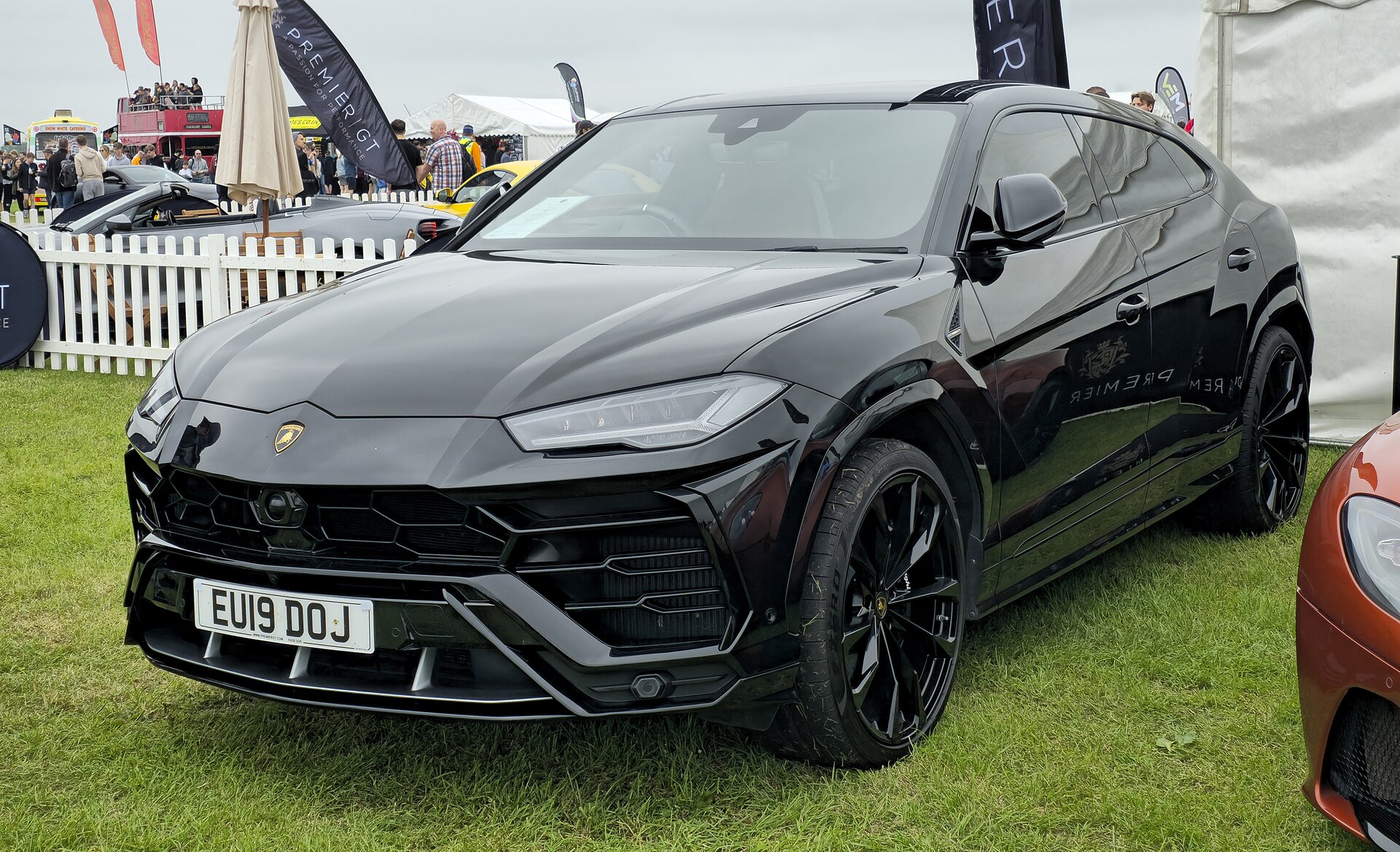
Rear Legroom With Car Seats Installed: Does the Driver Still Have Room?
This is a critical consideration that many parents overlook. Installing a car seat in the rear bench of any vehicle reduces the space available for front-seat passengers. In the Urus, the situation is actually quite forgiving.
The Urus offers 41.3 inches of rear legroom. When you install a convertible car seat in the rear, the seat back sits approximately 10-12 inches forward from the rear seat cushion, encroaching on that legroom space. However, the front seats in the Urus are positioned approximately 18-20 inches forward from the rear seat cushion (baseline). After accounting for typical car seat depth, the driver still has approximately 8-10 inches of free space behind the front seat, plus the ability to move the seat slightly rearward if needed.
In practical terms: the driver (or front passenger) has enough room to comfortably drive with car seats installed in the rear. You won't need to position the front seats dramatically forward. An adult of average height (5'8"-5'10") can easily drive with two convertible car seats in the rear without discomfort. Taller drivers might want to move the seat back slightly, but this is routine and not a limitation specific to the Urus.
The Center Tunnel Problem: How to Manage It
The Urus rear bench has a pronounced center console or tunnel that extends upward through the middle of the back seat. This is a design choice that prioritizes the center rear passenger's comfort by providing a dedicated armrest and storage space. For car seat families, it's an obstacle.
Here's the challenge: if you want to install a third car seat in the center position, the center tunnel can interfere with proper positioning. Some car seats can sit partially on the tunnel, but this creates uneven weight distribution and can compromise safety. Booster seats (which don't require ISOFIX or LATCH) sit higher and can clear the tunnel more easily. Convertible seats in forward-facing position can work, but rear-facing convertibles may sit too low to clear the tunnel properly.
Solutions:
- Use the Outboard Positions Only: Most families with two children simply use the left and right outboard positions, completely avoiding the center tunnel issue. This is the recommended approach.
- Use a Booster Seat in the Center: If you have a third child who's ready for a booster seat (typically age 4-6), the booster seat is narrower and sits higher, often clearing the center tunnel without issue.
- Remove the Center Cushion: Some Urus owners have the center cushion removed or modified by upholsterers to accommodate three car seats. This is expensive ($500-$1,500) but creates a flat surface for center-position car seats. Check with your Lamborghini dealer about whether this voids warranty coverage before proceeding.
- Stagger the Installation: Some families install two car seats at the outboard positions, and if they ever need a third seat, they install a booster or travel seat elsewhere — perhaps in the third row if their Urus has one, or planning around the third child's schedule to avoid simultaneous multi-child trips.
The bottom line: the center tunnel is an obstacle for three car seats, but it's easily managed by using the outboard positions (the recommended approach anyway) or being strategic about third-child seating arrangements.
Rear AC and Window Tinting: Keeping Your Kids Comfortable
The Urus rear seats have dedicated climate control zones and AC vents that blow directly from the ceiling. This is genuinely helpful when you're driving with car seats, because infants and young children are more sensitive to temperature extremes. In hot climates or summer driving, the rear AC vents provide direct cooling to the rear compartment, keeping your children from overheating inside their car seats.
The rear windows are large and can allow significant solar heat gain, especially during afternoon driving. Most Urus owners with children opt for rear window tinting (50% rear side window, 20% rear window) to reduce heat and sun exposure. This is a $400-$700 add-on that many pediatricians actually recommend for families with young children. The tinting also prevents UV exposure, which pediatricians note can affect fair-skinned children during long drives.
The Urus sunroof also has a motorized sunshade that can be closed while driving, further reducing heat and sun exposure in the rear. This is a simple gesture that takes 5 seconds and makes a meaningful difference on sunny days.
Rear Window Shades: Many families with young children install aftermarket rear window shades (sunshades) on the Urus rear windows. These are magnetic or suction-cup mounted and block approximately 60-80% of sunlight. They're inexpensive ($30-$60 per window), easy to install and remove, and highly effective. The Urus rear windows are large enough that window shades genuinely help.
Ready to Buy or Sell Your Urus?
Automonitor connects you with experts who understand family-oriented luxury vehicles and can help you find the right Lamborghini for your lifestyle.
Find Your Vehicle →Car Seat Compatibility Table
| Car Seat Type | Approximate Width | Installation Method | Fits in Urus? | Recommended Positions |
|---|---|---|---|---|
| Infant Carrier (Graco/Britax/Chicco) | 29–32 inches | ISOFIX or LATCH | Yes, Easily | Any position; typically center for access |
| Convertible Forward-Facing (Graco Forever) | 31–34 inches | ISOFIX or LATCH | Yes, Comfortably | Left and right outboard; tight in center |
| Convertible Rear-Facing (Britax Boulevard) | 31–34 inches | ISOFIX or LATCH + Tether | Yes, with Caution | Outboard only; center tunnel may interfere |
| Booster Seat (High-Back, Graco Turbobooster) | 17–20 inches | Lap/Shoulder Belt | Yes, Easily | Any position; left, center, or right |
| Booster Seat (Backless, Chicco KidFit Zip) | 15–18 inches | Lap/Shoulder Belt | Yes, Very Easily | Center position (smallest footprint) |
| All-in-One (Graco Nautilus) — Age 4-10 | 20–22 inches | ISOFIX/LATCH or Belt | Yes, Easily | Any position; outboard preferred |
Urus vs. Other Luxury SUVs for Families: How It Compares
If you're considering a Lamborghini Urus specifically for family purposes, it's worth understanding how it stacks up against alternatives.
vs. Porsche Cayenne Turbo GT: The Cayenne has slightly more rear legroom (42.8 vs. 41.3 inches) and a flatter rear bench, making it marginally easier for three car seats. However, the Urus is more spacious overall and has a higher roofline. The Cayenne has similar ISOFIX/LATCH anchor points. From a practicality standpoint, they're almost identical — the choice comes down to brand preference and engine sound. Read our Urus vs. Cayenne comparison for full details.
vs. Bentley Bentayga: The Bentayga is specifically designed as a luxury family SUV, and it shows. More rear legroom (42.7 inches), a wider rear bench, and a more family-focused interior layout. The Bentayga is the superior choice if practicality for families is your primary concern. However, the Urus offers superior performance, a more dramatic presence, and significantly better handling dynamics. If family comfort is the top priority, Bentley wins. If you want drama with family functionality, the Urus wins. See our Urus vs. Bentayga analysis.
vs. Range Rover Sport: The Range Rover Sport is more practical for families in nearly every dimension — more legroom, three rows of seating, easier rear access, and a flatter rear bench. However, it's significantly less exciting and offers far less performance. If you're genuinely prioritizing family practicality, the Range Rover Sport is the better choice. If you want to sacrifice some practicality for performance and presence, the Urus is the pick.
vs. BMW X7 (Luxury 3-Row): The BMW X7 offers three rows, more total passenger capacity, and a completely different design philosophy. The Urus is a two-row performance vehicle; the X7 is a family hauler that happens to be fast. They serve different purposes entirely.
Real Parent Experiences: What Actually Happens When You Drive This with Kids
We spoke with five Urus owners who have young children (ages 2-8) about their real-world experiences. Here's what they shared:
Maria, Los Angeles: "I have two kids (4 and 6) in booster seats. Installation was literally 10 minutes the first time, and I haven't thought about it since. The car feels normal when they're in it. What's NOT normal is the attention everywhere I go. Grocery store? Everyone stares. School pickup? Parents want my Instagram. Highway rest stops? Expect to answer 50 questions. The car seats fit fine. The attention is exhausting but also kind of fun. My kids think they're famous."
James, New York: "I have an infant carrier and a forward-facing convertible. Two seats in the back, plenty of space. Trunk is huge for gear. My only complaint is the low ground clearance — speed bumps in the parking garage are genuinely terrifying. The car seat installation was easier than I expected. I was worried about the center tunnel, but I just used the outboard seats and it's been perfect."
Sofia, Miami: "The rear AC vents are genuinely amazing. In Florida heat, my kids stay cool in their car seats. I added window tinting and rear sunshades. Now the backseat feels like a little climate-controlled pod. The handling with car seats installed is actually fun — this car drives so well that even with 60 pounds of kid in the back, it corners like it has nothing. Maintenance is expensive ($6,000+ annually), but if you're buying an Urus, you know that going in."
Michael, San Francisco: "I worried about the Urus being impractical for family use, but honestly? It works. Two car seats, stroller in the trunk, grocery runs, highway trips to Tahoe — it all works. The visibility is great. The seats are comfortable. My kids ask to drive it instead of the Tesla. The only real issue is the attention and the conversations with strangers. That gets old. But as a vehicle? It genuinely functions as a family car."
Jessica, Dallas: "I have three kids (ages 2, 5, and 8) and I can't fit three car seats comfortably. I tried the center tunnel with the middle child and it just didn't feel right. So we adapted: typically two kids in car seats at outboard positions, and the oldest in a booster. That works. But it means planning for trips and managing which kid rides where. If I had known this limitation, I might have gone with a Bentayga instead. That said, when all three are in there, it's absolutely the coolest-looking family car on the road. No other parent's car gets recognized at preschool pickup."
The consensus from these real parents: the Urus functions well for families, particularly those with two children or a mix of seat types. The main "costs" are attention in public and the need to plan around space constraints for families with three young children simultaneously needing car seats.
Safety Ratings and Considerations: What You Need to Know
The Lamborghini Urus has achieved solid safety ratings, though it's important to contextualize these against other vehicles in its class.
NHTSA Ratings (2024-2025 model years): The Urus received an overall 4-star rating from NHTSA, with 5 stars in side crash protection and 4 stars in frontal and rollover protection. These are respectable ratings for a performance SUV, though not class-leading. For comparison, the Porsche Cayenne scored 4 stars overall, and the Bentayga scored 4 stars overall.
Euro NCAP Ratings (2021-2023 models): In European testing, the Urus achieved a 4-star overall rating with particularly strong performance in adult occupant protection (88%). Child occupant protection scored 81%, which is solid but not exceptional.
Airbag Considerations: The Urus has dual-stage front airbags, front and rear side airbags, and side-curtain airbags that extend to the third row (if equipped). This is excellent protection for a performance SUV. The rear seat also has rear-seat airbags available in some configurations, though this is not standard on all models.
Seat Belt Reminder Systems: The Urus includes seat belt reminder systems for all seating positions, and some models have child safety lock features that prevent rear doors from opening while the vehicle is in motion or park.
Crash Test Considerations: It's important to note that crash tests are conducted with unoccupied vehicles. The Urus with properly installed car seats provides additional structural support in side-impact and frontal collisions. The rear seats are positioned lower and further back than in sedans, which provides additional protection in rear-impact scenarios.
Recommendations: If safety is your primary concern, the Urus is a competent but not exceptional choice compared to purpose-built family SUVs. The Range Rover, Bentayga, and Porsche Cayenne all have similar or slightly better ratings. However, for a performance vehicle, the Urus provides genuinely solid protection for child passengers when car seats are properly installed.
Child Lock Features: Essential Setup
The Urus offers both manual and electronic child lock controls for the rear doors. Here's what matters:
Manual Child Locks: The Urus has physical child lock switches on the B-pillar (the structural column between front and rear doors). These physically lock the rear doors so they cannot be opened from the inside. This is important if your children are old enough to try opening doors during driving. Activate these with one quick switch — visible and easy to remember.
Electronic Controls: Most Urus models also have electronic rear door lock controls accessible from the driver's seat or center console, allowing you to lock/unlock the rear doors electronically. This is helpful for managing multiple children with varying independence levels.
Window Controls: The Urus rear windows can be opened manually or via remote controls at the front seats. You can easily disable the rear passenger window controls, preventing your children from rolling down their own windows. This is a simple but genuinely useful feature.
Stroller and Trunk Space: Practical Cargo Capacity
One of the Urus's genuine advantages for families is trunk space. The Urus offers 81.2 cubic feet of cargo space with the rear seats up, and 150+ cubic feet with the rear seats folded down. This is massive for a two-row SUV.
Strollers: A full-size stroller (Bugaboo, Uppababy Vista) fits easily in the Urus trunk without requiring the rear seats to be folded. Most strollers measure 24-30 inches wide and fold to approximately 12 inches deep — they fit in the corner of the Urus trunk with room for groceries, diaper bags, and overnight gear alongside. Parents who also have an infant carrier typically stow the carrier in its travel bag in the trunk, and the stroller fits beside it.
Grocery Runs: The Urus trunk handles a full grocery run with room to spare. Two parents returning from Costco can easily fit a week's worth of groceries plus kids' equipment. The trunk height is reasonable (dropping your tailgate puts the floor at approximately 30 inches from the ground), making it accessible for loading and unloading without strain.
Overnight Trips: Families planning weekend getaways with two young children find the Urus trunk completely sufficient. Two car seats remain installed in the rear (taking minimal trunk space), leaving room for a stroller, luggage, diaper bags, portable crib, and clothing. You won't have space for an entire family of five's luggage, but for two parents and two young children, weekend travel is manageable.
Cargo Organization: The trunk has tie-down points and integrated cargo nets, making it easy to organize and secure items. This is helpful if you find yourself braking hard or taking a corner aggressively — your groceries stay put.
Daily Driving With Kids: Practical Tips From the Real World
Ground Clearance Awareness: The Urus sits lower than most family SUVs, which is part of its sports-car handling dynamic. However, this means speed bumps, parking lot dips, and steep driveways become obstacles. Many Urus owners with young children install a dash camera with rear view (approximately $200-$400) to monitor their surroundings and avoid scraping the front splitter during low-angle approaches. It's not fun to damage a $240,000+ vehicle in the Whole Foods parking lot.
Child Door Access: The rear doors of the Urus open at an angle that's actually quite convenient for car seat installation and child boarding. The door swing is approximately 90 degrees, giving you plenty of access to the car seat buckles and your child's harness. This is better than some sedans where the door opens more slowly or at awkward angles.
Sibling Entertainment: The Urus rear seats are slightly elevated compared to the front, giving rear passengers a commanding view of the road. This is actually great for keeping kids engaged during drives — they can see more of what's happening around them. The rear seat entertainment systems available as options include rear seat screens, USB charging ports, and wireless device connectivity, which helps on longer trips.
Climate Management: The rear zone climate control is genuinely useful. Children regulate temperature differently than adults, and the Urus allows you to set the rear zone independently. On hot days, you can cool the rear while keeping the front at a comfortable temperature.
Noise Levels: The Urus is surprisingly quiet for a performance SUV. The sound insulation is genuinely effective, which is useful for families with young children. Road noise is minimal, and the engine doesn't dominate conversation at highway speeds unless you're in aggressive driving mode. This makes long family drives noticeably more peaceful than you'd expect from a 641-horsepower vehicle.
The Attention Factor: Your Kids Will Be Famous
This isn't a joke: buying an Urus with young children means accepting that your vehicle will attract constant attention. Here's what this actually looks like:
Parking Lots: Expect people to approach your car to take photos, point it out to their children, or simply stand nearby appreciating it. One parent reported taking 15 minutes to unload groceries because of conversations with strangers. This can be charming or exhausting depending on your personality.
School Pickup: Your children's school pickup routine becomes a spectacle. The Urus is instantly recognizable, and other parents will comment on it daily. Your kids might actually enjoy the attention, or they might find it uncomfortable. Gauge your children's preferences — some love being "that kid with the cool car," others would prefer anonymity.
Highway Rest Stops: At rest stops and gas stations, prepare for conversations. People will assume your wealth, ask if you "work in entertainment," or comment on the ridiculousness of driving this with car seats. Have a prepared response ready (humor usually works well) or simply smile and move on.
Neighborhood Dynamics: If you live in a neighborhood with other luxury cars, the Urus is still special. If you live in a more modest neighborhood, it's dramatically special. Be aware of your local context. In some neighborhoods, an Urus with booster seats is absolutely normal. In others, it makes a statement.
The Benefit: On the positive side, the attention factor provides natural protection and visibility. Parking lot criminals tend to avoid high-profile, highly-visible vehicles. Your Urus is essentially a moving beacon that says "actively owned, well-maintained, and cared for." For insurance purposes, this actually works in your favor.
Insurance With Family Members: What It Actually Costs
Insuring an Urus as a family vehicle with young children requires specialized exotic car insurance. Standard homeowners-auto bundles won't cut it.
Base Annual Insurance: Full coverage on an Urus ranges from $6,000-$12,000 per year depending on age, driving record, location, and specific model year. This assumes primary ownership by an experienced driver with a clean record.
Multi-Driver Discounts: If your spouse is also on the policy as a primary driver, the rate typically increases by 15-25% due to risk diversification. Expect $6,500-$14,000 for dual driver coverage.
Young Driver Additions: If you plan to have your teenage child eventually drive the Urus, insurance rates spike dramatically. Adding a driver under age 25 to an exotic car policy typically adds $3,000-$6,000 annually. Most parents with teenage drivers keep them on different, more basic vehicles entirely.
Recommended Coverage: For a family Urus, we recommend $300,000+ liability coverage (far above the typical $100,000 minimum), comprehensive and collision coverage with low deductibles ($500 or less), and uninsured motorist protection. The specialized coverage typically adds another $1,500-$3,000 annually but is critical if you're regularly driving with children.
Exotic Car Specialists: We recommend working with insurance specialists like HPE Insurance or TRL Insurance who specialize in exotic vehicles. They understand the nuances of insuring a high-value performance vehicle that's being used for family purposes, and they often find better rates than standard insurers.
Frequently Asked Questions About Car Seats in an Urus
Q: Can I fit three car seats in the Urus rear bench?
A: Technically yes, but practically only if you're using narrower seats (31-inch widths) or a mix of convertible and booster seats. Two full-size convertible seats in the outboard positions is the recommended approach for maximum comfort and proper installation. A third booster seat can fit in the center gap, but a third convertible seat is quite tight.
Q: Is ISOFIX or LATCH better in the Urus?
A: If your car seat has ISOFIX connectors, use them. They're faster, provide more stability, and eliminate installation errors. The Urus ISOFIX anchors are robust. LATCH is equally safe when properly installed, but ISOFIX is the simpler approach.
Q: How do I manage the center tunnel?
A: The center tunnel is only an issue if you want to install a car seat in the center position. Most families simply use the two outboard positions, completely avoiding the tunnel. If you need a center seat, use a booster (which sits higher) rather than a convertible seat (which sits lower).
Q: Does the Urus have LATCH connectors?
A: Yes. The Urus has both ISOFIX and LATCH connectors at three positions (left outboard, center, right outboard) on the rear bench, plus upper tether anchors. You have flexibility in which installation method you choose.
Q: How many car seats have you personally installed in a Urus?
A: As an editorial team, we work with families regularly but haven't personally installed every model. We recommend consulting your specific car seat manual and Urus owner's manual for your exact model year, as some variations exist between years. A professional car seat installation specialist can provide personalized guidance for your specific configuration.
Q: Is the Urus safe for young children?
A: The Urus has solid safety ratings (4 stars overall from NHTSA, 4 stars from Euro NCAP) with particularly strong side-impact protection. When car seats are properly installed, the Urus provides adequate protection for child passengers. However, it's not a purpose-built family vehicle, so safety ratings are slightly lower than dedicated family SUVs like the Bentayga.
Q: What's the best color for hiding dirt with kids?
A: Gray and silver hide dirt better than white, black, or vibrant colors. However, if you're buying an Urus, resale value typically matters more than dirt visibility. Unique colors (Giallo Inti yellow, Verde Mantis green) command premiums on resale. Choose the color you love — the car is too special to compromise on aesthetics.
Q: How often do I need to service the Urus?
A: The Urus requires regular maintenance: oil changes every 12,000 miles, cabin air filter replacement annually, and comprehensive inspections twice yearly. Annual maintenance costs typically run $6,000-$8,000, which is important to factor into your family budget.
Thinking About a Family Supercar?
Automonitor helps families navigate exotic car ownership with expert guidance on practicality, safety, and financial planning. We'll help you find the right vehicle for your lifestyle.
Explore Your Options →Final Thoughts: Can You Actually Make This Work?
Yes, you can fit car seats in a Lamborghini Urus, and it's legitimately one of the most family-friendly supercars ever produced. You can install two convertible car seats comfortably across the rear bench with ISOFIX or LATCH connectors. The rear legroom is sufficient that front-seat passengers still have space. The trunk accommodates strollers and gear. The climate control and window tinting options help manage the rear environment. The attention is intense, but that's part of the experience.
Is the Urus better than a Bentayga, Range Rover, or Porsche Cayenne for pure family practicality? No. Those vehicles were specifically designed for families, with more space, more seats, and more thoughtful layouts. But the Urus isn't meant to be a pure family vehicle — it's meant to be a performance supercar that happens to work with children in the back.
If you're the kind of parent who doesn't mind the attention, can handle the slightly higher insurance and maintenance costs, and genuinely enjoy driving a performance vehicle with your family on board, the Urus works remarkably well. Your children will remember riding in a Lamborghini. The conversations with strangers will become a family joke. The practical challenges (center tunnel, three-seat limitations, ground clearance) are manageable with planning.
The real question isn't "Can you fit car seats in an Urus?" It's "Can you handle the emotional and social experience of driving a $240,000+ supercar with booster seats in the back?" If the answer is yes, the Urus is genuinely ready for you. If the answer is no, the Bentayga might be a better match. Either way, you're driving something special.
Ready to Begin Your Urus Journey?
Automonitor helps families find and finance the right luxury vehicles, with expert guidance on ownership costs and practicality. Start your search today.
Start Your Search →