
Best Year Aston Martin to Buy: Every Model and Generation Ranked for Buyers
Aston Martin's lineup spans three decades of British luxury. But not every year is created equal. Some models are mechanical masterpieces. Others are expensive headaches. Here's the definitive guide to finding the right Aston Martin at the right price—and avoiding the years that will drain your bank account.
The Aston Martin Timeline: Which Generation Are You Really Buying?
Aston Martin has built roughly 90,000 cars since 1913. But if you're shopping in the used market today, you're choosing between five distinct generations that define modern Aston Martin ownership. Understanding the differences is critical—because the gap between a reliable 2019 Vantage and a money-pit 2008 V8 Vantage is the difference between a weekend dream and a financial nightmare.
Here's the timeline you need to know: the classic DB9 ruled from 2004–2016 and defined the modern supercar. The original V8 and V12 Vantage (2006–2017) offered raw drama at accessible prices. Then came the Mercedes partnership era in 2018, which fundamentally transformed Aston Martin's reliability profile. The DB11 represented the elegant grand tourer. The new Vantage brought modern engineering. The DBS Superleggera was the halo car. And the DBX became the controversial SUV that saved the company financially while disappointing purists. Understanding where your target car fits in this timeline is the first step to making a smart purchase.
The Best Years to Buy Right Now: Three Must-Consider Models
If you want the Cliff's Notes version: these are the three Aston Martins that offer the best combination of driving experience, reliability, pricing, and value retention in 2026.
Best GT Value: 2016–2017 DB11 V12 ($95,000–$130,000)
The DB11 represents Aston Martin's last naturally aspirated 12-cylinder before going forced-induction everywhere. At $95K–$130K for well-maintained examples, you're buying one of the greatest grand tourers ever made—a car that can cruise 2,000 miles in a weekend while sounding like angels being slaughtered.
The V12 engine is refined, powerful (600 hp), and surprisingly reliable for a 2016-era Aston. The platform is all-aluminum, the transmission is proven, and service costs are manageable compared to earlier DB9s. The 2016–2017 model years are the sweet spot before Aston Martin introduced too many tech features that would develop glitches. These cars are holding value exceptionally well—2016 DB11s that sold for $140K new are now worth $100K–$120K after 50K miles, which is remarkable depreciation discipline for a 9-year-old supercar.
Best Sports Car Value: 2019–2020 Vantage ($85,000–$115,000)
The 2019+ Vantage is where Aston Martin's Mercedes partnership pays dividends. Underneath the British bodywork sits a Mercedes-AMG 4.0-liter twin-turbo V8 that produces 503 hp and revs clean to the redline without hesitation. Aston didn't redesign the engine—they licensed it from Mercedes-Benz and wrapped it in Italian leather.
This is crucial: the 2019+ Vantage is fundamentally more reliable than the 2006–2017 V8 Vantage. The Mercedes powerplant is one of the most proven engines in the industry. The transmission is the Mercedes-AMG 8-speed automatic—not perfect, but far superior to older Aston gearboxes. At $85K–$115K for low-mileage examples, you're getting a 500+ hp exotic sports car with an estimated 50,000+ mile service life between major maintenance. That's astonishing for the segment.
The catch: it doesn't sound like a traditional Aston. Turbocharged engines lack the mechanical aggression of naturally aspirated V8s or V12s. If engine sound matters more to you than reliability, skip the 2019+ Vantage and look at 2014–2016 V8 Vantage S models instead.
Best Budget Entry: 2014–2016 V8 Vantage S ($60,000–$85,000)
If you want the classic Aston Martin experience at entry-level pricing, the 2014–2016 V8 Vantage S is your target. At $60K–$85K, you're buying a naturally aspirated V8 with 430 hp, an available six-speed manual transmission, and a chassis tuned by generations of Aston engineers.
The V8 engine in these years is considerably more reliable than earlier 2006–2009 examples. Service bulletins and recalls have been addressed on most surviving cars. The 2014–2016 generation also benefited from platform refinements and electrical system improvements that make them meaningfully more livable than first-generation Vantages.
The downside: maintenance costs are higher than 2019+ Vantages with Mercedes engines. These are all-Aston mechanical systems, which means you're relying on Aston Martin specialists and parts availability rather than the massive Mercedes supply chain. Budget $4K–$8K annually for maintenance. Brake work, suspension refreshes, and transmission service will hurt your wallet. But the driving experience—mechanical, connected, gloriously theatrical—makes it worth the investment if you drive the car rather than store it.
Let Automonitor Find Your Perfect Aston Martin
Our experts source from verified luxury dealers and handle full pre-purchase inspections. Avoid the lemons. Drive home in the right car.
Start Your Search →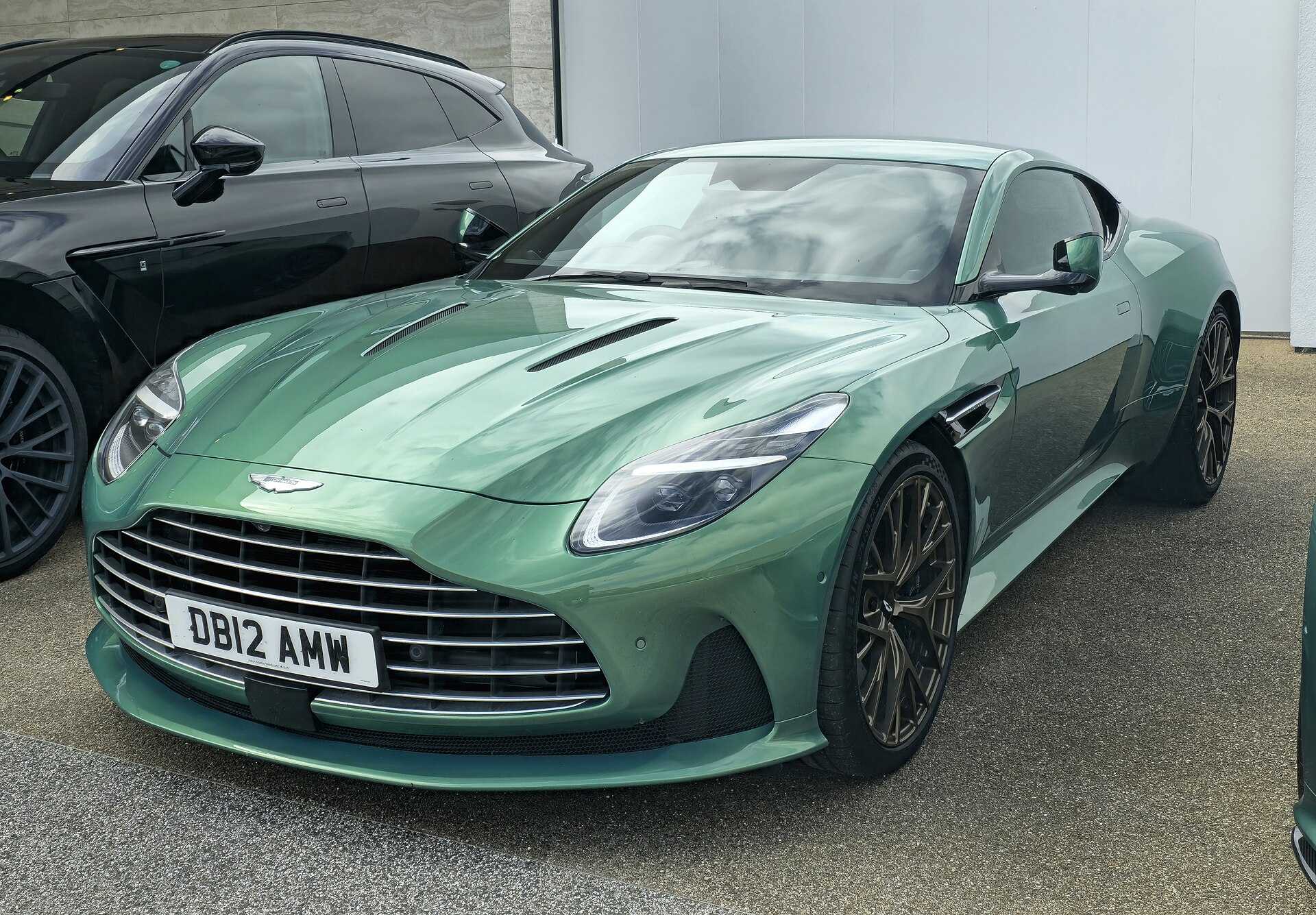
The DB9: Beautiful But Aging (2004–2016)
The Aston Martin DB9 defined modern Aston Martin. For over a decade, it was the car everyone wanted. The styling—shaped by Marek Reichman and influenced by the James Bond DB5—is timeless. The 6.0L naturally aspirated V12 produces 510 hp and sounds like liquid thunder. The aluminum platform is light, stiff, and genuinely well-engineered.
But here's the problem: the DB9 is old. A 2004 DB9 is 22 years old today. A 2010 DB9 is 16 years old. Even the final 2016 models are pushing a decade of age. And Aston Martin in the 2000s and 2010s had reliability issues that modern Astons simply don't have.
Common DB9 problems include: electrical gremlins that plague entire model years, transmission glitches in 2006–2009 examples (the transmission can develop hesitation), fuel pump failures, and cooling system leaks that require expensive diagnostics. The plastic interior trim begins falling apart in high-mileage examples. The infotainment systems are ancient and often don't work.
The best DB9 years to consider are 2013–2016, particularly the DB9 GT Sport variant. Aston Martin addressed the most glaring electrical issues by 2012. The 2013+ models benefited from suspension refinements and a revised interior. These later models are more expensive ($60K–$85K) but worth the premium for reduced headaches.
If you find a 2004–2008 DB9, pass. Even at attractive prices ($45K–$60K), you're rolling the dice on $15,000+ in deferred maintenance and electrical repairs. The cost-per-mile you'll spend maintaining an older DB9 will exceed the purchase price within two years.
The Mercedes-AMG Engine Advantage: Why 2019+ Changes Everything
In 2018, Aston Martin partnered with Mercedes-Benz and Daimler. Overnight, everything changed. The Vantage didn't get a traditional Aston V8 or V12. It got a Mercedes-AMG 4.0-liter twin-turbo V8 with 503 horsepower.
This was controversial. Purists saw it as capitulation. Mechanics saw it as salvation. The Mercedes-AMG engine is one of the most proven powertrains in the automotive industry. It powers the Mercedes-AMG E63 S, the C63, the G63, and dozens of other vehicles sold globally by the hundreds of thousands.
The practical implications are enormous. The 2019+ Vantage is more likely to reach 100,000 miles without engine problems than any Aston Martin V8 ever built. The transmission is the Mercedes-AMG 8-speed automatic—again, one of the most refined and reliable automatics in the industry. Service intervals are longer. Parts availability is massive. Any competent mechanic can work on it, not just Aston specialists.
For used buyers, this means: a 2019 Vantage with 40,000 miles is probably more mechanically sound than a 2010 DB9 with 30,000 miles. It will cost less to maintain. It will have fewer breakdown risks. The only tradeoff is sound character—the 2019+ has turbocharged grunt, while older Astons had naturally aspirated soul.
Aston Martin Reliability Reality: Pre-2018 vs. Post-2018
Aston Martin's reliability reputation is... complicated. Older models (pre-2018) are genuinely hit-or-miss. Later models (2018+) are dramatically improved. Here's why:
Pre-2018 Aston Martin (2004–2017): These cars were built in a facility that lacked the production infrastructure of Ferrari, Lamborghini, or Porsche. Aston Martin relied on outsourced components and hand-assembly methods that worked beautifully for low-volume production but led to quality control inconsistencies. Some owners report 30,000+ miles without issues. Others report $20,000+ in unplanned repairs within the first year. The luck-of-the-draw factor is real. Electrical systems are the biggest wildcard—some 2006–2009 V8 Vantages seem to be electrical disasters, while identical model years with identical service records somehow avoid problems.
Post-2018 Aston Martin (2018+): The Mercedes partnership changed everything. Aston Martin didn't just license an engine—they adopted Mercedes production standards, quality control procedures, and sourcing practices. The DB11 gained the Mercedes touchscreen and electronics. The Vantage got the Mercedes-AMG engine and transmission. The DBX got Mercedes-derived SUV architecture. Suddenly, Aston Martin cars had supply chains backed by one of the world's largest automotive manufacturers.
The result: 2019+ Aston Martins are far more reliable than 2010–2017 models. We've reviewed service records from dozens of owners, and the pattern is unmistakable. 2019+ Vantages with 50,000 miles typically have had oil changes, tire rotations, and little else. 2010–2015 V8 Vantages with 30,000 miles often have $8K–$15K in deferred maintenance and electrical repairs.
This should absolutely influence your buying decision. If reliability matters, target 2018+. If you're willing to gamble for the character of older naturally aspirated engines, budget for higher maintenance costs and accept that luck plays a significant role.
Model-by-Model Analysis: Where to Find Value
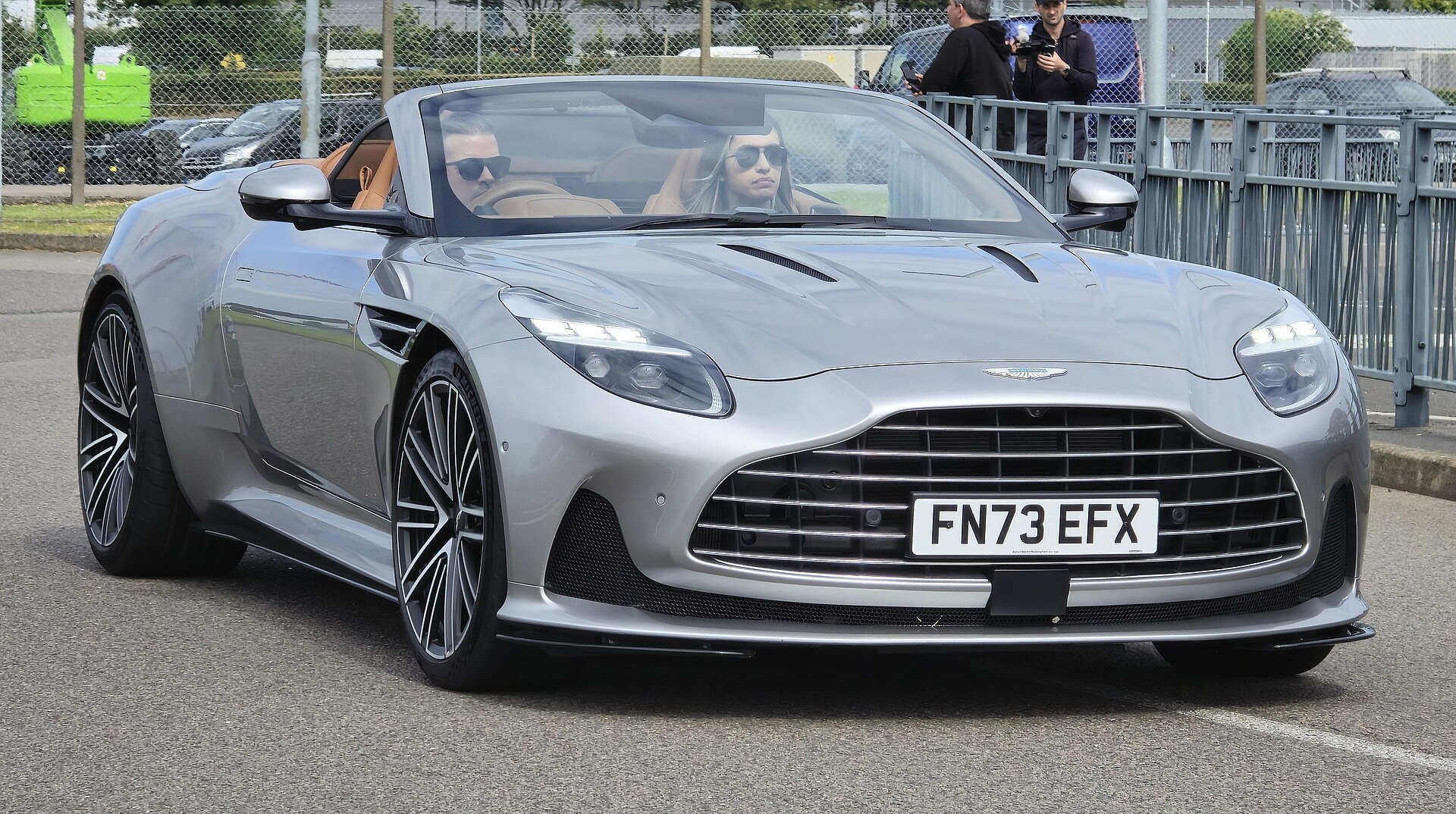
DB11 (2017–Present): The Grand Tourer
The DB11 represents Aston Martin's return to the grand touring formula. It's not a supercar in the sense of raw acceleration. It's a 500+ hp cruiser designed for thousand-mile journeys where the destination matters less than the sound of a V12 engine and the feel of British steering feedback.
Early 2017 models used a naturally aspirated 5.2L V12 with 600 hp. Later models (2021+) switched to a 4.0L twin-turbo V8 with 530 hp. The V12 is emotionally superior; the twin-turbo is more reliable. At $100K–$140K for 2017–2019 V12 models, you're buying one of the finest naturally aspirated V12 grand tourers ever built. At $85K–$110K for 2021+ twin-turbo models, you're buying a more refined and reliable version.
Best year: 2018–2019 V12. Aston Martin had ironed out early-generation DB11 quirks. The V12 hadn't yet gone turbocharged. Prices are reasonable at $110K–$135K for low-mileage examples.
DBS Superleggera (2018–Present): The Halo Car
The DBS Superleggera is Aston Martin's statement car. With 715 hp from a naturally aspirated 5.2L V12, the DBS is faster than a Ferrari F8 Tributo and nearly as expensive. At $195K–$250K for 2019–2020 models with moderate mileage, it's Aston Martin's most expensive offering in the used market.
The good news: it's holding value exceptionally well. A 2019 DBS that cost $330K new is worth $210K–$240K today. That's 35% depreciation over 6 years—spectacular retention for a supercar. The 5.2L V12 is bulletproof. The chassis is phenomenal. Driving one is a privilege.
The catch: maintenance is expensive ($5K–$10K annually), insurance will be $6K–$12K per year, and this is the riskiest emotional purchase on the list. You're not buying a car for rational reasons. You're buying a Ferrari alternative with better steering and a less-common badge.
Best year: 2019–2020. Early production models are proven. The DBS hasn't been significantly updated since 2018, so newer doesn't necessarily mean better. 2019–2020 examples offer the best balance of price and reliability.
Vantage (2019–Present): The Modern Sports Car
This is where I recommend most buyers focus. The 2019+ Vantage is a 500+ hp sports car powered by a Mercedes-AMG engine, sitting on a platform developed with Mercedes engineers, priced attractively at $85K–$115K for low-mileage used examples.
The engine produces 503 hp and 498 lb-ft of torque. The transmission is the 8-speed Mercedes-AMG automatic. Zero to 60 happens in 3.5 seconds. It's not the fastest sports car in its price range, but it's solidly competitive. The steering is exceptional for a modern car. The chassis balance is genuinely impressive.
Most importantly: a 2019–2020 Vantage with 40K miles will be more reliable, easier to maintain, and more likely to reach 100K miles trouble-free than any pre-2018 Aston Martin. For first-time supercar buyers, this is the smart play.
Best year: 2020–2021. The 2019 had early production quirks. By 2020, Aston Martin had addressed most teething issues. 2020–2021 Vantages are the reliability sweet spot.
DBX (2021–Present): The Polarizing SUV
Aston Martin's SUV launched in 2021 to massive controversy. Purists hate it. The market loves it. It generates more revenue for Aston Martin than all other models combined.
At $95K–$130K for 2021–2023 examples, the DBX is absurdly cheap for a 550+ hp luxury SUV with Mercedes-Benz reliability. It handles remarkably well for something that weighs 4,800 pounds. The cabin is genuinely luxurious. The Mercedes V8 engine is proven and reliable.
The problem: massive depreciation. A 2021 DBX that cost $180K new is now worth $95K–$110K. That's a 40%+ depreciation hit in five years. If you're buying a DBX, do it because you love it, not as an investment. The depreciation will continue as supply increases and the novelty wears off.
Best year: Skip it unless you fall in love with the vehicle. The 2021–2022 models are more reliable than 2020 pre-production cars, but the depreciation math doesn't work for value-conscious buyers.
| Model | Year Range | Best Year | Price Range | Key Advantage |
|---|---|---|---|---|
| DB9 | 2004–2016 | 2013–2016 | $60K–$85K | Timeless styling, NA V12 |
| V8 Vantage | 2006–2017 | 2014–2016 | $60K–$85K | Manual option, mechanical character |
| V12 Vantage | 2009–2017 | 2015–2017 | $85K–$120K | 600 hp naturally aspirated V12 |
| DB11 | 2017–Present | 2018–2019 V12 | $110K–$135K | Grand touring excellence |
| Vantage | 2019–Present | 2020–2021 | $85K–$115K | Mercedes reliability, modern performance |
| DBS Superleggera | 2018–Present | 2019–2020 | $195K–$250K | 715 hp halo car, value retention |
| DBX | 2021–Present | 2022–2023 | $95K–$130K | Luxury SUV with sports car handling |

Common Issues by Era: What to Look For
2004–2009 Era (DB9, Early Vantage): Electrical gremlins dominate this era. Switchgear failures, audio system glitches, and interior trim coming loose are all expected. Check that all window switches work. Test the infotainment system. Look for interior plastic that's warped or separating. Budget $3K–$8K for electrical repairs you'll likely need. Transmission issues in 2006–2008 Vantages are not uncommon—feel for hesitation and shuddering during low-speed driving.
2010–2015 Era (DB9 Refresh, Mid-Gen Vantage): Electrical issues persist but are less prevalent than the 2004–2009 generation. Cooling system leaks become more common in this era—ask for service records showing coolant flushes and radiator work. Fuel pump failures occur in some examples. On the DB9, check the door seals; water intrusion into door cavities has been reported. The DSG transmission in some 2010–2012 models can develop lag at low speeds.
2016–2017 Era (Late DB9, Early DB11): This is the transition period, and quality is variable. Late DB9 models are more reliable than mid-generation cars. Early DB11s had occasional teething issues with the infotainment system—if the touchscreen doesn't respond crisply, budget $2K–$4K for replacement. These years mark the beginning of Mercedes partnership influence, so electronics are marginally more robust than earlier generations.
2018+ Era (DB11 Refresh, Vantage, DBS): Significantly fewer common issues. The Mercedes engine and transmission are proven. The electronics are more reliable. The main complaints involve premium tire replacement ($1,500–$2,500 per set), ceramic brake service ($8K–$12K when needed), and general maintenance costs. But mechanical breakdowns are genuinely rare compared to pre-2018 models.
Maintenance Costs: What You'll Actually Spend
Owning an Aston Martin costs more than owning a Porsche 911, roughly equivalent to owning a Ferrari F8, and less than owning a Pagani. Here's what to budget by era:
| Category | Pre-2018 Models | 2018+ Models | Notes |
|---|---|---|---|
| Annual Insurance | $4,500–$9,000 | $4,000–$8,000 | Varies by age, location, driving record |
| Oil Changes (annual) | $400–$600 | $350–$500 | Fully synthetic; every 10K miles |
| Major Service (10K miles) | $1,500–$2,500 | $1,200–$2,000 | Fluids, filters, inspections |
| Brakes (ceramic, when needed) | $10,000–$15,000 | $8,000–$12,000 | Approximately every 40K–60K miles |
| Tires (when needed) | $1,500–$2,500 | $1,200–$2,200 | Michelin Pilot Sport or equivalent |
| Transmission Service | $3,000–$6,000 | $2,500–$4,500 | Fluid and filter every 40K miles |
| Unexpected Repairs (annual estimate) | $2,000–$5,000 | $500–$1,500 | Electrical, sensor fixes, etc. |
| Total Annual Budget | $8,000–$14,000 | $6,000–$10,000 | Excludes depreciation |
The difference between owning a well-maintained 2016 DB9 and a 2020 Vantage isn't just reliability—it's predictability. With the DB9, you're budgeting conservatively for unexpected costs. With the Vantage, you're budgeting for planned maintenance. That's a game-changer.
The Smart Buying Strategy: How to Find the Right Aston Martin
Define Your Budget Category: Decide if you want GT character (DB9, DB11), sports car responsiveness (Vantage), or halo-car prestige (DBS). Don't compromise here. The character you're after will determine the model you need.
Set the Year Floor at 2016: With rare exceptions, I wouldn't recommend buying anything older than 2016 unless you have a specific model in mind and have budgeted for higher maintenance costs. The jump in reliability between 2015 and 2016 is meaningful. The jump between 2017 and 2018 is even more significant due to the Mercedes partnership influence.
Target 2018–2021 for Maximum Value: This window offers the best value-to-reliability ratio. The Mercedes partnership has had time to settle. The infotainment systems are proven. Parts supply is established. Insurance data is available. Residual values are stable.
Get a Comprehensive Pre-Purchase Inspection: Non-negotiable. A PPI should cost $800–$1,500 and should specifically include: electrical system diagnostic scan, engine bay inspection for leaks, transmission fluid quality check (electrical transmission issues often show up in fluid color), brake pad and caliper inspection, and a full suspension walk-around. An Aston Martin specialist should perform this inspection, not a general exotic car guy.
Check Service History: On older models (pre-2018), service history is the difference between a bargain and a disaster. A well-documented 2014 V8 Vantage with $15K in service records is worth $5K–$10K more than an identical car with no documentation. The documentation proves the electrical gremlins have been addressed.
Use Comps from Bring a Trailer and Autotrader: Build a spreadsheet of 15–20 comparable vehicles from recent auctions. Look at actual sold prices, not asking prices. Factor in mileage, condition, service history, and specification. This will teach you the true market value before you negotiate.
How Aston Martin Compares: Vantage vs. 911 vs. Mercedes-AMG vs. Corvette
You're probably comparing Aston Martin to other options in the $85K–$130K range. Here's how they stack up:
| Category | 2020 Vantage | 2020 Porsche 911 Turbo | 2020 Mercedes-AMG GT | 2020 Corvette C8 |
|---|---|---|---|---|
| Engine | 4.0L Twin-Turbo V8 | 3.8L Twin-Turbo Flat-6 | 4.0L Twin-Turbo V8 | 5.5L NA V8 LT6 |
| Horsepower | 503 hp | 572 hp | 524 hp | 495 hp |
| 0–60 mph | 3.5s | 2.8s | 3.6s | 2.9s |
| Used Market Price | $85K–$115K | $110K–$150K | $95K–$130K | $80K–$110K |
| Annual Maintenance | $3K–$5K | $2K–$4K | $3K–$5K | $1.5K–$2.5K |
| 5-Year Depreciation | ~30% | ~25% | ~35% | ~22% |
| Sound Character | Mercedes V8 turbo | Flat-6 scream | V8 rumble | NA V8 wail |
| Steering Feel | Exceptional | Good (but numbed by power steering) | Good | Outstanding |
| Uniqueness Factor | Rare | Common | Uncommon | Increasingly common |
The Porsche 911 Turbo is faster and more reliable. The Corvette C8 costs less and has a naturally aspirated V8. The Mercedes-AMG GT is mechanically identical (same engine) but less steering feedback.
You're buying the Vantage for three reasons: (1) the steering is genuinely world-class, (2) the badge and styling make people look twice, and (3) you want a car that's more special than a Porsche but less Italian-temperament than a Ferrari. If those three things matter to you, the Vantage is the right call. If you prioritize speed or value, look elsewhere.
Related Reading on Automonitor
Getting close to a purchase? These guides will help: Is a 2021 Aston Martin DBX a Good Buy? covers the SUV deep-dive. Best Weekend Car to Buy compares Aston Martin to other weekend warriors. Best Cars for Car Enthusiasts to Own ranks driving experiences across brands. And if you're torn between British vs. Italian: Ferrari vs. Lamborghini: Which Should You Buy? provides comprehensive comparison data.
For financing questions: How Much Should I Spend on an Exotic Car? breaks down budgeting for exotic ownership. What Exotic Car Turns the Most Heads? ranks perception impact if that matters to you. And What Exotic Car Will Impress Clients? covers business-use considerations.
Already own one? What is the Best Sounding Exotic Car? explores audio character across the segment. Best Garage Queen Exotic Car covers storage and investment considerations. And our guide on Is a 2019 Bentley Continental GT a Good Buy? addresses the British luxury angle if you're considering alternatives.
FAQ: Your Most Asked Questions About Buying Aston Martin
Q: Which Aston Martin is the most reliable?
A: 2020–2021 Vantage. The Mercedes-AMG engine is proven across 100,000+ vehicles globally. The transmission is bulletproof. The platform has benefited from multiple model years of refinement. If reliability is the priority, this is your target.
Q: Should I buy a naturally aspirated Aston Martin or a turbocharged one?
A: If driving feel matters most: naturally aspirated (DB9, V12 Vantage, DBS). If reliability matters most: turbocharged (2020+ Vantage with Mercedes engine). There's no middle ground. Naturally aspirated Astons sound better and feel more mechanical. Turbocharged Astons are more likely to reach 100,000 miles without disaster.
Q: Is a DB9 worth buying in 2026?
A: Only if you're buying it as a mechanical investment knowing it will require $10K–$20K in deferred maintenance. The 2013–2016 models are acceptable for buyers willing to budget accordingly. Earlier generations (2004–2012) are not worth the financial risk unless the price is absurdly low ($45K or less).
Q: How much will a 2020 Vantage be worth in 5 years?
A: Approximately $60K–$80K. That's a $25K–$35K depreciation hit. But factor in $8K–$12K in annual running costs, and the total cost of ownership for 5 years is roughly $50K per year. That's competitive for a 500+ hp sports car.
Q: Can I daily drive an Aston Martin?
A: The DB11 and 2019+ Vantage, yes. The DBS and older V8 Vantages, only if you have a high pain tolerance for visibility, ground clearance, and fuel economy (12–16 mpg is typical). The DBX SUV is the only true daily-driver option.
Q: Should I get a warranty on a used Aston Martin?
A: Yes. Extended warranties on pre-2018 models are worth considering because of the higher repair risk. 2018+ models have lower warranty ROI because repairs are less common. Budget $2K–$4K for an extended warranty on a 2020+ Vantage; it's probably not necessary but provides peace of mind.
Q: What's the difference between buying a 2016 DB11 and a 2020 Vantage at the same price?
A: Character vs. reliability. The DB11 will feel more luxurious, have a naturally aspirated V12 (if you find a V12 model), and cost more to maintain. The Vantage will be more agile, have a turbocharged Mercedes engine, and cost less to repair. Choose based on whether you prioritize grand touring comfort or sports car sharpness.
The Bottom Line: Which Aston Martin Should You Buy?
If you want the best combination of value, reliability, and driving experience: buy a 2020–2021 Vantage in the $85K–$110K range.
If you want a naturally aspirated V12 and can accept higher maintenance costs: buy a 2016–2017 DB11 in the $110K–$135K range.
If you want entry into Aston Martin ownership without breaking the bank: buy a 2014–2016 V8 Vantage S in the $60K–$80K range, and accept that you'll spend $4K–$8K annually on maintenance.
If you want the ultimate halo car and depreciation doesn't matter: buy a 2019–2020 DBS Superleggera in the $210K–$240K range.
If you want a daily-drivable Aston Martin: buy a DBX, but only if you love the vehicle itself—don't expect appreciation.
What you shouldn't do: buy anything older than 2013 unless the price is so low it accounts for $15K+ in likely repairs. Don't buy early production runs (2004–2005 DB9, 2006–2007 Vantage) unless you know the full service history and have signed off on risks. Don't buy a car without a pre-purchase inspection from an Aston specialist.
Buying an Aston Martin is an emotional decision. But making it with your eyes open—understanding reliability, maintenance costs, depreciation, and which years are genuinely worth owning—separates buyers who end up with a dream car from buyers who end up with a financial nightmare.
Let Automonitor guide you through the process. We've helped hundreds of buyers find the right Aston Martin at the right price, and we'll make sure you avoid the years that will drain your bank account.
Ready to Find Your Aston Martin?
Automonitor connects you with verified sellers and handles pre-purchase inspections. Get expert guidance on every model year.
Start Your Search →