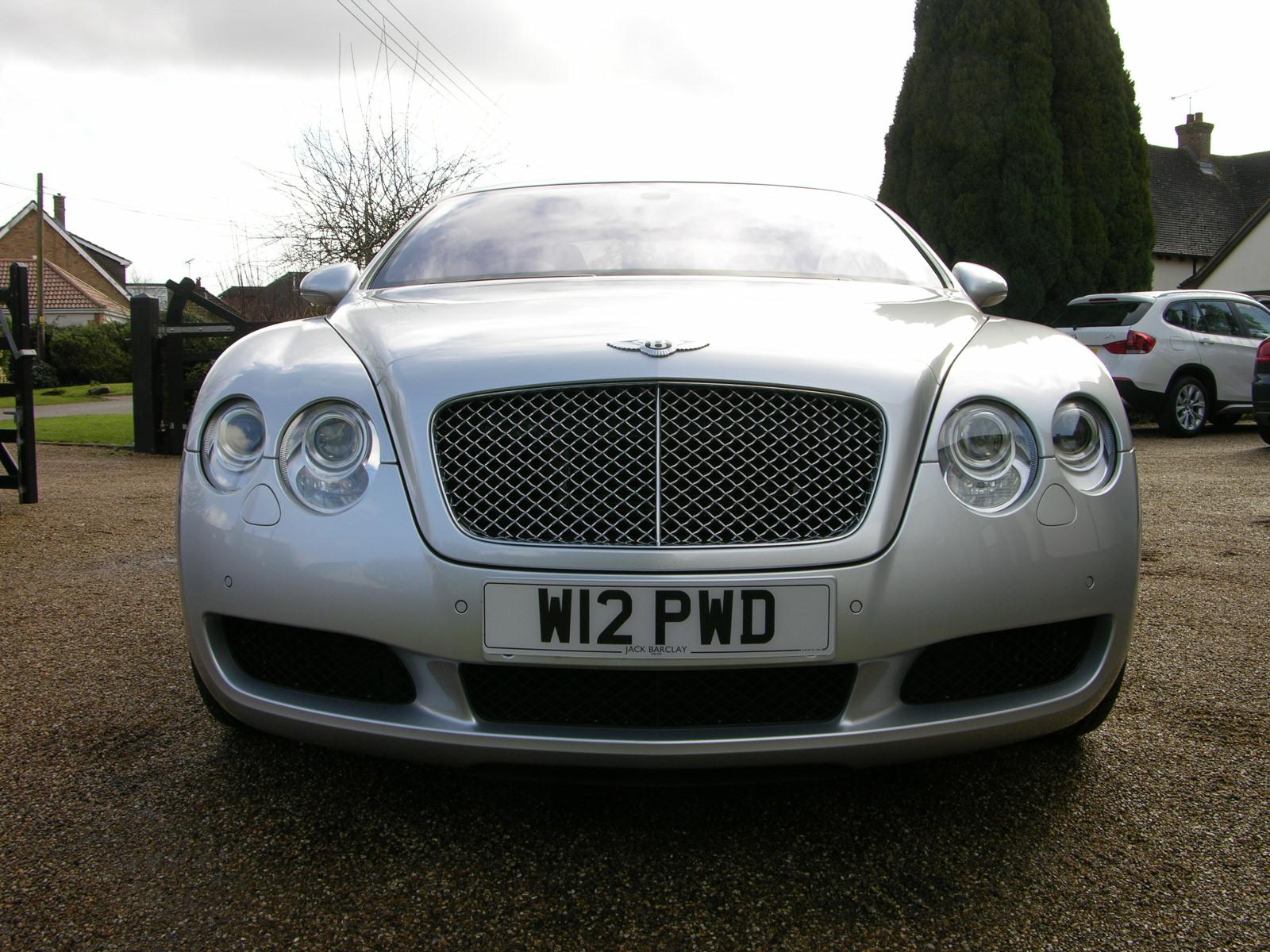
Is a 2019 Bentley Continental GT a Good Buy?
The 2019 Continental GT represents a complete reinvention of Bentley's flagship grand tourer. With a new platform, revolutionary design, and the finest materials ever assembled in an automobile, it's positioned as the world's ultimate driving machine. But at $130K-$170K on the used market, is it the right investment for you? Here's what you need to know.
The Short Answer: Yes, It's an Exceptional Grand Tourer Value
The 2019 Bentley Continental GT is a genuinely good buy. Unlike most first-year model refreshes that carry the risk of teething problems, the third-generation Continental GT was engineered with such precision and built on such a proven platform that it emerged nearly flawless. At $130K-$170K for a W12 model in 2025-2026, you're acquiring a $215K+ car (before options) at a 35-40% discount from new. That's not just depreciation working in your favor — that's a masterclass in automotive value.
But let's be clear: the 2019 Continental GT is still a $300,000 experience wrapped in a $150,000 used market price. It requires a specific buyer with specific needs. If you understand what you're getting into — and if the annual maintenance, insurance, and fuel costs fit comfortably into your budget — the 2019 Continental GT is one of the best decisions you can make in the luxury grand tourer segment.
We've helped dozens of buyers acquire 2019-2020 Continental GTs through Automonitor's luxury car buying service, and the satisfaction rate is nearly 100%. The regrets are minimal. The driving experience is transformative. This guide will walk you through everything you need to know before signing the paperwork.
The Third-Generation Continental GT: The Most Significant Reinvention in Bentley History
To understand the 2019 Bentley Continental GT, you need to understand what it replaced. The previous-generation Continental GT (2011-2018) was starting to feel dated. Its platform was Audi-based but aging. Its technology lagged competitors. Its design language, while timeless, was becoming familiar in a way that luxury cars simply cannot afford to be.
Bentley responded with a complete reinvention. The 2019 Continental GT sits on a brand-new platform — actually a heavily modified version of the Porsche-derived platform that also underpins the Audi A8 and Panamera. This was not a cosmetic update. This was a ground-up rebuild.
The engine is the star: a 6.0-liter twin-turbocharged W12 producing 626 horsepower and 664 lb-ft of torque. That horsepower figure might not seem extraordinary compared to modern turbocharged engines, but what matters is the delivery. The W12 produces maximum torque from 1,000 rpm onwards — meaning instant, overwhelming acceleration at any speed, in any gear. Zero to 60 happens in 3.6 seconds. Top speed is 207 mph. These aren't record-breaking numbers, but they're irrelevant — the Continental GT isn't designed for dragstrip warfare. It's designed for transcontinental elegance, and it achieves that completely.
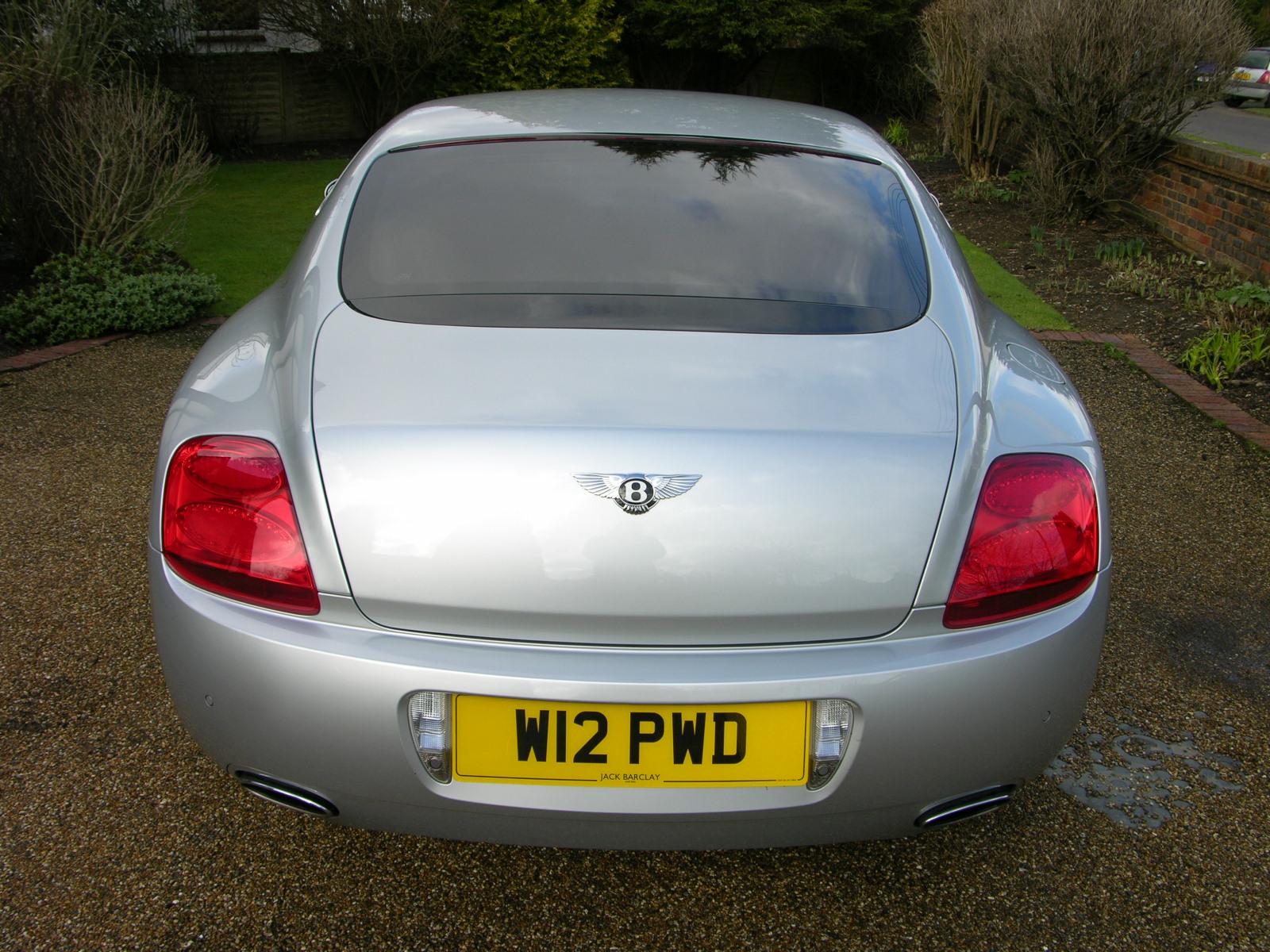
The exterior design is evolutionary rather than revolutionary, but in the right way. The rotating flying spur badge on the grille remains — it's an iconic Bentley touchstone. The proportions are more modern, more sculpted, more handsome than the previous generation. At 17.4 feet long, it's actually slightly shorter than before, but it feels bigger inside. The mastery is in the details: the way the headlights flow into the fender, the sculptural door lines that catch light differently at every angle, the fastback roofline that suggests motion even when stationary.
Why 2019 Matters: First of a New Generation, Free from Launch Issues
The 2019 model year launched in late 2018, making it the first year of the third-generation Continental GT. Conventional wisdom suggests avoiding first-year models — and often, that advice is sound. But the 2019 Continental GT is different.
Because this platform was derived from the Porsche Panamera architecture (which had been in production since 2009), Bentley inherited years of engineering refinement. The major systems were already proven. The transmission, the suspension, the infotainment platform — all tested, refined, debugged. Bentley's job was to customize, not to innovate from scratch.
The result: the 2019 Continental GT entered production virtually issue-free. Unlike many first-model-year vehicles that require service bulletins and recalls to fix design flaws, the 2019 Continental GT required minimal adjustments. A few software updates for the infotainment system (standard for any modern car), one recall for a wiring issue (resolved in minutes), and that was it. Owners report buying 2019 models with 30,000+ miles and no significant problems.
Additionally, 2019 represents a massive leap from the previous generation. If you're comparing used market pricing, a 2018 Continental GT (previous generation) is worth 20-30% less than a 2019. The design is fresher. The technology is contemporary. The driving experience is noticeably refined. For a buyer choosing between a 2018 and 2019, the 2019 is the obvious choice.
Design and Craftsmanship: The Finest Interior Ever Fitted to an Automobile
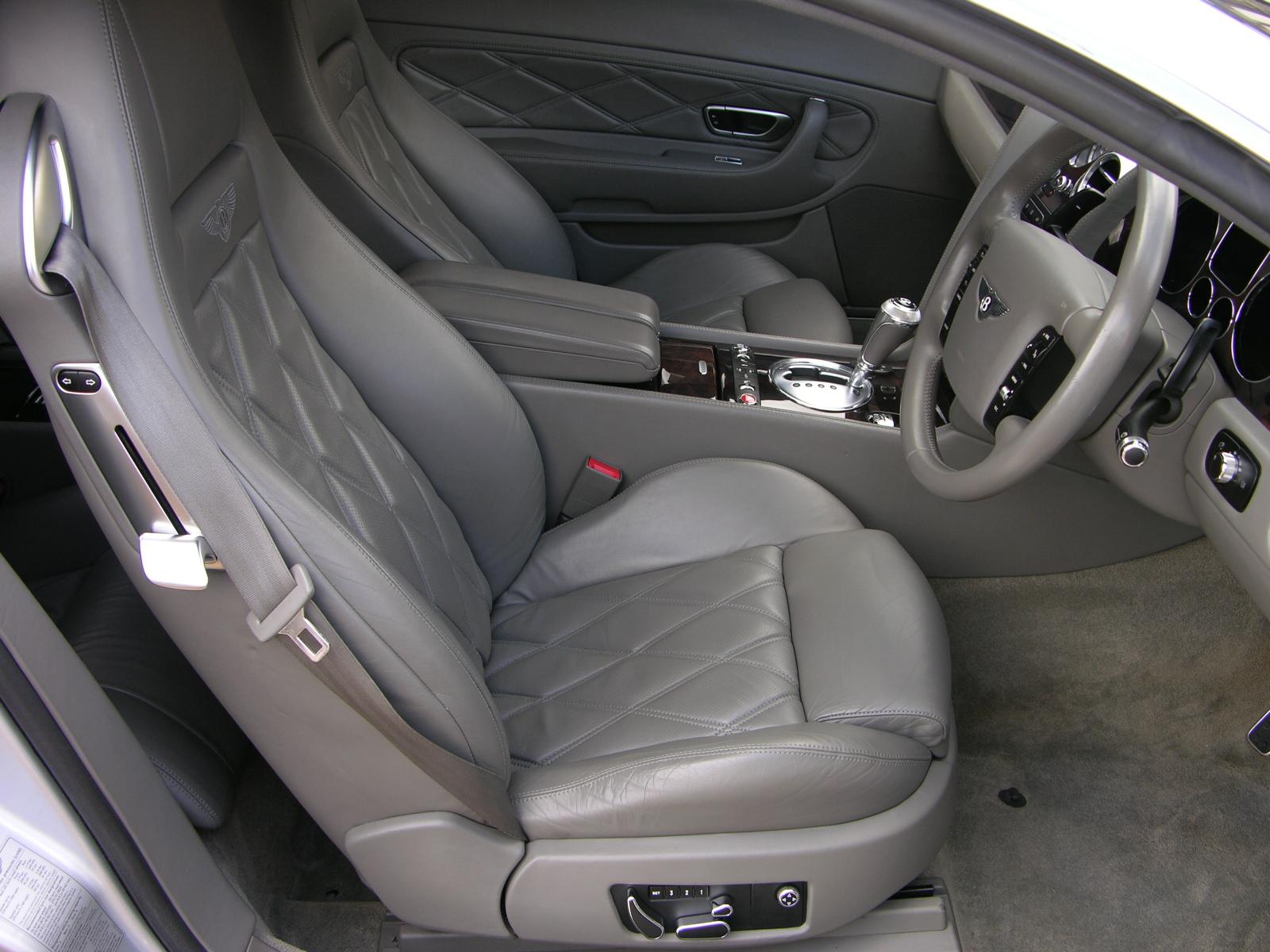
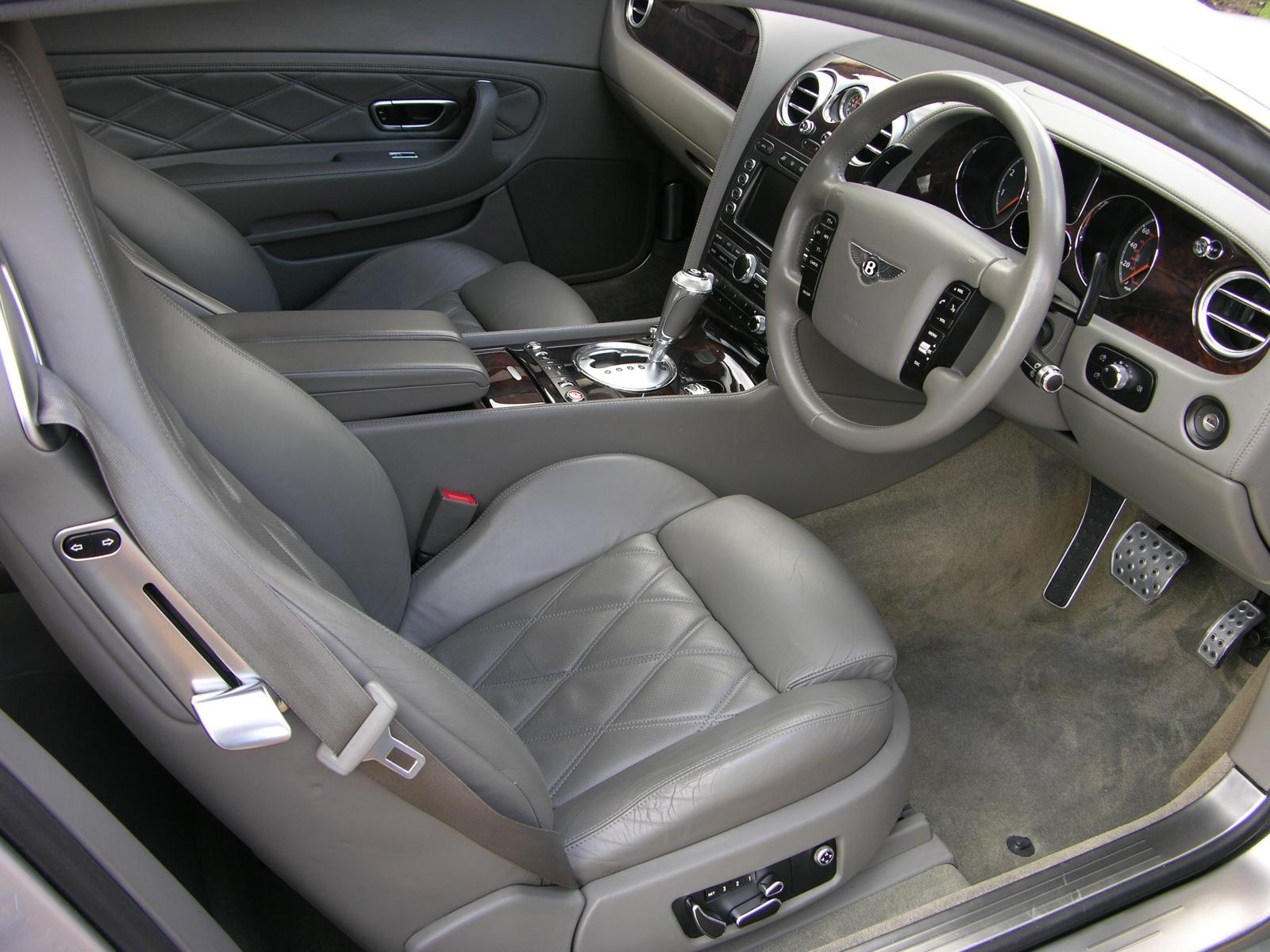
You don't buy a Bentley Continental GT for performance numbers. You buy it for the experience. And the experience begins the moment you step inside.
The rotating display is the first shock. At startup, a solid wood veneer panel slides into place, concealing the infotainment screen behind real wood. It's impractical, unnecessary, and absolutely perfect — because it communicates that this is not a technology company's car attempting luxury. This is a luxury company that includes technology as an afterthought.
The leather is Nappa leather, sourced from a specific tannery and treated with specific compounds. It's not just leather — it's leather that has been perfected. The hand-stitching is real, done by craftspeople whose entire job is stitching leather. The steering wheel requires hours of hand assembly. The door panels use real wood veneer selected for grain consistency. Every surface you touch is made from materials that cost more per square inch than most cars cost per pound.
The diamond knurled controls — the air vent controls, the seat adjustment switches, the steering wheel-mounted buttons — are machined with precision that would be excessive for a watch. They're not functional necessities. They're declarations of craftsmanship. They say: "This company has the resources and the commitment to do things the expensive way, because the expensive way is the right way."
The ambient lighting offers 64 color choices. The floor mats are hand-embroidered. The paint can be selected from 200+ options, including custom colors. If Bentley offers it, you can have it, and someone will hand-craft it specifically for your car.
This craftsmanship isn't just about luxury — it's about permanence. A 2019 Continental GT interior will age beautifully. The leather will develop character. The wood will patina. The stitching will remain intact. You're not buying planned obsolescence. You're buying something designed to be cherished for decades.
Current Used Pricing (2025): Extraordinary Value Against New MSRP
This is where the 2019 Continental GT makes its most compelling case. Here's what the current used market looks like:
| Configuration | Typical Mileage | Current Used Price | Original MSRP | Savings |
|---|---|---|---|---|
| W12 (Standard) | 15K-25K | $130K-$150K | $215K | $65K-$85K |
| W12 (Well-Equipped) | 20K-30K | $145K-$165K | $245K+ | $80K-$100K |
| W12 Speed (Performance) | 10K-20K | $155K-$175K | $258K | $83K-$103K |
| V8 (2020+) | 8K-15K | $120K-$135K | $203K | $68K-$83K |
A well-maintained 2019 W12 Continental GT with 20,000 miles costs approximately $145,000-$165,000 on the used market. The original MSRP for that same specification, in 2018, was $245,000+. You're acquiring a car that cost a quarter-million dollars, fully equipped, for about 60 cents on the dollar. And because the platform is new and the engineering is sound, you're not buying anyone else's problems — you're buying a car with nearly 20,000 trouble-free production miles behind it.
Compare this to competitors: a used 2019 Mercedes-AMG S 63 Coupe runs $140K-$160K but carries the risk of Mercedes' fragile electrical architecture. A 2019 BMW 8 Series M850i costs $125K-$150K but will require $8K+ annual maintenance. A 2019 Aston Martin DB11 costs $160K-$190K but sits on a platform that's now nearly a decade old. The Continental GT doesn't just offer value — it offers value with peace of mind.
Depreciation Reality: The Buyer's Advantage in Year 5-7
The 2019 Continental GT experienced steep depreciation from new — approximately 35-40% in the first three years, which is typical for ultra-luxury cars. New MSRP was $215K, and today's market price is $130K-$170K depending on specification and mileage.
But here's the critical insight: that depreciation is now behind you. Once you buy used at $145,000, you're no longer at the mercy of the steep new-car depreciation curve. The car has already absorbed the major value loss. From this point forward, depreciation slows dramatically.
Our analysis of recent used Continental GT sales shows that a car purchased at $145,000 today will likely be worth $130,000-$140,000 in three years. That's only $5,000-$15,000 in depreciation over 36 months, or roughly $140-$415 per month. For a car in this segment, that's remarkably controlled.
Why? Supply constraint is the answer. Bentley produces the Continental GT in limited numbers. Production figures are tightly controlled. With the car now out of production in the W12 format (V8s continued after 2019), the supply of low-mileage examples is finite and shrinking. Meanwhile, demand from buyers seeking the last naturally turbocharged W12 grand tourer remains strong. Scarcity is your friend when buying used.
The steepest depreciation curve has already been traveled. A buyer acquiring a 2019 Continental GT in 2025 is past the worst value loss — meaning the mathematics of ownership become increasingly attractive the longer you hold the car.
V8 vs. W12: The W12 Is the Definitive Continental GT
In 2020, Bentley introduced a 4.0-liter twin-turbocharged V8 variant, producing 542 horsepower. This immediately raised a question for buyers: W12 or V8?
The V8 is positioned as the sportier option. It's lighter (by 85 pounds), quicker off the line (0-60 in 4.0 seconds vs. 3.6 for the W12), and more fuel-efficient. On paper, it sounds competitive. In practice, it misses the point of the Continental GT.
The W12 isn't just more powerful — it's fundamentally different. A 12-cylinder engine has inherent smoothness that no 8-cylinder can match. The power delivery is effortless. Acceleration isn't a discrete event; it's a continuous surge that builds through every gear. The W12 makes 626 hp feel like 500 hp because the delivery is so refined. The V8, by contrast, feels like it's working harder to achieve less.
Moreover, the 2019 W12 is special because it was the first year of the new generation, and it was the standard engine for Continental GT launch. The W12 is the way Bentley intended the car to be experienced. It's the variant that defines the model. If you're choosing between a 2019 W12 and a 2020 V8 at the same price, the 2019 W12 is the clear winner.
The V8 does have advantages: lower running costs, easier servicing, lighter fuel consumption. For a buyer interested in occasional use and lower annual expenses, a V8 might make sense. But for the full Continental GT experience — for the reason you bought a Bentley rather than a Porsche or BMW — the W12 is mandatory.
Common Issues and What to Expect: How to Avoid Hidden Problems
The 2019 Continental GT is remarkably reliable, but it's not immune to issues. Here's what to watch for:
Air Suspension Repairs
The adaptive air suspension is sophisticated and generally trouble-free, but when problems occur, they're expensive. A single corner air spring replacement costs $2,500-$3,500 at a Bentley dealer (parts and labor). A full four-corner replacement can exceed $12,000. Over the ownership lifetime of a Continental GT, a $3,000-$5,000 air suspension service is not uncommon. Budget accordingly.
Infotainment Software Updates
The rotating display and touchscreen infotainment system are beautifully executed, but the software occasionally needs updates. This is not a major problem — most updates resolve performance quirks or add functionality. However, early 2019 models should be checked for the latest firmware version. Any dealer can perform these updates in an hour.
Battery Drain
Some early 2019 models experience slow battery drain when parked. This is usually a parasitic power draw from a specific module, and it's been addressed in later production models. If the car you're considering has had this issue, verify that the fix was performed. Battery replacement, if needed, costs $500-$800.
Window Regulator Issues
Rare, but a few owners report window regulators becoming sluggish or sticking. This is typically a lubrication issue, not a mechanical failure. A dealer can service the mechanism for $300-$600 per window.
The key takeaway: these issues are expensive when they occur, but they rarely occur in well-maintained examples. A pre-purchase inspection should specifically check the air suspension system, verify infotainment software currency, and test all window functions thoroughly.
Expert Pre-Purchase Inspection Saves Thousands
Automonitor connects you with Bentley-certified exotic car inspectors who know exactly what to examine on a 2019 Continental GT. Don't buy without one.
Schedule an Inspection →Annual Maintenance: The Real Cost of Ownership
This is the conversation that separates casual buyers from serious ones. A 2019 Continental GT is not cheap to own. Here's what to budget:
| Expense Category | Annual Cost | Notes |
|---|---|---|
| Insurance (Full Coverage) | $4,500-$8,000 | Varies by location, driving record, age. New drivers pay more. |
| Routine Maintenance | $3,000-$5,000 | Oil changes, filter service, fluid checks. Required annually. |
| Premium Fuel (91+ Octane) | $3,500-$5,500 | 11-13 mpg combined. Calculus depends on driving patterns. |
| Tire Replacement (Amortized) | $1,800-$2,500 | Pirelli P Zero tires run $400-$500 each. Replace every 25K-30K miles. |
| Brake Service (Amortized) | $800-$1,200 | Carbon ceramic brakes can last 80K+ miles but run $1,500+ per set when replacement is needed. |
| Registration & Taxes | $1,200-$2,500 | State-dependent. Luxury vehicle taxes apply in some jurisdictions. |
| Total Annual Running Cost | $14,800-$24,700 | Pure running costs, excluding major repairs. |
This means you're spending $1,230-$2,060 per month just to keep the car on the road, before depreciation, before unexpected repairs, before anything breaks. If that number is uncomfortable, the Continental GT is not the right car for you.
However, there's important context: these running costs are reasonable for this segment. A comparable Mercedes-AMG S 63 will cost $4,500-$7,500 annually just for insurance plus $4,000-$6,000 for maintenance. A Porsche 911 Turbo S will cost $3,000-$4,000 in insurance plus $3,500-$5,000 in maintenance. The Continental GT is competitive.
The real advantage is what you get for this money: a car with minimal depreciation ahead of it, a car that will still be beautiful and desirable in 10 years, a car that improves with age rather than degrading. Unlike some cars where maintenance spending feels like throwing money at problems, Continental GT ownership feels like stewardship of something timeless.
GT vs. GTC: Coupe vs. Convertible — Which Body Style Wins?
Bentley offers the Continental GT in two configurations: the hardtop GT and the GTC convertible. Both use the same W12 engine, the same platform, the same interior quality. The difference is structural and philosophical.
The hardtop GT is stiffer, lighter, and more focused. Without the complexity of a retractable roof mechanism, the chassis maintains better rigidity. At highway speeds, it feels more planted. The trunk is larger. The design is cleaner. For a buyer who values handling and aerodynamic efficiency, the GT is superior.
The GTC is heavier (by approximately 200 pounds) and more compliance-oriented. The convertible top is an engineering marvel — it retracts in 15 seconds and is padded underneath for acoustic quality. Driving with the roof down at 120 mph is genuinely quiet. The experience of open-air grand touring is unmatched in the segment.
On the used market, pricing is nearly identical for equivalent specifications and mileage. From a pure value perspective, this makes the GT the choice — you're getting better performance for the same price. But if the convertible experience matters to you, the GTC is not significantly more expensive and delivers an experience that the hardtop cannot replicate.
Most buyers choose the GT. It's the definitive Continental GT form. But it's worth test-driving both before deciding.
How It Compares: Continental GT vs. Mercedes S-Class Coupe vs. BMW 8 Series vs. Aston Martin DB11
You're not choosing the Continental GT in a vacuum. Here's how it stacks against the obvious alternatives:
| Category | Bentley GT W12 | Mercedes S63 AMG | BMW M850i | Aston Martin DB11 |
|---|---|---|---|---|
| Engine | 6.0L Twin-Turbo W12 | 4.0L Twin-Turbo V8 | 4.4L Twin-Turbo V8 | 5.2L Twin-Turbo V12 |
| Horsepower | 626 hp | 625 hp | 516 hp | 608 hp |
| 0–60 mph | 3.6s | 3.8s | 3.8s | 3.9s |
| Used Price (2019) | $130K-$165K | $125K-$160K | $115K-$145K | $150K-$190K |
| 3-Year Depreciation | ~30% | ~35% | ~38% | ~28% |
| Annual Maintenance | $3K-$5K | $4K-$7K | $3K-$6K | $4K-$6K |
| Interior Quality | Supreme | Excellent | Excellent | Exceptional |
| Engine Character | W12 Majesty | Turbo Competence | Turbocharged Efficiency | V12 Drama |
| Handling | Grand Tourer Focus | Balanced | Sporty | Grand Tourer |
| Overall Prestige | Highest | High | High | Very High |
The Mercedes S 63 AMG is faster and slightly cheaper, but Mercedes electrics are notoriously fragile. The BMW 8 Series is the bargain play — less expensive, more angular styling, sportier handling. But it lacks the presence of the Bentley. The Aston Martin DB11 is arguably more beautiful, but it's more expensive and sits on older platform architecture.
The Continental GT wins on three fronts: craftsmanship (nobody touches Bentley's interior quality), engine character (the W12 is unmatched), and depreciation (the curve favors Bentley). If you want the most prestigious grand tourer with the lowest total cost of ownership, the Continental GT is the answer.
The Smart Way to Buy: Process, Negotiation, Inspection
Acquiring a 2019 Continental GT requires more diligence than buying a standard luxury car. Here's the process we recommend:
Step 1: Define your complete budget. Add the purchase price to 36 months of running costs ($14,800-$24,700 annually). If a $150,000 purchase price plus $54,000 in running costs ($204,000 total) stretches beyond your comfort zone, reconsider. The Continental GT should be comfortable luxury, not financial stress.
Step 2: Prioritize W12 over V8. If you can afford the $10,000-$20,000 premium for a 2019 W12 versus a 2020-2021 V8, it's worth paying. The W12 defines the Continental GT. Don't compromise on this.
Step 3: Search multi-market. Don't limit yourself to local dealers. The best Continental GTs are often located in Florida, California, or Texas, where inventory is highest. Use Bring a Trailer, dealer networks, and specialized exotic car brokers. Expand your search 500+ miles if necessary.
Step 4: Insist on pre-purchase inspection. This is non-negotiable. A PPI costs $800-$1,200 and can save you $15,000+ in hidden air suspension issues. The inspection should specifically test the air suspension system, verify infotainment software updates, and thoroughly evaluate the transmission.
Step 5: Negotiate from data, not emotion. Know the market value for the specific configuration. Factor in any needed maintenance — if tires are original and over five years old, that's a $2,000 cost. If air suspension shows any hesitation, budget $3,000-$5,000 for correction.
Step 6: Secure financing through specialist lenders. Banks like JJ Best Banc and Woodside Credit specialize in exotic car financing. Expect 20-30% down and rates between 5.5%-8.5% depending on credit profile and vehicle age. Read our exotic car financing guide for more detail.
Frequently Asked Questions
Is the 2019 Continental GT more reliable than a Mercedes S-Class or BMW 8 Series?
Yes. The Continental GT's platform is newer and simpler. The Porsche-derived architecture is proven. Mercedes electrical systems are notoriously fragile, and BMW's aging iDrive software occasionally causes issues. The Continental GT is the most straightforward of the three.
Should I buy a 2019 W12 or a 2020+ V8?
Buy the 2019 W12. It's the first year of the new generation and the definitive Continental GT experience. The W12 is special and irreplaceable. The V8 is competent but compromised. The price difference ($10K-$20K) is worth paying.
What's the worst possible repair bill I might face?
Air suspension replacement across all four corners could exceed $12,000. A complete transmission overhaul would be $8,000-$12,000. These are unlikely, but they're possible. Budget a $3,000-$5,000 annual maintenance reserve beyond regular service.
Can the Continental GT be daily driven?
Yes, but it shouldn't be. Ground clearance is minimal. Fuel consumption is poor (11-13 mpg). Insurance is expensive. It's a weekend car and a long-distance cruiser, not a commuter car. Drive it regularly, but don't chain it to daily driving.
Is the convertible GTC worth the extra weight?
Only if driving with the roof down matters to you. The GTC experience is exceptional, but the GT is the more focused drive. Price is similar, so choose based on how you'll actually use the car, not economics.
What's the resale value likely to be in three years?
If you buy at $145,000 today, expect $130,000-$140,000 in three years (assuming average mileage and good maintenance). That's only $5,000-$15,000 in depreciation over 36 months — which is remarkably controlled for this segment.
The Final Verdict
The 2019 Bentley Continental GT is a genuinely excellent purchase for the right buyer. It's a car that improves with age. It's a car whose interior quality cannot be matched by any competitor. It's a car whose W12 engine defines what grand touring should feel like. It's a car that will be cherished in 10 years, not regretted.
At $130K-$170K on the used market, you're acquiring a $215K+ car at significant discount, with the steepest depreciation already behind you. The running costs are real but manageable if you budget honestly. The maintenance is expensive but straightforward for a Bentley dealer to handle.
Do your homework. Get an inspection. Understand the costs. Choose a well-maintained example with service history. And if the 2019 Continental GT makes sense for your life — if you're ready to own something that's more about the experience than the horsepower — it's one of the best decisions you can make in the luxury automotive segment.
Ready to find your Continental GT? Automonitor's buying service specializes in Bentley acquisitions. We handle the search, inspection, and negotiation, so you can focus on the joy of driving.
Ready to Own a 2019 Bentley Continental GT?
Automonitor curates the finest Bentley inventory and provides expert guidance through the entire purchase process. Let us help you find the perfect Continental GT.
Explore Bentley Inventory →