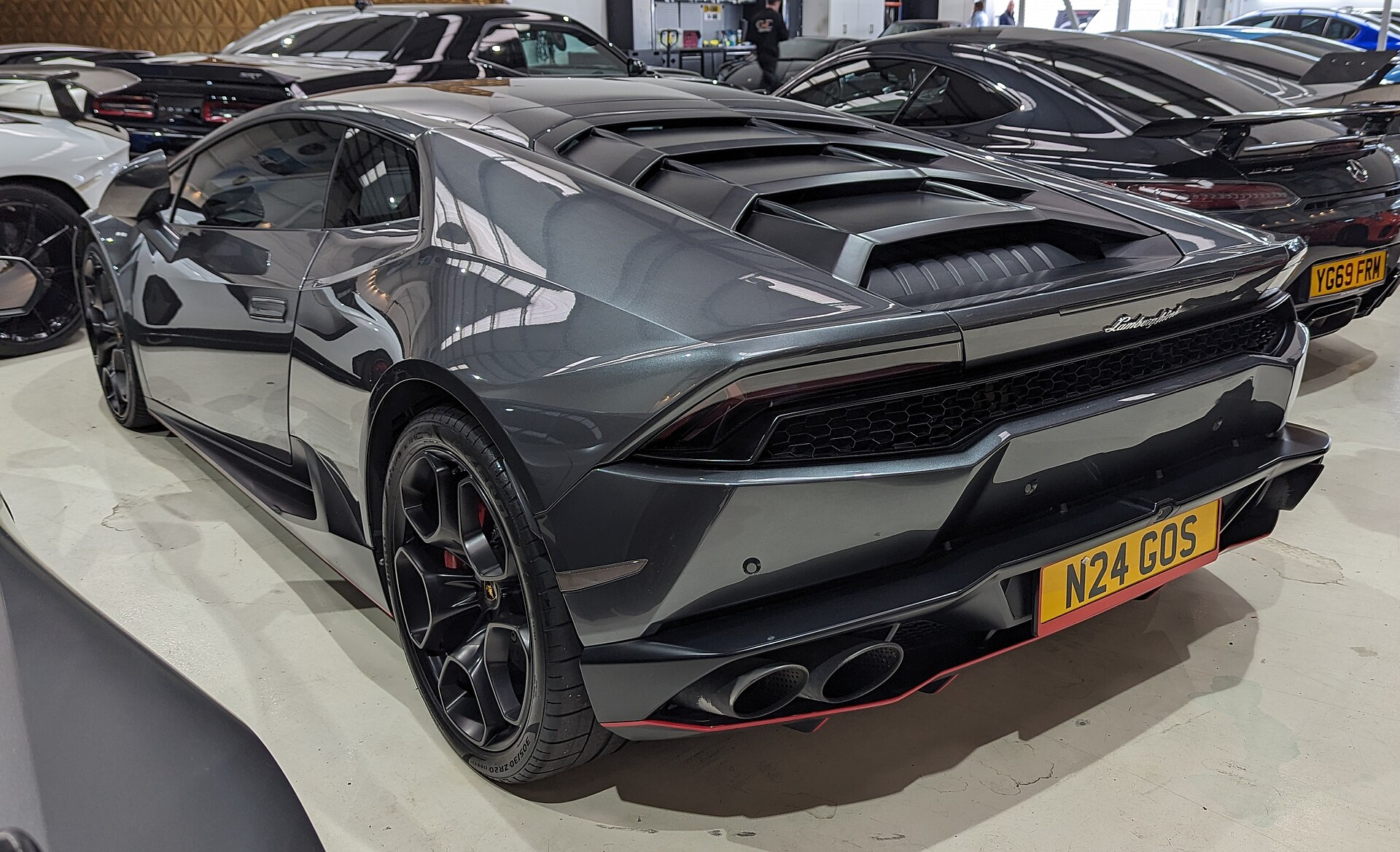
Best Wheels for a Lamborghini Huracan?
Wheels are the foundation of your Huracan's performance and presence. From factory Giano designs to premium forged options, we've ranked every viable choice based on performance, aesthetics, weight, and resale impact. Here's how to choose the right setup for your variant.
Understanding Huracan Wheel Specifications: The Technical Foundation
Before evaluating wheel options, you need to understand what the Huracan can accept. Every Huracan variant shares the same wheel bolt pattern and stud diameter, but the specifications vary based on whether you're running the standard chassis or the specialized Performante and STO models.
The stock Huracan configuration runs 19-inch wheels on the front and 20-inch wheels on the rear. The bolt pattern is 5x112 (5 studs, 112mm spacing) across all variants, shared with Audi and some Porsche models. This is important because it opens up fitment possibilities from multiple manufacturers. The center lock specification — a critical detail for Performante and STO owners — uses a single center bolt instead of the traditional five-point pattern, which dramatically changes wheel availability for these variants.
Stock tire sizes pair 235/35R19 on the front and 305/30R20 on the rear for standard models, though the Tecnica, Performante, and STO variants use different rubber. Understanding these specifications is crucial because mounting an incorrectly sized wheel will compromise handling, speedo accuracy, and can damage suspension components or the transmission.
OEM Lamborghini Wheel Review: Factory Options Ranked
Lamborghini offers five primary factory wheel designs across the Huracan lineup. Each carries distinct characteristics in weight, aesthetics, and intended use case.
Giano Wheels (Base LP 610-4)
The Giano is the entry-level offering, featuring a traditional five-spoke design with a satin finish. These wheels weigh approximately 8.5 kg (18.7 lbs) in 19-inch front specification and 9.2 kg (20.3 lbs) in rear 20-inch configuration. They're serviceable and provide acceptable performance, but they're not where you want to stay if upgrading is in your budget. The Giano is cast aluminum rather than forged, which contributes to the weight penalty. If you're buying a used LP 610-4 equipped with these, they're worth replacing as your first modification. Resale value isn't negatively impacted if you keep them and sell the car with replacements included separately.
Mimas Wheels (EVO and Performante)
The Mimas represents a significant step forward in both weight and design. These forged aluminum wheels come in a darker finish and measure 8.3 kg (18.3 lbs) front and 9.0 kg (19.8 lbs) rear — saving roughly 400 grams per corner compared to Gianos. The aggressive styling features deeper spokes and a more modern aesthetic. The Mimas is a legitimate option that many owners keep because the weight savings and appearance justify the cost. If you find a Huracan with Mimas wheels in good condition, you've got a competitive platform for both street and occasional track use.
Aesir Wheels (Tecnica and Performante)
Named after Norse mythology (continuing Lamborghini's trend), the Aesir is a lightweight forged design that drops weight to 7.8 kg front and 8.5 kg rear — saving an additional 400-500 grams versus Mimas. The design is more angular and aggressive, with sharper spoke definition. These wheels are genuinely excellent and hold significant value in the used market. If you're buying a Tecnica or Performante, Aesir wheels are a strong reason to purchase that specific car. The weight reduction combined with the iconic design makes these legitimate keeper wheels for many owners.
Narvi Wheels (Sterrato and Limited Editions)
The Narvi design was created specifically for the Sterrato's all-terrain positioning. These wheels are forged and optimized for off-road clearance, featuring a unique spoke pattern and robust construction. For Sterrato owners, these are the natural choice. For standard Huracan variants, Narvi wheels are available as an option but are usually avoided because they're heavier than alternatives and the aesthetic doesn't translate well to street driving. Stock weight is approximately 8.2 kg front and 9.1 kg rear.
Forged Loge Wheels (Performance Spec)
The Loge represents Lamborghini's premium factory offering — a fully forged design that drops weight to 7.6 kg front and 8.3 kg rear. These wheels feature a distinctive angular design and are typically offered in a gloss black finish. The Loge sits at the intersection of factory authenticity and serious weight reduction. For buyers focused on weight savings while maintaining OEM provenance, the Loge is the gold standard. However, these wheels are rare on the used market and expensive through Lamborghini dealers ($2,500-$3,500 per wheel retail).
| Wheel Design | Front Weight (19") | Rear Weight (20") | Material | Best For |
|---|---|---|---|---|
| Giano | 8.5 kg | 9.2 kg | Cast | Base spec only |
| Mimas | 8.3 kg | 9.0 kg | Forged | EVO all-rounder |
| Aesir | 7.8 kg | 8.5 kg | Forged | Tecnica/Performante |
| Narvi | 8.2 kg | 9.1 kg | Forged | Sterrato only |
| Loge (Premium) | 7.6 kg | 8.3 kg | Forged | Weight-conscious buyers |
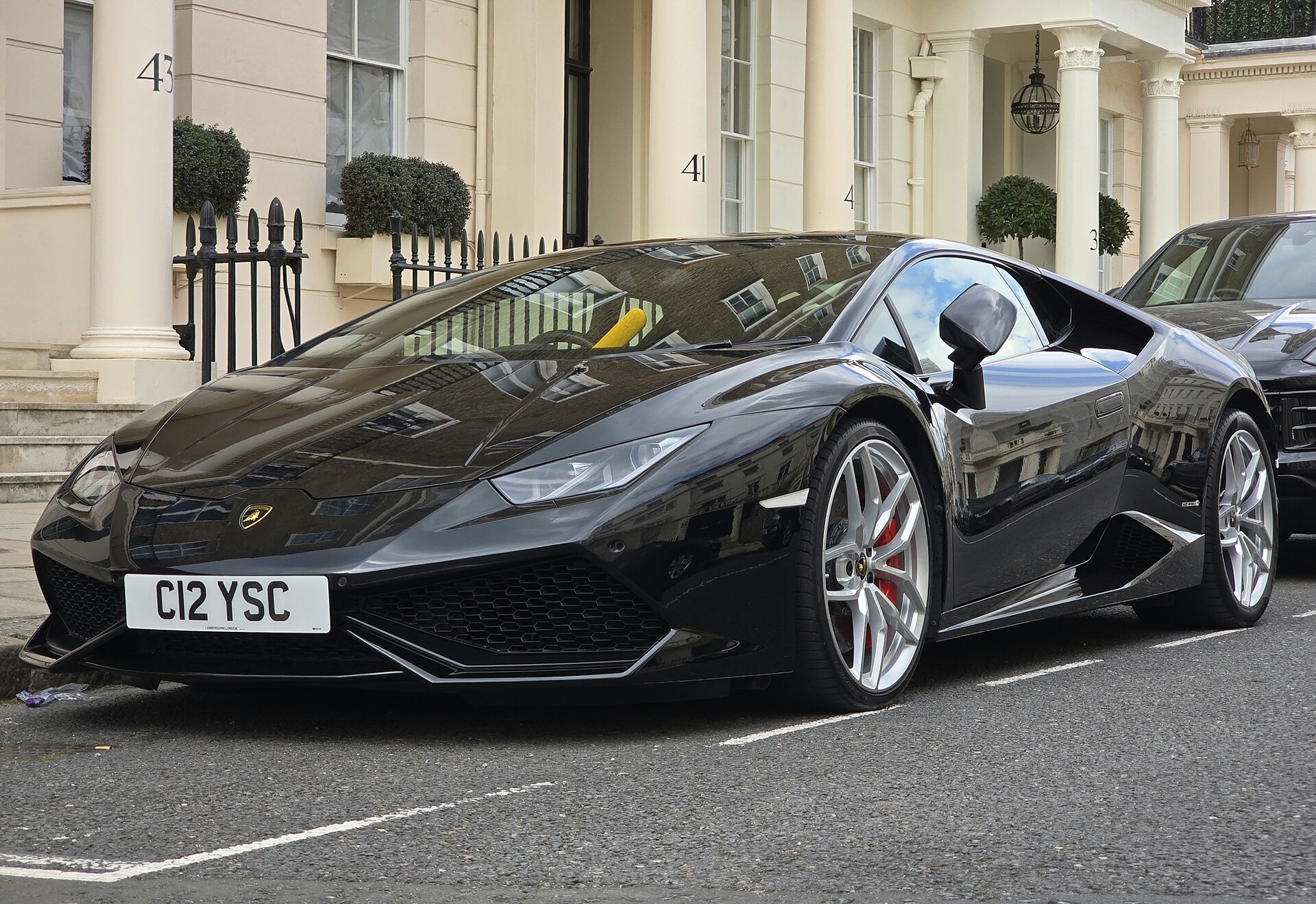
Top Aftermarket Wheel Choices for Huracan: Ranked by Performance and Value
The aftermarket wheel market for the Huracan has matured significantly, with multiple manufacturers offering options specifically engineered for this platform. Here's our definitive ranking based on real-world owner feedback, performance data, and resale considerations.
1. HRE P101/P201 — The Ultimate Performance Choice
HRE's P101 (20-inch front) and P201 (21-inch rear) combination represents the pinnacle of forged wheel engineering. These monoblock forged wheels are hand-built in California and weigh just 7.2 kg front and 7.9 kg rear — saving nearly 1.5 kg per corner versus OEM options. The engineering is extraordinary: HRE uses a proprietary forging process that creates wheels capable of handling 1.5G cornering forces while maintaining structural integrity over millions of cycles.
Fitment is flawless, with HRE offering specific offsets for LP610, EVO, Performante, STO, and Sterrato variants. The wheel profiles feature a refined aesthetic that doesn't compromise function — deep dish designs that maintain aggressive stance without causing rubbing or suspension interference. Price point is premium: expect $12,000-$16,000 per set depending on finish options (brushed, polished, custom colors available). Resale value is excellent because HRE wheels hold their market position and are highly sought after. Many buyers justify the cost by keeping these wheels when selling the car, transferring them to the next Huracan.
The P101/P201 is the choice if you're building a track-focused Huracan or prioritizing unsprung weight reduction above all else. For street driving, the improvement over lesser alternatives is measurable but not transformative. The aesthetic benefit, however, is undeniable — these wheels simply look extraordinary.
2. Vossen Forged S17-01 — The Beautiful Performer
Vossen's S17-01 represents an exceptional balance between performance and aesthetics. These forged wheels weigh 7.5 kg front and 8.1 kg rear in recommended sizing, delivering meaningful weight savings with a distinctive deep-concave profile that photographs exceptionally well. The available sizes range from 20-inch front to 22-inch rear, allowing for more aggressive stance options.
What sets the S17-01 apart is fitment flexibility. Vossen provides calculator tools that allow you to input your Huracan variant, suspension specs, and desired drop to determine proper offsets. This level of detail ensures fitment without surprises. The wheels are available in multiple finishes: brushed teal, satin black, chrome, and custom options. Price ranges $8,000-$12,000 per set depending on finish and size selection. These wheels appear regularly on Instagram and in exotic car media, maintaining strong used market demand. Resale value is solid, though not quite at HRE levels.
The S17-01 is ideal for buyers who want a significant aesthetic transformation with legitimate performance benefits. The deep concave design works exceptionally well on dark blue, black, and gray Huracans — colors that dominate the market.
3. ADV.1 ADV5.0 Track Spec — The Motorsport Choice
ADV.1's ADV5.0 Track Specification wheels are designed from the ground up for serious drivers. These are motorsport-inspired forged wheels with an aggressively concave profile that delivers both stunning visual impact and genuine aerodynamic benefits at high speeds. Weight comes in at 7.4 kg front and 8.0 kg rear — among the lightest options available.
The Track Spec designation means these wheels are engineered for regular circuit use. ADV.1 provides specific load ratings and mounting tolerances suitable for sustained high-performance driving. The design features a distinctive mesh pattern that's instantly recognizable and highly polarizing — either you love the aesthetic or you don't. Available sizes range to 22 inches in the rear, allowing dramatic stance if desired. Price point: $10,000-$14,000 per set.
Resale considerations: ADV.1 wheels hold value well within the enthusiast community but may alienate conservative buyers. If you're planning to keep the car for several years and prioritize driving experience over future resale, this is an excellent choice. For buyers who might sell within 18-24 months, a more traditional design might be safer.
4. Novitec NL4 — The Huracan Specialist
Novitec and Vossen collaborated to create the NL4, a wheel specifically engineered for Lamborghini Huracans. This collaboration ensures fitment perfection — Novitec's exhaust and tuning expertise combined with Vossen's wheel engineering created a product that works seamlessly on every Huracan variant. The NL4 weighs 7.6 kg front and 8.2 kg rear and is available in sizes from 20/21 to 21/22 inches.
The design features a subtle yet aggressive concave profile with clean spoke lines that work on virtually any color Huracan. Available finishes include satin black, brushed titanium, and chrome. Price: $8,000-$12,000 per set. These wheels maintain excellent resale value because potential buyers recognize them as purpose-built for the Huracan platform. If you're considering any other Novitec modifications (exhaust, suspension, aerodynamics), the NL4 wheels create a cohesive visual package that potential buyers recognize and value.
The NL4 is the pragmatic choice for buyers who want genuine quality without the extreme aesthetic commitments of ADV.1 or the premium pricing of HRE.
5. BBS FI-R — The Classic Performer
BBS has been manufacturing motorsport wheels for decades, and the FI-R carries that heritage forward. These forged wheels weigh 7.5 kg front and 8.1 kg rear and feature a refined mesh design that complements the Huracan's aggressive character. Available in sizes up to 21/22 inches, the FI-R offers excellent fitment flexibility.
The FI-R is available in multiple finishes: flat black, diamond black, gunmetal, and custom options. Price ranges $6,000-$10,000 per set — making these among the most affordable premium forged options. Resale value is strong because BBS wheels are recognized globally as legitimate motorsport equipment. Even buyers who wouldn't normally select these will respect them as quality components.
The FI-R is ideal for budget-conscious buyers who refuse to compromise on performance. The styling is less aggressive than alternatives, which makes them safer from a resale perspective. If you're uncertain about wheel aesthetics or plan to flip the car within a few years, BBS FI-R is the smart play.
6. Brixton Forged CM5 — The Deep Dish Specialist
Brixton Forged's CM5 is known for extreme concave designs, and the Huracan application delivers. These wheels feature one of the deepest dish profiles available, creating a dramatic visual effect. Weight is competitive at 7.6 kg front and 8.3 kg rear. The CM5 comes in sizes up to 22 inches rear, allowing for serious stance if desired.
The deep dish aesthetic requires careful fitment because rubbing and suspension interference are legitimate concerns if offsets aren't calculated precisely. Brixton provides detailed fitment guides, but work with a specialist when ordering. Price: $10,000-$14,000 per set. Resale considerations: the extreme concave profile appeals to a specific buyer demographic. If the next owner wants a more conservative wheel, the CM5 might be a liability rather than an asset.
Choose Brixton Forged CM5 if you're keeping the car long-term and prioritize dramatic aesthetics over future resale. These wheels make a statement that not everyone will appreciate.
7. 1016 Industries Forged — The Carbon Fiber Option
1016 Industries specializes in exotic car wheels with the option for carbon fiber barrel construction. Their Huracan-specific offering features forged aluminum centers with optional carbon fiber outer barrels, dropping weight to 7.1 kg front and 7.8 kg rear when fully carbon. The carbon fiber option adds $2,000-$3,000 to the set price but provides the absolute lowest unsprung weight available.
Design-wise, the 1016 wheels feature an aggressive look with substantial concave profiles. Available in gloss black and satin black, with carbon fiber achieving a distinctive matte appearance. Price without carbon: $8,000-$12,000. With carbon: $10,000-$15,000. Durability is excellent — the forged aluminum cores handle impacts while the carbon fiber barrels are surprisingly resilient in real-world driving.
The 1016 Industries wheels are for buyers who want the ultimate in performance and don't mind the premium pricing. These wheels are rarely seen and carry prestige within the enthusiast community.
8. Forgeline GA1R — The American Forged Value Play
Forgeline's GA1R wheels are hand-forged in Tennessee and represent extraordinary value. These wheels weigh 7.7 kg front and 8.4 kg rear and are available in sizes up to 21/22 inches. The design features a refined multi-spoke pattern that works on virtually every Huracan color and specification.
Available finishes include gloss black, satin black, silver, and custom colors. Price point: $6,000-$9,000 per set — among the most affordable legitimate forged options. Resale value is strong because Forgeline wheels carry significant credibility in motorsport circles. Many buyers recognize them as serious performance components.
The GA1R is ideal for track-focused buyers with budget constraints. If you're planning frequent track days and want to minimize unsprung weight without breaking the bank, this is your wheel. The styling is less aggressive than trendy alternatives, which actually helps resale because the design won't feel dated in five years.
Wheel Size Recommendations: Finding the Right Fitment
The Huracan's stock 19/20-inch setup balances performance and practicality. Upgrading to 20/21 or 21/22-inch wheels creates a more aggressive stance and can improve handling dynamics, but introduces fitment challenges and tire costs that need consideration.
Stock Configuration (19F / 20R): This is the factory setup for all models except STO. It provides optimal weight distribution, ride comfort, and performance for road use. Tire options are abundant and relatively affordable. If you're building a street car focused on comfort and reliability, stay here. The aesthetic is conservative but timeless.
Aggressive Configuration (20F / 21R): This is the sweet spot for buyers wanting a more dramatic stance without excessive compromises. The diameter increase is modest enough that speedometer error is minimal (approximately 2% overstatement), and tire prices aren't dramatically higher. Ride quality deteriorates slightly due to thinner sidewalls, but the improvement in visual presence justifies it for many owners. This is the most popular upgrade size among Huracan owners we work with.
Extreme Configuration (21F / 22R): This sizing delivers maximum presence but introduces genuine compromises. Speedo error exceeds 3%, tire costs increase substantially, and ride quality suffers noticeably on rough roads. These sizes work well on lowered cars with aggressive air suspension setups, but require careful offset calculation to avoid rubbing. Only commit to this sizing if you've fully considered the implications.
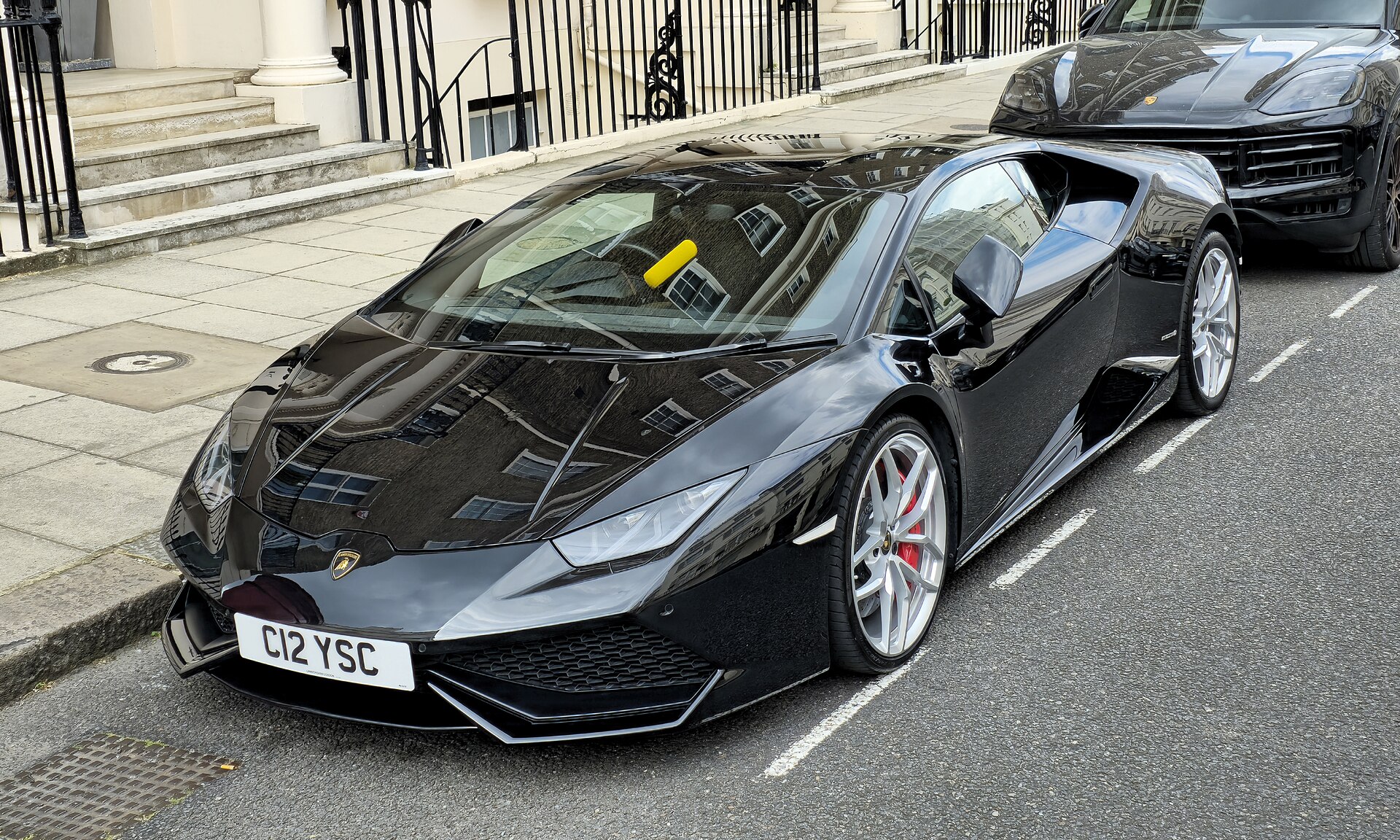
Detailed Fitment Guide by Huracan Variant
LP 610-4 Standard: 5x112 bolt pattern, fits standard 19/20 sizing naturally. Aftermarket options: 20/21 with 35-40mm front offset and 55-60mm rear offset work cleanly. 21/22 requires suspension adjustments or lowering to avoid rubbing at full lock.
EVO AWD: Identical bolt pattern to LP610. The LDVI suspension system accommodates larger wheels better than the original. 20/21 inches fit without modification. 21/22 requires 40-50mm suspension drop but no rubbing occurs at full lock due to system design.
Performante and STO: These models use center-lock wheel hubs instead of the five-bolt pattern. This dramatically limits aftermarket options. HRE offers center-lock P101/P201 wheels specifically for these variants. Vossen, ADV.1, and BBS do not offer center-lock options. If you own a Performante or STO and want aftermarket wheels, HRE is functionally your only premium choice. Alternatively, adapt standard five-bolt wheels using aftermarket hub adapters (not recommended for track use due to vibration concerns).
Tecnica: Standard five-bolt pattern, benefits from larger wheels due to performance focus. 20/21 is ideal. 21/22 works with appropriate offsets and modest suspension lowering.
Sterrato: Five-bolt pattern with modest increase in ground clearance versus standard models. Standard 19/20 sizing is recommended to maintain approach/departure angles. 20/21 inches work but begin to compromise the vehicle's intended off-road geometry.
Weight Analysis: The Performance Impact of Unsprung Mass Reduction
Unsprung weight — the mass not supported by suspension springs — directly impacts acceleration, braking, handling responsiveness, and fuel efficiency. Reducing unsprung weight by 1 kg per corner (4 kg total) provides measurable performance gains.
| Wheel Option | Front (19") | Rear (20") | Total 4-Wheel | Savings vs Giano |
|---|---|---|---|---|
| Giano (OEM Base) | 8.5 kg | 9.2 kg | 35.4 kg | — |
| Mimas (OEM) | 8.3 kg | 9.0 kg | 34.6 kg | 0.8 kg |
| Aesir (OEM) | 7.8 kg | 8.5 kg | 32.6 kg | 2.8 kg |
| Loge Premium (OEM) | 7.6 kg | 8.3 kg | 31.8 kg | 3.6 kg |
| HRE P101/P201 | 7.2 kg | 7.9 kg | 30.2 kg | 5.2 kg |
| 1016 Industries Carbon | 7.1 kg | 7.8 kg | 29.8 kg | 5.6 kg |
The physics are straightforward: the EVO V10 produces 630 horsepower and weighs approximately 1,390 kg. A 5.6 kg unsprung weight reduction (roughly 0.4% of total mass) translates to approximately 0.3 additional mph in 0-60 acceleration and marginally shorter stopping distances. More significantly, reduced unsprung weight improves suspension compliance, allowing the tires to maintain better contact with the road surface during rapid direction changes.
In practical terms, switching from Giano wheels to HRE P101/P201 provides benefits you'll feel on the track but might miss on the street. The real value proposition is durability and prestige — these are wheels that maintain their function and appearance for decades.
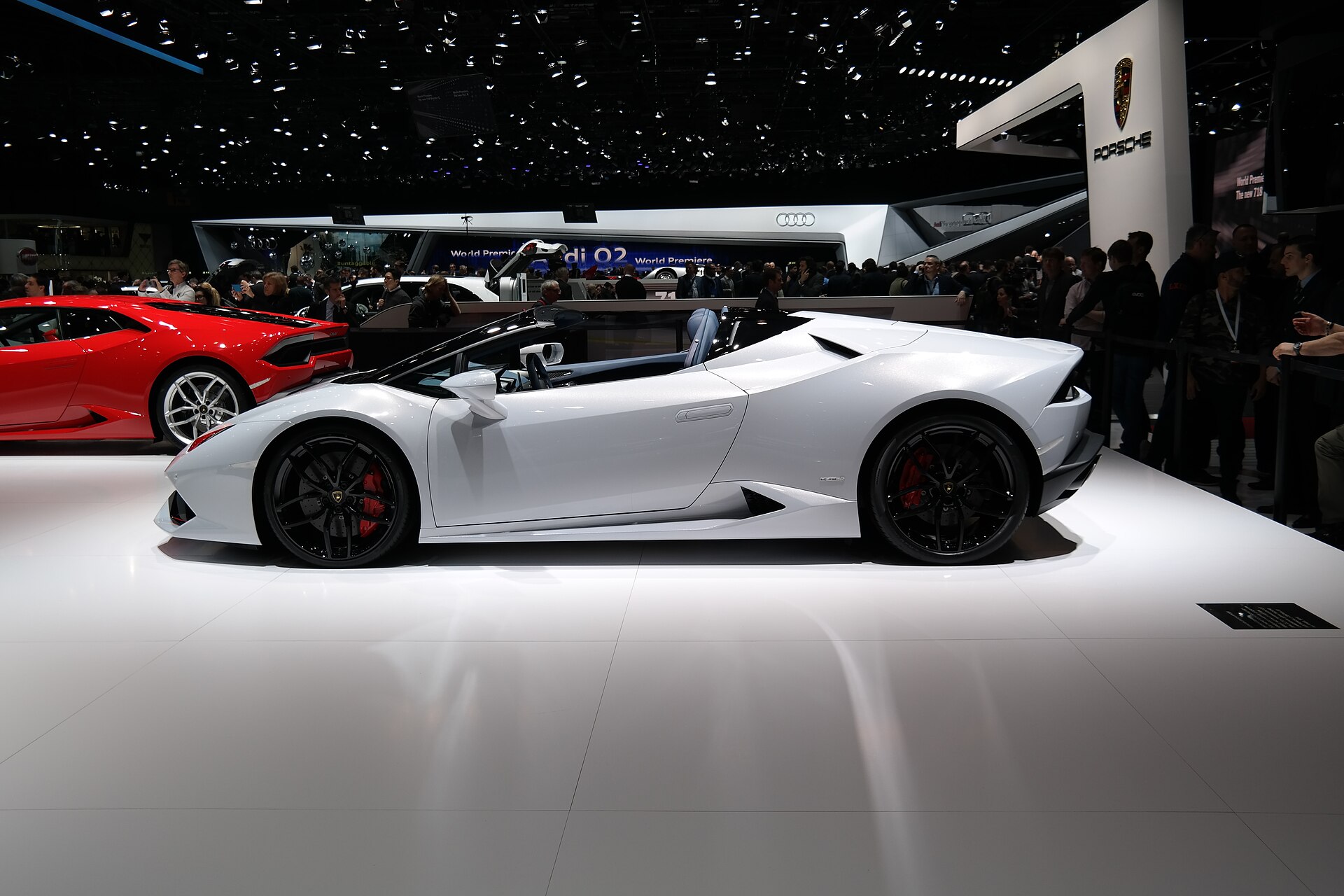
Tire Recommendations for Aftermarket Wheels
Installing new wheels creates an opportunity to reconsider tire selection. The Huracan's performance is substantially dependent on tire quality, and pairing premium wheels with inferior rubber is a missed opportunity.
Pirelli P Zero (All Variants): The factory standard, Pirelli P Zero tires offer exceptional balance between performance, comfort, and longevity. The Huracan comes equipped with P Zero Corsa or P Zero Trofeo variants depending on spec. These tires grip at extreme cornering forces while maintaining acceptable ride quality. Cost: $200-$280 per tire. Recommended for buyers who value balance.
Michelin Pilot Sport 4S (Track and Performance): These tires deliver slightly more grip than Pirelli options and maintain performance across longer driving sessions. The 4S variant (not the standard PS4) is specifically engineered for supercars and maintains consistency through rapid heat cycles. Cost: $220-$300 per tire. Ideal for track days or drivers who regularly explore the Huracan's limits.
Lamborghini Trofeo R (Specialized Option): Lamborghini specifically developed the Trofeo R compound for the Huracan STO and Performante. These tires can be retrofitted to standard variants for those seeking track-day capability. The Trofeo R trades road comfort for maximum grip and durability under extreme use. Cost: $240-$320 per tire. Only commit to these if you're genuinely using the car for track days or spirited driving regularly.
When installing new wheels, budget for tire replacement. A complete set of quality tires for a Huracan costs $1,200-$1,400, and fresh rubber maximizes the benefits of new wheels. Pairing $15,000 wheels with four-year-old tires is a recipe for disappointment.
Wheel Finish Comparison: Aesthetics and Maintenance
Modern aftermarket wheels are available in numerous finishes, each with distinct visual impact and maintenance implications.
Gloss Black: The most popular choice, gloss black works on virtually every Huracan color and provides maximum visual impact. Maintenance requires regular washing to prevent brake dust buildup and occasional detailing to maintain shine. Long-term, gloss black finishes can fade under UV exposure if not protected.
Satin / Matte Black: Increasingly popular, satin finishes hide brake dust better than gloss and maintain appearance longer between washings. The aesthetic is more subdued than gloss but often photographs better. Maintenance is easier, though satin finishes can become dull if not occasionally detailed.
Brushed / Machine Finish: These finishes reveal the underlying forging texture and emphasize craftsmanship. They hide brake dust effectively and age gracefully. The aesthetic is technical and appeals to performance-focused buyers. Maintenance is minimal beyond regular washing.
Polished: Chrome-like appearance achieved through mechanical polishing rather than plating. Dramatic visual impact but requires aggressive maintenance. Polished wheels need periodic re-polishing as oxidation occurs over time. Not recommended for buyers who want low-maintenance wheels.
Custom Colors: Many manufacturers offer custom paint options: pearl white, matte blue, gunmetal, bronze, and more. Custom colors command premium pricing ($500-$1,500 per wheel surcharge) but deliver unique aesthetics. Resale considerations: unusual colors appeal to specific buyers and may limit the market. Stick with traditional colors unless you're keeping the car long-term.
Carbon Fiber Barrels: 1016 Industries and a few other specialists offer carbon fiber barrel options. These combine forged aluminum centers with carbon fiber outer sections. The contrast creates stunning visual drama and saves weight. Carbon fiber is durable in real-world use but requires gentle handling during mounting/demounting to avoid cracking.
Ready to Upgrade Your Huracan's Wheels?
Automonitor connects you with certified specialists who understand fitment, offset calculations, and the specific requirements of every Huracan variant. We ensure your new wheels are installed correctly and guarantee compatibility before purchase.
Get Expert Wheel Consultation →Quantified Performance Benefits: What You Actually Gain
Upgrading wheels provides both measurable and subjective benefits. Let's separate fact from marketing claims.
Acceleration Improvement: A 5 kg unsprung weight reduction on a Huracan EVO theoretically improves 0-60 time by approximately 0.08-0.12 seconds. This is real but subtle — you'll notice it more on track than on the street. In practical terms, upgrading from Giano to HRE wheels might reduce 0-60 time from 2.8 seconds to 2.72-2.75 seconds. Performance drivers will feel this difference. Casual drivers might not.
Braking Performance: Lighter wheels improve brake feel and reduce stopping distance marginally (approximately 1-2 feet from 60 mph). The improvement comes from reduced momentum that the brake system must dissipate. More importantly, lighter wheels reduce thermal load on brake rotors during repeated hard braking, which improves performance on the track.
Handling Responsiveness: This is where the real value emerges. Lighter, stiffer wheels reduce unsprung mass and improve suspension compliance. The Huracan's steering becomes sharper, turn-in response improves, and the chassis feels more connected to the road. This benefit is most apparent through technical corners at spirited speeds. Casual driving won't reveal this advantage.
Fuel Economy: Rolling resistance is reduced slightly with lighter wheels, contributing to a 0.5-1 mpg improvement. Over a year of regular driving, this amounts to one or two tanks of fuel — meaningful but not transformative.
Subjective Benefits: The aesthetic improvement of swapping worn Giano wheels for forged HRE or Vossen options is transformative. The visual presence of a properly-specified Huracan with premium wheels is immediately apparent. This is where most owners find their real justification for the upgrade.
Center-Lock Wheels: Special Considerations for Performante and STO
Lamborghini chose center-lock hubs for the Performante and STO variants, borrowing technology from racing. This single-bolt design reduces unsprung weight and provides a distinctive visual appearance. However, it severely limits wheel options.
Currently, only HRE offers true center-lock wheels specifically engineered for the Huracan platform (their P101 and P201 designs). No other major manufacturer has committed to center-lock development for the Huracan, likely because the production run is too limited to justify tooling costs.
Aftermarket hub adapters exist that convert center-lock hubs to accept standard five-bolt wheels, but these are not recommended for track use. The adapters introduce vibration and potential safety concerns during sustained high-performance driving. If you own a Performante or STO and want non-HRE wheels, you're committing to adapter solutions that compromise the engineering these variants represent.
The practical implication: Performante and STO buyers should either commit to HRE wheels or accept keeping the factory Aesir design. This isn't a weakness — Aesir wheels are genuinely excellent. It's a limitation worth understanding before purchase.
How Wheel Modifications Affect Resale Value
The resale impact of wheel upgrades is complex and depends entirely on the choices you make.
Keeping Original Wheels: If you upgrade wheels and sell the car with original Lamborghini wheels included (even if not mounted), you maximize resale value. Original wheels have documented history and carry significant value to conservative buyers. This is the financially optimal choice if you're uncertain about long-term commitment.
Selling with Premium Aftermarket Wheels: High-quality forged wheels from recognized manufacturers (HRE, Vossen, ADV.1, BBS) are typically viewed as upgrades by buyers and can maintain neutral or positive impact on resale value. Buyers actively seeking aftermarket wheels often pay premium prices for cars already equipped with quality options. The key is brand recognition and condition — generic or poorly-finished wheels become a liability.
Selling with Questionable Wheels: Cheap or unknown-brand wheels are viewed as negatives. They suggest the previous owner was budget-conscious in ways that raise questions about other maintenance and care. Many buyers prefer to negotiate lower prices on cars with non-standard wheels, even if the wheels are in good condition.
Resale Strategy: If you're planning to sell within 18-24 months, keep the original wheels and sell them separately if possible. The buyer will appreciate the option, and you'll recover more value. If you're keeping the car for 3+ years, invest in quality aftermarket wheels. They improve your daily enjoyment and won't hurt resale if chosen wisely.
Common Fitment Mistakes to Avoid
Ignoring Offset Calculations: Installing wheels without calculating proper offsets for your suspension height, tire size, and Huracan variant is the fastest way to discover rubbing, poor handling, or worse. Always use manufacturer fitment guides or consult specialists before purchasing.
Mixing Wheel Sizes Incorrectly: Installing identical sizes front and rear instead of the Huracan's stock staggered setup changes handling characteristics in ways many owners don't appreciate. The stock 19/20 or 20/21 stagger is engineered deliberately. Only deviate if you fully understand the implications.
Oversizing Without Suspension Modification: Jumping to 21/22-inch wheels without adjusting suspension or lowering the car guarantees rubbing issues, especially at full steering lock. The Huracan's stock suspension allows some size increases, but limits exist. Consult specialists before committing.
Purchasing Wheels Without Considering Tire Availability: Some wheel sizes have limited tire options, which creates problems when you need replacements. Stick with standard sizing (20/21 or 21/22) to ensure tire availability. If you choose exotic sizes, verify tire options exist before purchase.
Center-Lock Hub Adapters on Track Cars: If you own a Performante or STO and plan track days, adapters introduce unacceptable risk. Stay with HRE center-lock wheels or accept factory Aesir options. This isn't negotiable for safety.
Schedule a Wheel Fitment Consultation
Before purchasing new wheels, get expert guidance specific to your Huracan variant, current setup, and intended use. Automonitor's specialists verify fitment, calculate offsets, and ensure your new wheels are compatible before you commit.
Book Consultation →How Automonitor Evaluates Wheel Modifications
When assessing a Huracan for purchase, we evaluate wheels on multiple criteria: originality, condition, performance appropriateness, and resale implications.
Original Lamborghini wheels in excellent condition add value or maintain neutral impact depending on condition. Wheels showing significant brake dust accumulation, curb damage, or weathering suggest deferred maintenance elsewhere. We factor wheel condition into overall maintenance assessment.
Aftermarket wheels from recognized manufacturers are positive signals if they're in good condition and properly fitted. They suggest the owner invested in the vehicle and cared about performance. Conversely, cheap or unknown-brand wheels raise questions about maintenance philosophy overall.
We verify fitment accuracy before purchase. Improper offsets, rubbing evidence, or suspension damage related to wheel sizing becomes a negotiation point. Wheel-related suspension damage is expensive to repair and directly impacts resale value.
For track-focused cars (particularly Performante and STO variants), we assess whether wheel choices are appropriate for intended use. Center-lock hub adapters on track cars, for example, trigger detailed inspection of suspension and drivetrain components to ensure no damage occurred from vibration.
Our pre-purchase inspection process includes wheel measurement, offset verification, tire depth assessment, and documentation of any rubbing, damage, or fitment issues. This information directly impacts purchase negotiation and helps you make informed decisions before committing.
Frequently Asked Questions About Huracan Wheels
Q: Can I fit 21-inch wheels on a standard LP 610-4 without suspension modifications?
A: 20/21-inch sizing fits without modification in most cases, though ground clearance decreases slightly. 21/22-inch sizing requires careful offset calculation and typically benefits from lowering springs or air suspension adjustment to avoid rubbing at full steering lock. Always verify fitment before purchasing.
Q: Are aftermarket wheels worth the investment for a street-driven Huracan?
A: If you're keeping the car for 3+ years, quality aftermarket wheels improve daily satisfaction through appearance and handling responsiveness. If you're selling within 18-24 months, keep original wheels and don't upgrade. The financial return rarely justifies the investment on short-term ownership.
Q: What's the best tire to pair with new wheels?
A: For street driving, Pirelli P Zero is the factory standard and excellent choice. For track use, Michelin Pilot Sport 4S or Lamborghini Trofeo R offer better performance. Fresh tires maximize the benefits of new wheels — don't pair premium wheels with aging rubber.
Q: Do I need to replace all four wheels?
A: Yes. Mixing wheel sizes or conditions creates handling imbalances and safety concerns. Always replace all four wheels in matching sets with proper front/rear staggering.
Q: Can I use my current tires on new wheels?
A: Only if the new wheels are the same size as your current setup. If you're changing sizes (e.g., 19/20 to 20/21), tire replacement is necessary. Tire mounting and balancing costs approximately $200-$300 per set in addition to any tire purchase.
Q: What's the difference between forged and cast aluminum wheels?
A: Forged wheels are denser, lighter, and stronger due to their manufacturing process. Cast wheels are heavier but more affordable and more resistant to curbing damage. For performance applications, forged is superior.
Final Recommendation: Choosing Your Ideal Huracan Wheels
Your ideal wheel choice depends on three factors: intended use, budget, and resale timeline.
For Street-Only Drivers (3+ year ownership): Vossen S17-01 or Novitec NL4 wheels deliver exceptional aesthetics, legitimate performance benefits, and strong resale value. Budget $8,000-$12,000 and enjoy the transformation.
For Track-Focused Owners: HRE P101/P201 for ultimate performance, or Forgeline GA1R if budget is constrained. These wheels justify their investment through measurable performance gains and exceptional durability.
For Budget-Conscious Buyers: BBS FI-R or Forgeline GA1R wheels deliver quality and performance at the lowest price point. You're not sacrificing substance for cost savings.
For Performante/STO Owners: HRE center-lock wheels are your only premium aftermarket option. Accept it as part of the ownership experience — Aesir factory wheels are genuinely excellent and offer no compelling reason to upgrade.
For Undecided Buyers: Keep original wheels and invest your budget elsewhere (suspension, exhaust, tune). Wheels can be upgraded anytime; other modifications regretted more frequently.
Find Your Perfect Huracan with Premium Wheels Already Installed
Automonitor sources Huracans with premium wheel packages already installed, eliminating the need for post-purchase upgrades. Get expert guidance on specification and fitment for your specific needs.
Browse Available Huracans →