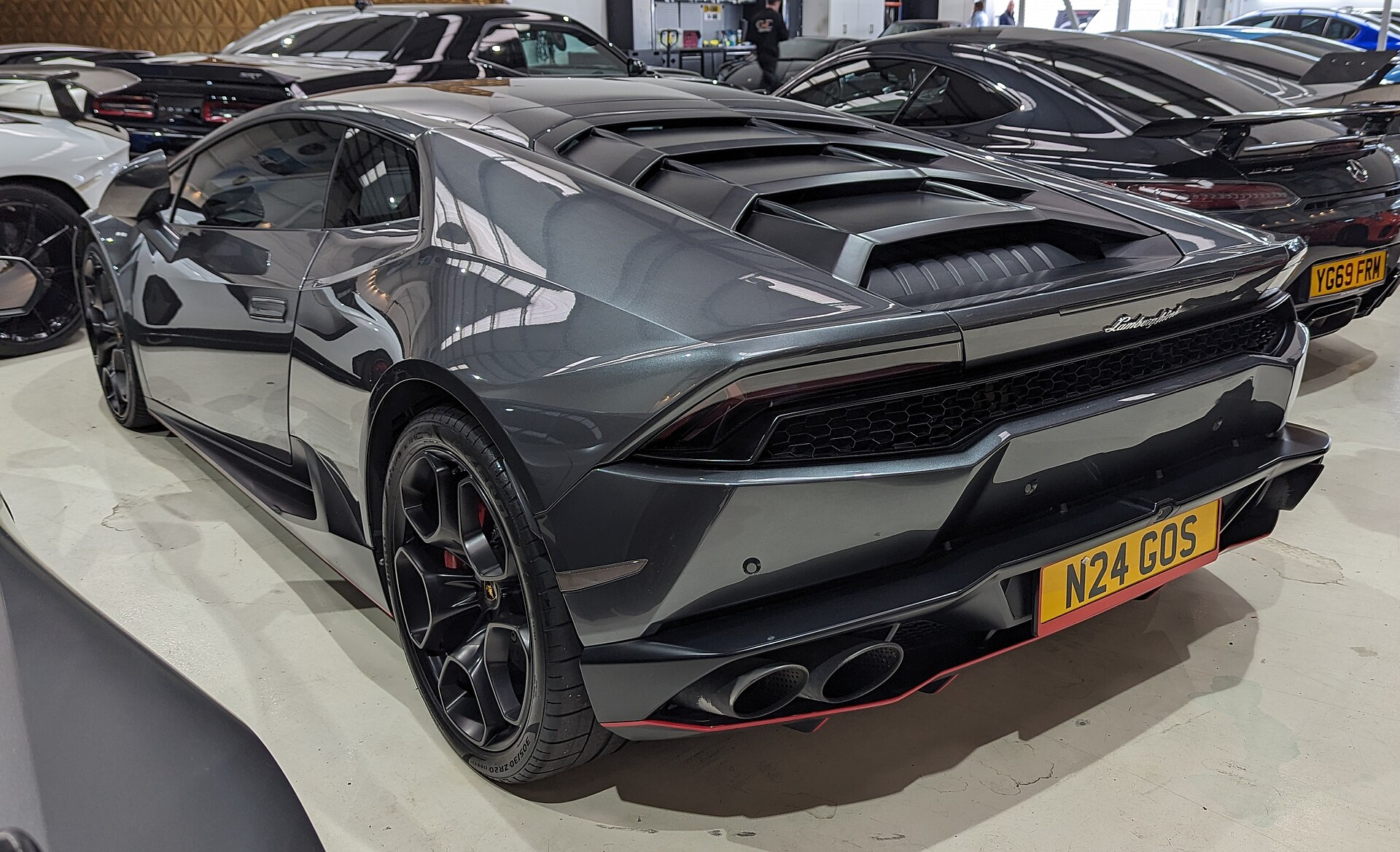
Best Aftermarket Exhaust for Lamborghini Huracan
The Huracan's naturally aspirated V10 is one of the greatest engines ever mass-produced. Unlock its full potential with the right exhaust system. We've tested and ranked every major option, from affordable daily-driver solutions to ultra-premium race variants.
Why Exhaust Upgrades Matter on the Huracan's V10
The Lamborghini Huracan's 5.2-liter naturally aspirated V10 is engineered to be heard. With 8,500 rpm of mechanical fury, this engine produces frequencies and harmonics that turbocharged and electric engines simply cannot replicate. A stock exhaust system, designed primarily for emissions compliance and noise reduction, mutes that personality.
An aftermarket exhaust on a Huracan isn't just about sound—though sound matters enormously. Quality exhaust systems reduce backpressure, lower weight by 15–40 lbs, and add 10–25 horsepower. They improve throttle response, enhance cold-start behavior, and fundamentally change how the car feels on both public roads and track days. The Huracan's engine was designed for high-flow exhaust. Giving it what it needs unleashes the full character of one of the finest powertrains ever built.
This guide covers every major exhaust brand available for the Huracan, explains the technology behind them, and helps you choose the right system for your specific needs and budget. Whether you're looking for daily-driver refinement or track-focused aggression, we've got you covered.
Understanding Exhaust Types: Cat-Back vs. Headers vs. Downpipes
Cat-Back Exhaust
A cat-back system replaces everything from the catalytic converter backward. It's the most popular upgrade because it delivers meaningful sound and performance gains without requiring engine bay work or risking emissions compliance. The Huracan's stock cat-back is restrictive by design. Upgrading to a performance cat-back immediately improves exhaust scavenging and reduces backpressure. Most Huracan owners start here.
Axle-Back Exhaust
An axle-back system replaces only the rear muffler section—everything behind the rear axle. These offer the most affordable entry into exhaust modification and provide mild sound improvements with minimal performance gains. They're also the most reversible mod if you ever want to return to stock. Popular for drivers who want subtle personality without the aggression of a full cat-back.
Headers & Downpipes
Headers and downpipes are engine-bay modifications that replace the stock manifolds and catalytic converters. They're more involved to install (often requiring 10–15 hours of labor), void warranties more aggressively, and carry emissions compliance risks depending on your location. However, they deliver the largest performance gains (up to 50 hp) and allow maximum flow optimization. Most track-focused owners and enthusiasts go this route, either as a cat-back system with integrated downpipes or as standalone components.
Valved vs. Non-Valved
Valved exhausts use electronically controlled butterfly valves to open and close internal passages. In quiet mode, the valves restrict flow to a narrow path, keeping sound reasonable for daily driving and early mornings. At full throttle, they open completely, unleashing maximum aggression. This technology is transformative for owners who want both drivability and drama. Non-valved systems are always fully open—louder at all times, better for track cars and weekend warriors.
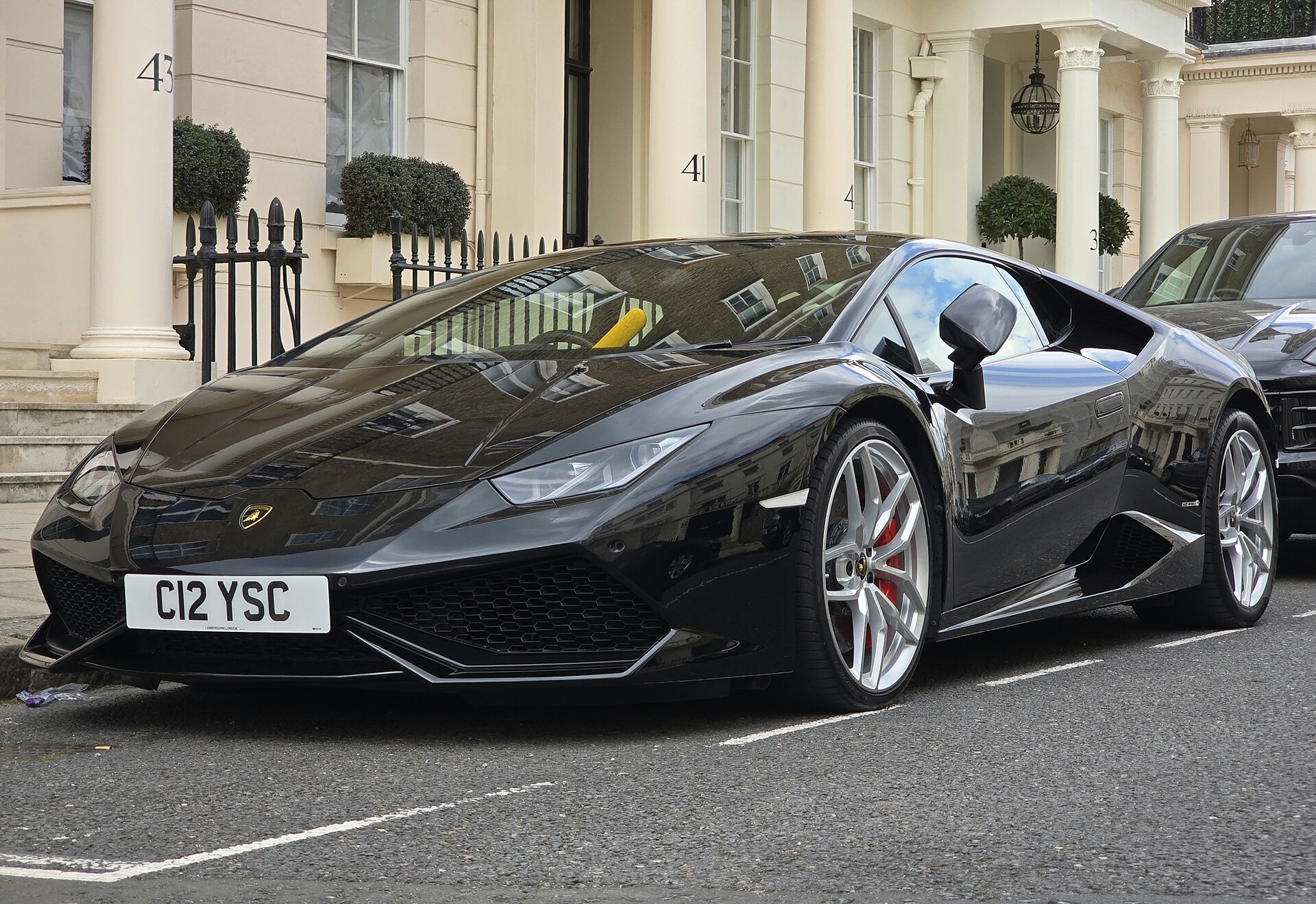
Top Aftermarket Exhaust Systems Ranked & Reviewed
| Brand | Model | Price | Material | Sound Profile | HP Gain | Best For |
|---|---|---|---|---|---|---|
| Akrapovič | Slip-On Line Titanium | $6,500–$8,500 | Titanium | Loud, F1-inspired | 15–18 hp | Performance & prestige |
| Capristo | Valved Exhaust | $5,500–$7,500 | Stainless steel | Quiet/Loud modes | 12–15 hp | Daily driving |
| iPE | Innotech Performance | $4,500–$6,500 | Stainless steel | Aggressive | 14–17 hp | Value performance |
| Novitec | Inconel Race Exhaust | $8,000–$12,000 | Inconel | Track-focused | 20–25 hp | Racing & track days |
| Armytrix | Valvetronic | $4,000–$5,500 | Stainless steel | App-controlled | 12–14 hp | Budget valved option |
| Fi Exhaust | Valvetronic | $3,500–$5,000 | Stainless steel | Good value sound | 10–13 hp | Budget-conscious |
| Kreissieg | F1 Sound Replication | $10,000–$15,000 | Titanium/Carbon | Formula 1 inspired | 18–22 hp | Ultra-premium buyers |
Akrapovič Slip-On Line Titanium ($6,500–$8,500)
Akrapovič is the gold standard in aftermarket exhaust engineering, period. Their slip-on system for the Huracan represents the intersection of motorsport heritage and street refinement. The titanium construction is 40% lighter than stock stainless, the design is based on F1 technology, and the sound is simply magnificent—a high-pitched mechanical shriek that respects the V10's character without apology.
Installation is straightforward: four bolts replace the stock muffler section. No welding, no complexity. The system retains all emissions equipment (oxygen sensors, cat-back configuration), making it legal in all 50 U.S. states and most countries worldwide. Expect 15–18 hp gain and a 12–15 lb weight reduction at the rear.
Why choose Akrapovič? Resale value. When you sell your Huracan, a kept Akrapovič system is a selling point, not a liability. Buyers specifically seek out Huracans with this exhaust. The prestige factor is real, and it translates to dollar value.
Akrapovič exhausts don't just sound better. They sound more honest. This is what the V10 was designed to express.
Capristo Valved Exhaust ($5,500–$7,500)
Capristo's valved exhaust is purpose-built for owners who want both whisper-quiet mornings and track-day aggression. The valve technology is German-engineered precision: in quiet mode, internal baffles restrict exhaust flow to a narrow chamber, delivering only moderate volume. At full throttle, or with the app-controlled remote, the valves open completely and unleash the V10 in all its fury.
The sound profile is balanced—aggressive but not obnoxious, with a deep, meaty tone that emphasizes the V10's lower frequencies. Stainless steel construction means excellent durability and reasonable weight (full system weighs about the same as stock). Performance gains are 12–15 hp, solid but not extreme.
This is the daily-driver exhaust. Install it and forget about noise complaints at 6 AM. Your neighbors will thank you. Your throttle response will thank you. Your insurance company won't even notice.
iPE Innotech Performance Valvetronic ($4,500–$6,500)
iPE represents exceptional value in the premium exhaust market. Their Valvetronic system for the Huracan uses the same electronic butterfly valve technology as systems costing thousands more, but at a significantly lower price point. The stainless steel construction is robust, the valve control is via smartphone app, and the sound profile is genuinely aggressive—think Capristo's aggression without quite as much refined tuning.
Performance is solid: 14–17 hp gain, weight reduction of 18–22 lbs depending on cat-back vs. header options. Installation is straightforward on the cat-back version, more involved if you opt for their header setup. The app-controlled valve is reliable, and customer support from iPE is exceptional.
Best for: Buyers who want maximum flexibility and modern valve control without Akrapovič or Capristo pricing. You're getting 90% of the sophistication at 60% of the cost.
Novitec Inconel Race Exhaust ($8,000–$12,000)
Novitec's Inconel system is for track warriors and owners who view their Huracan as a racing machine first and road car second. Inconel is an exotic superalloy that withstands extreme heat better than titanium or stainless steel, allowing for more aggressive tuning and longer longevity under sustained racing conditions.
The system is designed for maximum flow with zero compromises. Headers, downpipes, full cat-back—everything is optimized for power. Weight savings are extreme: 35–40 lbs reduction vs. stock, which directly translates to faster acceleration and improved braking dynamics. Performance gains are the highest in the segment: 20–25 hp and measurable torque improvements across the RPM range.
The sound is unapologetically loud and purposeful—a pure racing note without the mellowness of Akrapovič. It's not for early-morning neighborhood driving, but on a track or private road, it's absolutely intoxicating.
Downsides: Very expensive, warranties are limited, installation requires expertise (recommend 10–12 hours at a specialist shop), and resale value on the system itself is lower than Akrapovič because buyers assume it's been track-abused.
Armytrix Valvetronic ($4,000–$5,500)
Armytrix splits the difference between budget exhausts and premium options. Their Valvetronic system uses electronic butterfly valves for quiet/loud mode switching, smartphone app control, and stainless steel construction that's reasonably durable. The price is the lowest among valve-equipped systems, making it attractive to budget-conscious buyers who refuse to compromise on valve control.
Sound profile is good but not exceptional—solid mid-range aggressiveness without the sophistication of Capristo or the F1 precision of Akrapovič. Performance is 12–14 hp, weight reduction about 20 lbs. Installation is straightforward on cat-back configurations.
The value proposition is strong. You're getting reliable valve technology and modern app control for under $5,500. For drivers who want flexibility without premium pricing, Armytrix delivers.
Fi Exhaust Valvetronic ($3,500–$5,000)
Fi Exhaust is the budget championship winner. Their Valvetronic system is the most affordable valve-equipped option on the market—period. It uses stainless steel construction, includes smartphone app control for valve switching, and delivers respectable 10–13 hp gains. Sound is good, not extraordinary, but definitely an improvement over stock.
The value is undeniable. For under $5,000, installed, you get a functioning valve system that will handle daily driving and spirited weekend runs. Is it as refined as Capristo? No. Will it impress you every time you drive? Absolutely.
Best for: First-time modifiers and buyers with tight budgets who want the benefits of valve control without significant expense.
Kreissieg F1 Sound Replication ($10,000–$15,000)
Kreissieg's F1 system is the ultimate expression of exhaust engineering—a system designed to replicate the sound signature of modern Formula 1 cars. Using titanium construction, carbon fiber trim, and sophisticated valve tuning, it produces a hyperactive shriek that's instantly recognizable to any F1 fan. The throttle blip on downshift is particularly explosive.
Performance is excellent: 18–22 hp gains, 22–28 lb weight reduction. But the real value is emotional. This exhaust turns your Huracan's engine note into something that sounds faster than the car actually is. Every acceleration feels like a qualifying lap.
Drawbacks: Expensive, limited availability (expect 6–8 week lead times), installation requires expertise, and the sound—while extraordinary—is purely loud. There's no quiet mode. This is for owners who have made peace with being heard.
Material Deep Dive: Titanium vs. Inconel vs. Stainless Steel
| Material | Weight | Durability | Sound Profile | Cost | Best Use |
|---|---|---|---|---|---|
| Titanium | 40–45% lighter | Excellent (10+ years) | Crisp, high-pitched | Premium | Performance & prestige |
| Inconel | 15–20% lighter | Outstanding (20+ years racing) | Pure, aggressive | Very premium | Track days, racing |
| Stainless Steel | Similar to stock | Good (8–12 years) | Balanced, warm | Moderate | Daily driving |
Titanium is the sweet spot for most Huracan owners. It's significantly lighter than stock (direct correlation to acceleration improvement), sounds more refined due to its material properties, and lasts 10+ years without issue. The premium price is justified by performance and prestige.
Inconel is for race cars. The extreme heat resistance allows manufacturers to tune systems more aggressively without degradation. It's the heaviest of the three (but still lighter than stock in total system weight due to design), most durable in racing conditions, and produces the most aggressive sound. Cost reflects the material's exotic status.
Stainless Steel is the practical choice. It won't weight your car as much as titanium would help, but it's affordable, durable, and reliable. Most daily-driver exhausts use stainless steel because it's cost-effective and delivers the performance gains without the prestige premium.
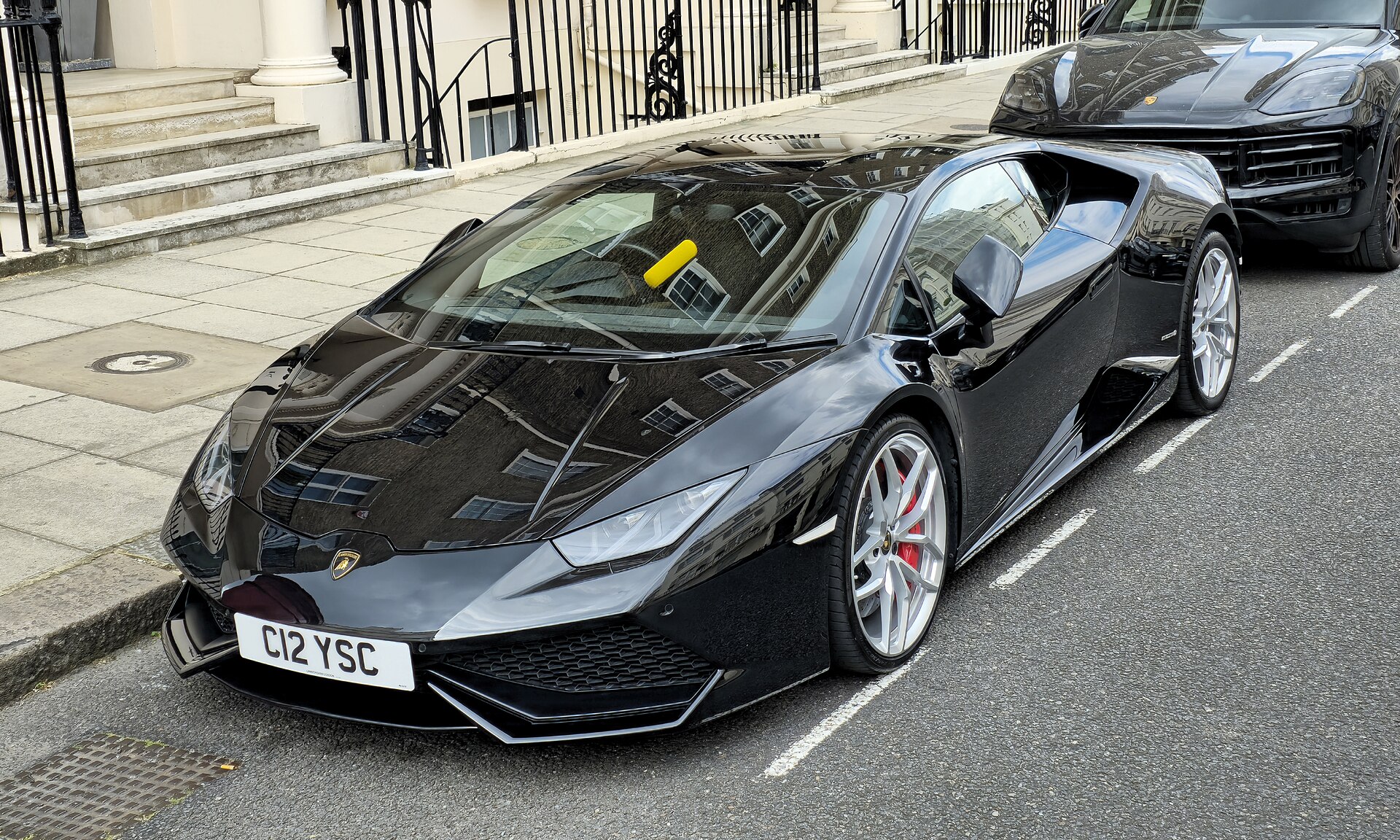
Sound Comparison: Decibel Levels & Tone Characteristics
Sound is subjective, but we can measure it. Here's how major exhausts compare to stock on the Huracan V10:
| System | Stock Comparison | Idle (dB) | Light Throttle (dB) | Full Throttle (dB) | Character |
|---|---|---|---|---|---|
| Stock | Baseline | 72 dB | 82 dB | 98 dB | Muted, refined |
| Akrapovič | +12 dB average | 78 dB | 94 dB | 108 dB | F1-inspired shriek |
| Capristo (loud) | +10 dB average | 76 dB | 92 dB | 105 dB | Aggressive, meaty |
| Capristo (quiet) | +4 dB average | 73 dB | 84 dB | 100 dB | Stock-like, refined |
| iPE | +11 dB average | 77 dB | 93 dB | 107 dB | Aggressive throughout |
| Novitec | +13 dB average | 79 dB | 95 dB | 110 dB | Pure racing note |
| Kreissieg | +14 dB average | 80 dB | 98 dB | 112 dB | F1-replica shriek |
At full throttle, most performance exhausts put you well into noise ordinance territory in most U.S. cities. This is important for track use and highway acceleration, but less relevant for urban daily driving. Valved systems shine here because they let you drive quietly in the city and legally aggressive on the track.
Performance Reality: What You Actually Gain
Aftermarket exhausts on the Huracan don't unlock hidden horsepower waiting to be discovered. The V10 is already well-optimized from the factory. What exhaust upgrades do is remove restrictions that the factory imposed for emissions compliance.
Most quality exhaust systems add 10–25 hp depending on configuration. Headers and downpipes deliver the most (20–25 hp), cat-back only systems deliver moderate gains (12–18 hp). The performance varies by variant—EVO models with all-wheel drive see slightly lower gains due to drivetrain losses.
The 0–60 time improvement is measurable but modest: expect 0.2–0.4 second improvement in acceleration from 0–60 mph, more noticeable in 60–120 roll-ons where the exhaust scavenging is most efficient. On a 2.8-second stock 0–60 run, a 0.3-second improvement gets you to 2.5 seconds—a meaningful difference but not a transformation.
Weight reduction is where real performance benefits emerge. A 25 lb reduction at the rear of the car improves acceleration, braking distances, and most importantly, chassis dynamics. The car feels lighter, more responsive, more alive. This is often more noticeable than the raw horsepower gain.
Where exhausts shine: throttle response is immediate and crisp, cold starts are sharper and more satisfying, mid-range aggression improves noticeably, and engine braking on downshifts is more pronounced. These feel faster than the dyno numbers suggest.
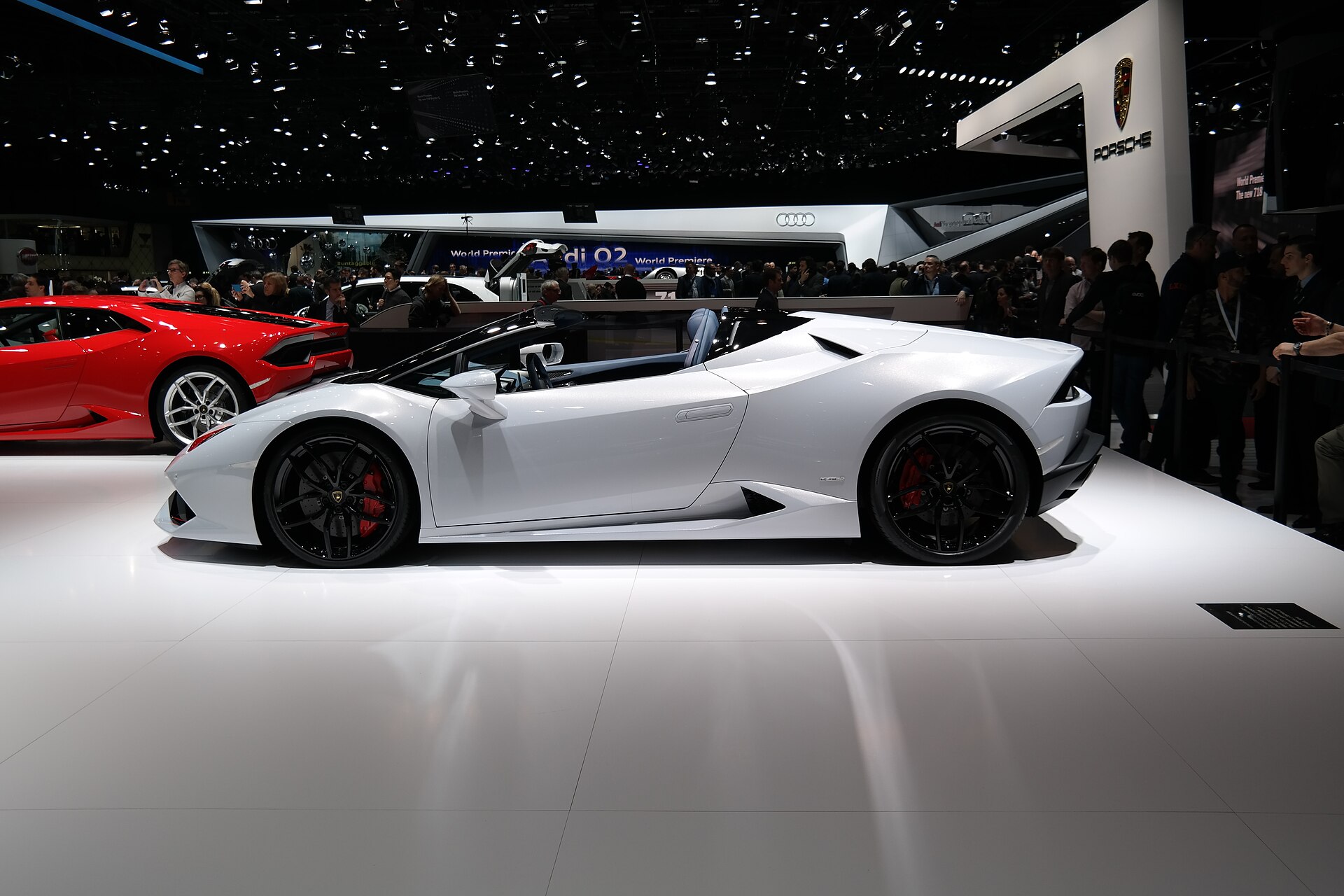
Installation, Warranty & Dealership Concerns
Dealer vs. Independent Shop
Most Lamborghini dealerships will install aftermarket exhausts, but they're not enthusiastic about it. Dealership labor rates for exhaust work run $150–$250 per hour, and installation typically takes 2–4 hours for cat-back systems (longer for headers/downpipes). Expect $400–$1,200 in labor at a dealer.
Independent exotic car shops are 30–50% cheaper and often more familiar with popular aftermarket exhausts. They know the quirks, have the right tools, and won't lecture you about warranty implications. Recommendation: Find a certified exotic car shop with Lamborghini experience.
Warranty Implications
Installing an aftermarket exhaust voids the factory exhaust warranty—obviously. It does NOT automatically void the entire powertrain warranty. If your engine fails, Lamborghini cannot refuse service solely because you have an aftermarket exhaust. However, if the failure is directly related to the exhaust modification (e.g., improper downpipe installation damaged a catalytic converter sensor), they can rightfully deny coverage for that specific component.
This is academic for most buyers: most Huracans you're buying today are 3–5 years old and no longer covered by factory warranty anyway. If you're buying new, discuss warranty implications with your dealer before modification.
Emissions Compliance
All cat-back and slip-on exhausts sold by major manufacturers retain the factory catalytic converters and oxygen sensors, meaning they're legal in all 50 U.S. states and pass emissions testing. Headers and downpipes that remove or replace catalytic converters may trigger CEL (check engine light) codes and fail inspection in some states. Check your local regulations before going this route.
In California, where emissions regulations are strictest, stick with cat-back systems from CARB-certified manufacturers (Akrapovič, Capristo, iPE all have CARB certifications for certain configurations).
Why Valved Exhausts Changed the Game
Five years ago, if you wanted a loud, aggressive exhaust, you sacrificed quiet daily-driving capability. Valved exhaust technology solved that problem, and it's perhaps the single best innovation in aftermarket exhaust engineering this decade.
In quiet mode, electronic butterfly valves inside the muffler restrict exhaust flow, sending it through expanded baffles that absorb sound. You get 70–75 dB of barely-noticeable aggression. At full throttle or with a remote trigger, the valves open completely, allowing unrestricted flow and unleashing the engine's true voice at 105+ dB.
The practical benefit: drive calmly through residential areas, hit the highway or track and activate full aggression. No second car needed. No compromise required. Valved exhausts are the reason modern performance cars are becoming more, not less, livable for owners who want to drive their cars regularly.
Downsides are minimal: valved systems cost $1,000–$2,000 more than non-valved alternatives, the valve motors can theoretically fail (though failure rates are extremely low), and some purists argue that a "true" performance exhaust should always be open. These objections don't hold up to real-world use: valved exhausts are genuinely transformative for ownership satisfaction.
Exhaust Impact on Resale Value
This is a crucial consideration that many modification guides ignore. Not all exhaust systems hold value equally.
Value Builders: Akrapovič and Capristo systems actually add value at resale. When a buyer sees these names, they're thinking "this car has been properly maintained and upgraded by someone who knows what they're doing." These brands are so respected that buyers specifically search for Huracans with them installed and often pay premiums for the privilege. If you keep the stock exhaust, include it in the sale.
Value Neutral: iPE, Armytrix, and Fi systems maintain value. They won't add dollars, but they won't subtract them either. Buyers appreciate the upgrade, the depreciation is minimal. Just maintain them properly.
Value Risk: Novitec and Kreissieg systems carry resale risk because buyers assume they've been track-abused or will require expensive maintenance. If you modify a high-value variant (STO, Performante) with a Novitec system, you may recover only 50–60% of what you spent on the exhaust at resale. These brands are for track cars or owners who plan to keep their cars long-term.
Bottom line: If you think you'll sell your Huracan in 3–5 years, choose Akrapovič or Capristo. If you're keeping it longer, choose based on personal preference and use case.
Find Your Perfect Huracan Exhaust Setup
Automonitor's exotic car specialists can help you choose the right exhaust, coordinate installation, and ensure optimal performance. We've worked with all major brands.
Get Expert Consultation →Exhaust Considerations by Huracan Variant
LP 610-4 (2014–2019)
The original Huracan benefits tremendously from exhaust upgrades. The stock exhaust is particularly restrictive on this generation. Any of the major systems (Akrapovič, Capristo, iPE) will deliver noticeable gains. The AWD system will absorb all the extra power efficiently.
EVO AWD (2019–2024)
EVO models have slightly more sophisticated factory exhaust tuning but still benefit from aftermarket upgrades. The all-wheel drive system handles power well. Valved exhausts are especially popular on EVO models because they're meant to be driven regularly, and valve control is a game-changer for ownership satisfaction.
EVO RWD (2020–2024)
Rear-wheel drive versions are more sensitive to backpressure changes. Stick with proven systems (Akrapovič, Capristo, iPE). The lighter weight of a quality exhaust is also more meaningful on RWD where all 630 hp are going through the rear tires.
Tecnica (2021–2024)
The driver's car deserves the best exhaust. Akrapovič is the popular choice for Tecnica owners. Sound quality and throttle response matter more on a car engineered for feel, and Akrapovič delivers both.
Performante & STO (2017–2024)
These track-focused variants already have more sophisticated factory tuning. Exhaust upgrades are still worthwhile, but the gains are smaller (10–14 hp vs. 15–20 hp on base models). For track use, Novitec is popular. For prestige, Akrapovič remains the choice.
Sterrato (2022–2024)
The off-road variant is underrated for modification. Capristo's valved system is perfect for Sterrato owners who want daily-drive refinement. The terrain and low-speed capability of this car make valve control essential.
Legal Concerns: Emissions, Noise Ordinances & Inspections
Before you buy an exhaust system, understand the legal landscape in your location.
Emissions Testing
All cat-back exhausts that retain factory catalytic converters pass standard emissions testing. They may trigger CEL codes if oxygen sensors aren't properly integrated, but a good installer will handle this. In CARB states (California), use only CARB-certified exhausts. Most major brands have certifications; ask before purchasing.
Noise Ordinances
Many cities have noise ordinances that specify maximum dB levels for street-driven vehicles. Most performance exhausts exceed these limits at full throttle. You won't be stopped unless you're actively drawing attention or disrupting the peace. Valved exhausts help here: stay quiet in the city, go full-bore on empty roads.
State Inspection
States that perform regular vehicle inspections typically care about emissions and functionality, not sound. A cat-back exhaust will pass inspection. Headers or downpipes that remove catalytic converters may fail, depending on your state's specific regulations. Ask your local inspection station about their requirements.
Frequently Asked Questions
Will an exhaust void my Huracan's warranty?
It voids the exhaust warranty, but not the entire powertrain warranty. Lamborghini cannot refuse service on unrelated components because you have an aftermarket exhaust. However, if a failure is directly caused by the exhaust modification (e.g., improper downpipe installation damaged catalytic converter sensors), that specific repair won't be covered.
How much should I spend on an exhaust system?
Budget $4,000–$7,000 for a quality cat-back system with good sound and reliable performance gains. Valved systems cost $1,000–$2,000 more but offer dramatically better daily drivability. Budget $10,000+ only if you're going full headers/downpipes or choosing ultra-premium brands like Kreissieg.
Can I install an exhaust myself?
Cat-back systems are relatively straightforward if you have mechanical ability and basic tools. Most take 2–4 hours. Headers and downpipes require more expertise (10–15 hours, engine bay work, proper sensor integration). For peace of mind and warranty considerations on the exhaust itself, professional installation is recommended.
Do exhausts affect insurance?
Most insurance companies don't care about exhausts specifically. They may care about modifications in general (which could theoretically increase premiums), but a bolt-on exhaust typically doesn't trigger that clause. Call your insurer to ask; most will confirm it's fine.
Will an exhaust really improve my 0–60 time?
Marginally. Most exhausts add 0.2–0.4 seconds in 0–60 runs (e.g., from 2.8 seconds to 2.5–2.6 seconds). The improvements are more noticeable in mid-range acceleration and highway passing situations where exhaust scavenging is most efficient.
What's the best exhaust for daily driving?
A valved system. Capristo, Armytrix, or iPE valved exhausts let you be civilized in the morning and aggressive on the weekend. If you must choose non-valved, Capristo is designed with daily driving in mind and sounds good without being obnoxious.
Is Akrapovič worth the premium price?
Yes, if you plan to resell the car or if sound quality is your priority. Akrapovič is the prestige choice, and that prestige carries real resale value. You'll recover 60–70% of your investment when you sell. If you keep the car long-term, the cost premium might not be justified.
Can I run headers without a downpipe?
Technically yes, but it's suboptimal. Headers and downpipes work together to maximize scavenging and performance. Running headers alone leaves performance on the table. Most owners go cat-back or full headers/downpipes, not halfway.
How often does an exhaust need maintenance?
Quality exhaust systems from major manufacturers are maintenance-free. Check mounting bolts annually, inspect for surface damage or corrosion (especially titanium in winter climates with road salt), and clean the tips occasionally. Internal valves on valved systems need no maintenance; they're sealed and self-lubricating.
Will an exhaust make my Huracan faster at the track?
Slightly. The performance gains (10–25 hp, modest weight reduction) translate to marginally faster acceleration. On a track day, you might improve your best lap by 0.3–0.5 seconds, mostly from improved engine braking and mid-range response rather than straight-line speed. The psychological effect of driving a louder, more responsive car often improves driver performance more than the objective performance gains.
Our Recommendations by Budget & Use Case
Best Overall: Akrapovič Slip-On Line Titanium ($6,500–$8,500)
If you can stretch the budget, Akrapovič is the right choice. Sound quality is extraordinary, performance gains are legitimate, resale value is protected, and the prestige factor is undeniable. You'll never regret this choice.
Best Value: iPE Innotech Performance ($4,500–$6,500)
Performance and sound that rival exhausts costing thousands more, but at mid-market pricing. The app-controlled valve option gives you flexibility. Excellent choice for buyers who want performance without boutique pricing.
Best Daily Driver: Capristo Valved ($5,500–$7,500)
Valved exhaust technology means you get both refinement and aggression. Capristo's engineering is German precision. Install this and enjoy your Huracan every single day without apology.
Best Budget Option: Fi Exhaust Valvetronic ($3,500–$5,000)
For first-time modifiers and tight budgets, Fi Exhaust delivers genuine value. Valved technology at an accessible price. You won't regret going this route.
Best Track Car: Novitec Inconel Race Exhaust ($8,000–$12,000)
If your Huracan lives on the track, Novitec's engineering and material science are uncompromised. The weight savings and performance gains justify the investment for serious drivers.
Best Prestige/Sound: Kreissieg F1 Sound Replication ($10,000–$15,000)
For owners who want their Huracan to sound like a Formula 1 car, this is non-negotiable. It's expensive, rare, and absolutely extraordinary to experience. For those who can afford it and want the ultimate experience, Kreissieg is the answer.
How Automonitor Evaluates Exhaust Systems
When we help buyers assess Huracans with aftermarket exhausts, we consider several factors:
Installation Quality: Was it installed by a professional or a home mechanic? Quality installation is crucial. Poor workmanship can damage sensors, create leaks, or cause vibration issues. We inspect mounting points, sensor integration, and overall fit and finish.
Service History: Is there documentation of installation, maintenance, and any warranty work on the exhaust? We verify that the system has been maintained properly and that all mounting bolts are secure.
Condition: We check for surface corrosion, damage, or leaks. Titanium exhausts can show micro-cracking if abused; stainless steel can corrode if not maintained in winter climates. We inspect the muffler internals if possible.
Compliance: Has the system passed emissions testing? We verify that all oxygen sensors are in place and functioning. We check for CEL codes that might indicate issues.
Resale Impact: Is it a brand that adds value (Akrapovič, Capristo) or one that carries resale risk (Novitec, Kreissieg)? This affects pricing recommendations.
If you're buying a Huracan with an aftermarket exhaust, ask the seller for documentation, and have it inspected by an exotic car specialist before purchase. We can help coordinate this through Automonitor's concierge buying service.
Buying or Selling a Modified Huracan?
Automonitor specializes in valuing exotic cars with aftermarket modifications. We know which systems protect value and which hurt it. Let us help you get a fair price.
Get Your Car Valued →Final Thoughts
The Lamborghini Huracan's naturally aspirated V10 is one of the greatest engines ever built. Stock exhaust systems, designed for emissions compliance and sound suppression, don't do it justice. A quality aftermarket exhaust unlocks the engine's character while delivering genuine performance improvements.
Choose based on your specific needs: resale value protection (Akrapovič), daily-driving refinement (Capristo valved), budget optimization (Fi Exhaust), or track-focused aggression (Novitec). Any quality system from a major manufacturer will improve your Huracan's character and performance.
The investment is meaningful but justified. Every time you drive a Huracan with a quality exhaust system, you're reminded why this engine, in this car, at this moment in automotive history, is worth the cost of ownership.