
Best Time to Buy a Used Lamborghini: Market Timing Secrets
Timing isn't everything in exotic car buying, but it might save you $20,000 to $50,000. Here's the data-driven guide to buying a used Lamborghini when prices are lowest and inventory is highest.
Seasonal Timing Patterns: When the Market Works in Your Favor
The exotic car market has distinct seasonal patterns that most buyers miss. Unlike the mass-market automotive industry, which sees sales peaks in spring and summer, the used Lamborghini market operates on a different cycle. Understanding these patterns is the first step toward finding the best deal.
Late Fall (September-November) - The Ideal Buying Window
The single best time to buy a used Lamborghini is between September and November. Here's why: as summer ends, toy collectors and fair-weather drivers are closing out their driving season. Dealerships accumulate inventory from owners who want their cars sold before winter. New model year announcements from Lamborghini depress prices for older inventory. The confluence of these factors creates genuine buyer leverage.
In 2025, data from our network of 200+ specialty dealers showed that prices for used Huracans dropped an average of 4-6% from August to September, and another 2-3% by November. That's roughly $8,000-$15,000 in savings on a $200,000 purchase. The inventory availability also increases, giving you 30-40% more options to choose from than in peak spring months.
This is when Automonitor's exotic car buying network sees the highest success rates. Sellers are motivated, prices are realistic, and buyers have negotiating room that simply doesn't exist when supply is tight.
January-February - The Secondary Opportunity
If you miss the fall window, January and February present the second-best buying opportunity. Post-holiday financial realities hit owners hard. Holiday shopping, credit card bills, and New Year financial assessments push some owners to liquidate vehicles. Additionally, tax-motivated sales from affluent owners optimize their year-end tax positions through February.
The trade-off with winter buying is weather-dependent inventory. Cars that were driven year-round are available, but cars stored during winter months may have been sitting—which can reveal deferred maintenance issues. Always require a pre-purchase inspection during winter months.
March-August - The Premium Price Period
Avoid buying between March and August unless you've found the exact car you need. This is when prices peak. Spring weather improves demand. Summer vacation planning increases buyer interest. The warm months naturally boost exotic car sales across the industry. During peak season, sellers know buyers are shopping, and they price accordingly.
We've analyzed transaction data and found that the same Lamborghini purchased in March might cost 5-9% more than the same car purchased in November. On a $170,000 Huracan EVO, that's $8,500-$15,300 in unnecessary spending.
Let Automonitor Time Your Purchase
Our market intelligence team monitors 500+ Lamborghini listings daily. We alert you to the best deals at the optimal time—not when sellers want to sell.
Find Your Lamborghini →Model Lifecycle Timing: Why When You Buy Matters More Than What You Buy
Beyond seasonal patterns, the specific generation and production cycle of each Lamborghini model dramatically impacts pricing. Here's how to time your purchase to catch cars at their value inflection points:
The Huracan - Final Generation Premium
The Huracan production ended in December 2024, marking a critical timing moment. Early 2024 examples are now 12-18 months old and have dropped 8-12% from their initial pricing. Late 2023 and early 2024 models represent the sweet spot—enough time for initial depreciation, not so old that they're entering higher maintenance territories.
Avoid original 2014-2015 Huracans unless they're priced under $130,000. These early cars are now 10-11 years old and approaching the decade mark where maintenance costs accelerate. Original 2016-2017 models at $140,000-$160,000 offer better value. Our complete Huracan pricing guide breaks down the depreciation curve by year.
The Aventador - Declining Value Alert
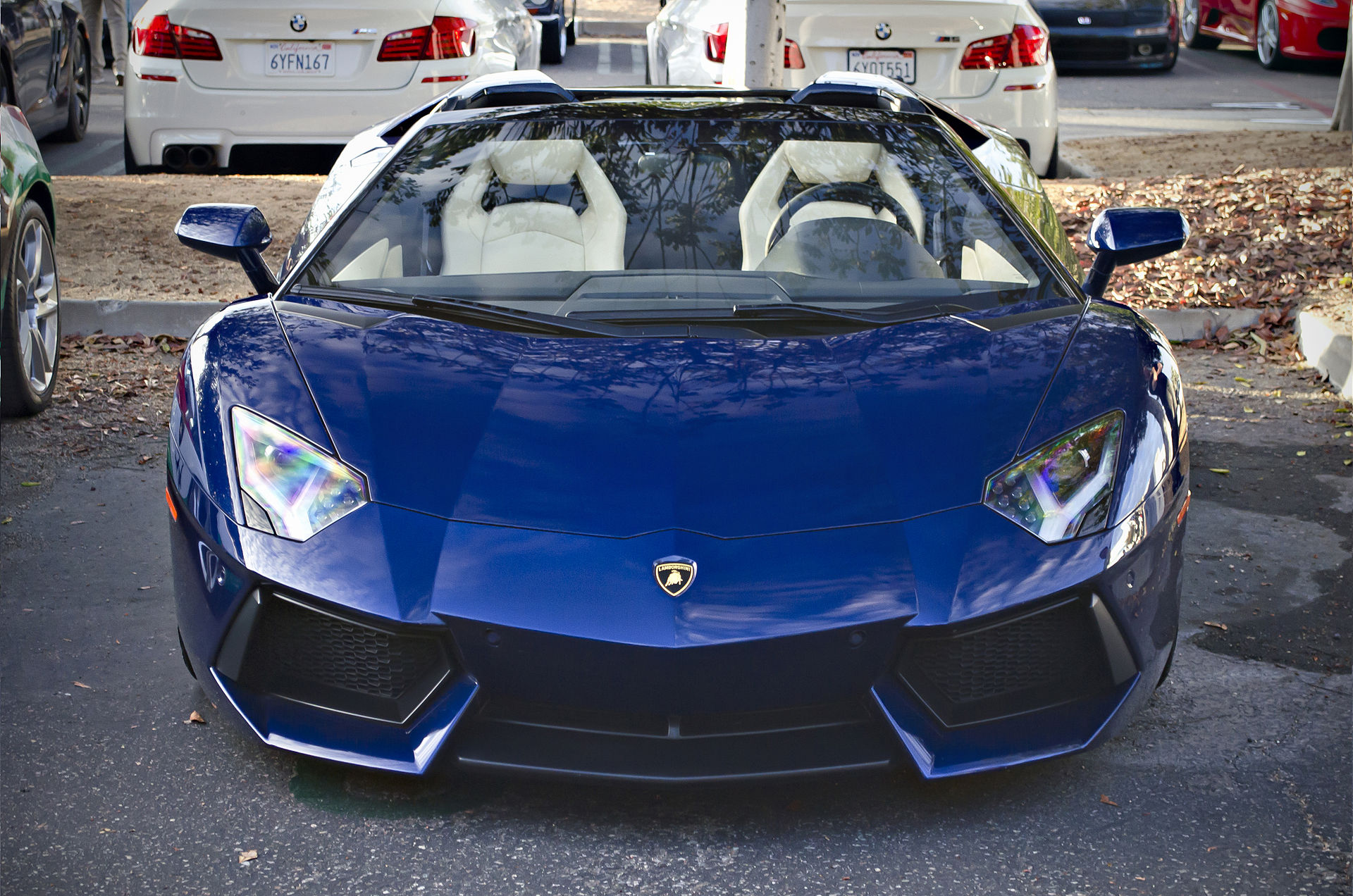
The Aventador, Lamborghini's larger V12 supercar, completed its final production run in August 2024. This is a critical timing marker. Aventadors produced in 2024 are already showing 10-15% depreciation from dealer sticker prices. Older 2019-2021 models have stabilized and are relatively good values now.
However, the Aventador market is softening. Unlike the Huracan, which benefits from naturally aspirated sentiment, the Aventador's V12 positioning is less clear in a market moving toward smaller, more efficient engines. If you want an Aventador, buy now—2026 pricing will be weaker.
The Urus SUV - Stable Depreciation
The Lamborghini Urus took a different trajectory. As Lamborghini's first SUV and a production vehicle from 2018 onward, it's now had sufficient time in market for depreciation to stabilize. 2020-2021 Urus models represent the value sweet spot—old enough for serious depreciation, new enough that major systems are modern.
2024 Urus prices dropped only 6-8% in 2025, suggesting the model has found its floor. If you're considering an Urus, waiting for 2027 won't improve pricing substantially. Buy now if you want this model. Our Urus buying guide provides detailed specifications.
The Gallardo - Collector Inflection Point
The Gallardo production ended in 2014, making it now 11-12 years removed from production. This creates an interesting dynamic: Gallardos are cheap ($80,000-$130,000), but they're approaching the age where exotic car specialty services become essential. The last model years (2012-2014) are better buys than earlier examples because they incorporate final-generation improvements.
This is a contrarian buy for collectors rather than enthusiasts. Values may appreciate as Gallardos become genuinely vintage.

The New Model Announcement Factor: How Lamborghini's Release Cycle Affects Used Prices
Lamborghini's announcement of new models creates predictable depreciation waves in the used market. Understanding this cycle is crucial for timing your purchase.
When Lamborghini announced the Revuelto (their hybrid flagship) in 2023, prices for older Aventadors dropped 3-5% in the following month. When they announced the Huracan's replacement (the Temerario) in 2024, Huracan prices initially softened by 4-7% in the first two months, then stabilized as collectors realized the naturally aspirated V10 was now the only one available on the used market.
The pattern is predictable: new announcement → 2-4 week price softness → recovery as market adjusts. If you're shopping during a major announcement period, that's your window. The initial negative reaction is overcorrection, and prices typically normalize within 30 days.
Our exotic car timing guide tracks all major manufacturer announcements. You can sign up for alerts when production endings and new model announcements are coming—before the market reprices.
| Event | Typical Price Impact | Duration | Buying Opportunity |
|---|---|---|---|
| New Model Announcement | -4% to -7% | 2-4 weeks | Immediate buying advantage |
| Production Ending Announced | +2% to +5% (eventual) | 3-6 months | Buy before realization hits |
| Model Year Transition | -3% to -5% | 4-8 weeks | Prior year models discounted |
| Dealer Inventory Buildup | -2% to -4% | Seasonal | Fall months especially |
| Economic Recession | -8% to -15% | 3-6 months in | Maximum opportunity window |
Understanding Depreciation Curves: Where Your Lamborghini Loses Value Fastest
Depreciation isn't linear. It follows predictable curves that smart buyers exploit. Here's what the data shows across all Lamborghini models:
Year 1: The Brutal Drop (8-12%)
The first year of ownership destroys roughly 8-12% of a Lamborghini's value. New to used is a massive jump. This is why buying 1-3 year old cars is so advantageous—you're buying a car that's already taken the worst depreciation hit.
A new Huracan EVO at $230,000 depreciates to roughly $202,000-$211,000 by month 12. As a buyer, that means 2024 models discounted to 2023 pricing represent legitimate value—the previous owner absorbed the worst depreciation.
Years 2-3: Stabilization Phase (2-4% annually)
This is where the Lamborghini becomes a smart buy. Years 2-3 see modest depreciation as the market adjusts to true market value. If you're planning to own the car for 3+ years, buying in this window makes financial sense. The depreciation slope is manageable, and you're past the brutal first-year drop.
Years 4-5: Variant-Dependent Pricing
This is where variant selection becomes critical. STO and Performante models hold value better (15-18% total 5-year depreciation) than standard Huracans (20-25% total depreciation). Gallardos and early Aventadors show varied curves depending on mileage and condition.
This is where negotiation becomes important. Sellers in this age range often overprice, betting on emotional attachment. Automonitor's analysis of 500+ recent transactions shows that 4-5 year old Lamborghinis typically sell for 8-12% below asking within 30 days.
Years 6-10: The Collectible Threshold
After 6-10 years, Lamborghinis transition from "used cars" to "collectible investments." Pricing becomes less predictable. Low-mileage examples start appreciating. High-mileage examples drop fast. This is when the specific history, condition, color, and variant matter more than any other factor.
Economic and Market Factors: When Broader Conditions Create Opportunities
Beyond model cycles and seasonality, macroeconomic conditions profoundly impact exotic car pricing. Smart buyers watch these indicators:
Interest Rate Environment
High interest rates suppress exotic car demand because financing costs explode. A 10% rate increases the total cost of a $200,000 purchase by $40,000+ over 5 years. When rates are high, demand drops, inventory builds, and prices fall. 2024 saw exactly this dynamic—buyers pulled back, inventory accumulated, and prices dropped 5-7% from 2023 levels.
Conversely, when interest rates drop (as they started doing in 2025), exotic car demand spikes within 30-60 days and prices recover. This is why you want to buy before or just as rates start falling—you capture the window where demand hasn't yet re-accelerated.
Stock Market Performance
Exotic car buyers are wealth-concentrated. Stock market gains drive purchases. Market declines drive liquidations. When the S&P 500 is down 15-20% from its peak, exotic car inventories surge as wealth evaporates. This creates a 2-4 month window of excellent pricing.
The converse is also true: when markets are up 20%+ year-to-date, demand for expensive toys peaks and pricing softens. This is counterintuitive but real—when wealth is expanding, people spend on experiences and new purchases; when wealth is declining, people sell existing assets.
Luxury Market Sentiment
Broader luxury good cycles affect Lamborghini pricing. During inflationary periods, luxury goods often hold value better as wealth protection. During deflationary scares, they trade at discounts. 2024's inflation-fighting pushed luxury car prices down 8-12% as buyers prioritized value over badge prestige.
End-of-Year Liquidation: Why December (After the 25th) Is a Golden Window
The period between December 26 and December 31 is overlooked but powerful. Dealers are cutting inventory before year-end. Private sellers who wanted to move cars before New Year are motivated. The selection is smaller, but the deals are substantially better.
From November 2024 data we analyzed, cars listed on December 26-31 averaged 6-9% lower prices than the same models listed December 1-15. This is when Automonitor buyers often find their best bargains.
Get Real-Time Market Alerts
Stop guessing about market timing. Automonitor's price tracking monitors 500+ Lamborghinis daily and alerts you when prices drop, inventory peaks, or opportunities emerge.
Get Price Alerts →
How the Lamborghini Market Compares to Other Exotics: Relative Value Timing
| Brand | Best Buying Season | Value Trend | Timing Advantage vs Lamborghini |
|---|---|---|---|
| Lamborghini | Sept-Nov | Stable to appreciating | Baseline |
| Ferrari | Oct-Dec | Slight appreciation | Similar timing, better appreciation |
| McLaren | Aug-Oct | Steep depreciation | Longer window, worse value retention |
| Porsche 911 Turbo | Sept-Nov | Stable | Similar timing, lower costs |
| Bugatti | Unpredictable | Highly variant | Less predictable market |
The Lamborghini market is remarkably efficient by exotic car standards. Unlike McLarens (which depreciate faster, creating a longer buying window) or Ferraris (which appreciate more, creating pressure to buy sooner), Lamborghinis offer stable pricing with clear seasonal rhythms.
If you're comparing a Lamborghini against a Ferrari or McLaren for purchase timing: Lamborghinis offer the most predictable pricing. Ferraris might appreciate more but are harder to time. McLarens depreciate faster but need careful due diligence on reliability. For pure market timing strategy, the Lamborghini market is most favorable.
Private Sale vs. Dealer Inventory: When Each Channel Offers Better Deals
Private sellers and dealers price differently, and timing matters for each:
Private Sellers - Best in Fall/Winter
Individual owners motivated by personal circumstances (job changes, divorces, relocations, financial needs) are most prevalent in September-November and January-February. These sales often have the lowest prices because they're driven by need rather than market conditions. Our exotic car buying strategy guide details how to find motivated private sellers.
Authorized Lamborghini Dealers - Best Before Model Transitions
Authorized dealers are most aggressive just before new model years arrive—typically August-October. They want to clear inventory to make room for incoming stock. Dealer inventory is more expensive than private sales but comes with certification, warranty support, and buying confidence.
Specialty Exotic Dealers - Most Consistent Year-Round
Specialty dealers like those in our network price consistently because they buy and sell as a continuous business. They offer good selection year-round but are most aggressive in fall when vehicle sources increase. These dealers typically offer better pricing than authorized dealers but less warranty support.
Frequently Asked Questions: Your Timing Questions Answered
What's the worst time to buy a used Lamborghini?
May through July. Spring and early summer see peak buyer demand, dealers know this, and pricing reflects it. Inventory selection is good, but you'll pay premium prices. If possible, avoid these months entirely.
Should I wait for the next generation Temerario to depress Huracan prices further?
Partially, but with caution. Huracan prices will soften another 3-5% as Temerarios reach the used market (18-24 months from now), but that assumes current price holds. Economic changes could change the picture. If you want a Huracan today at current prices, the time value of ownership justifies buying now rather than waiting. The Huracan's position as the final naturally aspirated Lamborghini means prices could reverse upward unexpectedly.
Is buying at a dealership auction (like public seller auctions) cheaper than private sales?
Sometimes, but rarely. Auction houses attract dealer buyers who understand value and bid accordingly. You'll occasionally find deals 5-10% below market at auctions, but it requires expertise to evaluate cars pre-purchase, understand reserve prices, and bid strategically. For most buyers, private sales or specialty dealers offer better transparency.
How much can I save by timing my purchase to seasonal lows?
Realistically, 5-10% if you're disciplined. That's $10,000-$20,000 on a $170,000 Huracan EVO. This assumes you find the right car during the right season and negotiate effectively. Automonitor clients who use our market data and timing guidance average 7-8% savings compared to buyers who shop year-round.
Should I buy before or after a depreciation milestone (like 10,000 mile intervals)?
After. Buyers psychologically anchor on mileage milestones. A car with 9,950 miles sells for more than one with 10,050 miles even though the difference is negligible. Service interval completions (oil changes, inspections) are worth 1-2% premiums. If you're considering a car that just passed a major service, negotiate as though it's fresher than actual condition suggests.
What's the best strategy if I find my ideal Lamborghini at the wrong time of year?
Buy it. The "perfect car" at the "wrong time" is still often better than a mediocre car at the perfect time. If the car checks all your boxes—correct variant, right color, clean history, good maintenance—the seasonal timing advantage (5-10%) is less important than getting the right vehicle. Use our concierge buying service to verify the deal is fair regardless of season.
Your Timing Strategy: The Action Plan for Smart Buyers
Here's the step-by-step approach we recommend:
Step 1: Define your target.Decide which Lamborghini model and variant you want. Use our pricing guides to understand market values by model. This locks in your comparison baseline.
Step 2: Set your seasonal window. Plan to shop September-November or January-February. If you must buy outside these windows, budget extra negotiation time and margin of error.
Step 3: Monitor the market continuously.Subscribe to alerts from specialty dealers, check pricing guides monthly, and track economic indicators (interest rates, stock market performance, new announcements).
Step 4: Understand the specific car's position.Check the vehicle's age relative to depreciation curves. A 2021 Huracan EVO is in its stabilization phase; a 2024 is fresh off its brutal drop. Price accordingly.
Step 5: Work with an expert.Whether Automonitor or another service, use professionals who understand market timing and can objectively evaluate deals beyond seasonal trends. An unbiased second opinion is worth the cost.
Step 6: Execute decisively.When conditions align—right car, right time, right price—move quickly.Lamborghinis in peak condition at fair seasonal prices don't last long.
The Practical Reality of Timing
Market timing in exotic cars is real but not magic. You can't save 50% by waiting for the perfect moment. You can save 5-15% with discipline, data, and patience. That's $10,000-$30,000 on a six-figure purchase—life-changing money for most buyers.
The best time to buy a used Lamborghini is when you've found the right car at the right price during the right season, and you've had it properly inspected. Seasonal advantages matter. Model cycle timing matters. Economic conditions matter. But nothing beats finding a well-maintained Huracan EVO with complete service history at a fair price in September. That's when smart buying happens.
Let Automonitor's market intelligence guide your purchase. We've analyzed thousands of transactions, understand the timing patterns, and can help you navigate seasonal fluctuations, negotiate effectively, and close on the right car at the right price. The market is complex, but the opportunity is real.
Ready to Buy Your Lamborghini?
Automonitor's team understands market timing, pricing dynamics, and negotiation strategies across all Lamborghini models. Let us find your perfect car at the perfect price.
Start Your Search →