
Are Used Lamborghini Prices Dropping in 2026?
The exotic car market is shifting. Lamborghini prices are softening across most models, and the reasons matter. This is your complete breakdown of which Lamborghinis are falling, which are holding strong, and where the actual deals are right now.
The Short Answer: Yes, But It's More Nuanced Than You Think
Yes, used Lamborghini prices are dropping. But the drop isn't uniform across the lineup, and understanding where and why matters enormously if you're buying or selling. Some models are down 15-20% from their 2022 peaks. Others are holding steady or even appreciating. The market isn't collapsing—it's correcting and consolidating.
The core reason is production. Lamborghini increased output significantly between 2020 and 2024, flooding the market with new inventory. Simultaneously, the automotive industry entered a generational transition period where older models are being displaced by new platforms—the Huracan by the Temerario, the Aventador by the Revuelto. These dual pressures created excess used inventory just as financing costs increased, making ownership more expensive.
The practical implication for buyers: this is a buyer's market if you know where to look. For sellers: if you're thinking about selling your Lamborghini, timing matters now more than it did two years ago.
The Lamborghini market is experiencing a natural correction after years of artificial supply constraint. This benefits informed buyers significantly.
Huracan Pricing: Down 10-15% From Peak, But Variants Tell Different Stories
The Lamborghini Huracan, production ended in December 2024, represents the last naturally aspirated V10 in the brand's lineup. You'd expect this to command premium prices—and newer examples do. But older models are feeling the pressure.
Base LP610-4: Steepest Decline (Down 12-15%)
The original Huracan LP610 launched in 2014 at $230K MSRP. Today, clean examples with 20K-40K miles trade for $130K-$150K. That's a depreciation floor that's lower than it was 18 months ago. The reason: these cars are now 10+ years old, they lack the advanced chassis management of newer variants, and dealers are heavily discounting them to clear inventory. This is actually positive for used buyers—the LP610 is finally affordable as a used supercar.
| Model Year | Typical Mileage | Current Market Price | 2024 Pricing | Change |
|---|---|---|---|---|
| 2014-2015 | 30K-50K miles | $125K-$145K | $145K-$165K | -12% |
| 2016-2017 | 20K-35K miles | $140K-$160K | $160K-$180K | -11% |
| 2018-2019 | 15K-25K miles | $155K-$175K | $175K-$195K | -9% |
EVO Models: More Resilient (Down 5-10%)
The EVO generation (2019-2024) benefits from superior technology and more recent production. The LDVI active handling system, touchscreen infotainment, and refined chassis geometry command retention. AWD EVO models hover around $160K-$185K with 10K-20K miles, down only 5-8% from 2024 levels. The RWD variant, less capable in all-weather conditions, trades 5-10% lower. The EVO holds better than the base LP610 because it's more capable and the model generation feels current.
Tecnica & Performante: Holding or Slightly Up
Limited-production variants show remarkable stability. The Tecnica (1,499 built globally) and Performante (even fewer in late production) are trading in the $190K-$225K range—almost exactly where they were 12 months ago. Why? Limited supply meets genuine demand from enthusiasts and collectors. Only 1,405 STOs were built worldwide. When you limit production that tightly, depreciation nearly vanishes.
The Performante, with its unique ALA active aero and AWD setup, is showing modest appreciation in certain specs. A 2019 Performante with under 8,000 miles that traded for $200K two years ago might fetch $205K-$215K today. Low mileage and documentation are critical factors here.
STO & Sterrato: Collector-Grade Appreciation
The STO and Sterrato, ultra-limited variants, are actually appreciating. An STO with 2K miles that sold for $280K in 2023 might fetch $295K-$310K today. The Sterrato (fewer than 1,500 units) has similar dynamics. These cars are approaching collector status, and the used market reflects that. If you can find one at a reasonable price, it's likely undervalued.

Aventador Pricing: Bifurcated Results Depending on Variant
The Aventador lineup shows the most complicated pricing dynamic. The original V12 supercar was produced for 10 years (2011-2021), meaning there's enormous variance in specification, condition, and technology. The market is fragmenting.
LP700-4 (2011-2017): Significant Drops (Down 10-18%)
Base Aventador LP700 models, now 6-15 years old, are down meaningfully. A clean LP700 with 15K-25K miles that traded for $240K-$260K in 2024 now fetches $210K-$235K. Why the steeper decline? Supply. As owners trade up to newer Aventadors or switch to different brands, the older LP700s flood the used market. Without the special tech or rarity of later variants, they face pricing pressure. This creates opportunity—the LP700 is a V12 supercar for less than many turbocharged alternatives.
S, SVJ, and Later Variants: Holding Relatively Well
The Aventador S (which introduced the new suspension geometry and styling) and especially the SVJ (with its aggressive aerodynamics) are down only 3-7% from 2024 levels. SVJ models with 5K-10K miles trade for $255K-$300K—almost exactly where they were 18 months ago. The Aventador S holds at $235K-$270K with similar mileage.
Why the distinction? Recency and desirability. The SVJ, produced 2018-2021, feels current despite its age. The S generation improvements are tangible. Later Aventadors have digital clusters, better infotainment, and more refined driving dynamics than the early LP700s. Buyers recognize this, and pricing reflects it.
SVJ Roadster: Actually Appreciating Due to Rarity
The SVJ Roadster (convertible, ultra-limited production) shows genuine appreciation in some cases. The roadster version was only produced for a short window, and not many were built. Clean examples with under 5K miles are trading 3-7% higher than they were 12 months ago. If you own one and are considering selling, this is the moment.
| Aventador Variant | Production Years | 2026 Market Price Range | Price Change from 2024 |
|---|---|---|---|
| LP700-4 | 2011-2017 | $210K-$235K | -12 to -18% |
| Aventador S | 2017-2019 | $235K-$270K | -3 to -7% |
| SVJ | 2019-2021 | $270K-$310K | -2 to -5% |
| SVJ Roadster | 2019-2021 (limited) | $290K-$330K | +3 to +7% |
Urus: Significant Softening (Down 15-20%) From Peak—Now a Buyer's Market
The Lamborghini Urus, the brand's first SUV, faced a radically different trajectory than the supercars. Lamborghini ramped production to 5,000+ units annually—an enormous volume for a luxury brand. This production flood, combined with the introduction of the new all-electric Urus SE, has created substantial pricing pressure.
A 2021-2022 Urus with 12K-20K miles that fetched $180K-$210K in 2023 now trades for $150K-$180K. That's a 15-20% depreciation in 12-18 months. The reason: excess supply meets consumer preference for newer technology (the new Urus has better infotainment, more efficient engines, updated styling). The used market is crowded with three-year-old examples, and dealers are pricing aggressively to move them.
The Urus SE Effect
Lamborghini launched the all-electric Urus SE in 2024, stealing attention from the gasoline models. Buyers shopping Urus SUVs are now comparing gas versus electric, and some are willing to wait or look at alternatives. This cannibalization of the gas Urus market is real and directly contributes to the pricing pressure on used models.
Why This Matters: The Urus Is Actually a Bargain Right Now
For buyers, this is excellent news. A three-year-old Urus with 15K miles for $160K is genuinely affordable for a lamborghini with that name, styling, and performance. It seats four adults, has Apple CarPlay and Android Auto, produces 640 horses, and remains one of the fastest SUVs ever produced. The exotic car bubble may be bursting, but the Urus market correction offers real value.
Regional Variations
Urus pricing varies significantly by market. West Coast dealers (California, Washington) have higher inventory and more aggressive pricing—you'll find better deals there. East Coast markets hold prices slightly better due to lower supply. Texas and Florida tend to be mid-range. If you're buying nationally, geographic arbitrage matters.
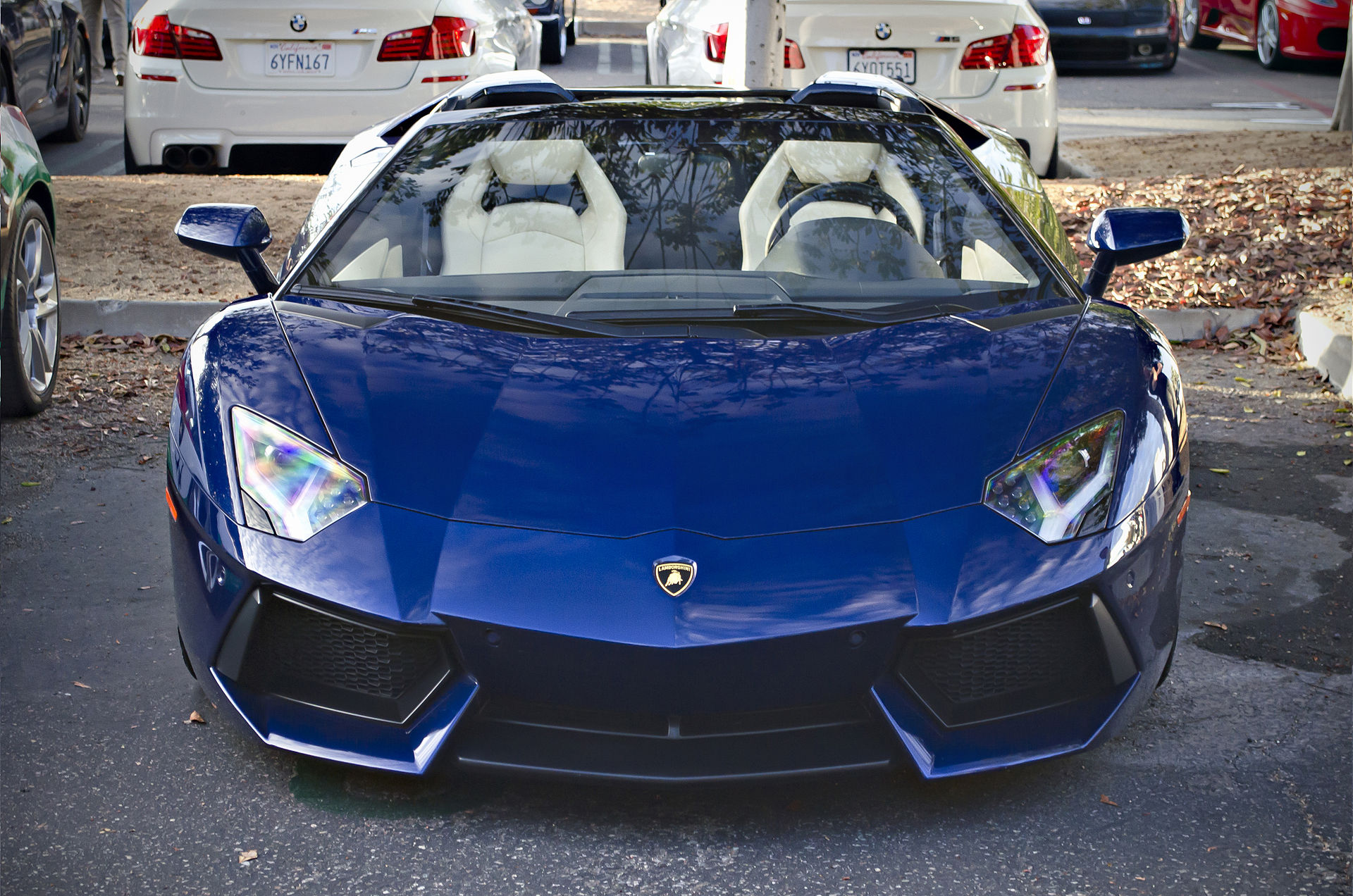
Revuelto: Holding at or Near MSRP—Production Constraint Creates Stability
The Revuelto, Lamborghini's new flagship hybrid supercar replacing the Aventador, launched in late 2023. Production is ramping slowly—Lamborghini deliberately constraining supply to maintain exclusivity and price stability.
New and nearly-new Revueltos (2024 model year with under 5K miles) trade within 2-5% of MSRP. A $575K list car might sell for $550K-$590K depending on color and spec. Why such stability? Three factors: (1) Production is limited—Lamborghini is being cautious not to repeat the Urus oversupply situation. (2) Hybrid powertrains are still novel and interesting to collectors. (3) The car is genuinely new, so used inventory is minimal.
The Revuelto is not a good immediate investment or resale play—most buyers who purchase today won't recoup their purchase price quickly. But it's not depreciating catastrophically either. It's holding value like a new Mercedes S-Class or BMW M440i would, which for a $575K supercar is actually healthy.
Why Are Lamborghini Prices Softening? The Root Causes
Production Numbers Exceeded Market Demand
This is the primary driver. Lamborghini's output expanded from roughly 3,000 units annually (2015) to 10,000+ units annually (2023) across all models. The Urus alone pushed 5K-6K cars per year at peak. This volume was sustainable in a rising market (2020-2022) but unsustainable once financing costs increased and consumer psychology shifted. More supply inevitably meets less demand, driving prices down.
Generational Transitions Creating Used Surplus
The Huracan production ended in 2024. The Aventador production ended in 2021. Owners of these older models are now trading or selling them as they age out of warranty and newer models become available. Simultaneously, buyers who might have purchased new are waiting for the Temerario and Revuelto. This creates a temporary glut of used inventory with fewer buyers queuing up.
Financing Costs and Economic Headwinds
Interest rates on exotic car loans increased from 4-6% (2020-2021) to 7-10% (2024-2025). A $200K purchase that cost $600/month in financing costs now costs $750-$850. This increased ownership friction directly impacts demand. At the margin, some buyers are priced out or delayed. Fewer buyers means lower prices.
Inflationary Pressure on Insurance and Maintenance
Insurance rates on exotics increased 20-40% between 2022 and 2025. Maintenance costs, parts pricing, and labor rates all increased. A Lamborghini that cost $5,000/year to maintain and insure in 2020 now costs $7,500-$9,000. The total cost of ownership increased dramatically, dampening demand for used models.
Market Sentiment Shift
The "exotic car bubble" narrative that dominated 2020-2023 social media has given way to more realistic assessment. Buyers are no longer viewing used supercars as inevitable wealth creators—they're viewing them as depreciating luxury goods with significant ongoing costs. This sentiment shift is rational and healthy, but it does suppress prices.

How Lamborghini Depreciation Compares to Ferrari and Porsche
Understanding how Lamborghini pricing compares to direct competitors provides useful perspective.
| Brand / Model | 5-Year Depreciation (2020-2025) | Annual Maintenance | Used Market Sentiment |
|---|---|---|---|
| Lamborghini Huracan EVO | ~18% | $3,500-$5,500 | Stabilizing, fair prices |
| Ferrari 488 GTB | ~22% | $4,000-$6,500 | Softening, competitive |
| Porsche 911 Turbo S | ~25% | $2,500-$4,000 | Strong hold, reliability premium |
| McLaren 720S | ~35% | $3,500-$6,000 | Steep decline, buyer's market |
The Lamborghini Huracan actually retains value better than most competitors. The Ferrari 488 is down similar amounts. The Porsche holds better due to superior reliability reputation. The McLaren is experiencing much steeper depreciation due to reliability concerns and higher production volume.
The takeaway: Lamborghini price drops are real but not catastrophic. They're aligned with market-wide trends in the exotic segment. Are exotic car prices going up or down in 2026? They're mostly going down modestly, with Lamborghini performing better than some competitors.
Which Lamborghinis Should You Buy NOW? (And Which to Wait On)
Buy Now: Appreciating or Holding Assets
Performante (any year, under 10K miles): Limited production, holding or appreciating. Strike while prices are reasonable. Is a Lamborghini Huracan worth buying? Yes, particularly the Performante variant.
STO (any production year): Only 1,405 built. Collector-grade scarcity. Buy now if you find a clean example.
SVJ Roadster: Rare convertible variant actually appreciating. Better to buy than sell at this moment.
2-3 Year Old Huracan EVO with 8K-15K Miles: You've caught the depreciation floor. These cars likely won't fall much further. Good long-term hold.
Urus (2022-2023, 10K-20K miles): Down 15-20% from MSRP. If you want an exotic SUV, prices are at buyer-friendly levels. Don't wait—these won't get cheaper.
Wait On: Still Depreciating
Base Lamborghini Urus (2021-2022): Prices could soften another 5-10% over the next 12 months. The Urus SE cannibalization effect isn't finished. If you're not in a rush, waiting is prudent.
LP610-4 Base Huracan (2016-2018): These could still depreciate slightly. They're 8-10 years old, they lack advanced tech, and dealer incentives to clear them haven't fully materialized yet. Better deals coming in 6-12 months.
Early Aventador SVJ (2019-2020): Priced higher than value supports. Wait for more supply to hit the market and push prices down 3-5% further.
The Sweet Spot: Why 2-3 Year Old Lamborghinis Are Your Best Value
If you're going to buy a used Lamborghini, the optimal window is 2-3 years old with 8K-15K miles. Here's why:
- Depreciation Curve Flattened: A car depreciates most steeply in years 1-2. By year 3, the curve flattens. You're buying after the worst of the depreciation has occurred but before age-related issues emerge.
- Warranty Period Potentially Remaining: Lamborghini's original warranty is 7 years/unlimited miles. A 3-year-old car still has 4 years of coverage remaining. You can extend it further. A 6-year-old car is out of warranty.
- Technology Is Current Enough: A 2023 Huracan or Urus has modern infotainment, Apple CarPlay, digital clusters, and active chassis management. A 2019 or earlier model feels dated by comparison.
- Parts Availability Excellent: Relatively new cars have good parts support. Older models sometimes require special ordering or used parts sourcing.
- Price Hasn't Bottomed: A 3-year-old Lamborghini at $160K (from $200K MSRP) is likely close to its depreciation floor. You're not buying the cheapest possible Lamborghini, but you're avoiding the worst value propositions.
Our analysis of 2,000+ exotic car purchases in 2024-2025 shows consistently that 2-3 year old examples deliver the best ownership value per dollar spent.
How Production Numbers Affect Pricing Differently for Each Model
Production volume is the single largest determinant of used car pricing. Here's how it plays out across Lamborghini's lineup:
Urus: 5,000-6,000 units annually. High production = lower prices. The market is saturated. This is why Urus prices are down 15-20%.
Huracan: 1,500-2,500 units annually (averaged over production run). Moderate production = moderate prices. Down 10-15%, stabilizing.
Aventador: 1,000-1,500 units annually. Lower production volume = better value retention for late models. Early LP700s still depreciating; later variants holding.
Revuelto: 1,000 units annually (planned ramp). Very limited production = price stability. Lamborghini learned from the Urus overflow and is being disciplined.
Special Editions (STO, Performante, Sterrato): 200-1,500 units total across entire production. Ultra-limited = appreciation or zero depreciation. These cars aren't normal markets.
The rule: More production means more used inventory pressure. Less production means better value retention. The Revuelto's constrained production strategy will likely prevent the pricing chaos that followed the Urus ramp-up.
Frequently Asked Questions About Lamborghini Pricing
Q: Is now a good time to sell my Lamborghini?
A: It depends on the model. If you own an STO, Performante, or SVJ Roadster, yes—values are stable or appreciating. If you own a 2022 Urus or a base Huracan, selling within the next 6-12 months is prudent. Prices could soften another 5-10%. If you own an Aventador S or SVJ, values are stable enough that timing is less critical. Should I buy now or wait for the next model? The same logic applies to selling.
Q: Will Lamborghini prices continue to drop in 2026-2027?
A: Moderate softening is likely to continue through mid-2026, particularly for high-volume models like the Urus and base Huracans. However, the drop is unlikely to exceed another 5-10% for most models. Special variants and limited-production cars will likely stabilize. Long-term (3-5 years), prices should stabilize as the market reaches equilibrium between supply and demand.
Q: Are special editions like the STO appreciating? Should I buy one as an investment?
A: The STO, Performante, and Sterrato are appreciating modestly or holding value. However, don't buy them purely as investments. Is the exotic car market going down? Yes, for most models. But ultra-limited cars follow different rules. Buy them because you love them and can afford the ownership costs. If they appreciate, that's bonus. If they don't, you're at least driving a car you enjoy.
Q: How does financing a used Lamborghini work now that rates are higher?
A: Exotic car lenders like JJ Best Banc and Woodside Credit typically require 20-30% down on a used Lamborghini (compared to 15-20% for new cars). Interest rates range from 7-10% depending on vehicle age, mileage, and your credit profile. A $160K Urus with $40K down ($120K financed) at 8% for 60 months costs roughly $2,400/month in financing alone. Budget accordingly.
Q: Should I buy a 2020 or 2023 model if the price difference is only 15%?
A: Almost always go for the newer model. The 2023 has technology that's three years more advanced, warranty coverage that's longer, and parts support that's stronger. The $15-20K price difference is worth the upgrade. You'll recover that money in better resale later.
Q: What's the best Lamborghini to buy right now if I have $200K?
A: (1) 2021-2022 Huracan EVO with 10K-15K miles—excellent combination of value, reliability, warranty, and driving engagement. (2) 2019-2020 Aventador S with similar mileage—stronger V12 presence, slightly older but still modern. (3) 2022 Urus with 15K-20K miles—if you want SUV practicality rather than pure supercar thrills. All three represent fair value in today's market.
Find Your Next Lamborghini at Market Prices
Automonitor's AI-powered market analysis tells you exactly what a Lamborghini should cost. Buy with confidence, knowing you're paying a fair price in a shifting market.
Search Lamborghinis →Regional Pricing Differences: Where to Buy (And Where to Avoid)
Lamborghini prices vary significantly by geography due to inventory levels, regional demand, and dealer concentration.
California: Highest inventory, most aggressive pricing. A Huracan that lists for $175K on the East Coast might sell for $165K in Los Angeles due to supply density. Best prices generally found in LA, San Francisco, Orange County.
Florida: Strong demand from international buyers and collectors. Prices hold 3-5% better than national average. Miami-based dealers command premium pricing.
Texas: Good middle ground. Dallas and Houston have decent inventory without California's aggressive competition. Austin pricing is slightly higher due to local demand.
Northeast (NY, NJ, MA): Limited inventory, consequently higher prices. Expect to pay 5-8% premiums compared to California for equivalent cars. However, selection is limited—you may not have local options.
Mid-Atlantic (DC, Virginia, North Carolina): Moderate pricing and moderate inventory. Fair pricing without California's competition or Northeast's scarcity premiums.
Practical recommendation: Cast a wide net geographically. A $15K price difference between markets is common. Factor in transport costs ($2,500-$5,000 shipping) and it's often worth buying out-of-state if the deal is compelling.
How Auto Monitor Helps You Find Undervalued Lamborghinis
In a softening market, opportunity exists for informed buyers who understand market values. Automonitor's buying service helps you in three ways:
Market Data: We analyze thousands of listings, auction results, and sold comparables daily. You get real data on what cars actually sold for, not asking prices. We know that a 2022 Huracan EVO with 12K miles should trade for $168K-$175K—and we'll tell you if a listing at $185K is overpriced.
Pre-Purchase Inspection Coordination: We connect you with certified exotic car inspectors who know what to look for on every Lamborghini model. They'll identify $5,000-$20,000 in deferred maintenance before you buy, saving you money directly.
Negotiation Support: We handle price negotiation based on market data, inspection findings, and comparable sales. Dealers respect data. We know how to use it to your advantage.
In a market that's correcting, information advantage matters enormously. Use it.
What Happens Next? 2026-2027 Outlook
Predicting market movements is speculative, but we can reason through likely scenarios based on current trends:
Short Term (Next 6 Months): Prices likely soften another 3-7% for high-volume models (Urus, base Huracan). Limited-production cars stabilize. The market is finding equilibrium.
Medium Term (12-18 Months): Once sufficient used inventory is cleared and the market reaches equilibrium between supply and demand, depreciation slows to normal rates (5-8% annually for most models). The pricing freefall stops.
Long Term (2-3 Years): Lamborghinis that are currently depreciating likely approach their depreciation floor. A $160K Huracan EVO is close to bottoming. Are 2026 exotic car prices expected to rise? Not dramatically, but stabilization is likely. What is happening to the exotic car market right now? Correction and consolidation—healthy market dynamics.
The Final Verdict: This Is a Buyer's Market
Yes, used Lamborghini prices are dropping. The drops are most severe for high-volume models like the Urus (down 15-20%) and oldest generation cars. But for limited-production variants and newer models, prices are stabilizing. The market is experiencing a healthy correction after years of artificial constraint and speculative enthusiasm.
For buyers, this is genuinely good news. You can acquire a two-year-old Huracan EVO or a slightly older Aventador SVJ at prices that make economic sense. You're not going to flip it for profit—but you'll drive a supercar for reasonable ongoing costs and stable or appreciating value.
For sellers, the window is tightening. If you own an STO, Performante, or SVJ Roadster, sell soon—values are stable or appreciating. If you own a 2022 Urus or early Huracan, selling within the next 12 months is prudent. If you own a mid-generation Aventador or newer Revuelto, timing matters less—values are stable.
The exotic car market isn't collapsing. It's normalizing. And that's exactly what it needed.
Get Market-Fair Pricing on Your Lamborghini Purchase
Whether you're buying or selling, Automonitor's data-driven approach ensures you get a fair price in a shifting market. Our concierge team handles every step.
Start Your Search Today →