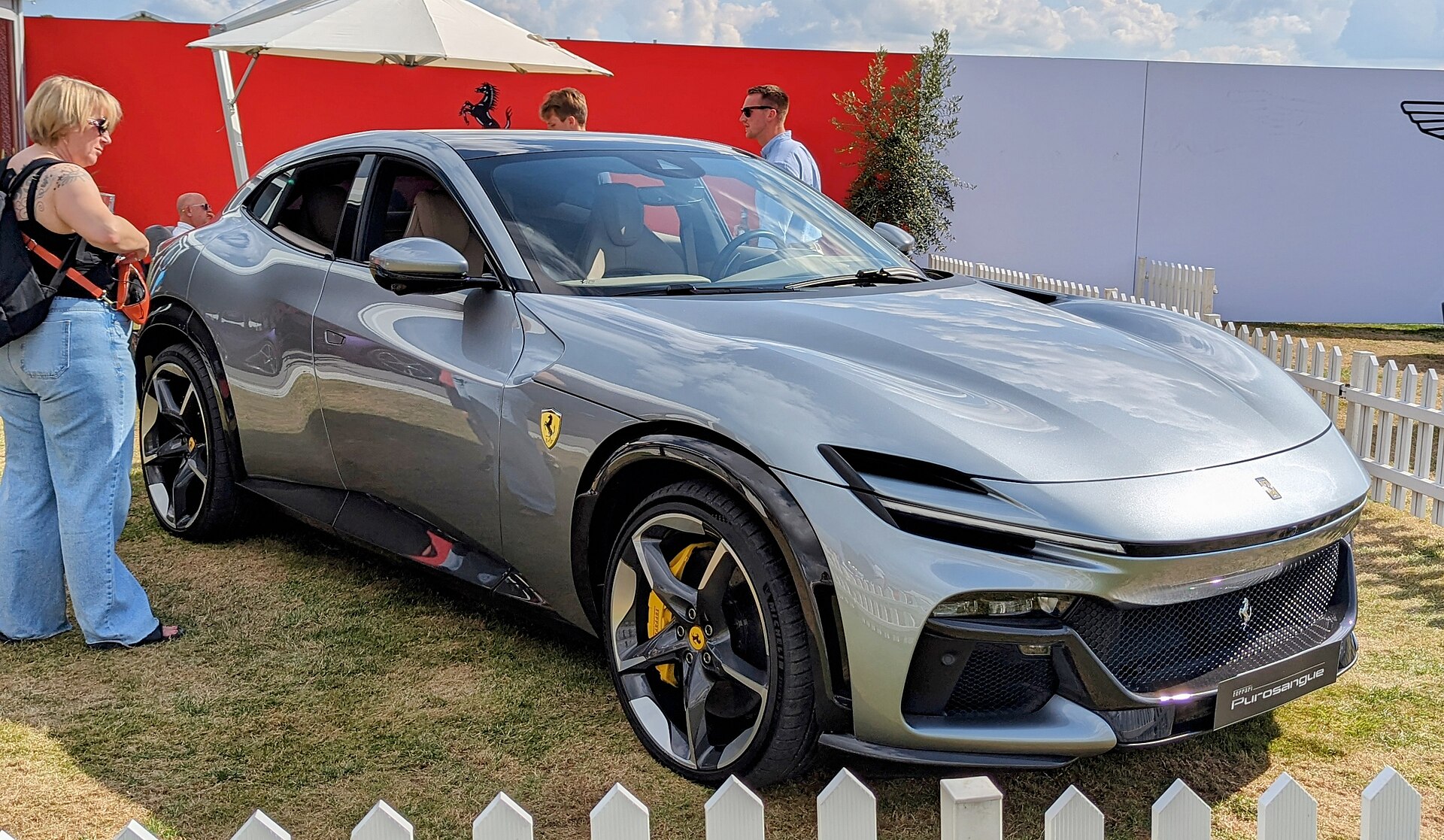
Where to Buy a Ferrari Purosangue
The Ferrari Purosangue isn't a typical exotic car purchase. It requires navigating Ferrari's allocation system, understanding dealer dynamics, and knowing where scarcity creates opportunity. This is the complete playbook for acquiring one in 2026.
Understanding Ferrari's Allocation System: The Foundation of Purosangue Availability
The Ferrari Purosangue represents a fundamental shift in Ferrari's product strategy, yet the acquisition process follows the same allocation-based system that has defined Ferrari purchasing for decades. Understanding this system is critical because allocation status determines whether you're buying directly from the factory, paying secondary market premiums, or sitting on a dealer waitlist with no guarantee.
Ferrari produces approximately 13,500 cars per year across its entire lineup. The Purosangue, as Ferrari's first SUV offering, commands roughly 30-40% of total production allocation — making it approximately 4,000-5,000 units annually. This sounds abundant until you understand that demand exceeds supply by a factor of 8-10:1. For every Purosangue Ferrari allocates, there are 8-10 qualified buyers waiting.
Here's how the allocation process actually works: Ferrari allocates vehicles to authorized dealers based on historical purchasing patterns, customer relationships, and dealer tier status. Not every Ferrari dealer receives Purosangue allocations. Only dealers meeting Ferrari's service level, sales volume, and relationship standards qualify. This is why some dealers have 2-3 year waitlists while others have none — they simply haven't been given allocations.
Allocation windows typically open twice annually — spring and fall. During these windows, Ferrari offers dealers a fixed number of vehicles to assign to specific customers. Once a customer accepts an allocation, the build-to-order process begins, with a typical timeline of 6-9 months from order to delivery. This is the official channel, and it carries no markup — you pay Ferrari's MSRP.
The Purosangue allocation system is Ferrari's way of controlling brand perception and maintaining pricing power. Scarcity isn't accidental — it's strategy. Understanding this distinction changes how you negotiate and where you source.
Working with Authorized Ferrari Dealers: Which Channel Actually Gets Allocation?
There are 61 authorized Ferrari dealers across the United States as of 2026. However, not all dealers are created equal, and their access to Purosangue allocation varies dramatically. Your dealer strategy determines your timeline and price.
Tier 1 dealers (luxury centers in Manhattan, Los Angeles, San Francisco, Miami, and Chicago) receive 2-3 allocations per cycle and have 6-12 month waitlists. Tier 2 dealers (major metropolitan centers) receive 0-2 allocations and have 12-18 month waitlists. Tier 3 dealers (secondary markets) receive allocations sporadically and may offer only used Purosanques or referrals to Tier 1 dealers.
The critical insight: a Tier 1 dealer with a 9-month waitlist is actually faster than a Tier 2 dealer with a 15-month queue, because Tier 1 dealers have more frequent allocation windows and higher volume throughput. Additionally, Tier 1 dealers have greater negotiating power with Ferrari — they can advocate for customer-specific requests like rare colors or specification options that technically violate standard build parameters.
When approaching a dealer, ask three questions: (1) How many Purosangue allocations did you receive in the last allocation cycle? (2) How many customer orders are currently in the queue ahead of a new order? (3) Can you allocate to me in the next allocation window, or am I assigned to a subsequent window? Honest dealers will answer directly. Evasive dealers are stalling because they have no allocation to offer.
A strategic approach: contact 5-7 Tier 1 dealers across different regions. Request allocation quotes with realistic timelines. Cross-reference their answers against public records (available through Ferrari dealer networks and enthusiast forums). Then make your decision based not on who offers the fastest timeline, but on who offers the fastest timeline with documented track record of on-time delivery and minimal customer complaints.
Working with a dealer is the path to build-to-order without secondary market markup. It's also the path to longer wait times. But it's often worth the wait if your timeline allows.
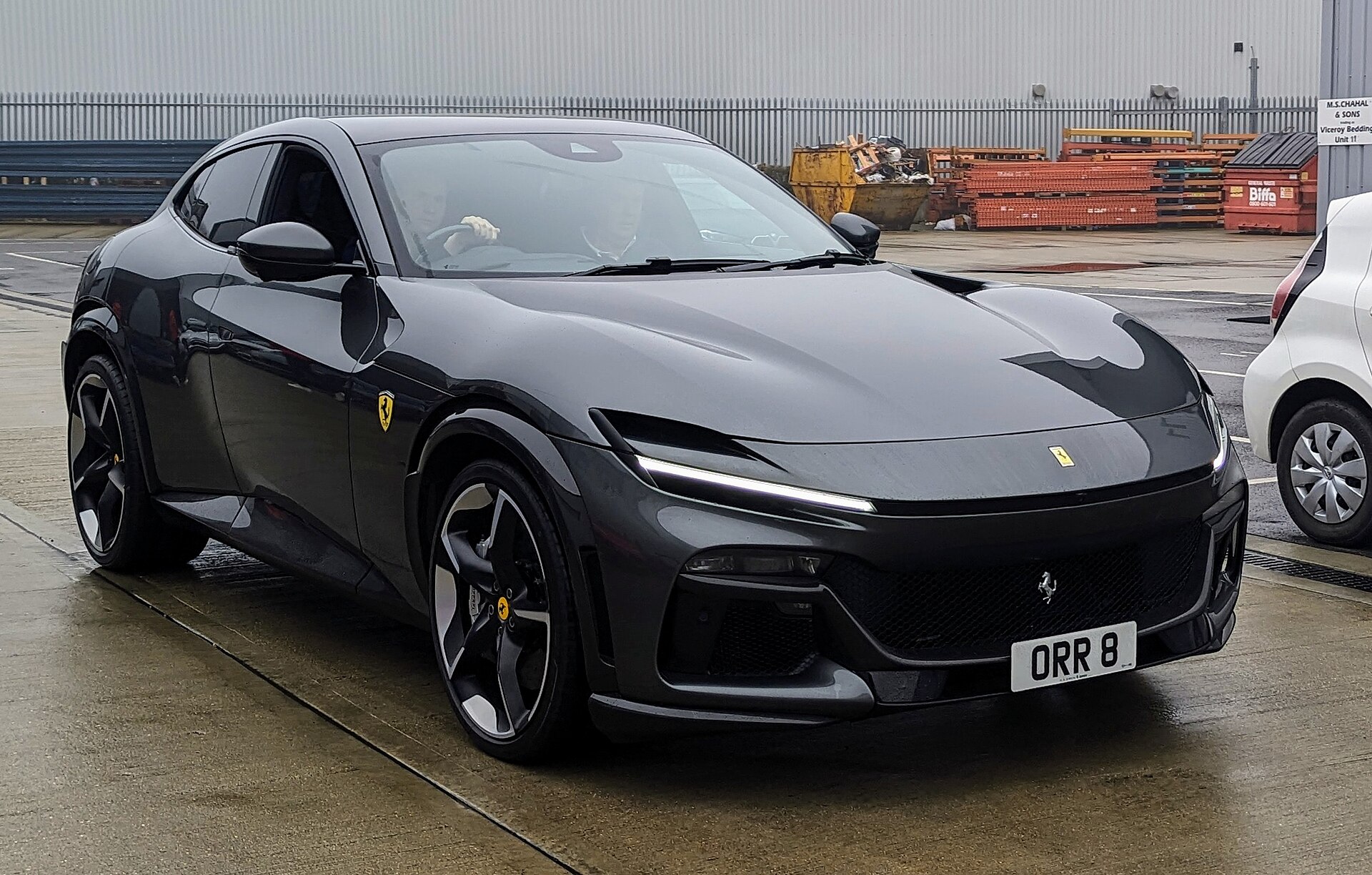
The Build-to-Order Process: Spec Strategy and Timeline
Once you've secured an allocation, the build-to-order process begins. This is where you customize your Purosangue, and where most buyers make expensive mistakes by not understanding the constraints and value implications of their choices.
The Purosangue's specification options are extensive but not unlimited. You choose: (1) exterior color from Ferrari's extensive palette or commission a custom color (cost: $0-8,000 premium); (2) interior trim level (Rosso, Nero, Cuoio standard at $0; upgraded leather and Alcantara options add $5,000-15,000); (3) wheel design from 8 available patterns (cost: $0-5,000); (4) performance package (standard suspension or racing suspension, $0-12,000); (5) technology package (base infotainment or enhanced system, $0-8,000); and (6) carbon fiber or trim package upgrades ($2,000-25,000+).
The timeline from order confirmation to vehicle arrival is typically 6-9 months. Ferrari publishes this timeline, but real-world delivery often stretches to 10-12 months depending on global supply chain conditions and your specific configuration. During this period, you'll receive factory photos at milestone stages (frame assembly, interior installation, final assembly, quality inspection). Some dealers provide more detailed updates than others.
A critical point about specification: resale value is highest for the most neutral specifications. Rosso Corsa (Ferrari red) holds value better than custom colors. Black interior holds value better than exotic custom hides. Standard suspension outperforms racing suspension in resale because most buyers prioritize comfort. This matters if you're uncertain about long-term ownership. If you plan to keep the car indefinitely, optimize for your preferences. If you think you might sell in 3-5 years, optimize for market appeal.
Read our comprehensive Purosangue ownership guide for detailed specification recommendations.
The Secondary Market: Where Premiums Live
Here's the reality: demand for Purosanques exceeds supply so dramatically that secondary market pricing (used cars, dealer inventory built without allocated customers) commands 10-25% premiums over MSRP. A brand-new 2025 Purosangue with 2,000 miles might list for $475,000-525,000 when the MSRP is $390,000. This price gap is the cost of bypassing the allocation waitlist.
Secondary market Purosanques come from two sources: (1) dealers who built cars speculatively, hoping to sell them retail above MSRP, and (2) original owners who bought with allocation, took delivery, and immediately flipped for profit (the so-called "spec warrior" phenomenon). Both sources create inventory outside the allocation system, but both demand premiums.
The secondary market makes sense only if your timeline is urgent (you need the car within 3-6 months) or if you've found a specific configuration that's unavailable through allocation. Otherwise, the 18-month patience required for allocation-based purchasing saves you $50,000-100,000+. That's a meaningful amount of money, and it's the reason we recommend allocation-based purchasing whenever feasible.
Where to find secondary market Purosanques: Bring a Trailer auctions (highest premium but most transparent bidding), Cars and Bids (lower premiums, faster sales), regional Ferrari dealers (variable premiums, potential negotiation room), and exotic car consignment networks (moderate premiums, willing to negotiate). Never buy from private sellers selling their first Purosangue unless you know why they're selling (which is often "I speculated and now I'm selling before the bubble deflates").
| Acquisition Channel | Timeline | Price vs. MSRP | Negotiation Room |
|---|---|---|---|
| Authorized Dealer (Allocation) | 9-18 months | $0 premium (MSRP) | Moderate (spec options) |
| Authorized Dealer (Inventory) | 30 days | +8-18% | Low (market priced) |
| Bring a Trailer Auction | 2 weeks | +15-25% | None (auction results) |
| Cars and Bids | 1 week | +10-20% | None (auction results) |
| Exotic Car Consignment | 1-3 months | +12-22% | High (private negotiation) |
| Private Seller | 30 days | +8-20% | High (varies by seller) |
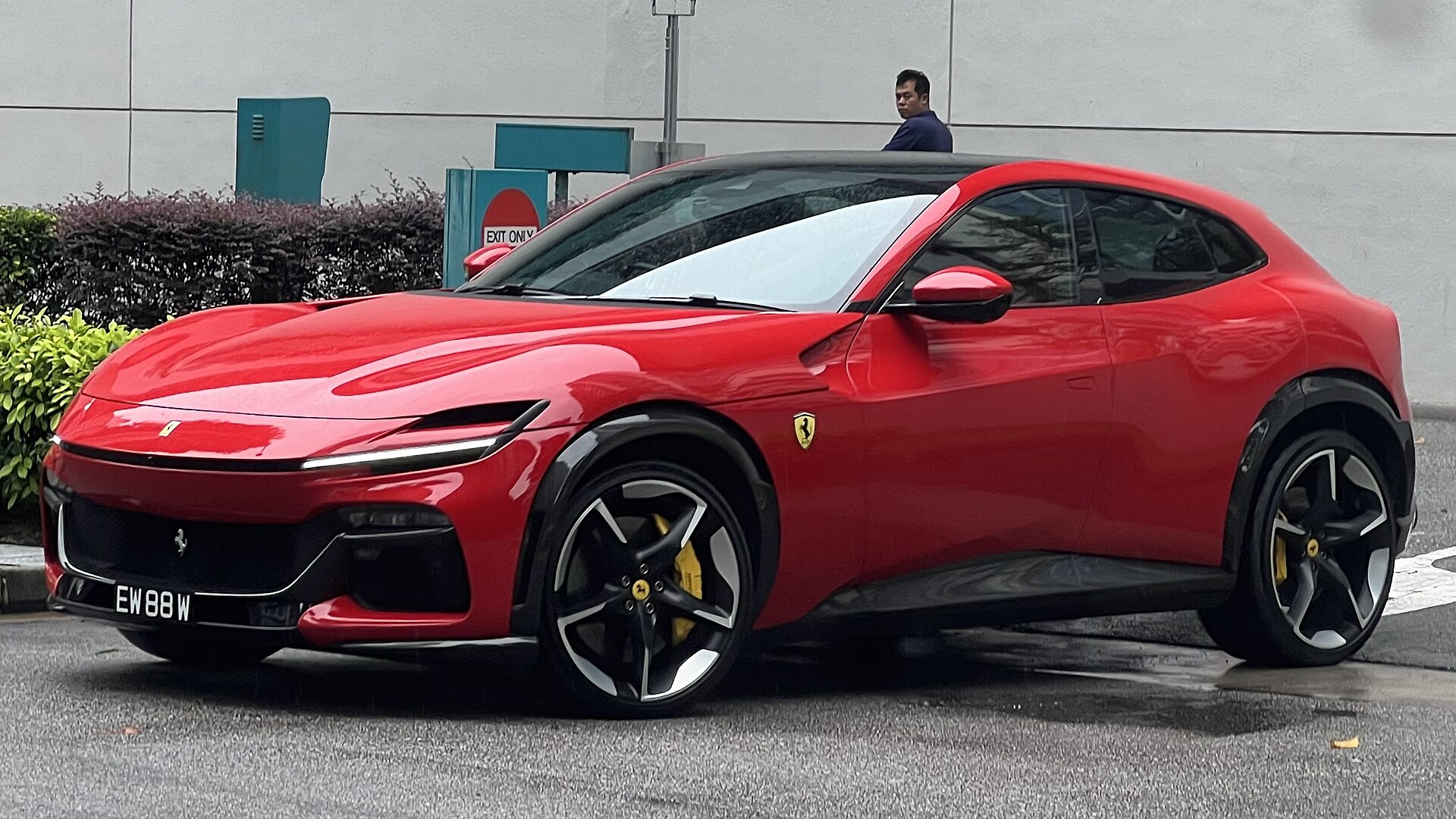
International Sourcing: Avoiding Tariffs and Maximizing Access
One unconventional strategy gaining traction among savvy buyers: purchase a Purosangue from a European Ferrari dealer, take delivery in Europe, and arrange shipping to the United States. This can occasionally result in MSRP-equivalent pricing even accounting for shipping costs, and it provides access to color/specification options that North American allocation limits.
However, this strategy requires understanding: (1) European Purosanques come with European market specifications (different emissions systems, left-hand drive configuration, EU safety equipment), which require modifications for US road legal status; (2) importing requires navigating EPA and NHTSA regulations, with typical costs of $8,000-15,000 for compliance modifications; (3) warranty implications vary by Ferrari region, and some warranties don't transfer internationally; and (4) insurance and registration require specialty underwriting.
International sourcing is practical only if you're purchasing through a specialist like an exotic car concierge service that handles import logistics. Without that infrastructure, you'll spend more time and money than the allocation-based domestic route requires.
Building Dealer Relationships: Long-term Strategies That Get Allocations
This is the uncomfortable truth: Ferrari allocation favors repeat buyers with existing dealer relationships. A first-time exotic car buyer calling a dealer and asking for a Purosangue allocation will be placed behind buyers who've already purchased Ferraris from that dealer.
If you're a new buyer to Ferrari, you have three paths: (1) demonstrate liquid wealth through pre-qualification (pre-approval letter showing $500,000+ liquid assets) combined with willingness to sign a purchase agreement sight-unseen — this can accelerate you from 18-month waitlist to 12-month; (2) purchase a less-desirable Ferrari model first (F8 Tributo or GTC4Lusso) to establish relationship, then secure Purosangue allocation for your second purchase — this takes 24-36 months total but guarantees allocation; or (3) work with a specialist buyer's agent who has established dealer relationships and can leverage their reputation to access allocation outside normal channels.
For existing Ferrari owners, the path is straightforward: communicate with your dealer that the Purosangue is your next target. Dealers routinely prioritize repeat buyers, sometimes moving them ahead of longer waitlists. If you own a Ferrari, you've already purchased the gateway to Purosangue allocation.
What doesn't work: calling multiple dealers and asking for immediate allocation, negotiating aggressively on price (Ferrari dealers simply won't negotiate on allocated vehicles), or attempting to circumvent the process through celebrity connections or wealth displays. Ferrari has managed this system for 75 years and is remarkably resistant to pressure.
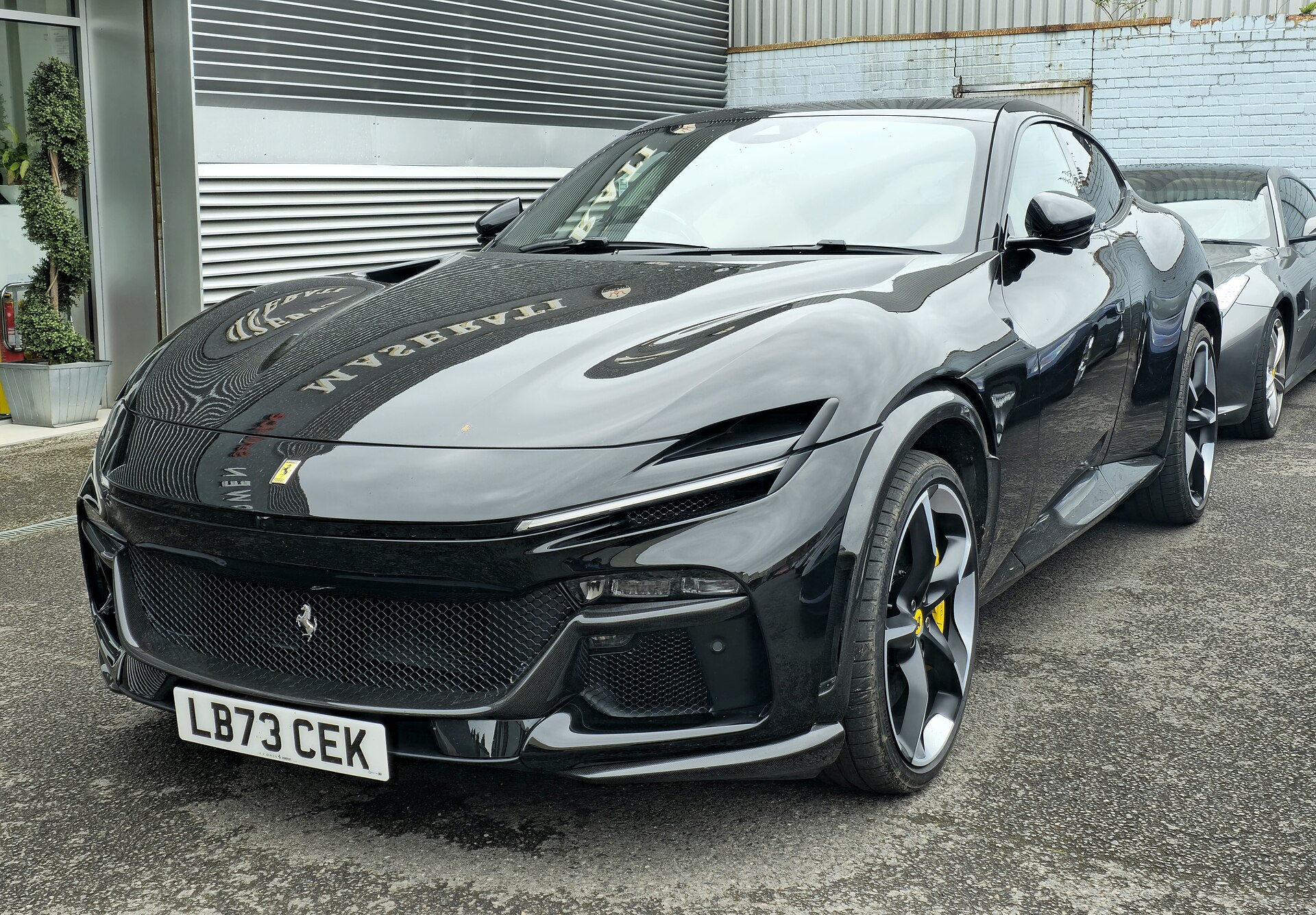
Strategies to Avoid Dealer Markups: The Art of Negotiation and Patience
Secondary market markups exist because of scarcity and impatience. Avoid them through four strategies:
Strategy 1: Secure Allocation Early. Contact authorized dealers immediately upon reading this article. Even with a 15-month waitlist, you're 15 months ahead of someone beginning the process next year. Patience is your primary asset.
Strategy 2: Monitor Allocation Windows Closely. Reach out to multiple dealers (3-4) and establish contact before each allocation window opens. Occasionally, cancellations or customer decisions create unexpected availability. If you're the first buyer contacted when allocation becomes available, you can sometimes negotiate allocation without the markup.
Strategy 3: Consider Less-Desirable Colors and Specifications. Bright yellow Purosanques or exotic interior combinations face slightly less secondary market demand, which occasionally translates into dealers offering smaller markups on dealer inventory. This is a 2-3% savings, not transformational, but worth considering if that configuration appeals to you anyway.
Strategy 4: Build Relationships with Dealership Sales Teams. Sales managers have discretion in pricing. Building genuine relationships (visiting the dealership multiple times, having substantive conversations, making it clear you're serious) occasionally results in better pricing on available inventory. This won't eliminate markups, but it might reduce them from 20% to 15% — saving $20,000-30,000.
The core principle: scarcity equals leverage for dealers. The only way to reclaim buyer leverage is patience, and the only way to monetize patience is placing your order during the allocation process rather than shopping secondary market inventory.
Secure Your Ferrari Allocation
Automonitor has relationships with every Tier 1 Ferrari dealer in North America. We handle allocation negotiations, spec strategy, and timeline coordination so you get the right Purosangue at MSRP pricing.
Connect with Dealer Network →Financing Your Purosangue: Exotic Car Lending and Payment Structures
Purosangue financing requires specialized lenders. Traditional auto financing (bank loans capped at 6-7 years) doesn't serve the 15-20 year ownership horizons that Ferrari buyers typically maintain. Exotic car lenders like JJ Best Banc, Woodside Credit, and Benson Automotive Finance structure loans differently: longer amortization (10-15 years), higher down payments (20-30%), and rates between 6-9% depending on your credit profile and vehicle age.
For buyers financing through allocation-based purchases, pre-approval before taking allocation is essential. Ferrari dealers expect financing to be arranged independently, and delays in financing often delay delivery. Having financing secured at the allocation stage removes downstream complications.
A secondary consideration: some buyers structure Purosangue purchases through leasing companies or specialty finance vehicles that allow for mid-term exit (48-month leases with buyout options). This strategy is attractive if you're uncertain about long-term Purosangue ownership or expect depreciation dynamics to shift. However, mileage restrictions (typically 1,000 miles/year) make this practical only for weekend/collection car purchases, not primary vehicles.
Working with Exotic Car Concierge Services: When to Outsource the Process
Automonitor and similar exotic car concierge services exist specifically to handle allocation negotiations, dealer relationships, build-to-order logistics, and purchase coordination. A concierge service costs $0-5,000 (sometimes rolled into the deal, sometimes paid upfront by the buyer) and typically accomplishes two things: (1) accelerates timeline by 2-3 months through established dealer relationships, and (2) ensures you're buying at the best available terms (MSRP for allocation, lowest available markup for secondary market).
When to use a concierge service: You have limited time to manage the allocation process yourself, you want expert guidance on specification choices that maximize resale value, you're uncomfortable navigating dealer relationships independently, or you need international logistics support. When to skip a concierge: You have substantial time to manage the process yourself, you have existing Ferrari dealer relationships, you've already decided on an exact specification, or your timeline is flexible enough that secondary market premiums don't concern you.
The best concierge services are transparent about their dealer relationships and their incentive structures. If they claim to have "exclusive" access to allocation, they're exaggerating. If they claim to get special discounts below MSRP on allocated vehicles, they're misleading you. Legitimate services accelerate your timeline and improve your outcomes — they don't perform miracles against Ferrari's established allocation system.
Frequently Asked Questions About Buying a Purosangue
Q: Is buying a Purosangue from an international dealer cheaper than US allocation?
A: Rarely. While European MSRPs are sometimes lower than US pricing, import costs (shipping $3,000-5,000, compliance modifications $8,000-15,000, tariffs $15,000-25,000, warranty implications, and insurance complications) typically eliminate any savings. Only pursue this route if you can't access US allocation and secondary market markups exceed 20%.
Q: Can I negotiate the MSRP on an allocated Purosangue?
A: No. Ferrari tightly controls dealer pricing on allocated vehicles. Dealers have zero flexibility. However, you can negotiate financing rates, extended warranty options, and service packages. Focus your negotiation energy there.
Q: What's the realistic timeline for getting a Purosangue in 2026?
A: If you place an order immediately at a Tier 1 dealer, delivery is likely Q4 2026 or Q1 2027 (9-15 months). If you're starting the process mid-2026, assume 2027 delivery. If you want a specific color or rare specification, add 3-6 months. If you're shopping the secondary market, 30-90 days depending on willingness to accept market pricing.
Q: Does buying a Purosangue establish any priority for future Ferrari purchases?
A: Yes. Ferrari owners receive priority allocation for subsequent models. If your Purosangue is your first Ferrari, your next purchase will be faster to allocate. This is one rationale for some buyers to purchase a secondary Ferrari model first, then upgrade to the Purosangue.
Q: What happens if my allocated Purosangue is delayed?
A: Ferrari occasionally experiences production delays. Typical delays are 2-4 months due to global supply chain issues. Ferrari notifies you directly and adjusts your delivery timeline. You have no financial leverage here — you either wait or cancel (though cancellation within 90 days of production start incurs penalties).
Q: Can I sell my Purosangue immediately after taking delivery for a profit?
A: Technically yes, but Ferrari actively discourages this through contract language and dealer relationships. Buyers who flip cars quickly can face: (1) informal blacklisting from that dealer, affecting future allocations; (2) increased scrutiny on subsequent purchase requests; and (3) potential warranty complications if Ferrari determines the purchase was speculative. If profit is your motive, the secondary market is more transparent about that transaction type.
Q: Should I buy a used Purosangue or take an allocation for a new one?
A: If your timeline allows (12-15 months), allocation for new is superior because you pay MSRP rather than 15-20% premium, customize exactly as desired, and own a brand-new vehicle with full warranty. If your timeline is shorter (6 months or less), secondary market used is your only option despite the premium.
Complete Comparison of Buying Channels: Where Each Strategy Makes Sense
The right buying channel depends on your priorities:
Authorized Dealer Allocation: Ideal if you have 12-18 months before wanting delivery, you want exact specification control, and you want MSRP pricing. This is the optimal path for 80% of buyers with realistic timelines.
Authorized Dealer Inventory: Use this if the dealer has a specific car already delivered, you love the specification, and you're willing to pay 8-18% premium for immediate delivery. Good for buyers with urgent timeline and specific color preference.
Bring a Trailer Auction: Understand that BAT auctions create price discovery events — final prices reflect what willing buyers will pay in competitive environments. Use BAT if you want maximum transparency on true market value, though premiums are highest here (15-25%).
Cars and Bids: Slightly more favorable pricing than BAT (10-20% premium) because volume is lower and less competitive bidding occurs. Use if you want auction transparency with somewhat lower premiums.
Exotic Car Consignment Networks: Negotiate directly with dealers handling the sale. Premiums are often negotiable (12-22% starting point, but sometimes reducible to 10-15%). Use if you're comfortable negotiating and have time (1-3 months) for the right car to appear.
Private Sellers: Maximum negotiation room but maximum risk. You lose dealer guarantees, auction transparency, and dealer reputation assurance. Use only if you have expertise evaluating exotic cars and trust the seller's motivations.
Your Strategic Acquisition Framework
Consolidate everything you've learned into an actionable framework:
Week 1: Contact 3-4 Tier 1 authorized Ferrari dealers. Inquire about Purosangue allocation status, timelines, and willingness to accept a new customer. Get everything in writing.
Week 2: Verify their timelines against Ferrari forums and Automonitor network data. Confirm no major red flags (poor reputation, customer complaints, financial instability).
Week 3: Secure pre-approval for exotic car financing. Have documentation of liquid wealth and creditworthiness ready.
Week 4: Make your decision: allocation-based through your selected dealer, or secondary market if timeline demands. If allocation, sign the purchase agreement and begin specification selection. If secondary market, begin monitoring Bring a Trailer, Cars and Bids, and specialty dealer networks.
Months 2-12: For allocation-based: finalize specifications, work with dealer on color/trim optimization for resale value, arrange financing, complete pre-delivery preparation. For secondary market: monitor listings, establish contact with dealers/consignment services, prepare to move quickly when the right car appears.
Delivery/Acquisition: Arrange pre-purchase inspection (even for new cars from dealers), confirm all specifications, transfer funds, handle logistics. For new deliveries, plan factory visit if feasible (many buyers fly to Maranello for delivery experiences).
Ready to Start Your Purosangue Purchase?
Automonitor's buyer network includes every major Ferrari dealer and specialist lender. We handle allocation coordination, financing, and logistics so you can focus on enjoying the process.
Begin Your Acquisition →Additional Resources for Ferrari Buyers
This guide focuses on acquisition channels. For deeper understanding of the Purosangue itself, explore our companion resources: Is a Ferrari Purosangue worth buying? provides ownership cost analysis. Our best exotic car dealership guide profiles major dealers nationally. For financing guidance, see how to buy an exotic car from a dealer. And for broader exotic car purchasing context, read our complete exotic car buying guide.
For resale-focused buyers, understand the best time to buy a used Ferrari and depreciation dynamics that affect your Purosangue value. For sellers planning future exit strategies, our Ferrari selling guide explains the market dynamics you'll face when you eventually let your Purosangue go.
The Path Forward
The Ferrari Purosangue is simultaneously easier and harder to buy than previous Ferrari models. Easier because supply (for a Purosangue) is more abundant than for limited-production F8 Tributos or 488 Pistas. Harder because demand far exceeds even this higher supply level, making patient allocation-based purchasing the only path to MSRP pricing.
Your competitive advantage comes from understanding this system better than other buyers. Most people shopping for a Purosangue don't know about allocation windows. Most don't understand dealer tiering. Most don't realize that 12 months of patience saves $50,000-100,000 versus secondary market shortcuts. This knowledge gap is your opportunity.
Whether you choose the allocation path (recommended for flexible timelines) or secondary market path (necessary for urgent timelines), Automonitor is here to coordinate the entire process. We've facilitated hundreds of exotic car acquisitions, from Ferraris to Lamborghinis to McLarens, and we'll ensure you end up in the right Purosangue at the best achievable price for your specific situation and timeline.
The Purosangue is an extraordinary vehicle. Don't let acquisition complexity prevent you from owning one. Let this guide be your roadmap, and let us handle the coordination.
Get Expert Guidance on Your Purosangue Purchase
Automonitor connects you with authorized dealers, specialist lenders, and import services. We coordinate the entire acquisition process so you get the right car at the right price.
Schedule Your Consultation →