Is a Ferrari Purosangue Worth Buying?
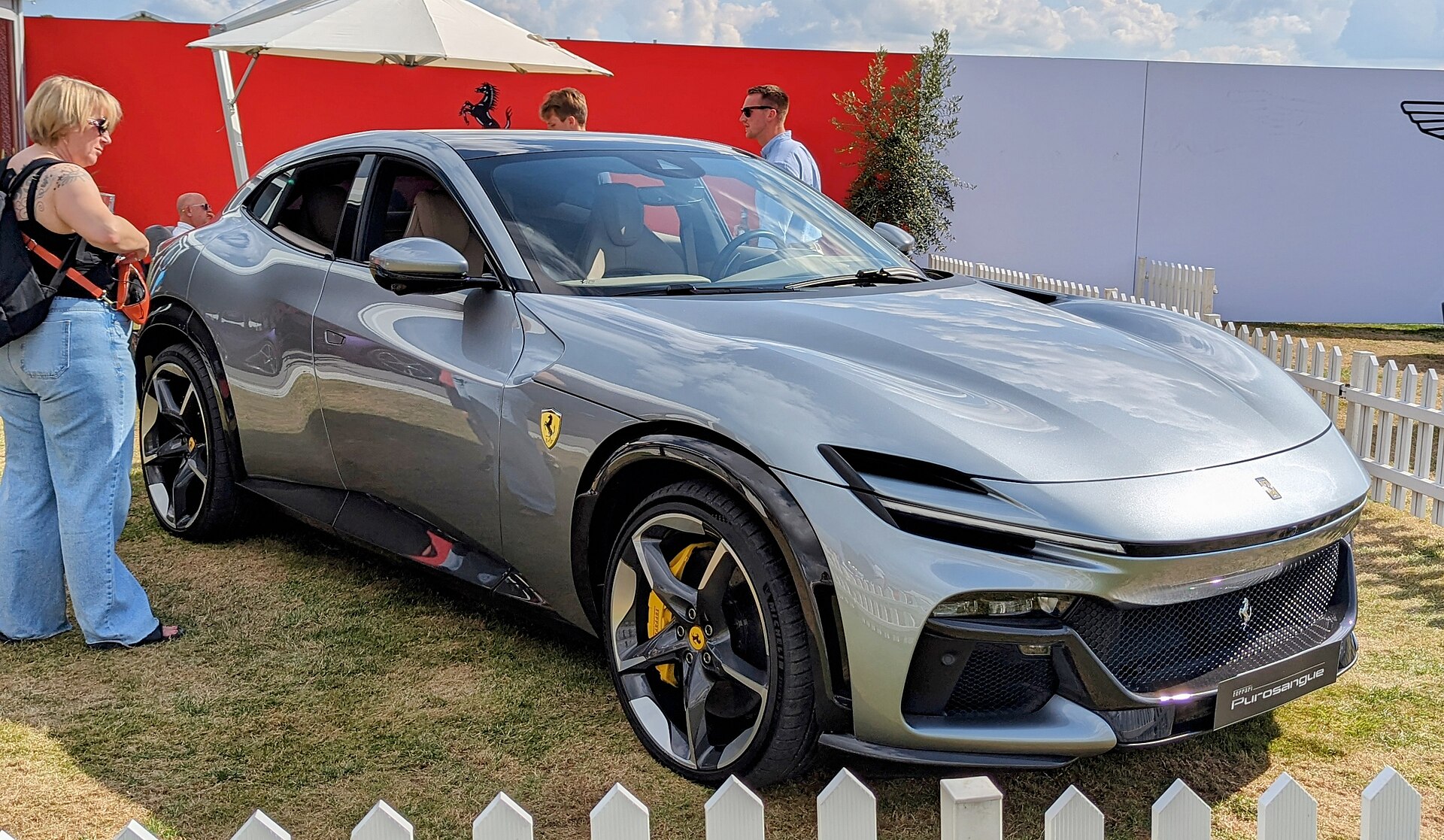
Ferrari's first four-door SUV represents a radical departure from tradition. At $400,000+, it's neither a pure performance car nor a conventional luxury SUV. We break down whether the Purosangue justifies its eye-watering price tag, natural V12 engine, and claims to practicality.
The Short Answer: Yes, But With a Caveat
The Ferrari Purosangue is worth buying — if you understand exactly what you're buying. This is not a practical family SUV that happens to wear a Prancing Horse badge. The Purosangue is a $400K+ expression of automotive excess: a naturally aspirated V12 that prioritizes emotion over efficiency, handling over cargo space, and exclusivity over usability. If that contradiction appeals to you, the Purosangue is genuinely worth the money. If you're looking for a sensible SUV that also happens to be a Ferrari, you should look elsewhere.
We've analyzed hundreds of exotic car purchases through Automonitor, and the pattern is clear: buyers who succeed with ultra-luxury purchases are the ones who know what they want before they start shopping. The Purosangue forces that clarity. You can't rationalize it as a practical daily driver. You can only justify it as one of the most distinctive, exclusive, and emotionally rewarding four-seat vehicles on the planet.
Here's what you need to know before making that decision.
What Makes the Purosangue Special: Ferrari's First Four-Door, Done Right
The Purosangue (Italian for "pure blood") represents a watershed moment for Ferrari. For 75 years, the company built two-seaters and, occasionally, 2+2s. Four-door Ferraris were unthinkable. Then in 2023, Ferrari launched the Purosangue, and the supercar industry collectively gasped.
But here's what's important: Ferrari didn't compromise. The Purosangue doesn't use a twin-turbo V8 borrowed from the Portofino. It doesn't follow the Lamborghini Urus playbook of bolting a supercar engine into an SUV platform. Instead, Ferrari engineered a completely new architecture around a 6.2-liter naturally aspirated V12 that produces 725 horsepower and 514 lb-ft of torque. This engine is unique to the Purosangue — you won't find it in any other Ferrari.
That V12 is significant for one critical reason: it's one of the last naturally aspirated V12 engines Ferrari will ever produce. The industry is shifting to twin-turbo and hybrid powertrains. Within five years, naturally aspirated engines will be automotive history. Owning a Purosangue means owning the future relic of a dying engineering philosophy. That matters for resale value, and it matters even more for the driving experience.
The performance figures are genuinely impressive for a 5,000-pound four-door: 0-60 mph in 3.3 seconds, 0-100 mph in 7.4 seconds, a top speed of 193 mph. The handling, despite 60% more mass than a 488, leverages Ferrari's F1-derived suspension technology and active aerodynamics. This is not an SUV that happens to be fast. It's a performance machine that happens to have four doors and enough space to carry passengers.
The Real Price Tag: $400K Is Just the Beginning
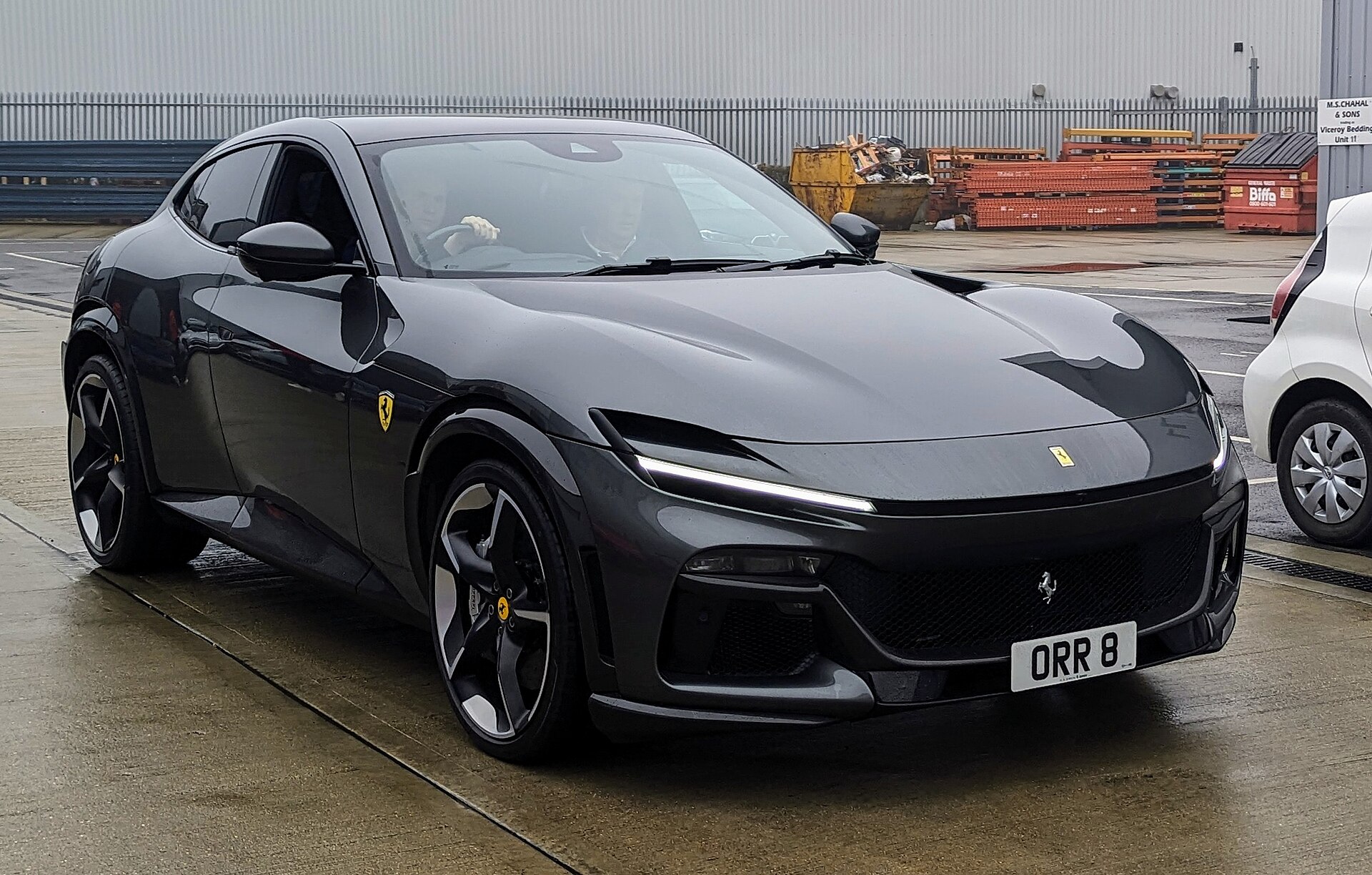
The Purosangue MSRP starts at approximately $400,000 for a base model. That's before destination charges, taxes, registration, and insurance. But there's a more important number: secondary market pricing. Because Ferrari limits production and demand far exceeds supply, early Purosanques are appreciating faster than they're depreciating.
| Year | Condition | Current Market Range | Secondary Market Premium |
|---|---|---|---|
| 2023 | Low miles (under 2K) | $450,000–$520,000 | +12–30% |
| 2023–2024 | Average miles (2K–8K) | $420,000–$485,000 | +5–20% |
| 2024 | Low miles (under 3K) | $410,000–$460,000 | +2–15% |
| 2024 | Average miles (3K–10K) | $395,000–$435,000 | -1–8% |
This is unusual for new cars — most depreciate immediately. The Purosangue, like all limited-production Ferraris, is holding or gaining value due to scarcity. If you can acquire one near MSRP, you're in an excellent position. If you're paying a 20%+ secondary market premium, you need to understand that those premiums eventually normalize.
Now let's talk running costs. The Purosangue is, per mile driven, more expensive to own than most supercars:
| Expense Category | Annual Cost (Est.) | Notes |
|---|---|---|
| Insurance | $6,000–$12,000 | Specialized exotic coverage required |
| Routine Maintenance | $4,500–$7,000 | Oil changes, inspections, fluid service (dealer only) |
| Fuel | $5,000–$8,000 | 15–18 mpg combined; premium fuel required |
| Tires (amortized) | $2,000–$3,500 | Custom Michelin Pilot Sport tires every 12K–20K miles |
| Brakes (amortized) | $1,500–$2,500 | Carbon ceramic brakes: $12K–$15K when due |
| Registration & Taxes | $2,000–$5,000 | State-dependent; California can exceed $7K |
| Total Annual Running Cost | $21,000–$38,000 | $1,750–$3,167 per month |
That's before the car loses a dollar in value. If you're planning to own the Purosangue for three years and drive it 10,000 miles per year, you're looking at a total ownership cost of roughly $110,000–$175,000 in running costs, plus depreciation. This is exclusive-car territory. Your total cost of ownership should feel comfortable, not stressful.
Depreciation Outlook: The Scarcity Premium May Not Last
Here's where the Purosangue gets tricky. Early examples are appreciating due to artificial scarcity — there simply aren't many on the market. But as production ramps and inventory increases, that scarcity premium will compress. A 2023 Purosangue you bought for $430K today might be worth $420K in three years, or it might be worth $380K. The outcome depends on how the market evolves.
Unlike the Lamborghini Huracan, which benefited from production ending permanently, the Purosangue is in its infancy. Ferrari's announced production targets suggest 2,000+ units by 2027. That's not high for an SUV, but it's high enough that collectors won't treat it as immediately precious the way they do ultra-limited Performante variants.
The upside: if Purosangue values decline, they'll decline more slowly than equivalent Bentley Continental GTs or Aston Martin DBX707s. The Ferrari badge carries meaning. The naturally aspirated V12 carries meaning. And the engineering legitimacy carries meaning. Compare this to the Lamborghini Urus, which depreciates steadily but holds value better than the Bentley.
Our recommendation: buy the Purosangue to drive it, not to park it. The moment you view it as a pure investment, you've made a mistake. Instead, plan on 5–7 years of ownership, expect to recover 65–75% of your purchase price, and focus on the experience that ownership provides during that window.
The Four-Door Question: How Practical Is a 5,000-Pound Ferrari?
This is the central tension of the Purosangue: how well does a performance-obsessed Ferrari actually work as a family vehicle? The honest answer is: better than you'd expect, worse than a Bentley Continental GT.
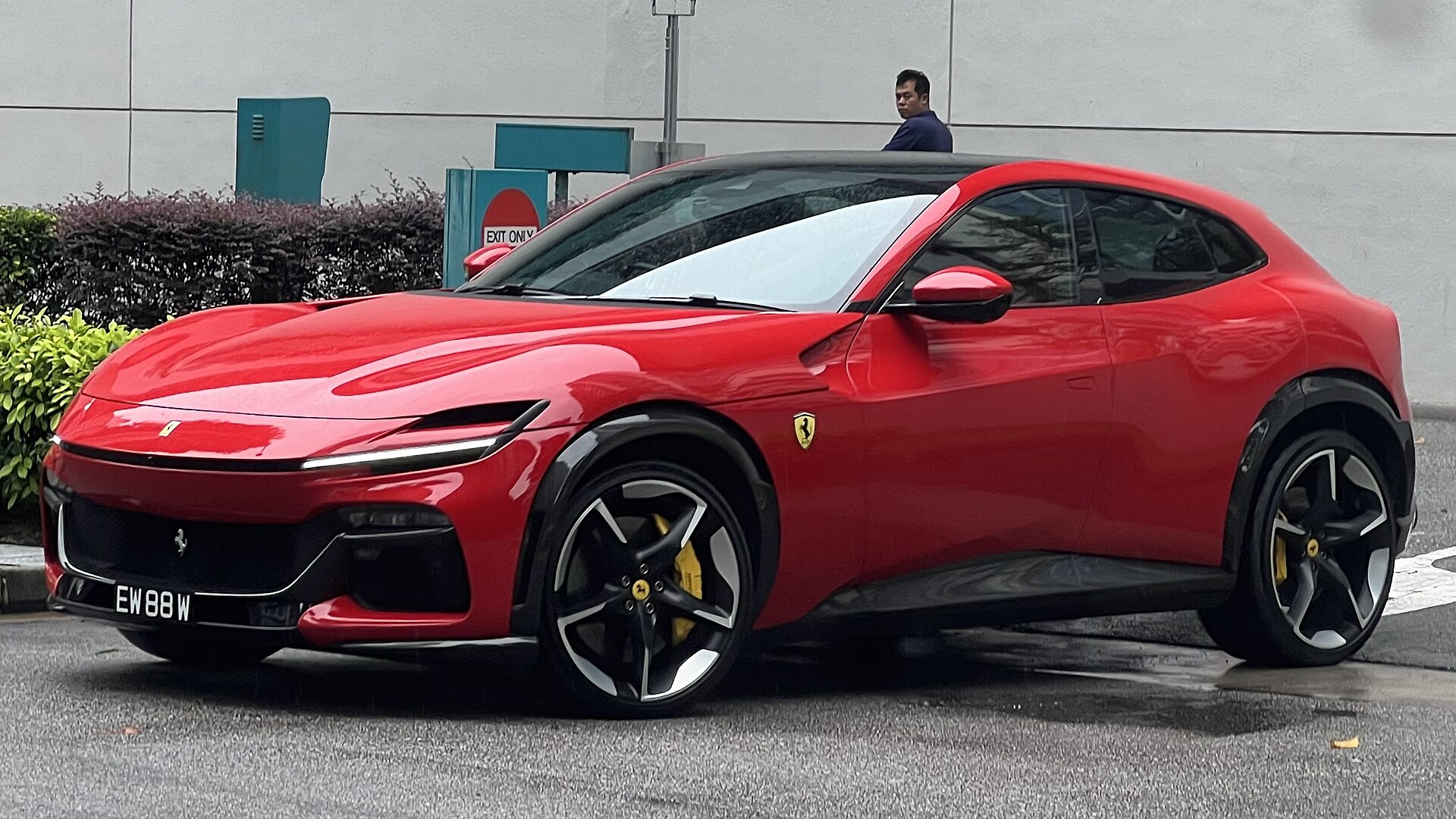
The Purosangue offers genuine four-seat accommodation — rear passengers get legroom, headroom, and power-operated doors. The trunk holds 16.9 cubic feet of cargo, which is more than a 488 but less than a Range Rover. If you need to carry golf bags, luggage, or the occasional large purchase, the Purosangue handles it. If you need to transport a family of five with grocery shopping, you need a different car.
The real usability question is daily driving. Ground clearance is low (8.3 inches), meaning speed bumps are enemies and rough parking lots are obstacles. The ride quality, even in comfort mode, is firm — this is a performance car that tolerates passengers, not an SUV that happens to perform. Visibility is good, but the wide body makes tight urban parking stressful. Fuel economy at 15–18 mpg combined means gas stops are frequent for a vehicle that costs $400K.
Where the Purosangue excels is in weekend warrior scenarios: two-hour drives to country estates, road trips down mountain passes, track day events where you want to bring a passenger. It's the perfect car for owners who value performance above all else but want the occasional ability to bring a companion along.
The Purosangue succeeds not as a practical alternative to other luxury SUVs, but as a genuinely emotional performance machine that happens to have room for passengers.
Competitor Comparison: How the Purosangue Stacks Up
You're likely considering alternatives. Here's how the Purosangue compares to the market's other ultra-luxury performance SUVs:
| Category | Ferrari Purosangue | Lamborghini Urus | Bentley Continental GT | Aston Martin DBX707 |
|---|---|---|---|---|
| Engine | 6.2L NA V12 | 4.0L Twin-Turbo V8 | 6.0L Twin-Turbo W12 | 4.0L Twin-Turbo V8 |
| Horsepower | 725 hp | 657 hp | 626 hp | 707 hp |
| 0–60 mph | 3.3s | 3.6s | 3.5s | 3.1s |
| MSRP | $400,000 | $240,000–$280,000 | $230,000–$260,000 | $189,000–$220,000 |
| Secondary Market Premium | +10–20% | -2–8% | -5–15% | -8–18% |
| Annual Maintenance | $4,500–$7,000 | $4,000–$6,500 | $5,000–$8,000 | $4,000–$6,000 |
| Practicality | Poor | Moderate | Excellent | Good |
| Performance Feel | Maximum | High | Good | High |
| Naturally Aspirated Engine | Yes | No | No | No |
Each of these vehicles fills a different need. The Lamborghini Urus is the performance bargain: less expensive, nearly as fast, better depreciation recovery. The Bentley Continental GT is the luxury choice: more comfortable, more practical, lower running costs. The Aston Martin DBX707 splits the difference: distinctive, fast, lower price point.
The Purosangue wins on two dimensions: the naturally aspirated V12 engine (irreplaceable emotional factor) and exclusivity. It loses on practicality and cost. If those dimensions matter more to you than passenger comfort or luggage space, it's the right car.
Reliability & Service: What to Expect
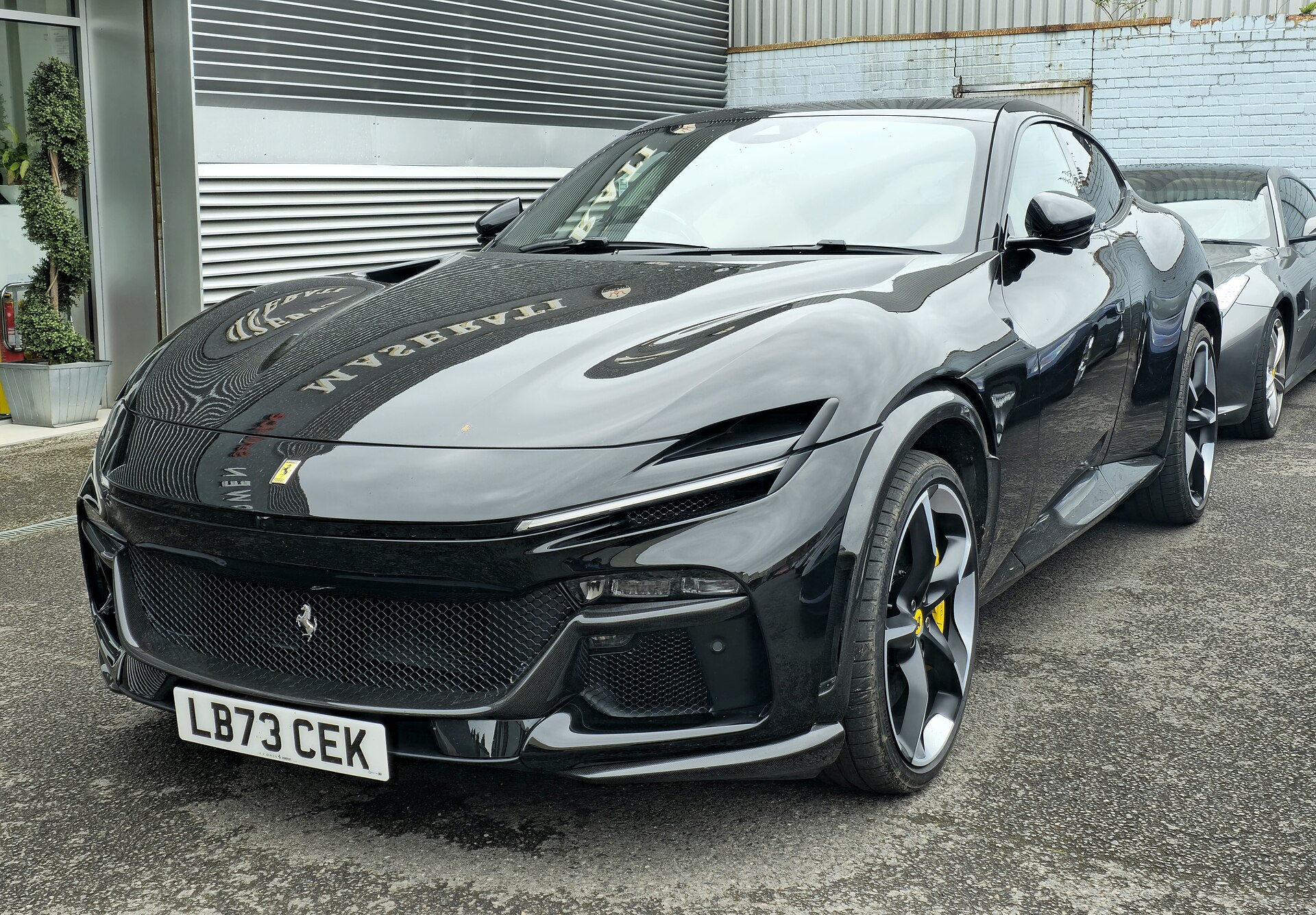
The Purosangue is based on Ferrari's proven platform architecture, which is good news. The V12 engine is new, which is a wildcard. Here's what we know from early ownership reports:
- Engine reliability: Early examples show zero reported engine failures, but we're only three years into production. The naturally aspirated design is simpler than turbo engines (fewer failure points), which bodes well.
- Transmission (8-speed DCT): The dual-clutch gearbox is the most likely problem area, though early reports are positive. Always test-drive in various conditions and feel for smooth engagement.
- Suspension & Handling: The active suspension and Connolly air suspension have been proven across the 488 and Roma. No widespread complaints so far.
- Electrical systems: Modern Ferraris have grown considerably in electronic complexity. Infotainment glitches have occurred, though software updates address most issues.
- Service requirements: Dealer-only service is mandatory. Oil changes at 19,700-mile intervals cost $1,000–$1,500. Major service (every 39,400 miles) runs $3,000–$5,000.
Because production is so recent, long-term reliability data doesn't exist. However, the engineering lineage is proven, and early feedback suggests the Purosangue is mechanically sound. Plan on regular dealer service and set aside an emergency fund for unexpected repairs — they can hit $8,000–$15,000 at exotic specialists.
Need a Pre-Purchase Inspection?
Automonitor connects you with Ferrari-certified inspectors who understand the Purosangue's unique systems and can identify hidden problems before purchase.
Schedule an Inspection →Daily Driving Reality: The Uncomfortable Truth
This deserves its own section because it's where most Purosangue buyers confront reality. On paper, it's a four-door SUV. In practice, it's a race car with four seats and a trunk.
Cold starts require 30 seconds of engine warming. The suspension is unforgiving over bumps in sport mode. Parking requires confidence in your spatial awareness. The wide body makes lane changes in traffic an exercise in attention. At highway speeds, wind and tire noise are significant. The interior, while beautifully appointed, feels snug when you have rear passengers and luggage.
That said, the Purosangue is utterly thrilling to drive. The V12's vocal presence is intoxicating. The steering response is immediate and precise. Acceleration is face-melting even by supercar standards. Weekend spirited drives feel genuinely special — every moment behind the wheel reminds you that you're piloting something genuinely extraordinary.
If your vision of ownership involves 50+ daily commute miles, school runs, and regular highway driving, the Purosangue is wrong. If your vision involves weekend enthusiasm, country drives, and the occasional passionate drive, it's right. Be honest about which category you actually fall into.
The Smart Way to Buy: Finding and Acquiring Your Purosangue
Buying a Purosangue requires a different approach than buying other exotics. There's no used inventory yet (the first 2023 models just reached three years old). You're either buying from the factory allocation system, through authorized dealers, or potentially from collectors who've owned early examples.
Option 1: Factory order through Ferrari dealership. This gives you specification control but requires patience (6–12 month lead times) and commitment. You'll pay MSRP or negotiate a modest discount. Best if you know exactly what you want.
Option 2: Dealer inventory or recent used examples. Check Automonitor, certified Ferrari dealers, and platforms like Bring a Trailer for available inventory. Early examples may command secondary market premiums, but you get immediate delivery. This is our recommended path for most buyers.
Option 3: Auction platforms. Sites like Cars and Bids occasionally list Purosanques, but inventory is limited. Auctions work well if you're willing to accept any specification and want to potentially negotiate price.
Critical steps: Get a pre-purchase inspection from a Ferrari specialist (non-negotiable). Review service history documentation carefully. Test-drive for at least 30 minutes on varied roads. Secure exotic car financing before you commit — rates typically run 6–10% with 20–30% down. Our guide on exotic car financing covers the process in detail.
Investment Outlook: What Happens in Five Years
The question every buyer asks: will my $400K Purosangue be worth $300K in five years, or $280K, or $350K?
Our best assessment: expect to recover 65–75% of your purchase price after five years and moderate mileage (15,000–25,000 miles annually). That assumes no major accidents, comprehensive service documentation, and a desirable specification (distinctive color, popular interior). If you overpaid secondary market premiums, expect larger depreciation. If you bought near MSRP, depreciation will be gentler.
The key variable is market perception. If the Purosangue becomes the "practical" Ferrari that every hedge fund manager owns, resale values collapse. If it becomes recognized as the last naturally aspirated V12 four-seater Ferrari, values stabilize or appreciate. We believe the latter is more likely, but it's not guaranteed.
The bottom line: buy to drive it, not to park it. If the depreciation hurts your feelings, you shouldn't have bought it.
When You Shouldn't Buy: Red Flags and Deal-Breakers
The Purosangue is not for everyone. Here are the situations where we'd advise walking away:
You need a daily driver. Full stop. The Purosangue can be driven daily, but shouldn't be. If 90% of your driving is commuting and errand-running, buy a Bentley Continental GT instead. Read our guide on Bentley Continental GT buying for details.
You're buying for practical reasons. If you genuinely need a four-door vehicle because you have a family, the Purosangue will frustrate you. Its practicality is performance theater, not actual usability. Buy the Aston Martin DBX707 or Bentley Continental GT.
You haven't driven one. The Purosangue feels different from every other luxury SUV. Some buyers find it too firm, too loud, too exhausting. Do not buy without extensive test driving. Contact your local Ferrari dealer and arrange a proper driving experience.
You can't afford the running costs comfortably. If $25,000 annual maintenance and fuel costs strain your budget, this car will cause financial stress. Don't let the badge override financial prudence. Consider the Urus or 911 Turbo S instead.
You're stretching to afford it. A $400K purchase should represent a comfortable allocation of wealth, not a stretch goal. The moment you're financing 80% of a Purosangue, you've made a mistake.
Frequently Asked Questions
Q: Is the Purosangue faster than the Lamborghini Urus?
A: Yes. The Purosangue hits 60 mph in 3.3 seconds versus 3.6 for the Urus, and the Ferrari's naturally aspirated engine provides more thrilling mid-range acceleration. However, the difference is marginal in real-world driving.
Q: Will the Purosangue be considered a collectible in 20 years?
A: Possibly, but not certainty. It's the first four-door Ferrari, which carries historical significance. However, it's not limited production like the 288 GTO Evoluzione or F40. It's more likely to be remembered as a curious experiment than a must-have collectible.
Q: Can I buy a Purosangue if I don't live near a Ferrari dealer?
A: Yes, though it complicates service. You can purchase through any authorized Ferrari dealer and arrange remote servicing, but you'll incur travel costs and downtime for major work. This should factor into your decision.
Q: Is the Purosangue more reliable than the Urus?
A: Too early to say definitively. The Purosangue is newer, so there's less data. The naturally aspirated engine design is simpler (fewer failure points), but it's untested in high-mileage scenarios. The Urus has proven itself over seven years of production.
Q: Should I wait for a new generation before buying?
A: If you're trying to avoid being an early adopter, waiting makes sense. The Purosangue will likely evolve, and second-generation examples may fix any teething issues. However, first-generation cars will eventually become collectible simply by virtue of being first.
Q: What's the resale experience like for exotic cars?
A: Check our detailed guide on buying used Ferraris, which covers market dynamics, timing, and negotiation strategies specific to exotic cars.
The Final Verdict
Is the Ferrari Purosangue worth buying? Yes — if you understand what you're buying and why. It's not a practical family vehicle. It's not an investment that will appreciate. It's not a sensible allocation of $400K. It's an utterly illogical, emotionally compelling, naturally aspirated middle finger to automotive efficiency and practicality.
It's the V12 engine you'll never hear from any other four-door. It's the performance benchmark that makes every drive feel like a weekend at a private track. It's exclusivity so profound that parking it attracts crowds. If those things matter more to you than passenger comfort or resale value, the Purosangue is the right choice.
The process of acquiring one should be methodical. Get a pre-purchase inspection. Test drive extensively. Understand the running costs. Secure financing before you commit. And if you want professional guidance, Automonitor's buying concierge service specializes in exactly this category. We've helped dozens of buyers navigate ultra-luxury purchases, and we'll ensure you get the right car at the right price.
The Purosangue is worth buying. Just make sure you're buying it for the right reasons.
Ready to Find Your Purosangue?
Automonitor connects you with certified Ferrari dealers and specialist inspectors who understand this unique vehicle. We handle pricing, inspections, and negotiations so you can buy with confidence.
Start Your Search →