
What Is the Most Reliable Lamborghini?
Which modern Lamborghini model breaks down the least? We've analyzed repair records, TSBs, owner forums, and maintenance costs across every current and recent model to find which bull you can actually trust with your money.
The Reliability Winner: The Huracan Dominates
If you care about reliability above all else, the Lamborghini Huracan is the only modern Lamborghini that comes close to genuine automotive dependability. It's not because Lamborghini suddenly figured out engineering—it's because the Huracan shares its platform with the Audi R8, which means Volkswagen Group engineering is running underneath all that Italian drama. The result: a naturally aspirated V10 supercar that owners routinely report going 30,000–50,000+ miles with zero catastrophic failures.
The Huracan represents a fundamental shift in Lamborghini's engineering philosophy. Where earlier Lamborghinis required babying and constant mechanical attention, the modern Huracan actually works. But not all Huracans are created equal when it comes to reliability, and not all Lamborghinis are Huracans. Let's break down the full picture.
Huracan (2014–Present): The Gold Standard of Lamborghini Reliability
The Huracan launched in 2014 with a 5.2-liter naturally aspirated V10 producing 610 horsepower in its base form. That same engine powers the 2024 final edition models at 630 hp. Engine reliability is exceptional—the V10 benefits from decades of Audi engineering refinement. Owners on Lamborghini-Talk forums consistently report the engine as bulletproof.
The Huracan platform uses the MLB Evo architecture (also shared with the Porsche 911, Audi R8, and Bentley). This is what makes it so reliable. VW Group quality control, sophisticated diagnostics, and parts availability are infinitely better than earlier Lamborghinis. Maintenance is straightforward: oil changes every 10,000 miles, fluid checks, filter replacements. Nothing exotic or temperamental.
Known Issues and Weak Points
Dual-Clutch Transmission Shudder: The 7-speed DCT is the Huracan's Achilles heel. Early models (2014–2016) occasionally develop shuddering at low speeds, particularly in traffic or tight parking situations. This is almost always a symptom of deteriorating clutch material, not a catastrophic gearbox failure. A complete clutch replacement runs $8,000–$12,000 at a Lamborghini dealership, or $5,000–$8,000 at independent shops. Always test-drive below 2,000 rpm through all gears and listen for any jerking or hesitation.
Hydraulic Nose-Lift System Leaks: If your Huracan has the optional adaptive air suspension and nose-lift system, seals can develop slow leaks over time, particularly in high-mileage examples (40,000+ miles). You'll hear a hissing sound when the system cycles. Seal replacement costs $2,000–$4,000. This is annoying but not urgent—the car still drives fine with a slow leak.
Timing Chain Cover Leaks: This is rare but expensive and worth understanding. Low-mileage cars that sat dormant for extended periods (garage queens with under 2,000 miles and 3+ years of age) occasionally develop rear timing chain cover leaks. This requires engine removal and costs $15,000–$25,000. Avoid this situation by choosing cars with regular maintenance histories, not showroom queens.
Coolant System Pressure Issues: High-performance driving and track use can stress the cooling system. Some owners report minor coolant weeping at radiator connections, particularly after repeated track sessions. A pre-purchase inspection must include a full cooling system pressure test.
Infotainment Glitches (EVO models only): The 2019+ EVO's touchscreen infotainment system can be glitchy—frozen screens, unresponsive controls, occasional resets. Lamborghini has issued software updates that resolve most issues. This is annoying but rarely expensive to fix.
Huracan Reliability by Year and Generation
| Generation | Years | Reliability Rating | Key Improvements | Known Issues |
|---|---|---|---|---|
| LP 610-4 | 2014–2019 | 8.5/10 | Baseline platform, solid engine | DCT shudder, early software quirks |
| EVO AWD | 2019–2024 | 9.0/10 | LDVI dynamics, better cooling, refined DCT | Infotainment occasional glitches |
| EVO RWD | 2020–2024 | 9.0/10 | Weight reduction, stiff suspension | Harsh ride in poor conditions |
| Tecnica | 2021–2024 | 9.2/10 | Track-focused, exceptional grip | Very stiff suspension, minimal sound insulation |
| STO | 2021–2024 | 9.2/10 | Track engineered, active aero, widebody | None significant; extensively tested |
| Performante | 2017–2024 | 9.1/10 | ALA active aero system, track suspension | ALA servo reliability unproven long-term |
| Sterrato | 2022–2024 | 8.8/10 | Off-road suspension, all-terrain capability | Ground clearance issues on normal roads |
Annual Maintenance Cost for Huracan
Budget for $3,000–$5,500 annually in routine maintenance, assuming you drive 5,000–8,000 miles per year. This includes oil changes, fluid checks, air filters, and cabin filter replacements. Beyond that, factor in $4,000–$8,000 annually for insurance, $2,000–$3,000 for fuel (at 13–17 mpg combined), and $1,500–$2,500 for tire replacement amortized across their lifespan (tires last 8,000–15,000 miles). Total running cost: $10,500–$19,000 per year.
Pre-Purchase Inspection Saves Money on Huracan Ownership
Before buying any Huracan, invest in a professional Lamborghini-specific inspection. Automonitor connects you with certified exotic car inspectors who know exactly what to look for—DCT function, cooling system pressure, seal integrity, and full diagnostic scans.
Schedule Your Inspection →
Urus (2018–Present): Surprisingly Solid
The Lamborghini Urus is a surprise reliability winner among luxury SUVs. Built on the MLB Evo platform (shared with the Porsche Cayenne, Bentley Bentayga, and Audi Q7), it inherits Volkswagen Group engineering excellence. The 4.0-liter twin-turbo V8 produces 641 horsepower and 627 lb-ft of torque. This engine is shared with the Porsche Cayenne Turbo and has proven remarkably durable in real-world ownership.
The Urus targets buyers who want supercar presence without supercar fragility. It's a genuine daily driver in a way that mid-engine Lamborghinis fundamentally cannot be. Ground clearance is practical (8.6 inches). Cargo space is generous (22 cubic feet). The cabin is reasonably sound-insulated. You can actually take the Urus to school pickup, parking lots, and long road trips without constant anxiety.
Urus Common Issues
Air Suspension Compressor Noise: Some owners report unusual compressor noise during suspension leveling, particularly after the vehicle sits overnight. This is typically just the air compressor priming the system—normal but louder than expected. Service bulletins address this with software updates.
Transmission Shift Quality: The 8-speed Tiptronic transmission occasionally feels hesitant during low-speed maneuvers. This is software-related and Lamborghini has issued updates that resolve it.
Brake Dust and Brake Noise: The carbon-ceramic brake system, while exceptional, does produce significant brake dust that accumulates on wheels quickly. Brake squeal under light braking is not uncommon and not a defect—it's inherent to carbon-ceramic pads.
Infotainment System: The Urus uses the Audi MIB 3 infotainment system, which is generally reliable but can occasionally glitch. Updates from Lamborghini dealerships resolve most software issues.
Panoramic Roof Rattle: A handful of owners report rattles from the panoramic sunroof at highway speeds, particularly over rough pavement. Dealerships have successfully fixed these with retensioning or weatherstripping replacement.
Urus Annual Maintenance
The Urus is less expensive to maintain than mid-engine Lamborghinis because of superior parts availability and simpler service procedures. Budget $2,500–$4,000 annually for routine maintenance (oil, filters, fluid checks), $4,500–$7,000 for insurance, and $3,500–$5,000 for fuel at 14–17 mpg combined. Total: $10,500–$16,000 per year, making it genuinely cheaper to run than the Huracan.
Gallardo (2003–2013): The Middle Ground
The Gallardo was Lamborghini's entry-level supercar for a decade, with over 14,000 units built. This means Gallardo reliability data comes from massive real-world usage. The good news: the naturally aspirated 5.0-liter V10 and the later 5.2-liter V10 engines are relatively robust. The bad news: the early-generation e-gear transmission is notoriously problematic.
Generation Breakdown
First Generation (2003–2009): The original Gallardo with the e-gear sequential gearbox suffers from shift hesitation, grinding noises, and occasional complete transmission failure. The hydraulic actuator design is prone to wear. Transmission rebuilds run $12,000–$18,000. The 5.0L V10 is solid, but the transmission overshadows everything. Only buy early Gallardos if the transmission has been recently rebuilt with documentation.
Second Generation LP 560-4 (2008–2013): Mid-cycle refreshes brought improvements. The later 5.2L V10 (560 hp) is stronger and more refined than the original. The e-gear software was updated multiple times. LP 560-4 models are more reliable than the original, particularly 2010+ examples. Still, the e-gear remains a weak point—expect potential transmission issues if buying any used Gallardo without maintenance history.
Gallardo LP 570-4 Superleggera (2011–2013): The final generation used refined e-gear software and stricter quality control. These are the most reliable Gallardos. Weight reduction made them more responsive, and owners report fewer transmission complaints than earlier models.
Gallardo Common Problems
E-Gear Transmission Faults: This is the elephant in the room for all Gallardos. The e-gear system uses electro-hydraulic actuators that can fail without warning. Symptoms include delayed shifts, grinding sounds, or complete loss of drive. Transmission work is expensive ($12,000+) and not always successful with repairs—sometimes rebuilds are necessary ($18,000+).
Timing Chain Rattle: Some higher-mileage Gallardos develop timing chain noise, particularly in cold morning starts. This indicates chain stretching and requires chain replacement ($3,000–$5,000).
Carbon Buildup (2008+ models): The transition to the 5.2L V10 brought direct fuel injection, which can lead to carbon accumulation on intake valves after 40,000+ miles. Symptoms include rough idle and reduced power. Carbon cleaning costs $1,500–$2,500.
Gallardo Reliability Rating
First-generation Gallardos (2003–2008): 6.5/10 due to e-gear issues. Second-generation Gallardos (2008–2013): 7.5/10 with cautious optimism if transmission is confirmed reliable. LP 570-4 Superleggera (2011–2013): 8.0/10 as the most refined generation. The Gallardo is drivable and fun, but transmission risk is real. Only buy with a clean pre-purchase inspection and transmission history.
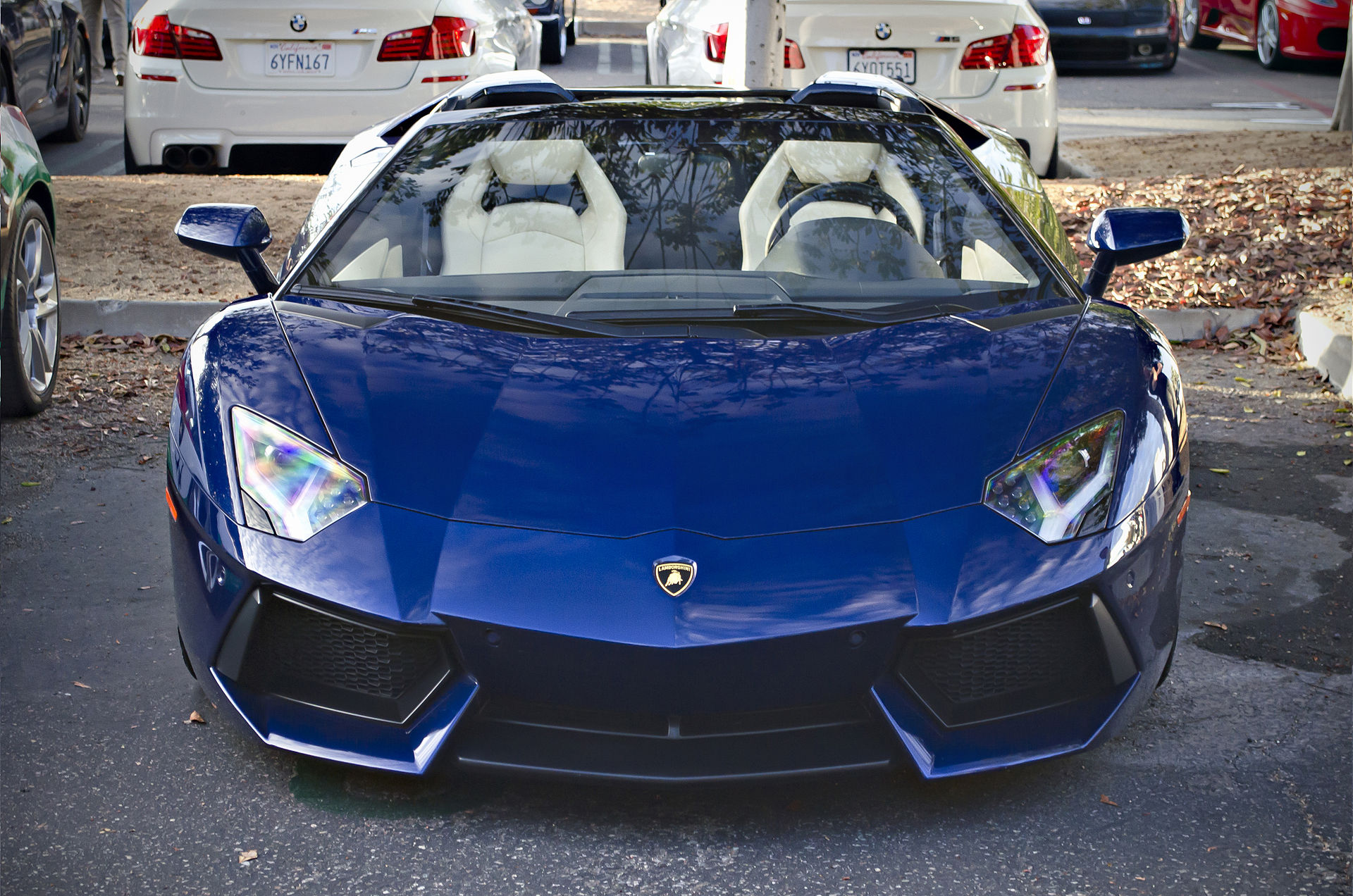
Aventador (2011–2022): Magnificent but Fussy
The Aventador was Lamborghini's flagship—a mid-engine supercar with a 6.5-liter naturally aspirated V12 engine producing 690 horsepower. It was the last of a dying breed, and for many enthusiasts, it represents the peak of naturally aspirated supercar engineering. Unfortunately, reliability doesn't match reputation.
Engine Reliability
The V12 engine itself is genuinely robust. Owners report high-mileage Aventadors (50,000+ miles) with strong engines. The L539 V12 is a masterpiece of mechanical engineering—no turbochargers, no hybrid complexity, just 12 cylinders producing glorious sound. Engine-related failures are rare. The problems emerge elsewhere.
Common Aventador Issues
ISR Single-Clutch Transmission Quirks: The Independent Shifting Rod transmission is a marvel of engineering and a source of endless owner complaints. It's lightning-quick but temperamental. Common issues include delayed shift engagement, creep behavior inconsistency, and occasional complete losses of drive that require electrical resets. Transmission rebuilds run $20,000–$35,000—among the most expensive in the supercar world. The ISR is not user-friendly in traffic.
Hydraulic Nose-Lift System Failures: The Aventador's innovative nose-lift system, which retracts the front splitter on takeoff, uses complex hydraulic mechanisms prone to seal degradation. Complete system replacement costs $8,000–$12,000. The system fails slowly (leak, reduced performance) rather than catastrophically, but it's expensive.
Carbon Buildup: Despite the naturally aspirated engine, the Aventador uses direct fuel injection on later models (2017+), leading to carbon accumulation. Carbon cleaning is $2,000–$3,500.
Cooling System Stress: The mid-engine layout and high-performance cooling demands create stress points. Some owners report coolant leaks at radiator connections, particularly after track use. A thermal imaging inspection can identify these before they become expensive.
Electrical Gremlins: Later Aventador models (2017+) introduced more complex electrical systems that occasionally misbehave—dashboard glitches, window regulators failing, and seat heating intermittent failures. These are usually software or connector-related and manageable but frustrating.
Aventador by Generation
| Model | Years | Reliability | Best For | Main Concern |
|---|---|---|---|---|
| Aventador LP700-4 | 2011–2014 | 7.0/10 | Pure V12 experience | ISR transmission, early software |
| Aventador S | 2017–2018 | 7.2/10 | Refined mid-range | More electrical complexity |
| Aventador SVJ | 2018–2022 | 7.3/10 | Track performance | Nose-lift wear, electrical |
| Aventador LP 780-4 Ultimae | 2021–2022 | 7.1/10 | Final edition collector | Transmission age concerns |
Aventador Annual Maintenance
Budget $4,000–$6,000 annually for routine maintenance on a well-maintained Aventador. Insurance runs $6,000–$10,000 per year. Fuel at 8–12 mpg combined: $5,000–$8,000 annually. Total annual running cost: $15,000–$24,000, comparable to or exceeding the Huracan despite lower mileage. The Aventador is not economical to own.
Murciélago (2001–2010): Legendary but Unreliable
The Murciélago was the car that saved Lamborghini in 2001, replacing the aging Diablo. With a 6.2-liter naturally aspirated V12 and 580 horsepower, it was genuinely impressive. However, reliability was compromised by complex design, marginal cooling systems, and the infamously problematic e-gear transmission inherited from the Gallardo.
Key Issues
E-Gear Transmission Failures: The Murciélago uses the same e-gear system as the early Gallardo, with identical problems—grinding, hesitation, and complete failures. Transmission work on a Murciélago is more expensive than on a Gallardo due to mid-engine complexity ($15,000–$25,000 for rebuilds).
Cooling System Limitations: The Murciélago's cooling system is notoriously undersized for its mid-engine layout and high-performance demands. Extended driving in traffic or hot climates leads to overheating. Multiple cooling system refreshes are common on high-mileage examples.
Clutch Wear: The single-plate clutch wears prematurely, particularly on cars that have been driven hard. Replacement is expensive ($8,000–$12,000) and labor-intensive.
Interior Trim Deterioration: Lamborghini's early 2000s interior materials degrade—leather cracks, stitching fails, plastic trim breaks. Repairs are expensive and cosmetic rather than mechanical.
Murciélago Reliability Rating
6.0–6.5/10. The Murciélago is a car you buy if you're a Lamborghini enthusiast willing to accept mechanical temperament as part of ownership. The engine is good, but everything around it is questionable. Only buy with a comprehensive pre-purchase inspection and documented service history.

Revuelto (2024+): Too New for Real Data
The Lamborghini Revuelto launched in 2024 as the brand's first production hybrid—a 6.5-liter naturally aspirated V12 paired with three electric motors for a combined 1,001 horsepower. It's technological tour de force, but reliability data is virtually nonexistent. No long-term ownership records exist yet. No TSBs have emerged. No common failure patterns have surfaced.
Reliability Concerns (Theoretical)
V12-Hybrid Complexity: Combining a naturally aspirated V12 with electric motors and battery systems creates mechanical complexity unlike anything Lamborghini has done before. The integration points between mechanical and electrical systems are potential failure sources that won't appear until thousands of Revueltos have accumulating high mileage.
Battery System Unknown: The Revuelto uses a 3.8 kWh battery pack (not large by hybrid standards). Long-term battery degradation, replacement costs, and reliability are unknowns. Porsche's hybrid Panamera shows batteries can last 100,000+ miles without major issues, but Lamborghini has no track record.
Electrical Complexity: The Revuelto has the most sophisticated electrical system ever fitted to a Lamborghini. More electronics mean more potential failure points. Lamborghini's historical record with complex electrical systems is mixed at best.
Thermal Management: Managing heat from a V12, three electric motors, and a hybrid transmission is challenging. The Revuelto adds an extra cooling loop for the battery system, increasing potential leak points.
Revuelto Reliability Outlook
Predicted 7.5–8.5/10 once enough cars accumulate mileage. It's built by a company backed by Audi's engineering, which is reassuring. But no one can honestly rate its long-term reliability yet. If you're buying a Revuelto, do so understanding you're essentially a beta tester for Lamborghini's hybrid technology. Budget for expensive and unexpected repairs.
The VW Group Effect: Why Huracan and Urus Are Different
The fundamental reason the Huracan and Urus are reliable compared to other Lamborghinis is Volkswagen Group engineering. After Audi acquired Lamborghini in 1998, VW executives made a strategic decision: stop trying to build supercars like Italian craftsmen and start building them like German engineers.
The result: the MLB Evo platform shared by the Huracan, Urus, Audi R8, Porsche 911 Turbo S, and Cayenne. This shared architecture means:
- Component redundancy and proven designs
- Factory service procedures standardized across brands
- Parts availability through the VW Group network (not just Lamborghini dealers)
- Software reliability proven across hundreds of thousands of vehicles
- Quality control standards from German manufacturing
When something goes wrong with a Huracan, it usually goes wrong with a known pattern that Audi has encountered before. When something goes wrong with an Aventador or Murciélago, it's unprecedented Lamborghini-specific complexity with limited recourse.
Reliability Scorecard: All Modern Lamborghinis
| Model | Reliability | Engine Durability | Transmission | Electrical | Annual Cost | Best If You Want |
|---|---|---|---|---|---|---|
| Huracan EVO | 9.0/10 | 9.5/10 | 8.5/10 | 8.5/10 | $10–19K | Best all-rounder |
| Huracan STO | 9.2/10 | 9.5/10 | 9.0/10 | 8.8/10 | $10–19K | Best track car |
| Urus | 8.8/10 | 9.0/10 | 8.5/10 | 8.0/10 | $10–16K | Daily usability |
| Gallardo LP 570 | 8.0/10 | 8.5/10 | 7.0/10 | 7.5/10 | $12–20K | Budget classic |
| Aventador SVJ | 7.3/10 | 9.0/10 | 6.5/10 | 7.0/10 | $15–24K | V12 experience |
| Murciélago | 6.5/10 | 8.0/10 | 5.5/10 | 6.0/10 | $18–28K | Collectors only |
| Revuelto | TBD | 9.0/10 | TBD | TBD | $12–22K | Bleeding edge |
Pre-Purchase Inspection Essentials by Model
Before buying any Lamborghini, a professional inspection is non-negotiable. Here's what to prioritize for each model:
Huracan Inspection Checklist
- DCT transmission function test through all gears at low speed and high speed; listen for any shuddering or grinding
- Cooling system pressure test (critical after track use)
- Nose-lift system operation and seal inspection
- Complete diagnostic scan for pending or stored fault codes
- Visual inspection of timing chain cover and valve cover gaskets for leaks
- Brake system health check including rotor thickness (carbon ceramics wear differently than traditional brakes)
- Infotainment system full functionality test (EVO models)
Urus Inspection Checklist
- Air suspension compressor operation and noise test
- Transmission shift quality through all gears and adaptive transmission memory
- Brake system evaluation including rotor wear
- Panoramic sunroof operation and seal integrity
- Cooling system pressure test (SUV cooling demands are higher than sportscars)
- All-wheel drive system diagnostic scan
Gallardo and Earlier Model Inspection
- Complete e-gear transmission diagnostic—critical because transmission failures are expensive and difficult to repair
- Timing chain condition assessment
- Cooling system flush records and visual inspection of radiator condition
- Carbon buildup assessment (2008+ models)
- Interior trim condition documentation
- Full service history verification
Mileage Milestones: What to Expect
Huracan at Different Mileages
Under 15,000 miles: Typically near-new condition if within 3–4 years of purchase. First oil change is due at 10,000 miles. No major service required yet. Budget $500–$1,000 in preventative maintenance.
15,000–30,000 miles: First major maintenance service due at 30,000 miles in European spec (US spec is typically 10,000-mile intervals for oil, 30,000 for major service). Brake pads may need inspection. Budget $1,500–$3,000 for the major service.
30,000–50,000 miles: Transmission behavior should be evaluated—any shuddering issues will likely manifest here. Brake pad wear accelerates. Carbon cleaning may be recommended. Fluid flush intervals are due. Budget $2,000–$4,000 annually.
50,000–75,000 miles: This is where ownership complexity increases. Secondary cooling circuits may show stress. Brake rotors will need replacement (carbon ceramics don't last as long as you'd think). Transmission fluid flush recommended. Budget $3,000–$5,500 annually.
Urus at Different Mileages
Under 15,000 miles: Warranty work covers most issues. Air suspension self-leveling operates perfectly. Budget minimal maintenance.
15,000–30,000 miles: First major service due. Air suspension compressor efficiency drops slightly but remains within spec. Budget $2,000–$3,000.
50,000+ miles: The air suspension begins showing age—compressor noise increases, leveling speed slows slightly. No failures yet, just aging components. Transmission fluid exchanges should begin. Budget $2,500–$4,000 annually.
Aventador and Murciélago at Different Mileages
Under 10,000 miles (low-mileage collector cars): Seal degradation can actually accelerate if the car sits. The nose-lift hydraulic system and transmission seals are stressed by dormancy. Always buy low-mileage cars with recent operation, not museum pieces.
30,000+ miles (driven cars): ISR transmission begins showing personality quirks. Nose-lift system seals degrade noticeably. Cooling system stress becomes evident. Electrical glitches may emerge. These cars demand regular driving and maintenance to prevent catastrophic failure.
How Automonitor Specializes in Lamborghini Inspections
At Automonitor, we've completed hundreds of Lamborghini pre-purchase inspections across all models. Our inspection protocol goes beyond standard diagnostic procedures:
- Model-specific checklists developed from real failure data
- Thermal imaging to identify coolant leaks before they cause damage
- Transmission-specific diagnostic scans that read live transmission parameters
- Carbon buildup assessment via borescope inspection
- Complete historical service record verification and cross-reference with dealer databases
- Post-inspection cost projections based on your intended usage (track driving, daily driving, collection)
We've seen every Lamborghini failure mode because we've worked with hundreds of owners. This experience translates directly into catching problems before they cost you tens of thousands of dollars.
Let Automonitor Handle Your Lamborghini Pre-Purchase Inspection
Our network of certified exotic car inspectors know Lamborghinis inside and out. Get real answers about reliability, expected maintenance, and what you're actually buying.
Book Your Inspection Today →Reliability vs. Other Exotic Brands
How do Lamborghinis compare to other exotic marques when it comes to reliability? The Huracan and Urus punch above their weight class.
Compared to Ferraris, Lamborghinis (especially the Huracan) are more reliable. Ferrari's prancing horse models suffer from carbon buildup, transmission issues, and electrical complexity that exceed Lamborghini's typical problems. The Huracan's VW Group engineering gives it an advantage.
Compared to McLarens, the Huracan is significantly more reliable. McLaren sports cars are magnificent but notoriously problematic—electrical gremlins, carbon buildup, gearbox issues. The 720S depreciates faster and requires more maintenance.
Compared to Audi R8s, the Huracan and R8 are essentially twins mechanically, so reliability is comparable. The R8 uses the same engine and platform. Choose based on preference for Italian drama (Lamborghini) versus German restraint (Audi).
Compared to Porsches, the Huracan is roughly equivalent in reliability to the 911 Turbo S, but the Porsche is more comfortable and practical for daily driving. The Urus is actually less expensive to maintain than equivalent Porsche Cayenne turbos.
Want a comprehensive comparison? Read our guide to the most reliable exotic cars for detailed breakdowns across all brands.
Frequently Asked Questions About Lamborghini Reliability
1. Which Lamborghini model should I buy for maximum reliability?
The Huracan EVO or STO. Full stop. These are the only modern Lamborghinis with genuinely trustworthy reliability records. The Urus is a close second if you need practicality and can accept slightly higher ownership costs. Avoid the Aventador for reliability concerns, and stay away from Murciélago and early Gallardo models unless you're a true enthusiast willing to accept repair expenses.
2. Can I daily drive a Lamborghini reliably?
Yes, but only the Urus and the Huracan. The Urus is the obvious choice because it's an SUV with ground clearance and cargo space. The Huracan can be daily driven in fair climates with proper tire choices (not track tires) and acceptance of 13–17 mpg fuel economy. The Aventador and older models are not suitable for regular daily driving—they're temperamental in traffic and emotionally draining.
3. What's the most common Lamborghini breakdown?
For Huracans, it's DCT transmission shuddering in early models. For Urus, it's electrical glitches in the infotainment system. For Aventadors and Murciélagos, it's transmission failures (ISR or e-gear). For Gallardos, catastrophic e-gear transmission failure. For all models, cooling system stress is universal—these are high-performance cars that generate significant heat.
4. How much does a major Lamborghini repair cost?
Transmission work is the priciest: $8,000–$12,000 for clutch replacement on Huracans, $12,000–$18,000 for e-gear repairs on Gallardos, $20,000–$35,000 for ISR transmission rebuilds on Aventadors. Engine rebuilds start at $25,000+. Nose-lift system replacement: $8,000–$12,000. Cooling system overhaul: $5,000–$10,000. Even minor items like brake pad replacement with carbon ceramics runs $3,000–$4,000.
5. Should I buy from an authorized Lamborghini dealer or an independent specialist?
For purchase and warranty work, go through an authorized dealer. For routine maintenance and repairs after warranty expires, independent Lamborghini specialists are often better—lower labor rates ($150–$200/hour vs. $300+/hour at dealers) and more flexible about used OEM parts. Get referrals through Lamborghini-Talk forums for trusted independent specialists in your region.
The Final Answer: Buy a Huracan, Not Anything Else
If reliability matters—and it should—buy a Huracan or Urus. The Huracan represents everything Lamborghini learned from Volkswagen Group integration, delivering a naturally aspirated V10 supercar that actually works. The Urus provides supercar presence with genuine daily usability and better maintainability than any mid-engine model.
The Aventador is magnificent but unreliable. The Murciélago is legendary but temperamental. The Gallardo is a collector's piece with transmission time-bombs. The Revuelto is revolutionary but unproven. None of them offer the reliability-to-price ratio of the Huracan.
Is the Huracan perfect? No. You'll encounter DCT quirks, cooling system stress, and maintenance costs that would horrify most car owners. But within the context of exotic car ownership, the Huracan is as reliable as supercars get. Buy one with confidence, invest in a thorough pre-purchase inspection, budget for maintenance, and enjoy driving the last naturally aspirated V10 supercar Lamborghini will ever build.
Can you daily drive a Lamborghini? Yes. Is a Lamborghini better than a Ferrari? For reliability, absolutely. Which exotic brand is most reliable? Lamborghini has earned that distinction with the Huracan. Trust the data, not the legend.